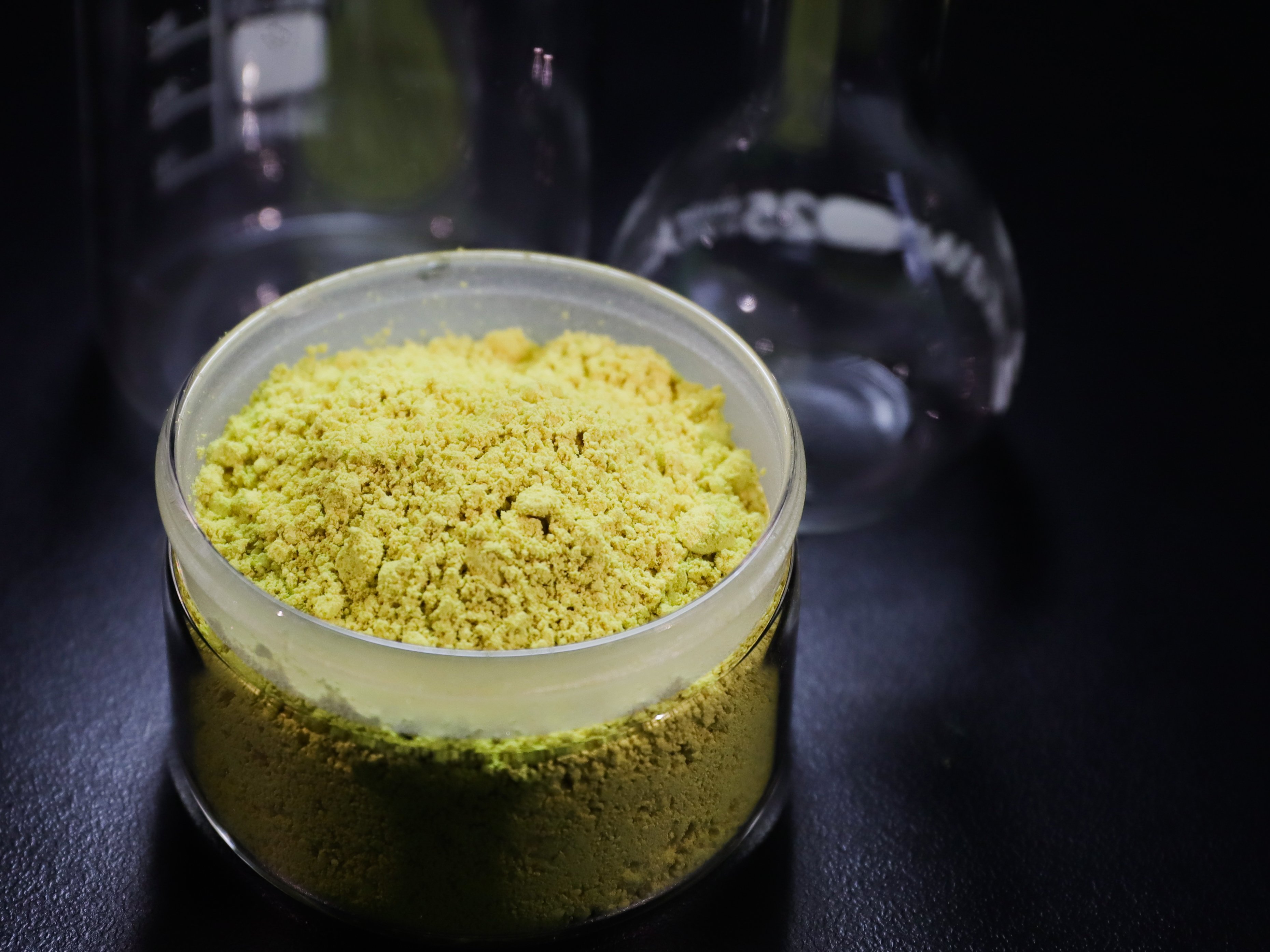
A phosphine quinone adduct is a molecular association product used to manage when phosphine-based activity becomes available in an epoxy formulation. Its structure helps explain why it can contribute to latency: the phosphine is incorporated into an ...
VIEW MORE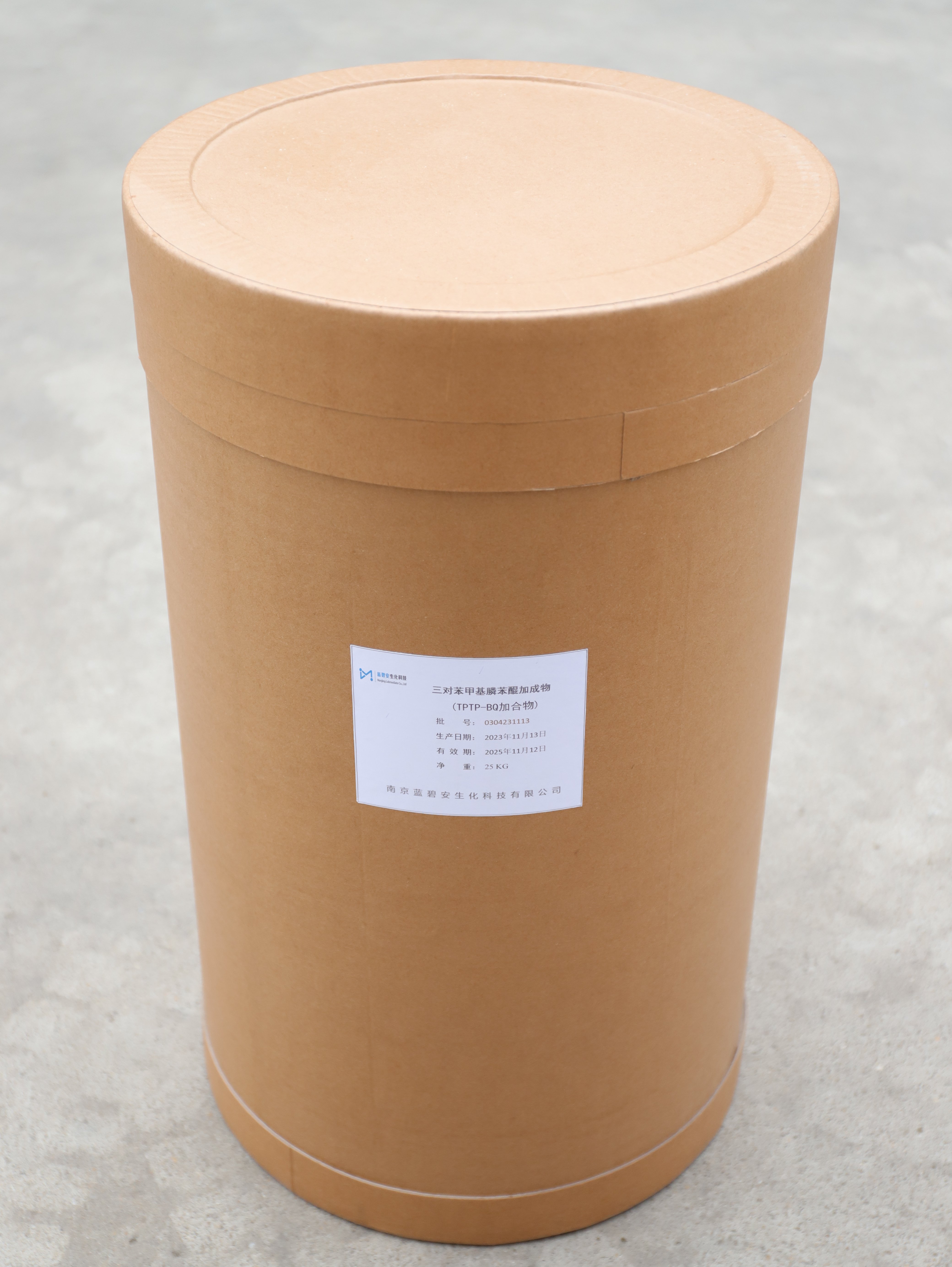
There is no single temperature that triggers dissociation in every phosphine quinone adduct. The onset depends on the phosphine and quinone structures, sample purity, atmosphere, heating rate, and whether the process is reversible or followed by othe...
VIEW MORE
A phosphine quinone adduct can act as a heat-responsive source of phosphine because its bound form and its separated components may exist in a reversible balance. When heating favors dissociation, phosphine becomes available to participate in a react...
VIEW MORE
To evaluate the storage stability of an epoxy containing a phosphine quinone adduct, treat it as a controlled formulation study rather than relying on appearance alone. The goal is to determine whether storage changes processing behavior or final-use...
VIEW MORE
The advantages of a phosphine quinone adduct over a conventional blocked accelerator depend on what a formulation needs: reliable latency, practical handling, and activation suited to the process. Rather than treating every accelerator as interchange...
VIEW MORE
The choice between phosphine quinone adduct systems and boron-based latent hardeners involves more than simple price comparison. In industrial applications requiring delayed-cure epoxy formulations, the total cost of ownership, performance characteri...
VIEW MORE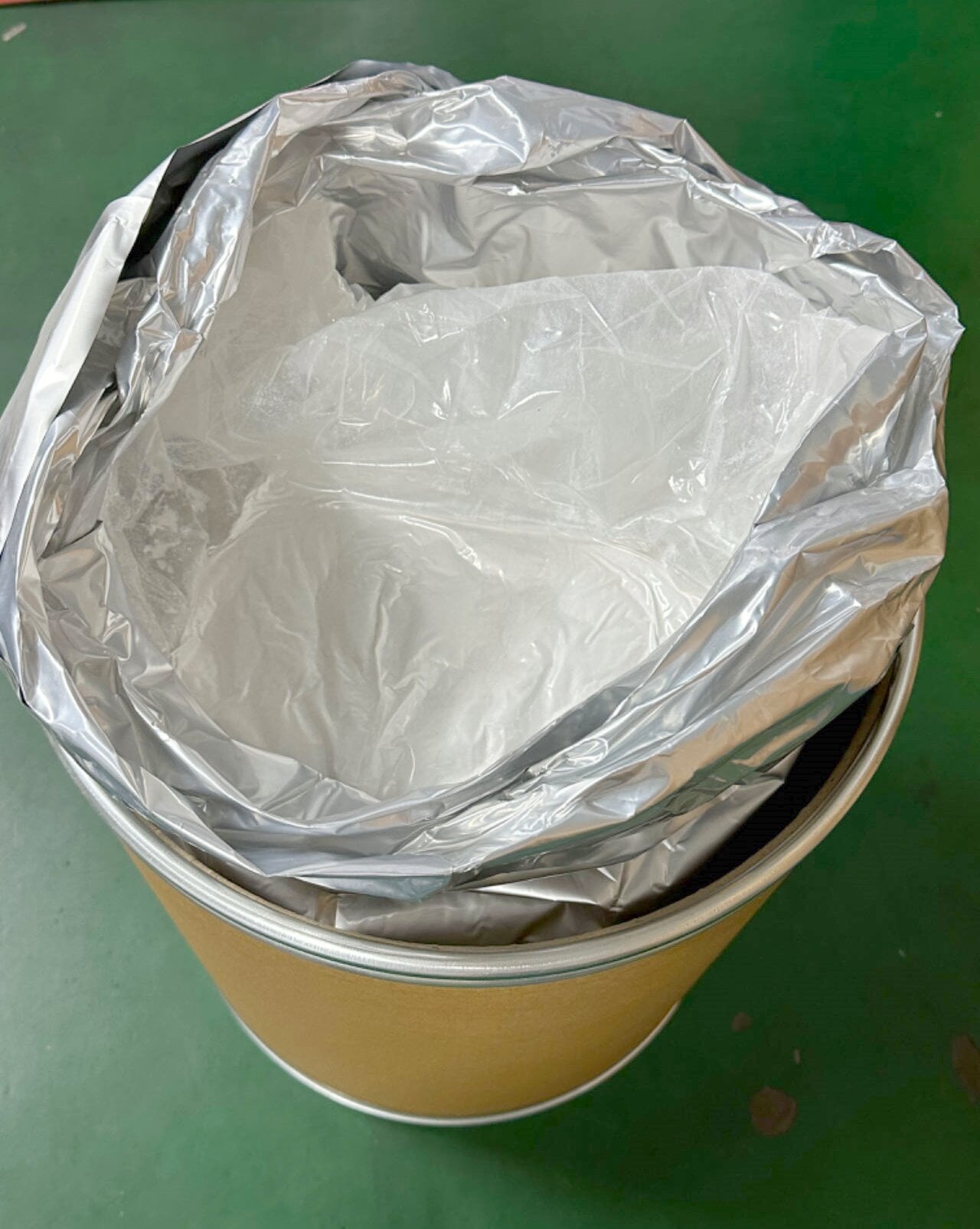
N,N-carbonyldiimidazole CDI is a widely used coupling reagent in pharmaceutical synthesis, biochemistry, and materials science applications. During commercial manufacturing and storage, N,N-carbonyldiimidazole CDI frequently contains solvent residues...
VIEW MORE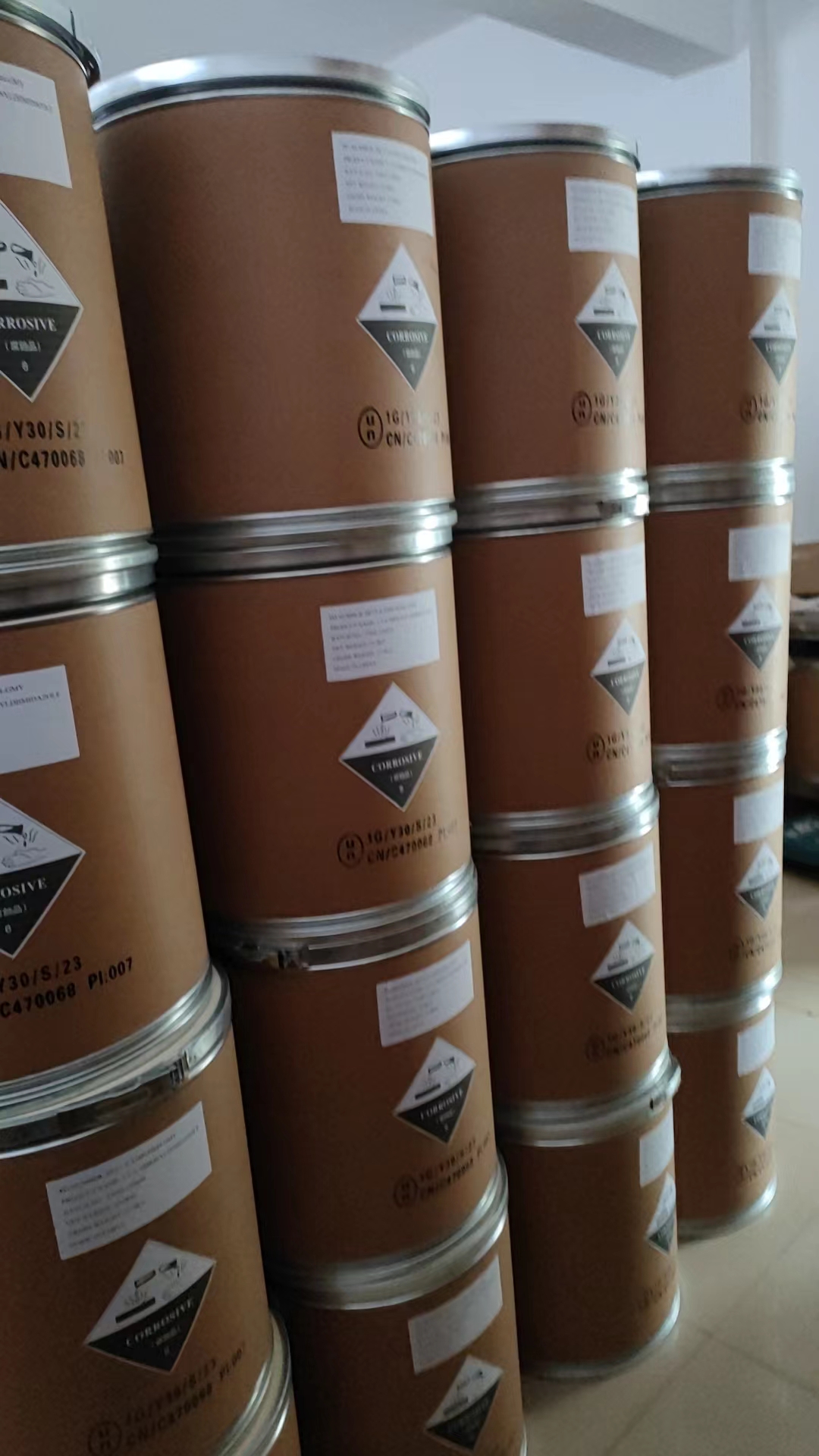
Carboxylic acid activation is a fundamental transformation in organic synthesis, and nn-carbonyldiimidazole cdi has become an indispensable reagent for this purpose. However, one of the most significant challenges when using nn-carbonyldiimidazole cd...
VIEW MORE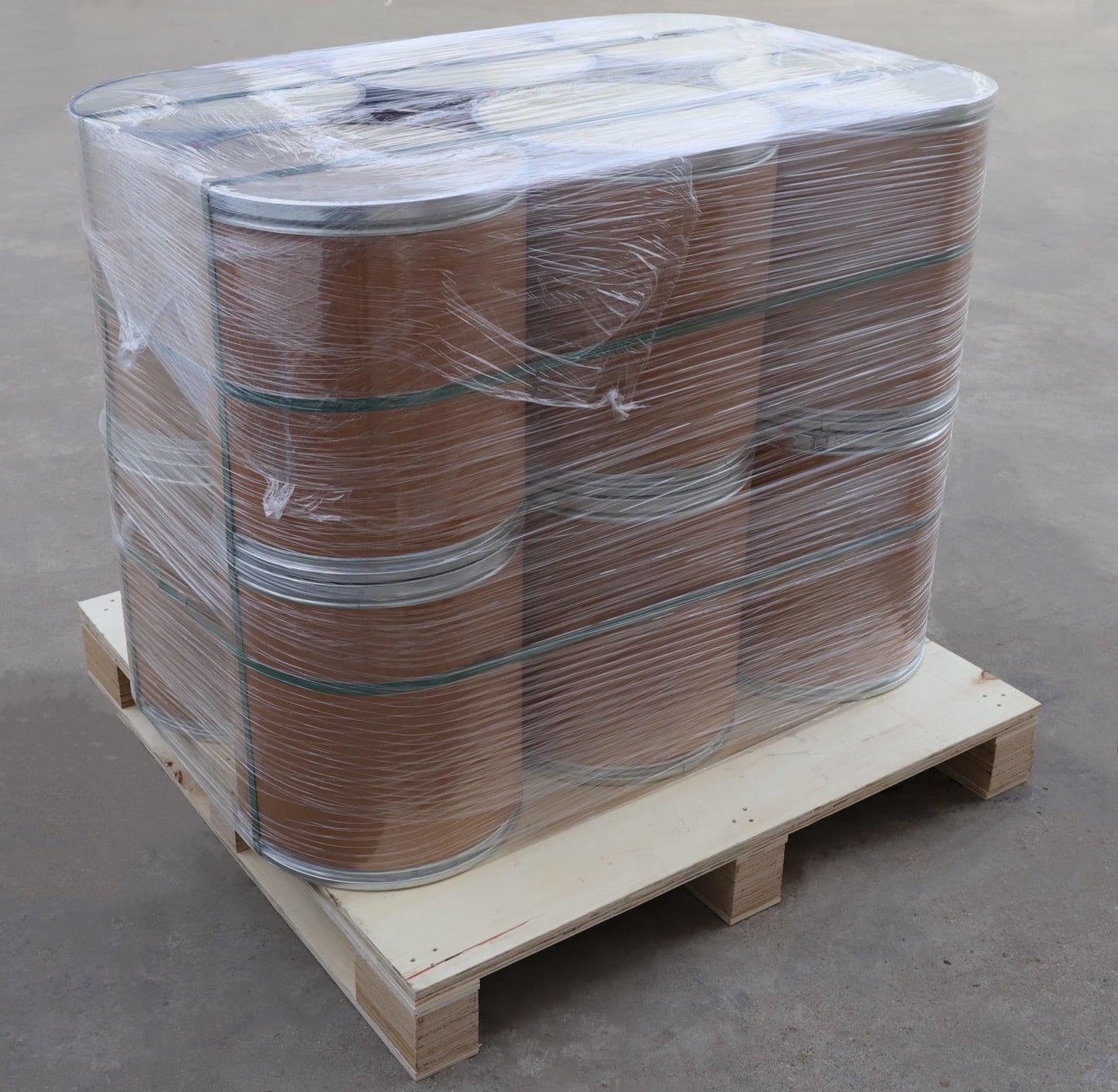
The synthesis of amides represents one of the most fundamental transformations in organic chemistry, and the selection of an appropriate coupling reagent is critical to achieving high yields and selectivity. CAS 530-62-1, commonly known as carbonyldi...
VIEW MORE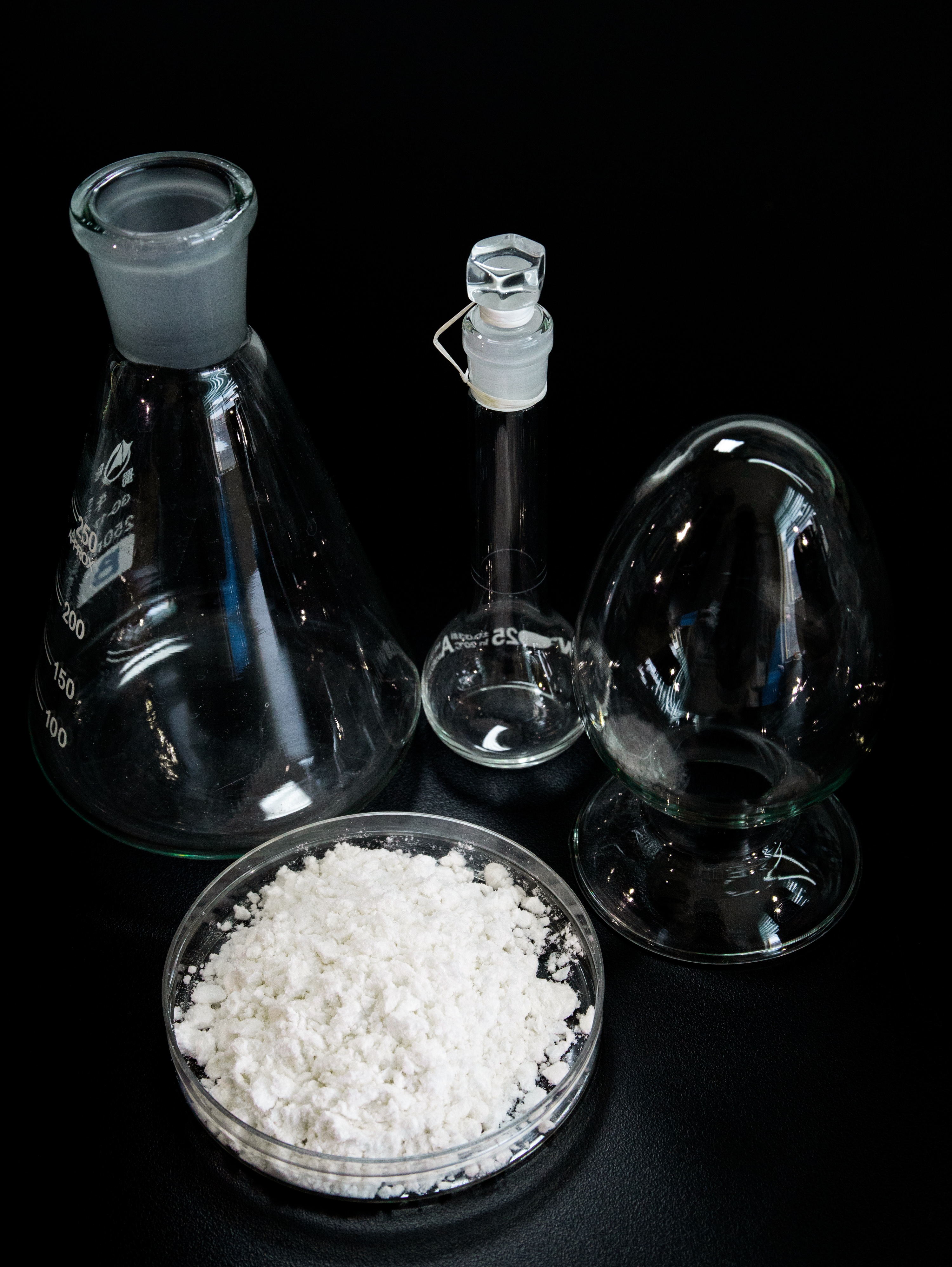
Proper storage of CAS 530-62-1 is essential for maintaining the chemical's activity and effectiveness over extended periods. Without appropriate handling and environmental controls, this compound can degrade, losing its potency and becoming unsuitabl...
VIEW MORE
The pharmaceutical intermediate market continues to experience significant volatility, particularly for specialized chemical compounds like CAS 530-62-1. Understanding the price trends for CAS 530-62-1 has become essential for pharmaceutical manufact...
VIEW MORE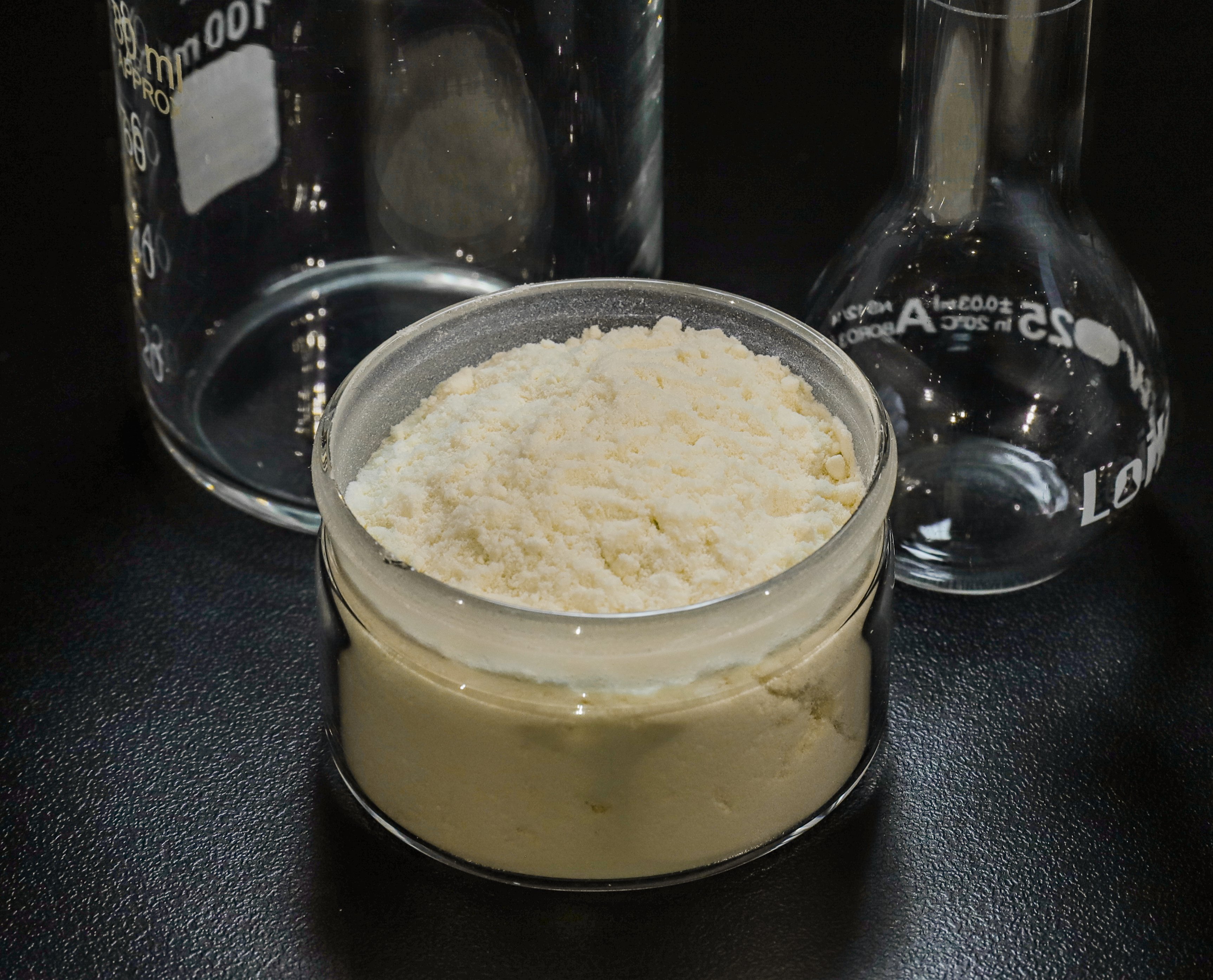
The pharmaceutical intermediate imidazole derivative stands as one of the most pivotal building blocks in modern antifungal drug development. These versatile chemical compounds serve as crucial precursors in the synthesis of numerous antimycotic agen...
VIEW MORE
Nanjing Labmediate specializes in developing EMC curing catalysts for semiconductor chip packaging. With over 10 years of R&D experience, we provide high-quality thermally-latent catalysts and customized solutions for the semiconductor industry.
Ronghui Times Center,1704 Shuanglong Avenue,Jiangning District,Nanjing,China
Copyright © 2026 Nanjing Labmediate Co.,Ltd. All rights reserved. Privacy Policy
 EN