
 EN
EN
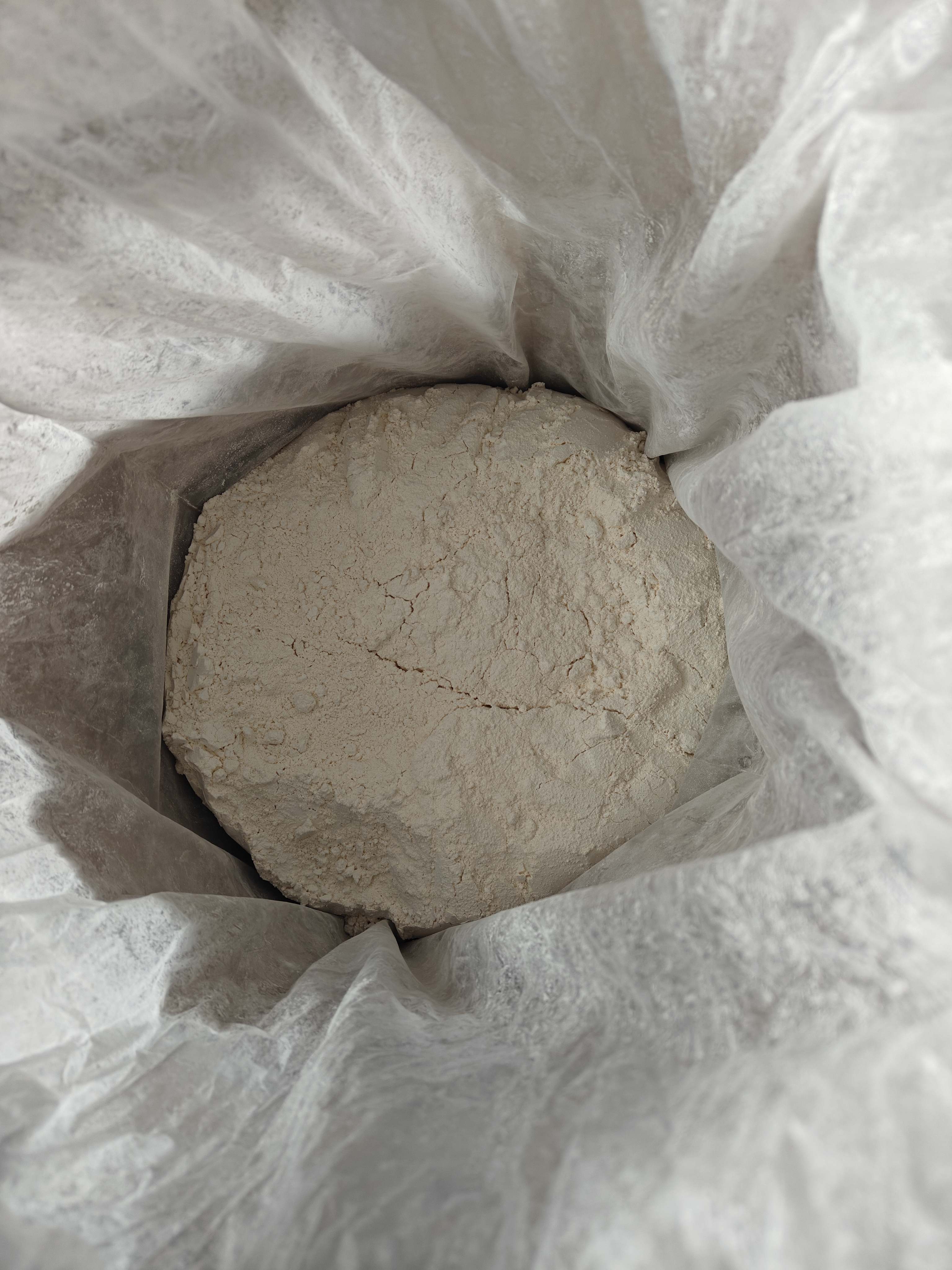
Selecting the right epoxy hardener for 2P4MZ formulations is critical for achieving optimal structural adhesive performance. 2P4MZ, or 4-methyl-2-phenyl-1H-imidazole, has emerged as a powerful accelerator and curing agent in the epoxy adhesive industry, particularly for applications demanding rapid cure times and exceptional mechanical strength. However, not all epoxy hardeners pair equally well with 2P4MZ, and understanding the chemistry behind these combinations can mean the difference between a superior bond and a failed application.
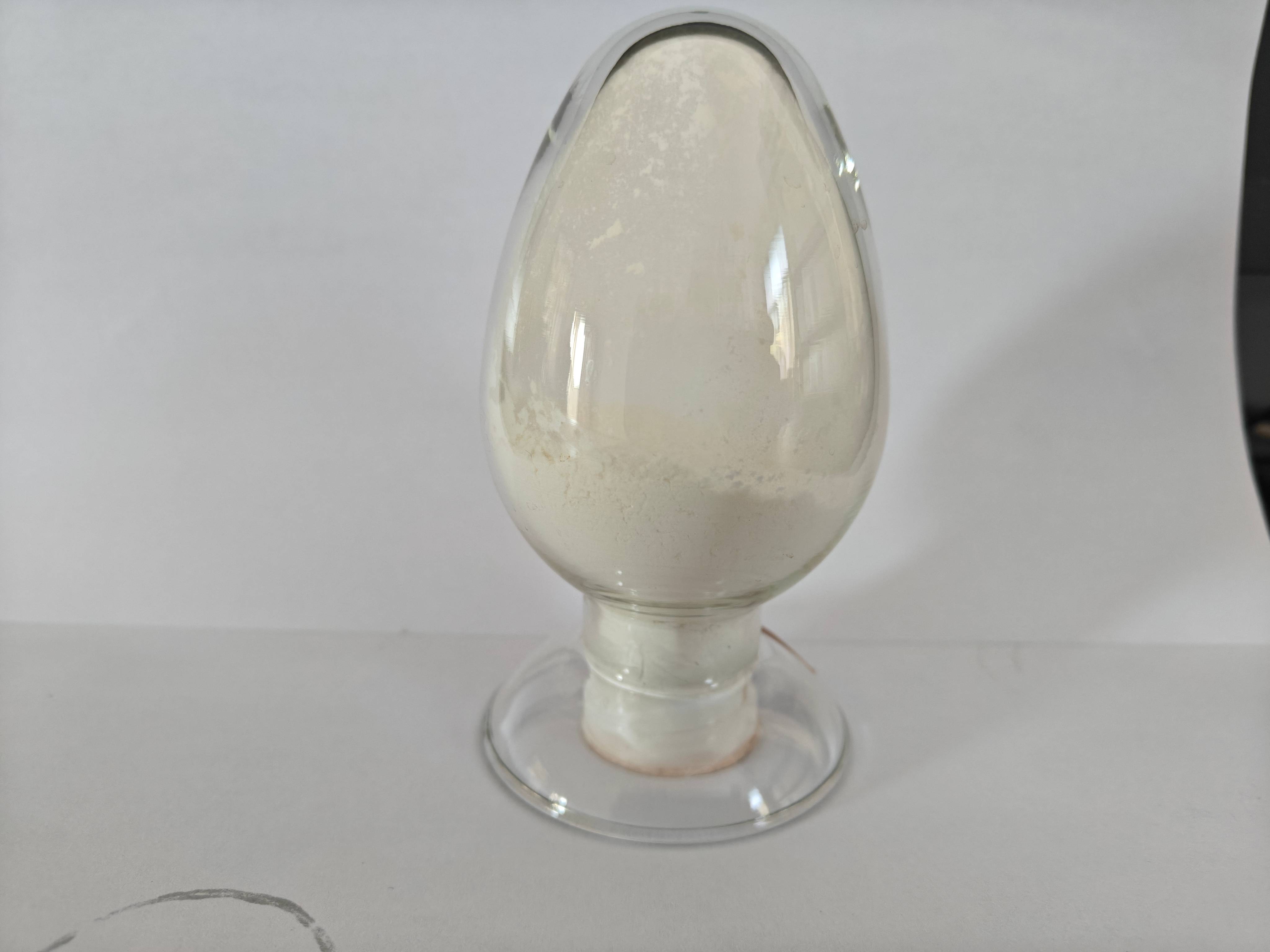
The interaction between 2P4MZ and your chosen hardener determines cure kinetics, pot life, glass transition temperature, and final mechanical properties such as tensile strength and thermal resistance. Industrial adhesive manufacturers working with 2P4MZ must evaluate hardener systems based on compatibility, reactivity profiles, and end-use performance requirements. This guide explores the most effective 2P4MZ hardener combinations and explains how to select the optimal pairing for your structural adhesive application.
Understanding 2P4MZ as an Epoxy Accelerator
Role of 2P4MZ in Epoxy Formulations
2P4MZ functions as both a latent accelerator and an active curing agent in epoxy systems. Unlike traditional hardeners that react immediately upon mixing, 2P4MZ exhibits temperature-dependent activation, making it ideal for applications requiring extended pot life at room temperature followed by rapid cure upon heating. When incorporated into epoxy formulations, 2P4MZ significantly reduces cure time without sacrificing the quality of the final bond.
The mechanism behind 2P4MZ effectiveness lies in its imidazole ring structure, which facilitates nucleophilic attack on epoxy rings. This molecular architecture enables 2P4MZ to function synergistically with primary and secondary hardeners, enhancing overall cure efficiency. Structural adhesive manufacturers commonly use 2P4MZ in concentrations ranging from 0.5 to 2.0 percent by weight, depending on desired cure speed and final performance characteristics.
Key Properties of 2P4MZ
2P4MZ possesses several advantageous properties that distinguish it from conventional epoxy curing agents. It offers excellent thermal stability, maintaining its accelerating properties across a wide temperature range, making it suitable for both ambient and elevated-temperature curing schedules. Additionally, 2P4MZ contributes to improved chemical resistance and enhanced adhesion to challenging substrates including metals, composites, and ceramics.
The compatibility of 2P4MZ with various epoxy resins and hardener systems is exceptionally broad, though some combinations deliver superior results than others. Understanding how 2P4MZ interacts with specific hardener chemistries allows formulators to optimize performance for demanding structural applications.
Optimal Hardener Systems for 2P4MZ Formulations
Aliphatic Amine Hardeners with 2P4MZ
Aliphatic amine hardeners represent one of the most effective pairings with 2P4MZ for structural adhesives. Primary amines such as aliphatic polyamines deliver fast cure kinetics and exceptional mechanical strength when combined with 2P4MZ. The synergistic reaction between 2P4MZ and aliphatic amines produces highly crosslinked networks with superior tensile strength and impact resistance.
When formulating with 2P4MZ and aliphatic amines, pot life typically extends from 30 to 120 minutes at room temperature, depending on 2P4MZ concentration and ambient conditions. This extended working time allows precise application of structural adhesives to large assemblies or complex geometries. Upon heating to 60–80 degrees Celsius, 2P4MZ activation accelerates the amine-epoxy reaction, achieving full cure within 2 to 4 hours compared to 24 hours without 2P4MZ acceleration.
Cycloaliphatic Amine Hardeners with 2P4MZ
Cycloaliphatic amine hardeners paired with 2p4mz produce adhesives with excellent thermal performance and outstanding chemical resistance. Isophorone diamine and similar cycloaliphatic systems interact with 2P4MZ to form densely crosslinked structures that maintain mechanical integrity at elevated temperatures. These formulations are particularly suited for aerospace, automotive, and industrial applications where thermal cycling and chemical exposure are significant concerns.
The glass transition temperature of epoxy adhesives formulated with cycloaliphatic amines and 2P4MZ typically ranges from 120 to 160 degrees Celsius, providing reliable performance in high-temperature service environments. 2P4MZ accelerates the reaction kinetics of cycloaliphatic amines without compromising the superior temperature resistance that these hardeners inherently provide.
Aromatic Amine Hardeners and 2P4MZ Compatibility
Aromatic amine hardeners, including methylenebis(aniline) and similar systems, exhibit strong compatibility with 2P4MZ for ultra-high-performance structural adhesives. The combination of aromatic amines with 2P4MZ produces exceptionally rigid and durable bonds with tensile strengths often exceeding 30 megapascals. These formulations deliver superior shear strength and peel resistance, making them ideal for demanding structural applications.
However, aromatic amine systems combined with 2P4MZ require careful temperature management, as exothermic reactions can become vigorous in large assemblies. Pot life considerations demand precise mixing and application protocols to prevent premature gelation. 2P4MZ concentration in aromatic amine systems should be carefully optimized to balance workability with desired cure speed and final mechanical properties.
Performance Optimization and Selection Criteria
Cure Schedule Alignment with 2P4MZ
Selecting the appropriate hardener for 2P4MZ-accelerated formulations requires matching the cure schedule to your manufacturing workflow and performance requirements. Room-temperature cure applications benefit from 2P4MZ concentrations between 0.8 and 1.5 percent, paired with aliphatic or cycloaliphatic amines to provide moderate pot life and ambient cure capability. For accelerated-cure processes, 2P4MZ concentrations can increase to 1.5 to 2.0 percent, with thermal activation at 80–100 degrees Celsius delivering full cure within 1 to 2 hours.
The interaction between 2P4MZ dosage and hardener selection directly influences final mechanical properties and long-term durability. Higher 2P4MZ concentrations with aromatic amines deliver superior thermal resistance but reduce pot life significantly. Conversely, lower 2P4MZ loadings with aliphatic amines provide extended workability at the expense of reduced cure acceleration.
Performance Metrics and Validation
When evaluating 2P4MZ hardener combinations, measure critical performance metrics including tensile strength, lap-shear strength, peel resistance, and glass transition temperature. Standard testing protocols such as ASTM D1876 for peel strength and ASTM D1002 for lap-shear strength provide objective comparisons between different 2P4MZ formulations. Thermal analysis using differential scanning calorimetry reveals cure kinetics and helps optimize 2P4MZ concentration relative to your selected hardener system.
Substrate compatibility testing ensures that your chosen 2P4MZ hardener combination delivers adequate adhesion to target materials, whether aluminum, steel, composite, or elastomer surfaces. Environmental resistance testing simulates moisture exposure, thermal cycling, and chemical attack to validate long-term performance in real-world conditions.
FAQ
What is the ideal 2P4MZ concentration for structural adhesives?
The optimal 2P4MZ concentration typically ranges from 0.8 to 2.0 percent by weight, depending on your hardener selection and desired cure schedule. Aliphatic amine systems usually perform best with 2P4MZ at 0.8 to 1.2 percent for balanced pot life and cure speed, while aromatic amines may require 1.5 to 2.0 percent 2P4MZ for maximum performance. Always conduct small-scale trials to establish the ideal concentration for your specific application and hardener combination.
Can 2P4MZ be used with all types of epoxy hardeners?
While 2P4MZ exhibits broad compatibility with most amine-based hardeners, not all combinations deliver equally superior results. 2P4MZ works exceptionally well with aliphatic, cycloaliphatic, and aromatic amines, but compatibility with specialized hardeners such as latent phenolic curatives or anhydride systems requires thorough testing. Always verify 2P4MZ reactivity and performance metrics with your specific hardener before large-scale production implementation.
How does 2P4MZ affect the pot life of structural adhesives?
2P4MZ acts as a latent accelerator, extending pot life at room temperature while enabling rapid cure upon thermal activation. With aliphatic or cycloaliphatic hardeners, 2P4MZ typically maintains pot life between 30 to 120 minutes at 23 degrees Celsius, depending on concentration and ambient humidity. Upon heating to 60–80 degrees Celsius, 2P4MZ activation dramatically accelerates the hardener-epoxy reaction, achieving full cure in 2 to 4 hours compared to 24+ hours without thermal activation.