
 EN
EN
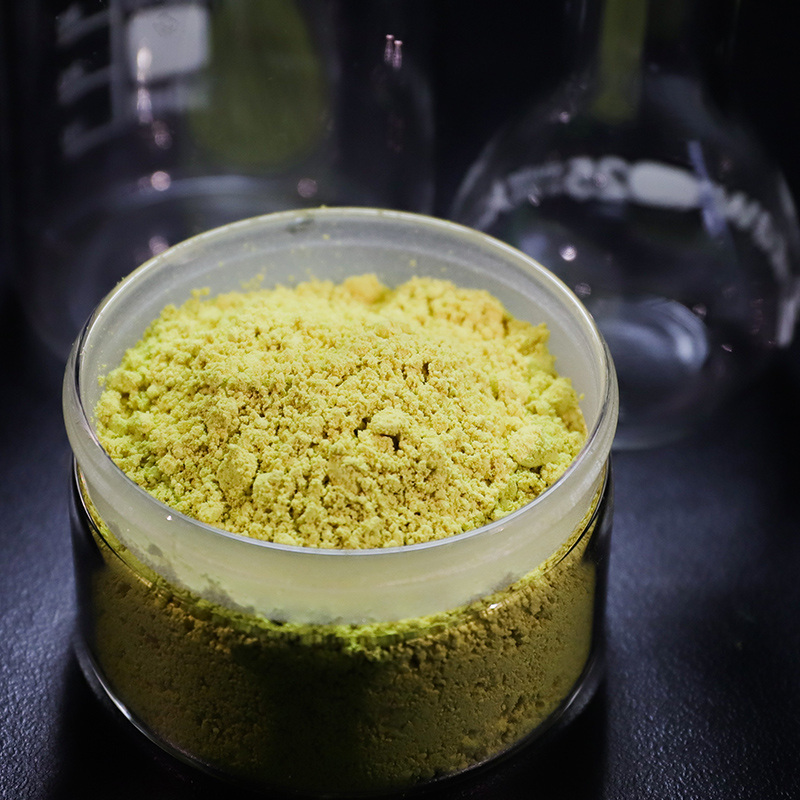
TPTPBQ has become an increasingly important latent accelerator in modern epoxy formulations, offering distinct advantages when compared to traditional imidazole accelerators. Understanding how TPTPBQ performs relative to imidazole-based systems is critical for formulators selecting the right curing chemistry for specific industrial applications. Both TPTPBQ and imidazole accelerators serve as latent catalysts, meaning they remain inactive at room temperature but activate when exposed to elevated temperatures, yet their mechanisms and performance profiles differ significantly.
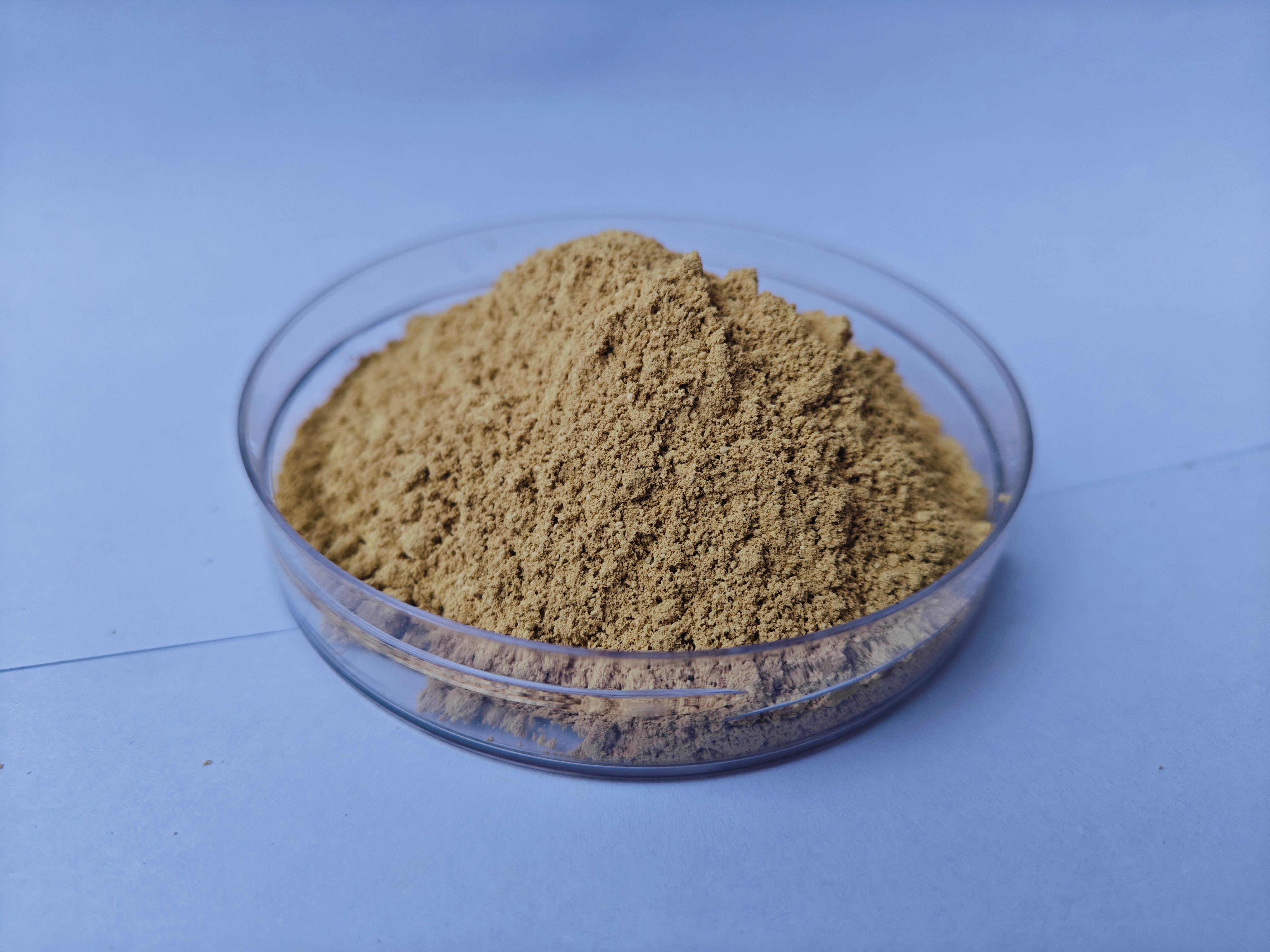
The choice between TPTPBQ and imidazole accelerators impacts not only cure kinetics but also pot life, thermal stability, and final resin properties. TPTPBQ delivers superior latency characteristics and excellent thermal performance, making it the preferred choice in demanding applications where longer pot life and predictable cure windows are essential. This comparison examines the fundamental differences between these two accelerator families and helps industrial users make informed decisions based on their specific processing and performance requirements.
Chemical Structure and Latency Mechanism of TPTPBQ
How TPTPBQ Provides Superior Latency
TPTPBQ, also known as tris(4-methylphenyl)phosphine-1,4-benzoquinone adduct, achieves latency through a unique phosphine-quinone adduct structure. This chemical configuration remains dormant at room temperature, allowing extended pot life without premature gelation. Unlike imidazole accelerators, which are small organic molecules prone to volatilization and thermal migration, TPTPBQ is a stable adduct that does not evaporate or migrate excessively during storage. The latency of TPTPBQ stems from the reversible nature of the phosphine-quinone interaction, which only dissociates when sufficient thermal energy is applied.
When heat is introduced, the TPTPBQ adduct releases active phosphine species that initiate epoxy polymerization. This thermal activation profile is far more predictable than imidazole accelerators, which can begin reacting at lower temperatures and produce inconsistent cure behavior. The TPTPBQ mechanism ensures that the accelerator remains inert until the appropriate processing temperature is reached, providing manufacturers with greater control over their curing schedules.
Comparing TPTPBQ to Imidazole Accelerators
Imidazole accelerators, particularly 2-methylimidazole and 2-ethyl-4-methylimidazole, are widely used but have inherent limitations when compared to TPTPBQ. Imidazole compounds are small, volatile molecules that migrate through resin matrices and can partially evaporate during heating, reducing their effective accelerator concentration. TPTPBQ, by contrast, remains chemically bound and cannot volatilize, ensuring consistent dosing throughout the cure cycle. The latency window for TPTPBQ is typically broader and more reliable than imidazole systems, which may show premature activation or reduced latency when exposed to thermal stress.
Another critical distinction is that TPTPBQ exhibits lower exothermic reactivity during the initial stages of cure compared to imidazole accelerators. Imidazole-accelerated epoxy systems often produce rapid, violent exotherms that can generate internal stress and cause micro-cracking in thick sections. TPTPBQ provides a more controlled, gradual exothermic profile, resulting in better dimensional stability and fewer defects in large castings and composite prepregs.
Thermal Stability and Performance Advantages
Extended Pot Life with TPTPBQ
Pot life is a critical manufacturing parameter, and TPTPBQ delivers substantially longer pot life than imidazole accelerators at room temperature. TPTPBQ formulations can remain processable for 24 to 48 hours or longer without gelation, depending on resin type and TPTPBQ loading. Imidazole accelerators, due to their higher reactivity and volatility, typically provide only 4 to 12 hours of usable pot life under comparable conditions. This extended pot life of TPTPBQ reduces material waste, lowers production costs, and provides greater processing flexibility for complex manufacturing operations such as lamination, fiber placement, and large-volume casting.
The superior latency of TPTPBQ also reduces the need for refrigeration or specialized storage conditions. Imidazole accelerators often require cold storage to maintain acceptable shelf life, adding logistical complexity and cost. TPTPBQ can be stored at room temperature with minimal degradation, making supply chain management more economical and practical for global distribution.
Thermal Stability and Cure Profiles
TPTPBQ exhibits excellent thermal stability, maintaining its latent properties across a wider temperature range than imidazole systems. When TPTPBQ is incorporated into epoxy formulations, it remains inactive below approximately 80 to 100 degrees Celsius, then activates rapidly at elevated cure temperatures. This sharp activation window allows manufacturers to employ multi-stage cure schedules without risk of premature reaction. Imidazole accelerators show more gradual thermal activation, beginning to react at lower temperatures and producing broader, less predictable cure windows.
The cure exotherm profile generated by TPTPBQ is also more manageable than imidazole-accelerated systems. TPTPBQ produces smoother, lower-peak exotherms that reduce internal stress development in thick sections, composites, and adhesive bonds. This controlled reactivity is particularly valuable in aerospace, defense, and high-performance electronics applications where material properties and reliability are paramount. The thermal stability of TPTPBQ translates directly into superior dimensional stability, reduced warping, and improved mechanical properties compared to imidazole-accelerated alternatives.
Application Suitability and Industrial Use Cases
Optimal Applications for TPTPBQ
TPTPBQ is ideally suited for applications requiring extended pot life, precise cure control, and high thermal performance. Composite manufacturers producing carbon fiber and fiberglass prepregs benefit greatly from TPTPBQ because the extended pot life allows for multiple processing stages without material degradation. Large structural adhesive bonds, particularly in aerospace assemblies, rely on TPTPBQ to prevent premature gelation during application and clamping. Electronics manufacturers use TPTPBQ in underfill formulations, encapsulation resins, and printed circuit board laminates where controlled, gradual cure is essential for minimizing thermal stress and preventing delamination.
Offshore wind turbine blade manufacturers, automotive manufacturers producing large composite structures, and aerospace suppliers all depend on TPTPBQ for mission-critical applications. The extended pot life and predictable cure kinetics of TPTPBQ enable these industries to maintain consistent quality while optimizing production efficiency. In contrast, imidazole accelerators are better suited to faster-curing applications where extended pot life is less important and rapid ambient-temperature curing is advantageous.
Performance Comparison in Demanding Environments
When formulations must withstand extreme temperatures, TPTPBQ-based systems outperform imidazole accelerators. The cure residues left by TPTPBQ tend to produce more thermally stable cross-link networks, particularly when secondary amine or other hydroxyl-containing accelerators are used in conjunction. Imidazole cure residues can sometimes contribute to thermal yellowing, reduced thermal stability above 150 degrees Celsius, and sensitivity to hydrolysis in humid environments. TPTPBQ formulations maintain better color stability and moisture resistance, making them the preferred choice for outdoor applications, automotive underbody coatings, and high-humidity industrial environments.
The cost-benefit analysis strongly favors TPTPBQ in high-volume, long-term manufacturing programs. Although TPTPBQ may have a higher per-unit material cost than imidazole accelerators, the reduced scrap rates, extended pot life, improved production scheduling, and superior end-product performance justify the investment. Manufacturers often recover the additional material cost through improved process efficiency and reduced rework.
FAQ
What is the primary advantage of TPTPBQ over imidazole accelerators?
TPTPBQ offers significantly longer pot life, superior thermal stability, and more predictable cure kinetics compared to imidazole accelerators. While imidazole systems may provide only 4 to 12 hours of pot life, TPTPBQ extends this to 24 to 48 hours or longer, allowing greater manufacturing flexibility and reduced material waste. Additionally, TPTPBQ produces smoother exothermic profiles and does not volatilize like imidazole molecules do, ensuring consistent accelerator performance throughout the cure cycle.
Can TPTPBQ be used as a direct replacement for imidazole accelerators?
While TPTPBQ and imidazole accelerators both serve as latent curing agents, they cannot always be used interchangeably without reformulation. TPTPBQ typically requires different stoichiometry, heating profiles, and companion additives compared to imidazole systems. However, both accelerators work with standard epoxy resins and hardeners, so switching from imidazole to TPTPBQ may require adjustment of cure temperature, time, and overall formulation chemistry. Consultation with a resin supplier or technical specialist is recommended before making the transition.
Is TPTPBQ suitable for room-temperature curing applications?
TPTPBQ is primarily designed as a latent, heat-activated accelerator and is not recommended for room-temperature curing applications. Because TPTPBQ requires elevated temperature to activate and promote epoxy polymerization, it remains inert at ambient conditions and offers no curing benefit without thermal input. For room-temperature or ambient-cure applications, imidazole accelerators or other room-temperature active catalysts are more appropriate choices. If latent room-temperature curing is needed, alternative latent systems or hybrid approaches may be necessary.