
 EN
EN
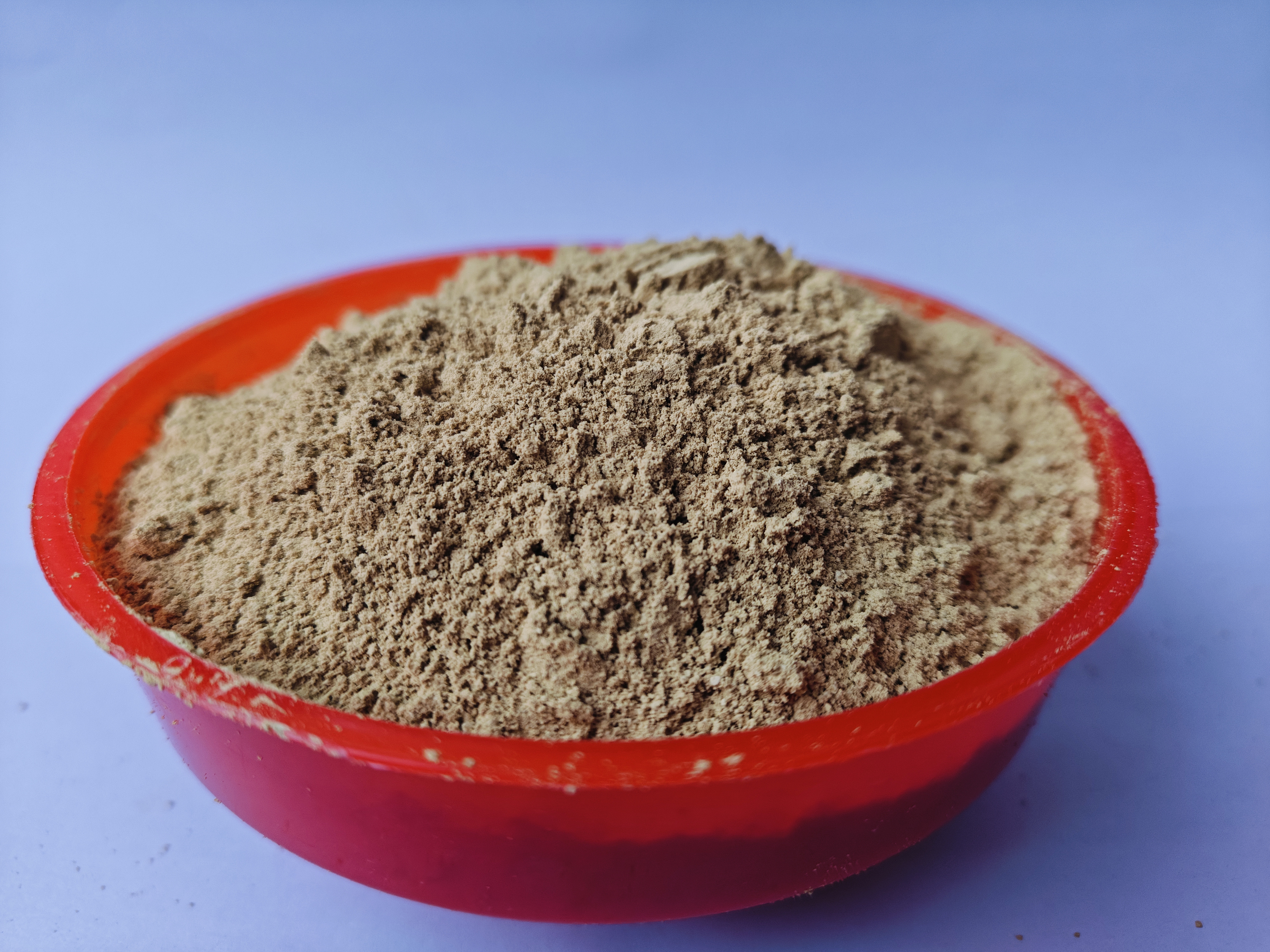
CAS No 15585292, also recognized as a cycloaliphatic amine compound, plays a critical role in modern epoxy resin systems used across industrial and commercial applications. Understanding how CAS No 15585292 functions within epoxy matrices is essential for formulators, manufacturers, and engineers who depend on reliable cure systems for structural integrity and performance. This compound has become integral to the epoxy industry because CAS No 15585292 offers unique reactivity profiles that enable faster cure times while maintaining excellent mechanical properties in the final cured product.
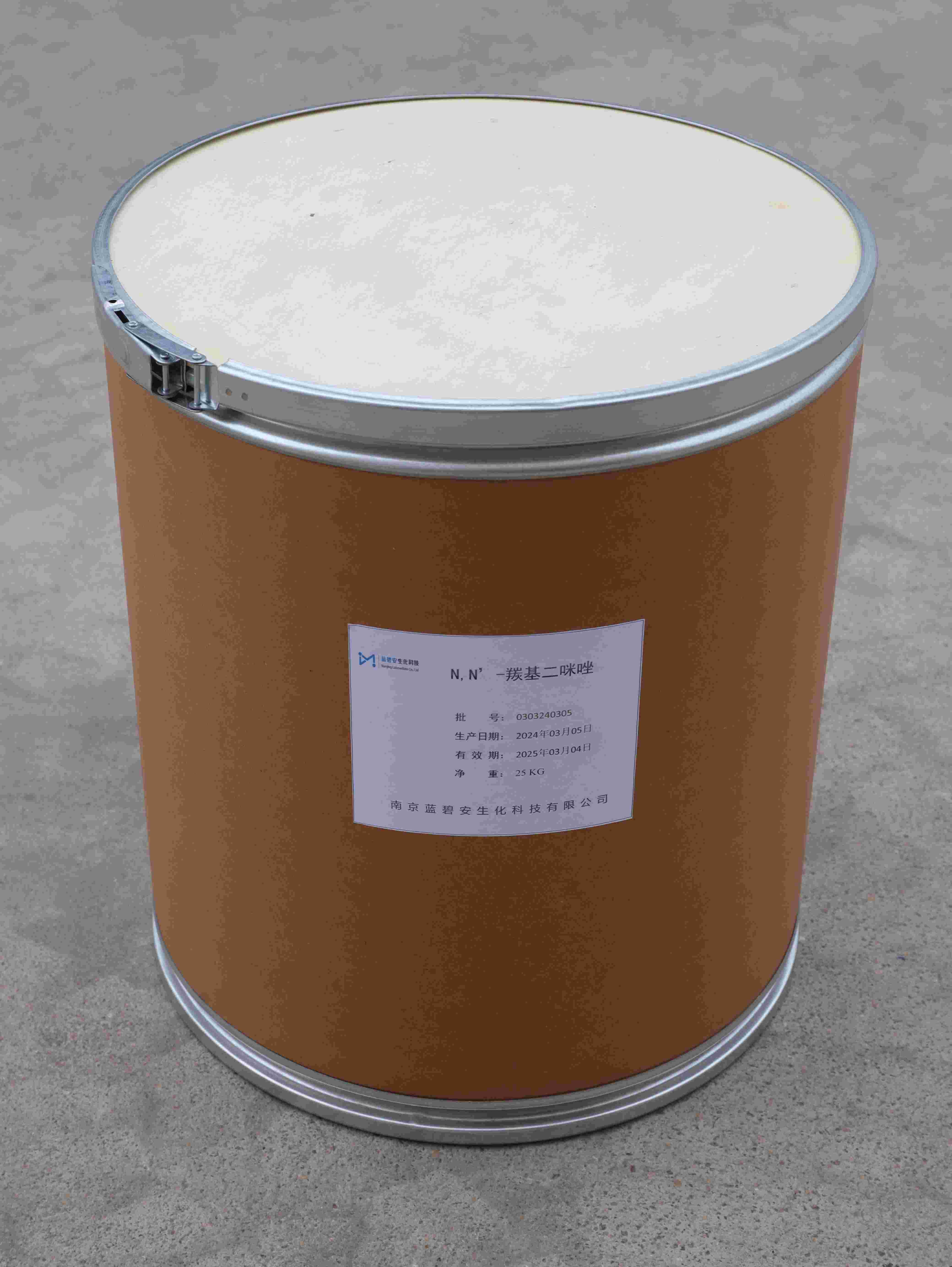
The widespread adoption of CAS No 15585292 in epoxy formulations reflects growing demand for curing agents that balance performance, processability, and cost efficiency. CAS No 15585292 enables manufacturers to achieve consistent cross-linking in epoxy resins across diverse environmental conditions, from ambient temperature applications to elevated cure scenarios. This versatility makes CAS No 15585292 a preferred choice in coatings, adhesives, composites, and structural materials where reliable performance is non-negotiable.
Primary Function and Mechanism in Epoxy Systems
Curing Agent Role of CAS No 15585292
CAS No 15585292 functions as a hardener or curing agent that reacts with the epoxide groups in bisphenol A (BPA) epoxy resins and other epoxy matrices. When CAS No 15585292 is introduced to an epoxy resin system, its amine groups engage in nucleophilic addition reactions with the oxirane rings, creating stable three-dimensional cross-linked networks. The molecular structure of CAS No 15585292 allows it to form primary, secondary, and tertiary amine linkages sequentially, ensuring thorough and efficient cure progression. This multi-stage reaction mechanism inherent to CAS No 15585292 produces epoxy systems with minimal residual unreacted components, which translates to superior final material properties.
Reaction Kinetics and Cure Behavior
The reactivity profile of CAS No 15585292 determines how quickly epoxy formulations cure at various temperatures. CAS No 15585292 exhibits moderate reactivity at room temperature, making it suitable for applications requiring extended pot life without sacrificing full cure speed. When temperatures increase, the reaction rate of CAS No 15585292 with epoxy resins accelerates significantly, enabling faster processing for high-throughput manufacturing. Industrial users of CAS No 15585292 appreciate this temperature-dependent behavior because it offers flexibility in processing windows and allows manufacturers to tailor cure schedules to specific production demands. The exothermic nature of the CAS No 15585292 and epoxy reaction must be managed carefully in larger batch sizes to prevent excessive heat generation.
Performance Characteristics Delivered by CAS No 15585292
Mechanical and Thermal Properties
Epoxy resins formulated with CAS No 15585292 consistently deliver high tensile strength, flexural modulus, and impact resistance compared to systems using alternative amine hardeners. The dense cross-linking network created by CAS No 15585292 contributes to excellent dimensional stability and low shrinkage during cure, which is critical for precision applications like aerospace composites and automotive components. Thermal stability of epoxy systems containing CAS No 15585292 remains robust across wide temperature ranges, typically maintaining performance from cryogenic environments to moderate elevated temperatures. Glass transition temperature (Tg) values in epoxies cured with CAS No 15585292 generally range from 120 to 160 degrees Celsius, depending on the specific epoxy resin used and stoichiometric ratios.
Chemical and Environmental Resistance
CAS No 15585292 contributes to superior chemical resistance in cured epoxy systems, making formulations resistant to many solvents, fuels, oils, and mild acids. Epoxy resins containing CAS No 15585292 also demonstrate good moisture resistance when properly formulated, which is essential for marine, offshore, and outdoor applications. The hydrophobic nature of the polymeric backbone created by CAS No 15585292 helps minimize water absorption, thereby reducing dimensional swelling and maintaining adhesive strength in humid environments. Long-term durability testing of epoxies with CAS No 15585292 shows consistent performance retention, with minimal loss of mechanical properties after extended environmental exposure.
Industrial Applications and Formulation Considerations
Key Application Sectors
CAS No 15585292 is extensively used in protective coatings for industrial equipment, marine structures, and infrastructure that requires long-term corrosion resistance. In adhesive formulations, CAS No 15585292 enables structural bonding of metals, composites, and ceramics with exceptional shear strength and environmental durability. Composite manufacturing relies heavily on CAS No 15585292 in resin systems for fiber-reinforced polymers used in aerospace, wind energy, and automotive industries. Electronic encapsulation and potting compounds benefit from CAS No 15585292 because it provides excellent electrical insulation properties combined with low exotherm profiles suitable for sensitive electronic components. Building and construction applications, including bridge coatings and concrete repair systems, frequently specify CAS No 15585292 for its reliable performance in outdoor weathering conditions.
Formulation Strategies and Best Practices
Achieving optimal performance with CAS No 15585292 requires careful attention to stoichiometric ratios, mixing procedures, and environmental conditions during application. The epoxide equivalent weight (EEW) of the epoxy resin must be matched with the amine hydrogen equivalent weight of CAS No 15585292 to ensure complete reaction and minimize unreacted components. Formulators often employ accelerators or additional catalysts alongside CAS No 15585292 when faster cure speeds are needed without compromising pot life. Temperature control during both mixing and cure stages remains critical when using CAS No 15585292 because amine reactivity is highly temperature-dependent. Surface preparation and moisture management are essential because residual water can interfere with CAS No 15585292 reactivity and compromise final epoxy quality. Proper ventilation and personal protective equipment are necessary when handling CAS No 15585292 due to its amine nature and skin sensitization potential.
Comparative Advantages and Selection Criteria
Performance Comparison with Alternative Hardeners
CAS No 15585292 offers distinct advantages over aliphatic amine hardeners in terms of thermal stability and glass transition temperature elevation. While alicyclic amines like CAS No 15585292 provide superior heat resistance compared to primary aliphatic amines, cycloaliphatic structures deliver better UV stability and color retention in outdoor applications. CAS No 15585292 demonstrates lower exothermic reactivity compared to many aromatic amine systems, making it safer for large-mass casting applications where heat buildup poses risks. The cost-effectiveness of CAS No 15585292 relative to some premium amine hardeners makes it an economically attractive choice for high-volume manufacturing without sacrificing critical performance metrics.
When to Specify CAS No 15585292
Specifying CAS No 15585292 is most appropriate when applications demand moderate to high thermal performance combined with excellent moisture resistance and good mechanical properties. Projects requiring extended pot life with predictable cure kinetics benefit significantly from CAS No 15585292 because its reactivity profile is well-documented and controllable. CAS No 15585292 is ideal for systems where color stability matters, such as decorative or protective coatings exposed to sunlight. Applications involving large composite parts or thick sections benefit from CAS No 15585292 because its exothermic profile is manageable and reduces risk of thermal runaway. When environmental durability over years or decades is critical, CAS No 15585292 consistently delivers the reliability needed for infrastructure and long-life industrial products.
FAQ
What is the chemical composition and structure of CAS No 15585292?
CAS No 15585292 is a cycloaliphatic secondary amine with a molecular structure featuring cyclic hydrocarbon rings bonded to amine functional groups. This architecture distinguishes CAS No 15585292 from strictly aliphatic amines, providing superior thermal stability while maintaining reasonable reactivity with epoxide groups. The specific molecular weight and amine functionality of CAS No 15585292 have been standardized through chemical databases and regulatory systems to ensure consistency across suppliers and applications.
How does temperature affect the cure speed when using CAS No 15585292?
The cure speed of epoxy systems containing CAS No 15585292 increases substantially with rising temperature, following Arrhenius kinetics typical of amine-epoxy reactions. At room temperature, epoxy formulations with CAS No 15585292 cure relatively slowly over 24 to 48 hours, whereas heating to 60 to 80 degrees Celsius can reduce full cure time to 4 to 8 hours. CAS No 15585292 exhibits an approximate doubling of reaction rate for every 10-degree Celsius temperature increase, which formulators use to design efficient cure schedules matching production timelines.
Are there any safety or handling concerns specific to CAS No 15585292?
CAS No 15585292 is an amine compound that can cause skin sensitization and respiratory irritation in sensitive individuals, requiring appropriate personal protective equipment including gloves and respiratory protection during handling. Proper ventilation is essential when working with CAS No 15585292 to minimize amine vapor exposure in industrial settings. Users should consult material safety data sheets for CAS No 15585292 to understand specific hazards, recommended exposure limits, and emergency procedures relevant to their operations.