
 EN
EN
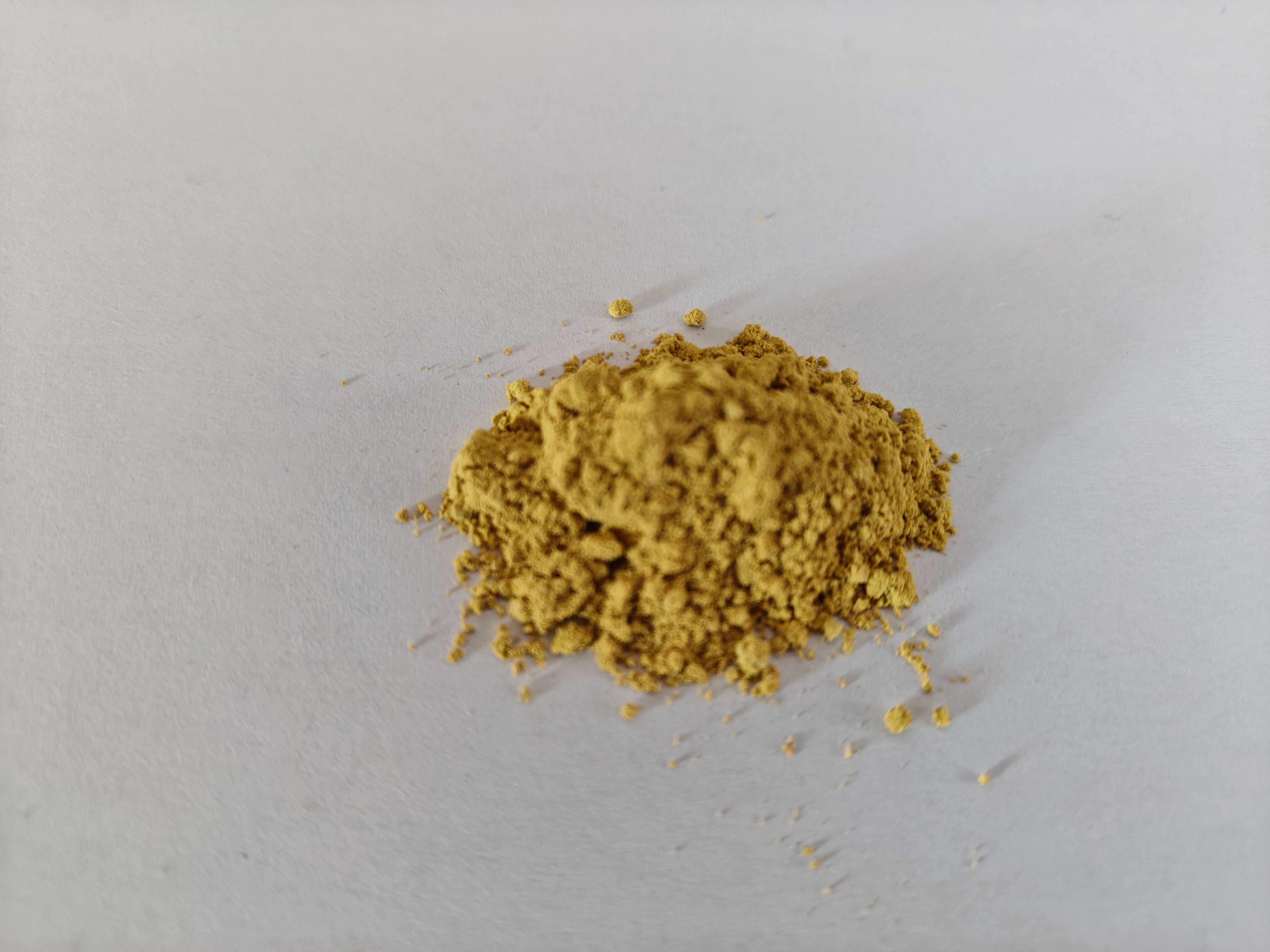
The relationship between TPTPBQ and glass transition temperature represents a critical consideration for engineers and material scientists working with epoxy resin systems. TPTPBQ, a phosphine-based additive, plays a significant role in modifying the thermal behavior of cured epoxy networks, directly affecting how these materials perform under varying temperature conditions. Understanding how TPTPBQ influences glass transition temperature is essential for optimizing epoxy formulations for demanding industrial applications where thermal stability and mechanical properties must remain predictable across operational ranges.
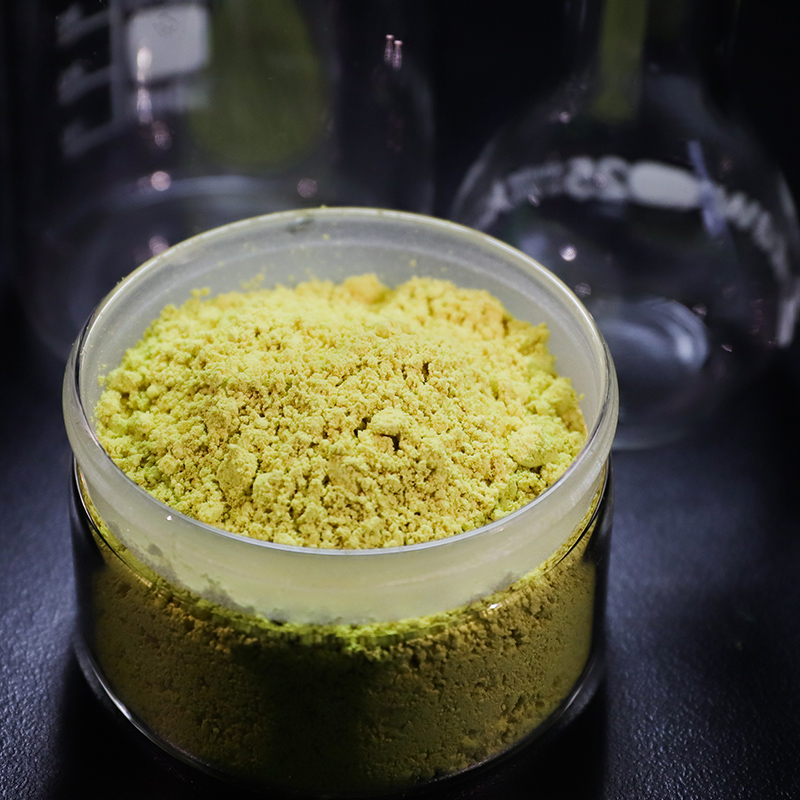
The glass transition temperature, commonly abbreviated as Tg, defines the point at which an amorphous polymer transitions from a glassy, rigid state to a more flexible rubbery state. For epoxy resins, this thermal transition directly governs material behavior, dimensional stability, and mechanical performance. TPTPBQ acts as a chemical modifier within the epoxy network structure, altering cross-linking density and polymer chain interactions. The degree to which TPTPBQ influences glass transition temperature depends on formulation concentration, epoxy resin chemistry, curing protocols, and post-cure conditions applied to the final polymer composite.
Molecular Mechanisms of TPTPBQ in Epoxy Networks
Cross-Linking Enhancement by TPTPBQ
TPTPBQ functions as a reactive intermediate that participates in cross-linking reactions during the epoxy cure process. When TPTPBQ is incorporated into an epoxy formulation, it influences the formation of three-dimensional polymer networks by affecting how epoxy resin molecules bond and interconnect. The presence of TPTPBQ can increase cross-linking density by promoting additional reactive sites and facilitating more thorough curing reactions. Higher cross-linking density directly raises the glass transition temperature because tightly networked polymer chains require greater thermal energy to initiate molecular motion. The degree of cross-linking enhancement achieved by TPTPBQ depends on the specific epoxy resin type, hardener chemistry, and the concentration at which TPTPBQ is introduced into the formulation.
Structural Rigidity and Chain Mobility
TPTPBQ contributes to structural rigidity within the cured epoxy matrix by restricting the mobility of polymer chains at the molecular level. When polymer chains cannot move freely, higher temperatures are required to overcome intermolecular forces and trigger the glass transition. The aromatic ring structures within TPTPBQ provide stiff molecular components that integrate into the epoxy network, creating more constrained pathways for chain segment rotation and displacement. This structural constraint is why formulations containing TPTPBQ often exhibit elevated glass transition temperatures compared to base epoxy systems without this additive. The magnitude of this elevation varies based on TPTPBQ loading level and the baseline flexibility of the selected epoxy resin system.
Quantifying the Glass Transition Temperature Impact
Temperature Elevation Effects of TPTPBQ
Experimental data consistently demonstrates that TPTPBQ raises the glass transition temperature of cured epoxy resins. The extent of this elevation depends critically on TPTPBQ concentration within the epoxy formulation. Lower TPTPBQ loadings typically produce modest Tg increases, ranging from five to fifteen degrees Celsius above baseline epoxy systems. Higher TPTPBQ concentrations can generate more significant glass transition temperature elevations, potentially reaching twenty to thirty degrees Celsius or more above unmodified epoxy resins. This concentration-dependent relationship means that engineers can fine-tune the glass transition temperature of their epoxy systems by adjusting TPTPBQ loading levels to meet specific thermal performance requirements for their applications.
Interaction with Other Formulation Components
The influence of TPTPBQ on glass transition temperature does not occur in isolation; it interacts with other components in the epoxy formulation system. Hardeners, plasticizers, fillers, and other additives all affect how TPTPBQ modifies the final Tg of the cured epoxy. When TPTPBQ is combined with certain hardener chemistries, the synergistic effects can amplify glass transition temperature increases beyond what TPTPBQ alone would provide. Conversely, some plasticizers or flexible additives may partially offset the Tg-raising effects of TPTPBQ by introducing more mobile segments into the polymer network. Understanding these interactions is essential for formulators seeking to achieve precise glass transition temperature targets while maintaining other desired epoxy properties such as processability, flexibility, and adhesion strength.
Industrial Applications and Practical Implications
High-Temperature Service Environments
TPTPBQ-modified epoxy resins find widespread application in high-temperature environments where traditional unfilled epoxies would fail or exhibit unacceptable property degradation. Electronics manufacturing relies extensively on TPTPBQ-enhanced epoxy formulations for encapsulation and potting applications in components exposed to elevated operating temperatures. Aerospace and defense industries utilize TPTPBQ-modified epoxies in structural adhesives, composite matrices, and thermal management systems where glass transition temperature must remain well above maximum service temperatures. The elevated glass transition temperature achieved through TPTPBQ incorporation ensures that these materials maintain rigidity, dimensional stability, and mechanical strength across the full operational range of demanding industrial equipment and aerospace systems.
Thermal Cycling and Dimensional Stability
Applications involving thermal cycling place particular emphasis on achieving high glass transition temperatures, and this is where TPTPBQ demonstrates clear advantages over unmodified epoxy systems. During thermal cycling from low to high temperatures, polymers with lower glass transition temperatures experience significant changes in expansion coefficients and mechanical properties as they pass through the Tg transition region. By raising the glass transition temperature above the maximum service temperature through TPTPBQ incorporation, engineers can eliminate or significantly reduce these problematic property changes during thermal cycling. Electronic assemblies, automotive components operating in extreme temperature ranges, and space-qualified systems all benefit from the thermal stability and dimensional consistency provided by TPTPBQ-enhanced epoxy formulations. The consistency of mechanical properties across operating temperature ranges directly translates to improved reliability and extended service life for critical industrial equipment.
FAQ
Does TPTPBQ always increase glass transition temperature in every epoxy resin system?
TPTPBQ consistently increases glass transition temperature in the vast majority of epoxy resin systems, but the magnitude of the increase varies significantly based on resin chemistry, hardener selection, TPTPBQ concentration, and curing parameters. Some specialized epoxy formulations with unusual hardener chemistry might exhibit different behavior, but standard bisphenol-A epoxies and other common epoxy resins reliably show elevated Tg when TPTPBQ is incorporated. The specific temperature elevation must be validated through differential scanning calorimetry testing for each unique formulation.
What is the typical concentration range of TPTPBQ required to achieve meaningful glass transition temperature improvement?
Most practical epoxy formulations employ TPTPBQ at concentrations ranging from one to ten percent by weight of the total epoxy resin system, though specific optimal concentrations depend on performance targets and processing constraints. Lower concentrations of one to three percent produce modest Tg increases suitable for moderate temperature applications, while higher loadings of five to ten percent generate more substantial glass transition temperature elevations for demanding high-temperature service. Concentrations exceeding ten percent may introduce processing challenges such as increased viscosity or reduced pot life without proportionally greater Tg benefits.
How does TPTPBQ's effect on glass transition temperature compare to other thermal modifiers?
TPTPBQ represents one effective approach to raising glass transition temperature in epoxy systems, offering a favorable balance between thermal performance gains and processing compatibility. Other thermal modifiers exist, but TPTPBQ is valued for its reactivity, integration into the epoxy network, and the reliability with which it elevates Tg across different epoxy chemistries. Comparative performance depends on specific application requirements, formulation constraints, and whether secondary properties such as flexibility, adhesion, or electrical conductivity must be maintained alongside thermal improvements.
Table of Contents
- Molecular Mechanisms of TPTPBQ in Epoxy Networks
- Quantifying the Glass Transition Temperature Impact
- Industrial Applications and Practical Implications
-
FAQ
- Does TPTPBQ always increase glass transition temperature in every epoxy resin system?
- What is the typical concentration range of TPTPBQ required to achieve meaningful glass transition temperature improvement?
- How does TPTPBQ's effect on glass transition temperature compare to other thermal modifiers?