
 EN
EN
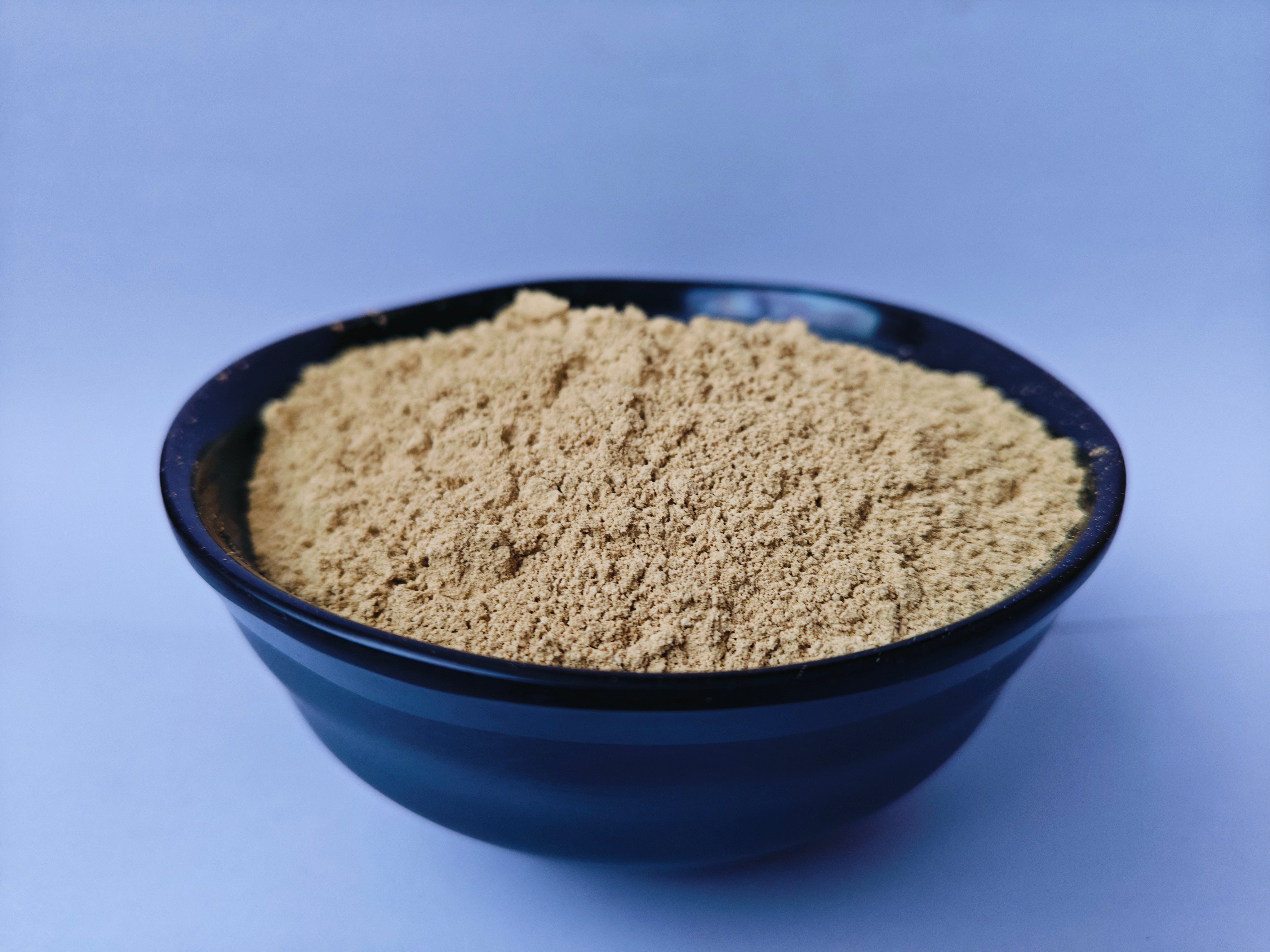
The development of advanced epoxy and polyurethane coating systems has driven demand for sophisticated curing technologies that enable manufacturers to simplify production workflows while maintaining superior performance standards. CAS 15585292, also known as 4-methyl-2-phenyl-1H-imidazole, represents a breakthrough innovation in latent curing agent chemistry that addresses critical challenges in one-part system formulation. Understanding how CAS 15585292 functions as a latent curing agent is essential for engineers, chemists, and procurement professionals seeking to optimize their coating and adhesive applications.
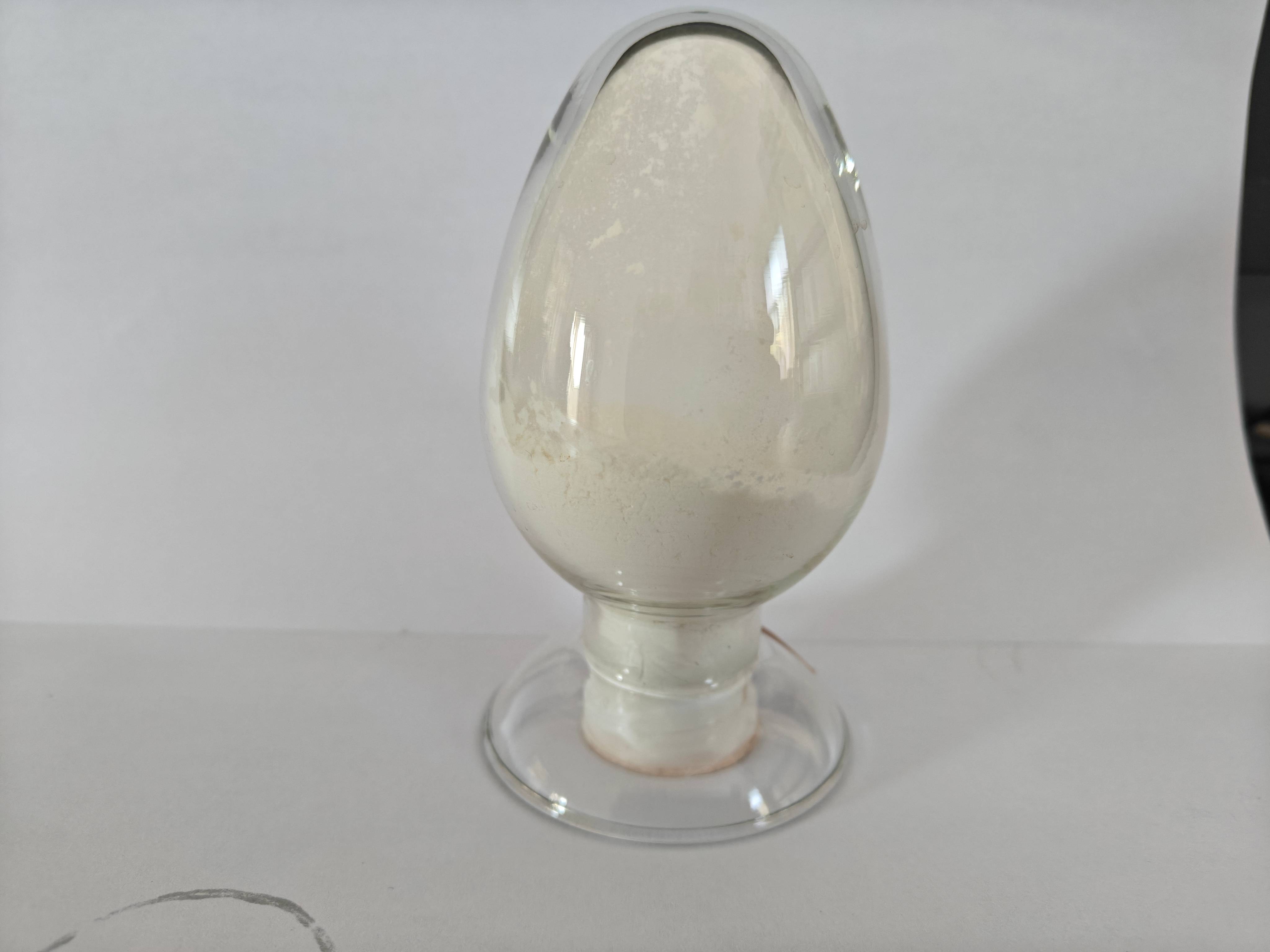
One-part curing systems eliminate the complexity of managing separate resin and hardener components, reducing mixing errors and accelerating production timelines. CAS 15585292 enables this simplified approach by remaining dormant at room temperature while activating precisely when elevated temperatures are applied during processing or in-service conditions. This latent behavior makes CAS 15585292 uniquely valuable for manufacturers who require extended pot life without sacrificing final cure speed or mechanical properties.
The Chemistry Behind CAS 15585292 Latent Curing Action
Thermal Activation Mechanism
CAS 15585292 functions through a temperature-dependent mechanism that distinguishes it from conventional curing agents. At room temperature, the imidazole structure of CAS 15585292 exhibits minimal reactivity toward epoxy or polyurethane resin systems, allowing formulations to remain stable for extended periods. When exposed to elevated temperatures, typically between 80–150°C depending on system design, CAS 15585292 undergoes structural changes that dramatically increase its nucleophilicity and reactivity. This thermal activation transforms CAS 15585292 from an inert component into a highly effective curing agent that rapidly cross-links the resin matrix.
The imidazole ring in CAS 15585292 contains nitrogen atoms with lone pair electrons that become increasingly available for nucleophilic attack on epoxide rings or isocyanate groups as temperature rises. This temperature-dependent behavior allows manufacturers to formulate one-part systems using cas no 15585292 that remain processable at ambient conditions yet cure rapidly when intentionally heated. The latent nature of CAS 15585292 eliminates the need for two-component mixing, reducing material waste and quality variability in manufacturing environments.
Stability and Shelf Life Control
One critical advantage of CAS 15585292 as a latent curing agent is its ability to maintain formulation stability over extended periods. CAS 15585292 does not participate in unwanted side reactions or premature cross-linking at room temperature, allowing coatings, adhesives, and composites to retain their flow properties and workability. This stability characteristic is particularly valuable for industries requiring long shelf life, such as aerospace, automotive, and construction, where materials may be stored for months before application. CAS 15585292 chemistries can be formulated to maintain viscosity consistency and cure kinetics even after extended storage, provided moisture and light exposure are properly controlled.
Application Benefits of CAS 15585292 in One-Part Systems
Simplified Manufacturing and Reduced Defects
Conventional two-part curing systems require precise volumetric mixing to achieve stoichiometric balance between resin and hardener. Improper mixing ratios lead to incomplete cross-linking, reduced mechanical strength, and premature failure in service. CAS 15585292 eliminates this mixing complexity by enabling one-part formulation where the curing agent is pre-dissolved or dispersed within the resin matrix at the appropriate concentration. This approach reduces human error, improves batch-to-batch consistency, and decreases material waste from failed mixing operations. For manufacturers producing high-volume coatings or adhesives, the use of CAS 15585292 as a latent curing agent directly translates to lower defect rates and improved first-pass quality.
The extended pot life provided by CAS 15585292 also accommodates varied application methods and processing speeds without requiring constant recalibration of mixing systems. Spraying, brushing, or roll-coating operations can proceed at natural production rhythms while maintaining consistent material properties. CAS 15585292 formulations maintain their working characteristics regardless of minor temperature fluctuations in the factory environment, providing operational flexibility that two-part systems cannot match.
Enhanced Performance Characteristics
Beyond processing convenience, CAS 15585292 delivers distinct performance advantages in cured coatings and adhesives. The latent curing mechanism of CAS 15585292 allows formulators to optimize cure kinetics by adjusting temperature profiles during or after application. Higher curing temperatures activate CAS 15585292 more rapidly, achieving full cross-linking in minutes rather than hours. Lower cure temperatures extend processing windows while still providing sufficient cure depth for intermediate strength development. This flexibility enables manufacturers to tailor CAS 15585292 systems to specific application requirements, whether rapid production cycles or extended open-time assembly operations are prioritized.
CAS 15585292 also contributes to superior chemical resistance and mechanical properties in cured systems. The imidazole-based cross-linking catalyzed by CAS 15585292 creates dense, well-defined polymer networks resistant to humidity, solvents, and thermal cycling. Coatings and adhesives cured with CAS 15585292 exhibit excellent adhesion to substrates, high toughness, and low shrinkage, making them ideal for demanding industrial applications where long-term durability is essential.
Industrial Implementation Strategies for CAS 15585292
Formulation Design and Optimization
Successful implementation of CAS 15585292 as a latent curing agent requires careful formulation engineering to balance activity, stability, and performance objectives. The concentration of CAS 15585292 must be precisely calibrated to ensure adequate cure kinetics at target temperatures while maintaining sufficient latency at storage and application temperatures. Formulators typically dose CAS 15585292 at 0.5–2.0% by weight, depending on resin type, desired cure speed, and application method. Higher loadings of CAS 15585292 accelerate cure but may compromise ambient stability, while lower concentrations extend pot life but slow cure development. Advanced formulation techniques using CAS 15585292 may incorporate additional latent catalysts or accelerators that become active only at specific temperature thresholds, creating highly predictable cure profiles.
The choice of epoxy resin or polyurethane prepolymer chemistry directly influences how CAS 15585292 functions within the system. Linear or cycloaliphatic epoxies react differently with CAS 15585292 than aromatic diglycidyl ethers, requiring separate optimization studies for each base resin class. Similarly, CAS 15585292 performance in aliphatic polyurethane systems differs from that in cycloaliphatic or aromatic polyurethanes. Thorough experimentation with CAS 15585292 across intended resin chemistries ensures optimal balance of pot life, cure speed, and final properties.
Quality Control and Process Management
Ensuring consistent performance of CAS 15585292 across manufacturing batches requires robust quality control protocols. Incoming CAS 15585292 raw material must be tested for purity, moisture content, and thermal activity to confirm it meets formulation specifications. Storage conditions for CAS 15585292 are critical; the material should be maintained at controlled temperature and humidity to prevent degradation or unintended reaction. Shelf-life testing of CAS 15585292 formulations involves periodic viscosity measurements, gel time evaluations, and cure-speed assessments to confirm that latency and activity remain within acceptable ranges throughout the intended storage period.
Process control during application and cure of CAS 15585292 systems focuses on temperature management and residence time. Accurate temperature profiling during thermal activation ensures that CAS 15585292 becomes active only when intended, preventing premature gelling or incomplete cure. For adhesive applications, fixture time and cure schedules must align with the activation temperature of CAS 15585292 to achieve final strength development within required timeframes. Monitoring cure exotherms, particularly in thick sections, prevents localized overheating that could degrade CAS 15585292 performance or damage substrate materials.
FAQ
Why is CAS 15585292 preferred over conventional two-part curing systems?
CAS 15585292 eliminates mixing errors, reduces material waste, and simplifies production workflows by enabling one-part formulations with extended pot life. The latent nature of CAS 15585292 ensures ambient stability while providing rapid cure activation when heat is applied, offering advantages in consistency, quality, and operational efficiency that conventional two-part systems cannot match.
What temperature range is required to activate CAS 15585292 as a curing agent?
CAS 15585292 typically activates between 80–150°C, depending on the specific resin chemistry, CAS 15585292 concentration, and desired cure kinetics. The exact activation temperature must be determined through formulation testing, as different epoxy or polyurethane systems respond variably to CAS 15585292. Formulators can adjust the activation profile of CAS 15585292 by modifying concentration or incorporating additional latent catalysts to match process requirements.
How does CAS 15585292 affect the shelf life of one-part coating systems?
CAS 15585292 maintains excellent shelf stability at room temperature because it remains unreactive until heated, allowing one-part formulations to maintain viscosity, flow, and cure characteristics for extended periods. Proper storage of CAS 15585292 systems at controlled temperature and moisture conditions can extend shelf life to 12 months or longer, making these systems practical for industries requiring significant material inventory.