
 EN
EN
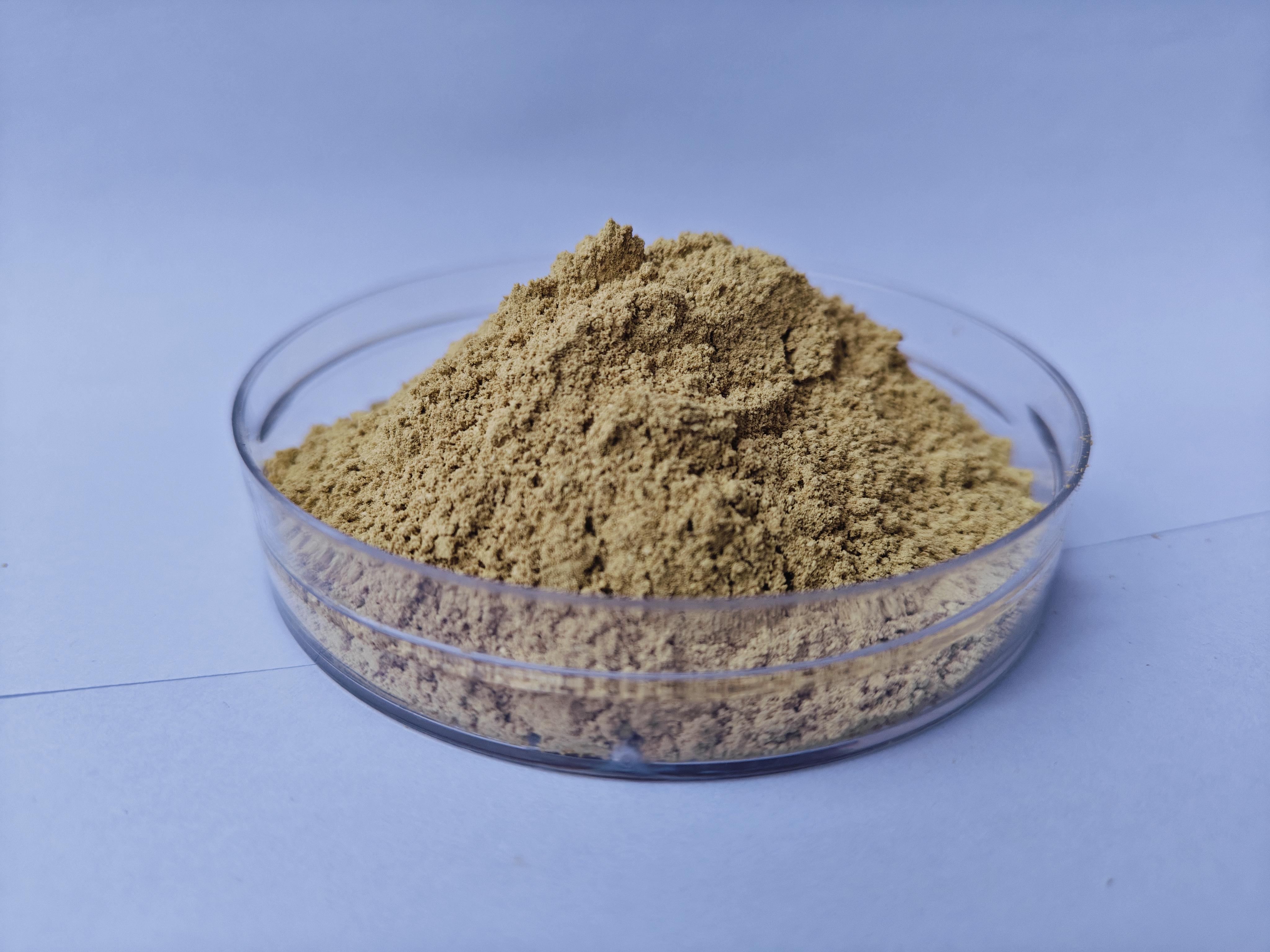
Structural adhesives are critical components in modern manufacturing, aerospace, automotive, and industrial applications where joint strength and durability are non-negotiable. When formulating advanced structural adhesives, engineers must carefully evaluate curing agents and hardeners that will determine final performance characteristics. CAS 15585292 and dicyandiamide represent two distinct chemical approaches to achieving reliable structural bonding, each with unique advantages and limitations that directly impact application suitability, processing windows, and long-term performance outcomes.
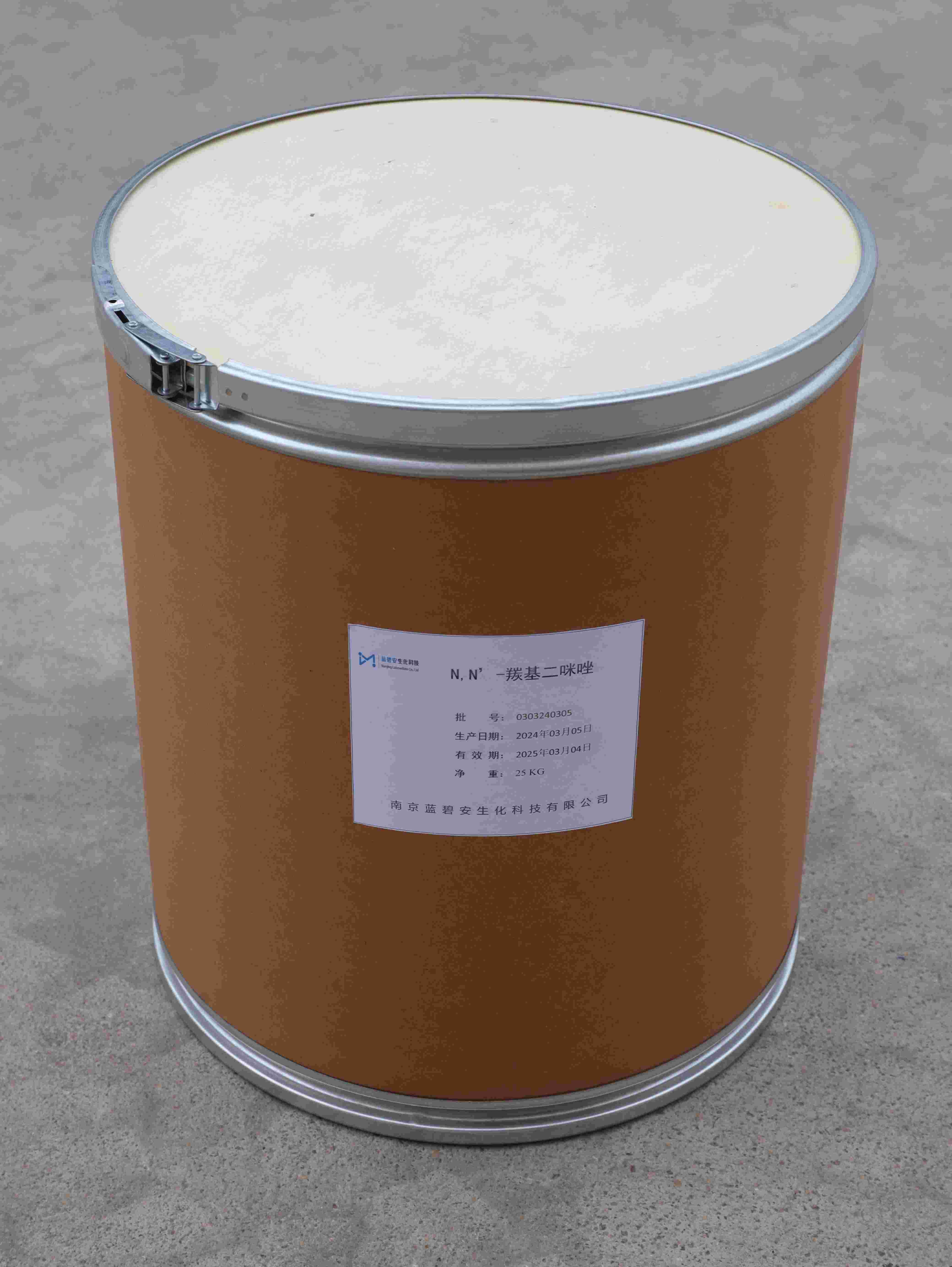
Understanding the fundamental differences between CAS 15585292 and dicyandiamide requires examining their chemical structure, cure kinetics, thermal stability, and practical performance in real-world adhesive formulations. Both compounds serve as latent curing agents in epoxy systems, but they achieve this through distinctly different mechanisms that influence processing parameters, pot life, gel time, and final mechanical properties that engineers must consider during material selection and system design.
Chemical Structure and Reactivity Profile
CAS 15585292 Composition and Behavior
CAS 15585292 is a specialty chemical compound engineered to provide controlled reactivity with epoxy resins across moderate to elevated temperature ranges. The molecular structure of CAS 15585292 enables it to function as a latent curing agent, remaining relatively inert at ambient conditions while activating at temperatures typically between 80 and 150 degrees Celsius. This thermal latency allows CAS 15585292 to provide extended working time at room temperature, a critical advantage for applications requiring complex assembly procedures, fixture time, and multi-part lay-ups before final curing is initiated.
The reactive functional groups within CAS 15585292 interact with epoxy rings through a two-electron ring-opening mechanism that generates hydroxyl groups and forms cross-linked network structures. This reaction pathway of CAS 15585292 produces relatively few volatile by-products, reducing outgassing concerns in aerospace and vacuum applications where chemical cleanliness is mandatory. The cure reaction rate of CAS 15585292 can be further modulated through catalyst selection, temperature control, and formulation chemistry, providing engineers with fine-tuned processing flexibility that accommodates diverse manufacturing environments and equipment capabilities.
Dicyandiamide Composition and Activation
Dicyandiamide, commonly abbreviated as DICY, is a well-established epoxy curing agent that has been widely used in aerospace, defense, and electronics manufacturing for decades. The molecular structure of dicyandiamide contains nitrile groups that require thermal activation to initiate reaction with epoxy resin molecules. Dicyandiamide typically requires higher activation temperatures, generally between 120 and 180 degrees Celsius, to achieve meaningful cure rates, making it suitable for applications where thermal processing windows are well-controlled and equipment can reliably reach and maintain required temperatures.
The cure mechanism of dicyandiamide involves nucleophilic attack on epoxy rings followed by secondary amine formation and subsequent cross-linking reactions that build highly dense three-dimensional networks. Dicyandiamide formulations often incorporate catalysts such as uron compounds or aromatic amines to accelerate cure kinetics and reduce processing times. The exothermic nature of dicyandiamide cure reactions can generate significant heat release in thick sections, requiring careful control of curing parameters to prevent thermal runaway, porosity formation, and potential degradation of adhesive properties in large-volume joints or thick bondlines.
Performance Characteristics in Structural Applications
Thermal Stability and Service Temperature Range
CAS 15585292-based adhesive systems exhibit excellent thermal stability across a broad temperature range, typically maintaining mechanical properties from minus 55 degrees Celsius through 150 degrees Celsius, with some formulations supporting continuous service at 180 degrees Celsius. The cross-linked networks formed by CAS 15585292 show minimal thermal expansion and excellent dimensional stability over extended temperature cycling, properties essential for aerospace structures subjected to in-flight thermal gradients and ground handling temperature extremes. Long-term aging studies of CAS 15585292 systems demonstrate outstanding retention of shear strength, tensile strength, and impact resistance even after thousands of hours at elevated temperatures, supporting critical load-bearing applications in jet engine casings, wing structures, and fuselage assemblies.
Dicyandiamide systems demonstrate comparable thermal stability within their operating window, typically ranging from minus 40 degrees Celsius through 130 degrees Celsius for standard formulations, with specialty DICY chemistry extending service to 160 degrees Celsius in limited applications. Dicyandiamide shows excellent creep resistance at intermediate temperatures and superior performance in humid environments compared to some alternative curing agents. The glass transition temperature of dicyandiamide-cured epoxy systems is typically in the range of 120 to 140 degrees Celsius, which must be considered when designing adhesive joints for applications approaching these thermal thresholds where modulus reduction becomes a critical factor.
Mechanical Properties and Joint Strength
CAS 15585292 produces structural adhesives with outstanding shear strength values typically exceeding 28 megapascals in lap shear tests, with many formulations achieving 30 to 32 megapascals under standard testing conditions. The peel strength and impact resistance of CAS 15585292 systems provide excellent fracture toughness, critical for structural applications where joints experience dynamic loading, vibration, and shock events that demand sustained energy absorption without catastrophic failure. Tensile strength of CAS 15585292 adhesive bonds ranges from 45 to 55 megapascals, delivering robust performance in adhesively bonded composite structures where load paths require reliable tension-carrying capacity in addition to primary shear loading.
Dicyandiamide-formulated structural adhesives deliver shear strength values typically in the range of 25 to 30 megapascals, with highly optimized systems achieving comparable numbers to CAS 15585292 through careful stoichiometric control and catalyst selection. Dicyandiamide exhibits superior peel strength in many formulations, providing excellent damage tolerance and resistance to rapid crack propagation under peel loads, making it particularly suitable for thin-ply composite laminates and applications where controlled failure mode is essential for structural safety. The moisture sensitivity of dicyandiamide systems is slightly higher than CAS 15585292, requiring more careful moisture barrier application and manufacturing environment control in humid climates or marine applications where moisture ingress and hydrolysis present long-term durability concerns.
Processing Considerations and Manufacturing Implementation
Pot Life, Gel Time, and Workability Windows
CAS 15585292 formulations provide extended pot life at room temperature, typically ranging from 30 to 60 minutes depending on specific resin chemistry and catalyst selection, enabling preparation of large batches, multi-stage part assembly, and complex fixture requirements without premature gelation. The gel time of CAS 15585292 at room temperature extends to several hours in many commercial formulations, allowing workers to position components, adjust alignment, and verify fit-up before adhesive cure becomes irreversible. When heat is applied to initiate cure, CAS 15585292 transitions rapidly to gel state, typically within 15 to 30 minutes at 120 degrees Celsius, followed by complete cure to full strength within 1 to 2 hours depending on bondline thickness and oven temperature profile.
Dicyandiamide systems show more restricted pot life at room temperature, typically 15 to 30 minutes, requiring more rapid processing and component assembly to avoid gelation before final fixture. The gel time of dicyandiamide at ambient conditions extends to 2 to 4 hours, providing reasonable working window for moderate assembly complexity but less tolerance for extended handling or multi-stage lay-up procedures. Dicyandiamide cure times at standard aerospace processing temperatures of 150 to 180 degrees Celsius are typically shorter than CAS 15585292, achieving full strength development in 30 to 90 minutes depending on system formulation, an advantage for high-volume manufacturing requiring rapid part throughput and fixture space efficiency.
Environmental Sensitivity and Storage Requirements
CAS 15585292 adhesives demonstrate excellent storage stability at room temperature when properly sealed in moisture-free containers, maintaining consistent performance for 12 to 18 months without significant degradation. The latent nature of CAS 15585292 ensures that formulated adhesives remain inert during extended storage periods, reducing premature cure issues and enabling manufacturers to maintain larger inventory buffers without risk of obsolescence or performance loss. CAS 15585292 shows low sensitivity to ambient humidity during processing, though moisture barrier protection is still recommended to prevent surface film formation and to ensure optimal cure kinetics in bondline regions exposed to atmospheric moisture during assembly.
Dicyandiamide adhesives require careful moisture control during storage, as DICY exhibits moderate hygroscopic tendencies that can reduce cure efficiency and introduce voids in bondlines if moisture content exceeds acceptable limits. The storage life of dicyandiamide formulations is typically 12 months or less, depending on container sealing integrity and ambient humidity conditions during warehouse storage. Dicyandiamide systems require active moisture management during manufacturing, including component drying before assembly, humidity-controlled work environments, and rapid fixture times to prevent atmospheric moisture absorption that could compromise joint reliability and long-term durability.
FAQ
What is the primary advantage of CAS 15585292 over dicyandiamide in structural adhesive applications?
The primary advantage of CAS 15585292 is its extended room-temperature pot life and working window, enabling complex multi-stage assembly, longer positioning time, and easier implementation of sophisticated fixture procedures. CAS 15585292 also demonstrates superior thermal stability at elevated temperatures, making it better suited for aerospace engines and defense applications operating above 150 degrees Celsius where dicyandiamide systems show reduced modulus retention and dimensional stability.
Are CAS 15585292 and dicyandiamide interchangeable in existing adhesive formulations?
CAS 15585292 and dicyandiamide are not directly interchangeable due to different cure kinetics, stoichiometry requirements, and thermal activation profiles. Substituting one curing agent for the other requires complete reformulation, re-qualification of mechanical properties, thermal performance, processing parameters, and shelf-life stability. Switching between these curing agents demands validation testing across all critical performance envelopes to ensure compliance with original design specifications and end-use application requirements.
Which curing agent is better for high-volume manufacturing with strict cure-time requirements?
Dicyandiamide is typically better suited for high-volume manufacturing requiring rapid cure completion and quick fixture turnover, as DICY systems achieve full strength development in 30 to 90 minutes at standard oven temperatures. CAS 15585292 offers superior advantages in applications prioritizing extended assembly time, complex part positioning, and applications where thermal processing flexibility is valued more than rapid cure speed, such as aerospace composite bonding with multiple component lay-up sequences.