
 EN
EN
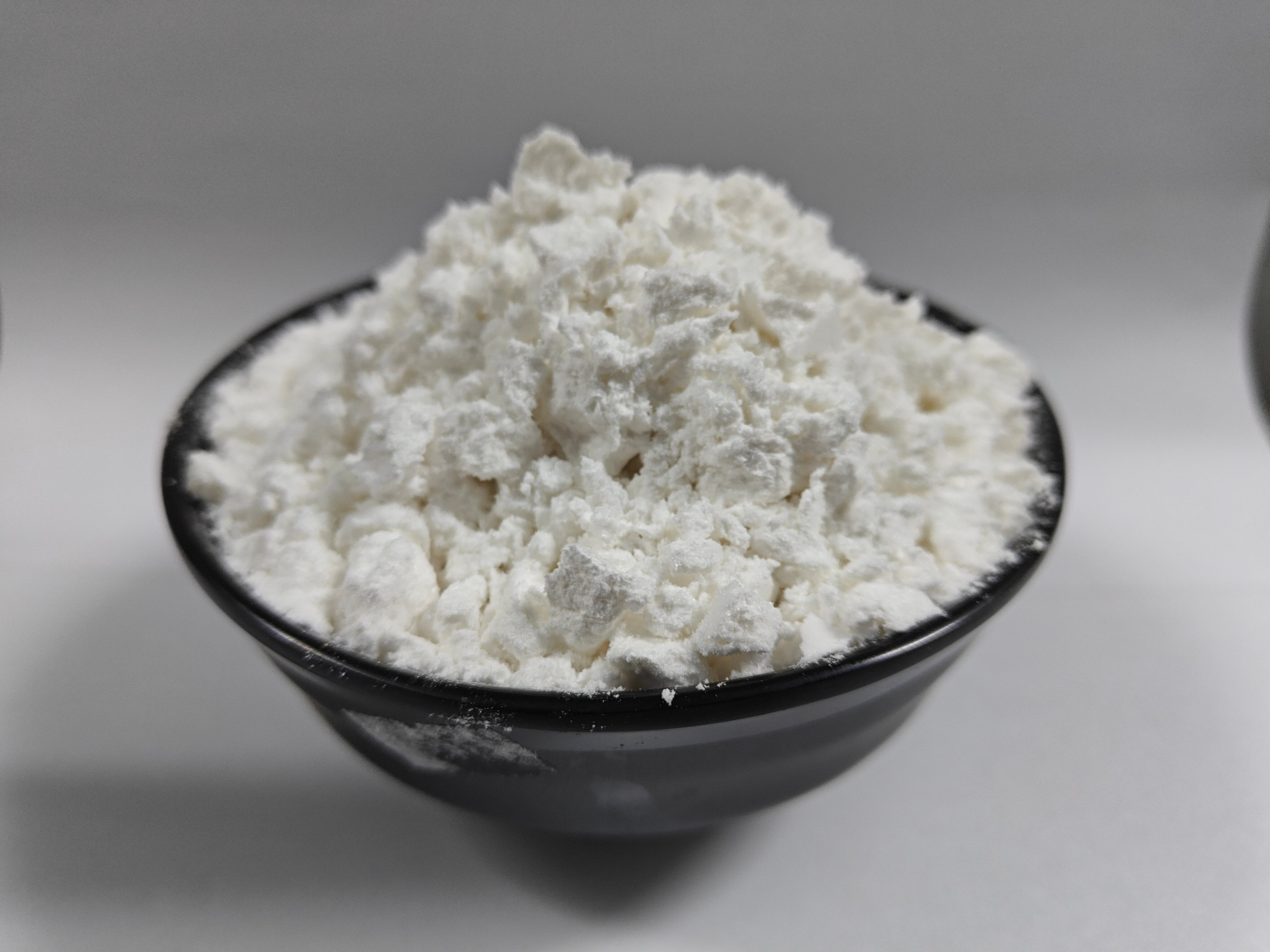
N,N'-carbonyldiimidazole has become the gold standard coupling agent in peptide synthesis laboratories worldwide. Its remarkable efficiency, selectivity, and compatibility with complex amino acid sequences make it indispensable for researchers developing therapeutic peptides, diagnostic agents, and advanced protein-based compounds. Understanding why N,N'-carbonyldiimidazole dominates modern peptide chemistry requires examining its unique chemical properties, reaction mechanisms, and practical advantages over competing coupling strategies.
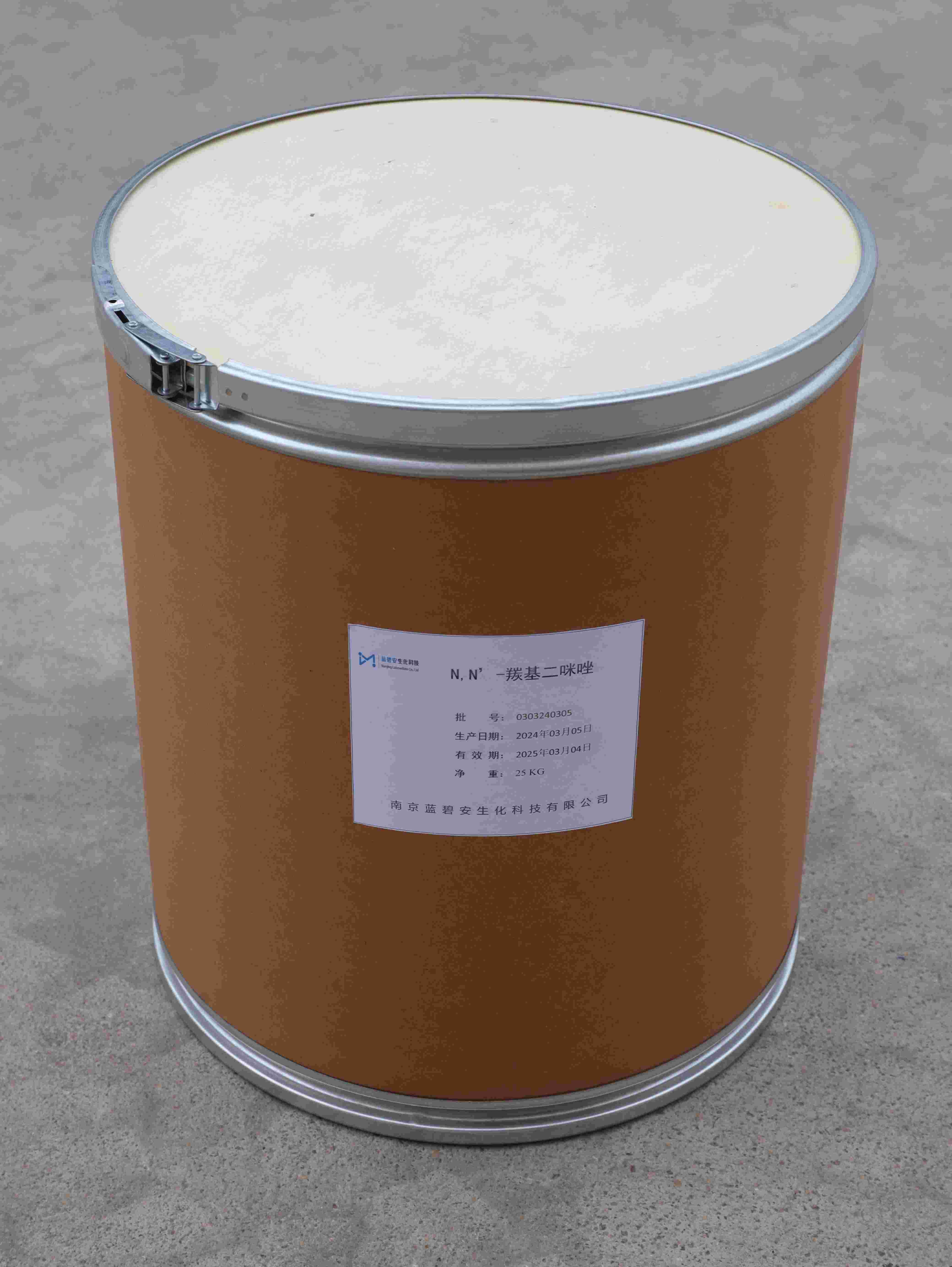
The chemistry behind N,N'-carbonyldiimidazole reveals why laboratories consistently choose this reagent for mission-critical applications. When deploying N,N'-carbonyldiimidazole in peptide synthesis, researchers gain precise control over coupling reactions while minimizing unwanted side reactions that compromise yield and purity. This article explores the fundamental reasons why N,N'-carbonyldiimidazole has earned its reputation as the preferred choice for coupling amino acids and peptide fragments.
Chemical Mechanism and Activation Superiority
How N,N'-Carbonyldiimidazole Activates Carboxylic Acids
N,N'-carbonyldiimidazole functions as a highly selective activating agent that transforms inactive carboxylic acid groups into highly reactive intermediates. The imidazole groups in N,N'-carbonyldiimidazole coordinate with the carbonyl carbon, creating an unstable but extremely reactive mixed anhydride intermediate. This activated species readily accepts nucleophilic attack from amino groups, enabling rapid peptide bond formation without requiring additional catalysts or harsh reaction conditions. The elegance of N,N'-carbonyldiimidazole lies in its ability to generate these activated species under mild, controlled conditions that preserve sensitive amino acid side chains.
Selectivity and Reaction Rate Advantages
N,N'-carbonyldiimidazole demonstrates superior selectivity compared to older coupling methods like dicyclohexylcarbodiimide or traditional anhydride formation. The activation by N,N'-carbonyldiimidazole proceeds rapidly at room temperature, reducing the exposure time for reactive intermediates and minimizing racemization risk. Unlike carbodiimide-based methods that produce bulky urea byproducts, reactions with N,N'-carbonyldiimidazole generate imidazole as the sole byproduct, which causes minimal steric hindrance and remains easy to remove during workup. The rapid kinetics ensure that N,N'-carbonyldiimidazole delivers consistent coupling efficiency even with challenging sequences containing hindered amino acids.
Practical Advantages in Peptide Synthesis Workflows
Protecting Sensitive Functional Groups
Modern peptide synthesis frequently involves protecting groups that remain vulnerable to harsh coupling conditions. N,N'-carbonyldiimidazole excels because its mild activation mechanism preserves acid-labile protecting groups like Boc and acid-sensitive side-chain modifications that alternative methods might damage. When using N,N'-carbonyldiimidazole, researchers can couple amino acids containing sensitive fluorescent labels, biotin conjugates, or other functional moieties without unintended deprotection or decomposition. This compatibility has made N,N'-carbonyldiimidazole the reagent of choice for synthesizing increasingly complex peptide therapeutics where multiple protecting groups must remain intact throughout synthesis.
Scalability and Cost Efficiency
The economics of peptide synthesis strongly favor N,N'-carbonyldiimidazole for both laboratory and production scales. N,N'-carbonyldiimidazole requires only stoichiometric or near-stoichiometric quantities to achieve complete coupling, eliminating the excess reagent waste that plagues other methods. The simple byproduct profile means minimal chromatographic purification is needed, and N,N'-carbonyldiimidazole itself is readily synthesized and remains stable for extended periods when stored correctly. Laboratories scaling peptide production have consistently found that adopting N,N'-carbonyldiimidazole reduces overall process costs while simultaneously improving yields compared to carbodiimide-based protocols.
Superior Performance in Challenging Synthesis Scenarios
Handling Hindered and Secondary Amino Acids
Certain amino acid sequences present significant coupling challenges because secondary amino acids or sterically hindered residues resist nucleophilic attack. N,N'-carbonyldiimidazole overcomes these obstacles through its exceptionally reactive intermediate, which succeeds where slower activation methods fail. The intense reactivity of the species formed by N,N'-carbonyldiimidazole allows coupling of difficult residues like proline-proline junctions or sequences with multiple hindered positions without requiring prolonged reaction times or elevated temperatures. This capability makes N,N'-carbonyldiimidazole essential for synthesizing peptides with sequences that would otherwise require multiple coupling attempts or special catalyst additions.
Compatibility with Automated Synthesis Systems
Automated peptide synthesis platforms depend on coupling agents that deliver rapid, consistent reactions within fixed time windows. N,N'-carbonyldiimidazole perfectly matches these requirements because its fast kinetics ensures complete coupling within the programmed cycle time. The clean byproduct profile simplifies washing steps between synthesis cycles, reducing the risk of incomplete solvent removal that causes downstream coupling failures. Many facilities have switched their automated solid-phase synthesis protocols to N,N'-carbonyldiimidazole specifically because it improves throughput and reduces failed syntheses due to incomplete coupling. The adoption of N,N'-carbonyldiimidazole in automated settings has become standard practice where reliability and speed directly impact research productivity.
FAQ
What distinguishes N,N'-carbonyldiimidazole from carbodiimide coupling agents in peptide synthesis?
N,N'-carbonyldiimidazole provides superior selectivity and generates cleaner byproducts compared to carbodiimides. While carbodiimide-based couplings produce bulky urea byproducts that require removal, N,N'-carbonyldiimidazole yields only imidazole as a byproduct. Additionally, N,N'-carbonyldiimidazole operates under milder conditions that better preserve acid-sensitive protecting groups, making it ideal for complex peptide sequences with multiple functional elements.
Can N,N'-carbonyldiimidazole handle difficult-to-couple amino acid sequences?
Yes, N,N'-carbonyldiimidazole excels at coupling challenging sequences involving secondary amino acids, sterically hindered residues, or difficult junctions like proline-proline connections. The exceptional reactivity of the N,N'-carbonyldiimidazole-activated intermediate overcomes steric barriers that defeat slower coupling methods, enabling successful coupling without requiring special catalysts or extended reaction times.
Is N,N'-carbonyldiimidazole suitable for automated peptide synthesis systems?
Absolutely, N,N'-carbonyldiimidazole is highly compatible with automated synthesis platforms. Its rapid kinetics ensures complete coupling within programmed cycle times, while its clean byproduct profile simplifies washing steps and reduces failed syntheses. Many automated facilities have standardized on N,N'-carbonyldiimidazole specifically for improving throughput and reliability in high-volume peptide synthesis operations.