
 EN
EN
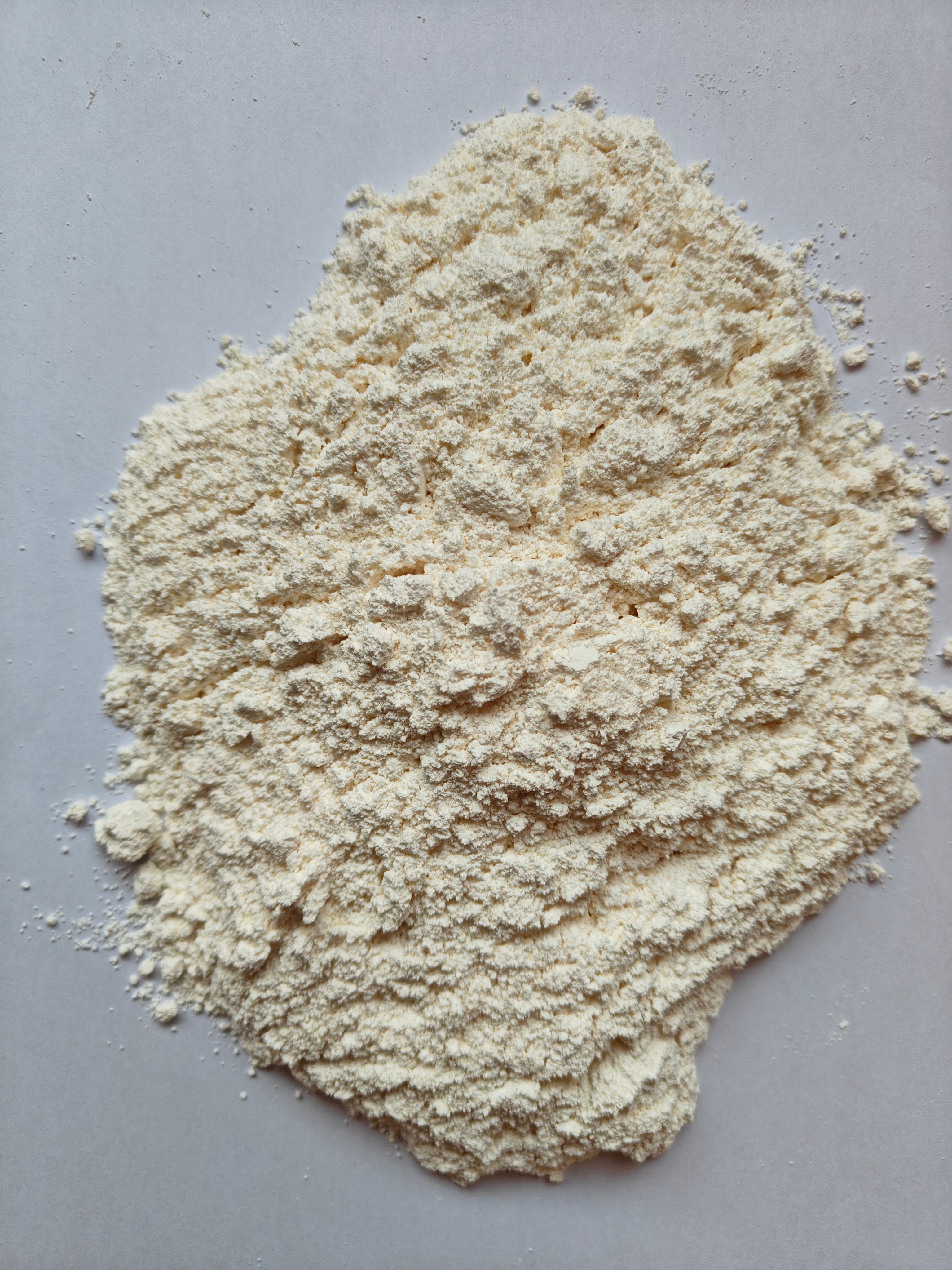
One-part epoxy adhesives have transformed industrial bonding applications by eliminating the need for two-component mixing, yet their effectiveness depends critically on managing pot life, the window during which the adhesive remains usable after opening. The catalyst 2P4MZ plays a fundamental role in controlling this timing, directly influencing when the adhesive begins to cure and when it becomes unusable. Understanding how 2P4MZ affects pot life is essential for manufacturers, engineers, and production teams who depend on precise, predictable adhesive performance across demanding applications.
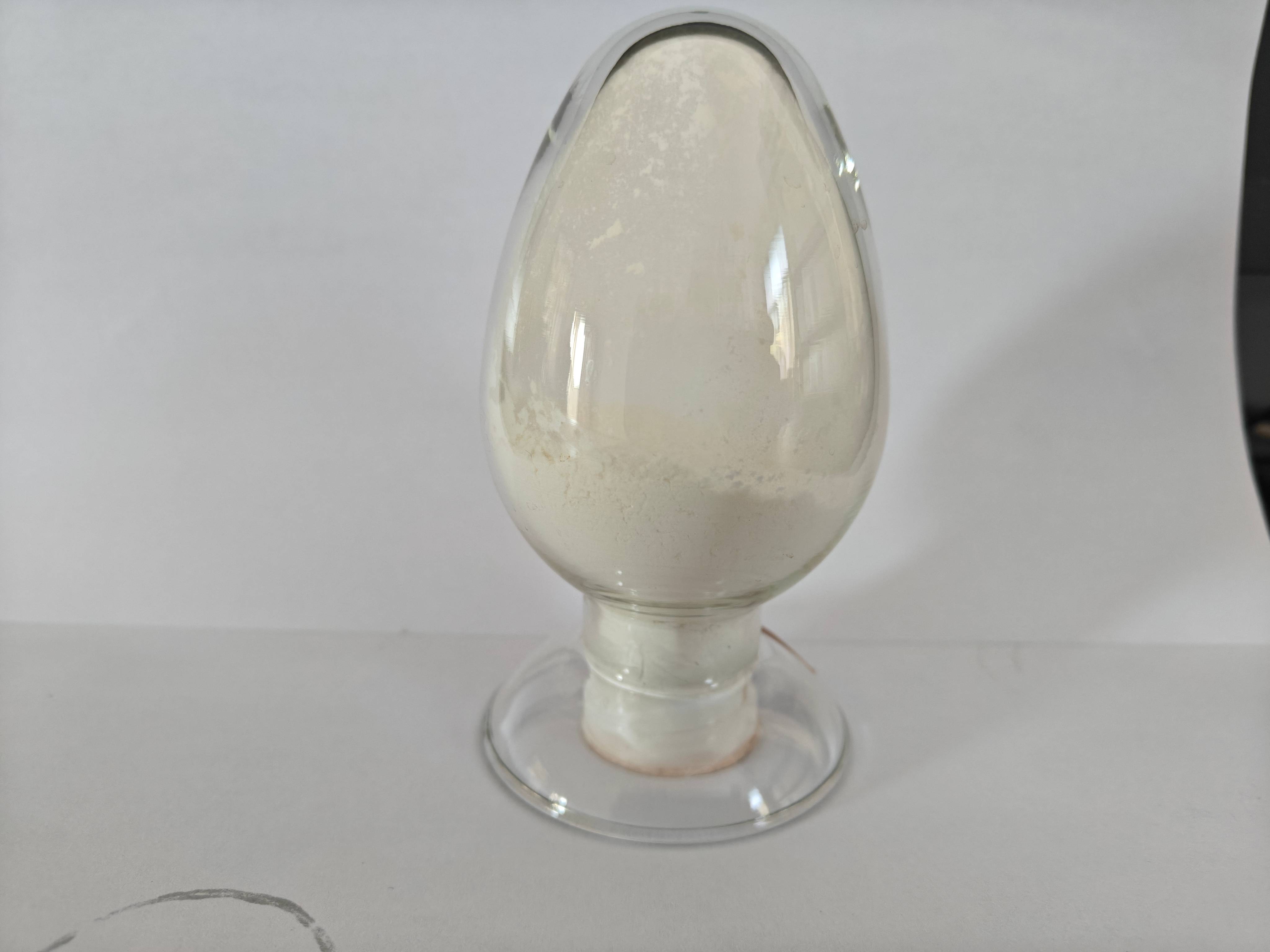
The relationship between 2P4MZ and pot life extends beyond simple chemical reaction rates. This imidazole-based accelerator governs the balance between storage stability and on-demand curing, allowing manufacturers to formulate adhesives that remain dormant in containers for extended periods yet cure rapidly when applied to substrates. The concentration, purity, and thermal activation of 2P4MZ determine whether an epoxy system will maintain usable pot life for hours or minutes, making it a critical variable in adhesive chemistry and process design.
Understanding 2P4MZ and Its Role in Epoxy Chemistry
What Is 2P4MZ and How It Functions as a Cure Accelerator
2P4MZ, or 4-methyl-2-phenyl-1H-imidazole, is a heterocyclic organic compound that acts as a latent cure accelerator in one-part epoxy formulations. Unlike reactive hardeners that initiate polymerization immediately upon contact with resin, 2P4MZ remains relatively dormant at room temperature within sealed containers, allowing the adhesive to achieve extended shelf life. The structure of 2P4MZ contains nitrogen atoms that facilitate hydrogen bonding interactions with epoxy molecules, but these interactions occur slowly unless temperature, moisture, or specific catalytic conditions activate the curing process. When environmental conditions change—typically through heat application or exposure to substrates with hydroxyl groups—2P4MZ rapidly catalyzes the ring-opening polymerization of epoxy compounds, causing the adhesive to transition from liquid to solid state. This latent behavior is what makes 2P4MZ ideal for one-part epoxy systems where manufacturers require both stability and controlled reactivity.
The Chemistry Behind Pot Life Control with 2P4MZ
Pot life in one-part epoxy adhesives represents the delicate equilibrium between thermal stability and chemical reactivity. 2P4MZ influences this equilibrium through its activation energy—the minimum energy required to initiate the curing reaction. At room temperature, the activation energy remains high, so molecules lack sufficient energy to react, preserving pot life. However, as temperature increases, thermal motion accelerates molecular interactions, and 2P4MZ becomes increasingly active, dramatically reducing pot life. The concentration of 2P4MZ in the formulation directly controls this temperature sensitivity; higher concentrations of 2P4MZ produce shorter pot lives at any given temperature, while lower concentrations extend pot life but may compromise final cure speed. Industrial formulators adjust 2P4MZ levels to achieve the optimal balance for their specific application—high-speed assembly lines may require shorter pot life to accelerate production, while repair applications may demand extended pot life to allow manual positioning and alignment.
How 2P4MZ Concentration Directly Impacts Pot Life Duration
Dosage Levels and Pot Life Relationships
The concentration of 2P4MZ in one-part epoxy formulations follows an inverse logarithmic relationship with pot life; small increases in 2P4MZ loading produce disproportionately large reductions in usable working time. At typical industrial levels, 2P4MZ concentrations range from 0.5 to 3 percent by weight, and within this range, each 0.5 percent increase can halve pot life at room temperature. For example, a formulation containing 1 percent 2P4MZ might maintain 60 minutes of pot life at 25°C, while the same resin system with 1.5 percent 2P4MZ could reduce pot life to approximately 30 minutes. This nonlinear behavior means that small formulation adjustments can yield dramatically different processing windows, requiring careful laboratory characterization before scaling to production. Manufacturers must establish precise 2P4MZ specifications and maintain strict quality control during production to ensure batch-to-batch consistency in pot life, preventing costly variations that could disrupt assembly operations or compromise bonding reliability.
Temperature Sensitivity and 2P4MZ Activity
Temperature amplifies the effect of 2P4MZ on pot life through exponential acceleration of reaction kinetics. The relationship follows Arrhenius-type temperature dependence, meaning that each 10°C increase in temperature roughly doubles the reaction rate and correspondingly halves the pot life. An adhesive with 2P4MZ formulated for 60-minute pot life at 25°C might offer only 15-20 minutes at 40°C and less than 5 minutes at 60°C. In manufacturing environments, this temperature sensitivity becomes a critical operational consideration; hot factories, heated assembly lines, or summer conditions can dramatically compress the available working time. Some adhesive manufacturers mitigate this challenge by reducing 2P4MZ concentration to extend pot life under hot conditions, accepting slower room-temperature cure as a trade-off. Others employ sophisticated thermal management strategies, including cooled applicators or temporary refrigeration of cartridges, to preserve pot life in high-temperature settings. Understanding the relationship between 2P4MZ, temperature, and pot life allows production teams to design assembly processes that align with realistic chemical constraints rather than optimistic assumptions.
Practical Implications of 2P4MZ on Production and Storage
Storage Stability and Shelf Life Considerations
One-part epoxy adhesives containing 2P4MZ must maintain long shelf lives—typically 12 months or longer—despite containing an active cure accelerator. This apparent contradiction is resolved through careful formulation chemistry; the same conditions that prevent premature curing in storage containers must be carefully managed to enable rapid curing during application. Moisture represents a critical variable, as trace water can dramatically activate 2P4MZ, causing gelation or viscosity buildup in storage. Manufacturers address this through desiccant packaging, hermetic sealing, and sometimes incorporation of moisture-scavenging additives that prevent 2P4MZ from contacting water molecules inside the container. Additionally, storage temperature must remain controlled; cool, stable warehouse conditions preserve pot life consistency, while temperature fluctuations can cause cumulative activation of 2P4MZ, progressively shortening remaining pot life throughout the product's shelf life. The presence of 2P4MZ means that one-part epoxy adhesives have genuine shelf-life limits, unlike two-component systems where the components are stored separately and mixed only when needed, giving industrial users responsibility for proper storage management and rotation practices.
Application and Processing Advantages Enabled by 2P4MZ Formulation
By controlling 2P4MZ concentration, manufacturers create one-part epoxy systems optimized for diverse industrial scenarios. For high-speed automated assembly, 2P4MZ enables rapid fixture and handling times, reducing production cycle time and increasing throughput. For manual assembly or repair applications, lower 2P4MZ concentrations provide extended pot life, allowing workers time to position components, make adjustments, and ensure proper alignment before gelation occurs. Some specialty formulations employ dual-catalyst systems combining 2P4MZ with other accelerators, creating adhesives that cure slowly at room temperature yet accelerate dramatically when heated, enabling both extended pot life and fast fixture times. This flexibility has made one-part epoxy adhesives increasingly competitive with traditional two-component systems across aerospace, automotive, electronics, and industrial maintenance applications, where the convenience and consistency of one-part systems justify the complexity of 2P4MZ chemistry management.
FAQ
How does temperature affect the relationship between 2P4MZ and pot life?
Temperature creates an exponential effect on 2P4MZ activity, approximately doubling reaction rates and halving pot life with each 10°C increase. An adhesive formulated for 60-minute pot life at 25°C may deliver only 15 minutes at 40°C because 2P4MZ becomes progressively more active as thermal energy accelerates molecular motion. This temperature sensitivity means manufacturers must account for ambient conditions, heated assembly lines, and seasonal variations when selecting adhesives or adjusting 2P4MZ formulations for specific production environments.
Can the concentration of 2P4MZ be adjusted to extend pot life without compromising cure speed?
While reducing 2P4MZ concentration does extend pot life, it also slows final cure speed at room temperature, creating a practical trade-off in adhesive formulation. Manufacturers can mitigate this trade-off by combining 2P4MZ with heat activation strategies; users apply heat to the bonded assembly after pot life expires, allowing lower concentrations of 2P4MZ to achieve rapid final cure when thermal energy is supplied. Another approach involves dual-catalyst systems that separate room-temperature stability from thermal curing, providing extended pot life without sacrificing ultimate cure performance.
What storage conditions best preserve the pot life of one-part epoxy adhesives containing 2P4MZ?
Cool, dry storage conditions preserve 2P4MZ-containing adhesives, with typical recommendations being 15–25°C in sealed, moisture-proof containers with desiccant protection. Temperature fluctuations and humidity cause progressive activation of 2P4MZ, shortening usable pot life over time, so maintaining stable warehouse conditions is essential. Users should follow manufacturer expiration dates, rotate stock to use older material first, and avoid exposing containers to temperature extremes or moisture sources that could compromise performance during shelf life.