
 EN
EN
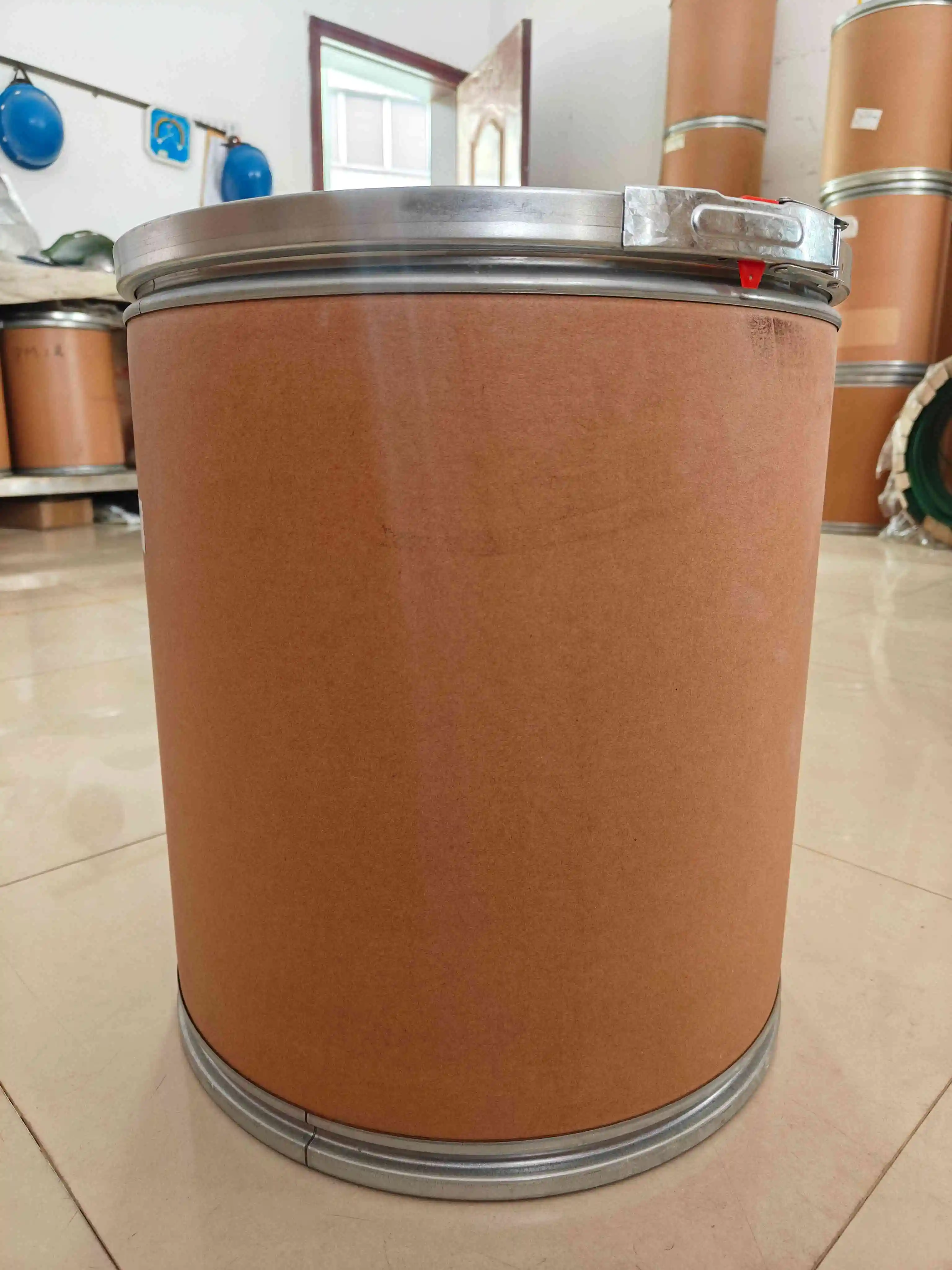
Low-temperature environments present unique challenges for epoxy resin systems. Traditional epoxy formulations often struggle to cure properly when ambient temperatures drop, leading to incomplete cross-linking, extended pot life unpredictability, and compromised final properties. Understanding which epoxy resin curing additives work best in cold conditions is essential for manufacturers, contractors, and industrial users who operate in challenging climates or seasonal variations. The right epoxy resin curing additive can dramatically improve cure speed, mechanical strength, and adhesion even when temperatures fall well below standard application ranges.
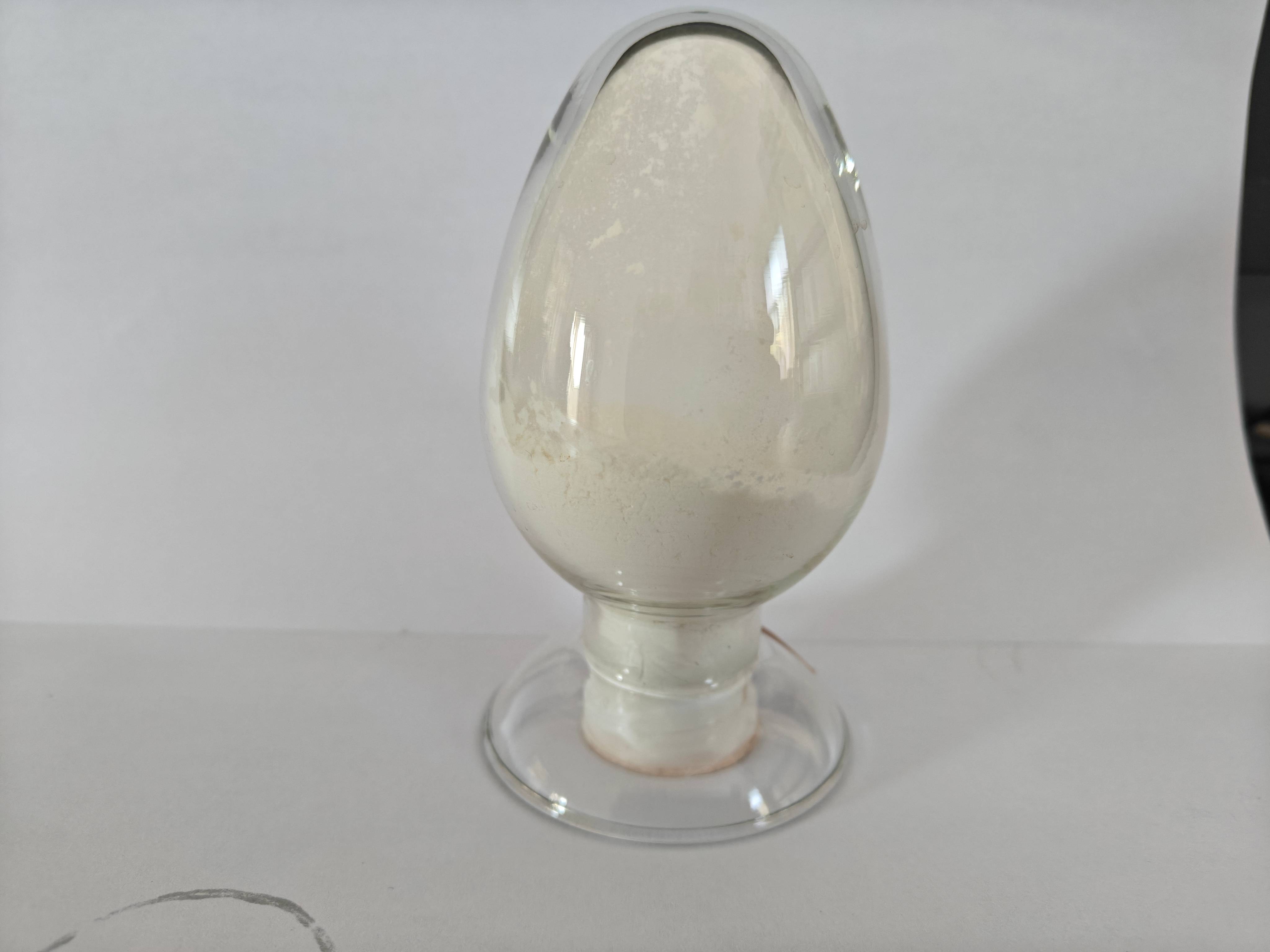
Cold-cure epoxy systems depend heavily on carefully selected epoxy resin curing additives to overcome the kinetic barriers that slow molecular reaction rates at lower temperatures. An effective epoxy resin curing additive must balance reactivity enhancement with pot life stability, preventing premature gelation while ensuring reliable cure even in suboptimal thermal conditions. Industrial applications ranging from offshore construction to winter maintenance projects rely on these specialized formulations to maintain schedule and quality standards regardless of seasonal or geographic constraints.
Common Accelerators in Low-Temperature Epoxy Formulations
Imidazole-Based Accelerators
Imidazole compounds represent one of the most widely used classes of epoxy resin curing additive for low-temperature work. These accelerators function by lowering the activation energy required for the resin-hardener reaction, enabling cure progression even when ambient heat is insufficient. The most effective epoxy resin curing additive in this category is 2-methylimidazole and its derivatives, which show strong catalytic activity without significantly compromising shelf stability. 4-methyl-2-phenyl-1H-imidazole (2P4MZ) stands out as a highly effective epoxy resin curing additive for temperatures as low as 5 degrees Celsius, maintaining predictable cure kinetics across a wide temperature window.
Imidazole-based epoxy resin curing additives work through a latent catalytic mechanism, remaining relatively inert at room temperature storage but activating quickly once the resin system reaches its working temperature. This makes the epoxy resin curing additive ideal for batch production environments where extended pot life is critical. Typical dosing of this epoxy resin curing additive ranges from 0.5 to 2 percent by weight of the total resin component, depending on desired cure speed and temperature conditions.
Tertiary Amine Accelerators
Tertiary amines serve as another important class of epoxy resin curing additive, particularly valuable for two-part room-temperature systems that must cure in low-temperature environments. These epoxy resin curing additive compounds work through nucleophilic catalysis, facilitating the ring-opening reaction between epoxide and hydroxyl or amine groups. Common tertiary amine epoxy resin curing additives include N,N-dimethylcyclohexylamine and N,N-diethylethanolamine, both demonstrating superior performance below 15 degrees Celsius when compared to standard formulations.
The advantage of tertiary amine epoxy resin curing additives lies in their immediate reactivity; they do not require latency and begin accelerating the cure process as soon as resin and hardener mix. For applications requiring rapid setup in cold warehouses, outdoor winter work, or temperature-controlled facilities set below standard ranges, this epoxy resin curing additive class offers straightforward implementation. However, users must balance accelerator concentration carefully, as excessive epoxy resin curing additive loading can generate exothermic heat and reduce gel time unpredictably.
Mechanisms and Performance Characteristics
Thermal Activation vs. Chemical Catalysis
Traditional epoxy systems rely on ambient temperature to drive the cure reaction; below certain temperature thresholds, thermal energy becomes insufficient and the epoxy resin curing additive must compensate through chemical catalysis. An epoxy resin curing additive functions by either lowering the activation energy barrier or by introducing active sites that facilitate the resin-hardener cross-linking process. Understanding this distinction helps formulation engineers select the most appropriate epoxy resin curing additive for their specific temperature range and timeline requirements.
Imidazole-type epoxy resin curing additives excel in applications where extended pot life combined with fast cure is required, making them ideal for batch coating and lamination processes. Amine-based epoxy resin curing additives provide faster initial reaction but require careful concentration control to avoid uncontrolled exothermic behavior. By selecting the right epoxy resin curing additive chemistry, formulators can ensure consistent cure performance whether temperatures range from 5 degrees Celsius to 25 degrees Celsius or higher.
Cure Speed and Mechanical Property Development
The epoxy resin curing additive choice directly impacts how quickly the system develops usable strength and reaches final mechanical properties. Low-temperature environments inherently slow diffusion-limited reactions, so an effective epoxy resin curing additive must accelerate molecular mobility and bond formation without introducing brittleness or reduced flexibility. Modern epoxy resin curing additive formulations are engineered to maintain or improve tensile strength, elongation, and adhesion even at temperatures 10 to 15 degrees below the standard specification range.
Epoxy systems formulated with appropriate epoxy resin curing additives can achieve full cure at 10 degrees Celsius within 24 to 48 hours, compared to several weeks or indefinite incomplete cure with unmodified systems. This dramatic acceleration directly reduces project timelines and minimizes the risk of contamination, mechanical disturbance, or solvent loss during the vulnerable early cure stages. Selection of the right epoxy resin curing additive therefore becomes a critical decision point in cold-climate manufacturing and construction schedules.
Selection Criteria and Application Guidance
Matching Temperature Range and Timing Requirements
Selecting the appropriate epoxy resin curing additive requires matching the intended operating temperature, desired pot life, and final cure timeline. If work must proceed at 5 to 10 degrees Celsius with a 30-minute pot life and overnight cure, one class of epoxy resin curing additive may be ideal; if the temperature is consistently 15 to 20 degrees Celsius with 60-minute pot life acceptable, a different epoxy resin curing additive strategy may apply. Industrial users should request technical data sheets confirming that the proposed epoxy resin curing additive maintains stated performance across their actual working temperature band.
Environmental factors beyond temperature also influence epoxy resin curing additive selection. Humidity, air circulation, substrate temperature, and thermal mass of the assembly all affect cure kinetics and the suitability of any specific epoxy resin curing additive. A coating applied to cold metal in a damp environment may require a different epoxy resin curing additive than an adhesive bonding preheated composites in a temperature-controlled facility. Thorough testing of the proposed epoxy resin curing additive under realistic conditions is essential before full-scale deployment.
Compatibility and Quality Considerations
Not all epoxy resin curing additives are compatible with every resin-hardener combination. The epoxy resin curing additive must be chemically stable in the resin component during storage, must not interfere with hardener reactivity, and must be miscible across the full concentration range. Quality suppliers provide detailed compatibility matrices showing which epoxy resin curing additive products work with specific hardener chemistries, cure temperatures, and application methods.
Storage stability of the epoxy resin curing additive is equally critical; many latent catalytic epoxy resin curing additives can crystallize, separate, or lose activity over extended storage, particularly if subjected to temperature fluctuations. Proper storage in sealed containers at controlled temperature prevents degradation and ensures that the epoxy resin curing additive performs consistently batch to batch. Reputable suppliers provide shelf life data and recommend periodic testing of stored epoxy resin curing additive supplies to confirm maintained reactivity.
FAQ
What is the typical dosage range for epoxy resin curing additives in low-temperature systems?
Most epoxy resin curing additives are used at 0.5 to 2.5 percent by weight of the total resin component. Imidazole-based epoxy resin curing additives typically require 0.8 to 1.5 percent loading, while amine-based epoxy resin curing additives may range from 0.5 to 1.2 percent depending on desired cure speed. Always follow the specific epoxy resin curing additive supplier's recommendations and conduct trial batches before committing to production scales. Overdosing an epoxy resin curing additive can trigger premature gelation or excessive exothermic heat; underdosing may fail to accelerate cure sufficiently at low temperatures.
Can epoxy resin curing additives be mixed with standard hardeners, or do they require specialized formulations?
Some epoxy resin curing additives are compatible with standard hardeners, while others perform best with purpose-designed low-temperature hardener systems. Imidazole-class epoxy resin curing additives generally work with both conventional and specialized hardeners, though hardener selection still influences final cure profile. Amine-based epoxy resin curing additives may require complementary hardener chemistry to achieve optimal performance. Always verify compatibility by consulting technical documentation or conducting small-scale trials before large-volume production deployment of any new epoxy resin curing additive combination.
How do epoxy resin curing additives affect the shelf life and pot life of the final mixed system?
Epoxy resin curing additives stored separately in the resin component typically maintain shelf life of 6 to 24 months under controlled conditions, depending on the specific epoxy resin curing additive chemistry and storage temperature. Once resin and hardener are mixed, the epoxy resin curing additive becomes active and pot life shortens dramatically; typical pot life ranges from 20 to 90 minutes depending on the epoxy resin curing additive type, temperature, and hardener selection. Working in cold conditions may extend pot life somewhat since the reaction rate slows, but users should conduct pot life testing at their actual working temperature to confirm workability windows before committing to field application.
Table of Contents
- Common Accelerators in Low-Temperature Epoxy Formulations
- Mechanisms and Performance Characteristics
- Selection Criteria and Application Guidance
-
FAQ
- What is the typical dosage range for epoxy resin curing additives in low-temperature systems?
- Can epoxy resin curing additives be mixed with standard hardeners, or do they require specialized formulations?
- How do epoxy resin curing additives affect the shelf life and pot life of the final mixed system?