
 EN
EN
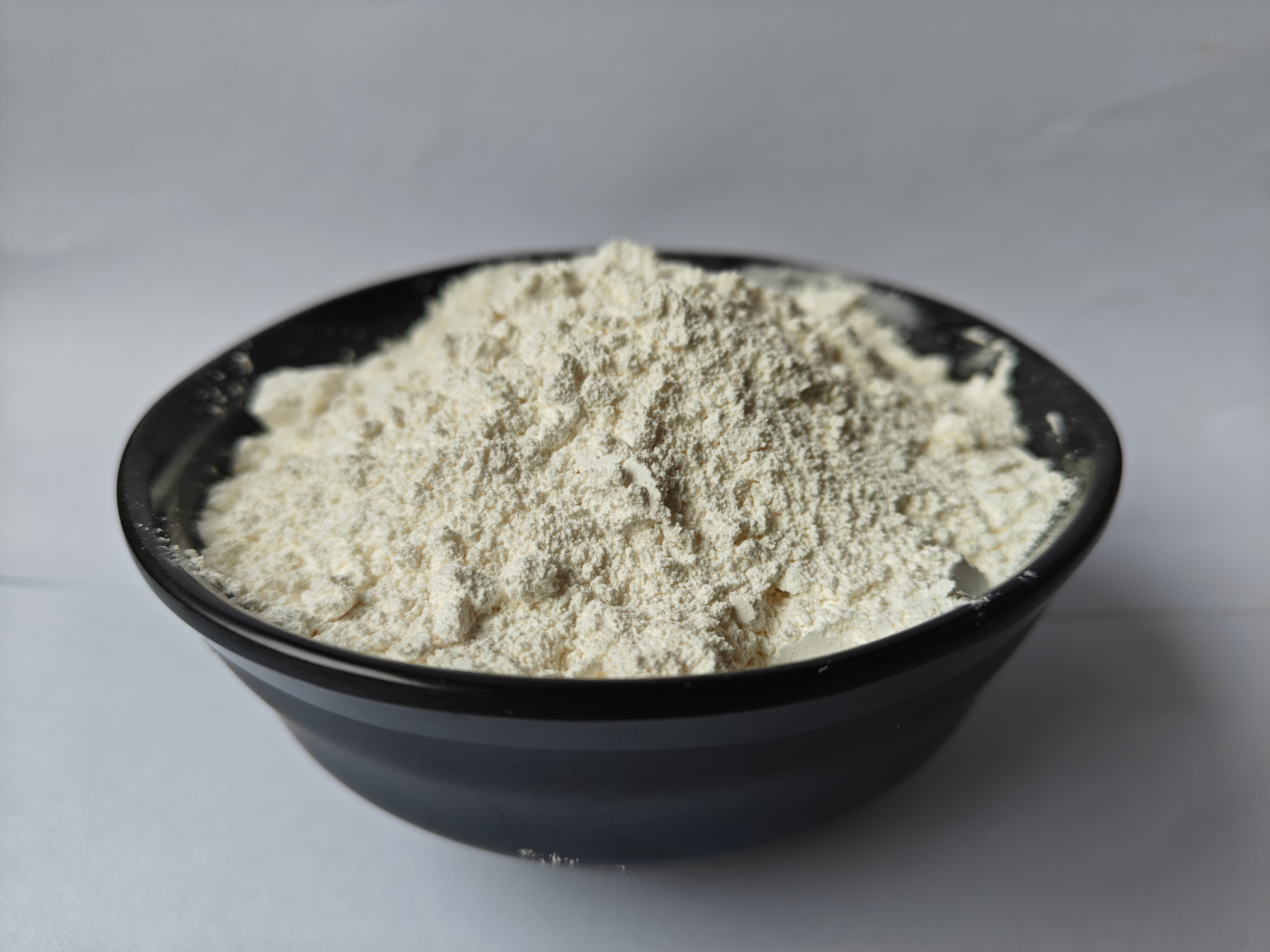
The selection of the right curing accelerator fundamentally shapes the performance characteristics of epoxy resin systems. Among the most effective options available in modern industrial applications, 2p4mz stands out as a specialized latent curing accelerator that delivers exceptional control over cure dynamics. 2p4mz, chemically known as 4-methyl-2-phenyl-1h-imidazole, has become increasingly preferred by manufacturers and chemists because it addresses critical challenges in epoxy formulation that traditional accelerators often fail to overcome.
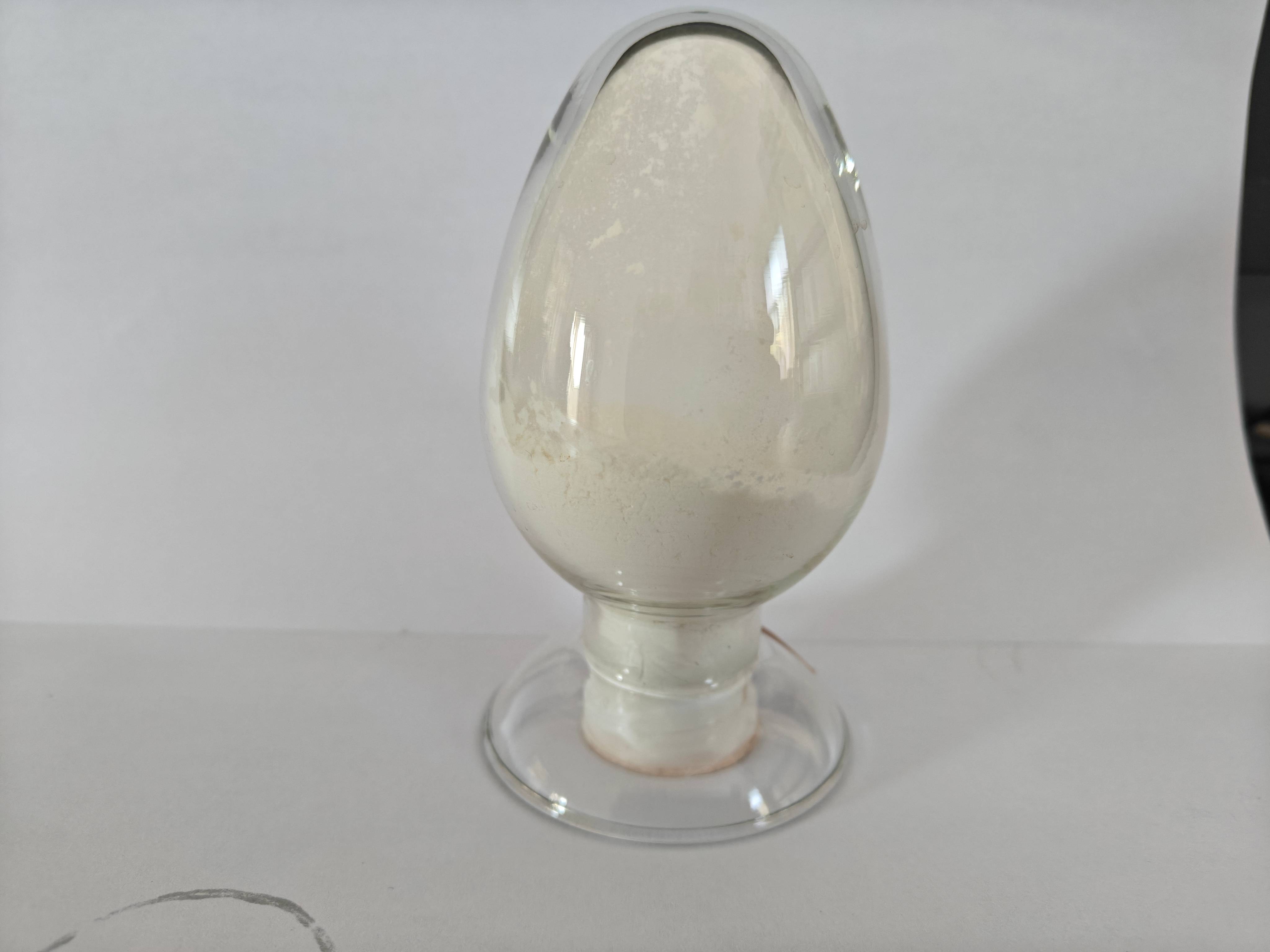
Understanding why 2p4mz has earned its preferred status requires examining the specific mechanisms and benefits it provides compared to conventional accelerators. Unlike many standard curing agents that trigger rapid polymerization immediately upon mixing, 2p4mz operates as a latent accelerator, meaning it remains dormant until activated by elevated temperatures or specific conditions. This unique characteristic makes 2p4mz particularly valuable for applications demanding extended pot life, precise processing windows, and predictable cure profiles.
The Chemistry Behind 2P4MZ Performance
Latent Activation Mechanism
The fundamental reason 2p4mz functions as a latent curing accelerator lies in its molecular structure and thermal activation profile. 2p4mz molecules remain relatively inactive at room temperature but begin catalyzing epoxy polymerization when exposed to temperatures typically between 80°C and 120°C, depending on the formulation. This temperature-dependent behavior of 2p4mz means manufacturers can prepare epoxy mixtures hours or even days in advance without experiencing premature gelation, a significant advantage in production environments where batch preparation must precede application by considerable intervals.
The imidazole ring structure present in 2p4mz provides nucleophilic sites that facilitate ring-opening reactions with epoxy groups, but the steric hindrance from the phenyl and methyl substituents moderates this reactivity until thermal energy overcomes activation barriers. 2p4mz thus delivers what formulators call 'controlled latency,' ensuring that cure initiation occurs predictably when thermal conditions are met rather than through random ambient moisture or trace catalysts. This property distinguishes 2p4mz from non-latent accelerators that may exhibit temperature-dependent activity variations but lack the same degree of dormancy control.
Thermal Stability and Cure Rate Control
Industrial applications frequently demand not only extended pot life but also predictable cure rates once processing temperatures are reached. 2p4mz excels in this regard because its activation profile remains consistent across multiple production batches when environmental conditions are maintained. The thermal stability of 2p4mz as a solid reagent allows it to be incorporated into dry epoxy formulations without decomposition risk, preserving accelerator functionality until intended use begins. 2p4mz also exhibits minimal volatility, preventing loss of catalytic activity through evaporation during storage or initial processing stages.
The cure rate acceleration provided by 2p4mz can be fine-tuned through dosage adjustment and formulation chemistry, giving chemists and process engineers precise control over polymerization kinetics. When 2p4mz concentration increases from 0.5% to 2% by weight of the epoxy resin, cure times typically decrease correspondingly without causing runaway exothermic reactions. This dose-response linearity makes 2p4mz particularly suitable for applications requiring optimization of cure speed versus dimensional stability and residual stress distribution.
Practical Advantages in Manufacturing and Processing
Extended Pot Life and Processing Flexibility
One of the most compelling reasons 2p4mz is preferred over conventional primary amines and other non-latent accelerators involves the extended processing window it provides. Standard accelerators often consume pot life rapidly because their reactions with epoxy begin immediately at ambient temperature. By contrast, 2p4mz maintains usable viscosity and handleability for extended periods, allowing technicians to complete complex layup procedures, fill cavities, or apply multiple coatings without race-against-the-clock pressure. This extended pot life of formulations containing 2p4mz translates directly into reduced labor costs, fewer processing errors, and higher first-pass quality rates in composite manufacturing and construction applications.
The practical benefit of 2p4mz latency extends beyond simple convenience. In aerospace composite layup, for example, technicians can prepare prepreg materials days in advance using 2p4mz as the accelerator, store them under controlled conditions, then activate cure on demand through oven temperature profiles. Similarly, in industrial coatings, 2p4mz enables manufacturers to provide one-part or two-part systems with extended shelf life and usable pot life that far exceeds what non-latent accelerators allow, reducing waste and improving inventory management efficiency.
Dimensional Stability and Mechanical Properties
Epoxy resin systems accelerated by 2p4mz typically exhibit superior dimensional stability compared to those using fast-acting non-latent accelerators. The controlled cure mechanism of 2p4mz allows stress to develop and relax more gradually throughout the polymer network, reducing the risk of warping, cracking, or delamination in thick sections or constrained geometries. 2p4mz also tends to produce cured epoxy resins with more uniform cross-link density because its gradual polymerization proceeds more evenly throughout the thickness of a part rather than forming surface-cured shells over uncured cores.
Mechanical testing of epoxy formulations cured by 2p4mz consistently demonstrates tensile strength, flexural modulus, and impact resistance values that meet or exceed specifications for demanding applications such as structural adhesives, composite matrices, and protective coatings. The residual stress distribution within 2p4mz-cured epoxy is typically more favorable than in rapidly cured systems, resulting in parts that resist fatigue failure and environmental stress cracking more effectively during long-term service life.
Industry-Specific Applications and Preferred Status
Composite Manufacturing and Aerospace
Aerospace and advanced composite manufacturers rank 2p4mz among preferred accelerators because the technology directly addresses production constraints inherent in high-performance applications. Carbon fiber and glass fiber prepreg systems formulated with 2p4mz can be manufactured in advance and stored in refrigerated conditions, then processed through automated layup equipment with pot life adequate for complex multi-layer configurations. The out-time tolerance provided by 2p4mz far exceeds what conventional accelerators permit, reducing inventory turnover pressures and enabling just-in-time supply chain efficiency. 2p4mz thus has become the latent curing accelerator of choice for manufacturers serving aerospace, automotive, and wind energy sectors where performance consistency and processing reliability are non-negotiable.
Adhesives, Coatings, and Construction
In structural adhesive and protective coating applications, 2p4mz provides manufacturers with formulation flexibility unavailable from non-latent alternatives. Two-part epoxy adhesive systems accelerated by 2p4mz can be shipped in separate components and mixed on-site with confidence that pot life will remain adequate even in warm ambient conditions, provided thermal activation is controlled. 2p4mz-based epoxy coatings exhibit superior wetting characteristics and cure uniformity compared to rapidly-accelerated systems, producing finishes with improved gloss retention, color stability, and chemical resistance. Construction and industrial maintenance applications rely on 2p4mz-accelerated epoxies for floor coatings, concrete bonding, and equipment repair because the extended processing window accommodates field application reality better than theoretical pot-life figures would suggest.
FAQ
What is the recommended dosage of 2P4MZ in epoxy formulations?
Typical 2p4mz loading ranges from 0.5% to 2% by weight of the epoxy resin, with specific recommendations depending on desired cure time and thermal processing conditions. Lower 2p4mz concentrations between 0.5% and 1% suit applications demanding extended pot life and slower cure, while higher loadings accelerate polymerization for faster production cycles. Chemists should conduct thermal analysis and rheological testing to optimize 2p4mz dosage for their specific formulation matrix, curing temperature profile, and performance requirements.
How does 2P4MZ latency compare to other latent accelerators available?
2p4mz competes favorably with other latent imidazole-based and phosphine oxide accelerators in terms of thermal stability, cost-effectiveness, and cure rate control. Unlike some competing latent accelerators, 2p4mz delivers consistent activation across typical industrial processing temperatures without significant batch-to-batch variation. 2p4mz also shows better compatibility with moisture-sensitive formulations and exhibits lower volatility than certain alternative latent systems, making it the preferred choice across aerospace, composite, and industrial coatings applications where performance consistency drives material selection.
Can 2P4MZ be used in one-part epoxy systems?
Yes, 2p4mz can be incorporated into one-part epoxy formulations because its latent nature prevents premature cure during ambient storage and handling. One-part systems containing 2p4mz typically require storage at reduced temperatures to minimize slow background reactions over extended shelf life, but this requirement is far less stringent than managing non-latent accelerators in similar applications. 2p4mz-based one-part epoxies deliver superior shelf life stability compared to systems using faster-acting accelerators, making them attractive for distributed inventories and applications requiring extended product availability before use.