
 EN
EN

Selecting the right epoxy molding compound for high-temperature storage applications requires a thorough understanding of material properties, thermal behavior, and long-term reliability factors. Industries ranging from automotive electronics to aerospace systems depend on epoxy molding compound formulations that maintain structural integrity and electrical performance under extreme thermal conditions. The choice of epoxy molding compound directly impacts device longevity, failure rates, and overall system dependability in demanding environments.
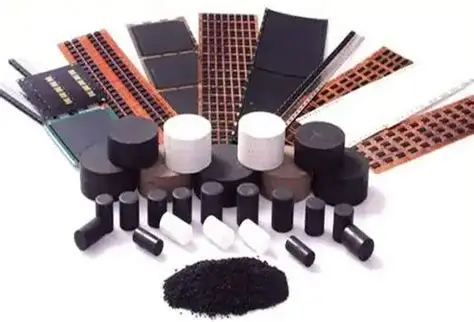
High-temperature storage conditions present unique challenges that standard epoxy molding compound formulations may not adequately address. Thermal cycling, moisture absorption, and chemical degradation all accelerate failure mechanisms in poorly selected epoxy molding compound products. Understanding the specific demands of your application—including temperature ranges, storage duration, environmental exposure, and regulatory requirements—forms the foundation for making informed decisions about which epoxy molding compound offers the best combination of performance and cost-effectiveness.
Understanding Thermal Performance Requirements
Temperature Range Specifications for Epoxy Molding Compound
The glass transition temperature, or Tg, represents a critical parameter when evaluating epoxy molding compound suitability for high-temperature applications. An epoxy molding compound with insufficient Tg will experience softening, dimensional changes, and reduced mechanical strength as storage temperatures approach or exceed this critical threshold. For high-temperature storage reliability, your epoxy molding compound must maintain a glass transition temperature at least 20–30°C above the maximum sustained operating temperature to ensure adequate safety margins and performance stability throughout the product lifecycle.
Continuous-use temperature ratings differ significantly from peak temperature tolerances in most epoxy molding compound datasheets. An epoxy molding compound rated for brief exposure to 200°C may degrade rapidly under sustained 150°C storage conditions due to matrix degradation, filler-resin interface failure, and accelerated moisture ingress. When specifying an epoxy molding compound, distinguish between glass transition temperature, continuous-use temperature, and peak short-term exposure limits to avoid premature field failures and unexpected reliability issues.
Thermal Stability and Coefficient of Thermal Expansion
Thermal cycling induces cyclic stress in encapsulated components as your epoxy molding compound and embedded materials undergo repeated expansion and contraction. The coefficient of thermal expansion, or CTE, represents how much linear dimensional change occurs per degree Celsius in your epoxy molding compound. A mismatch between the CTE of your epoxy molding compound and the CTE of semiconductor dies, lead frames, or substrate materials creates mechanical shear stress at interfaces, leading to crack initiation, delamination, and eventual electrical failure during high-temperature storage cycles.
Superior epoxy molding compound formulations incorporate fillers such as silica, alumina, or specialized micro-fillers that reduce the overall coefficient of thermal expansion and improve dimensional stability. These filled epoxy molding compound systems demonstrate lower stress development during thermal cycling and maintain superior adhesion to substrate materials across extended temperature ranges. When selecting an epoxy molding compound, prioritize products with CTE specifications closely matched to your assembly materials and demonstrated performance through thermal shock testing protocols.
Material Selection Criteria for Reliability
Moisture Absorption and Hydrolytic Stability
Moisture absorption represents one of the primary failure mechanisms affecting long-term performance of epoxy molding compound in high-temperature storage environments. Absorbed water reduces the glass transition temperature, plasticizes the resin matrix, promotes corrosion of embedded conductors, and accelerates degradation pathways in your epoxy molding compound. A premium epoxy molding compound formulation must achieve water absorption levels below 0.5% under standard conditions and demonstrate minimal change in key properties after moisture saturation testing.
Hydrolytic stability testing evaluates how well your epoxy molding compound resists chemical breakdown when exposed to moisture and elevated temperature simultaneously. Many standard epoxy molding compound materials exhibit acceptable properties under dry conditions but fail rapidly when moisture penetrates the matrix in warm, humid storage environments. Selecting an epoxy molding compound with proven hydrolytic stability ensures that electrical properties, mechanical strength, and dimensional stability remain within specification throughout extended high-temperature storage cycles in real-world conditions.
Chemical Resistance and Environmental Compatibility
Storage environments often contain corrosive chemicals, cleaning solvents, or reactive atmospheric compounds that interact with your epoxy molding compound over extended periods. An epoxy molding compound exposed to industrial solvents, lubricating oils, or accelerated weathering will experience surface degradation, discoloration, and potentially internal matrix swelling or softening. Evaluate your epoxy molding compound against the specific chemical environment where storage will occur, including both deliberate exposures and incidental contact with substances common in manufacturing, warehousing, or field deployment scenarios.
Halogen-free formulations of epoxy molding compound have become standard in electronics applications due to environmental and safety regulations. A halogen-free epoxy molding compound typically offers superior arc resistance and flame performance compared to traditional brominated or chlorinated alternatives. When specifying an epoxy molding compound for high-temperature storage, verify compliance with relevant environmental standards such as RoHS, REACH, and industry-specific directives while confirming that halogen-free chemistry does not compromise thermal performance or reliability in your particular application.
Performance Testing and Validation
Accelerated Thermal Aging Protocols
Accelerated thermal aging testing simulates long-term high-temperature storage effects in a compressed timeframe, allowing you to predict epoxy molding compound behavior over years of service life. A robust epoxy molding compound evaluation includes exposure to elevated temperature—often 150°C to 200°C—for extended periods while monitoring changes in tensile strength, flexural modulus, glass transition temperature, and electrical properties. Results from accelerated aging directly correlate to field performance expectations, helping you select an epoxy molding compound formulation with proven long-term reliability rather than relying on short-term property data alone.
The Arrhenius model and related predictive methodologies allow manufacturers to extrapolate epoxy molding compound aging behavior from accelerated test conditions to real-world storage temperatures. An epoxy molding compound demonstrating minimal property degradation after 500–1000 hours at elevated temperature typically exhibits excellent stability during multi-year storage at moderate temperature levels. When evaluating epoxy molding compound options, request accelerated aging data specifically relevant to your storage temperature and duration requirements, along with the underlying test methodology to ensure data comparability and reliability.
Electrical and Mechanical Property Retention
Electrical properties such as dielectric strength, volume resistivity, and surface resistivity must remain stable throughout high-temperature storage to prevent insulation failure and electrical leakage in your epoxy molding compound-encapsulated devices. A high-performance epoxy molding compound maintains dielectric strength above 20 kV/mm after thermal aging and demonstrates minimal increase in leakage current when exposed to sustained elevated temperature and humidity conditions. Verify that your selected epoxy molding compound meets these electrical requirements both initially and after completion of accelerated thermal aging protocols simulating your intended storage environment.
Mechanical properties including tensile strength, flexural modulus, and adhesion to substrate materials must also remain within acceptable ranges across the full temperature spectrum of your storage application. An epoxy molding compound that becomes brittle or loses adhesion at high temperature will crack under thermal stress, exposing internal components to environmental degradation and electrical failure. Select an epoxy molding compound with documented mechanical property retention after thermal cycling, ensuring that your encapsulated assemblies maintain structural integrity and reliability throughout extended high-temperature storage periods.
FAQ
What is the typical glass transition temperature for high-temperature epoxy molding compound?
Premium epoxy molding compound formulations designed for high-temperature applications typically achieve glass transition temperatures between 170°C and 210°C. This range ensures adequate thermal margin above continuous operating temperatures while maintaining reasonable processing characteristics and cost effectiveness. Your specific epoxy molding compound selection should include at least 20–30°C of margin above the maximum sustained storage temperature to account for thermal stress, aging effects, and process variations.
How does moisture absorption affect epoxy molding compound reliability in storage?
Moisture absorption degrades epoxy molding compound performance by reducing glass transition temperature, promoting corrosion of embedded conductors, and creating internal stress through differential swelling. An epoxy molding compound exposed to humid storage conditions may absorb 1–3% water by weight, with absorbed moisture accelerating chemical degradation pathways and reducing dielectric strength over time. Selecting a low-absorption epoxy molding compound—ideally below 0.5% water absorption—and controlling humidity during storage significantly extends product reliability and field lifetime.
Which testing standards should guide epoxy molding compound selection for high-temperature storage?
Industry standards including IPC-A-110, IPC-TM-650, and IEC 60068 provide standardized testing protocols for evaluating epoxy molding compound thermal performance and reliability. Your selection should prioritize an epoxy molding compound with documented performance against accelerated thermal aging tests, thermal cycling protocols, moisture resistance standards, and electrical property retention specifications. Request datasheets demonstrating specific compliance with these standards and ask manufacturers to provide test data specifically relevant to your high-temperature storage application requirements.