Semiconductor Encapsulant Accelerator Solutions

All Categories

semiconductor encapsulant accelerator

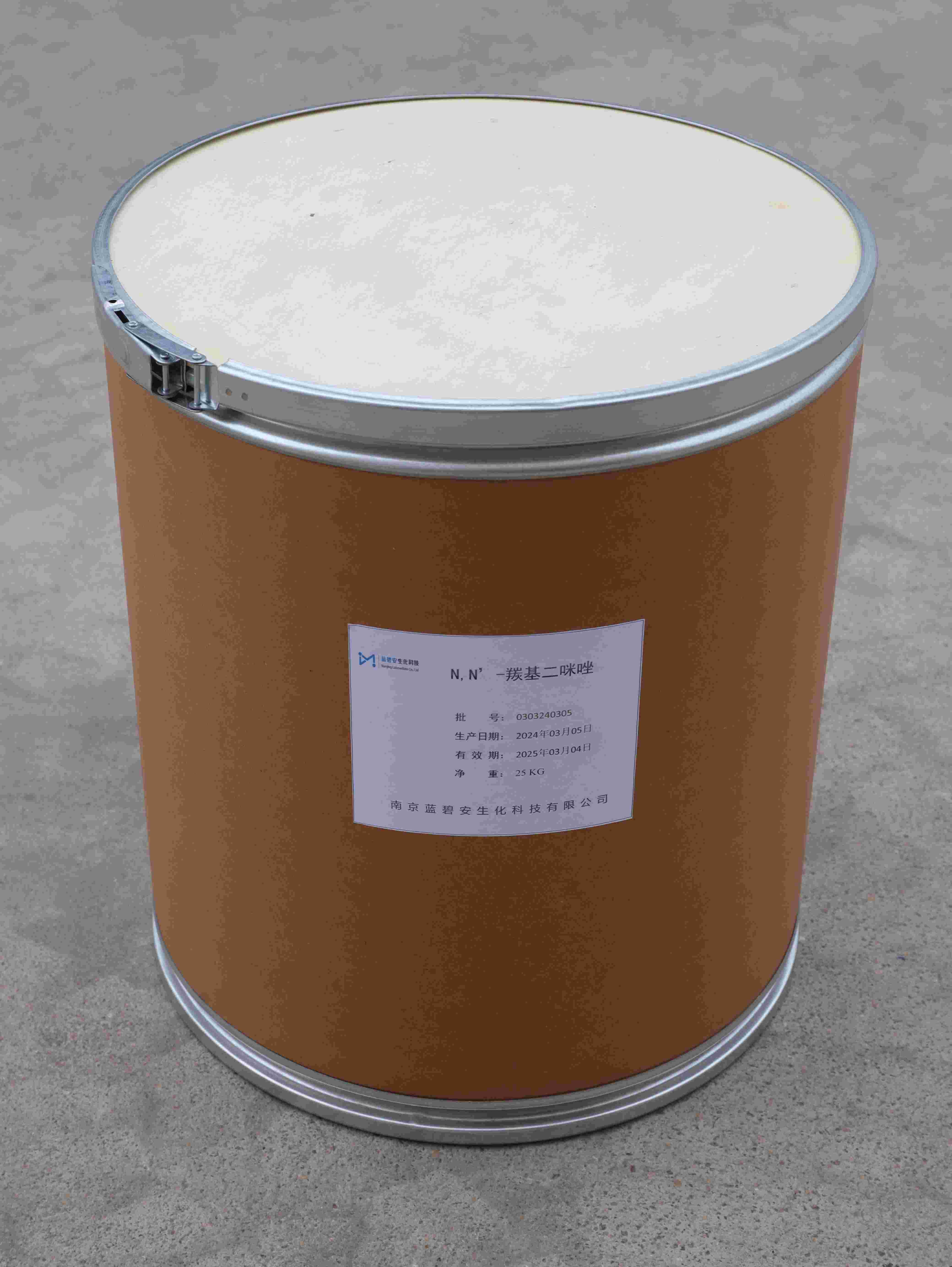
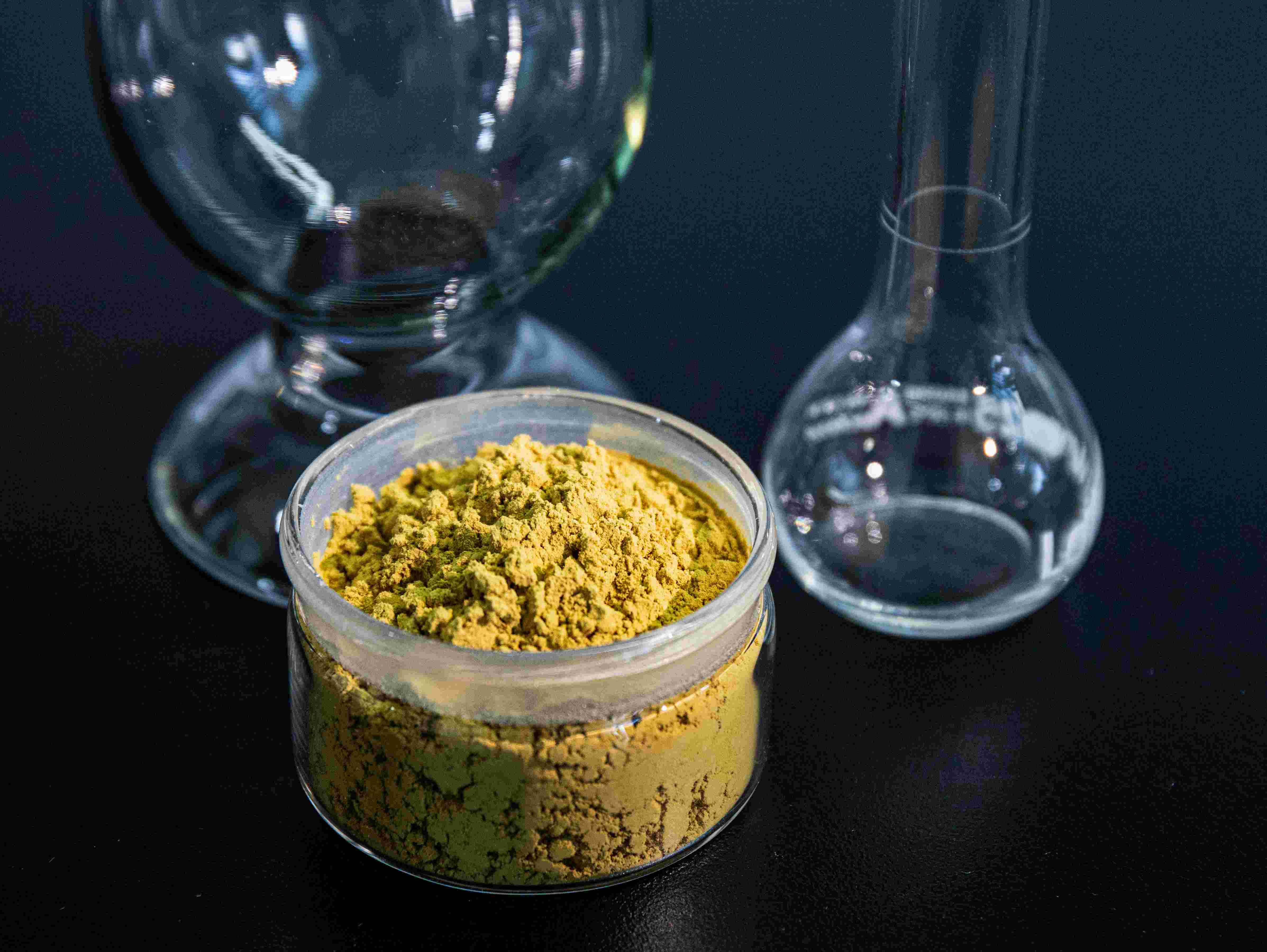
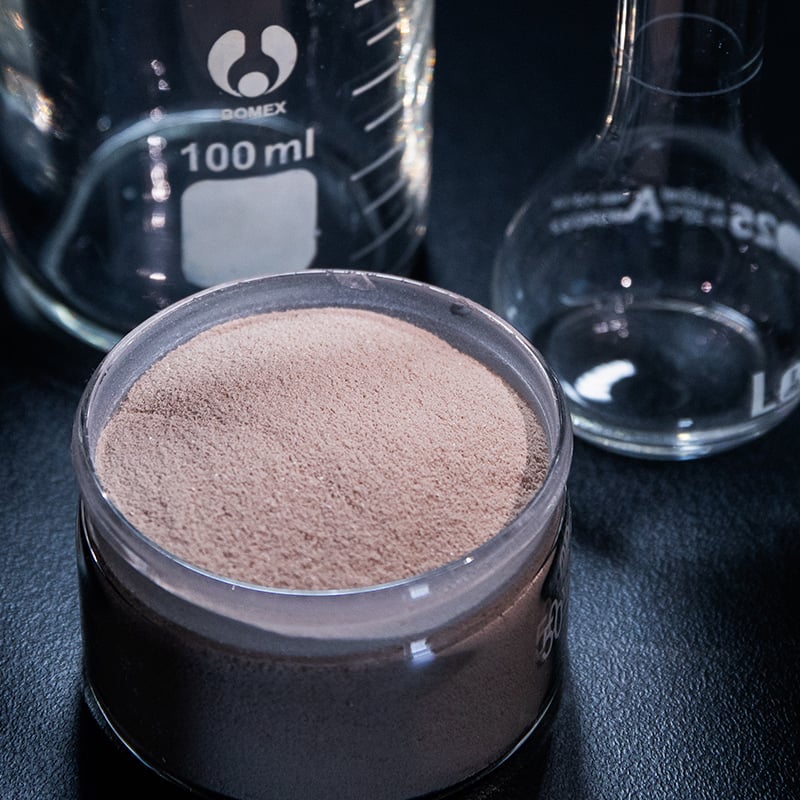
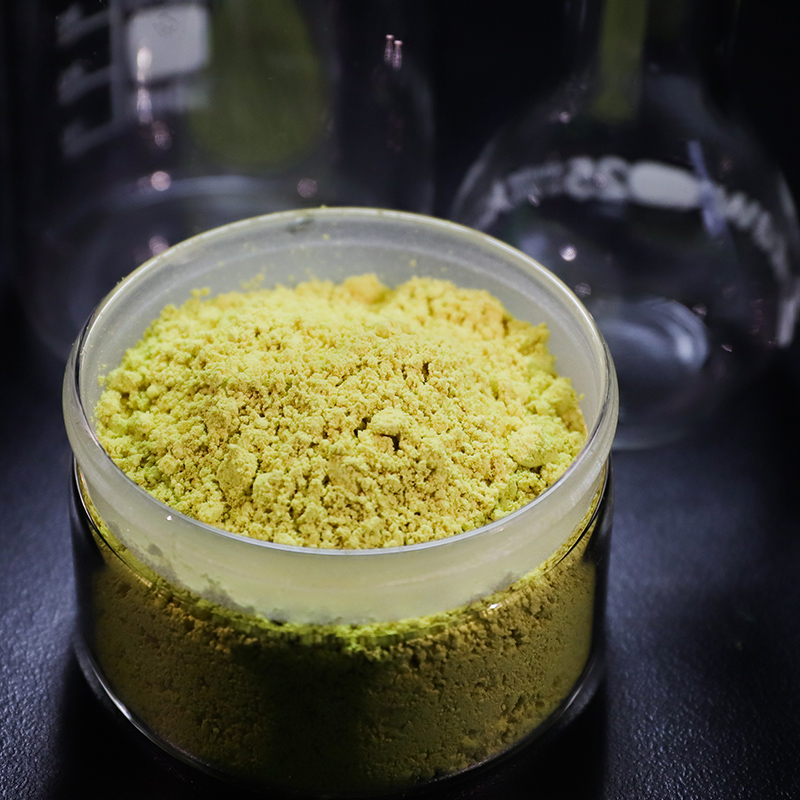
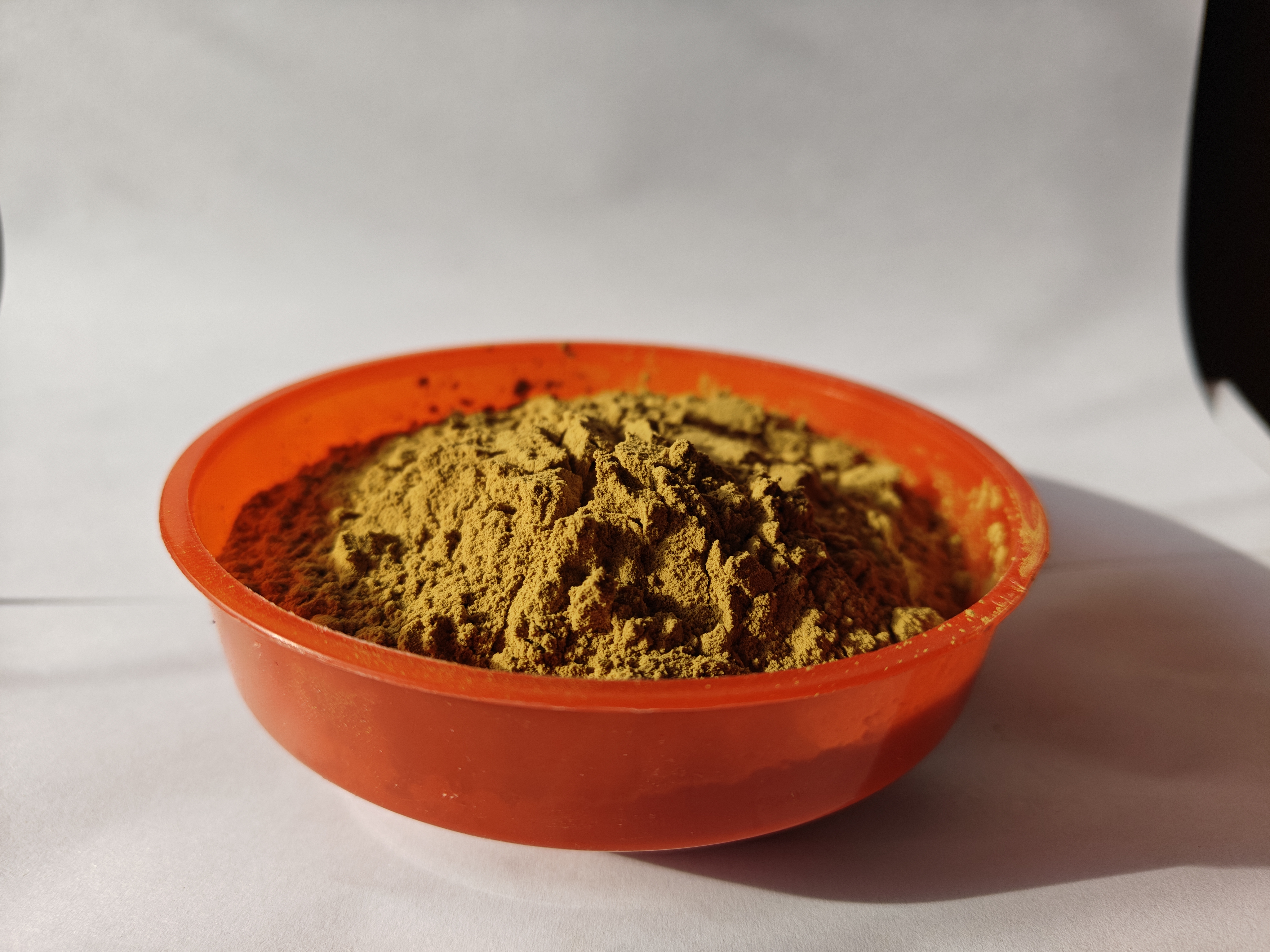
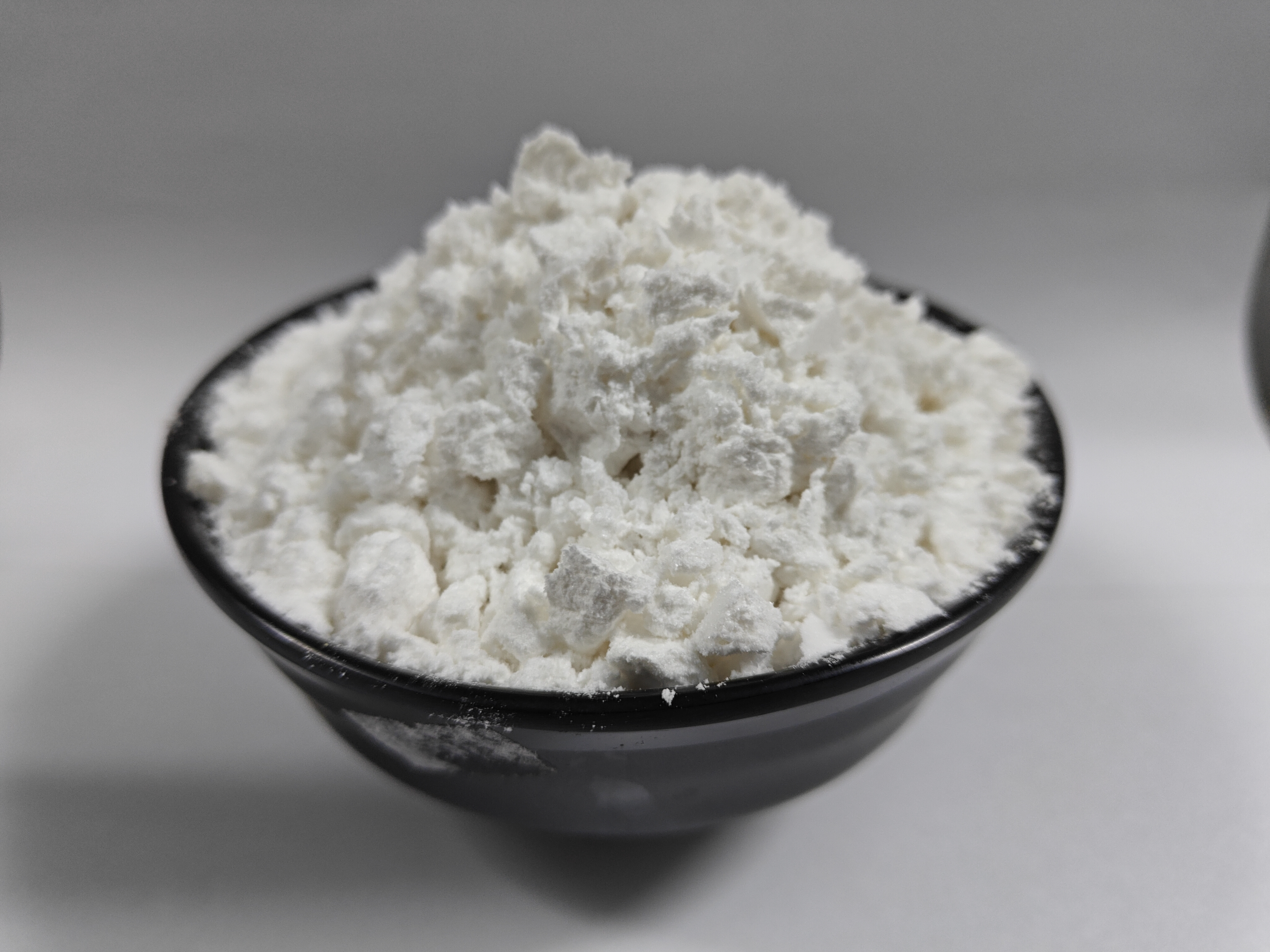
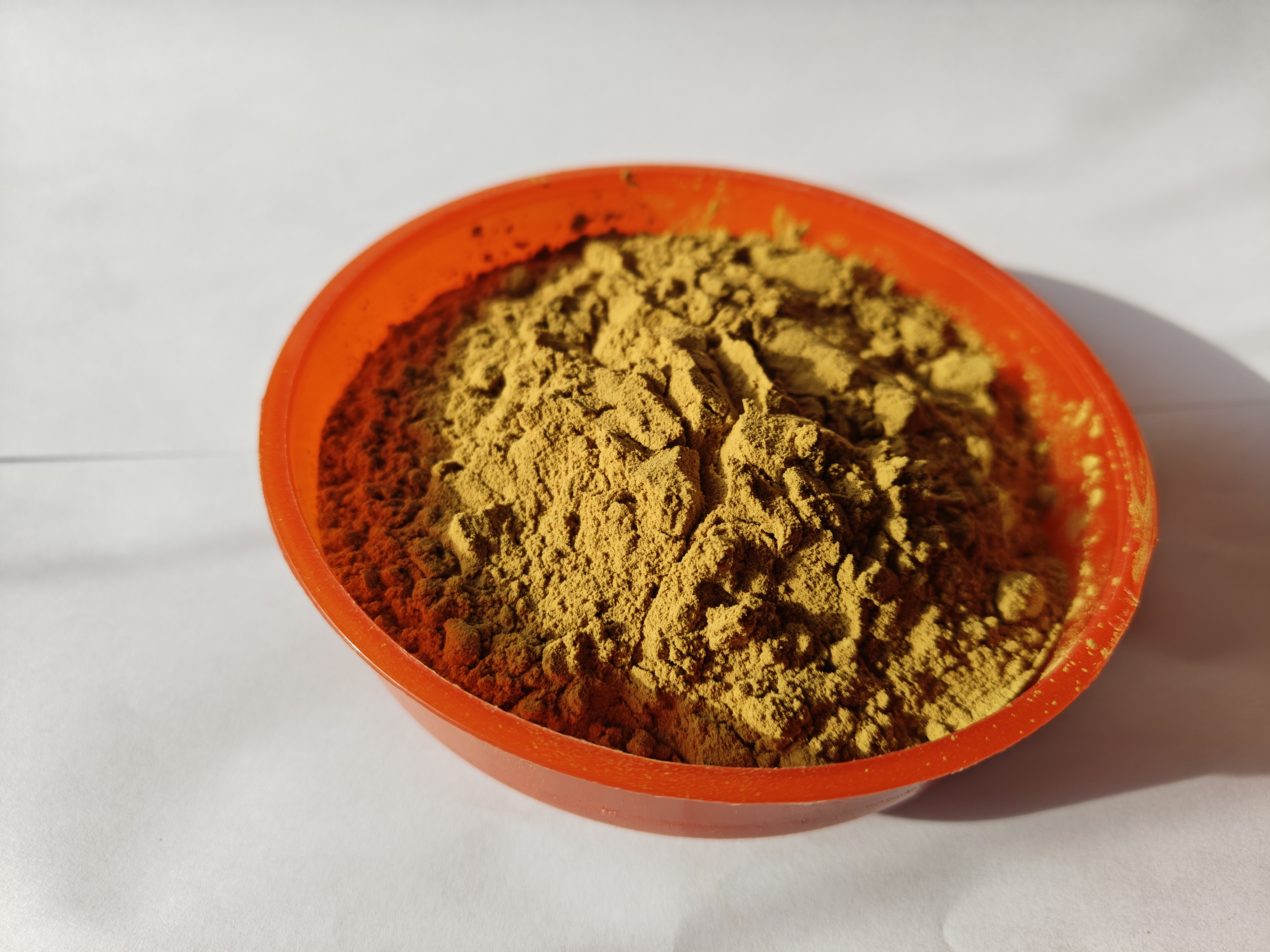
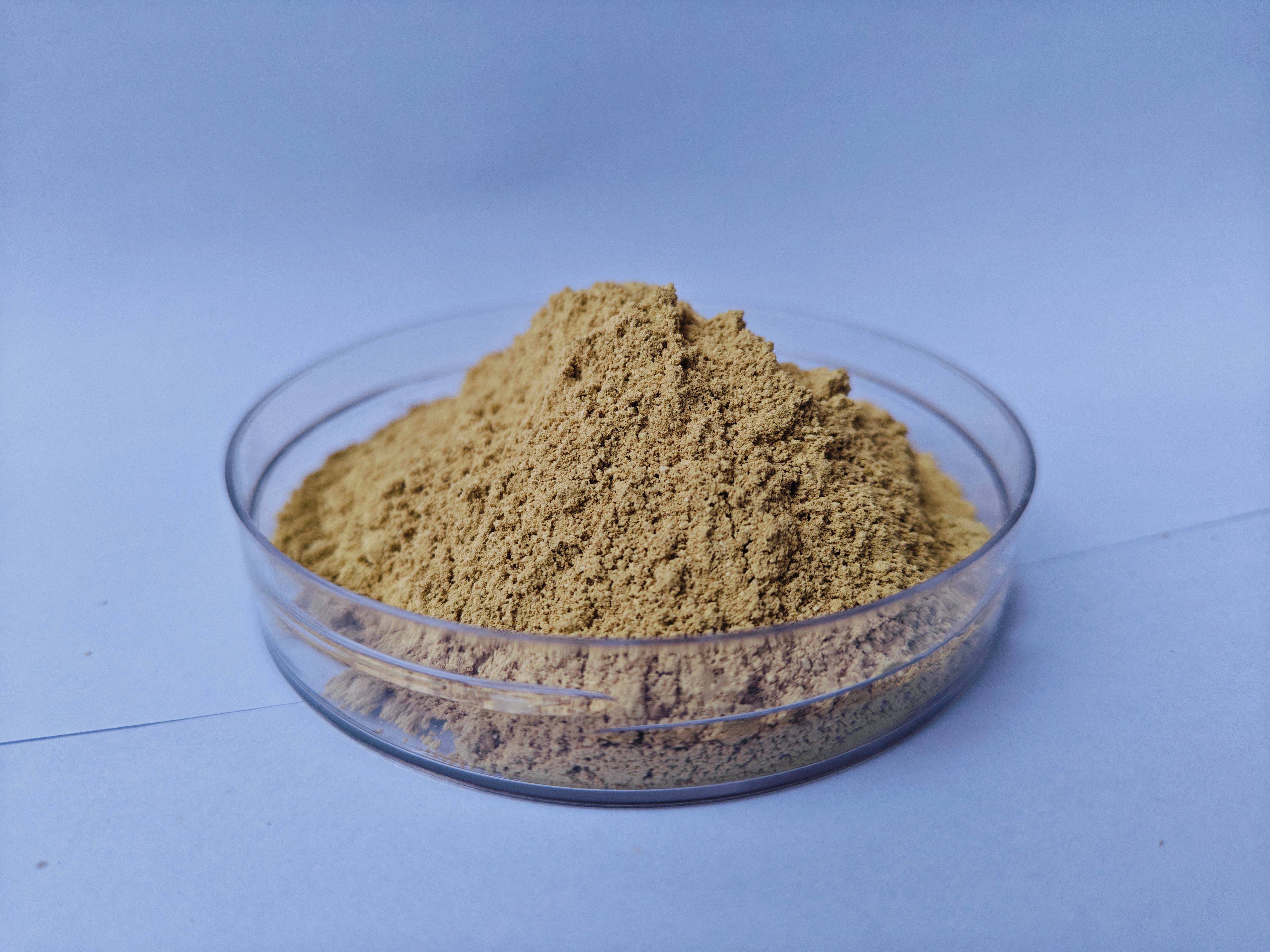
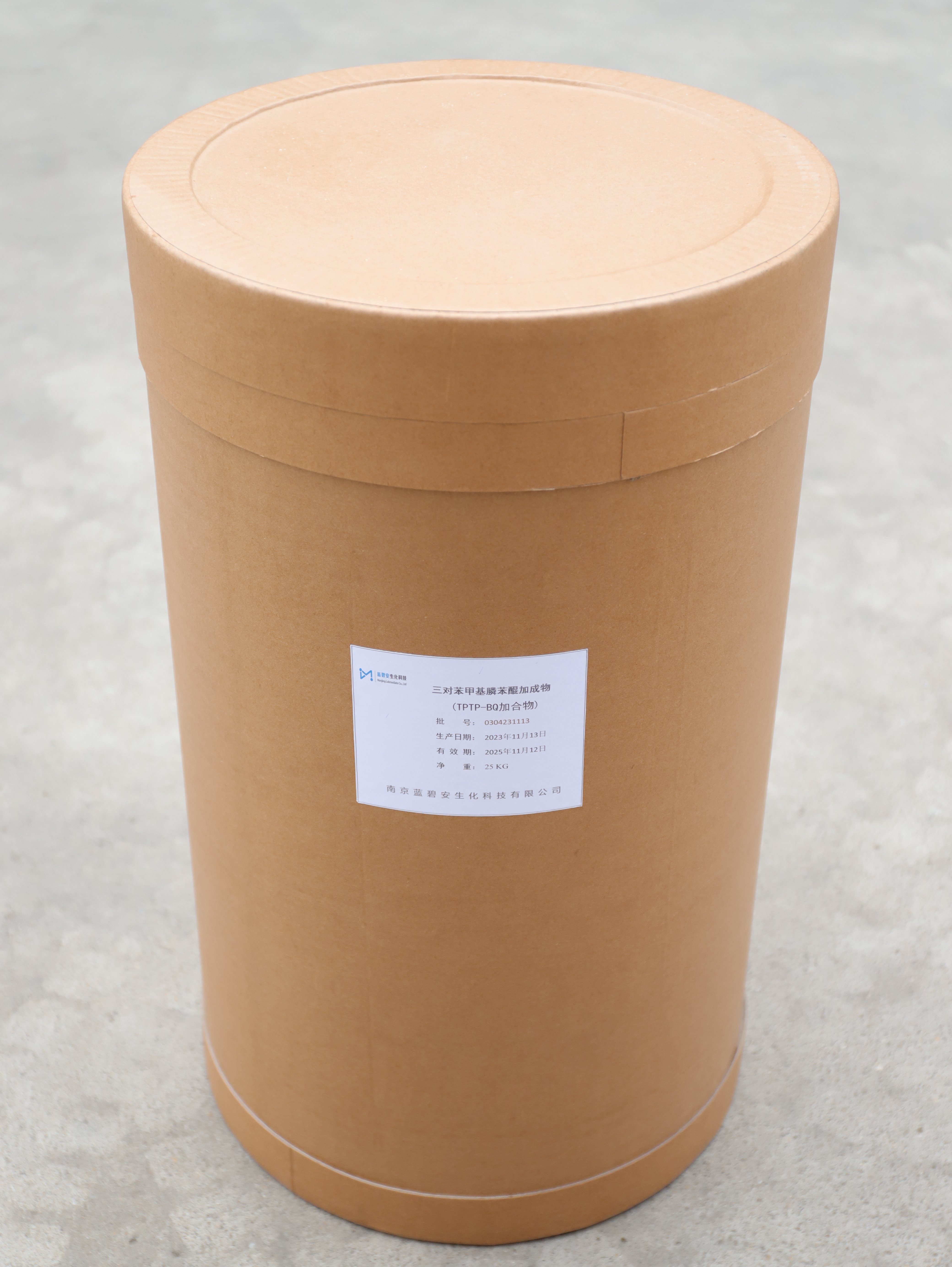
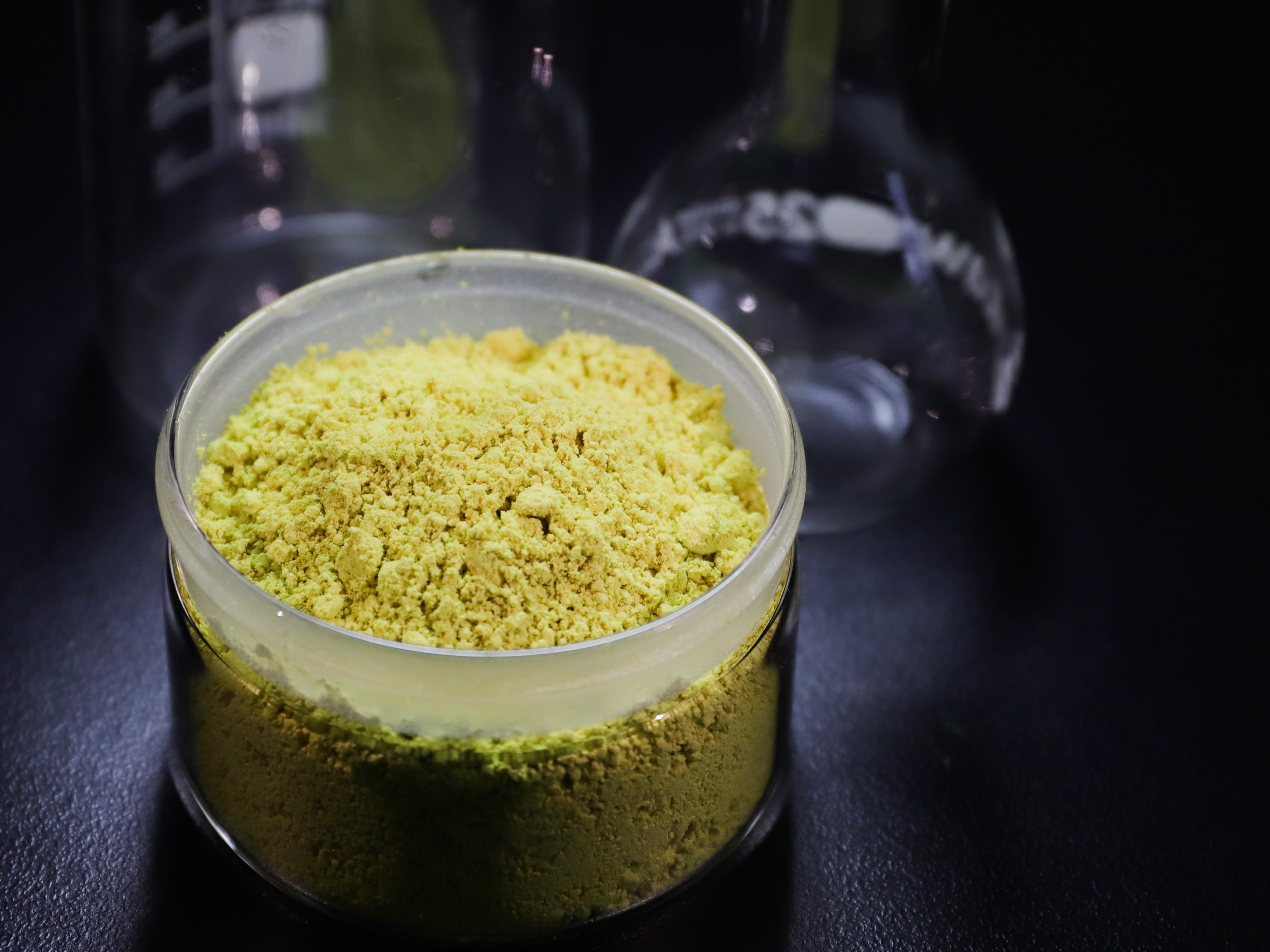
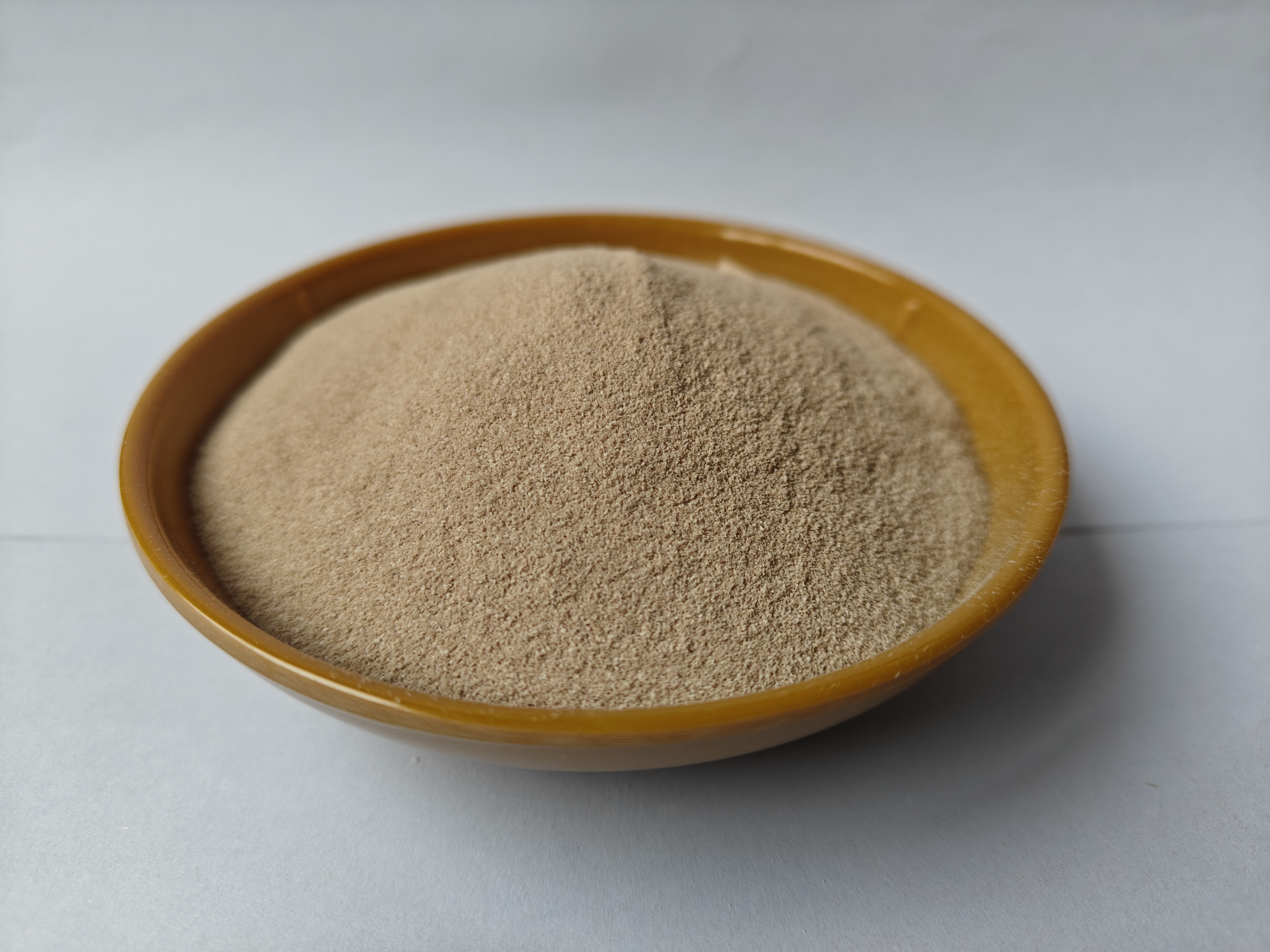
A semiconductor encapsulant accelerator is a specialized chemical additive designed to enhance the curing process of epoxy molding compounds used in semiconductor packaging. This critical component accelerates the cross-linking reaction between epoxy resins and hardeners, significantly reducing production cycle times while ensuring optimal material performance. The semiconductor encapsulant accelerator plays a vital role in modern electronics manufacturing by enabling faster throughput without compromising the protective qualities of the encapsulation material. These accelerators are formulated to work within specific temperature ranges, typically between 150 to 180 degrees Celsius, making them ideal for high-volume production environments. The primary function involves catalyzing the polymerization reaction, which transforms liquid epoxy compounds into solid, durable protective coatings around delicate semiconductor components. Advanced formulations of semiconductor encapsulant accelerator products offer precise control over gel time, cure speed, and final material properties. They ensure uniform curing throughout the encapsulation process, preventing issues such as incomplete cross-linking or thermal stress on sensitive chips. Applications span across various semiconductor packaging types, including transfer molding, compression molding, and injection molding processes. The technology supports multiple device categories, from integrated circuits and microprocessors to power semiconductors and optoelectronic components. By optimizing the curing kinetics, a semiconductor encapsulant accelerator enables manufacturers to achieve consistent quality standards while maintaining production efficiency and reducing energy consumption during the molding process.

Popular Products

Using a semiconductor encapsulant accelerator delivers tangible production benefits that directly impact your manufacturing efficiency and product quality. The most immediate advantage is the substantial reduction in cure time, often cutting processing cycles by 30 to 50 percent compared to standard formulations. This time savings translates directly into increased throughput, allowing you to produce more units per shift without additional equipment investment. Your production costs decrease as shorter cure cycles mean lower energy consumption and reduced machine occupancy time. The accelerator ensures consistent curing across all parts of each molded package, eliminating weak spots that could lead to product failures in the field. This reliability improvement reduces warranty claims and enhances your brand reputation for quality. Temperature control becomes easier with these additives because they enable lower curing temperatures while maintaining complete polymerization, reducing thermal stress on sensitive semiconductor dies. You gain better process flexibility since the semiconductor encapsulant accelerator allows adjustment of cure profiles to match different product requirements without changing base materials. Material waste decreases because faster curing reduces the likelihood of partially cured reject parts. The accelerators work effectively with various epoxy formulations, giving you freedom to optimize other material properties without redesigning your entire process. Quality testing becomes more predictable as the uniform curing produces consistent mechanical and electrical properties across production batches. Your maintenance schedules improve because reduced cure times mean less thermal cycling of molding equipment, extending tool life. Implementation is straightforward since most semiconductor encapsulant accelerator products integrate seamlessly into existing production lines with minimal process modification. The investment pays for itself quickly through the combination of faster cycles, lower defect rates, and reduced operational costs.

Practical Tips

Which Factors Affect the Efficiency of Curing Agents in Epoxy Resin Systems?

12

Feb

Which Factors Affect the Efficiency of Curing Agents in Epoxy Resin Systems?

The efficiency of curing agents in epoxy resin systems depends on numerous interconnected factors that directly influence the polymerization process and final material properties. Understanding these variables is crucial for optimizing epoxy formulat...
View More
How Can CDI Coupling Reagents Be Optimized for Lab-Scale and Industrial Use?

12

Feb

How Can CDI Coupling Reagents Be Optimized for Lab-Scale and Industrial Use?

CDI coupling reagents have revolutionized the way researchers and industrial chemists approach amide bond formation and esterification reactions. These versatile compounds, particularly N,N'-carbonyldiimidazole, offer exceptional efficiency in activa...
View More
How Do Organophosphine Based Catalysts Affect Thermal Stability of EMCs?

05

Mar

How Do Organophosphine Based Catalysts Affect Thermal Stability of EMCs?

Thermal stability represents a critical performance parameter for electronic materials and components (EMCs), particularly in high-temperature industrial applications where reliability cannot be compromised. The integration of organophosphine based c...
View More
How Do Thermally Latent Catalysts Affect Reaction Rate and Thermal Properties?

05

Mar

How Do Thermally Latent Catalysts Affect Reaction Rate and Thermal Properties?

Thermally latent catalysts represent a revolutionary approach to controlling chemical reactions through temperature-dependent activation mechanisms. These specialized compounds remain inactive at room temperature but undergo rapid activation when hea...
View More

Get a Free Quote

Our representative will contact you soon.
Email
Name
Company Name
Message
0/1000

semiconductor encapsulant accelerator

Enhanced Production Speed and Efficiency

Enhanced Production Speed and Efficiency

The semiconductor encapsulant accelerator dramatically improves manufacturing throughput by accelerating the epoxy curing reaction, enabling you to complete molding cycles significantly faster than conventional methods. This speed enhancement is not merely about faster processing but represents a fundamental improvement in production economics. When cure times drop from several minutes to under two minutes, the cumulative effect across thousands of daily production cycles creates substantial capacity gains. Your existing equipment suddenly delivers higher output without capital expenditure on additional molding presses. The faster curing also reduces work-in-process inventory, improving cash flow and reducing storage requirements. Energy costs per unit decrease proportionally since heating elements operate for shorter durations. The accelerator maintains this performance consistently across production runs, ensuring that scheduling and capacity planning become more predictable. This reliability allows you to commit to tighter delivery schedules with confidence, improving customer satisfaction and competitive positioning in markets where lead time is a critical differentiator.
Superior Material Performance and Reliability

Superior Material Performance and Reliability

A semiconductor encapsulant accelerator ensures complete and uniform polymerization throughout the molded package, creating a protective barrier with consistent mechanical and electrical properties. This uniformity is crucial because incomplete curing creates weak zones susceptible to moisture ingress, mechanical stress, and thermal cycling failures. The accelerator promotes thorough cross-linking even in thick sections and complex geometries where heat transfer might otherwise be uneven. Your finished products exhibit improved adhesion between the encapsulant and lead frames or substrates, reducing delamination risks during thermal stress testing and field operation. The chemical formulation enables lower curing temperatures, which minimizes thermal expansion mismatch stress on silicon dies and wire bonds. This gentler processing environment extends device reliability, particularly for advanced packages with thin dies and fine-pitch interconnects. Testing data shows that properly accelerated encapsulants maintain their protective properties longer under harsh environmental conditions, including high humidity and temperature extremes. The result is semiconductor devices with extended operational lifetimes and lower field failure rates.
Process Flexibility and Quality Control

Process Flexibility and Quality Control

The semiconductor encapsulant accelerator provides precise control over curing kinetics, allowing you to fine-tune processing parameters to match specific product requirements and production constraints. This flexibility is invaluable when manufacturing diverse product portfolios on shared equipment, as you can adjust cure profiles without changing base materials or major process settings. The accelerator chemistry responds predictably to temperature variations, making process optimization straightforward and repeatable. Quality control becomes more robust because the narrow processing window reduces variation between batches and individual units. Your process engineers can establish tighter statistical process control limits, catching potential issues before they affect production quality. The accelerator compatibility with various epoxy systems means you are not locked into single-source material suppliers, maintaining procurement flexibility and cost competitiveness. Implementation requires minimal training since the handling and dosing procedures follow standard chemical additive practices. Real-time process monitoring becomes more effective as the accelerated curing produces clearer signals in temperature and viscosity measurements, enabling faster feedback and adjustment during production runs.

Get a Free Quote

Our representative will contact you soon.
Email
Name
Company Name
Message
0/1000