
 EN
EN
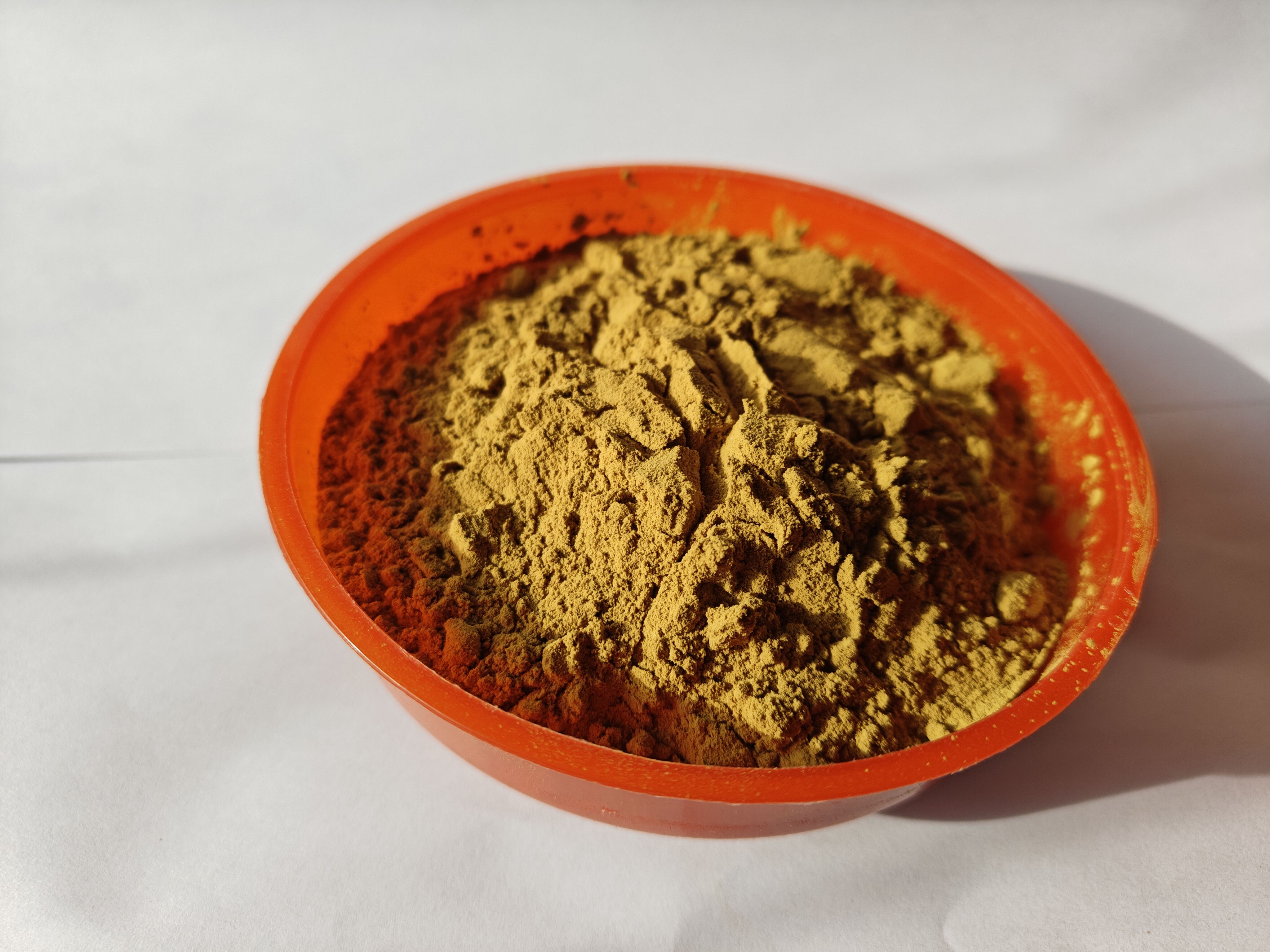
Thermal stability represents a critical performance parameter for electronic materials and components (EMCs), particularly in high-temperature industrial applications where reliability cannot be compromised. The integration of organophosphine based catalysts has emerged as a transformative approach to enhancing thermal resilience while maintaining optimal catalytic activity. These sophisticated phosphorus-containing compounds offer unique molecular structures that enable superior heat resistance compared to traditional catalyst systems. Understanding how organophosphine based catalysts influence thermal stability requires examining their molecular mechanisms, structural properties, and practical applications across various EMC formulations.
Molecular Mechanisms Behind Enhanced Thermal Stability
Phosphorus-Carbon Bond Characteristics
The exceptional thermal stability provided by organophosphine based catalysts stems from the inherent strength of phosphorus-carbon bonds within their molecular framework. These covalent bonds exhibit significantly higher dissociation energies compared to conventional organic catalyst structures, typically ranging from 270-330 kJ/mol depending on the specific substituent groups. The phosphorus atom's electron configuration allows for effective orbital overlap with carbon atoms, creating stable molecular architectures that resist thermal degradation even under extreme temperature conditions. This robust bonding pattern enables organophosphine based catalysts to maintain their structural integrity at temperatures exceeding 200°C, where many traditional catalysts begin to decompose.
Research has demonstrated that the tertiary phosphine structure common in organophosphine based catalysts provides multiple stabilization pathways through resonance effects and steric hindrance. The bulky organic substituents surrounding the phosphorus center create a protective environment that shields reactive sites from thermal attack. Additionally, the electron-donating properties of phosphorus enhance the overall electron density within the catalyst structure, contributing to improved thermal resilience. These molecular characteristics make organophosphine based catalysts particularly valuable in EMC applications requiring sustained performance under high-temperature operating conditions.
Thermal Decomposition Pathways and Prevention
Understanding thermal decomposition mechanisms is essential for optimizing organophosphine based catalysts in EMC formulations. Unlike conventional catalysts that typically undergo simple bond scission at elevated temperatures, organophosphine compounds exhibit complex decomposition pathways involving multiple intermediate species. Primary decomposition often occurs through P-C bond cleavage, followed by secondary reactions that can either stabilize or destabilize the remaining molecular fragments. The presence of aromatic substituents in many organophosphine based catalysts provides additional stability through delocalized π-electron systems that distribute thermal energy more effectively.
Controlled studies have revealed that organophosphine based catalysts demonstrate remarkable resistance to oxidative thermal degradation, a common failure mode in high-temperature EMC applications. The phosphorus center can coordinate with oxygen species without undergoing irreversible structural changes, effectively acting as a thermal buffer. This protective mechanism allows EMC formulations containing organophosphine based catalysts to maintain their performance characteristics even after prolonged exposure to elevated temperatures. The ability to prevent catastrophic thermal decomposition makes these catalysts indispensable for mission-critical electronic applications where failure is not an option.
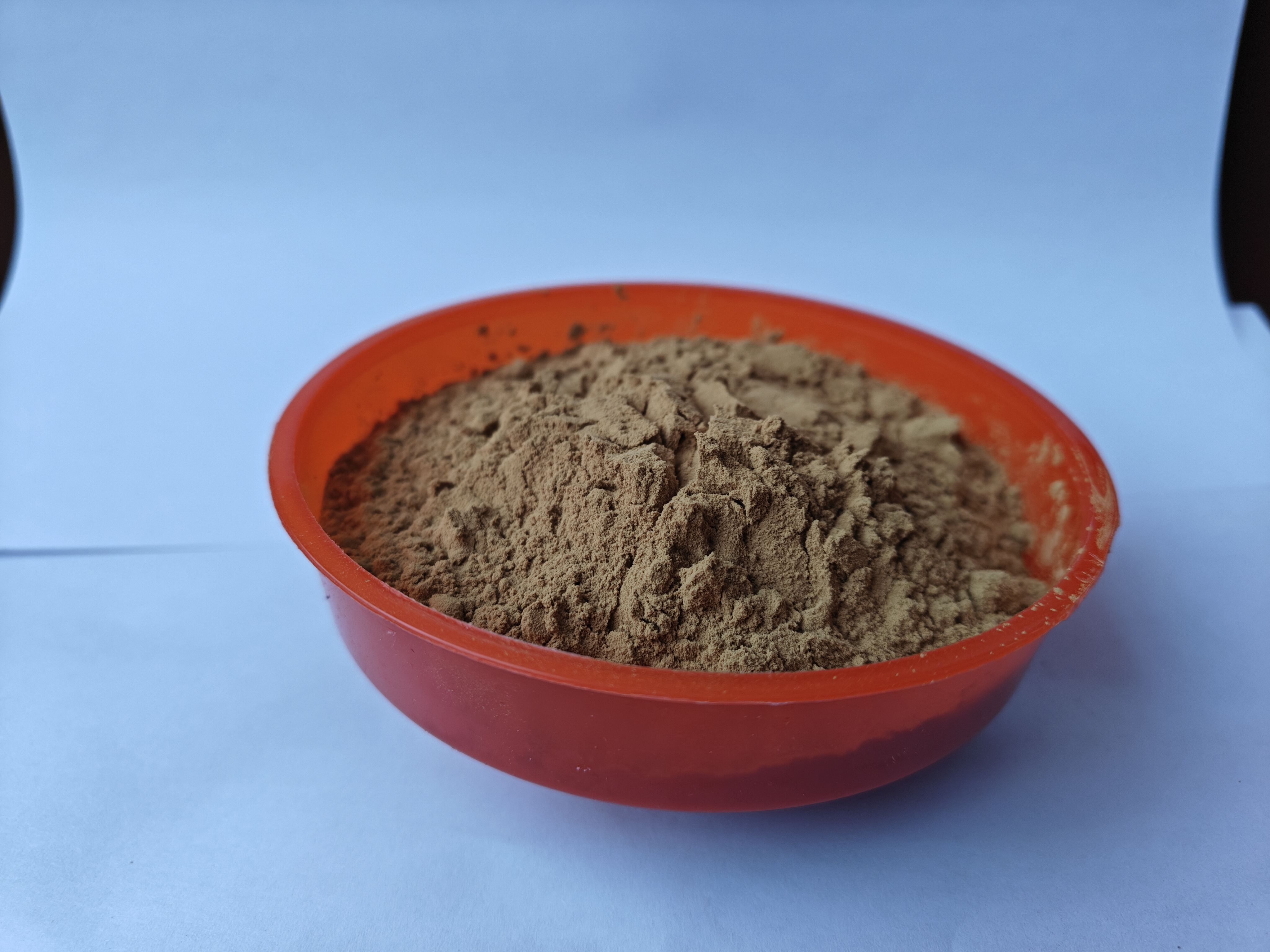
Impact on Electronic Material Properties
Dielectric Performance Under Thermal Stress
The incorporation of organophosphine based catalysts significantly influences the dielectric properties of EMCs under thermal stress conditions. These catalysts help maintain stable dielectric constants and loss factors across wide temperature ranges, preventing the dramatic property shifts that can occur with conventional catalyst systems. The phosphorus-containing structures provide excellent electrical insulation while contributing to overall thermal stability, creating EMC formulations with superior performance reliability. Laboratory testing has shown that EMCs formulated with organophosphine based catalysts retain over 95% of their initial dielectric strength after 1000 hours of exposure to 150°C ambient conditions.
The molecular design of organophosphine based catalysts allows for fine-tuning of dielectric properties through careful selection of organic substituents. Aromatic groups can enhance polarizability and dielectric constant, while aliphatic substituents may reduce dielectric losses at high frequencies. This flexibility enables formulation chemists to optimize EMC properties for specific application requirements while maintaining excellent thermal stability. The stable nature of organophosphine based catalysts ensures that these carefully optimized properties remain consistent throughout the operational lifetime of electronic components.
Thermal Conductivity and Heat Dissipation
Thermal management represents a critical challenge in modern electronic systems, and organophosphine based catalysts contribute significantly to improving heat dissipation characteristics in EMC formulations. The molecular structure of these catalysts facilitates efficient phonon transport through the material matrix, enhancing overall thermal conductivity without compromising electrical insulation properties. This dual functionality is particularly valuable in high-power electronic applications where effective heat removal is essential for reliable operation. Studies indicate that EMCs containing optimized organophosphine based catalysts can achieve thermal conductivities 15-25% higher than comparable formulations using conventional catalyst systems.
The enhanced thermal conductivity provided by organophosphine based catalysts helps establish more uniform temperature distributions within electronic assemblies, reducing thermal hot spots that can lead to premature failure. The phosphorus centers act as thermal bridges, facilitating heat transfer between polymer chains and inorganic filler particles commonly used in EMC formulations. This improved thermal transport capability, combined with the inherent thermal stability of organophosphine based catalysts, creates EMC materials capable of operating reliably in demanding thermal environments where traditional materials would fail.
Processing Advantages and Manufacturing Considerations
Cure Kinetics and Processing Windows
The unique catalytic properties of organophosphine based catalysts provide significant advantages during EMC processing and manufacturing operations. These catalysts offer controllable cure kinetics that can be tailored to specific processing requirements, enabling manufacturers to optimize cycle times and energy consumption. The thermal stability of organophosphine based catalysts prevents premature activation during material storage and handling, extending shelf life and improving manufacturing reliability. Processing windows are typically expanded by 20-30% compared to conventional catalyst systems, providing greater flexibility in manufacturing operations and reducing the risk of processing-related defects.
Temperature-dependent activation profiles of organophosphine based catalysts allow for precise control over cure progression, enabling complex molding operations and multi-stage processing sequences. The catalysts remain relatively inactive at ambient temperatures but demonstrate rapid activation above specific threshold temperatures, typically in the 120-140°C range. This controlled activation behavior prevents issues such as pot life limitations and premature gelation that can plague other catalyst systems. Manufacturing facilities utilizing organophosphine based catalysts report improved process consistency and reduced material waste compared to conventional approaches.
Equipment Compatibility and Maintenance
The chemical stability of organophosphine based catalysts provides significant advantages in terms of processing equipment compatibility and maintenance requirements. These catalysts exhibit excellent compatibility with standard EMC processing equipment, including transfer molding machines, dispensing systems, and curing ovens. The reduced corrosivity compared to some alternative catalyst systems helps extend equipment life and reduce maintenance costs. Organophosphine based catalysts do not typically form aggressive byproducts that can damage metal surfaces or cause premature wear of processing components.
Cleaning and purging operations are simplified when working with organophosphine based catalysts due to their thermal stability and controlled reactivity profiles. Residual catalyst materials can be effectively removed using standard cleaning procedures without requiring harsh solvents or aggressive thermal treatments that might damage sensitive equipment components. This compatibility advantage translates to reduced downtime, lower maintenance costs, and improved overall equipment utilization rates in manufacturing facilities. The stable nature of organophosphine based catalysts also reduces the risk of cross-contamination between different product formulations, enabling more flexible manufacturing operations.
Industrial Applications and Performance Benefits
Automotive Electronics Integration
The automotive industry presents particularly demanding requirements for EMC thermal stability due to extreme operating conditions and long-term reliability expectations. Organophosphine based catalysts have proven instrumental in developing EMC formulations capable of withstanding under-hood temperatures exceeding 150°C while maintaining electrical and mechanical integrity. These catalysts enable the production of electronic control units, power modules, and sensor assemblies that can operate reliably throughout vehicle lifecycles spanning 15-20 years. The enhanced thermal stability provided by organophosphine based catalysts has been critical in supporting the transition toward electric vehicles, where power electronics operate at even higher temperatures and power densities.
Performance testing in automotive applications has demonstrated the superior long-term stability of EMCs formulated with organophosphine based catalysts. Accelerated aging studies simulating 200,000 miles of driving conditions show minimal degradation in electrical properties and mechanical strength compared to conventional catalyst systems. This reliability advantage translates to reduced warranty costs, improved customer satisfaction, and enhanced brand reputation for automotive manufacturers. The ability of organophosphine based catalysts to maintain performance under thermal cycling conditions is particularly valuable in automotive applications where components experience repeated heating and cooling cycles throughout their operational lifetime.
Aerospace and Defense Applications
The stringent reliability requirements of aerospace and defense systems have driven widespread adoption of organophosphine based catalysts in critical EMC applications. These catalysts enable the development of electronic assemblies capable of operating in extreme environments, including high-altitude conditions, space applications, and military systems exposed to harsh operational scenarios. The exceptional thermal stability provided by organophosphine based catalysts is essential for satellite electronics that must function reliably for decades without maintenance or replacement opportunities. Mission-critical applications rely on the consistent performance characteristics enabled by these advanced catalyst systems.
Qualification testing for aerospace applications has validated the long-term stability of organophosphine based catalysts under conditions that would quickly degrade conventional catalyst systems. Thermal vacuum testing, radiation exposure, and mechanical stress evaluations have confirmed the superior resilience of EMCs formulated with these catalysts. The ability to maintain electrical and mechanical properties under extreme conditions makes organophosphine based catalysts indispensable for next-generation aerospace systems where weight reduction and performance optimization are paramount concerns. Defense contractors increasingly specify EMC formulations containing organophosphine based catalysts for applications where mission success depends on unwavering electronic system reliability.
Future Developments and Emerging Technologies
Next-Generation Catalyst Designs
Research and development efforts continue to advance the capabilities of organophosphine based catalysts through innovative molecular designs and synthesis approaches. Emerging catalyst architectures incorporate functionalized substituents that provide additional thermal stability mechanisms while maintaining optimal catalytic activity. Hybrid systems combining organophosphine centers with inorganic stabilizing agents show promise for achieving even higher temperature performance limits. These next-generation organophosphine based catalysts target operating temperatures exceeding 250°C while preserving the processing advantages and compatibility characteristics of current systems.
Advanced computational modeling techniques are accelerating the development of optimized organophosphine based catalysts through virtual screening and property prediction capabilities. Machine learning algorithms analyze structure-property relationships to identify promising candidate molecules before synthesis and testing, significantly reducing development timelines and costs. These computational approaches are revealing new insights into the fundamental mechanisms governing thermal stability in organophosphine based catalysts, enabling more targeted design strategies. The integration of artificial intelligence with traditional catalyst development methodologies promises to unlock new performance levels and expand application possibilities.
Integration with Smart Materials
The convergence of organophosphine based catalysts with smart material technologies opens exciting possibilities for self-monitoring and adaptive EMC systems. Researchers are developing catalyst systems that can provide real-time feedback on thermal exposure history and remaining useful life through integrated sensing capabilities. These intelligent organophosphine based catalysts incorporate molecular switches that respond to thermal stress, enabling predictive maintenance strategies and improved system reliability. The combination of thermal stability and smart functionality represents a significant advancement in EMC technology with broad implications for critical applications.
Future EMC systems may incorporate organophosphine based catalysts with self-healing capabilities that can repair minor thermal damage and extend component lifetimes. These adaptive materials respond to thermal stress by activating repair mechanisms that restore electrical and mechanical properties. The development of such advanced organophosphine based catalysts requires interdisciplinary collaboration between catalyst chemistry, materials science, and electronic system design. Early prototypes demonstrate promising results, suggesting that commercially viable self-healing EMCs may become available within the next decade, revolutionizing approaches to electronic system reliability and maintenance.
FAQ
What temperature range can organophosphine based catalysts withstand in EMC applications
Organophosphine based catalysts typically maintain their catalytic activity and structural integrity across temperature ranges from ambient conditions up to 200-250°C, depending on the specific molecular structure and substituent groups. This exceptional thermal range significantly exceeds the capabilities of many conventional catalyst systems, making them ideal for high-temperature EMC applications in automotive, aerospace, and industrial electronics. The actual operating temperature limit depends on factors such as exposure duration, atmospheric conditions, and the specific organophosphine catalyst formulation used.
How do organophosphine based catalysts compare to traditional catalyst systems in terms of cost
While organophosphine based catalysts may have higher initial material costs compared to some traditional catalyst systems, they often provide superior overall value through improved performance, extended operational lifetimes, and reduced maintenance requirements. The enhanced thermal stability and reliability translate to lower total cost of ownership in many applications, particularly those involving high-temperature operation or mission-critical functionality. Manufacturing efficiencies gained through improved processing windows and reduced defect rates can also offset higher raw material costs.
Can organophosphine based catalysts be used with existing EMC processing equipment
Yes, organophosphine based catalysts are generally compatible with standard EMC processing equipment, including transfer molding machines, dispensing systems, and curing ovens. Their excellent chemical stability and controlled reactivity profiles minimize equipment corrosion and contamination issues that can occur with some alternative catalyst systems. Most manufacturing facilities can implement organophosphine based catalysts without significant equipment modifications, though process parameters may require optimization to achieve optimal performance and cure characteristics.
What safety considerations apply when working with organophosphine based catalysts
Organophosphine based catalysts require standard chemical handling precautions including appropriate personal protective equipment, adequate ventilation, and proper storage conditions. While generally less hazardous than some alternative catalyst systems, these materials should be handled according to established safety protocols and material safety data sheet guidelines. The thermal stability of organophosphine based catalysts actually reduces some safety risks associated with uncontrolled decomposition or premature activation that can occur with less stable catalyst systems. Proper training and safety procedures ensure safe and effective use in industrial manufacturing environments.
Table of Contents
- Molecular Mechanisms Behind Enhanced Thermal Stability
- Impact on Electronic Material Properties
- Processing Advantages and Manufacturing Considerations
- Industrial Applications and Performance Benefits
- Future Developments and Emerging Technologies
-
FAQ
- What temperature range can organophosphine based catalysts withstand in EMC applications
- How do organophosphine based catalysts compare to traditional catalyst systems in terms of cost
- Can organophosphine based catalysts be used with existing EMC processing equipment
- What safety considerations apply when working with organophosphine based catalysts