
 EN
EN
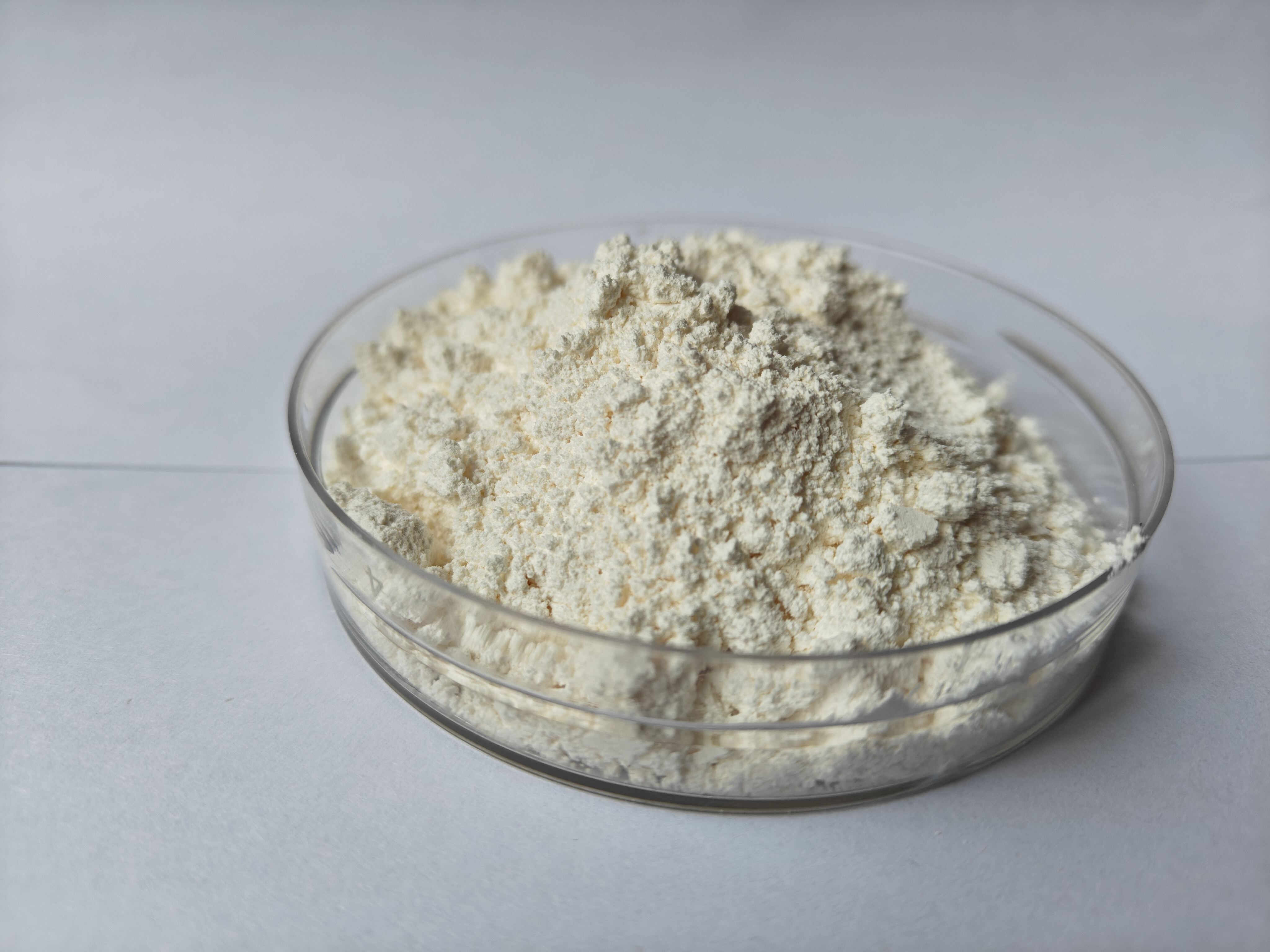
Electronic manufacturing companies worldwide have increasingly turned to advanced chemical solutions to optimize their production processes and enhance product reliability. Among these innovative solutions, thermally latent catalysts have emerged as a preferred choice for leading electronic molding compound producers seeking superior performance and operational efficiency. These specialized catalysts offer unique advantages in temperature-controlled applications, providing manufacturers with precise control over curing processes while maintaining exceptional product quality standards.
Understanding the Science Behind Thermally Latent Catalysts
Chemical Composition and Activation Mechanisms
Thermally latent catalysts represent a sophisticated class of chemical compounds designed to remain inactive at ambient temperatures while becoming highly reactive when exposed to specific thermal conditions. The molecular structure of these catalysts incorporates protective mechanisms that prevent premature activation during storage and handling phases. This unique characteristic allows manufacturers to maintain extended shelf life while ensuring reliable activation when processing conditions are met.
The activation mechanism typically involves thermal decomposition or molecular rearrangement that releases active catalytic species at predetermined temperatures. This controlled release ensures that catalytic activity occurs precisely when needed in the manufacturing process, eliminating concerns about premature curing or unwanted side reactions that could compromise product quality.
Temperature Control and Precision Manufacturing
Leading EMC producers recognize the critical importance of temperature control in their manufacturing processes. Thermally latent catalysts provide an additional layer of process control by remaining dormant until specific thermal thresholds are reached. This characteristic allows manufacturers to implement multi-stage processing techniques where different components can be handled and positioned before catalytic activation occurs.
The precision offered by these catalysts enables manufacturers to achieve consistent results across large production runs while minimizing waste and reducing the likelihood of defective products. The ability to control when catalytic activity begins provides unprecedented flexibility in manufacturing workflows and process optimization strategies.
Operational Advantages in EMC Production
Enhanced Shelf Life and Storage Stability
One of the most significant advantages that thermally latent catalysts offer to EMC producers is extended shelf life compared to conventional catalytic systems. Traditional catalysts often begin their activity immediately upon mixing, limiting the working time available to manufacturers and creating storage challenges. In contrast, thermally latent catalysts maintain their stability for extended periods when stored under appropriate conditions.
This enhanced stability translates to reduced inventory waste, improved supply chain flexibility, and decreased production scheduling constraints. Manufacturers can prepare larger batches of EMC formulations without concerns about premature curing, leading to improved operational efficiency and cost reduction across the production cycle.
Improved Process Control and Quality Assurance
The use of thermally latent catalysts significantly enhances process control capabilities in EMC manufacturing. These catalysts allow operators to implement precise timing sequences where materials can be thoroughly mixed, degassed, and positioned before thermal activation begins. This level of control is particularly valuable in complex molding operations where multiple components must be properly aligned before curing commences.
Quality assurance benefits include more consistent cure profiles, reduced variation in final product properties, and improved reproducibility across different production batches. The predictable activation behavior of thermally latent catalysts enables manufacturers to develop standardized procedures that ensure consistent quality outcomes regardless of operator experience or environmental variations.
Economic Benefits and Cost Optimization
Reduced Material Waste and Production Efficiency
The economic advantages of incorporating thermally latent catalysts into EMC production processes extend beyond immediate material costs. These catalysts contribute to significant waste reduction by eliminating premature curing events that can result in entire batches becoming unusable. The extended working time provided by these catalysts allows operators to complete complex molding procedures without rushing, reducing the likelihood of errors that could lead to product rejection.
Production efficiency improvements result from reduced downtime associated with equipment cleaning and maintenance. When conventional catalysts cause premature curing in processing equipment, extensive cleaning procedures are often required to restore operational capability. Thermally latent catalysts minimize these occurrences, leading to increased equipment availability and higher overall productivity.
Energy Optimization and Thermal Management
Energy consumption optimization represents another significant economic benefit of thermally latent catalysts in EMC production. These catalysts can be designed to activate at specific temperatures that align with existing thermal processes, eliminating the need for additional heating or cooling cycles. This thermal efficiency reduces overall energy consumption while maintaining optimal cure characteristics.
The precise temperature control offered by thermally latent catalysts also enables manufacturers to implement more sophisticated thermal management strategies. By coordinating catalyst activation with existing heating systems, producers can achieve better energy utilization while maintaining consistent product quality across different environmental conditions.
Technical Performance and Product Quality
Superior Mechanical Properties and Durability
EMC products manufactured using thermally latent catalysts consistently demonstrate superior mechanical properties compared to those produced with conventional catalytic systems. The controlled activation process ensures uniform cross-linking throughout the material matrix, resulting in enhanced tensile strength, improved flexibility, and better resistance to environmental stress factors.
Long-term durability characteristics are particularly notable in applications where EMCs are exposed to thermal cycling or harsh environmental conditions. The uniform cure profile achieved through thermally latent catalysts contributes to improved fatigue resistance and extended service life in demanding applications such as automotive electronics and industrial control systems.
Enhanced Electrical Properties and Reliability
The electrical performance of EMC materials is directly influenced by the uniformity and completeness of the curing process. Thermally latent catalysts contribute to improved electrical properties by ensuring consistent cross-link density throughout the material volume. This uniformity translates to better dielectric strength, lower moisture absorption, and enhanced insulation resistance over extended service periods.
Reliability improvements are particularly evident in high-frequency applications where material consistency is critical for maintaining signal integrity. The predictable cure behavior of thermally latent catalysts helps manufacturers achieve the tight tolerances required for advanced electronic applications while maintaining cost-effective production methods.
Implementation Considerations and Best Practices
Selection Criteria and Material Compatibility
Successful implementation of thermally latent catalysts in EMC production requires careful consideration of material compatibility and processing requirements. The selection process should evaluate factors such as activation temperature, cure kinetics, and compatibility with other formulation components. Leading producers often conduct extensive testing to determine optimal catalyst loadings and processing parameters for their specific applications.
Material compatibility assessments should include evaluations of long-term stability, interaction with fillers and additives, and performance under various environmental conditions. These comprehensive evaluations ensure that thermally latent catalysts will provide consistent performance throughout their intended service life while maintaining compatibility with existing production equipment and processes.
Process Optimization and Quality Control
Effective utilization of thermally latent catalysts requires optimization of processing parameters to maximize their benefits while maintaining production efficiency. Temperature profiles, heating rates, and hold times must be carefully calibrated to ensure proper activation while avoiding degradation of temperature-sensitive components. Quality control procedures should include monitoring of catalyst activity, cure completion, and final product properties.
Continuous monitoring systems can be implemented to track the performance of thermally latent catalysts throughout the production process. These systems provide real-time feedback on cure progress and enable operators to make adjustments as needed to maintain optimal product quality. Regular analysis of production data helps identify trends and opportunities for further process optimization.
Future Developments and Industry Trends
Advanced Formulation Technologies
The development of next-generation thermally latent catalysts continues to focus on enhanced performance characteristics and expanded application capabilities. Research efforts are directed toward creating catalysts with more precise activation temperatures, faster cure rates once activated, and improved compatibility with emerging EMC formulations that incorporate nanomaterials and advanced filler systems.
Innovation in catalyst design is also addressing environmental considerations, with new formulations designed to minimize volatile emissions during processing while maintaining superior performance characteristics. These developments align with industry trends toward more sustainable manufacturing practices and reduced environmental impact throughout the product lifecycle.
Integration with Smart Manufacturing Systems
The integration of thermally latent catalysts with smart manufacturing technologies represents a significant opportunity for further optimization of EMC production processes. Advanced process monitoring systems can provide real-time feedback on catalyst activation status, enabling dynamic adjustment of processing parameters to optimize cure characteristics and product quality.
Predictive analytics capabilities can leverage data from thermally latent catalysts to anticipate potential quality issues and implement corrective measures before defective products are produced. This proactive approach to quality management contributes to improved overall equipment effectiveness and reduced production costs while maintaining the high-quality standards demanded by today's electronic applications.
FAQ
What makes thermally latent catalysts different from conventional catalysts in EMC applications
Thermally latent catalysts remain inactive at room temperature and only begin their catalytic activity when exposed to specific elevated temperatures. This differs from conventional catalysts that typically begin working immediately upon mixing with other components. This delayed activation provides EMC manufacturers with extended working time, better process control, and reduced risk of premature curing during handling and processing operations.
How do thermally latent catalysts improve the shelf life of EMC formulations
Because thermally latent catalysts remain dormant until activated by heat, EMC formulations containing these catalysts can be stored for extended periods without experiencing premature curing reactions. This extended shelf life reduces material waste, improves inventory management flexibility, and allows manufacturers to prepare larger batches without concerns about limited working time or storage stability issues.
What temperature ranges are typically required for activating thermally latent catalysts
The activation temperature for thermally latent catalysts can vary depending on the specific chemical composition and application requirements, but typically ranges from 80°C to 180°C. The exact activation temperature is often customized to match the processing conditions of specific EMC manufacturing operations, ensuring optimal timing of catalytic activity within existing production workflows.
Are there any compatibility concerns when switching to thermally latent catalysts from conventional systems
While thermally latent catalysts are generally compatible with most EMC formulations, manufacturers should conduct thorough compatibility testing before full-scale implementation. Factors to evaluate include interaction with existing additives, impact on final product properties, and any required adjustments to processing parameters such as temperature profiles or cure times to optimize performance with the new catalytic system.
Table of Contents
- Understanding the Science Behind Thermally Latent Catalysts
- Operational Advantages in EMC Production
- Economic Benefits and Cost Optimization
- Technical Performance and Product Quality
- Implementation Considerations and Best Practices
- Future Developments and Industry Trends
-
FAQ
- What makes thermally latent catalysts different from conventional catalysts in EMC applications
- How do thermally latent catalysts improve the shelf life of EMC formulations
- What temperature ranges are typically required for activating thermally latent catalysts
- Are there any compatibility concerns when switching to thermally latent catalysts from conventional systems