
 EN
EN
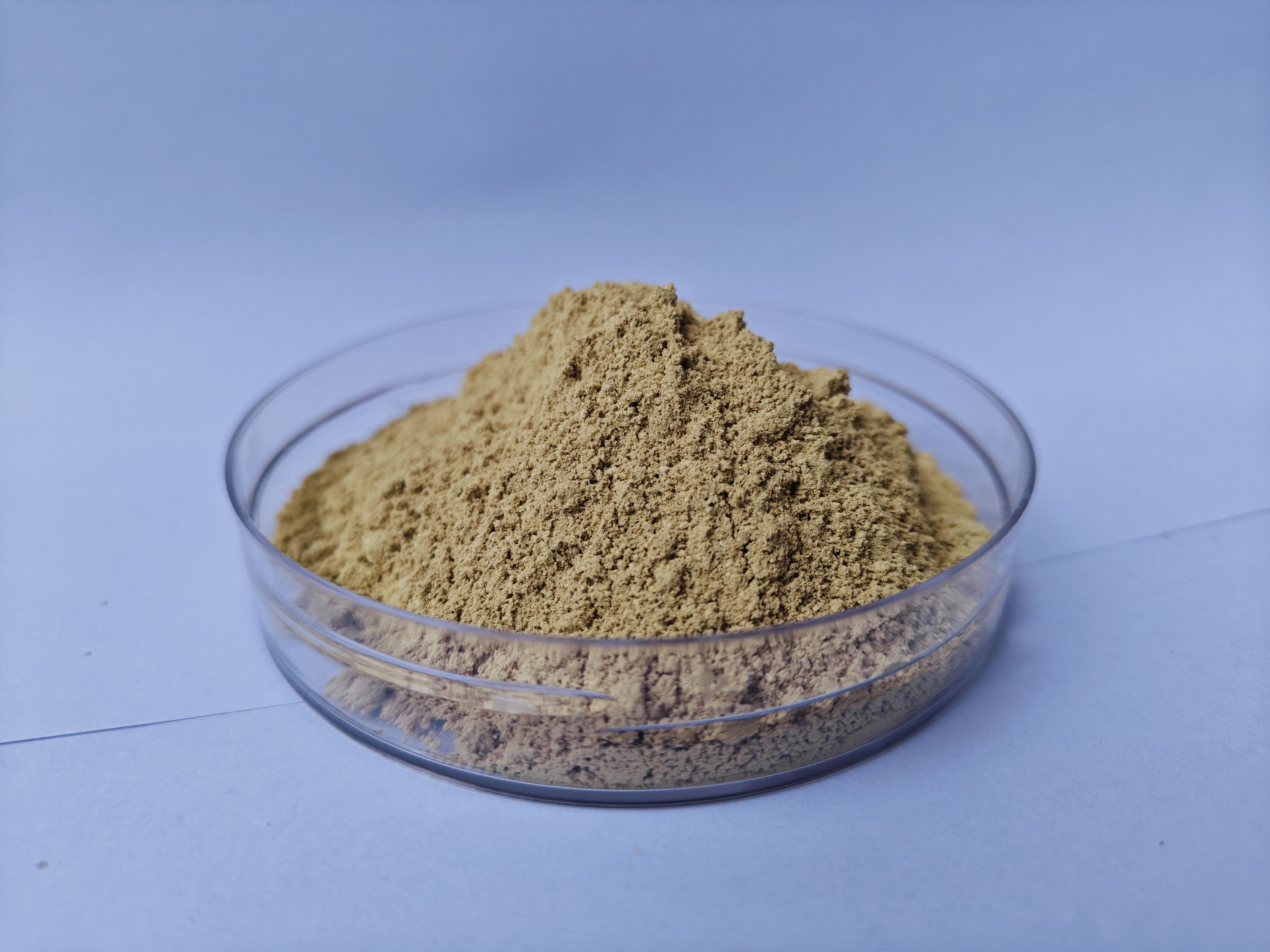
Thermally latent catalysts represent a revolutionary approach to controlling chemical reactions through temperature-dependent activation mechanisms. These specialized compounds remain inactive at room temperature but undergo rapid activation when heated to specific threshold temperatures, providing precise control over reaction timing and kinetics. Industries ranging from aerospace composites to electronic materials manufacturing rely on thermally latent catalysts to achieve superior product quality and process efficiency. Understanding how these catalysts influence reaction rates and thermal properties is essential for optimizing manufacturing processes and developing advanced materials with enhanced performance characteristics.
Fundamental Mechanisms of Thermal Activation
Molecular Structure and Activation Pathways
The molecular architecture of thermally latent catalysts determines their activation behavior and subsequent catalytic efficiency. These compounds typically feature protective groups or complex formations that prevent premature catalytic activity at ambient temperatures. When exposed to elevated temperatures, thermal energy disrupts these protective mechanisms, releasing active catalytic species that initiate desired chemical reactions. The activation temperature range varies significantly depending on the specific catalyst design, with most thermally latent catalysts operating between 80°C and 200°C for optimal performance.
The kinetics of thermal activation follow well-defined mathematical models that describe the relationship between temperature, time, and catalyst conversion rates. Arrhenius equations govern the temperature dependence of activation, while reaction rate constants increase exponentially with rising temperatures. This predictable behavior allows engineers to precisely control reaction timing and progression, making thermally latent catalysts ideal for applications requiring delayed or staged chemical transformations.
Energy Requirements and Threshold Effects
Thermally latent catalysts exhibit distinct energy thresholds that must be overcome for activation to occur. Below the critical activation temperature, these catalysts demonstrate exceptional stability and negligible activity, ensuring long shelf life and processing safety. Once the threshold temperature is reached, activation proceeds rapidly, often within minutes or seconds depending on the specific catalyst system and environmental conditions.
The energy barrier for activation varies among different catalyst families, with some requiring relatively low temperatures while others demand more aggressive thermal conditions. This diversity enables formulators to select appropriate thermally latent catalysts based on specific process requirements and thermal constraints. Understanding these energy relationships is crucial for optimizing cure schedules and achieving desired material properties in the final product.
Impact on Chemical Reaction Kinetics
Reaction Rate Enhancement Mechanisms
When activated, thermally latent catalysts dramatically accelerate reaction rates through traditional catalytic mechanisms including lowering activation energy barriers and providing alternative reaction pathways. The magnitude of rate enhancement depends on several factors including catalyst concentration, temperature, and the nature of the chemical system being catalyzed. Typical rate increases range from 10-fold to 1000-fold compared to uncatalyzed reactions, enabling rapid processing and improved manufacturing efficiency.
The catalytic activity of thermally latent catalysts often exhibits temperature-dependent behavior beyond the initial activation threshold. Higher processing temperatures generally result in increased catalytic activity and faster reaction rates, allowing manufacturers to optimize cure cycles based on production requirements and quality specifications. This temperature sensitivity provides valuable process flexibility while maintaining consistent product performance.
Selectivity and Side Reaction Control
Thermally latent catalysts offer superior selectivity compared to conventional catalytic systems by minimizing unwanted side reactions during storage and handling. The delayed activation characteristic prevents premature cross-linking, degradation, or other undesirable chemical changes that could compromise material properties. This selectivity advantage is particularly valuable in complex formulations containing multiple reactive components that might otherwise interact prematurely.
The controlled activation of thermally latent catalysts enables precise timing of competing reactions in multi-stage processes. By selecting catalysts with different activation temperatures, formulators can create sequential reaction schemes that optimize product properties and minimize defect formation. This capability is essential for manufacturing advanced composites, electronic materials, and specialty coatings that require specific reaction sequences.
Thermal Property Modifications
Glass Transition Temperature Effects
Thermally latent catalysts significantly influence the glass transition temperature of cured polymer systems by affecting cross-link density and network structure. Higher catalyst concentrations typically result in more complete curing and increased cross-link density, leading to elevated glass transition temperatures and improved high-temperature performance. This relationship allows material scientists to tailor thermal properties by adjusting catalyst loading and activation conditions.
The timing of catalyst activation also impacts glass transition behavior, with delayed activation often producing more uniform network structures and narrow glass transition regions. This uniformity translates to more predictable thermal expansion behavior and improved dimensional stability across temperature ranges. Understanding these relationships is crucial for applications requiring precise thermal property control, such as electronic packaging and aerospace components.
Thermal Stability and Degradation Resistance
Materials cured with thermally latent catalysts often demonstrate enhanced thermal stability compared to those processed with conventional catalytic systems. The controlled activation process promotes more complete curing and uniform network formation, resulting in improved resistance to thermal degradation and oxidation. This enhanced stability is particularly beneficial for high-temperature applications where long-term thermal exposure is expected.
The presence of thermally latent catalysts can also influence the thermal degradation pathway of polymer systems, potentially shifting decomposition temperatures and altering degradation products. These effects must be carefully considered when selecting catalysts for applications with specific thermal performance requirements or regulatory constraints regarding degradation products.
Processing Advantages and Applications
Manufacturing Process Benefits
Thermally latent catalysts provide numerous processing advantages that translate to improved manufacturing efficiency and product quality. Extended pot life at room temperature allows for longer working times during application, reducing waste and improving process flexibility. This characteristic is particularly valuable in large-scale manufacturing operations where material handling and application times can be significant.
The predictable activation behavior of thermally latent catalysts enables precise process control and reproducible results across production runs. Manufacturers can develop standardized cure schedules that consistently deliver target properties while minimizing energy consumption and processing time. This reliability is essential for maintaining quality standards and meeting customer specifications in competitive markets.
Industrial Applications and Case Studies
Aerospace and automotive industries extensively utilize thermally latent catalysts in composite manufacturing, where precise control over cure timing and properties is critical. These catalysts enable the production of prepregs with extended shelf life while ensuring rapid, complete curing during final processing. The resulting composites exhibit superior mechanical properties and thermal stability required for demanding structural applications.
Electronic materials manufacturing represents another major application area for thermally latent catalysts, particularly in the production of encapsulants, underfills, and adhesives. The delayed activation characteristic prevents premature curing during component assembly while ensuring rapid cure during reflow soldering or other thermal processes. This capability is essential for maintaining electronic component reliability and manufacturing yields.
Optimization Strategies and Formulation Considerations
Catalyst Selection Criteria
Selecting appropriate thermally latent catalysts requires careful consideration of multiple factors including activation temperature, catalytic efficiency, compatibility with other formulation components, and end-use requirements. The activation temperature must align with process constraints while providing adequate working time at storage and application temperatures. Catalytic efficiency determines the required loading levels and ultimately affects cost considerations and material properties.
Compatibility assessment involves evaluating potential interactions between thermally latent catalysts and other formulation ingredients such as resins, fillers, and additives. Some catalysts may exhibit reduced activity or stability in the presence of certain compounds, requiring formulation adjustments or alternative catalyst selection. Comprehensive compatibility testing during formulation development helps identify potential issues and optimize system performance.
Loading Optimization and Performance Tuning
Determining optimal catalyst loading requires balancing catalytic activity, processing characteristics, and final properties. Higher loadings generally provide faster cure rates and more complete conversion but may negatively impact other properties such as flexibility or optical clarity. Lower loadings extend pot life and may improve certain properties but could result in incomplete curing or extended processing times.
Performance tuning often involves evaluating the effects of thermally latent catalysts on cure kinetics, thermal properties, and mechanical performance across a range of loading levels. This systematic approach enables formulators to identify optimal catalyst concentrations that deliver target performance while minimizing cost and potential negative effects. Statistical experimental design methods can streamline this optimization process and provide robust formulation guidelines.
Future Developments and Emerging Trends
Advanced Catalyst Design Approaches
Research into next-generation thermally latent catalysts focuses on developing systems with even greater control over activation temperature and kinetics. Molecular engineering approaches are creating catalysts with tunable activation characteristics that can be precisely matched to specific application requirements. These advanced systems may incorporate stimuli-responsive elements that respond to multiple activation triggers beyond temperature alone.
Nanotechnology integration is opening new possibilities for thermally latent catalysts through encapsulation and controlled release mechanisms. Nanoencapsulated catalysts can provide even greater stability and more precise activation control while potentially reducing required loading levels. These advanced delivery systems represent a promising direction for future catalyst development and application.
Environmental and Sustainability Considerations
Growing environmental awareness is driving development of more sustainable thermally latent catalysts based on renewable feedstocks and exhibiting reduced environmental impact. Green chemistry principles are being applied to catalyst design, focusing on minimizing hazardous components and improving biodegradability. These sustainable alternatives must maintain performance characteristics while addressing environmental concerns.
Life cycle assessment approaches are becoming increasingly important for evaluating the overall environmental impact of thermally latent catalysts throughout their use cycle. This comprehensive evaluation includes raw material sourcing, manufacturing processes, application performance, and end-of-life considerations. Understanding these impacts helps guide development priorities and supports informed decision-making in catalyst selection.
FAQ
What temperature range is typically required for activating thermally latent catalysts
Most thermally latent catalysts activate within a temperature range of 80°C to 200°C, though specific activation temperatures vary depending on the catalyst chemistry and design. Some specialized systems may activate at temperatures as low as 60°C or as high as 250°C. The activation temperature is typically chosen to be well above storage and handling temperatures but within practical processing ranges for the intended application.
How do thermally latent catalysts compare to conventional catalysts in terms of shelf life
Thermally latent catalysts typically provide significantly extended shelf life compared to conventional catalysts, often measured in months or years rather than days or weeks. This extended stability results from their inactive state at room temperature, preventing premature reactions that could compromise material properties. Proper storage conditions further enhance shelf life, making these catalysts ideal for applications requiring long-term storage capability.
Can thermally latent catalysts be used in combination with other catalytic systems
Yes, thermally latent catalysts can often be successfully combined with other catalytic systems to create multi-stage curing processes or enhance overall performance. However, compatibility must be carefully evaluated to ensure the different catalysts do not interfere with each other or cause unwanted side reactions. Such combinations are commonly used in complex formulations requiring sequential reactions or multiple curing mechanisms.
What safety considerations are important when working with thermally latent catalysts
Safety considerations for thermally latent catalysts include proper storage temperature control to prevent premature activation, adequate ventilation during processing, and appropriate personal protective equipment. While generally safer than conventional catalysts due to their inactive state at room temperature, proper handling procedures should always be followed. Material safety data sheets provide specific guidance for safe handling, storage, and disposal of these catalysts.
Table of Contents
- Fundamental Mechanisms of Thermal Activation
- Impact on Chemical Reaction Kinetics
- Thermal Property Modifications
- Processing Advantages and Applications
- Optimization Strategies and Formulation Considerations
- Future Developments and Emerging Trends
-
FAQ
- What temperature range is typically required for activating thermally latent catalysts
- How do thermally latent catalysts compare to conventional catalysts in terms of shelf life
- Can thermally latent catalysts be used in combination with other catalytic systems
- What safety considerations are important when working with thermally latent catalysts