
 EN
EN
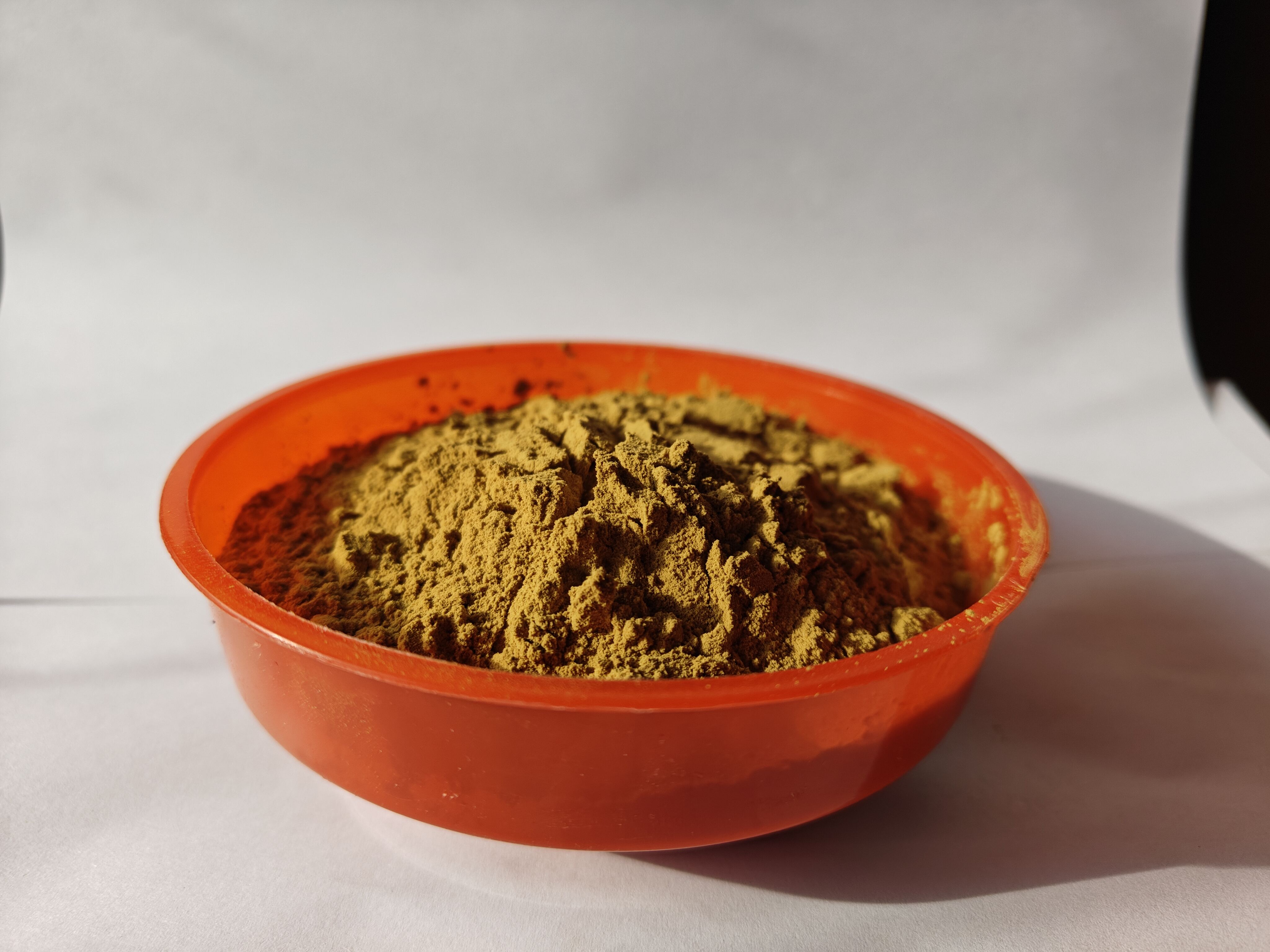
The efficiency of curing agents in epoxy resin systems depends on numerous interconnected factors that directly influence the polymerization process and final material properties. Understanding these variables is crucial for optimizing epoxy formulations and achieving desired performance characteristics in industrial applications. Among the various curing agents available, imidazole derivatives like 4-methyl-2-phenyl-1h-imidazole have gained significant attention due to their exceptional catalytic properties and ability to enhance cure kinetics across diverse operating conditions.
Chemical Structure and Molecular Properties
Molecular Architecture Influence
The molecular structure of curing agents fundamentally determines their reactivity and compatibility with epoxy resins. Compounds such as 4-methyl-2-phenyl-1h-imidazole possess unique structural features that enhance their catalytic effectiveness. The presence of nitrogen atoms in the imidazole ring creates nucleophilic sites that readily interact with epoxy groups, facilitating ring-opening polymerization. The methyl and phenyl substituents in 4-methyl-2-phenyl-1h-imidazole contribute to its solubility characteristics and thermal stability, making it particularly suitable for high-performance applications.
Steric hindrance effects play a crucial role in determining reaction kinetics. Bulky substituents can impede access to reactive sites, while strategically placed functional groups can enhance selectivity and control over the curing process. The planar aromatic structure in 4-methyl-2-phenyl-1h-imidazole provides stability while maintaining sufficient flexibility for effective catalysis. This balance between rigidity and reactivity is essential for achieving optimal cure rates without compromising the mechanical properties of the final polymer network.
Electronic Effects and Reactivity
Electronic properties of curing agents significantly influence their catalytic behavior in epoxy systems. Electron-donating groups typically increase nucleophilicity, enhancing the ability to attack epoxy rings and initiate polymerization. Conversely, electron-withdrawing substituents can moderate reactivity, providing better control over cure kinetics. The imidazole core in 4-methyl-2-phenyl-1h-imidazole exhibits favorable electronic characteristics that promote efficient catalysis while maintaining stability under processing conditions.
The basicity of nitrogen atoms within the curing agent structure directly correlates with catalytic activity. Higher basicity generally leads to increased reactivity, but excessive basicity can result in premature curing or pot life issues. The electronic environment surrounding the nitrogen atoms in 4-methyl-2-phenyl-1h-imidazole is optimized to provide strong catalytic activity while maintaining acceptable working times for industrial applications.
Temperature Dependencies and Thermal Effects
Activation Energy Considerations
Temperature exerts profound influence on curing agent efficiency through its effect on molecular motion and reaction kinetics. Higher temperatures increase molecular mobility, enhancing collision frequency between reactive species and accelerating the curing process. However, excessive temperatures can lead to side reactions, degradation, or uncontrolled exothermic behavior. The activation energy for reactions involving 4-methyl-2-phenyl-1h-imidazole is typically lower than many conventional curing agents, allowing for efficient curing at moderate temperatures.
The relationship between temperature and cure rate follows Arrhenius kinetics, where small temperature increases can dramatically accelerate polymerization. This temperature sensitivity requires careful thermal management during processing to ensure uniform curing and prevent localized overheating. Systems incorporating 4-methyl-2-phenyl-1h-imidazole often exhibit excellent temperature tolerance, maintaining consistent performance across a wide operating range.
Heat Transfer and Thermal Management
Effective heat transfer during curing is critical for achieving uniform cross-linking throughout the epoxy matrix. Poor thermal conductivity can create temperature gradients that lead to uneven cure patterns and internal stresses. The exothermic nature of epoxy curing reactions means that heat generation must be carefully controlled to prevent runaway reactions. Curing agents like 4-methyl-2-phenyl-1h-imidazole that operate efficiently at lower temperatures help minimize thermal management challenges.
Thermal stability of the curing agent itself becomes paramount at elevated processing temperatures. Decomposition or volatilization of the catalyst can reduce efficiency and create defects in the cured material. The robust molecular structure of 4-methyl-2-phenyl-1h-imidazole provides excellent thermal stability, maintaining catalytic activity even under demanding processing conditions while resisting degradation pathways that could compromise cure quality.
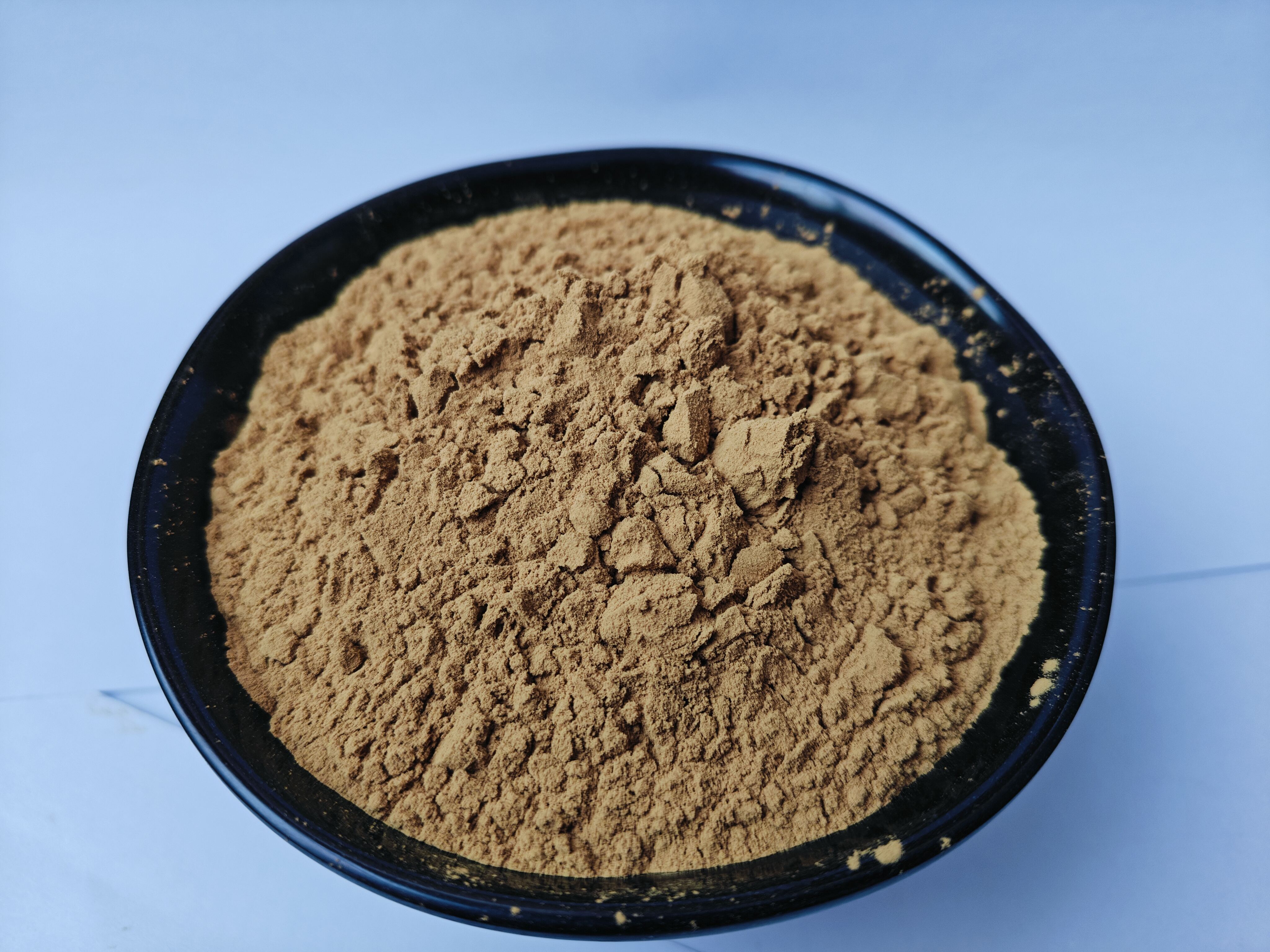
Concentration Effects and Stoichiometric Relationships
Optimal Loading Levels
The concentration of curing agent directly impacts both cure kinetics and final material properties. Insufficient catalyst loading results in incomplete curing, leading to poor mechanical performance and reduced chemical resistance. Conversely, excessive concentrations can cause rapid gelation, processing difficulties, and potential brittleness in the cured material. Determining optimal loading levels for 4-methyl-2-phenyl-1h-imidazole requires balancing cure speed with processing requirements and final performance specifications.
Typical loading levels for imidazole-based curing agents range from 0.5 to 5 parts per hundred resin, depending on the specific application requirements and resin system characteristics. The high catalytic efficiency of 4-methyl-2-phenyl-1h-imidazole often allows for lower loading levels compared to traditional curing agents, reducing cost while maintaining excellent performance. This efficiency advantage becomes particularly valuable in applications where minimal catalyst residues are desired or where cost optimization is critical.
Stoichiometric Balance and Network Formation
While catalytic curing agents like 4-methyl-2-phenyl-1h-imidazole do not participate stoichiometrically in the final network structure, their concentration affects the balance between different reaction pathways. Higher concentrations can promote homopolymerization of epoxy groups, potentially altering network architecture and properties. Understanding these effects is crucial for formulation optimization and quality control in production environments.
The relationship between catalyst concentration and cure completeness is non-linear, with diminishing returns at higher loading levels. This behavior reflects the complex interplay between catalytic activity, diffusion limitations, and competing reactions. Optimizing 4-methyl-2-phenyl-1h-imidazole concentration requires considering not only cure kinetics but also long-term stability, processing characteristics, and economic factors that influence overall system viability.
Environmental Conditions and Atmospheric Effects
Moisture and Humidity Impact
Environmental moisture can significantly affect curing agent performance through various mechanisms. Water can compete with epoxy groups for reaction with certain curing agents, potentially reducing cure efficiency or altering reaction pathways. Additionally, moisture absorption can affect the physical properties of both uncured and cured systems. The hydrophobic nature of 4-methyl-2-phenyl-1h-imidazole provides some protection against moisture interference, but proper environmental control remains important for consistent results.
Humidity levels during storage and application can influence pot life and cure characteristics. High humidity environments may accelerate certain degradation processes or interfere with surface curing in thin film applications. Conversely, very low humidity conditions might lead to static buildup or dust contamination issues. Systems utilizing 4-methyl-2-phenyl-1h-imidazole typically show good tolerance to moderate humidity variations, making them suitable for field applications where environmental control is limited.
Atmospheric Composition and Contamination
The presence of atmospheric contaminants can inhibit or alter curing reactions. Oxygen exposure can lead to surface inhibition in some systems, while carbon dioxide might affect pH-sensitive catalysts. Volatile organic compounds from the environment can potentially interfere with cure kinetics or become incorporated into the polymer network. The stable chemical structure of 4-methyl-2-phenyl-1h-imidazole provides resistance to most common atmospheric contaminants, ensuring reliable performance in industrial environments.
Air circulation and ventilation patterns affect both cure uniformity and safety considerations. Adequate ventilation prevents accumulation of reaction byproducts while ensuring uniform temperature distribution. However, excessive air movement can cause surface cooling or contamination. Balancing these factors requires understanding how environmental conditions interact with the specific curing system, particularly when using efficient catalysts like 4-methyl-2-phenyl-1h-imidazole that may have different sensitivity profiles compared to conventional alternatives.
Resin System Compatibility and Interactions
Matrix Composition Effects
The compatibility between curing agents and epoxy resins depends on numerous factors including molecular weight, functionality, and chemical structure. Different epoxy resins exhibit varying reactivity patterns with specific curing agents, affecting both cure kinetics and final properties. Bisphenol-A based resins typically show excellent compatibility with 4-methyl-2-phenyl-1h-imidazole, while novolac epoxies may require adjusted formulations to achieve optimal performance.
Resin viscosity significantly influences curing agent distribution and reaction uniformity. High-viscosity systems may limit molecular mobility, reducing cure efficiency and potentially creating concentration gradients. The excellent solubility characteristics of 4-methyl-2-phenyl-1h-imidazole in most epoxy systems facilitate uniform distribution even in viscous formulations. This compatibility advantage enables consistent curing performance across diverse resin types and viscosity ranges.
Additive Interactions and Synergistic Effects
Modern epoxy formulations often contain various additives that can interact with curing agents in complex ways. Fillers, pigments, and other functional additives may adsorb catalysts, reducing their effective concentration and altering cure kinetics. Some additives can exhibit synergistic effects, enhancing curing agent performance through complementary mechanisms. The robust catalytic activity of 4-methyl-2-phenyl-1h-imidazole generally maintains effectiveness even in highly filled systems, though optimization may be required for specific formulations.
Stabilizers and processing aids can influence curing agent stability and reactivity. Antioxidants may interact with catalytic sites, while flow modifiers could affect molecular mobility during curing. Understanding these interactions is essential for successful formulation development. The chemical stability of 4-methyl-2-phenyl-1h-imidazole minimizes adverse interactions with common additives, simplifying formulation work and improving process reliability in complex systems.
Processing Parameters and Application Methods
Mixing and Dispersion Quality
Proper mixing is fundamental to achieving uniform curing agent distribution and optimal performance. Insufficient mixing creates concentration gradients that lead to uneven curing, while excessive mixing can introduce air bubbles or cause premature gelation. The low viscosity and excellent miscibility of 4-methyl-2-phenyl-1h-imidazole facilitate easy incorporation into epoxy systems, reducing mixing requirements and minimizing processing complications.
Mixing temperature and duration must be carefully controlled to prevent premature reaction while ensuring complete dispersion. High-shear mixing can generate heat that triggers early gelation, particularly with highly active catalysts. The moderate reactivity profile of 4-methyl-2-phenyl-1h-imidazole provides a good balance between catalytic efficiency and processing safety, allowing adequate working time for proper mixing and application.
Application Techniques and Cure Scheduling
Different application methods impose varying requirements on curing agent performance. Spray applications may require rapid surface tack development, while potting compounds need extended pot life for complete filling. The versatile catalytic behavior of 4-methyl-2-phenyl-1h-imidazole makes it suitable for diverse application techniques, from thin film coatings to thick section castings.
Cure scheduling optimization involves balancing processing requirements with production efficiency. Multi-stage cure profiles may be necessary for thick sections or complex geometries to prevent thermal damage or internal stresses. The predictable kinetic behavior of systems containing 4-methyl-2-phenyl-1h-imidazole enables accurate cure schedule development, supporting consistent quality and efficient production processes across various manufacturing environments.
FAQ
How does temperature affect the efficiency of curing agents like 4-methyl-2-phenyl-1h-imidazole?
Temperature has a profound impact on curing agent efficiency through the Arrhenius relationship, where higher temperatures exponentially increase reaction rates. For 4-methyl-2-phenyl-1h-imidazole, optimal efficiency typically occurs between 80-120°C, though effective curing can occur at lower temperatures with extended time. Excessive temperatures above 150°C may lead to catalyst degradation or uncontrolled exothermic reactions, reducing overall efficiency.
What is the optimal concentration range for 4-methyl-2-phenyl-1h-imidazole in epoxy systems?
The optimal concentration typically ranges from 1-3 parts per hundred resin (phr) for most applications. Lower concentrations around 0.5-1 phr may be sufficient for extended cure cycles or heat-activated systems, while higher concentrations up to 5 phr might be necessary for rapid room-temperature curing. The specific optimal level depends on resin type, cure temperature, and desired processing characteristics.
How do environmental conditions affect the performance of epoxy curing agents?
Environmental factors such as humidity, temperature fluctuations, and atmospheric contaminants can significantly impact curing agent performance. High humidity may interfere with surface curing or cause hydrolysis of sensitive catalysts, while temperature variations affect reaction kinetics and pot life. 4-methyl-2-phenyl-1h-imidazole shows good environmental stability but still requires proper storage and application conditions for optimal results.
Can different epoxy resins affect the efficiency of the same curing agent?
Yes, different epoxy resins can significantly affect curing agent efficiency due to variations in molecular structure, functionality, and viscosity. Bisphenol-A epoxies typically show different reactivity patterns compared to novolac or cycloaliphatic epoxies with the same curing agent. The efficiency of 4-methyl-2-phenyl-1h-imidazole may vary between resin types, requiring formulation adjustments to achieve optimal performance in each specific system.
Table of Contents
- Chemical Structure and Molecular Properties
- Temperature Dependencies and Thermal Effects
- Concentration Effects and Stoichiometric Relationships
- Environmental Conditions and Atmospheric Effects
- Resin System Compatibility and Interactions
- Processing Parameters and Application Methods
-
FAQ
- How does temperature affect the efficiency of curing agents like 4-methyl-2-phenyl-1h-imidazole?
- What is the optimal concentration range for 4-methyl-2-phenyl-1h-imidazole in epoxy systems?
- How do environmental conditions affect the performance of epoxy curing agents?
- Can different epoxy resins affect the efficiency of the same curing agent?