
 EN
EN
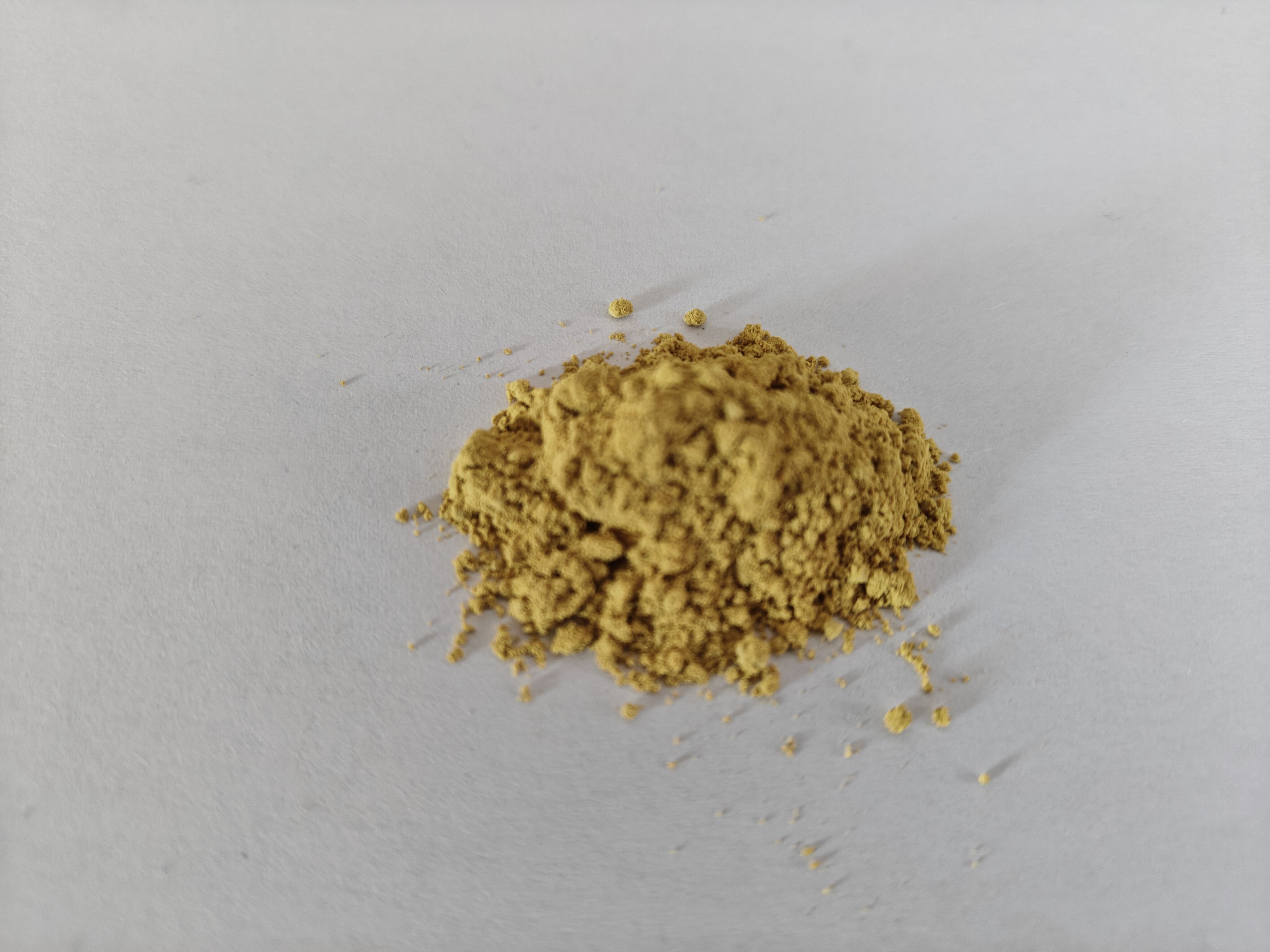
The selection of an appropriate curing agent for epoxy resins represents one of the most critical decisions in industrial manufacturing processes, directly impacting product quality, processing efficiency, and overall production yield. Industrial manufacturers across sectors ranging from aerospace to electronics rely on epoxy resin systems to create durable, high-performance products that meet stringent quality standards. The curing agent serves as the backbone of the cross-linking reaction that transforms liquid epoxy resins into solid, thermoset polymers with exceptional mechanical and chemical properties. Understanding how the right curing agent selection influences manufacturing outcomes can lead to significant improvements in production efficiency, reduced waste, and enhanced product performance characteristics.
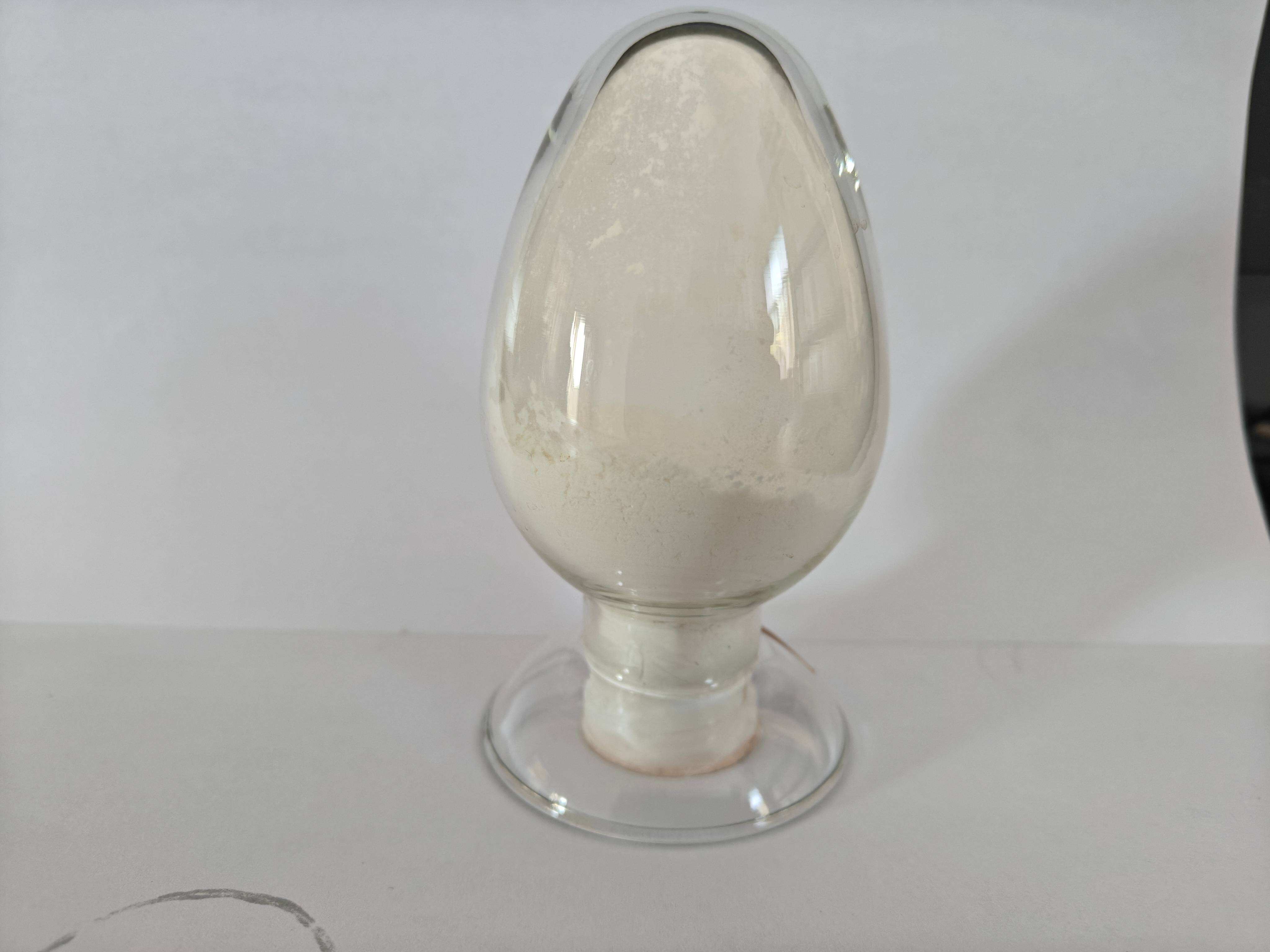
Modern industrial applications demand precise control over curing parameters to achieve optimal results in terms of both mechanical properties and processing efficiency. The chemical compatibility between epoxy resins and their corresponding curing agents determines the rate of cross-linking, final material properties, and processing window available to manufacturers. When manufacturers select an incompatible or suboptimal curing agent for their specific epoxy resin system, they often encounter issues such as incomplete curing, extended processing times, poor mechanical properties, or even complete product failure. These challenges translate directly into reduced manufacturing yield, increased material waste, and higher production costs that impact overall profitability and competitive positioning in the marketplace.
Understanding the Chemistry Behind Epoxy Resin Curing
Fundamental Chemical Reactions
The curing process of epoxy resins involves a complex series of chemical reactions that transform the initial liquid components into a three-dimensional cross-linked network. When a curing agent for epoxy resins initiates the polymerization process, it opens the epoxide rings present in the resin molecules, creating reactive sites that form covalent bonds with other molecules in the system. This cross-linking reaction is typically exothermic, generating heat that can accelerate the curing process and influence the final properties of the cured material. The stoichiometry of the reaction between epoxy groups and curing agent functional groups must be carefully balanced to achieve complete conversion and optimal mechanical properties.
Different types of curing agents operate through distinct reaction mechanisms, each offering unique advantages for specific applications. Amine-based curing agents react with epoxide groups through nucleophilic attack, while anhydride curing agents require elevated temperatures to initiate the reaction and often benefit from the presence of catalysts or accelerators. The selection of the appropriate curing agent chemistry depends on factors such as desired processing conditions, end-use temperature requirements, and specific performance characteristics needed for the final application. Understanding these fundamental chemical principles enables manufacturers to make informed decisions that optimize both processing efficiency and product performance.
Reaction Kinetics and Temperature Control
The kinetics of the curing reaction play a crucial role in determining processing parameters and final product quality. A properly selected curing agent for epoxy resins provides predictable reaction kinetics that allow manufacturers to optimize cycle times while ensuring complete conversion of reactive groups. Temperature control during the curing process affects both the rate of cross-linking and the final degree of cure achieved, with higher temperatures generally accelerating the reaction but potentially leading to uneven curing or thermal degradation if not properly managed. The gel time and cure schedule must be carefully balanced to provide sufficient working time for processing while achieving full cure within reasonable production timeframes.
Advanced curing agents offer improved control over reaction kinetics through engineered molecular structures that provide extended pot life at ambient temperatures while enabling rapid curing under elevated temperature conditions. This temperature-dependent reactivity allows manufacturers to maintain excellent processing characteristics during mixing, degassing, and application stages, followed by controlled acceleration of the curing reaction when heat is applied. The ability to precisely control reaction kinetics through proper curing agent selection directly translates to improved manufacturing efficiency, reduced processing defects, and higher overall production yields.
Impact of Curing Agent Selection on Processing Efficiency
Pot Life and Working Time Optimization
The pot life of an epoxy resin system represents the time available for processing before the viscosity increase due to partial curing makes the material unsuitable for application. Selecting the appropriate curing agent for epoxy resins enables manufacturers to optimize pot life characteristics to match their specific processing requirements, whether they need extended working time for complex lamination procedures or rapid curing for high-throughput production environments. Extended pot life systems allow for more complex processing techniques such as resin transfer molding or filament winding, while fast-curing systems enable rapid production cycles that maximize equipment utilization and throughput.
Modern curing agent technologies offer latent curing characteristics that provide excellent storage stability and extended pot life at ambient temperatures, while enabling rapid curing when activated by heat, light, or other external stimuli. These advanced systems allow manufacturers to prepare larger batches of mixed resin systems, reducing material waste and improving production efficiency through better batch-to-batch consistency. The economic benefits of optimized pot life extend beyond material savings to include reduced labor costs, improved equipment utilization, and enhanced production scheduling flexibility that supports lean manufacturing principles.
Cure Schedule Optimization
An optimized cure schedule balances the need for complete curing with efficient use of production equipment and energy resources. The right curing agent selection enables manufacturers to design cure schedules that achieve full conversion of reactive groups while minimizing cycle times and energy consumption. Room temperature curing systems eliminate the need for heated tooling or ovens, reducing energy costs and enabling the use of less expensive tooling materials, while elevated temperature systems offer faster curing and often superior final properties at the cost of increased energy consumption and more sophisticated processing equipment.
Manufacturers can optimize their production processes by selecting curing agents that match their existing equipment capabilities and energy infrastructure. Multi-stage cure schedules that combine ambient temperature gelation with elevated temperature post-curing often provide the best balance of processing efficiency and final properties. The ability to tailor cure schedules through proper curing agent selection allows manufacturers to maximize equipment utilization, reduce energy costs, and improve overall production economics while maintaining consistent product quality and performance characteristics.
Quality Enhancement Through Proper Curing Agent Selection
Mechanical Property Optimization
The mechanical properties of cured epoxy systems depend heavily on the cross-link density and network structure achieved through the curing reaction. A well-matched curing agent for epoxy resins creates a uniform three-dimensional network with optimal cross-link density that maximizes strength, stiffness, and toughness characteristics. Different curing agent chemistries produce networks with varying flexibility, with some systems optimized for high strength and stiffness applications while others provide enhanced impact resistance and fatigue performance for dynamic loading conditions.
Advanced curing agent formulations incorporate chain extenders, flexibilizers, and other modifying agents that allow fine-tuning of mechanical properties to meet specific application requirements. The molecular structure of the curing agent directly influences the glass transition temperature, modulus, and failure characteristics of the cured system. Manufacturers can achieve significant improvements in product performance and reliability through careful selection of curing agents that optimize mechanical properties for their specific end-use applications, leading to reduced warranty claims, improved customer satisfaction, and enhanced market competitiveness.
Thermal and Chemical Resistance
The thermal stability and chemical resistance of cured epoxy systems are largely determined by the chemical structure of the cross-linked network formed during curing. High-performance curing agents create networks with excellent thermal stability, enabling applications at elevated service temperatures without degradation of mechanical properties. The selection of appropriate curing agent chemistry also influences chemical resistance, with some systems offering superior resistance to solvents, acids, bases, or other aggressive chemical environments encountered in industrial applications.
Specialized curing agents designed for high-temperature applications incorporate aromatic structures and other thermally stable moieties that maintain network integrity under extreme conditions. These advanced systems enable the use of epoxy resins in demanding applications such as aerospace components, automotive under-hood applications, and industrial equipment exposed to elevated temperatures and aggressive chemical environments. The enhanced durability achieved through proper curing agent selection translates directly to improved product reliability, extended service life, and reduced maintenance requirements that provide significant value to end users.
Economic Benefits of Optimized Curing Systems
Material Yield and Waste Reduction
Proper selection of a curing agent for epoxy resins significantly impacts material utilization efficiency and waste generation in manufacturing processes. Optimized curing systems provide predictable processing characteristics that reduce the likelihood of processing defects, incomplete curing, or other issues that result in rejected parts and material waste. The improved consistency achieved through proper curing agent selection enables tighter process control and higher first-pass yield rates, translating to substantial material cost savings in high-volume production environments.
Extended pot life systems reduce material waste by allowing larger batch sizes and minimizing the disposal of partially reacted material that exceeds its working time. Advanced curing agent formulations also enable recycling and rework of uncured or partially cured material, further reducing waste and improving overall material utilization. The cumulative effect of these improvements in material efficiency can represent significant cost savings, particularly for manufacturers using expensive specialized resins or operating in high-volume production environments where small percentage improvements translate to substantial absolute savings.
Production Efficiency and Throughput
Manufacturing throughput and efficiency improve substantially when curing agent selection is optimized to match production equipment and process requirements. Fast-curing systems enable shorter cycle times and higher equipment utilization rates, while systems with extended working time reduce the need for frequent mixing and minimize production interruptions. The predictable processing characteristics achieved through proper curing agent selection enable more accurate production planning and scheduling, reducing idle time and improving overall equipment effectiveness.
Energy efficiency represents another significant economic benefit of optimized curing systems, with room temperature or low-temperature curing agents reducing energy consumption for heating and cooling cycles. The elimination of post-cure requirements through the use of advanced curing agent formulations further reduces energy costs while simplifying production processes and reducing equipment requirements. These efficiency improvements contribute to reduced manufacturing costs, improved competitiveness, and enhanced profitability across diverse industrial applications that rely on epoxy resin systems for critical performance requirements.
Application-Specific Considerations
Electronics and Electrical Applications
Electronics manufacturing demands curing agents that provide excellent electrical insulation properties while maintaining dimensional stability under thermal cycling conditions. The selection of appropriate curing agent chemistry for electronics applications must consider factors such as dielectric strength, dissipation factor, and coefficient of thermal expansion to ensure reliable performance in electronic assemblies. Low-stress curing agents minimize mechanical stress on delicate electronic components while providing adequate adhesion and environmental protection.
Advanced curing agent formulations for electronics applications often incorporate conductive or thermally conductive fillers to provide specific electrical or thermal management properties. The curing process must be compatible with temperature-sensitive electronic components, often requiring low-temperature curing capabilities or controlled heating profiles that prevent damage to circuit elements. The reliability requirements for electronics applications demand curing agents that provide consistent performance over extended periods and wide temperature ranges, making proper selection critical for product success and customer satisfaction.
Aerospace and Automotive Industries
Aerospace and automotive applications require curing agents that meet stringent performance specifications for strength, weight, and environmental durability. The demanding service conditions encountered in these industries necessitate curing agents that provide excellent mechanical properties at both ambient and elevated temperatures while maintaining long-term stability under exposure to fuels, lubricants, and other automotive fluids. Weight reduction requirements drive the need for high-performance curing agents that enable the use of lightweight composite structures without compromising safety or reliability.
Certification requirements for aerospace applications demand extensive testing and validation of curing agent performance under simulated service conditions. The selection process must consider factors such as flame resistance, smoke generation, and toxicity characteristics in addition to mechanical and thermal properties. Automotive applications require curing agents that provide excellent adhesion to various substrate materials while maintaining flexibility and impact resistance under dynamic loading conditions. The long development cycles and high validation costs associated with these industries make proper initial selection of curing agent chemistry critical for program success and profitability.
FAQ
What factors should be considered when selecting a curing agent for epoxy resins?
The selection of a curing agent for epoxy resins should consider multiple factors including the desired cure schedule, operating temperature range, mechanical property requirements, and chemical resistance needs. Processing considerations such as pot life, viscosity, and mixing requirements must also be evaluated alongside cost and availability factors. The end-use application environment and performance requirements play a crucial role in determining the most appropriate curing agent chemistry for optimal results.
How does curing agent selection affect the final properties of epoxy systems?
Curing agent selection directly influences the cross-link density, network structure, and molecular mobility of the final cured system, which determines mechanical properties such as strength, modulus, and glass transition temperature. Different curing agent chemistries produce networks with varying characteristics, from rigid high-strength systems to flexible impact-resistant formulations. The thermal stability, chemical resistance, and electrical properties of the cured system are also significantly influenced by the curing agent selection and resulting network structure.
Can the wrong curing agent choice impact manufacturing yield?
Improper curing agent selection can significantly reduce manufacturing yield through various mechanisms including incomplete curing, extended processing times, poor mechanical properties, and increased defect rates. Incompatible curing agents may result in processing difficulties such as short pot life, poor flow characteristics, or unpredictable cure behavior that leads to rejected parts and material waste. The economic impact of poor curing agent selection extends beyond material costs to include reduced equipment utilization, increased energy consumption, and quality control issues that affect overall production efficiency.
What are the latest developments in curing agent technology for epoxy resins?
Recent developments in curing agent technology focus on improved temperature control, extended pot life systems, and environmentally friendly formulations that reduce volatile organic compound emissions. Advanced latent curing systems provide excellent storage stability while enabling rapid curing when activated, and bio-based curing agents derived from renewable feedstocks offer sustainable alternatives to traditional petroleum-based chemistries. Nanotechnology-enhanced curing agents incorporate nanoparticles to improve mechanical properties and provide additional functionality such as electrical conductivity or enhanced barrier properties for specialized applications.