Phosphine Quinone Adduct Factory Solutions

All Categories

phosphine quinone adduct factory

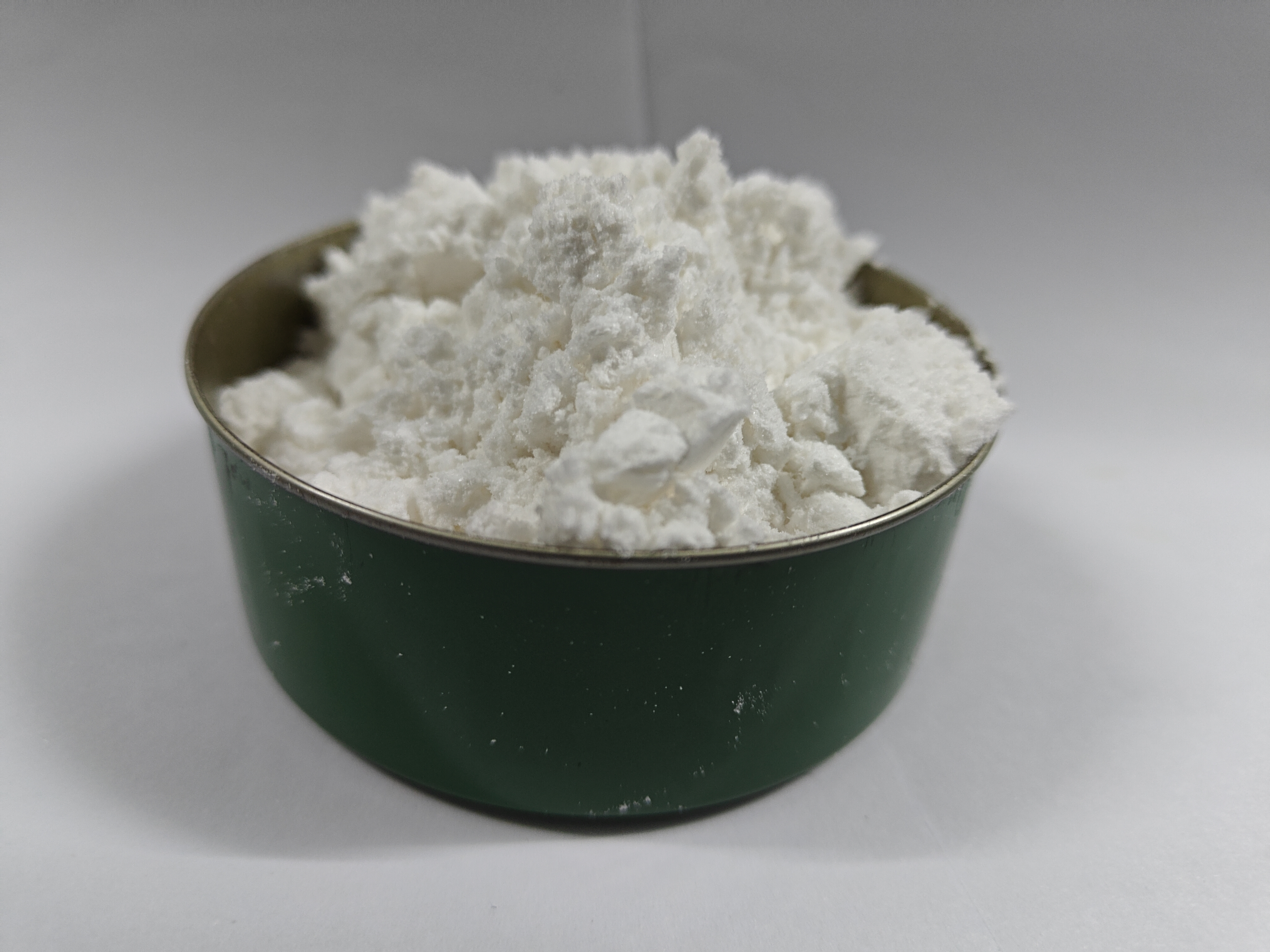
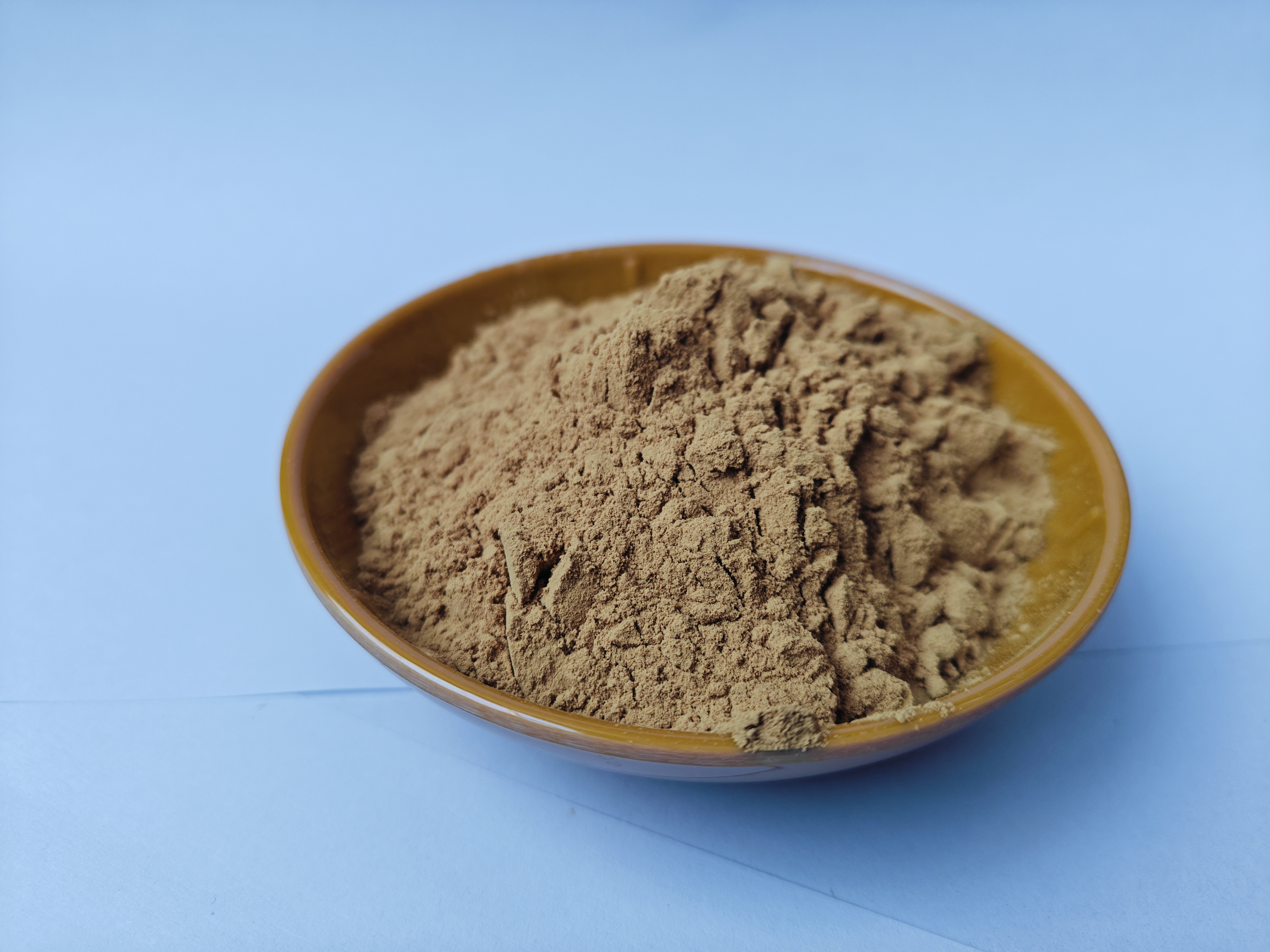
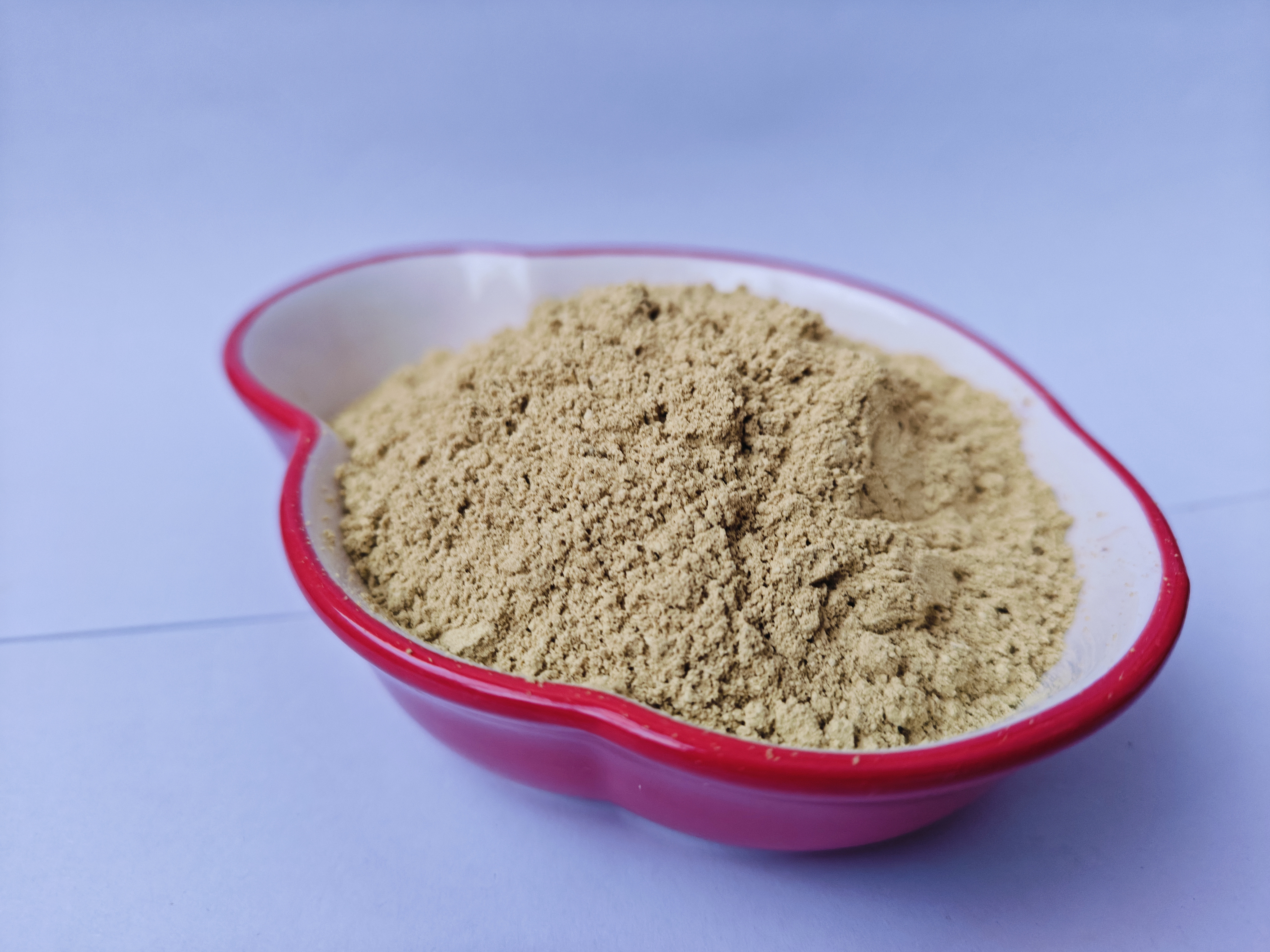
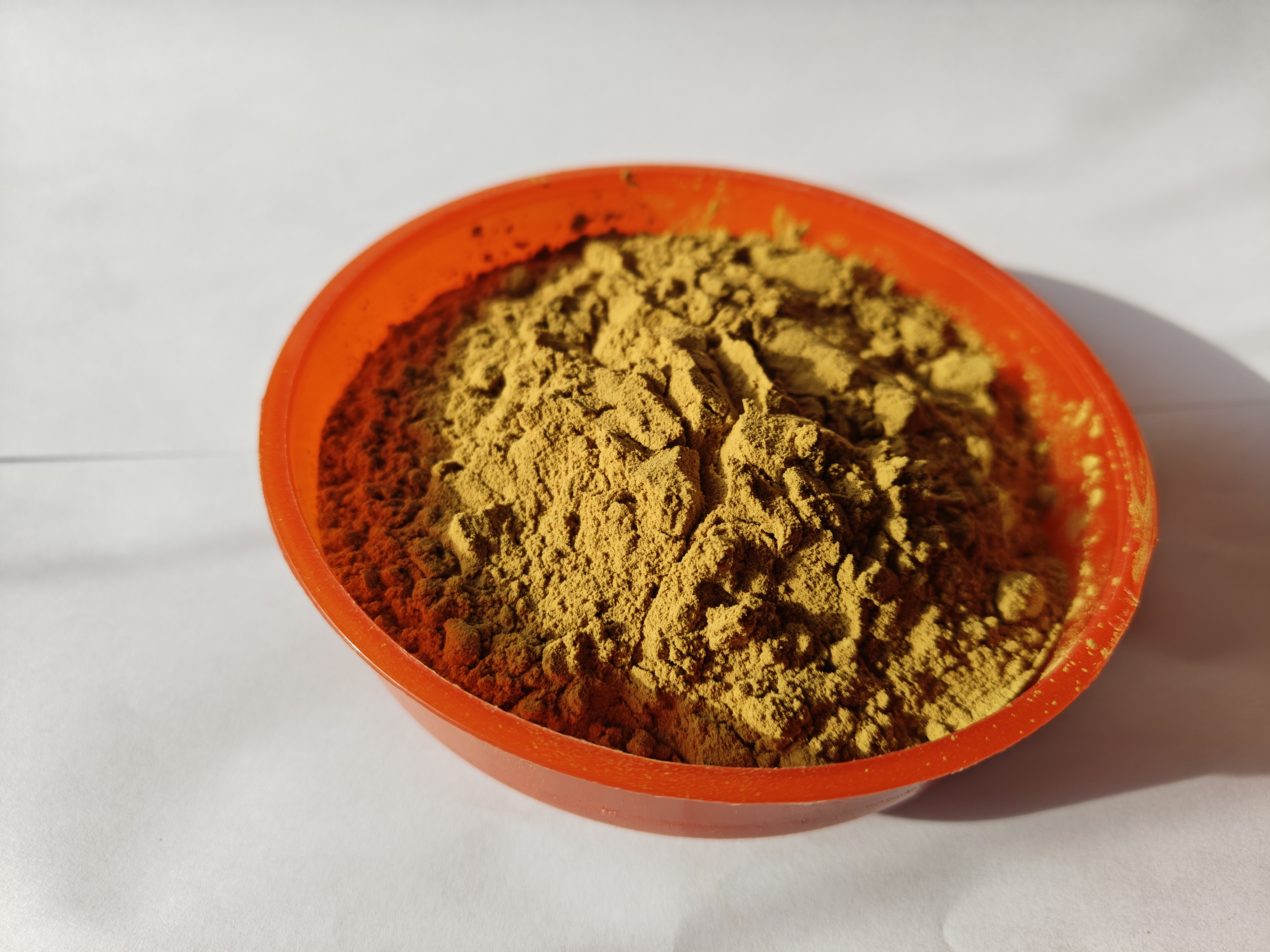
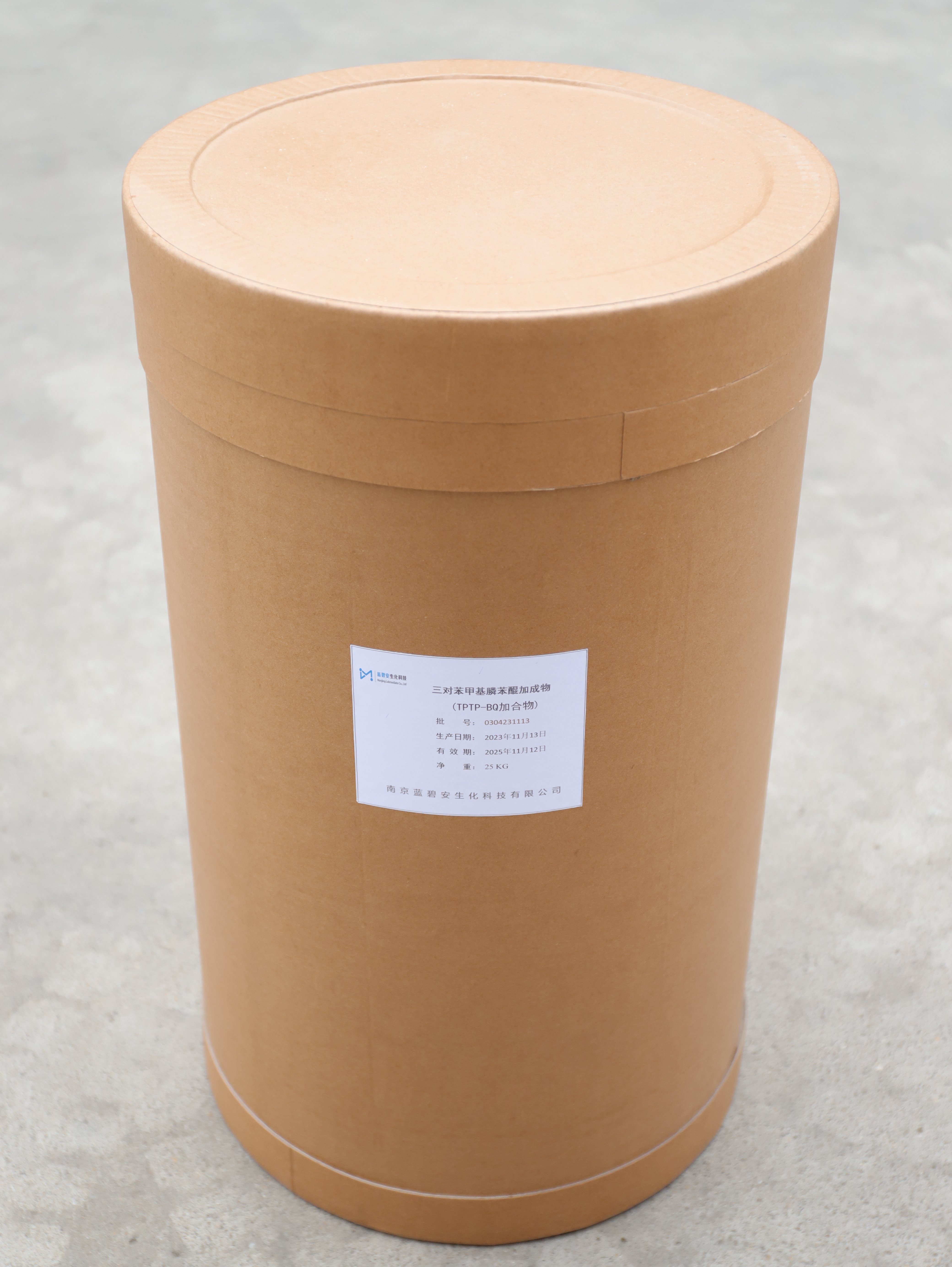
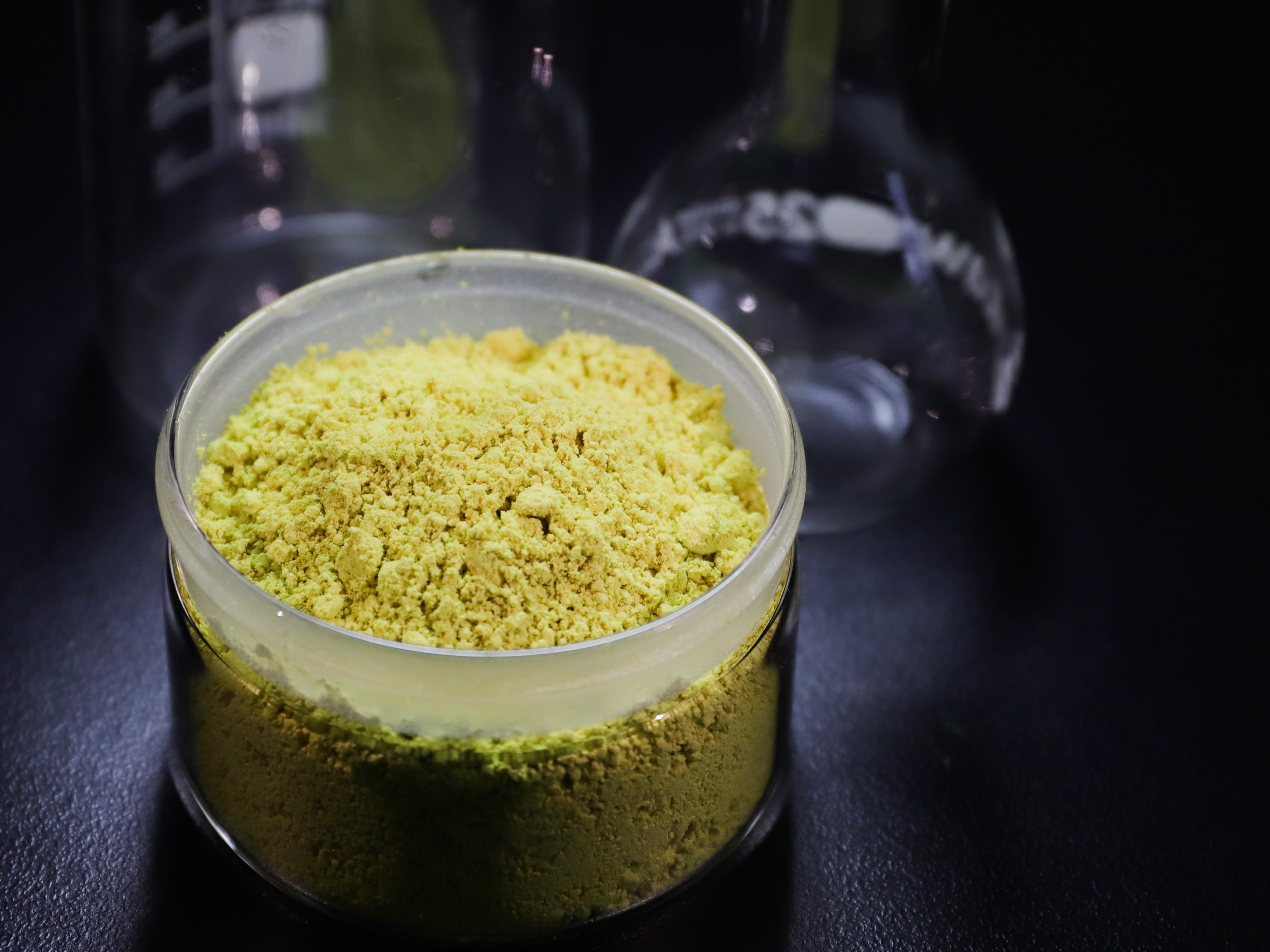
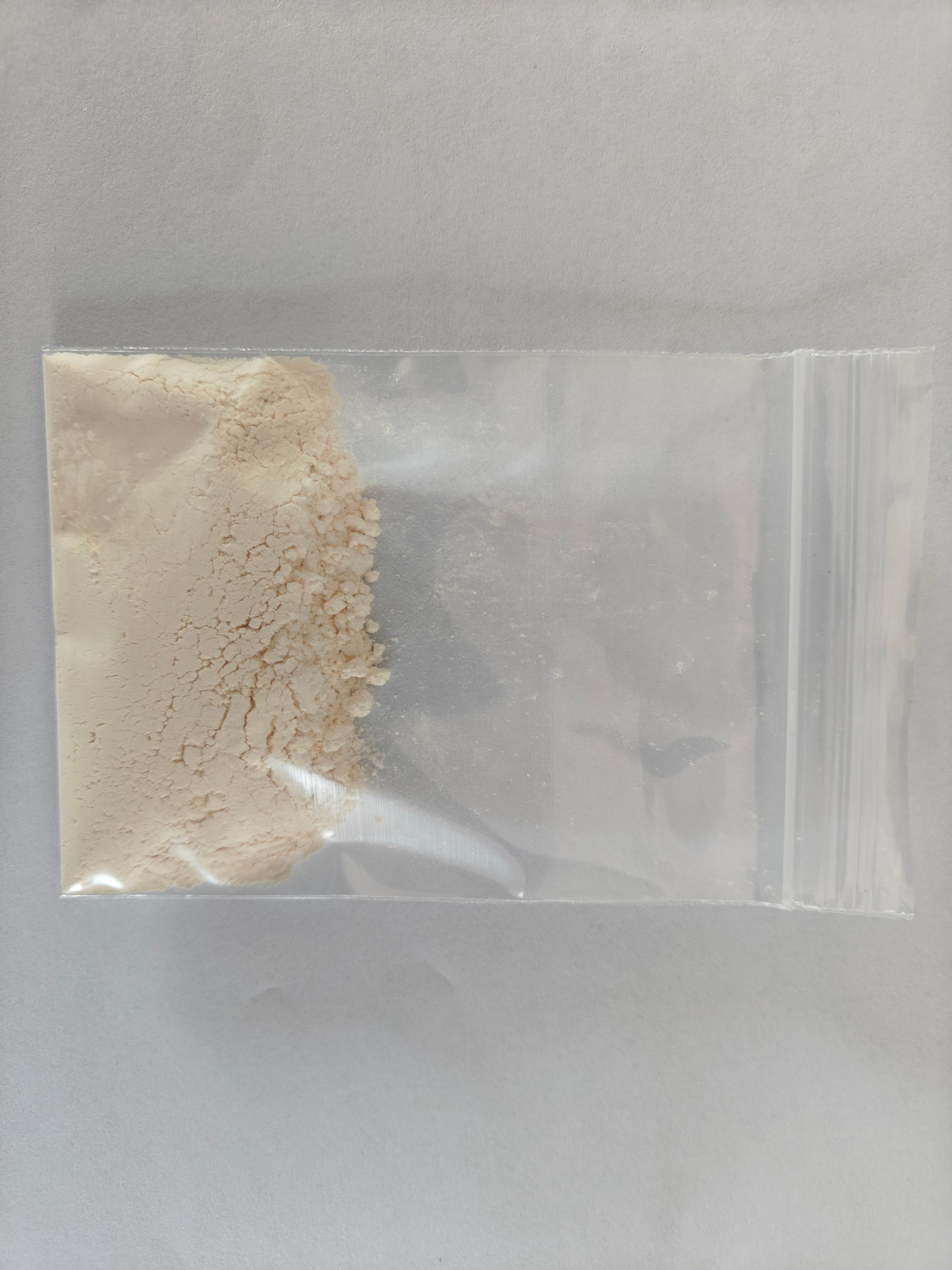
A phosphine quinone adduct factory specializes in manufacturing sophisticated chemical compounds that serve as critical intermediates in various industrial processes. These facilities produce phosphine quinone adducts through controlled reactions between phosphine derivatives and quinone compounds, creating stable molecular structures with unique chemical properties. The main function of a phosphine quinone adduct factory involves synthesizing high-purity adducts that meet stringent quality standards for pharmaceutical, agricultural, and polymer applications. The technological features include advanced reaction vessels with precise temperature control systems, automated monitoring equipment for real-time quality assessment, and specialized purification units that remove impurities to achieve pharmaceutical-grade products. Modern phosphine quinone adduct factory operations integrate continuous flow synthesis technology, enabling consistent product quality and reduced production costs. The manufacturing process incorporates safety protocols to handle reactive materials while maintaining environmental compliance. Applications span multiple industries where these adducts function as polymerization catalysts, pharmaceutical intermediates, agrochemical precursors, and specialty chemical building blocks. The phosphine quinone adduct factory produces materials that exhibit excellent thermal stability and controlled reactivity profiles, making them valuable in complex synthesis pathways. These facilities typically maintain ISO-certified quality management systems and employ analytical testing laboratories equipped with spectroscopic instruments to verify molecular structure and purity levels. The production capacity ranges from pilot-scale operations for research development to large-scale manufacturing serving global supply chains, positioning the phosphine quinone adduct factory as an essential component in modern chemical manufacturing infrastructure.

New Product Releases

Choosing a reliable phosphine quinone adduct factory provides several practical benefits that directly impact your operational success and product development timeline. First, established facilities offer consistent product quality through validated manufacturing processes, eliminating batch-to-batch variations that could compromise your downstream applications. This reliability translates into reduced quality control costs and fewer production delays in your operations. Second, experienced manufacturers maintain extensive technical expertise, providing valuable support for application optimization and troubleshooting, which accelerates your product development cycles and reduces time-to-market. Third, the economies of scale achieved by dedicated production facilities result in competitive pricing structures that improve your cost management while maintaining premium quality standards. Fourth, a professional phosphine quinone adduct factory implements comprehensive safety measures and environmental controls, ensuring regulatory compliance and reducing liability concerns for buyers who prioritize sustainable sourcing. Fifth, flexible production capabilities allow customization of product specifications to match your exact requirements, whether you need specific purity grades, particle sizes, or packaging formats. Sixth, reliable supply chain management ensures consistent availability, protecting your operations from material shortages that could disrupt production schedules. Seventh, established facilities invest in ongoing research and development, continuously improving synthesis methods and developing new variants that expand application possibilities for your innovation projects. Eighth, comprehensive documentation including certificates of analysis, safety data sheets, and regulatory compliance records simplifies your procurement processes and audit requirements. Finally, partnering with a reputable phosphine quinone adduct factory provides access to industry networks and technical resources that enhance your competitive positioning in demanding markets where material performance directly influences end-product quality and customer satisfaction.

Practical Tips

How do procurement teams compare CDI coupling reagent suppliers

07

Jan

How do procurement teams compare CDI coupling reagent suppliers

Procurement teams in pharmaceutical and biotechnology companies face a complex decision when selecting suppliers for specialized chemical reagents. The evaluation of cdi coupling reagent suppliers requires a comprehensive understanding of product spe...
View More
How Can Selecting the Right Curing Agent for Epoxy Resins Improve Yield?

12

Feb

How Can Selecting the Right Curing Agent for Epoxy Resins Improve Yield?

The selection of an appropriate curing agent for epoxy resins represents one of the most critical decisions in industrial manufacturing processes, directly impacting product quality, processing efficiency, and overall production yield. Industrial man...
View More
How Can Organophosphine Based Catalysts Reduce Defects in Chip Encapsulation?

05

Mar

How Can Organophosphine Based Catalysts Reduce Defects in Chip Encapsulation?

Semiconductor manufacturing faces increasing demands for precision and reliability, particularly in chip encapsulation processes where defects can compromise entire electronic devices. Organophosphine based catalysts have emerged as critical componen...
View More
How Do Organophosphine Based Catalysts Affect Thermal Stability of EMCs?

05

Mar

How Do Organophosphine Based Catalysts Affect Thermal Stability of EMCs?

Thermal stability represents a critical performance parameter for electronic materials and components (EMCs), particularly in high-temperature industrial applications where reliability cannot be compromised. The integration of organophosphine based c...
View More

Get a Free Quote

Our representative will contact you soon.
Email
Name
Company Name
Message
0/1000

phosphine quinone adduct factory

Advanced Manufacturing Technology

Advanced Manufacturing Technology

The modern phosphine quinone adduct factory employs cutting-edge synthesis technology that ensures superior product quality and manufacturing efficiency. Automated reaction control systems monitor critical parameters including temperature, pressure, and reactant ratios with precision measurement instruments, maintaining optimal conditions throughout the synthesis cycle. This technological sophistication eliminates human error and ensures reproducible results across production batches. The integration of continuous flow reactors represents a significant advancement over traditional batch processes, offering improved heat transfer, better mixing efficiency, and enhanced safety profiles. Real-time analytical monitoring using in-line spectroscopy provides immediate feedback on reaction progress, enabling rapid adjustments that optimize yield and purity. The phosphine quinone adduct factory also incorporates advanced purification technologies such as crystallization under controlled atmospheres and specialized chromatography systems that remove trace impurities to achieve pharmaceutical-grade standards. These technological investments translate into tangible customer benefits including higher product consistency, extended shelf life, and improved performance in demanding applications. The factory's commitment to technological excellence ensures that clients receive materials meeting the most stringent specifications while benefiting from competitive production costs enabled by process efficiency.
Comprehensive Quality Assurance Systems

Comprehensive Quality Assurance Systems

Quality management stands as a cornerstone principle in every reputable phosphine quinone adduct factory, where multi-layered verification processes guarantee product integrity from raw material receipt through final packaging. The quality assurance framework begins with rigorous vendor qualification programs that ensure incoming materials meet predetermined specifications, establishing a foundation for consistent synthesis outcomes. During production, the phosphine quinone adduct factory conducts in-process testing at critical control points, using validated analytical methods including nuclear magnetic resonance spectroscopy, mass spectrometry, and high-performance liquid chromatography to confirm molecular structure and purity. Finished products undergo comprehensive release testing against established specifications before approval for shipment, with retained samples archived for traceability and future reference. The facility maintains detailed batch records documenting all manufacturing parameters, test results, and handling procedures, creating a complete quality history for each production lot. This documentation supports customer audits, regulatory inspections, and continuous improvement initiatives. Environmental monitoring programs verify that production areas maintain appropriate cleanliness levels, preventing cross-contamination. The phosphine quinone adduct factory typically holds ISO 9001 certification and may maintain additional industry-specific certifications, demonstrating commitment to internationally recognized quality standards that provide customers with confidence in product reliability and regulatory compliance.

Custom Solutions and Technical Support

Custom Solutions and Technical Support

A professional phosphine quinone adduct factory differentiates itself through flexible manufacturing capabilities and comprehensive technical support services that address unique customer requirements. Unlike commodity chemical suppliers, specialized facilities offer customization options including adjusted purity levels, modified particle size distributions, alternative packaging configurations, and tailored delivery schedules that align with customer production rhythms. The factory's technical team collaborates with clients during product development phases, providing application guidance based on extensive material knowledge and industry experience. This consultative approach helps customers optimize formulations, troubleshoot processing challenges, and identify opportunities for performance enhancement or cost reduction. The phosphine quinone adduct factory maintains pilot-scale equipment for trial production runs, enabling customers to evaluate material performance before committing to large-volume purchases. Technical support extends beyond initial sales to include ongoing assistance with process optimization, regulatory documentation, and market-specific compliance requirements. The facility's research and development capabilities support joint innovation projects where custom phosphine quinone adduct variants are developed to address emerging application needs or improve existing product performance. This partnership approach creates long-term value relationships where the phosphine quinone adduct factory functions as an extension of the customer's technical team, contributing specialized expertise that accelerates innovation and strengthens competitive positioning in target markets.

Get a Free Quote

Our representative will contact you soon.
Email
Name
Company Name
Message
0/1000