EMC Curing Catalyst - High-Performance Solution

All Categories

EMC curing catalyst

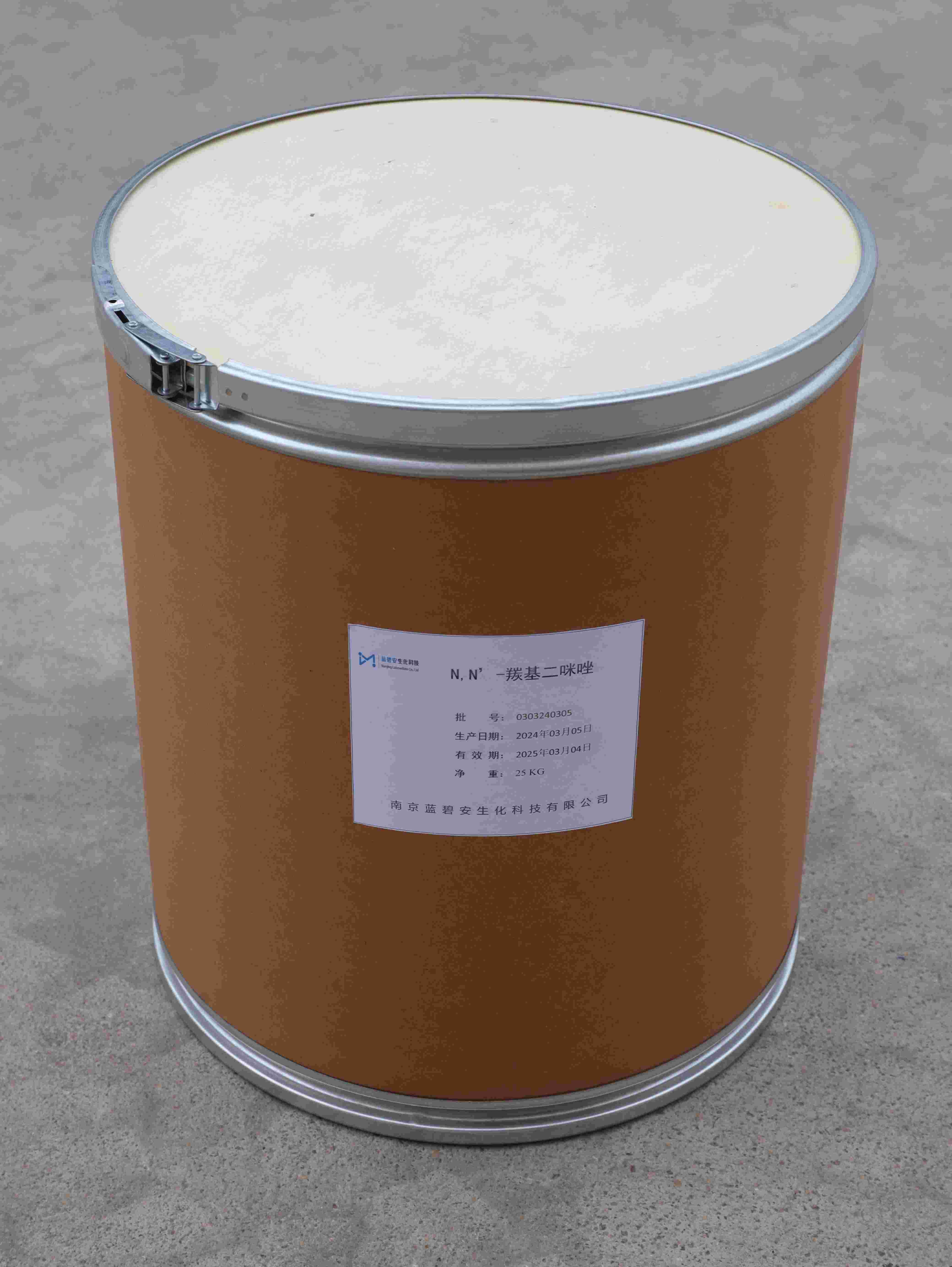
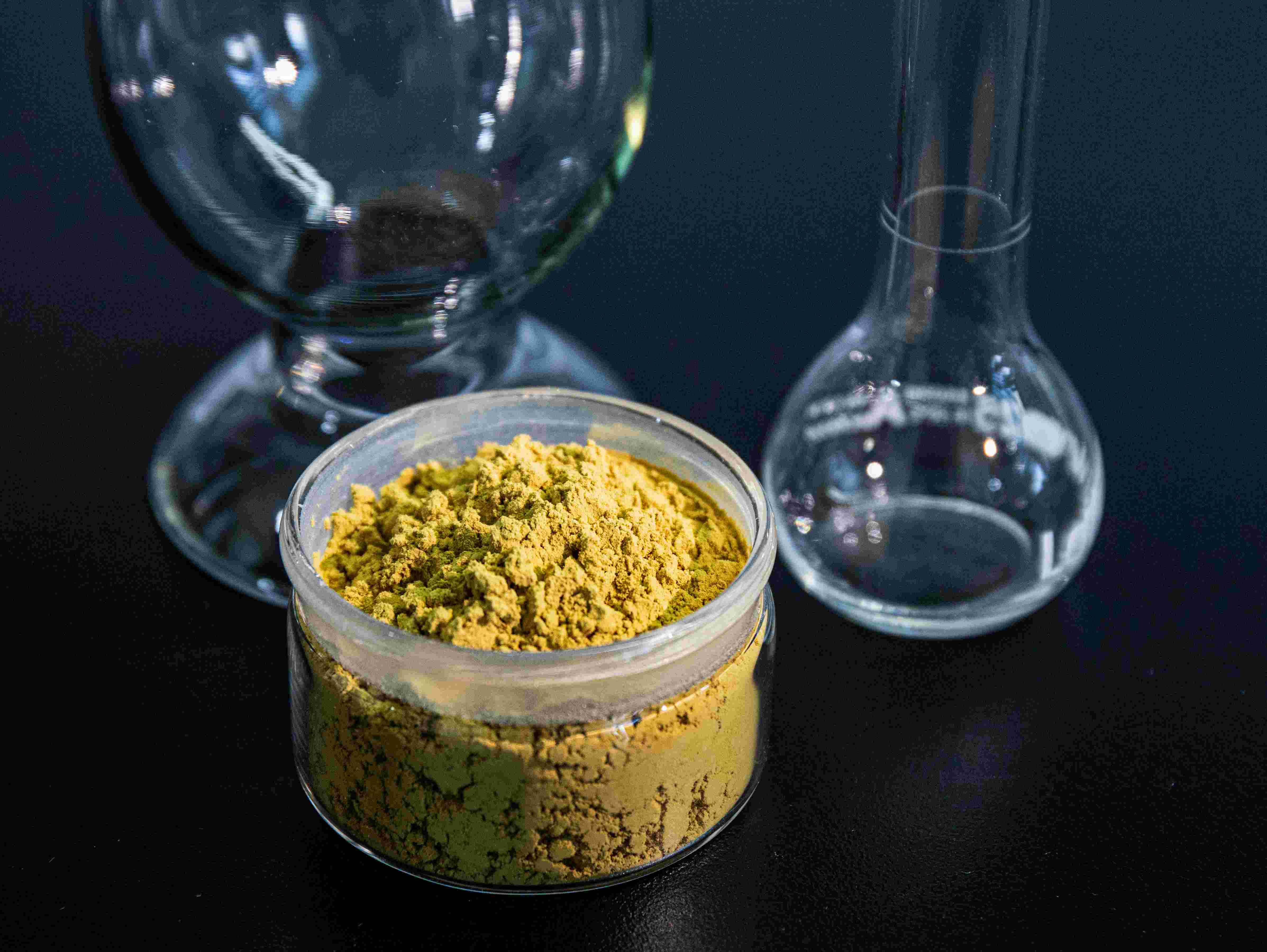
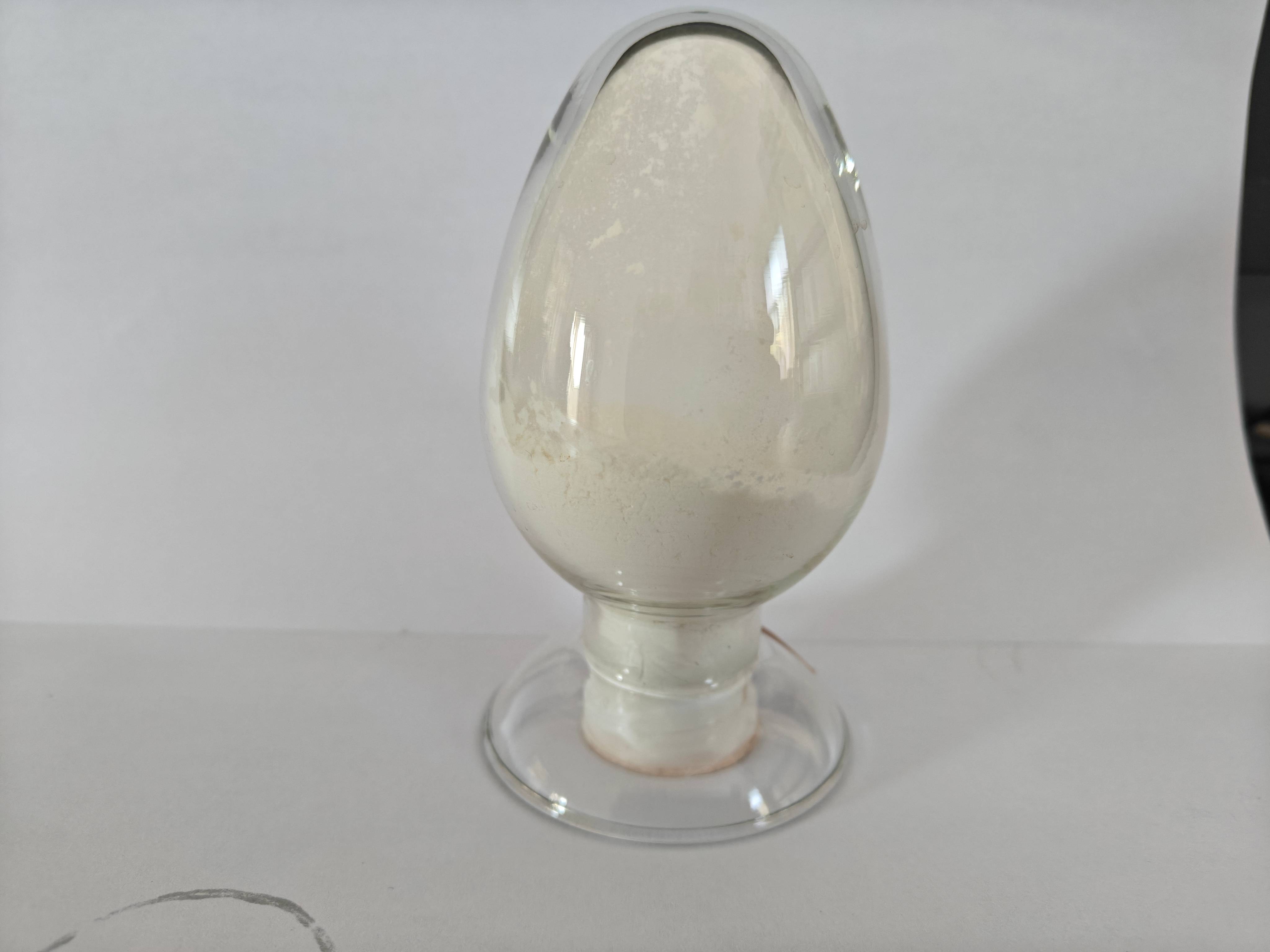
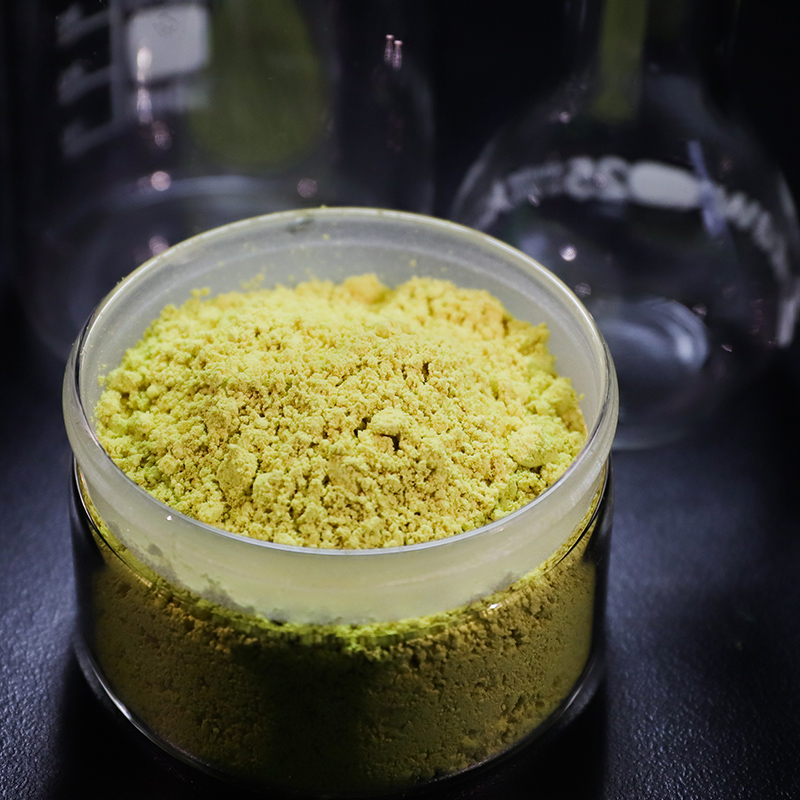
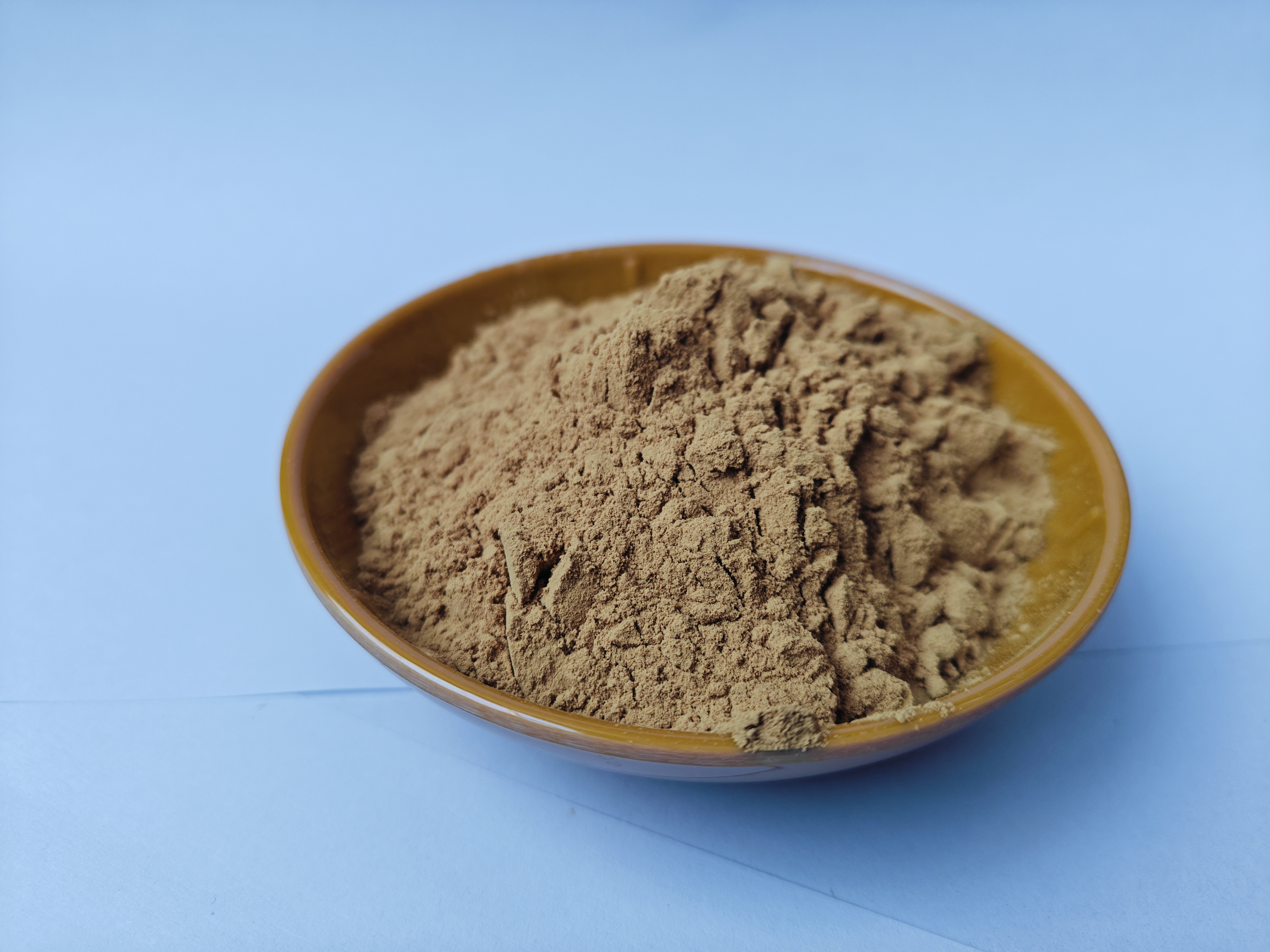
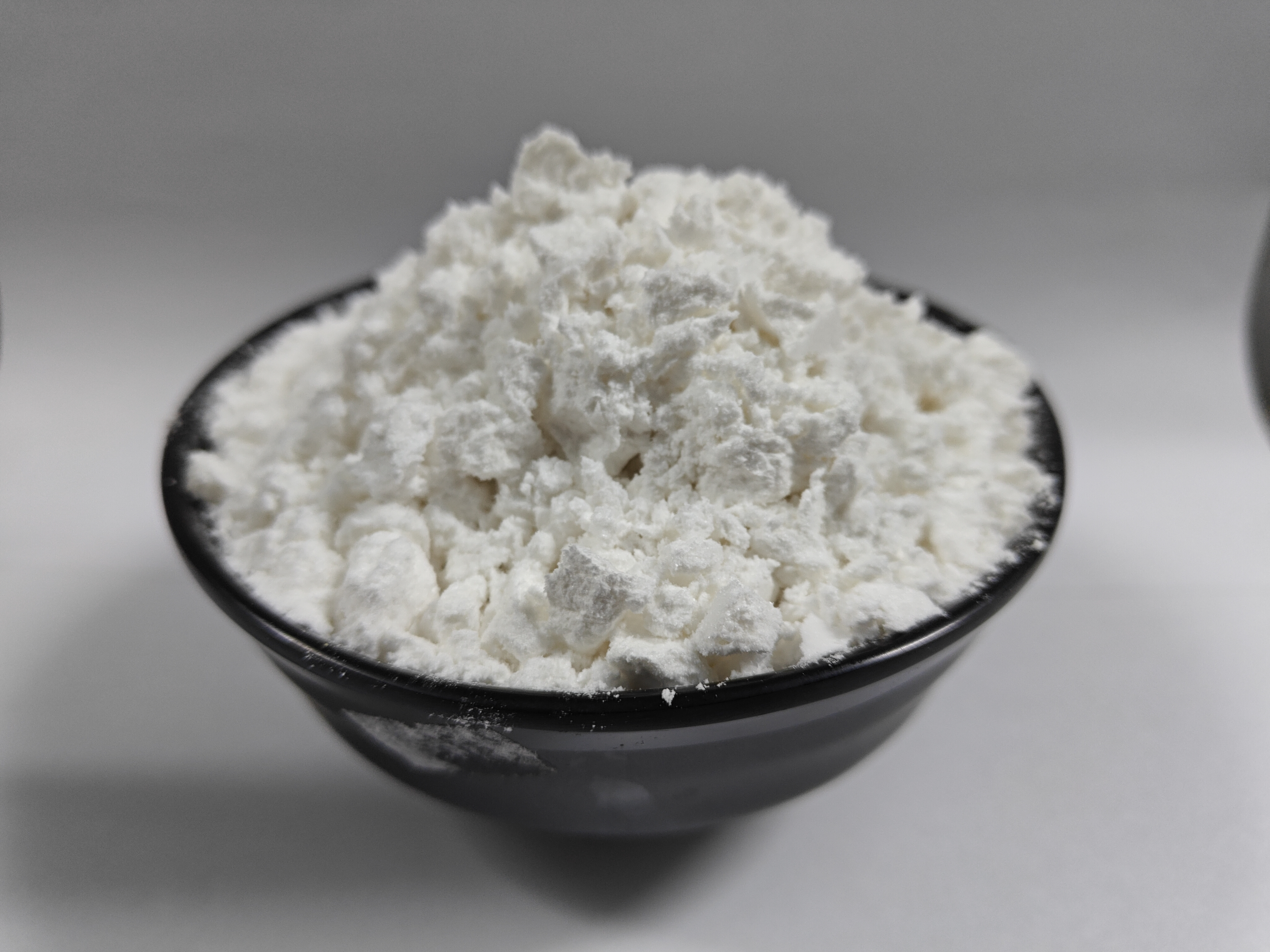
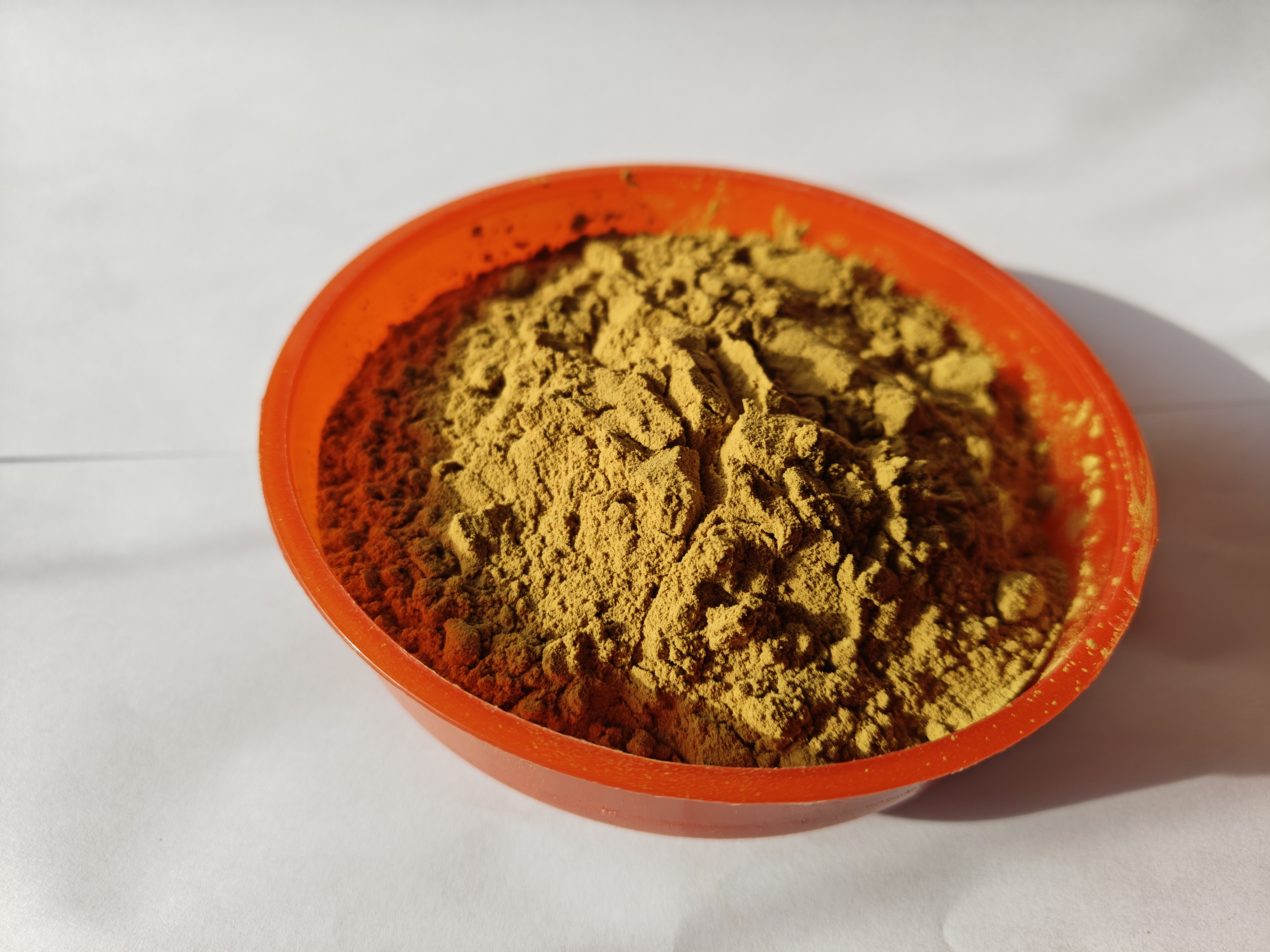
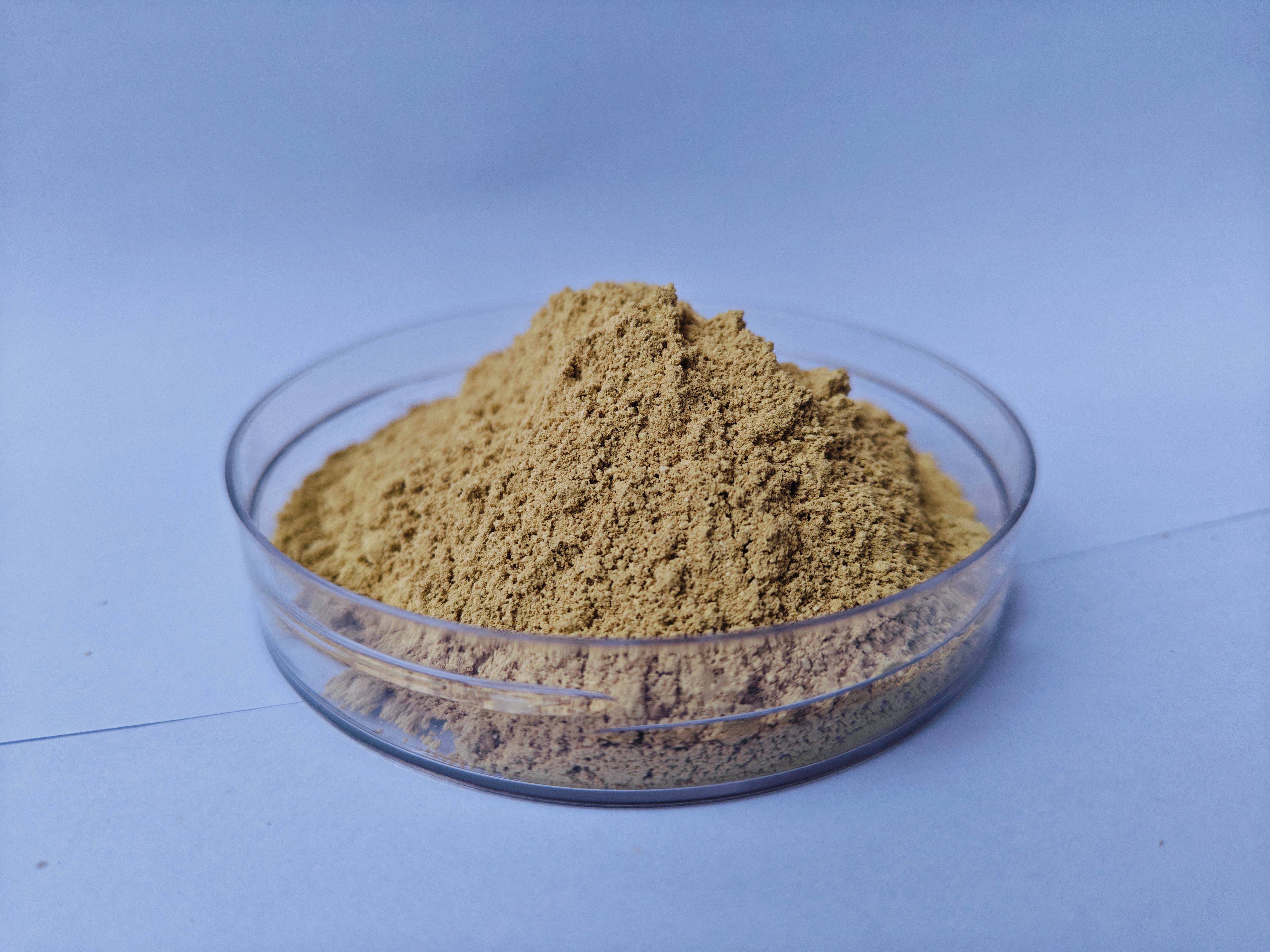
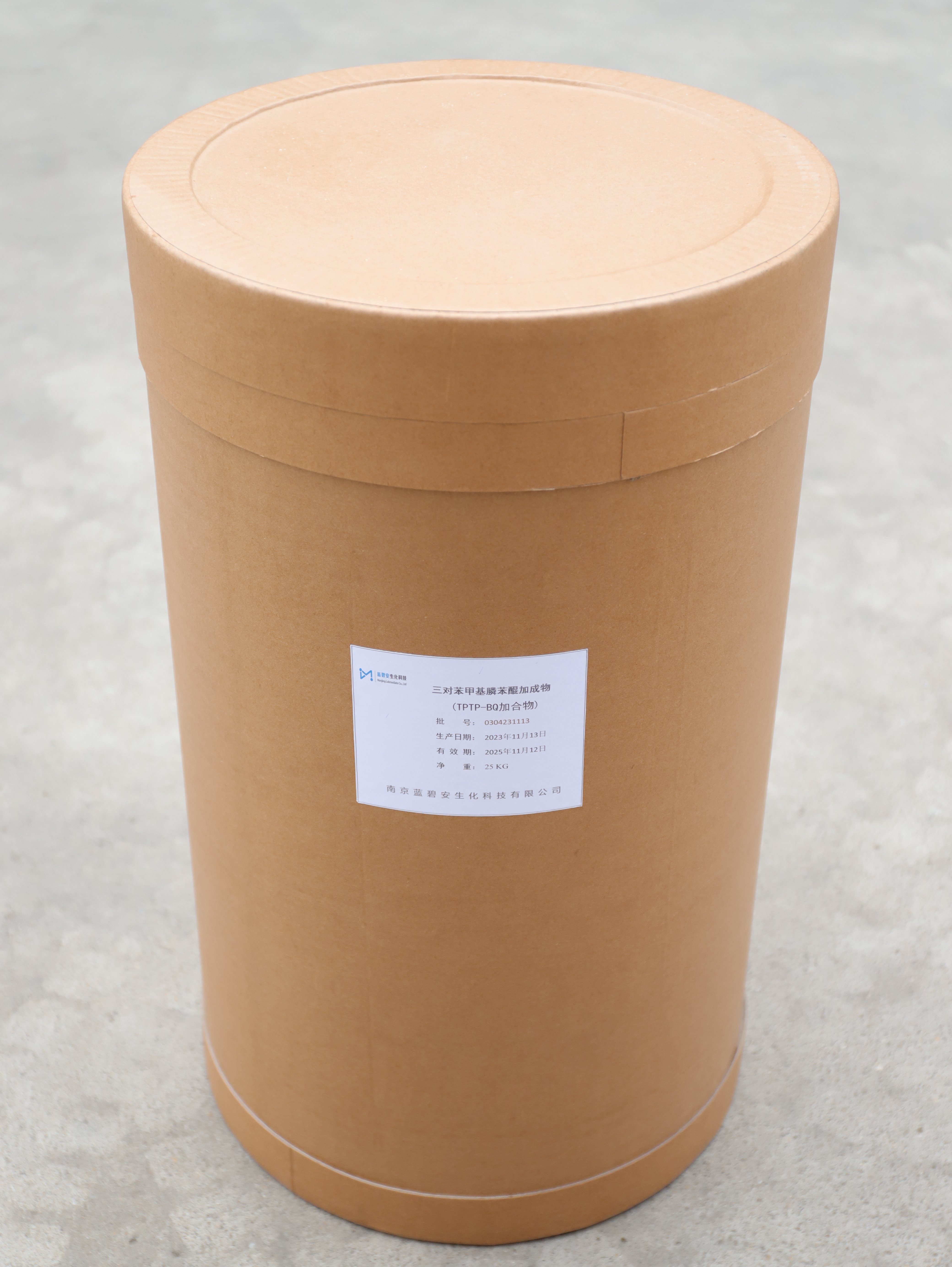
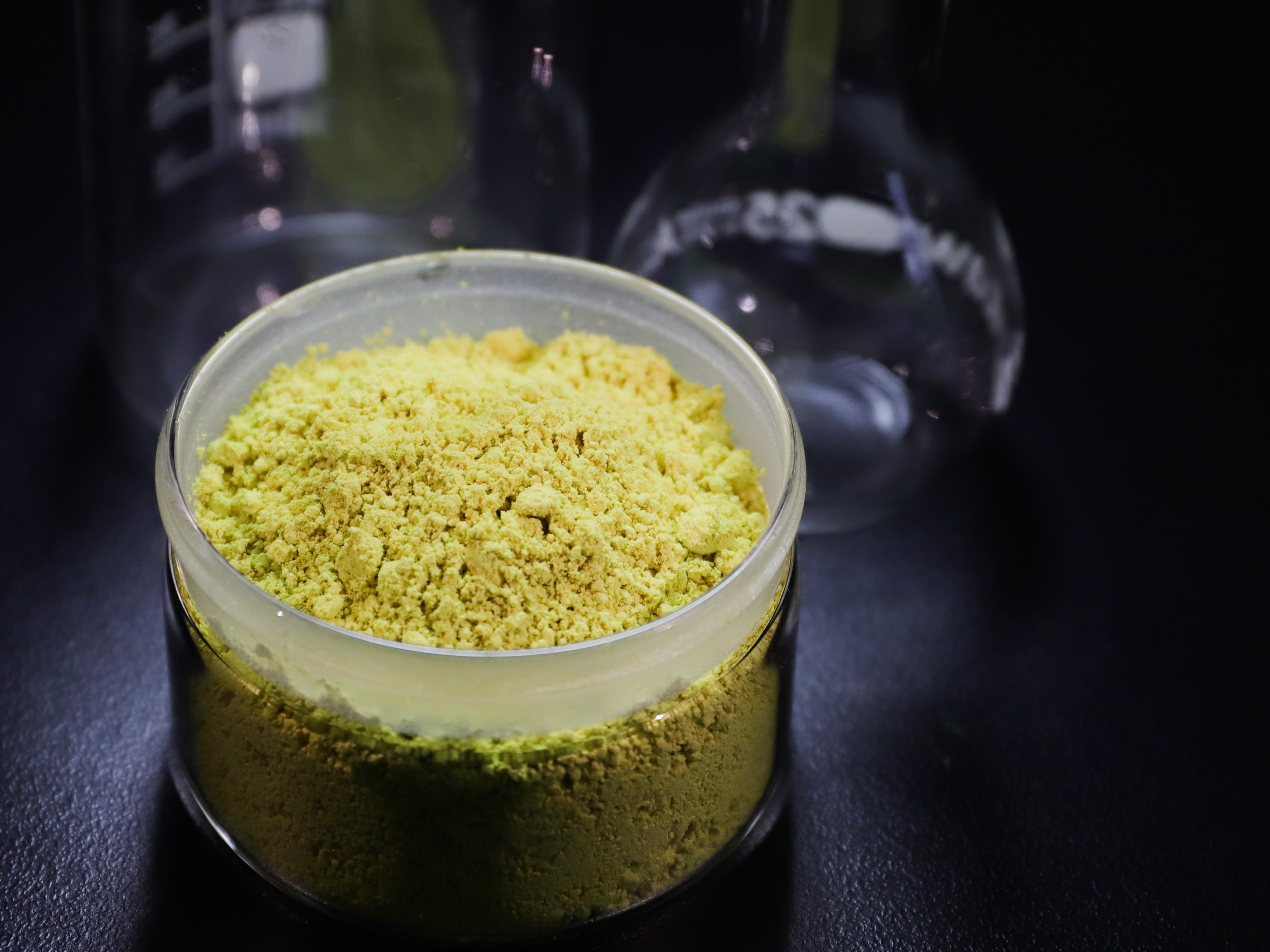
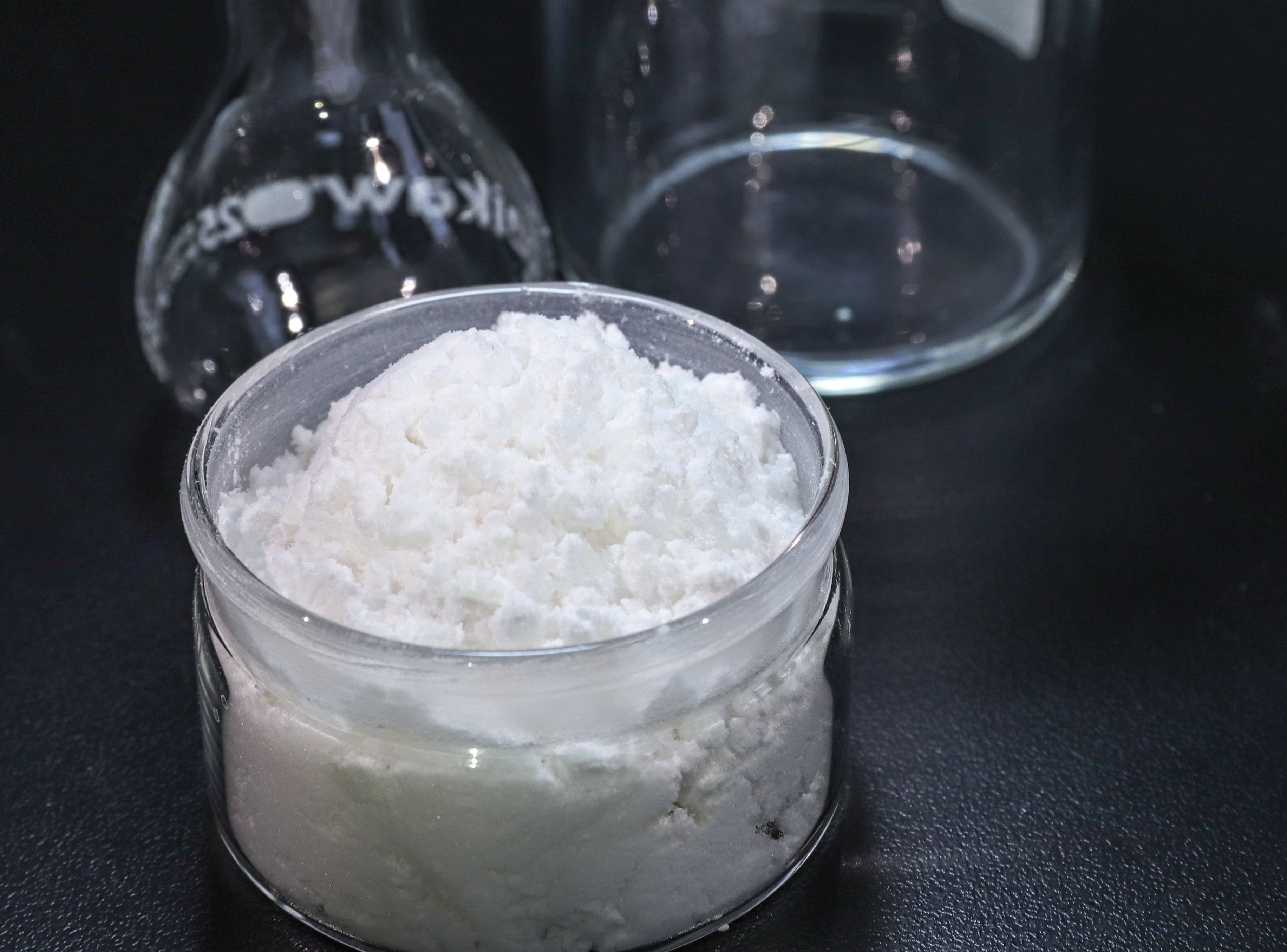
The EMC curing catalyst is a specialized chemical agent designed to accelerate and optimize the curing process of epoxy molding compounds used in semiconductor packaging and electronic component encapsulation. This catalyst plays a critical role in controlling the cross-linking reaction of epoxy resins, ensuring that electronic devices receive robust protection against environmental stresses. The EMC curing catalyst functions by reducing curing temperatures and shortening cycle times while maintaining excellent mechanical properties and thermal stability in the final molded product. Its technological features include precise reactivity control, low volatile content, and compatibility with various epoxy resin systems commonly used in electronics manufacturing. The catalyst enables manufacturers to achieve consistent curing profiles across different production batches, which is essential for maintaining quality standards in high-volume semiconductor assembly operations. Applications of the EMC curing catalyst span across integrated circuit packaging, power module encapsulation, LED component protection, and automotive electronics manufacturing. The catalyst is particularly valued in applications requiring fast processing times without compromising the protective qualities of the cured epoxy compound. By facilitating controlled polymerization reactions, the EMC curing catalyst helps electronics manufacturers achieve optimal balance between production efficiency and product reliability. Its formulation is engineered to minimize defects such as voids, incomplete curing, or excessive shrinkage that could compromise the integrity of encapsulated electronic components.

New Product Recommendations

Choosing the right EMC curing catalyst delivers significant practical benefits that directly impact your manufacturing operations and product quality. First, this catalyst substantially reduces your production cycle times by enabling faster curing at lower temperatures, which translates to increased throughput and energy savings in your facility. You can process more units per shift while consuming less power, directly improving your bottom line and production capacity. The catalyst provides excellent process stability, meaning you will experience fewer rejected parts and less material waste due to curing inconsistencies. This reliability reduces your overall production costs and helps maintain consistent quality standards that your customers expect. The EMC curing catalyst works seamlessly with standard processing equipment, eliminating the need for costly machinery upgrades or extensive process reengineering. You can integrate it into your existing manufacturing workflow with minimal disruption and training requirements. Another key benefit is the superior mechanical properties achieved in cured products, including enhanced adhesion strength, improved moisture resistance, and better thermal cycling performance. These qualities mean your finished electronic components will demonstrate greater durability in demanding applications, reducing warranty claims and building your reputation for quality. The catalyst also offers excellent storage stability and ease of handling, simplifying your inventory management and reducing concerns about material degradation over time. For decision-making purposes, the EMC curing catalyst represents a cost-effective solution that balances initial investment with long-term operational savings. Its versatility across different epoxy formulations provides flexibility in your material sourcing and product development strategies, while its proven performance in high-reliability applications gives you confidence in meeting stringent industry specifications and customer requirements.

Latest News

How Can Selecting the Right Curing Agent for Epoxy Resins Improve Yield?

12

Feb

How Can Selecting the Right Curing Agent for Epoxy Resins Improve Yield?

The selection of an appropriate curing agent for epoxy resins represents one of the most critical decisions in industrial manufacturing processes, directly impacting product quality, processing efficiency, and overall production yield. Industrial man...
View More
How Can CDI Coupling Reagents Be Optimized for Lab-Scale and Industrial Use?

12

Feb

How Can CDI Coupling Reagents Be Optimized for Lab-Scale and Industrial Use?

CDI coupling reagents have revolutionized the way researchers and industrial chemists approach amide bond formation and esterification reactions. These versatile compounds, particularly N,N'-carbonyldiimidazole, offer exceptional efficiency in activa...
View More
How Do Organophosphine Based Catalysts Affect Thermal Stability of EMCs?

05

Mar

How Do Organophosphine Based Catalysts Affect Thermal Stability of EMCs?

Thermal stability represents a critical performance parameter for electronic materials and components (EMCs), particularly in high-temperature industrial applications where reliability cannot be compromised. The integration of organophosphine based c...
View More
How Do Thermally Latent Catalysts Affect Reaction Rate and Thermal Properties?

05

Mar

How Do Thermally Latent Catalysts Affect Reaction Rate and Thermal Properties?

Thermally latent catalysts represent a revolutionary approach to controlling chemical reactions through temperature-dependent activation mechanisms. These specialized compounds remain inactive at room temperature but undergo rapid activation when hea...
View More

Get a Free Quote

Our representative will contact you soon.
Email
Name
Company Name
Message
0/1000

EMC curing catalyst

Accelerated Curing Performance

Accelerated Curing Performance

The EMC curing catalyst delivers exceptional acceleration of the curing process, enabling manufacturers to achieve full cross-linking of epoxy molding compounds in significantly reduced timeframes compared to conventional curing systems. This accelerated performance is achieved through a precisely engineered catalytic mechanism that initiates and propagates the polymerization reaction at optimal rates, even at moderately reduced temperatures. The benefit of this faster curing extends beyond simple time savings, as it allows production facilities to increase equipment utilization rates and improve overall manufacturing efficiency. Companies using the EMC curing catalyst can often reduce curing cycle times by thirty to fifty percent while maintaining or even enhancing the mechanical and thermal properties of the final encapsulated product. This acceleration does not compromise the quality of the cure, as the catalyst promotes uniform cross-linking throughout the epoxy matrix, eliminating issues with partially cured regions that could create weak points in the protective encapsulation. The controlled reaction kinetics prevent exothermic spikes that might damage sensitive electronic components during the molding process.
Enhanced Product Reliability

Enhanced Product Reliability

One of the most compelling advantages of the EMC curing catalyst is its contribution to enhanced reliability and longevity of encapsulated electronic components. The catalyst promotes a highly uniform curing profile that results in consistent material properties throughout the molded package, eliminating localized variations that could lead to premature failure under stress conditions. Products cured with this catalyst demonstrate superior resistance to thermal cycling, moisture ingress, and mechanical shock, which are critical performance factors in automotive, industrial, and consumer electronics applications. The complete and uniform cross-linking achieved through the EMC curing catalyst creates a dense polymer network with minimal internal stress and excellent adhesion to lead frames, substrates, and die surfaces. This strong interfacial bonding prevents delamination issues that plague poorly cured assemblies, particularly during thermal excursions or exposure to humid environments. Electronics manufacturers benefit from reduced field failure rates and warranty costs when using this catalyst system, as the improved material properties translate directly to longer service life in end-use applications. The catalyst also minimizes outgassing and residual volatiles in the cured product, which is essential for maintaining the integrity of sensitive semiconductor devices.
Processing Flexibility and Compatibility

Processing Flexibility and Compatibility

The EMC curing catalyst offers remarkable processing flexibility and broad compatibility with diverse epoxy resin systems, making it an ideal choice for manufacturers working with multiple product lines or developing new encapsulation formulations. This catalyst functions effectively across a wide temperature range, allowing processors to optimize curing conditions based on specific equipment capabilities, component sensitivities, and production requirements. Whether your operation uses transfer molding, compression molding, or injection molding techniques, the EMC curing catalyst adapts to your process parameters while delivering consistent results. Its compatibility with various epoxy hardeners, fillers, and additives provides formulation chemists with creative freedom to develop custom compounds tailored to specific application needs without catalyst incompatibility concerns. The catalyst maintains stable activity during compound storage and exhibits predictable behavior during processing, reducing the need for frequent process adjustments or quality interventions. This stability and versatility simplify production planning and reduce the complexity of managing multiple catalyst systems for different products. Manufacturers appreciate the straightforward integration of the EMC curing catalyst into existing formulations, often requiring only minor adjustments to achieve optimal performance, thereby minimizing development time and accelerating time-to-market for new products.

Get a Free Quote

Our representative will contact you soon.
Email
Name
Company Name
Message
0/1000