Storage Stable Phosphine Adduct Solutions

All Categories

storage stable phosphine adduct

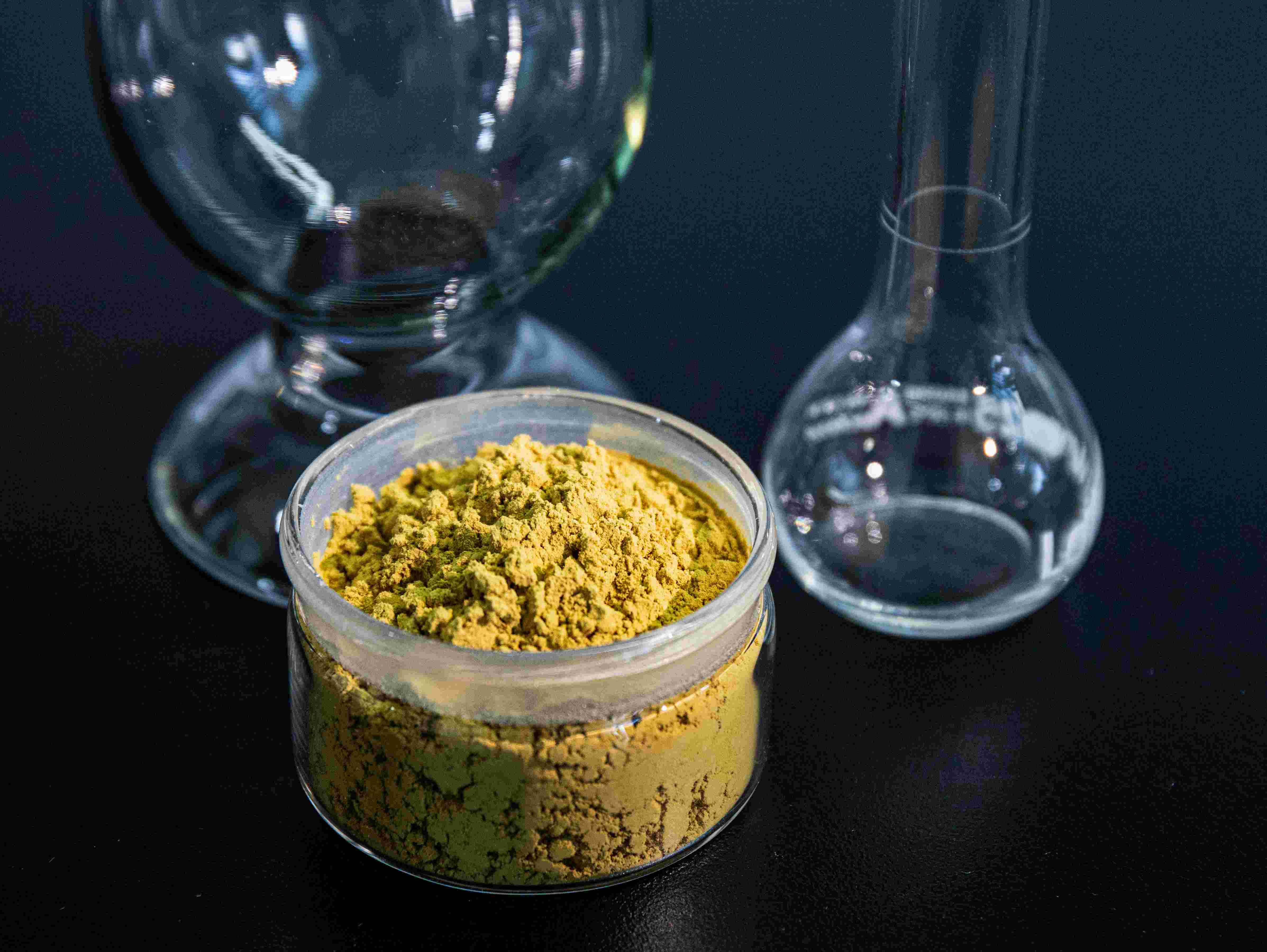
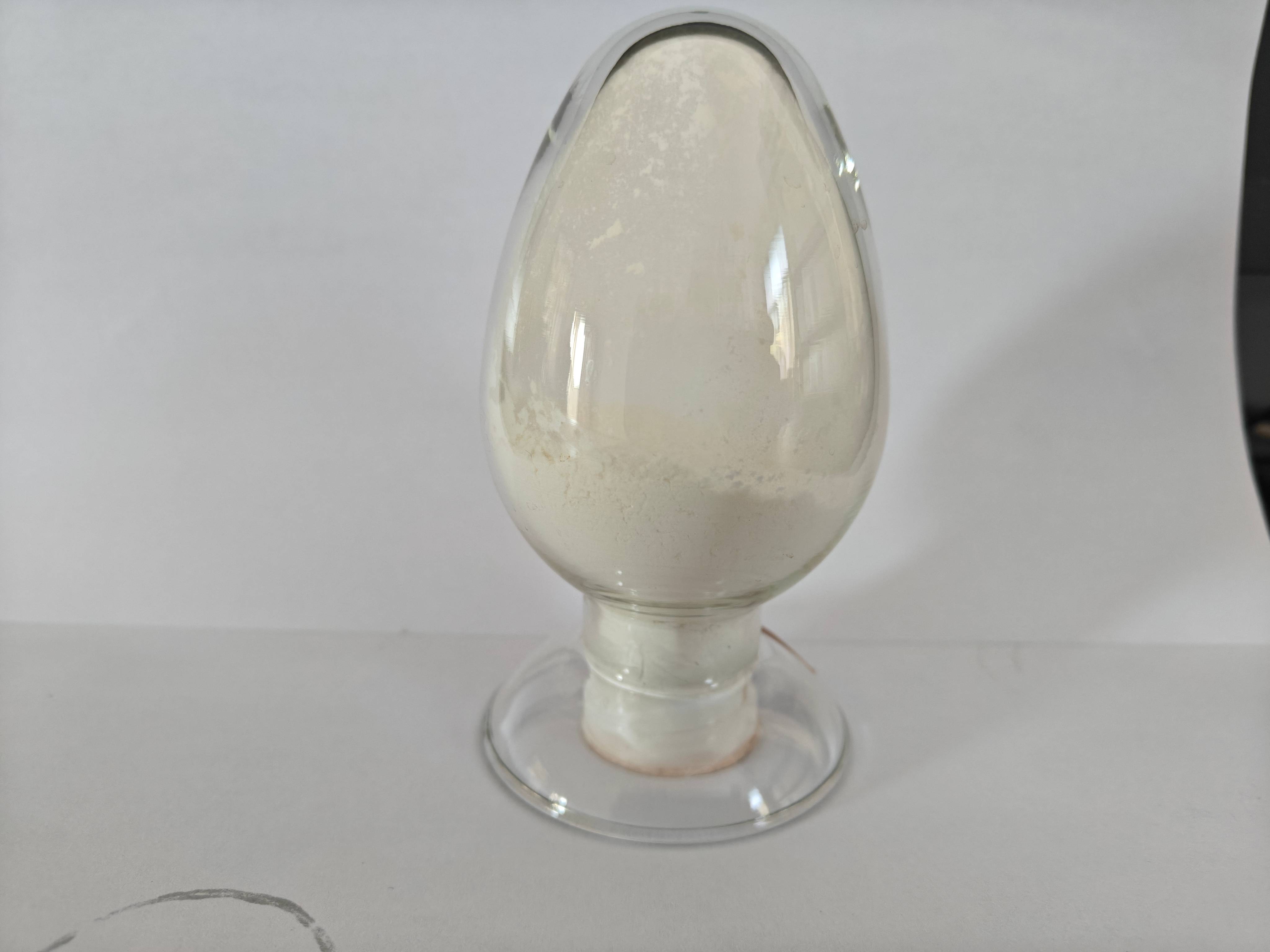
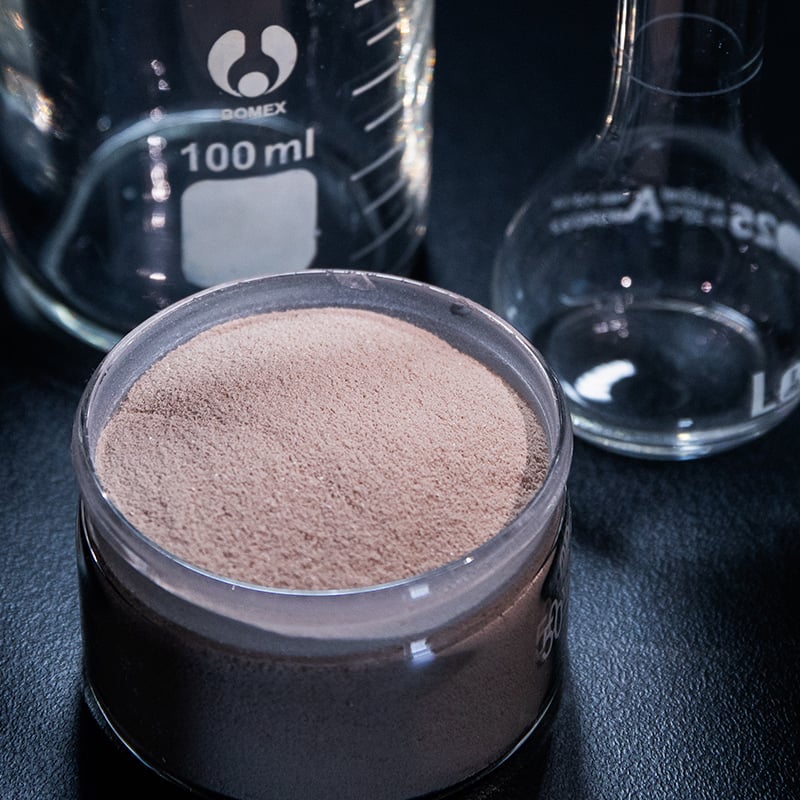
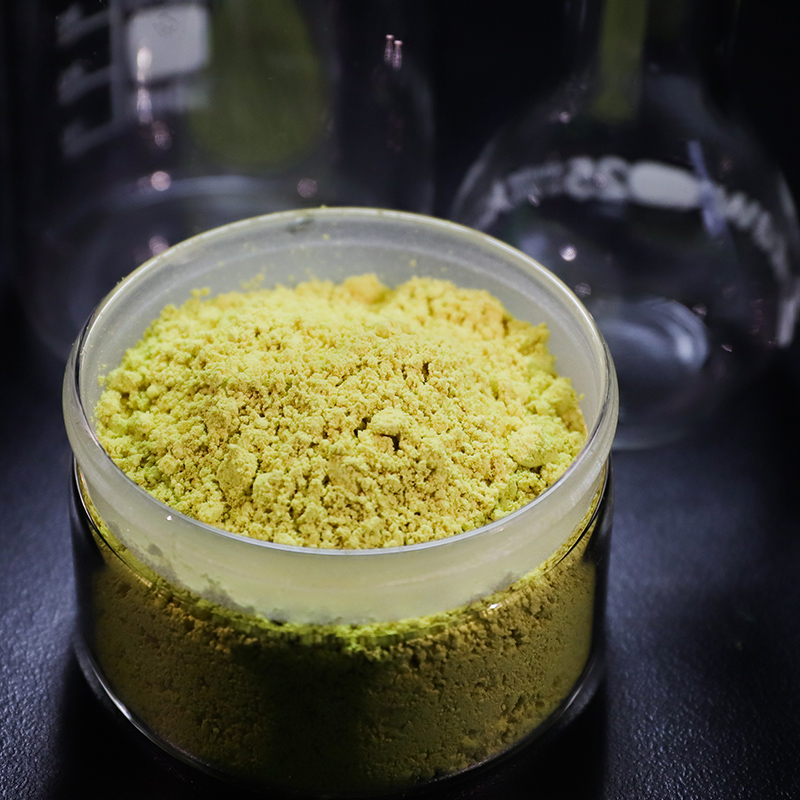
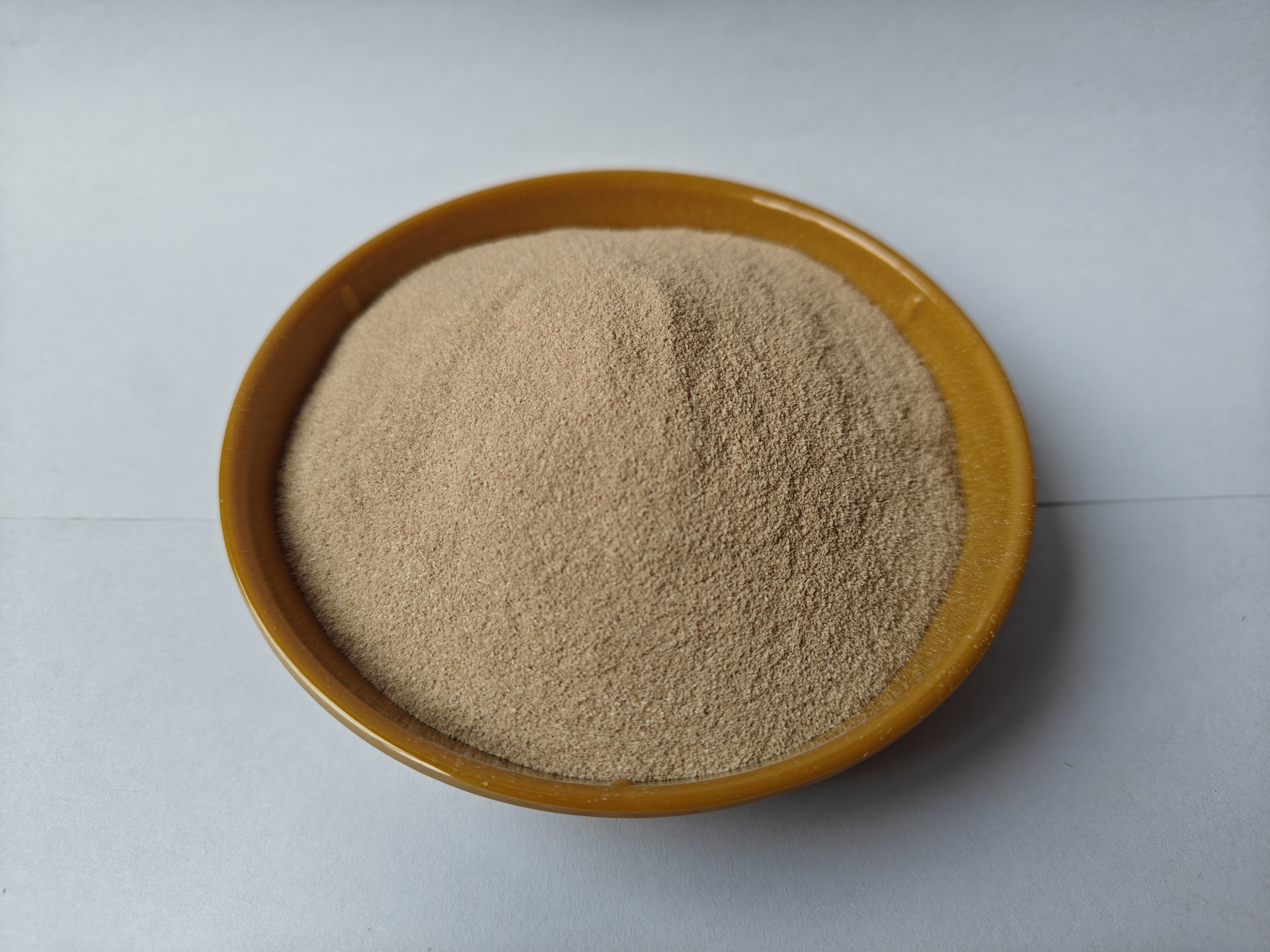
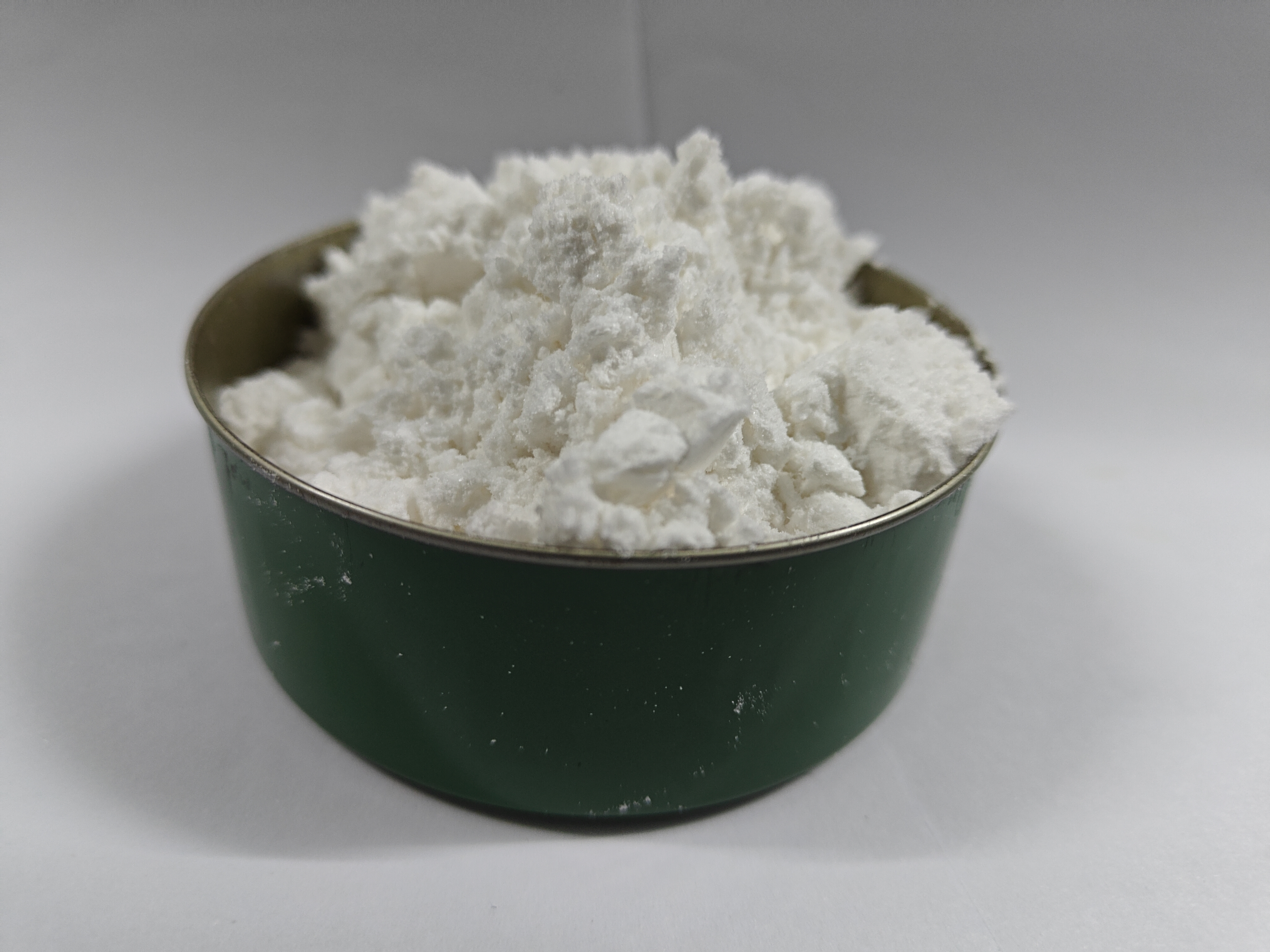
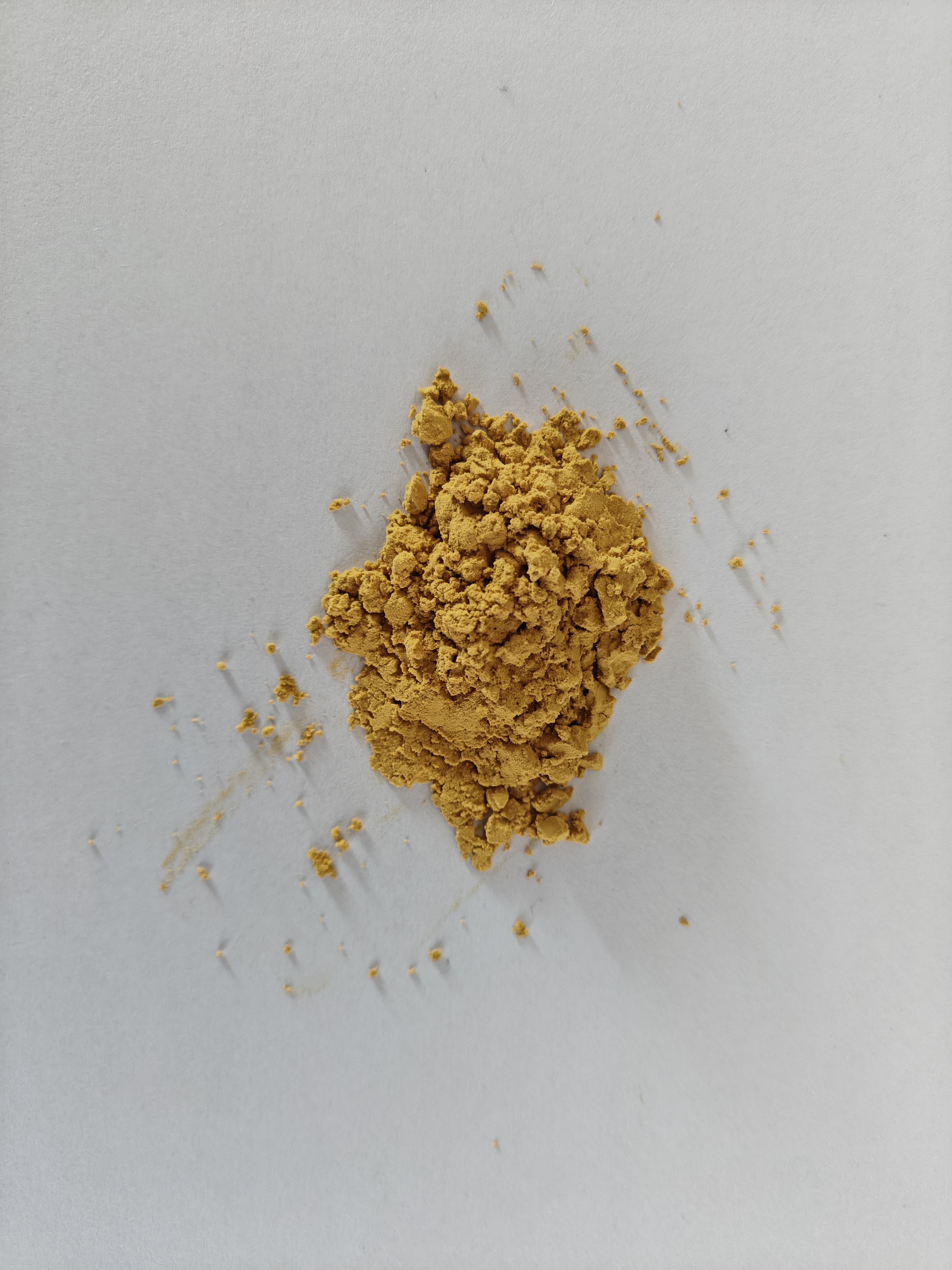
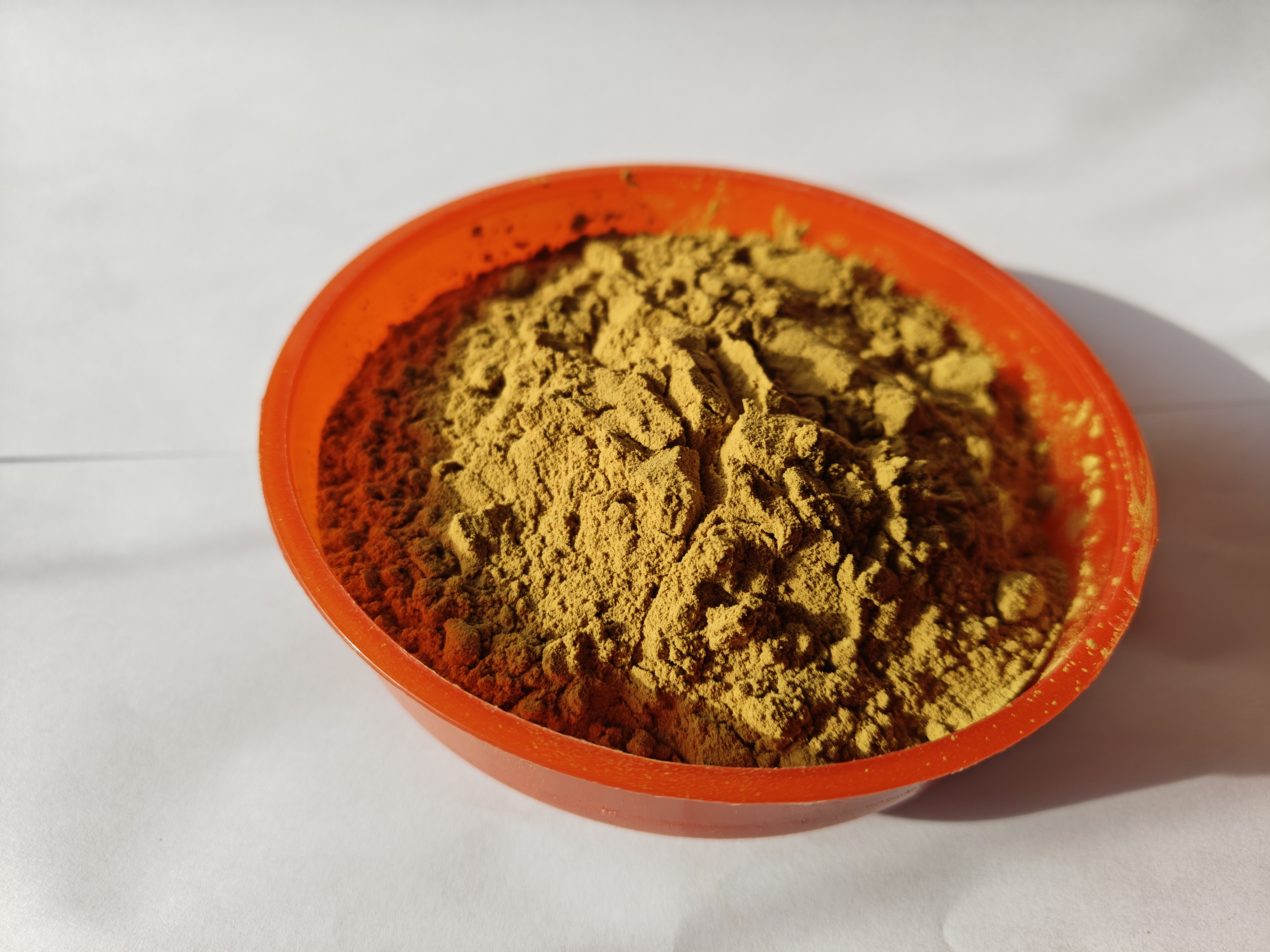
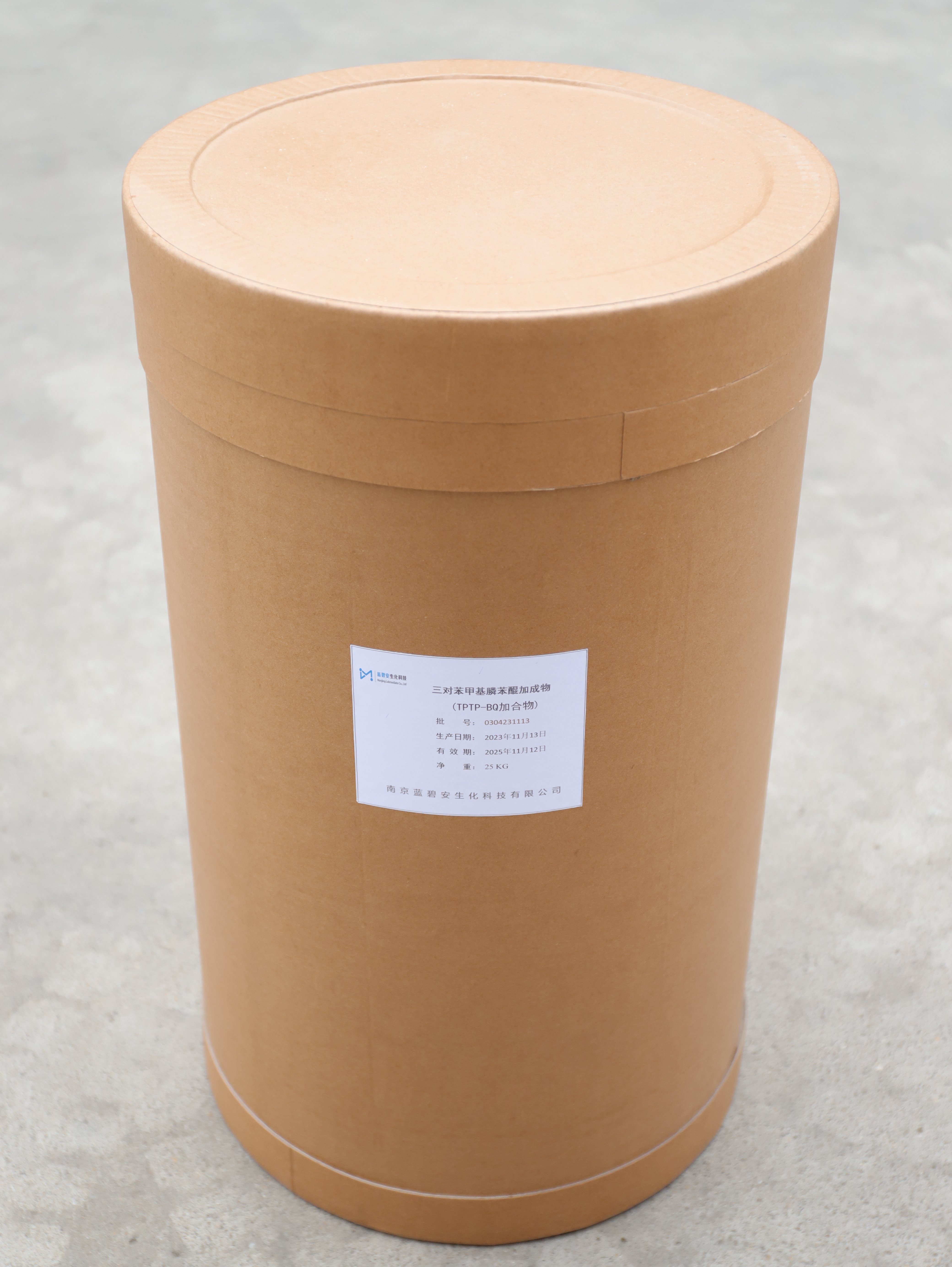
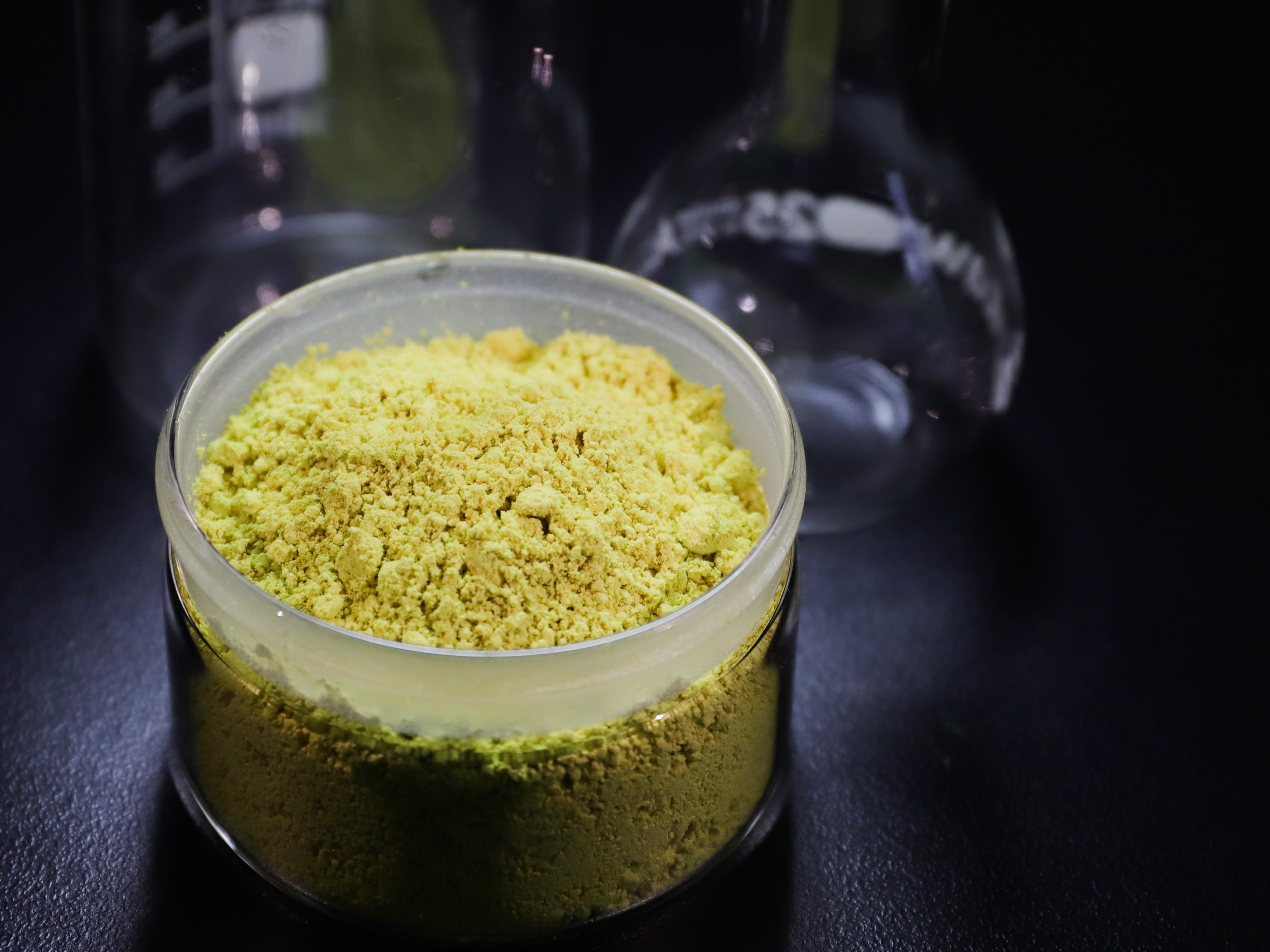
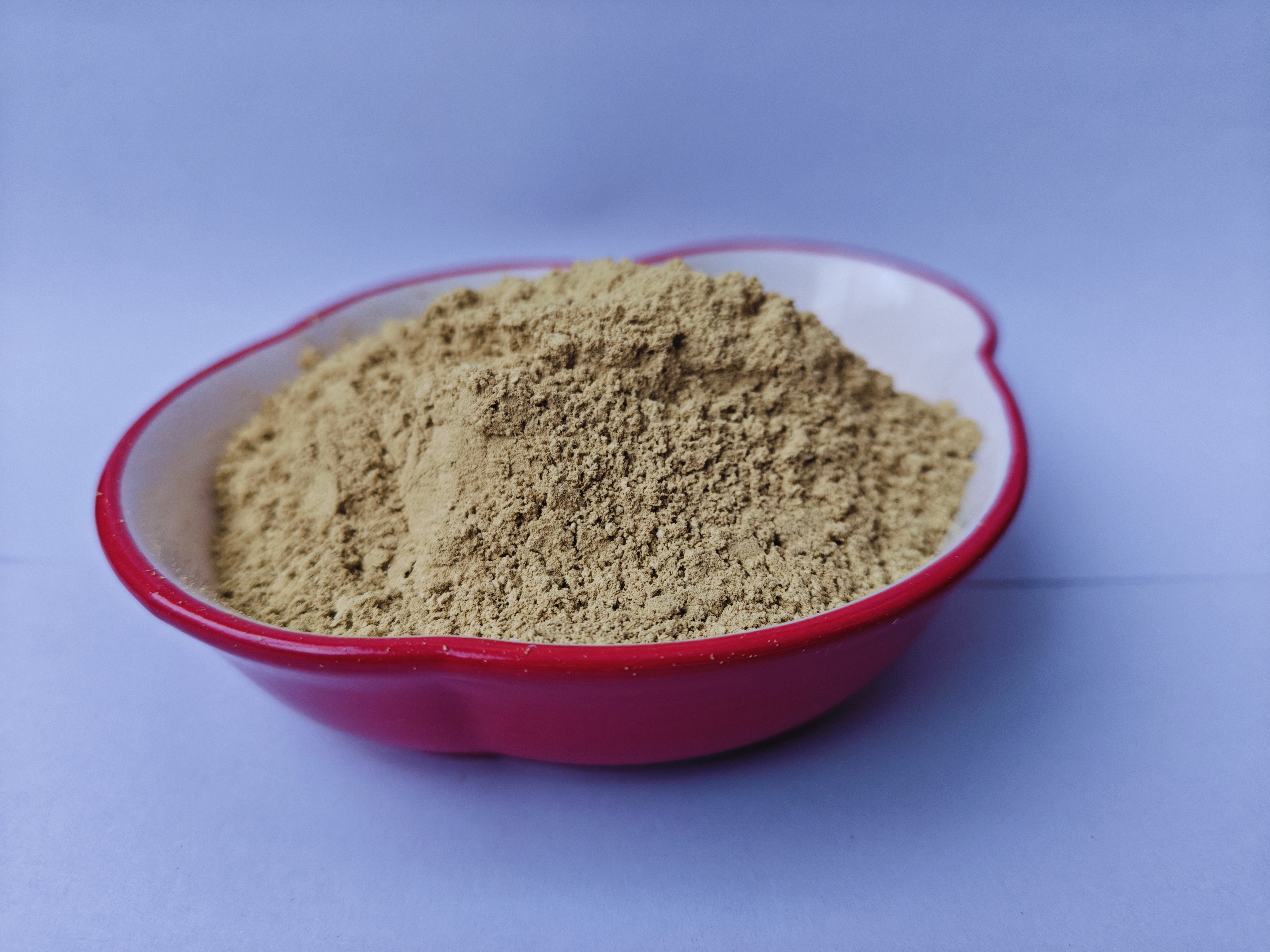
A storage stable phosphine adduct represents an innovative chemical solution designed to overcome the inherent challenges associated with traditional phosphine compounds. Phosphines are highly valuable ligands and reagents in various chemical processes, particularly in catalysis and organic synthesis. However, their extreme air sensitivity, toxicity, and tendency to oxidize have historically limited their practical application and transportation. The storage stable phosphine adduct addresses these critical limitations by forming a protective complex that shields the reactive phosphine from environmental degradation. This adduct is created through careful chemical bonding between the phosphine and a carrier molecule, resulting in a stable compound that can be handled safely under normal atmospheric conditions. The main function of this product is to provide convenient access to reactive phosphines without the safety hazards and storage complications of pure phosphines. Technologically, the storage stable phosphine adduct features reversible binding characteristics, allowing the phosphine to be released under specific reaction conditions while remaining protected during storage and handling. This innovation finds widespread applications across pharmaceutical manufacturing, fine chemical synthesis, polymer production, and advanced materials development. Industries requiring precise catalytic processes particularly benefit from this technology, as it enables reproducible results without the complexity of handling pyrophoric materials. The storage stable phosphine adduct has become an essential tool for research laboratories and industrial facilities seeking to implement phosphine chemistry safely and efficiently.

Popular Products

The storage stable phosphine adduct delivers significant practical benefits that directly impact operational efficiency and workplace safety. Unlike conventional phosphine compounds that require specialized inert atmosphere handling and refrigerated storage, this adduct can be stored at room temperature in standard chemical storage facilities, dramatically reducing infrastructure costs and simplifying inventory management. This stability translates to extended shelf life, often measured in years rather than months, minimizing waste from degraded materials and improving procurement planning. For purchasing managers and laboratory directors, the financial advantage is clear: reduced storage costs, lower insurance premiums due to decreased hazard classification, and elimination of expensive inert gas systems. Operationally, chemists and technicians appreciate the ease of weighing and transferring the storage stable phosphine adduct in air without specialized gloveboxes, accelerating experimental workflows and reducing setup time by up to seventy percent compared to traditional phosphines. The product's consistent quality ensures reproducible reaction outcomes, critical for scaling processes from research to production. Application suitability spans diverse sectors including pharmaceutical development where precise catalytic reactions are essential, agrochemical manufacturing requiring reliable ligand performance, and electronics materials production demanding ultra-pure results. The storage stable phosphine adduct particularly excels in cross-coupling reactions, hydrogenation processes, and metal complex formation. Decision-makers evaluating this technology should consider the total cost of ownership: while the unit price may be higher than pure phosphines, the elimination of special handling equipment, reduced training requirements, simplified regulatory compliance, and decreased material waste typically result in overall cost savings of twenty to forty percent. Additionally, improved workplace safety reduces liability exposure and enhances corporate sustainability profiles, increasingly important factors in vendor selection and regulatory audits.

Latest News

Why Are Organophosphine Based Catalysts Essential for Semiconductor Packaging?

12

Dec

Why Are Organophosphine Based Catalysts Essential for Semiconductor Packaging?

The semiconductor industry relies on precise chemical processes that demand exceptional purity and reliability. Among the various catalyst systems employed in semiconductor packaging applications, organophosphine based catalysts have emerged as indis...
View More
How do procurement teams compare CDI coupling reagent suppliers

07

Jan

How do procurement teams compare CDI coupling reagent suppliers

Procurement teams in pharmaceutical and biotechnology companies face a complex decision when selecting suppliers for specialized chemical reagents. The evaluation of cdi coupling reagent suppliers requires a comprehensive understanding of product spe...
View More
How Do Curing Agents Influence Thermal and Mechanical Properties in Epoxy Resins?

12

Feb

How Do Curing Agents Influence Thermal and Mechanical Properties in Epoxy Resins?

Epoxy resins have become indispensable materials across aerospace, automotive, electronics, and construction industries due to their exceptional adhesive properties, chemical resistance, and mechanical strength. However, the performance characteristi...
View More
How Do Organophosphine Based Catalysts Affect Thermal Stability of EMCs?

05

Mar

How Do Organophosphine Based Catalysts Affect Thermal Stability of EMCs?

Thermal stability represents a critical performance parameter for electronic materials and components (EMCs), particularly in high-temperature industrial applications where reliability cannot be compromised. The integration of organophosphine based c...
View More

Get a Free Quote

Our representative will contact you soon.
Email
Name
Company Name
Message
0/1000

storage stable phosphine adduct

Enhanced Safety Profile for Everyday Handling

Enhanced Safety Profile for Everyday Handling

The storage stable phosphine adduct fundamentally transforms laboratory and industrial safety by eliminating the pyrophoric nature of traditional phosphines. Standard phosphine compounds ignite spontaneously upon air exposure and release toxic gases, requiring expensive safety infrastructure including inert atmosphere gloveboxes, gas detection systems, and specialized ventilation. This adduct technology encapsulates the reactive phosphine within a stable matrix that prevents oxidation and accidental ignition under normal handling conditions. Workers can weigh, transfer, and charge reactors using standard laboratory techniques without specialized protective equipment beyond basic chemical safety protocols. This safety enhancement is particularly valuable for organizations with multiple sites or limited specialized facilities, enabling broader deployment of phosphine chemistry without capital investment in safety infrastructure. The reduced hazard classification also simplifies shipping logistics, as the storage stable phosphine adduct typically qualifies for less restrictive transportation categories, lowering freight costs and expanding supplier options. For companies prioritizing employee wellbeing and regulatory compliance, this safety advantage represents a transformative improvement that protects personnel while maintaining full chemical functionality.
Superior Storage Stability and Extended Shelf Life

Superior Storage Stability and Extended Shelf Life

One of the most compelling features of the storage stable phosphine adduct is its remarkable resistance to degradation over extended periods. Traditional phosphine ligands deteriorate rapidly when exposed to trace oxygen or moisture, often becoming unusable within weeks even under carefully controlled conditions. This instability forces organizations to purchase small quantities frequently, increasing procurement costs and creating supply chain vulnerabilities. The storage stable phosphine adduct maintains its chemical integrity for multiple years when stored under normal warehouse conditions, eliminating the cycle of degradation and replacement. This extended stability provides strategic inventory advantages, enabling bulk purchasing at favorable terms and ensuring material availability for long-term projects without quality concerns. Analytical testing confirms that properly stored adducts retain full reactivity and selectivity characteristics even after prolonged storage, giving quality assurance teams confidence in material performance. Pharmaceutical companies conducting multi-year drug development programs particularly value this consistency, as it eliminates variables related to reagent quality changes that could complicate regulatory filings. The economic impact extends beyond direct material costs to include reduced waste disposal expenses, fewer emergency orders at premium pricing, and improved production planning accuracy.
Versatile Application Across Catalytic Processes

Versatile Application Across Catalytic Processes

The storage stable phosphine adduct demonstrates exceptional versatility across diverse catalytic applications while delivering performance equivalent to freshly prepared phosphine ligands. In palladium-catalyzed cross-coupling reactions, including Suzuki, Heck, and Buchwald-Hartwig transformations, the adduct releases active phosphine precisely when needed, achieving identical yields and selectivities to traditional methods. Hydrogenation processes benefit from the controlled phosphine delivery, which prevents catalyst poisoning and extends catalyst lifetime. The technology adapts seamlessly to both batch and continuous manufacturing environments, with the adduct remaining stable in feed tanks and automated dispensing systems that would rapidly degrade conventional phosphines. Research chemists exploring new catalytic methodologies appreciate the convenience of screening multiple phosphine structures without managing numerous air-sensitive compounds, accelerating discovery timelines. Scale-up engineers value the predictable performance transition from laboratory to pilot to production scales, as the storage stable phosphine adduct eliminates handling variables that often complicate process transfers. Industries ranging from specialty pharmaceuticals to advanced polymer manufacturing have successfully integrated this technology, demonstrating its broad applicability and reliability across temperature ranges, solvent systems, and reaction types.

Get a Free Quote

Our representative will contact you soon.
Email
Name
Company Name
Message
0/1000