PCB Solder Mask Epoxy Hardener Solutions

All Categories

pcb solder mask epoxy hardener

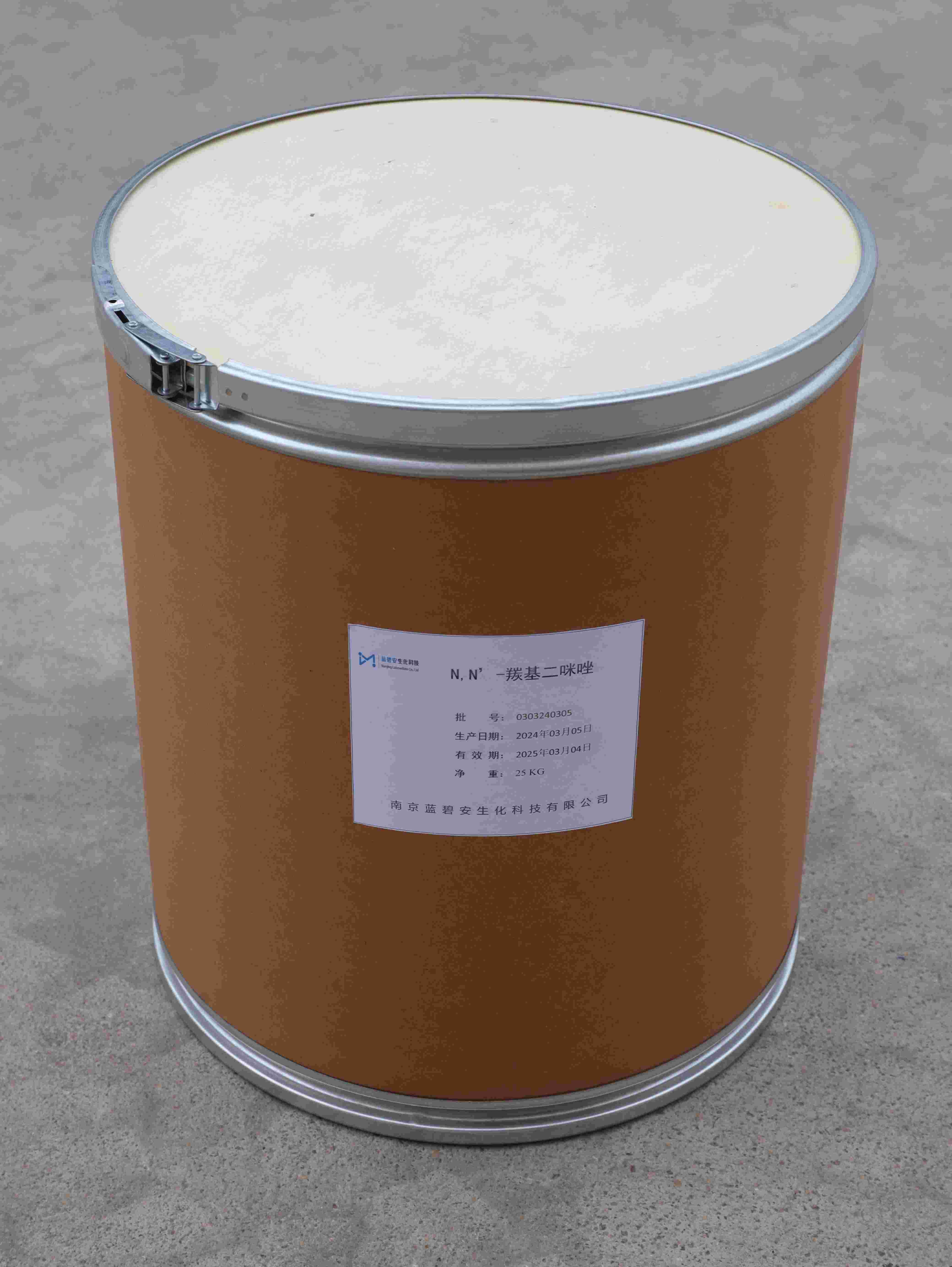
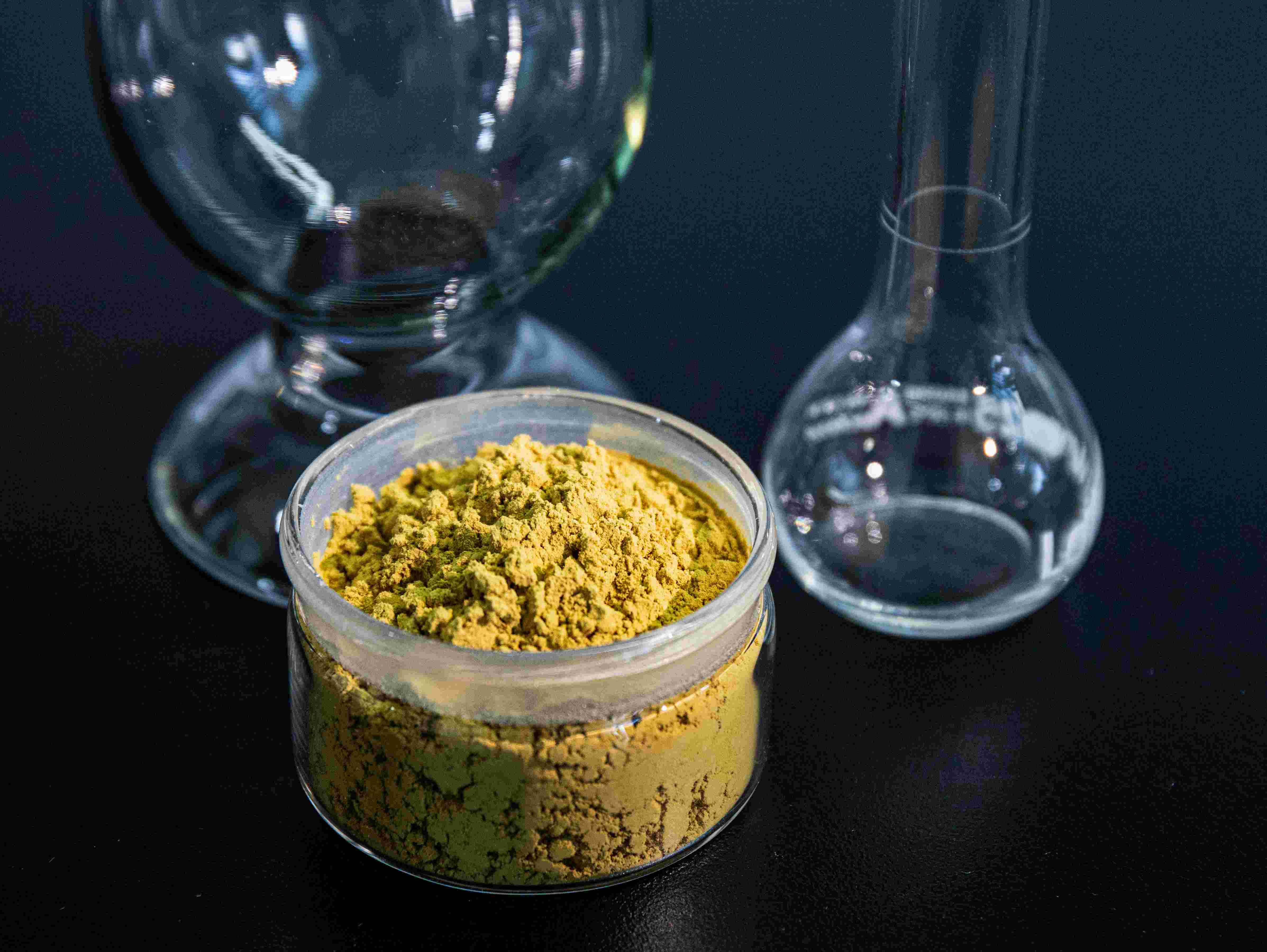
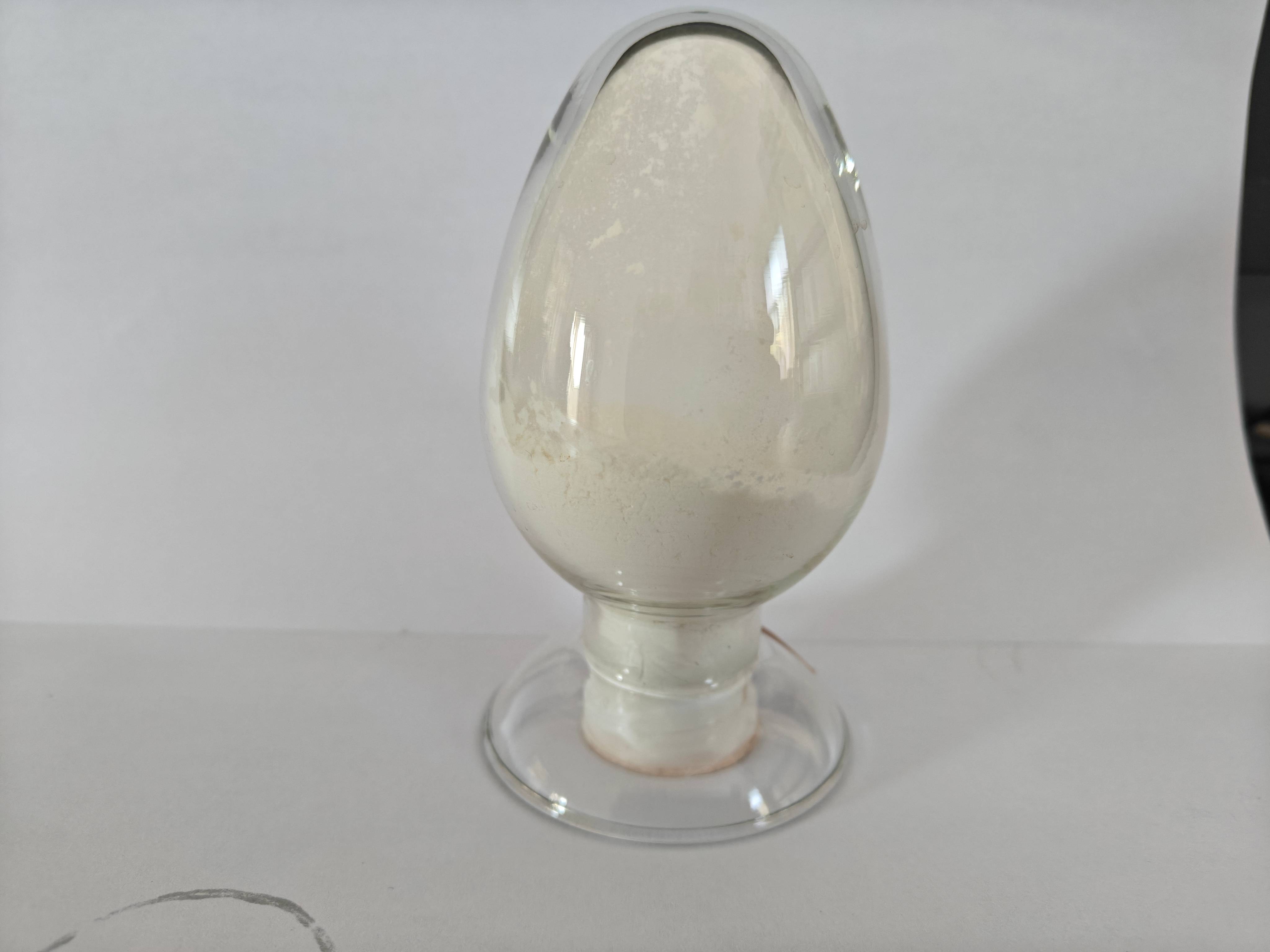
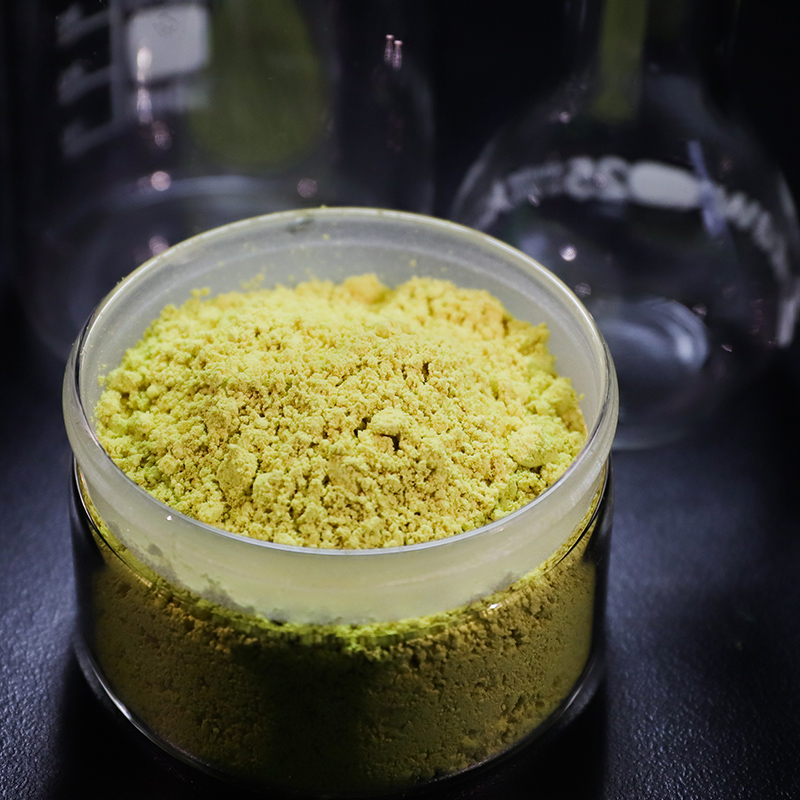
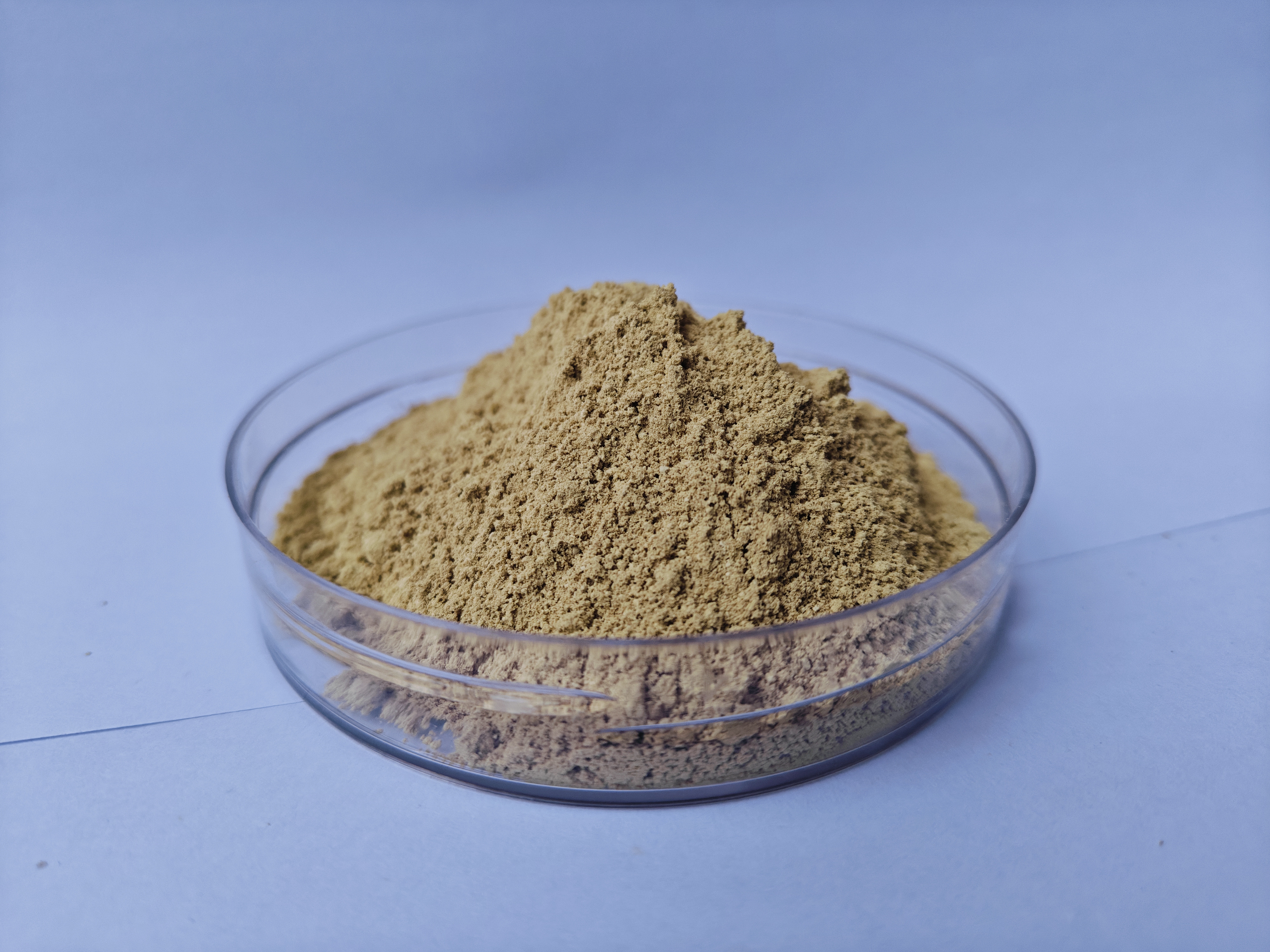
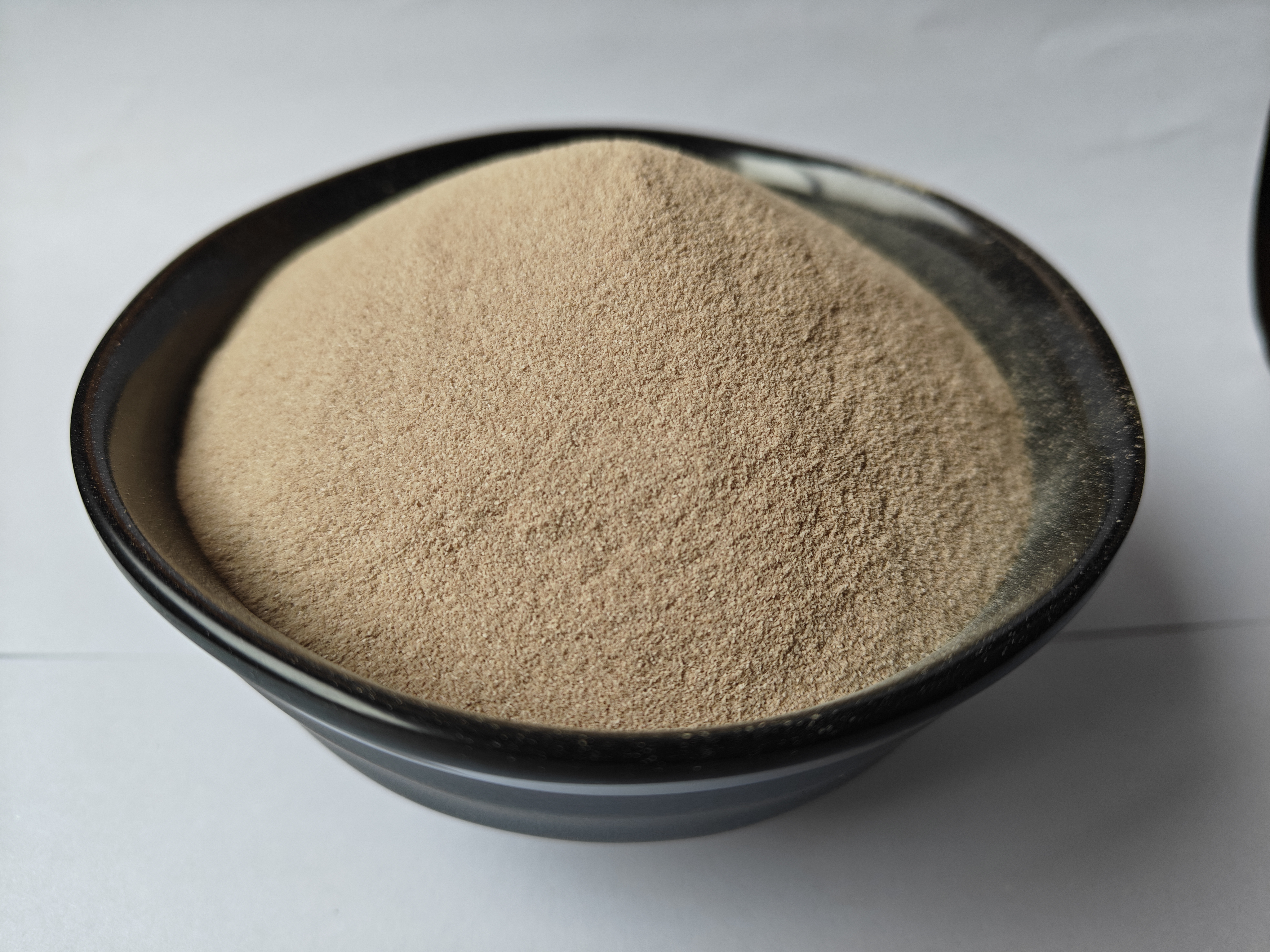
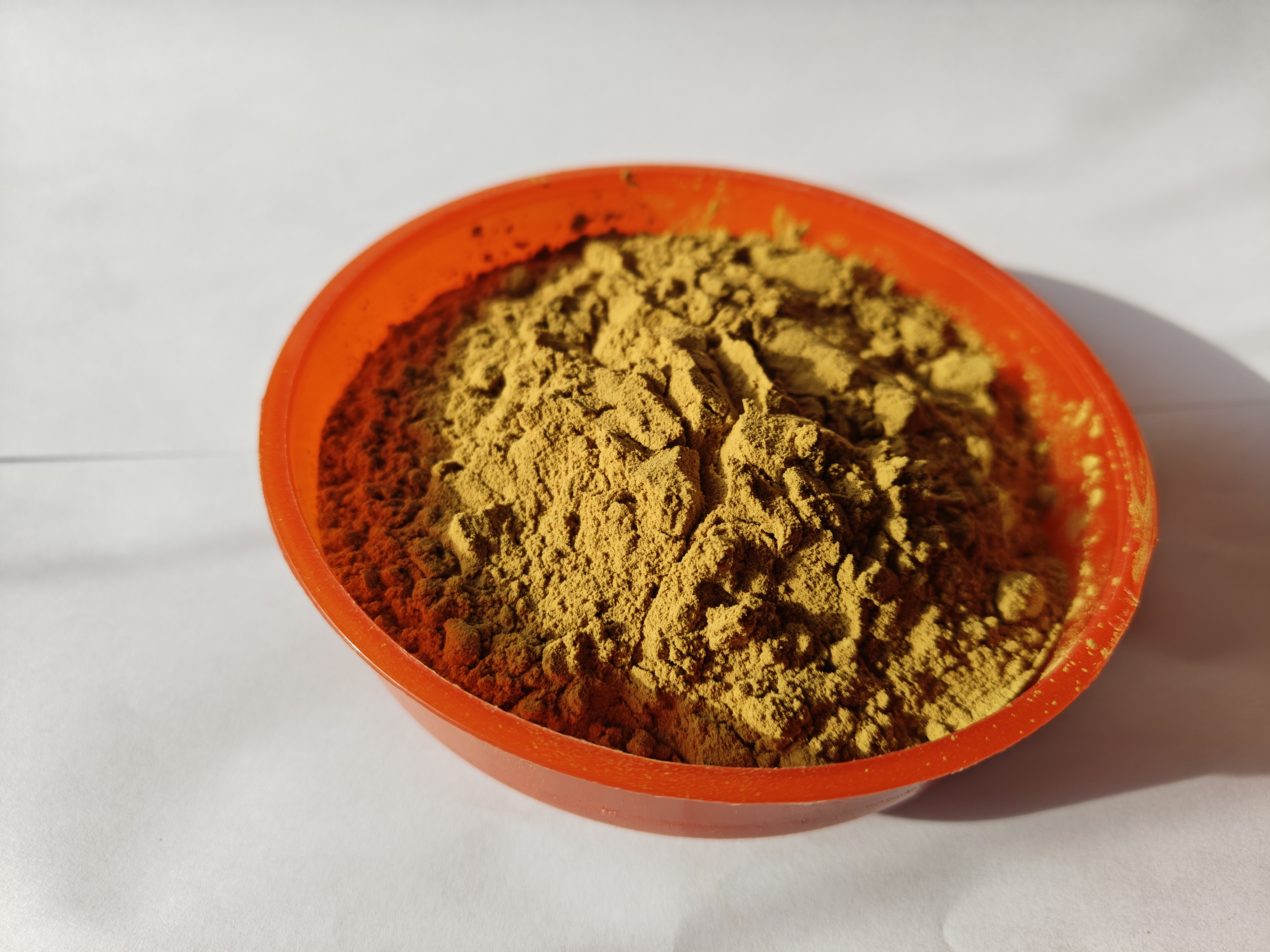
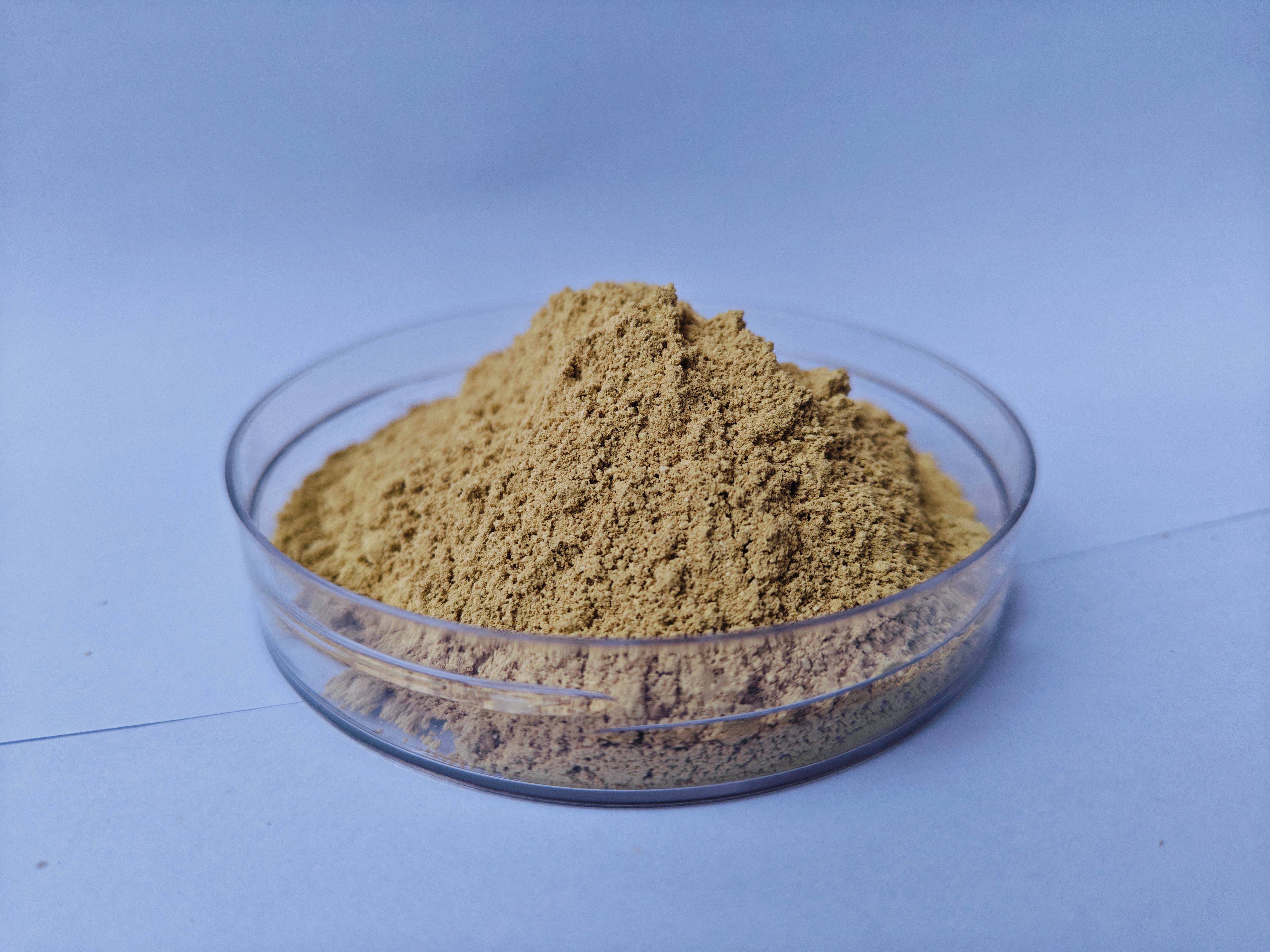
A pcb solder mask epoxy hardener is a critical chemical component used in the printed circuit board manufacturing process to cure and solidify solder mask coatings. This specialized hardener works by initiating a cross-linking reaction with epoxy resins, transforming liquid solder mask materials into durable, protective layers that shield circuit traces from environmental damage and electrical shorts. The pcb solder mask epoxy hardener plays an essential role in determining the final properties of the solder mask, including adhesion strength, chemical resistance, and thermal stability. Modern formulations are engineered to provide precise curing characteristics, ensuring consistent results across various production conditions. These hardeners are typically mixed with base resins at specific ratios to achieve optimal performance, enabling manufacturers to create reliable protective coatings that meet industry standards. The curing process activated by the pcb solder mask epoxy hardener occurs through thermal or UV exposure, depending on the formulation type. This component is indispensable in electronics manufacturing, where circuit boards require robust protection against moisture, chemicals, and mechanical stress. Quality hardeners ensure proper ink flow during application, excellent surface finish after curing, and long-term reliability of the finished boards. As electronics continue to evolve toward miniaturization and higher performance requirements, the pcb solder mask epoxy hardener must deliver enhanced properties to support advanced manufacturing techniques and demanding operational environments.

New Products

Choosing the right pcb solder mask epoxy hardener brings multiple practical benefits that directly impact your production efficiency and product quality. First, these hardeners enable faster production cycles through optimized curing times, allowing manufacturers to process more boards within shorter timeframes without compromising quality. This acceleration translates into reduced labor costs and increased throughput, making your operations more profitable. Second, the pcb solder mask epoxy hardener ensures superior adhesion between the protective coating and copper traces, preventing delamination during thermal cycling and extended use. This reliability reduces warranty claims and enhances customer satisfaction with your finished products. Third, quality hardeners provide excellent chemical resistance, protecting circuit boards from harsh cleaning agents, flux residues, and environmental contaminants encountered during assembly and field operation. Fourth, these formulations offer precise control over viscosity and flow properties, ensuring uniform coating thickness across complex board geometries and tight spaces between components. This consistency eliminates defects like pinholes or uneven coverage that could compromise electrical insulation. Fifth, modern hardeners support environmental compliance by reducing volatile organic compound emissions and meeting international safety standards, helping your business maintain regulatory approval and corporate sustainability goals. Sixth, the pcb solder mask epoxy hardener delivers exceptional thermal stability, maintaining protective properties across wide temperature ranges from manufacturing reflow processes to end-use applications. Finally, these hardeners are compatible with automated dispensing equipment, simplifying integration into existing production lines and reducing training requirements for operators while maintaining batch-to-batch consistency.

Practical Tips

How Do Organophosphine Based Catalysts Enhance EMC Curing Performance?

12

Dec

How Do Organophosphine Based Catalysts Enhance EMC Curing Performance?

The electronics manufacturing industry has witnessed remarkable advancements in encapsulation materials, particularly in the realm of epoxy molding compounds (EMC). As semiconductor devices become increasingly sophisticated and miniaturized, the dema...
View More
How Can Thermally Latent Catalysts Optimize Curing Control in Semiconductor Packaging?

12

Dec

How Can Thermally Latent Catalysts Optimize Curing Control in Semiconductor Packaging?

The semiconductor packaging industry faces increasingly complex challenges as device miniaturization demands precise material control and processing conditions. Among the critical technologies enabling advanced packaging solutions, thermally latent c...
View More
How Do Organophosphine Based Catalysts Affect Thermal Stability of EMCs?

05

Mar

How Do Organophosphine Based Catalysts Affect Thermal Stability of EMCs?

Thermal stability represents a critical performance parameter for electronic materials and components (EMCs), particularly in high-temperature industrial applications where reliability cannot be compromised. The integration of organophosphine based c...
View More
How Do Thermally Latent Catalysts Affect Reaction Rate and Thermal Properties?

05

Mar

How Do Thermally Latent Catalysts Affect Reaction Rate and Thermal Properties?

Thermally latent catalysts represent a revolutionary approach to controlling chemical reactions through temperature-dependent activation mechanisms. These specialized compounds remain inactive at room temperature but undergo rapid activation when hea...
View More

Get a Free Quote

Our representative will contact you soon.
Email
Name
Company Name
Message
0/1000

pcb solder mask epoxy hardener

Enhanced Curing Performance and Process Control

Enhanced Curing Performance and Process Control

The pcb solder mask epoxy hardener delivers exceptional curing performance that gives manufacturers precise control over production timelines and quality outcomes. This advanced formulation activates reliably at specified temperatures or UV exposure levels, ensuring predictable results regardless of ambient conditions or batch variations. The controlled curing mechanism prevents premature gelation during mixing and application stages while enabling rapid solidification once the curing process begins. This balance is crucial for maintaining production schedules and achieving consistent coating properties across thousands of boards. The hardener's reactivity profile has been optimized to provide adequate working time for screen printing or spray application, followed by efficient cross-linking that fully develops the solder mask's protective characteristics. Manufacturers benefit from reduced energy consumption due to lower curing temperatures or shorter exposure times compared to traditional formulations. The pcb solder mask epoxy hardener also minimizes the risk of under-curing or over-curing, both of which can compromise mechanical strength, electrical insulation, or surface appearance. This reliability translates into fewer rejected boards, lower rework costs, and improved overall equipment effectiveness. For operations running multiple shifts or managing high-mix production environments, this consistency proves invaluable in maintaining quality standards without constant process adjustments.
Superior Chemical and Environmental Resistance

Superior Chemical and Environmental Resistance

When formulated with a high-performance pcb solder mask epoxy hardener, solder masks achieve outstanding resistance to chemicals, moisture, and environmental degradation that circuit boards encounter throughout their lifecycle. This protection begins immediately after curing and continues through cleaning processes involving aggressive flux removers, alcohol-based solvents, and alkaline solutions commonly used in electronics assembly. The cross-linked polymer network created by the hardener forms a dense barrier that prevents chemical penetration to underlying copper traces, maintaining electrical isolation and preventing corrosion. This chemical resistance extends to acidic and basic substances that boards may contact during field service or in harsh industrial environments. Additionally, the pcb solder mask epoxy hardener imparts excellent moisture resistance, preventing water absorption that could lead to electrochemical migration, conductor corrosion, or dielectric breakdown. This moisture barrier is particularly critical for devices operating in humid conditions, outdoor applications, or marine environments. The hardener also enhances resistance to thermal aging and oxidation, ensuring that protective properties remain stable over extended periods and repeated thermal cycles. For manufacturers serving automotive, aerospace, medical, or industrial markets where reliability is paramount, this environmental durability provides essential protection that extends product lifespan and reduces failure rates in demanding applications.

Optimized Adhesion and Mechanical Strength

Optimized Adhesion and Mechanical Strength

The pcb solder mask epoxy hardener creates robust molecular bonds that deliver exceptional adhesion to various substrate materials including FR-4, metal core boards, flexible circuits, and specialty laminates. This strong interfacial adhesion prevents coating delamination during thermal shock testing, mechanical stress, or prolonged exposure to elevated temperatures. The hardener's chemical structure is specifically designed to form covalent bonds with both the epoxy resin matrix and the substrate surface, creating a unified system rather than separate layers. This integrated structure provides superior peel strength that resists separation forces during component placement, soldering operations, and handling throughout assembly processes. The mechanical properties developed by the pcb solder mask epoxy hardener also include excellent flexibility and impact resistance, preventing cracking when boards flex during installation or thermal expansion cycles. This combination of strength and flexibility is particularly valuable for applications involving vibration, mechanical shock, or dimensional changes due to temperature fluctuations. The hardener formulation ensures that cured solder masks maintain their protective integrity even at board edges, drilled holes, and other stress concentration points where coating failures typically initiate. For manufacturers focused on producing reliable electronics for demanding applications, this mechanical durability reduces field failures and supports longer product warranties, differentiating their offerings in competitive markets.

Get a Free Quote

Our representative will contact you soon.
Email
Name
Company Name
Message
0/1000