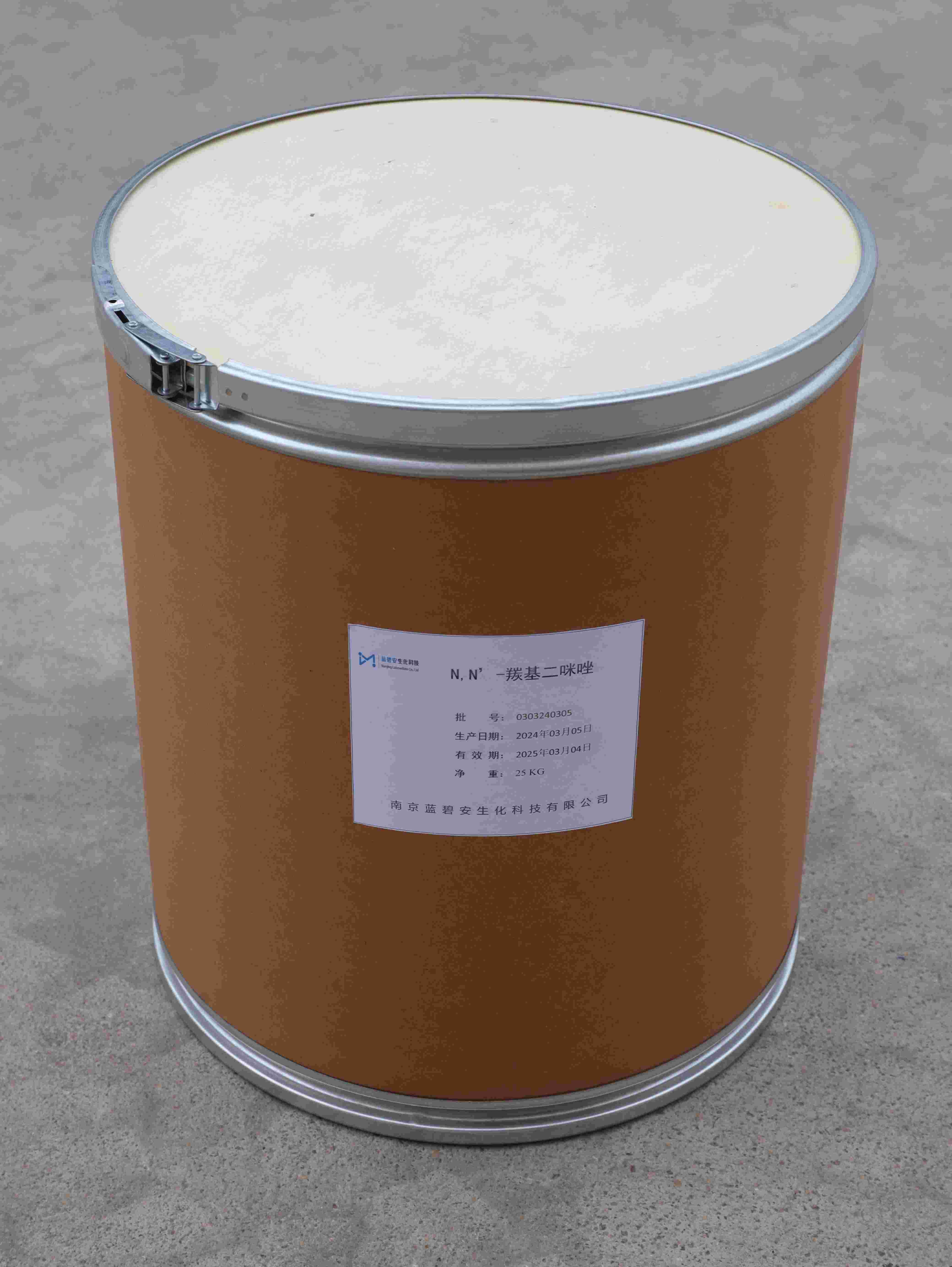
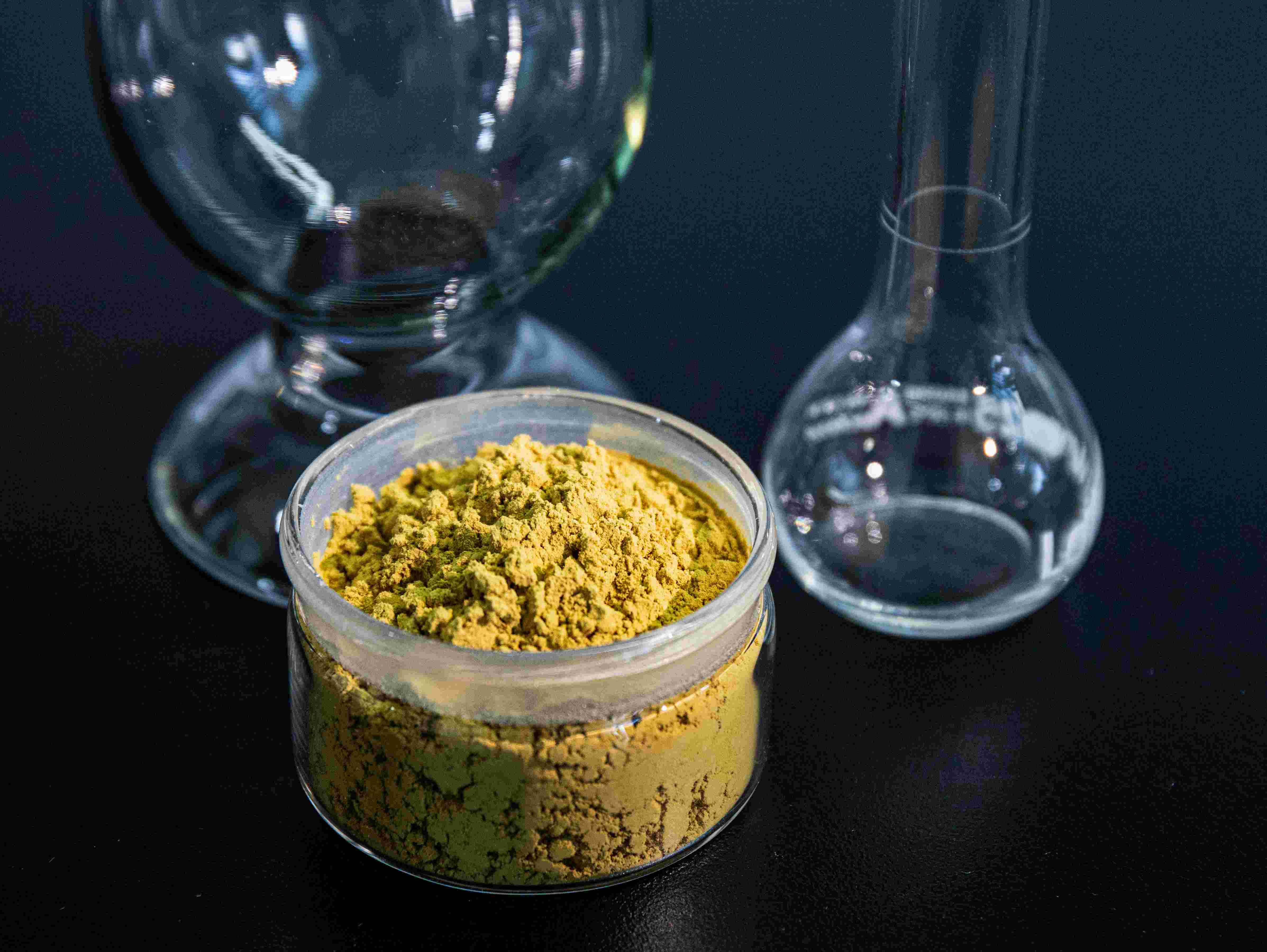
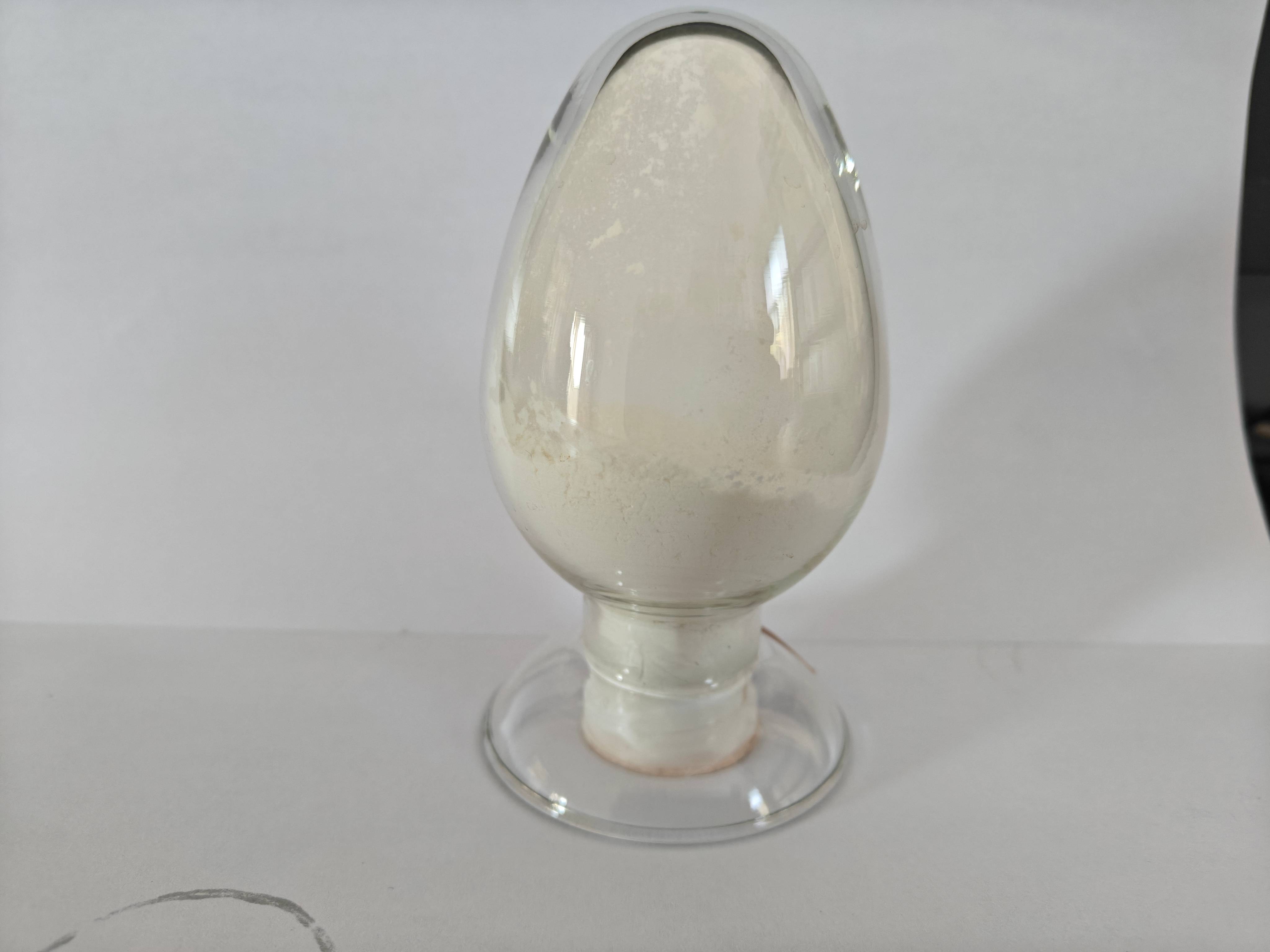
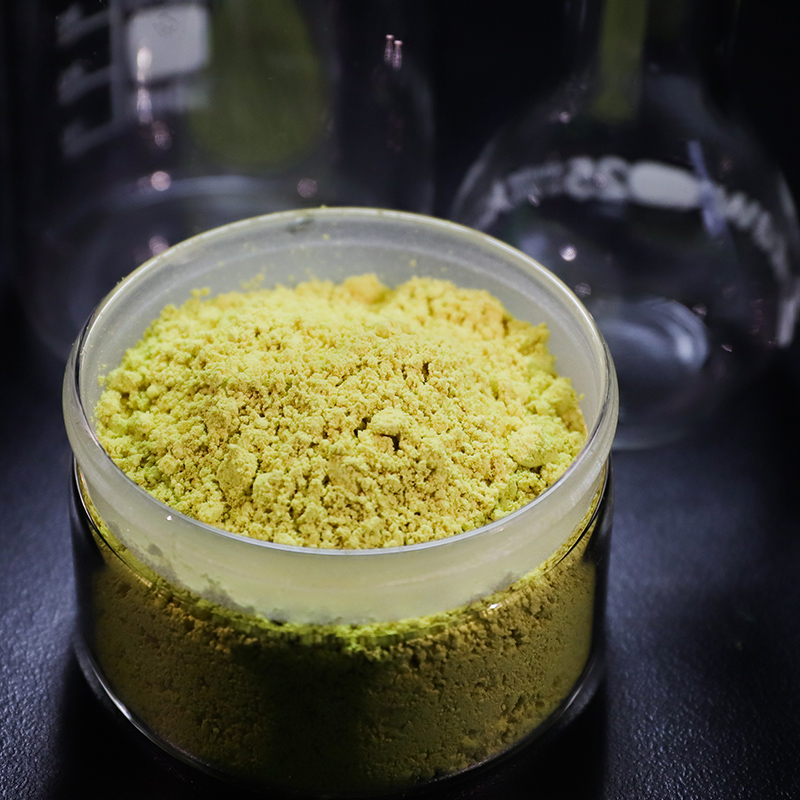
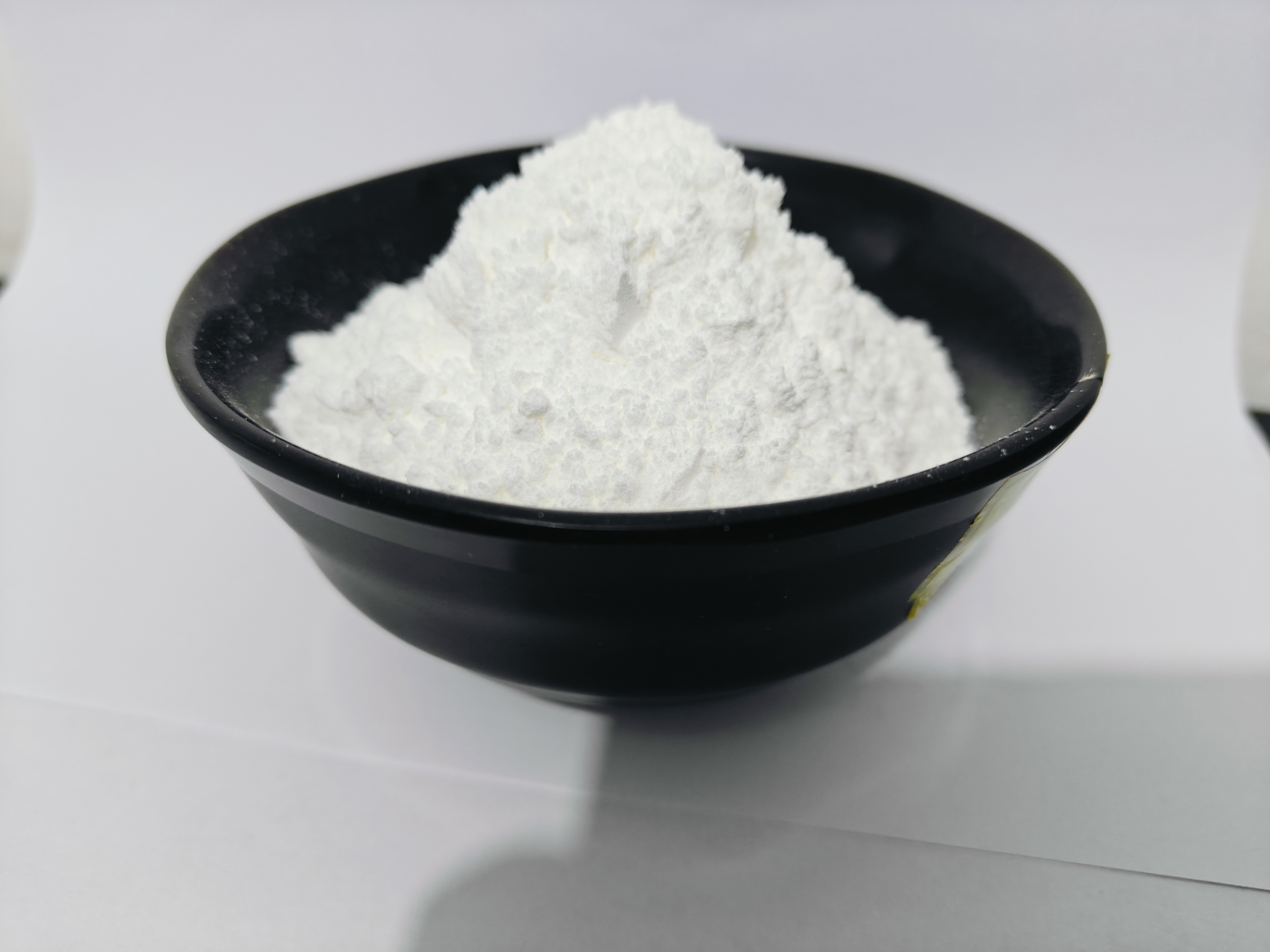
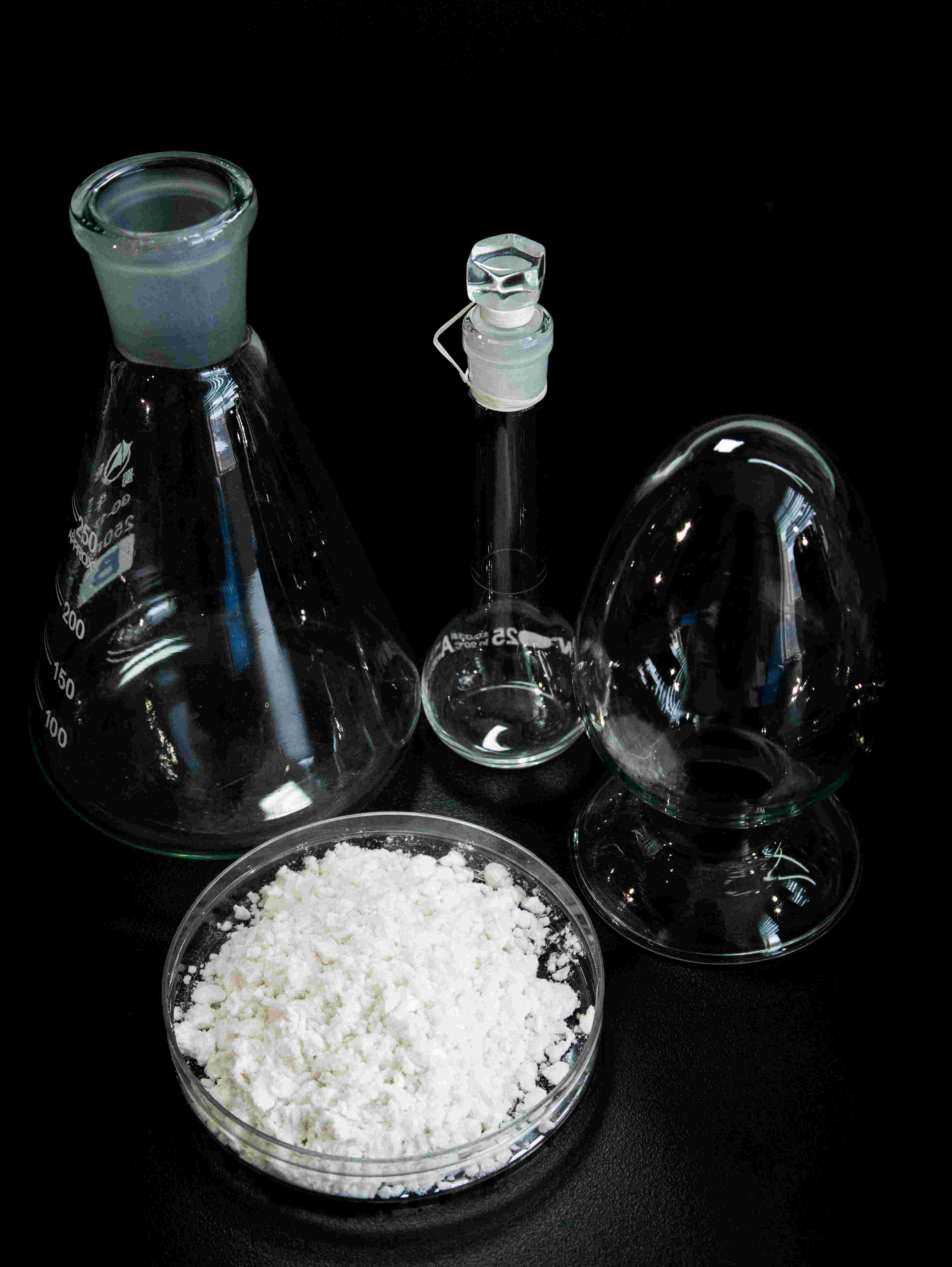
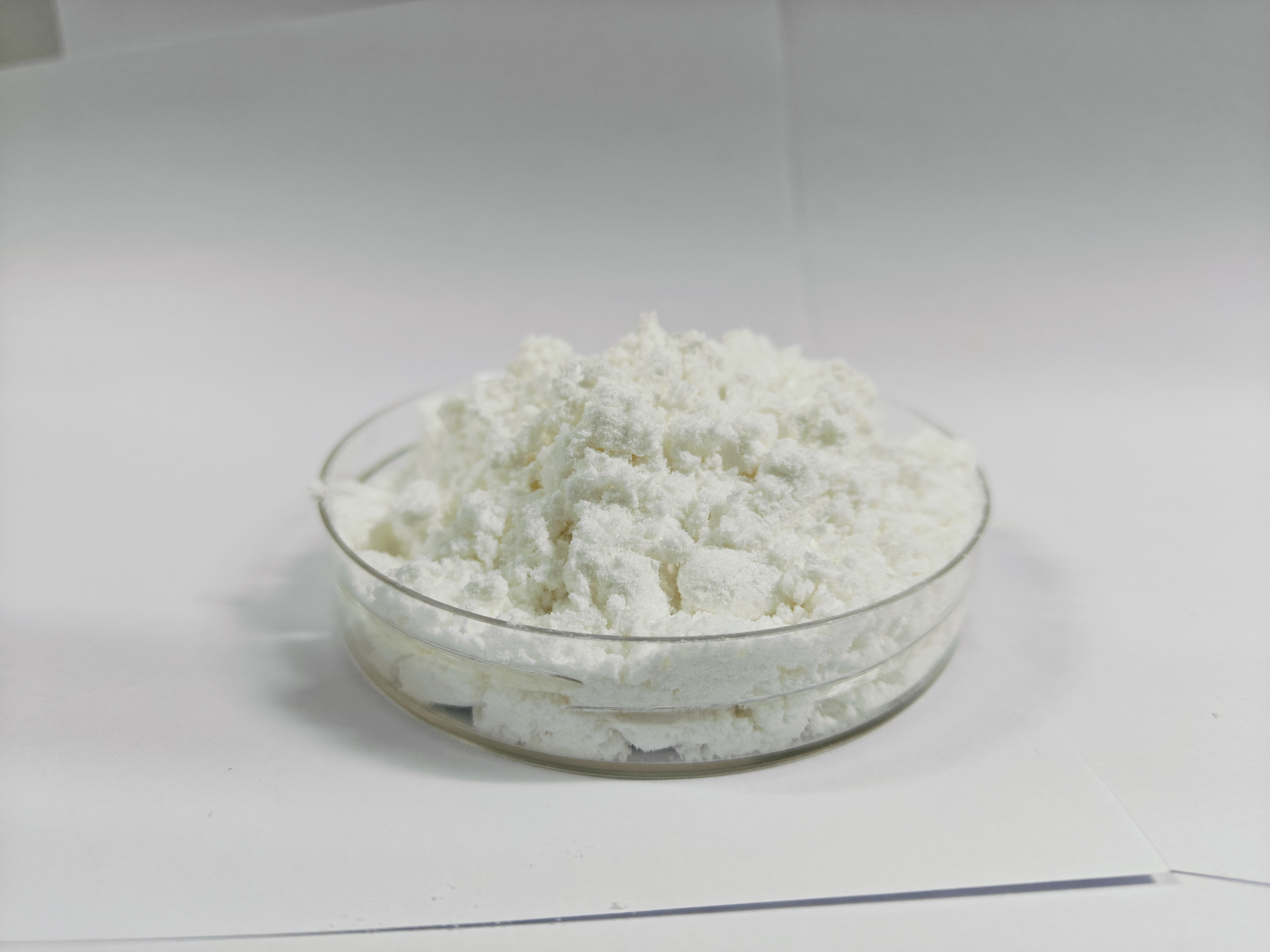
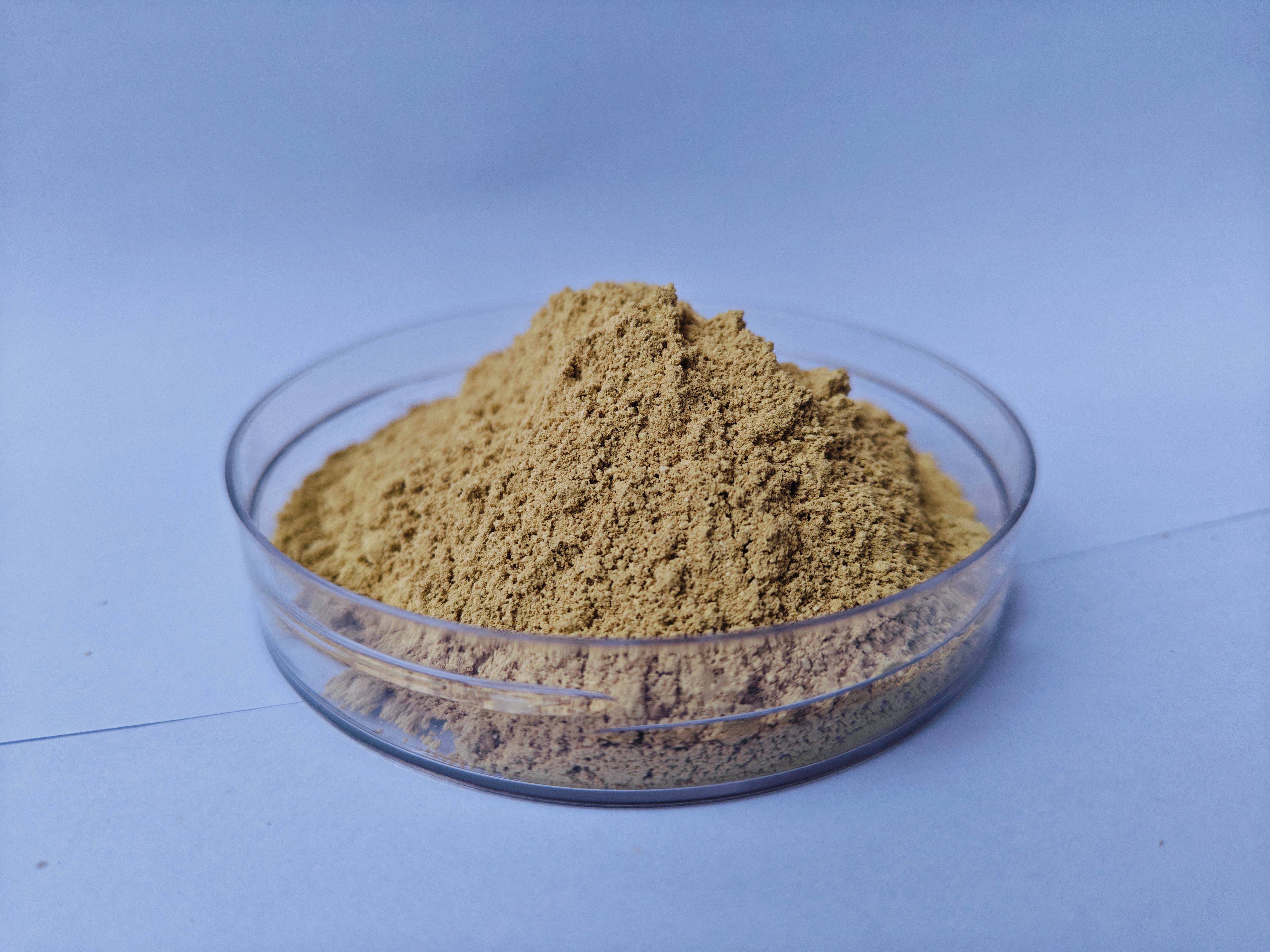
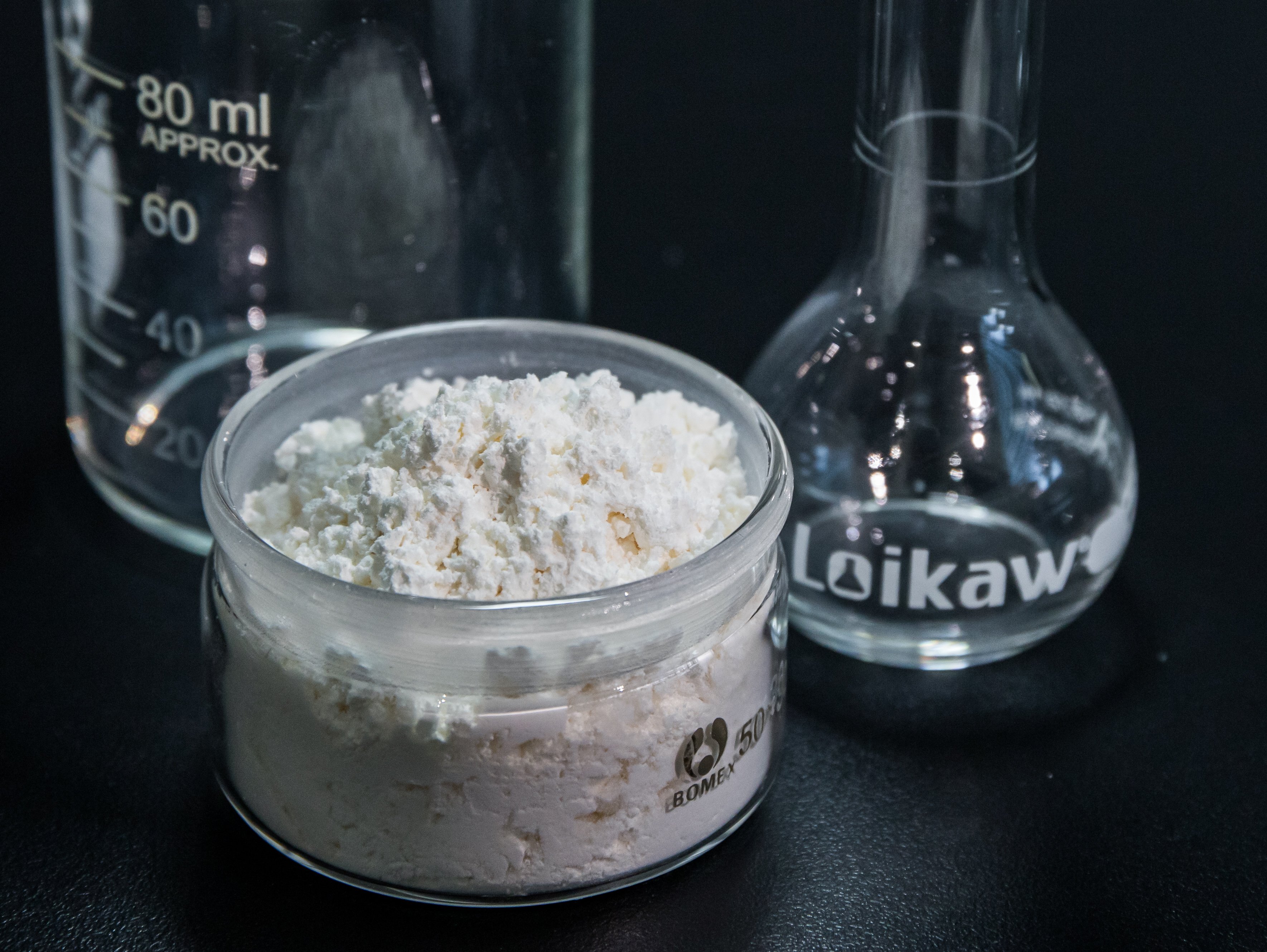
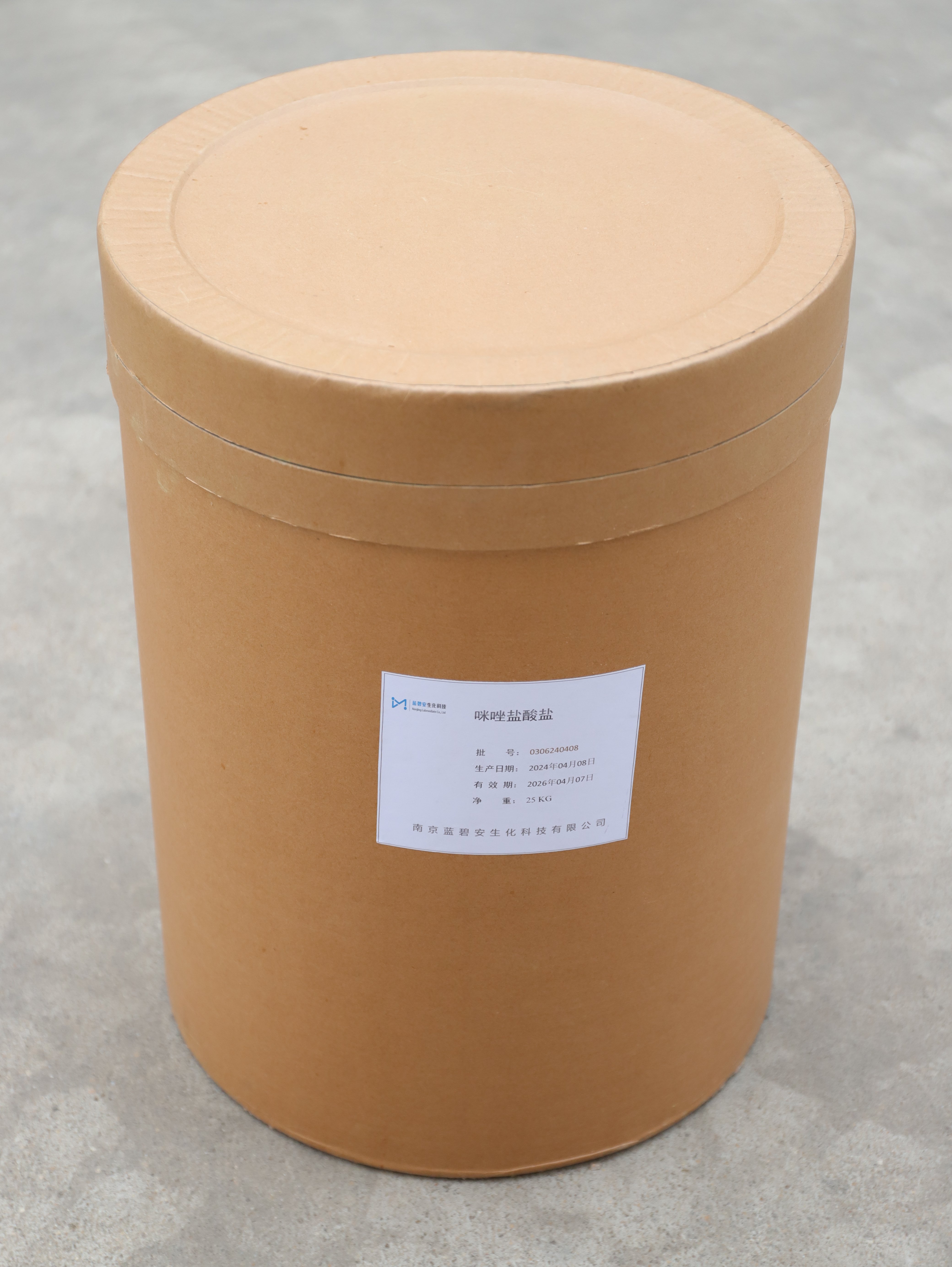
PCB ink curing agent
PCB ink curing agent is a specialized chemical formulation designed to accelerate and optimize the curing process of printed circuit board inks and coatings. This essential component plays a critical role in modern electronics manufacturing by ensuring that solder mask inks, legend inks, and protective coatings achieve proper hardness, adhesion, and durability. The PCB ink curing agent works by initiating or catalyzing cross-linking reactions within the ink matrix, transforming liquid or semi-solid materials into fully cured, resilient layers that protect circuit traces and components. Its main functions include reducing curing time, improving mechanical strength, enhancing chemical resistance, and ensuring consistent quality across production batches. Technologically, these agents are formulated to be compatible with various curing methods including thermal curing, UV curing, and moisture curing systems. The PCB ink curing agent typically contains reactive components such as hardeners, accelerators, or photoinitiators that interact with base resins to complete the polymerization process. Applications span across consumer electronics, automotive electronics, telecommunications equipment, medical devices, and industrial control systems. Manufacturers rely on PCB ink curing agent formulations to meet stringent industry standards for insulation resistance, thermal stability, and environmental compliance. The precise chemistry of each PCB ink curing agent is tailored to specific ink systems, substrate materials, and processing conditions, ensuring optimal performance in high-volume production environments while maintaining compatibility with automated assembly processes and meeting international quality certifications.
 EN
EN