Latent Curing Agent for Solder Mask Solutions

All Categories

latent curing agent for solder mask

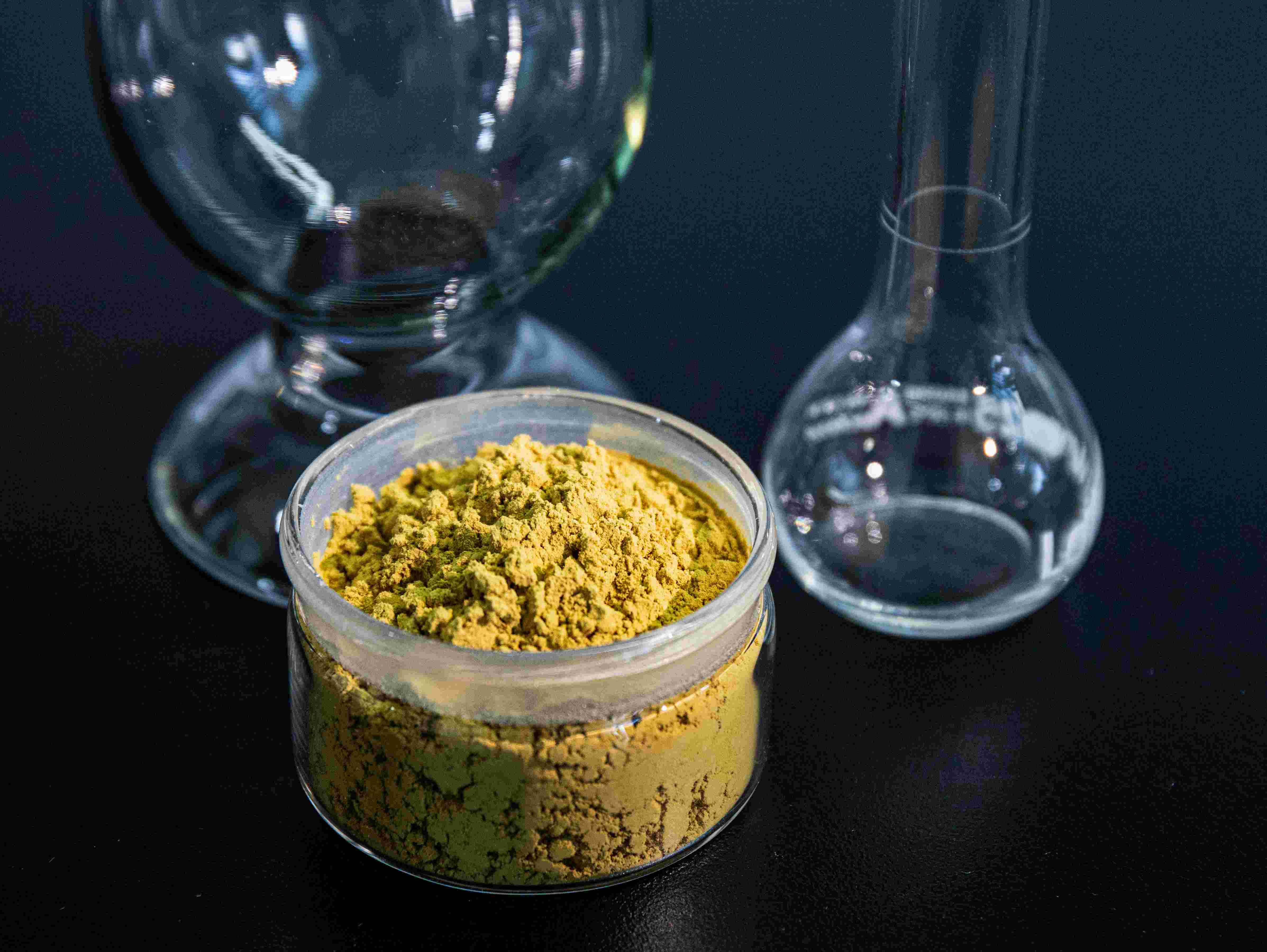
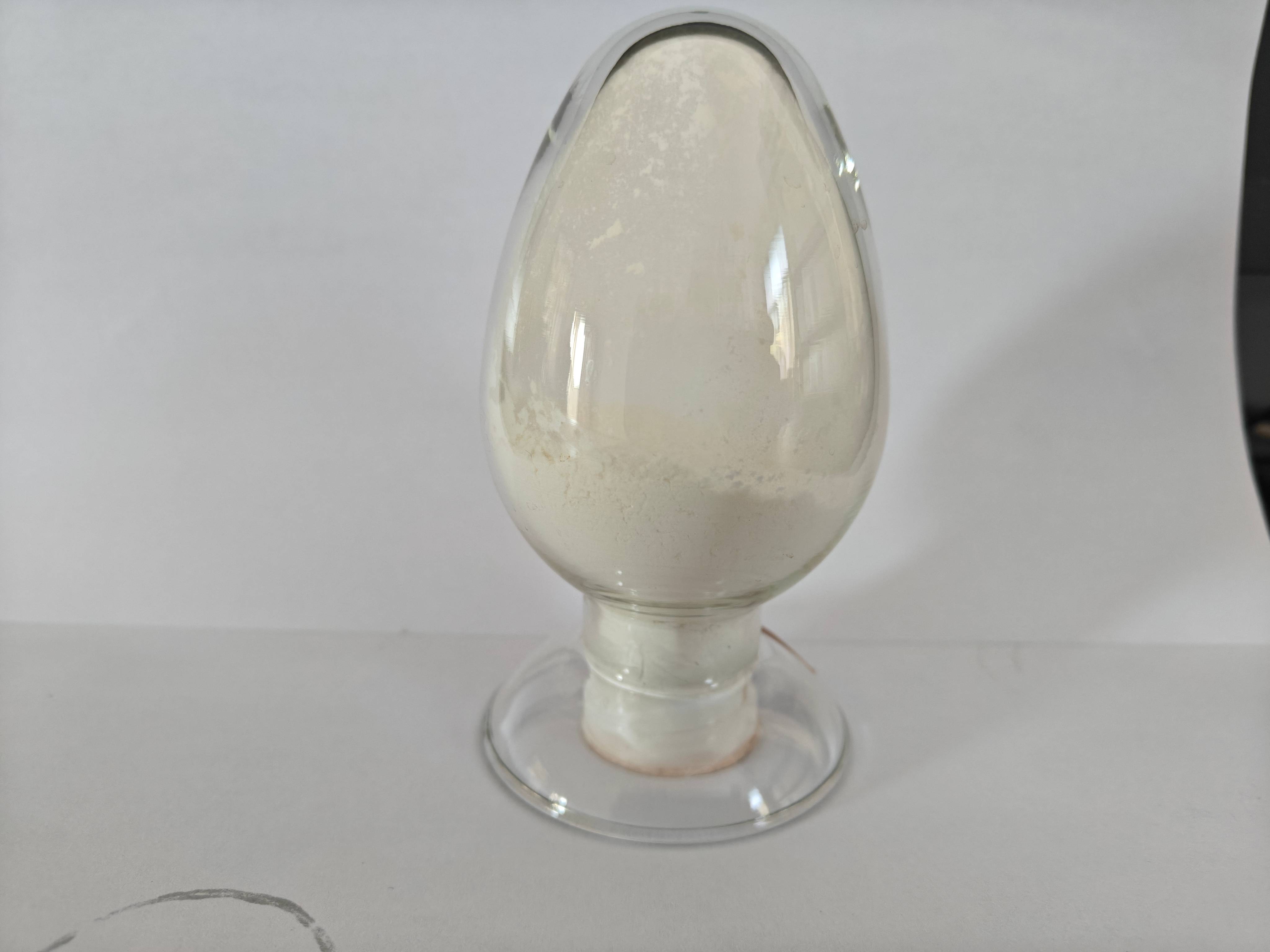
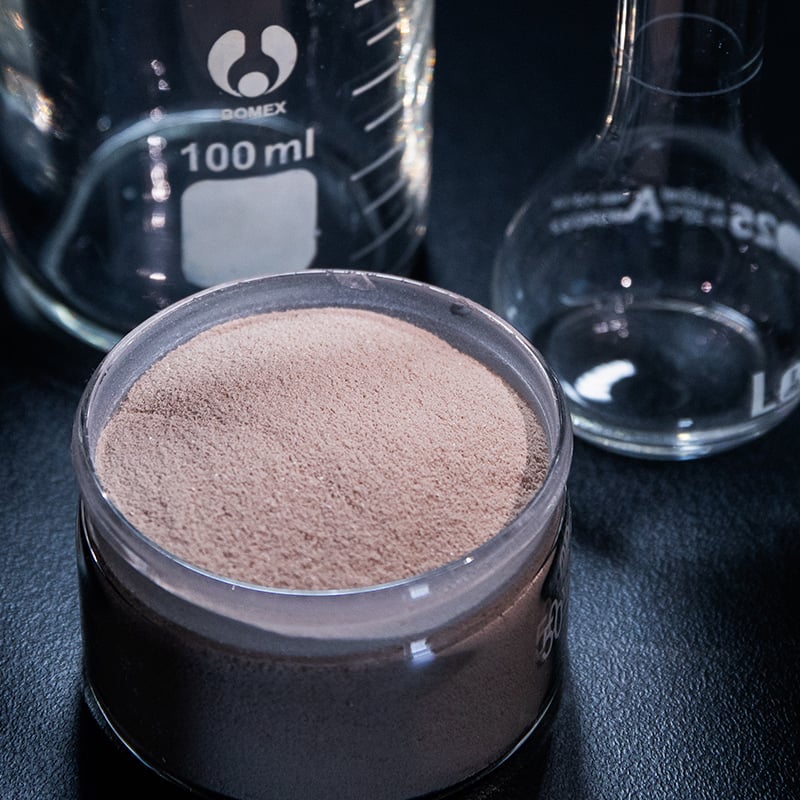
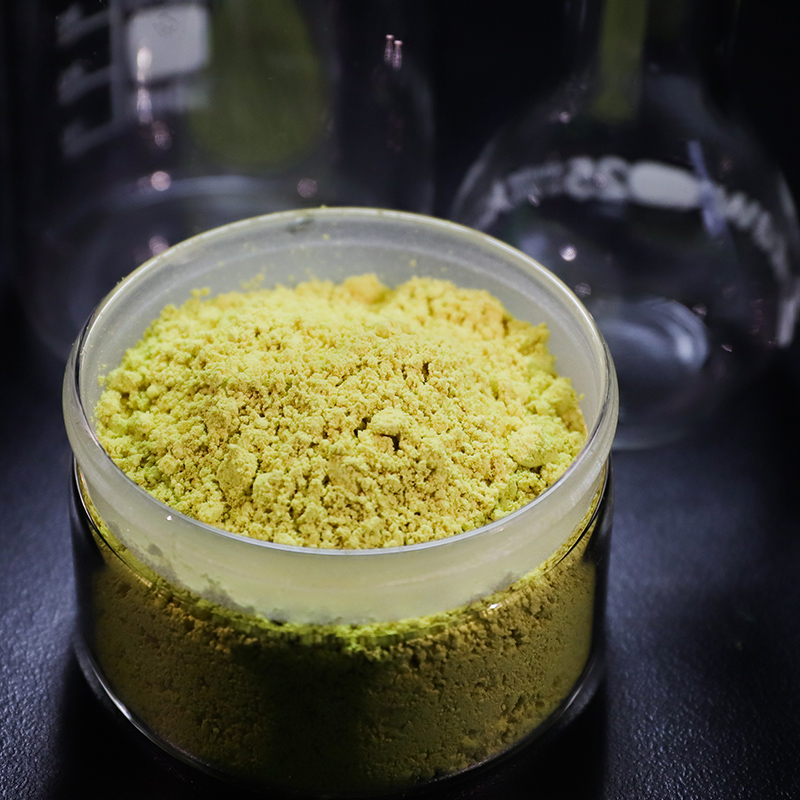
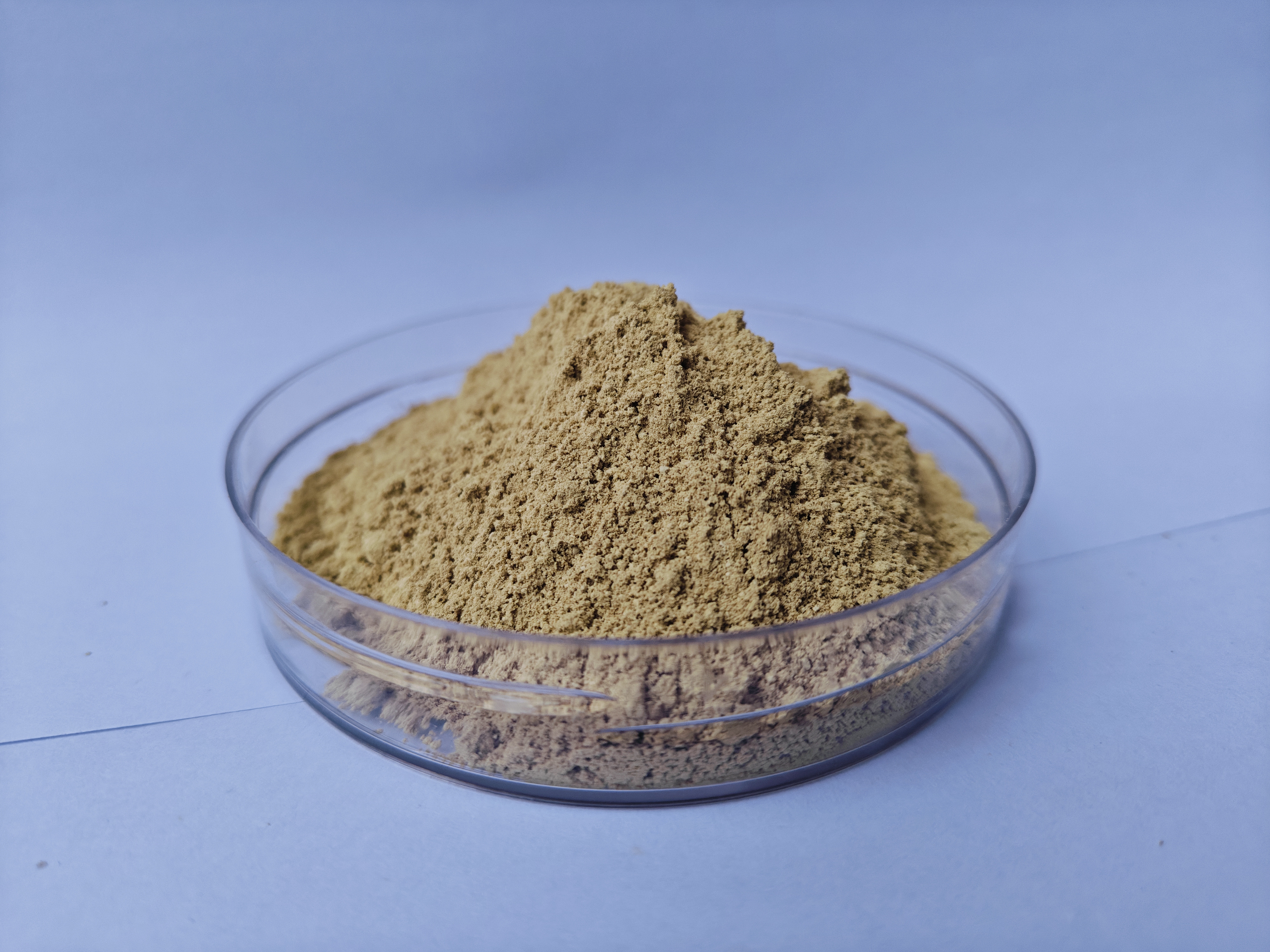
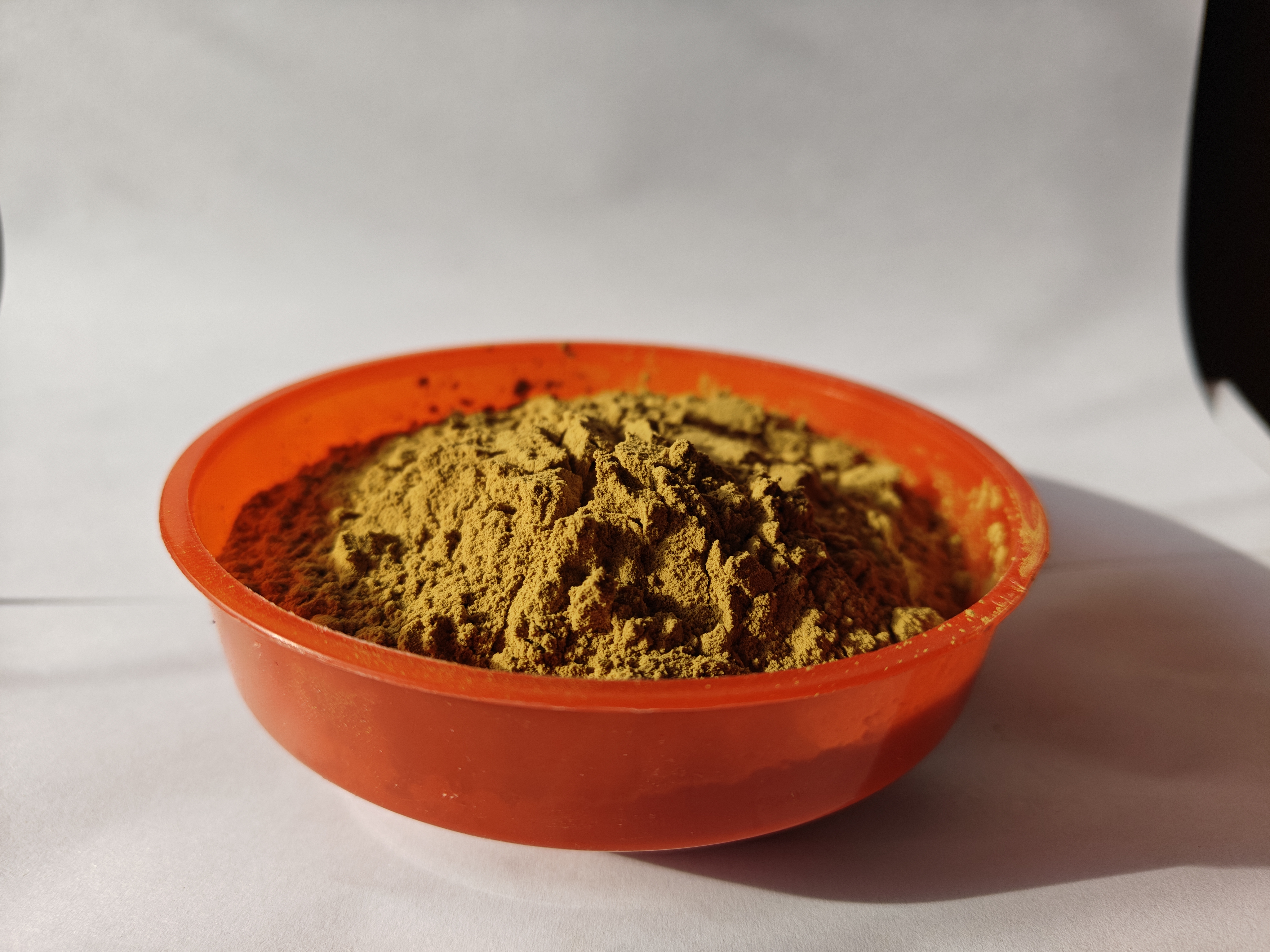
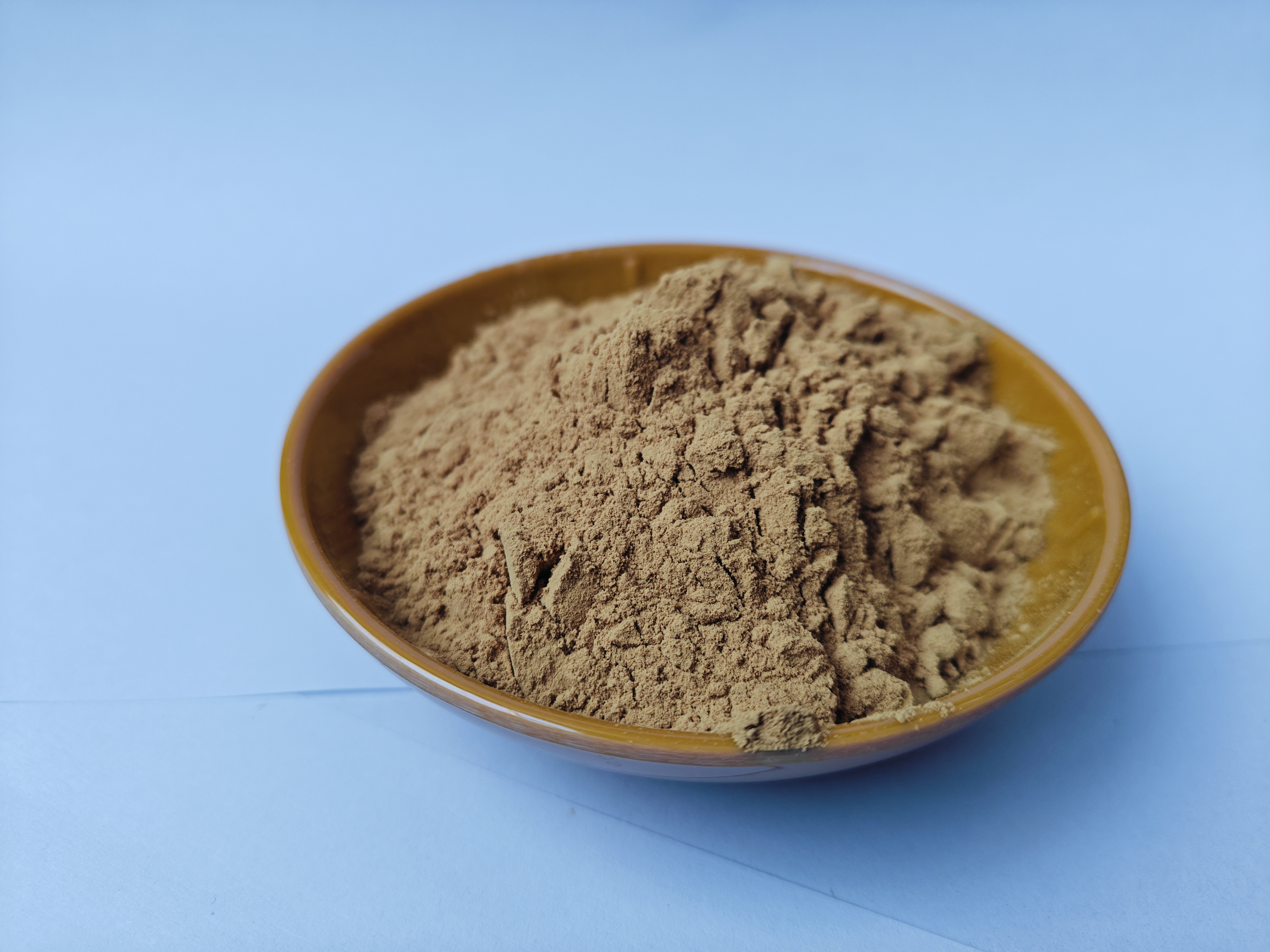
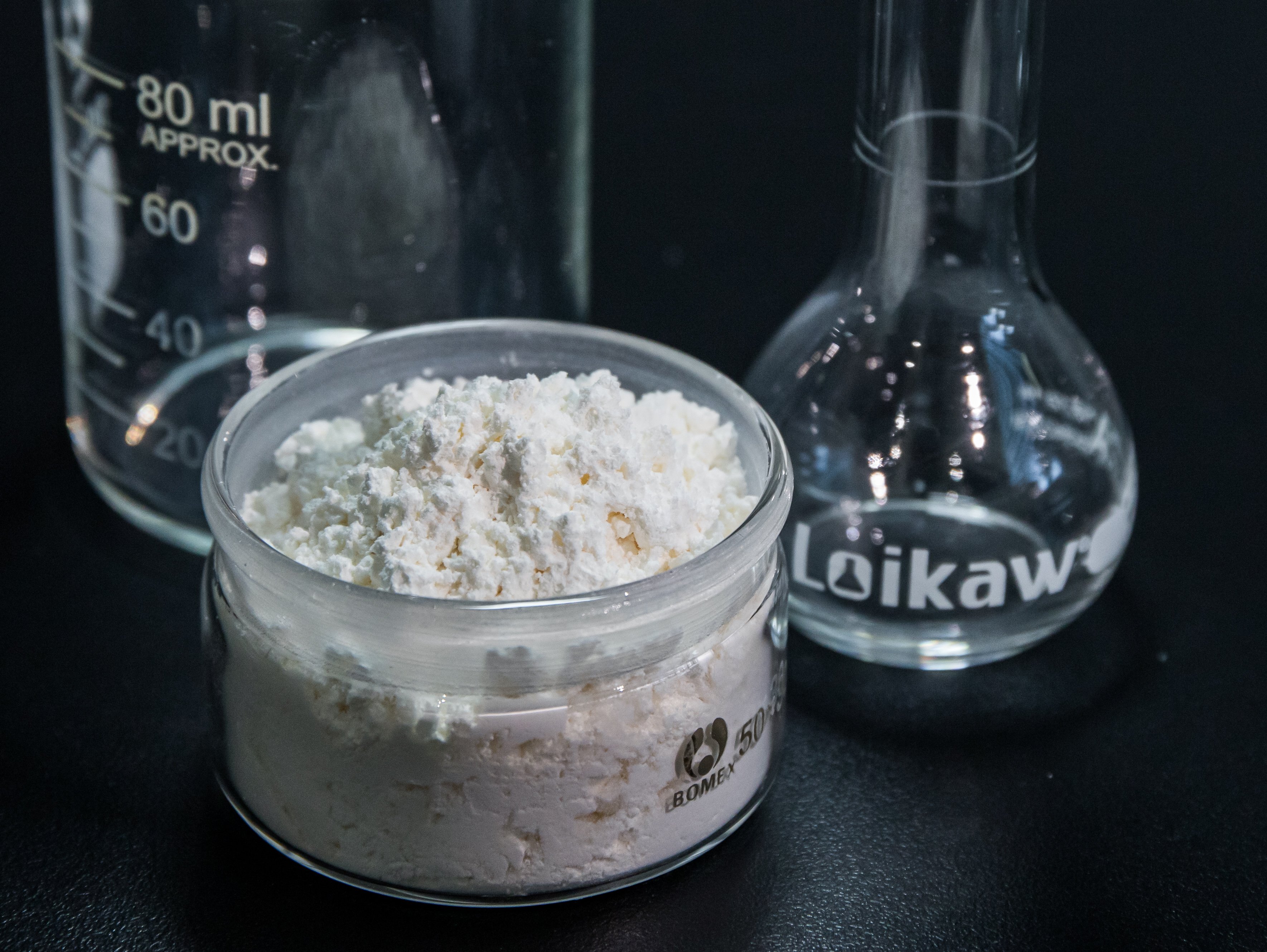
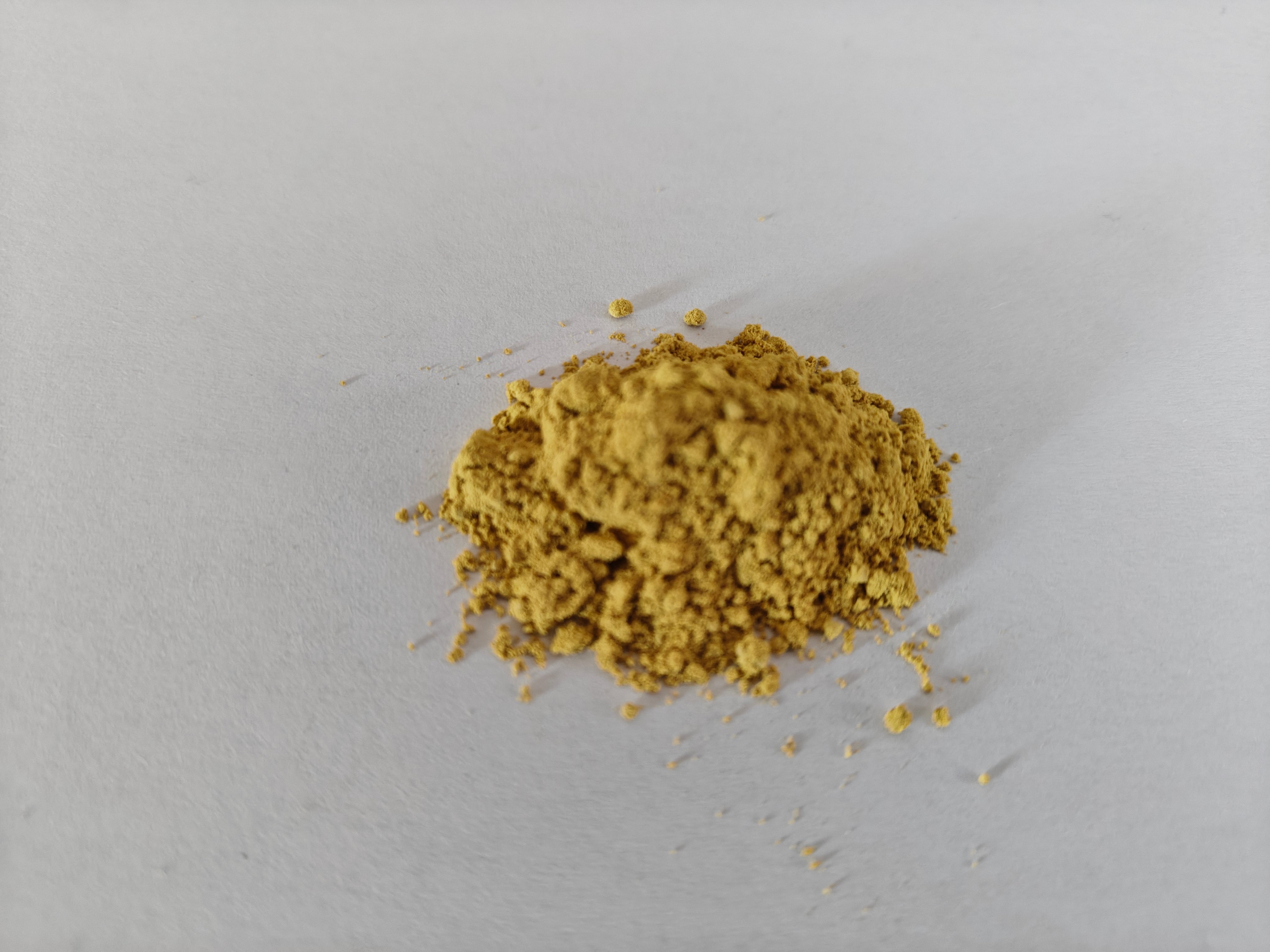
A latent curing agent for solder mask represents an advanced chemical formulation designed to delay the curing reaction until specific conditions are met, providing exceptional control over the manufacturing process of printed circuit boards. This specialized component remains stable at room temperature but activates rapidly when exposed to elevated temperatures, enabling precise timing in PCB production workflows. The latent curing agent for solder mask offers manufacturers unprecedented flexibility in storage, handling, and application procedures while maintaining superior performance characteristics. Unlike traditional curing systems that begin reacting immediately upon mixing, this innovative technology allows extended working time without compromising final product quality. The primary function involves initiating cross-linking reactions within the solder mask resin system only when heat is applied during the curing stage, ensuring optimal adhesion, chemical resistance, and mechanical properties. Technological features include exceptional storage stability, predictable activation temperatures, rapid curing kinetics once triggered, and compatibility with various resin chemistries commonly used in electronics manufacturing. Applications span across consumer electronics, automotive electronics, telecommunications equipment, aerospace components, and industrial control systems where reliable circuit protection is essential. The latent curing agent for solder mask enables manufacturers to achieve consistent coating thickness, excellent surface finish, and superior electrical insulation properties while reducing production complexity and minimizing waste associated with premature curing or pot life limitations inherent in conventional systems.

New Product Recommendations

Implementing a latent curing agent for solder mask delivers substantial operational benefits that directly impact your bottom line and production efficiency. The extended pot life means your mixed materials remain usable for significantly longer periods, reducing material waste and allowing batch processing without constant preparation of fresh mixtures. This translates to cost savings and improved workflow management in high-volume manufacturing environments. The controlled activation ensures consistent quality across every production run, eliminating variability caused by premature curing or environmental factors that plague traditional systems. Your operators gain flexibility in scheduling and process timing, accommodating unexpected delays without material degradation or quality compromise. The rapid curing response once activation occurs means shorter cycle times and increased throughput, allowing you to meet demanding production schedules while maintaining quality standards. Energy efficiency improves because the curing process concentrates thermal energy application during the activation phase rather than requiring extended low-temperature conditioning periods. The latent curing agent for solder mask reduces equipment downtime for cleaning and maintenance since material doesn't cure prematurely in application tools or mixing equipment. Quality control becomes more predictable with fewer defects related to incomplete curing, over-curing, or timing inconsistencies. Your finished products exhibit superior performance characteristics including enhanced chemical resistance against flux residues and cleaning agents, improved adhesion to various substrate materials, and better mechanical durability under thermal cycling conditions. The technology supports lean manufacturing principles by minimizing inventory requirements and reducing the need for refrigerated storage that conventional curing agents often demand. Decision-makers appreciate the reduced training requirements since handling procedures are simpler and margin for operator error decreases substantially compared to time-sensitive traditional systems.

Tips And Tricks

How Do Organophosphine Based Catalysts Enhance EMC Curing Performance?

12

Dec

How Do Organophosphine Based Catalysts Enhance EMC Curing Performance?

The electronics manufacturing industry has witnessed remarkable advancements in encapsulation materials, particularly in the realm of epoxy molding compounds (EMC). As semiconductor devices become increasingly sophisticated and miniaturized, the dema...
View More
How do laboratories source nncarbonyldiimidazole for scale-up synthesis

07

Jan

How do laboratories source nncarbonyldiimidazole for scale-up synthesis

Laboratories worldwide face increasing challenges when sourcing specialized chemical reagents for scale-up synthesis operations. Among these critical compounds, nncarbonyldiimidazole stands out as an essential coupling agent that enables efficient pe...
View More
Which Factors Affect the Efficiency of Curing Agents in Epoxy Resin Systems?

12

Feb

Which Factors Affect the Efficiency of Curing Agents in Epoxy Resin Systems?

The efficiency of curing agents in epoxy resin systems depends on numerous interconnected factors that directly influence the polymerization process and final material properties. Understanding these variables is crucial for optimizing epoxy formulat...
View More
How Can Selecting the Right Curing Agent for Epoxy Resins Improve Yield?

12

Feb

How Can Selecting the Right Curing Agent for Epoxy Resins Improve Yield?

The selection of an appropriate curing agent for epoxy resins represents one of the most critical decisions in industrial manufacturing processes, directly impacting product quality, processing efficiency, and overall production yield. Industrial man...
View More

Get a Free Quote

Our representative will contact you soon.
Email
Name
Company Name
Message
0/1000

latent curing agent for solder mask

Extended Working Time and Storage Stability

Extended Working Time and Storage Stability

The latent curing agent for solder mask revolutionizes production scheduling by providing remarkable stability at ambient conditions while remaining completely inactive until deliberately triggered by heat. This characteristic allows manufacturers to prepare coating materials well in advance without concerns about gradual viscosity increases or partial curing that compromise application properties. Mixed formulations maintain consistent rheological properties for extended periods, sometimes lasting days rather than the mere hours typical of conventional systems. This stability eliminates the pressure of racing against pot life limitations, reducing stress on production teams and minimizing costly material disposal. The technology supports just-in-time manufacturing strategies while simultaneously accommodating unexpected production interruptions without material loss. Storage requirements simplify dramatically since the unmixed components and even prepared formulations require no special refrigeration, reducing energy costs and warehouse complexity. Quality remains consistent from the first application to the last within a batch, ensuring uniform coating performance across entire production runs regardless of timing variations in the manufacturing sequence.
Precise Thermal Activation Control

Precise Thermal Activation Control

Sophisticated molecular engineering behind the latent curing agent for solder mask enables pinpoint control over when and how rapidly the curing reaction proceeds, delivering unprecedented process reliability. The activation temperature threshold is specifically designed to align with standard PCB manufacturing thermal profiles, ensuring the curing reaction initiates exactly when intended during the baking cycle. This precision eliminates common defects associated with premature or delayed curing, such as poor adhesion, incomplete cross-linking, or surface irregularities. Once the activation temperature is reached, the curing reaction accelerates rapidly and completes thoroughly, producing fully cross-linked polymer networks with optimal mechanical strength and chemical resistance. The sharp activation profile means minimal energy is wasted on gradual warm-up phases, concentrating thermal processing into efficient cycles that maximize equipment utilization. Manufacturers can confidently establish standardized process parameters knowing the latent curing agent will respond predictably every time. This consistency supports certification requirements for aerospace, medical, and automotive applications where documentation and reproducibility are critical compliance factors.
Superior Final Performance Properties

Superior Final Performance Properties

Products formulated with a latent curing agent for solder mask consistently demonstrate enhanced performance characteristics that directly benefit end-user reliability and longevity. The controlled curing mechanism allows complete and uniform cross-linking throughout the coating thickness, eliminating partially cured zones that can compromise protective properties. The resulting solder mask exhibits exceptional resistance to harsh chemicals encountered during assembly processes, including aggressive fluxes, cleaning solvents, and acidic or alkaline solutions used in various manufacturing steps. Mechanical properties including flexibility, impact resistance, and adhesion strength exceed conventional formulations because the curing process occurs under optimal conditions without stress from premature gelation or incomplete reaction. Electrical insulation performance remains stable across wide temperature ranges and humid environments, protecting circuits from short circuits and leakage currents. The smooth, uniform surface finish achieved through controlled curing improves aesthetic appearance while facilitating accurate component placement and soldering operations. Long-term reliability testing demonstrates superior resistance to thermal cycling, mechanical stress, and environmental aging compared to traditionally cured systems, reducing field failures and warranty claims while enhancing product reputation.

Get a Free Quote

Our representative will contact you soon.
Email
Name
Company Name
Message
0/1000