circuit board solder mask catalyst
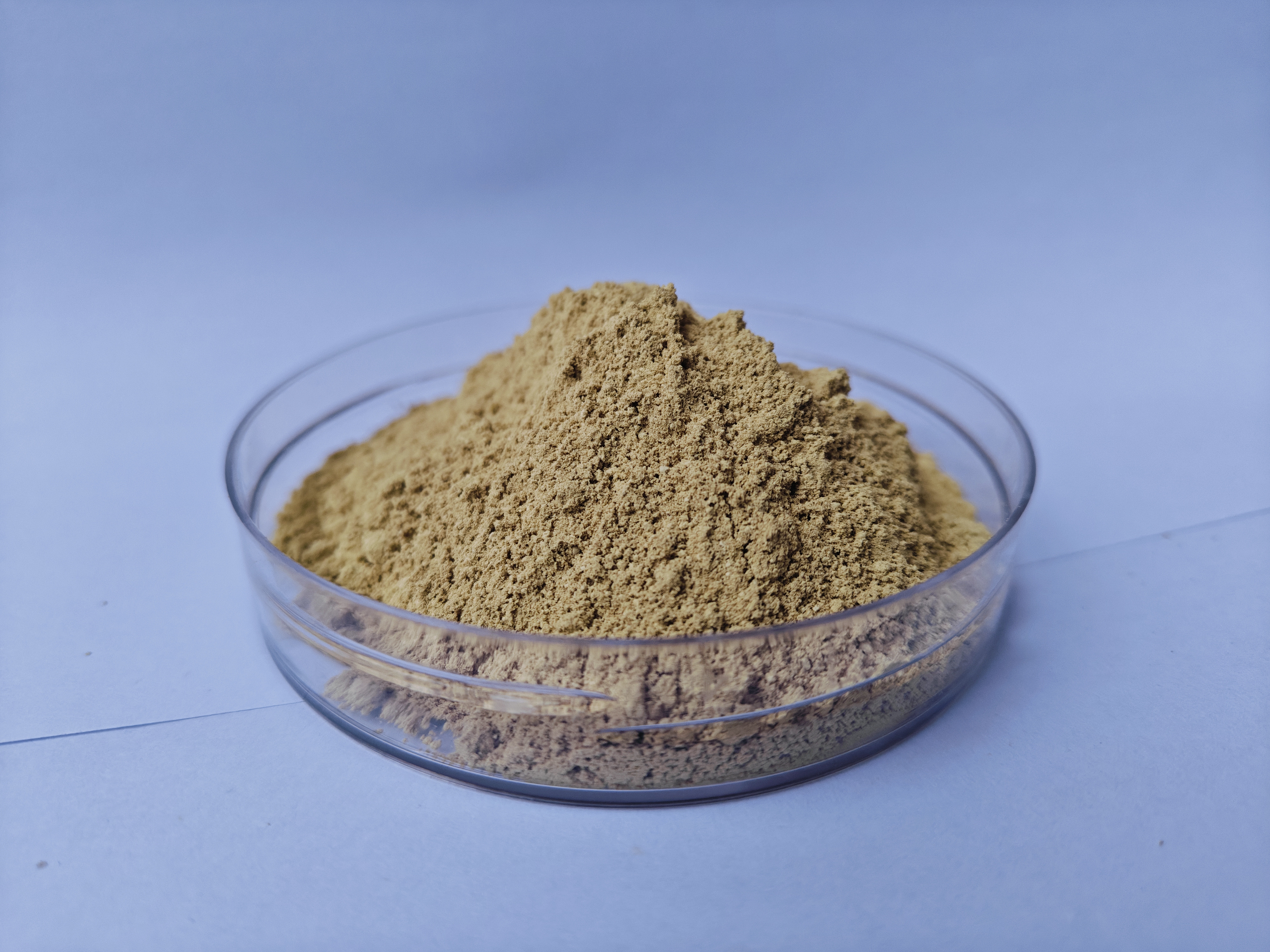
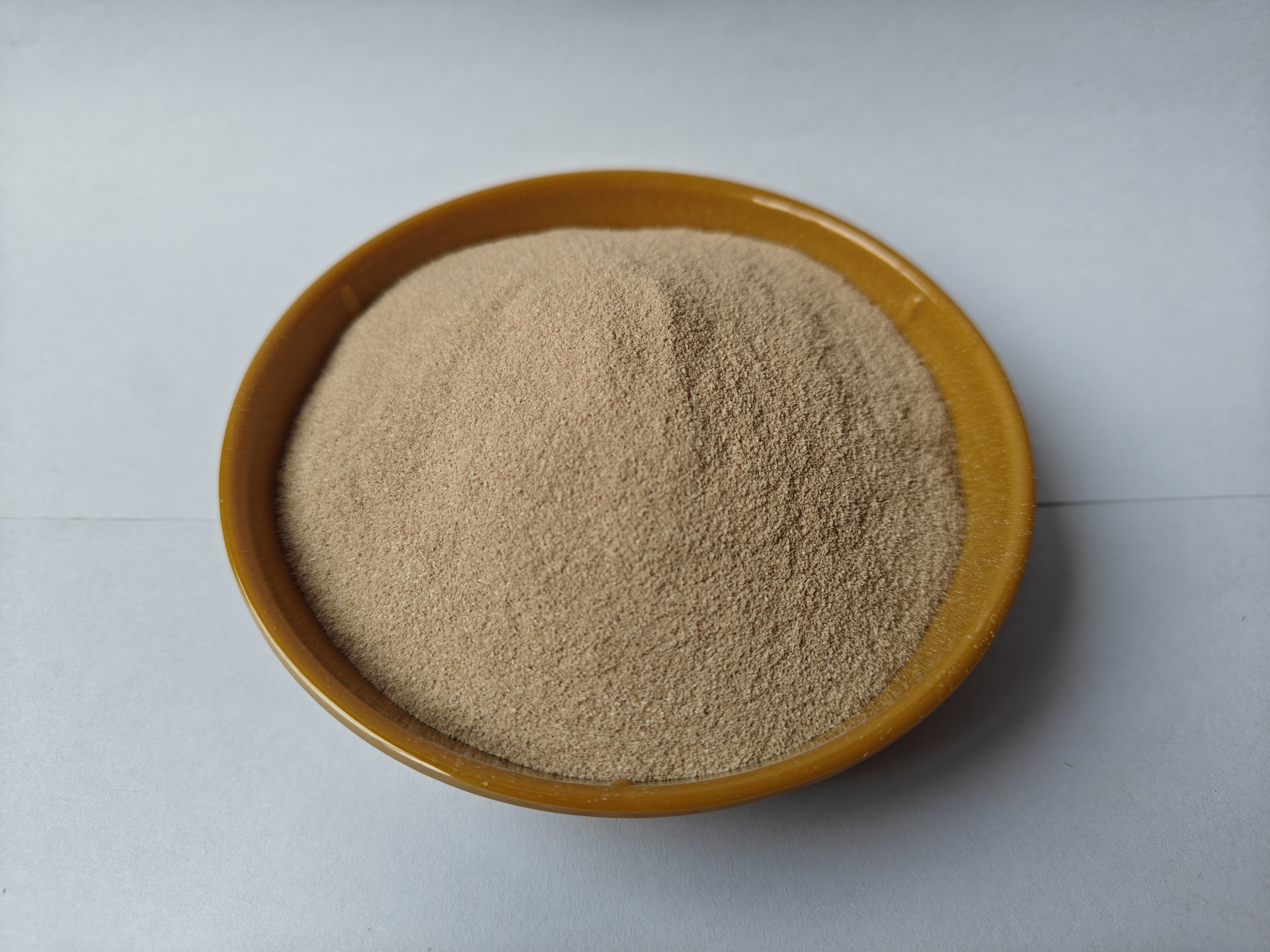
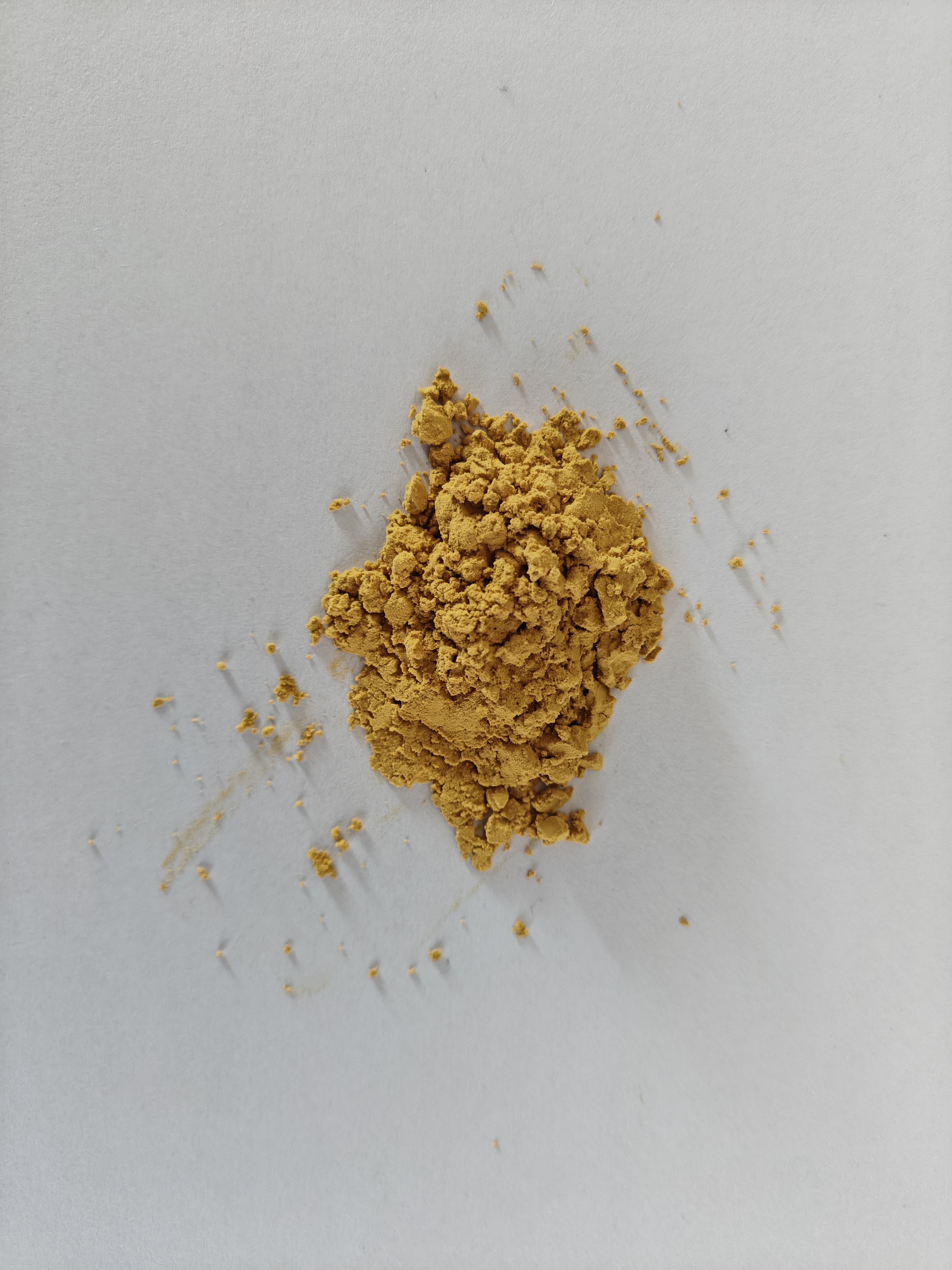
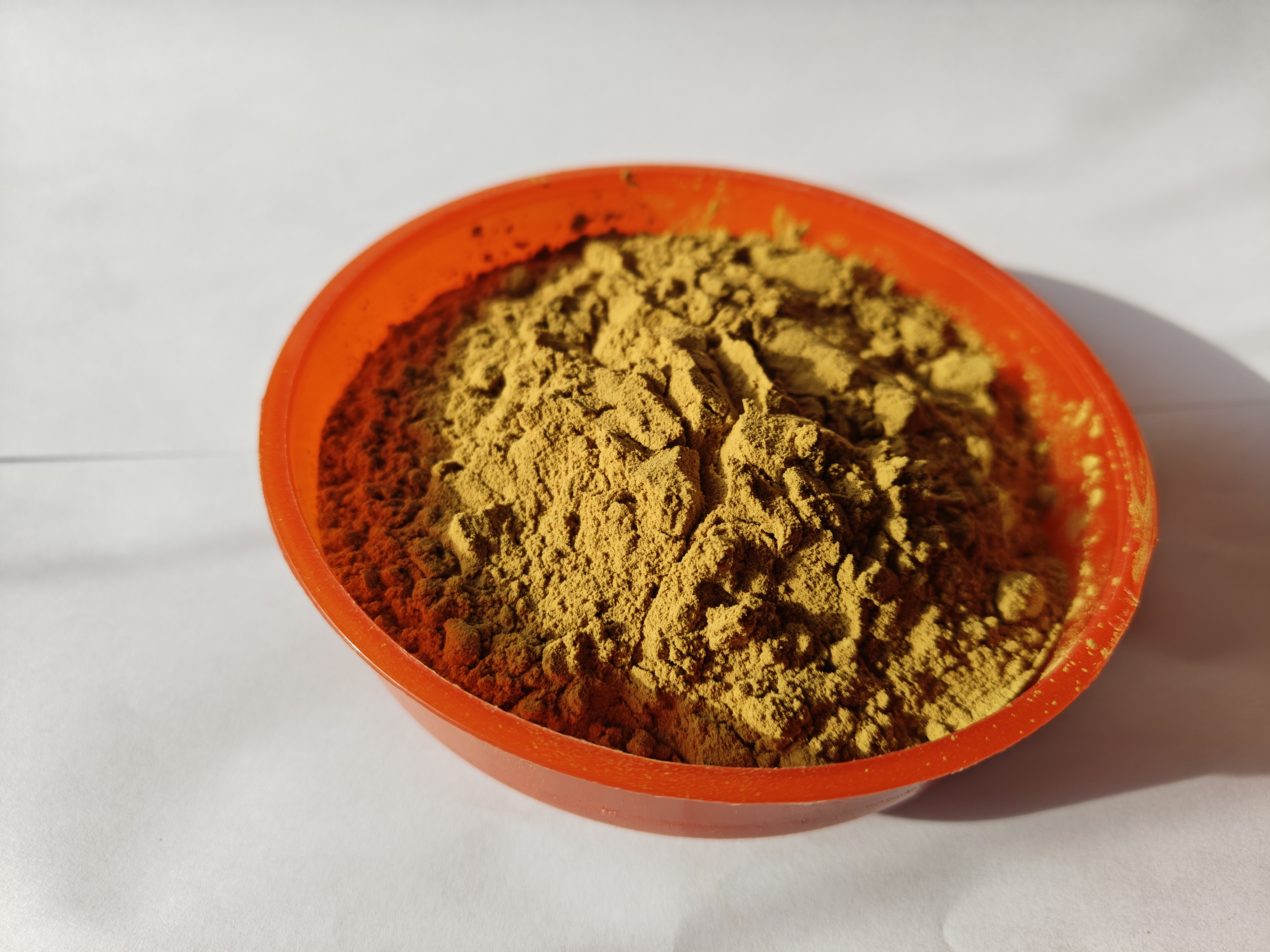
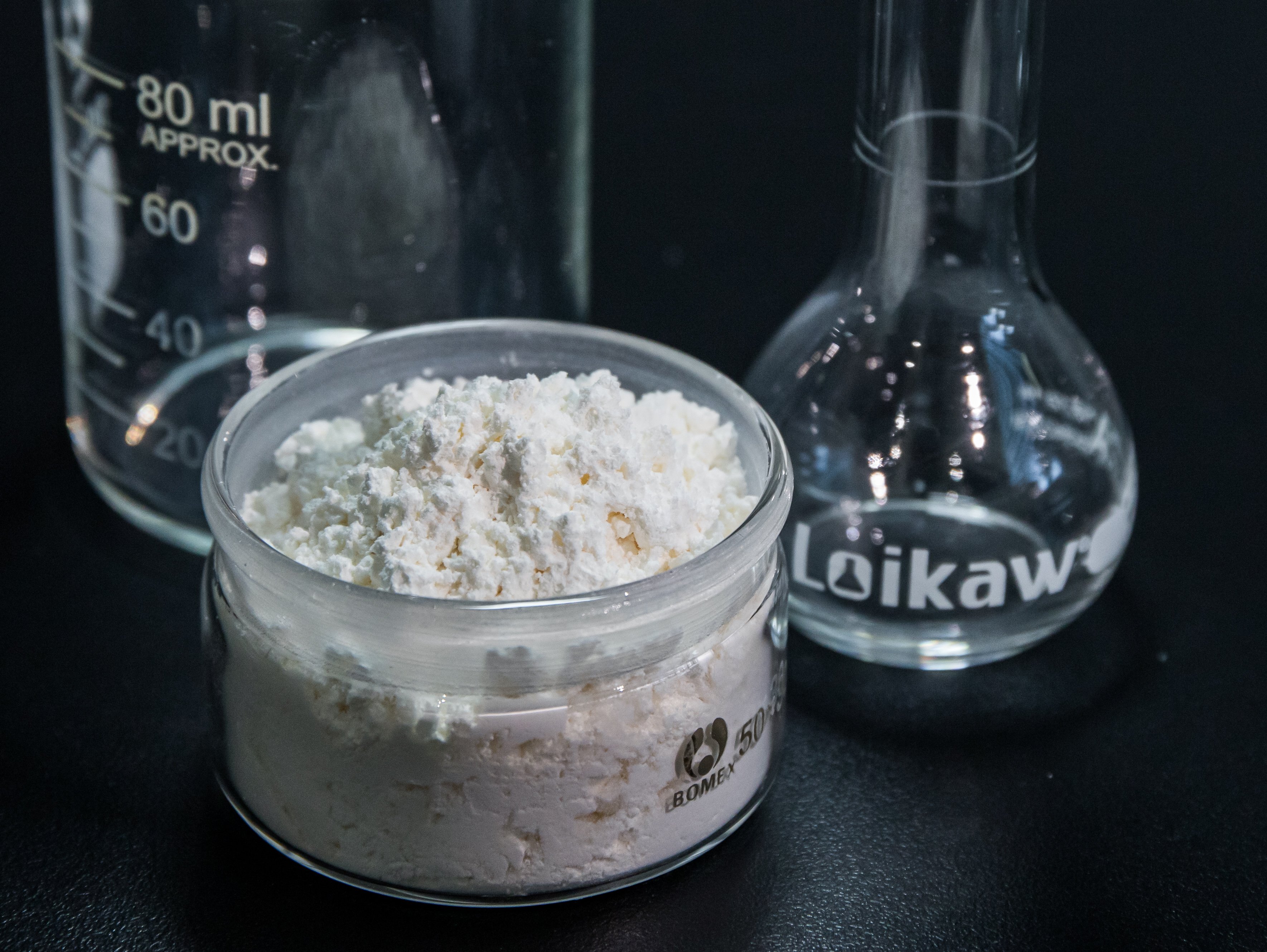
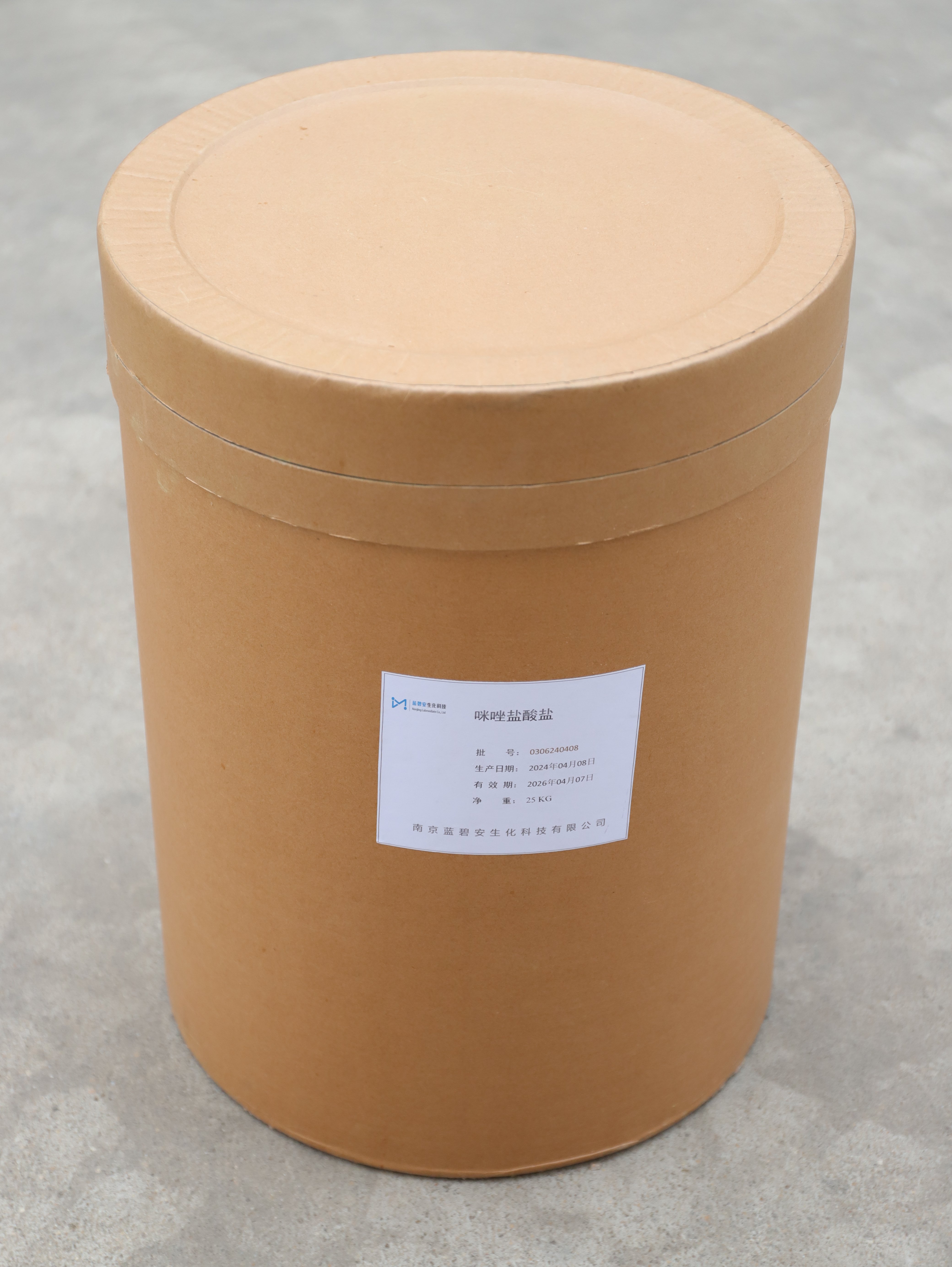
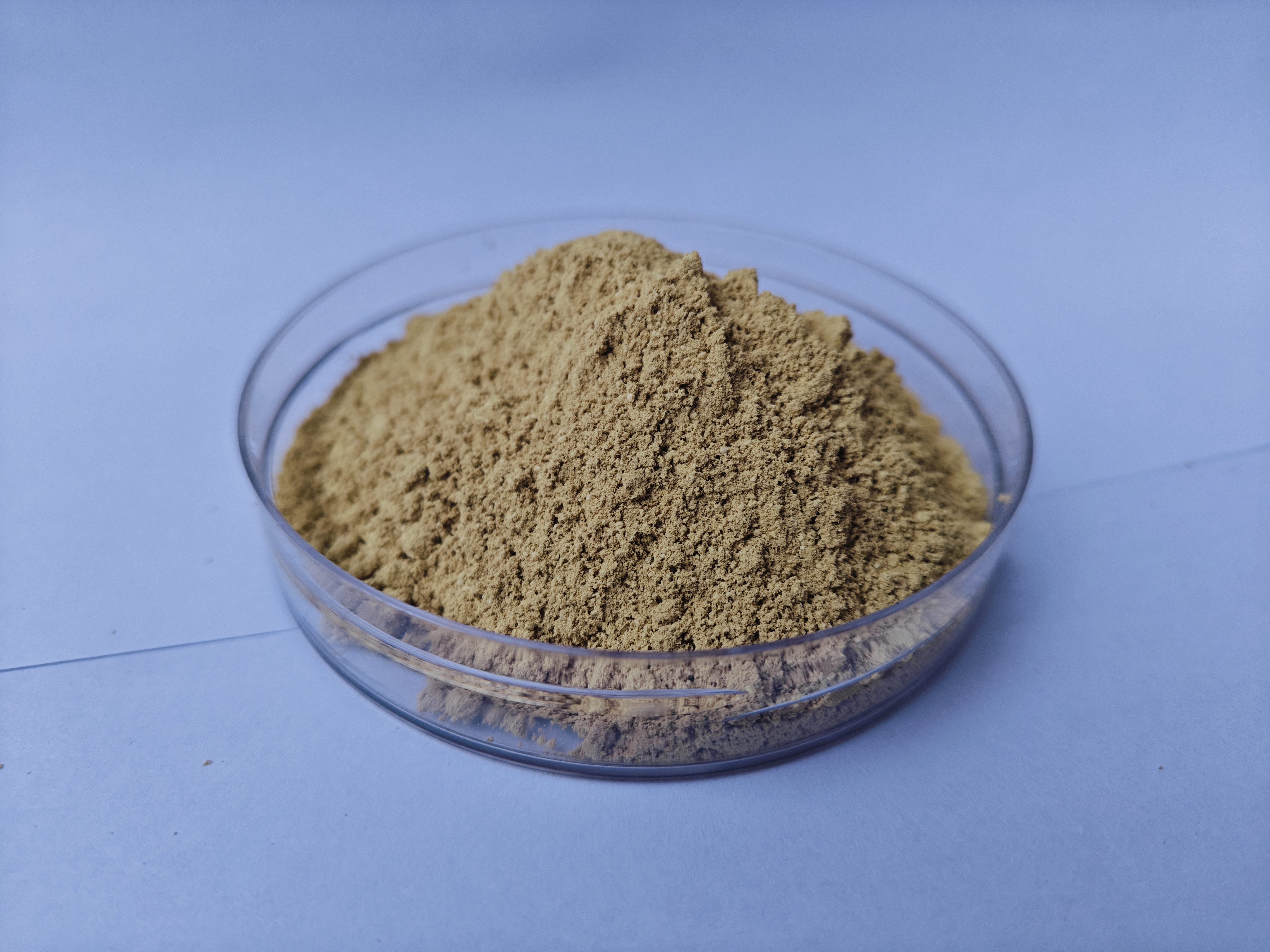
A circuit board solder mask catalyst is a specialized chemical agent designed to enhance the adhesion and curing properties of solder mask coatings applied to printed circuit boards. This essential component plays a critical role in modern electronics manufacturing by initiating and accelerating the polymerization process of solder mask materials. The circuit board solder mask catalyst works by triggering chemical reactions that transform liquid photopolymer resins into solid, protective coatings that shield copper traces from oxidation, contamination, and short circuits. The catalyst formulation typically contains photoinitiators and thermal initiators that respond to UV light or heat exposure, ensuring complete cross-linking of the solder mask layer. In contemporary PCB fabrication, the circuit board solder mask catalyst enables manufacturers to achieve precise control over curing speeds, film thickness, and surface quality. The technology supports both liquid photoimageable solder masks and dry film applications across various board types, from simple single-layer designs to complex multilayer assemblies. This catalyst technology ensures excellent resolution for fine-pitch components, superior chemical resistance against fluxes and cleaning agents, and outstanding electrical insulation properties. The circuit board solder mask catalyst adapts to different manufacturing environments, accommodating various curing methods including UV exposure systems, thermal ovens, and combination processes that optimize production efficiency while maintaining consistent quality standards across high-volume production runs.

 EN
EN