Latent Curing Agent for Epoxy Solutions

All Categories

latent curing agent for epoxy

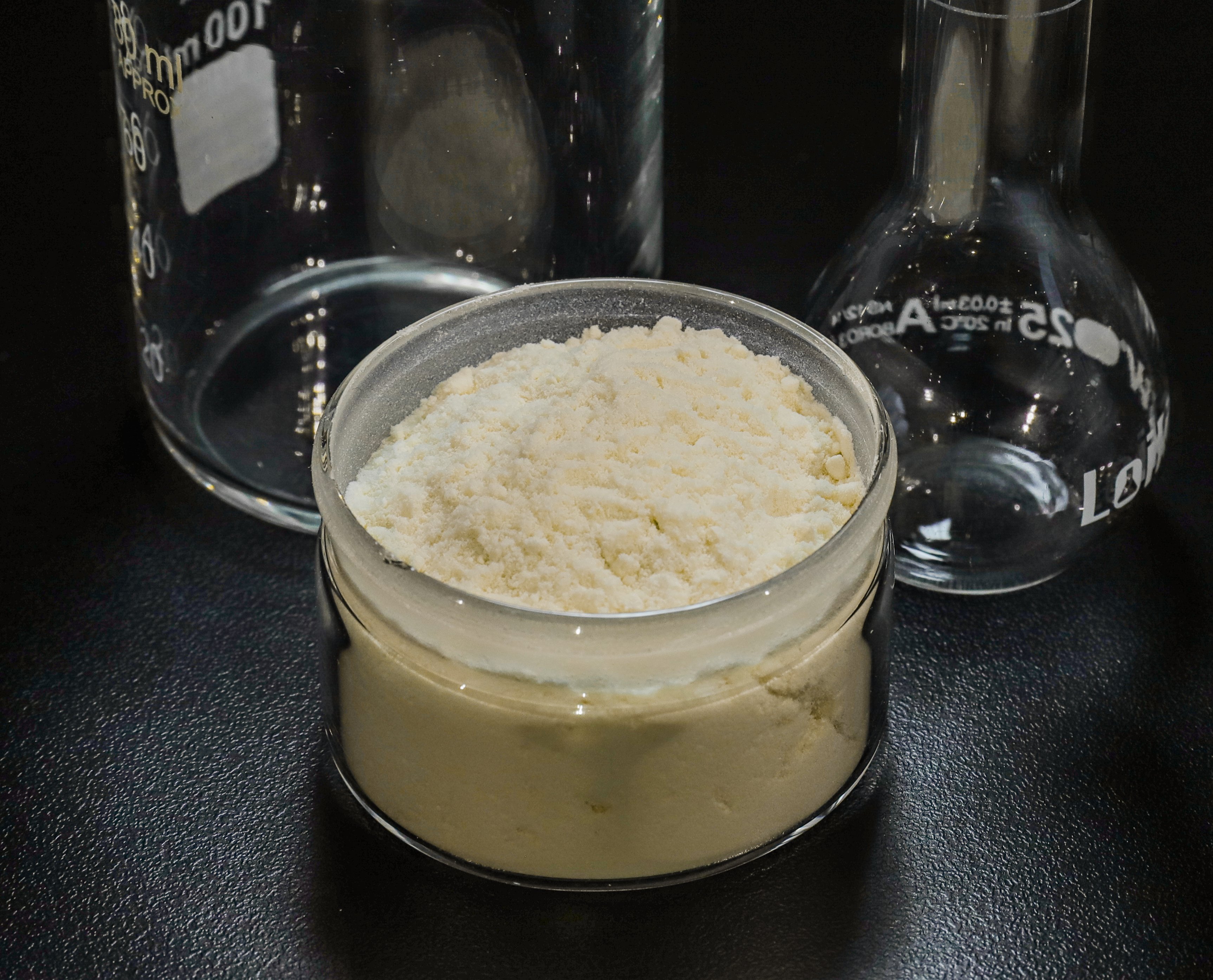
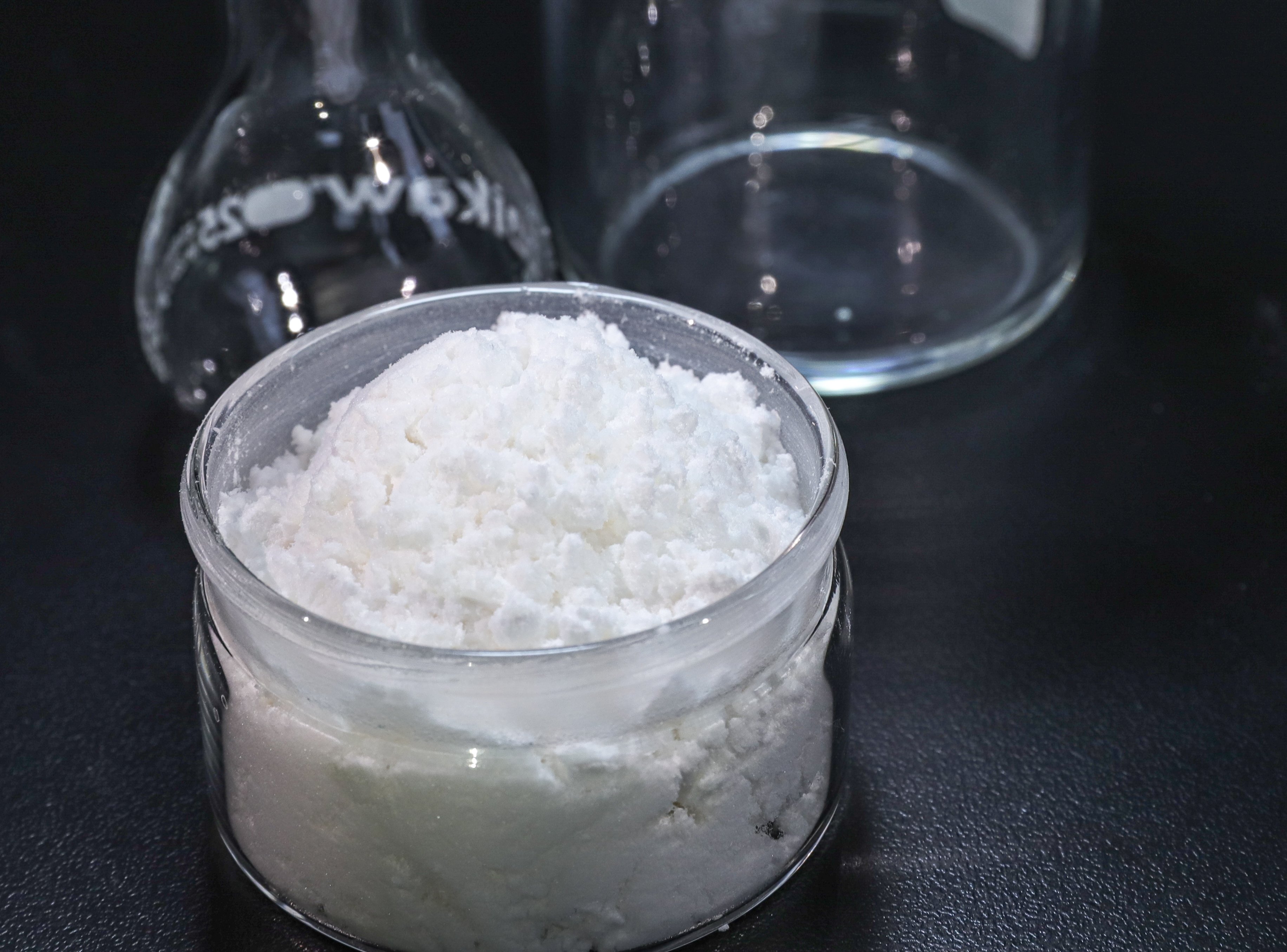
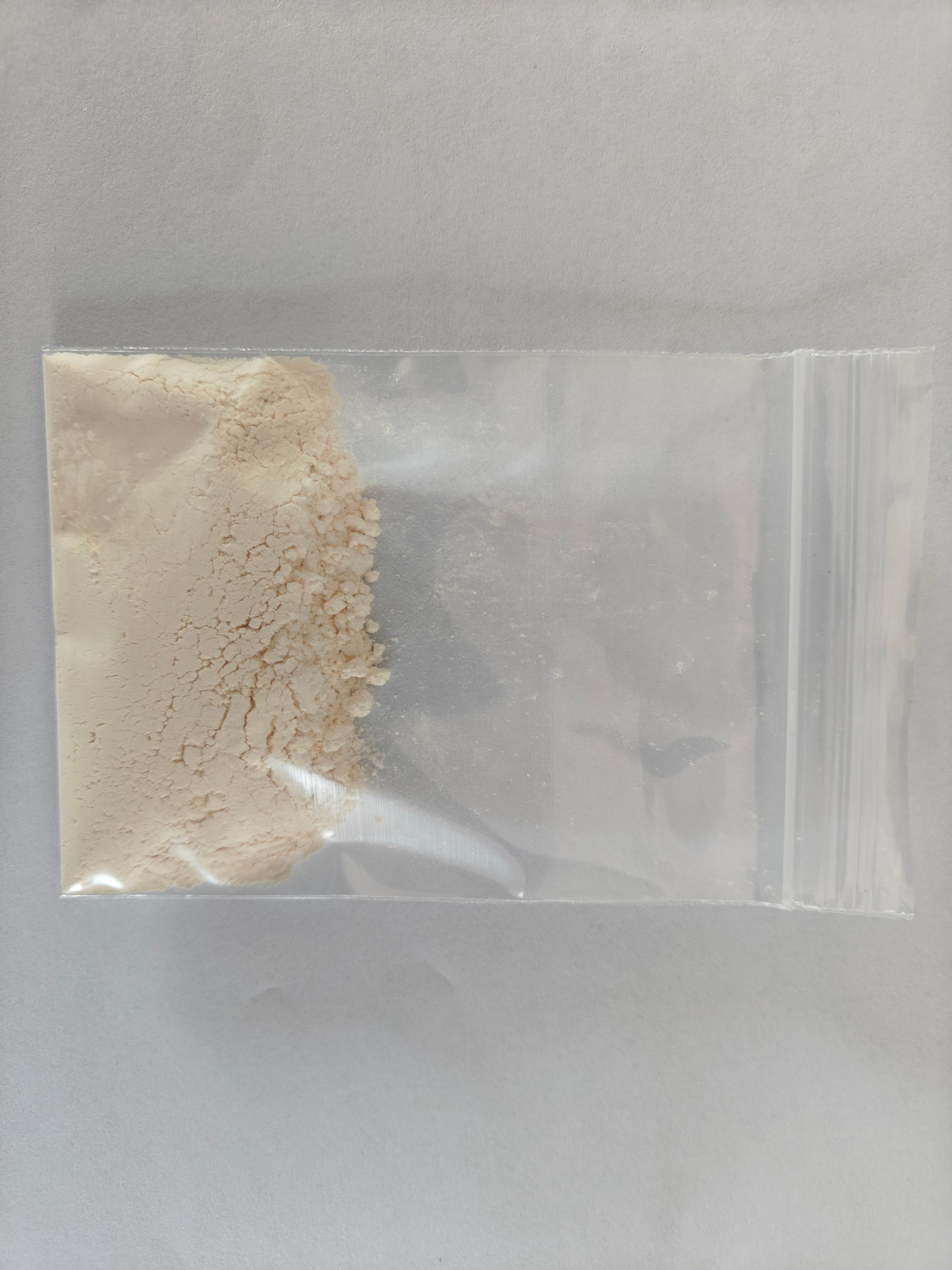
A latent curing agent for epoxy is a specialized chemical compound designed to remain inactive at room temperature but activate upon exposure to specific triggers such as heat, UV light, or moisture. This innovative technology allows epoxy formulations to maintain extended shelf life and workability while ensuring reliable curing when needed. The latent curing agent for epoxy offers exceptional control over the curing process, making it ideal for applications requiring precise timing and extended open times. These agents work by encapsulating reactive curing compounds or utilizing chemical structures that only release active curing species under designated conditions. The main functions include providing one-component epoxy systems with long-term stability, enabling heat-activated curing for manufacturing processes, and offering moisture-triggered curing for construction applications. Technological features of the latent curing agent for epoxy include controlled reaction kinetics, minimal premature crosslinking, and compatibility with various epoxy resin systems. Applications span across industries including aerospace composites, automotive coatings, electronics encapsulation, construction adhesives, and advanced manufacturing. The latent curing agent for epoxy technology has revolutionized how manufacturers formulate single-component systems, eliminating the need for mixing two-part systems immediately before application. This advancement significantly improves production efficiency and reduces material waste in industrial settings while maintaining superior mechanical properties and chemical resistance in the final cured product.

New Products

The latent curing agent for epoxy delivers substantial practical benefits that directly impact your production efficiency and product quality. First, these agents enable true one-component formulations, eliminating mixing errors and reducing labor costs associated with traditional two-part systems. Your operation gains immediate value through simplified handling procedures and reduced training requirements for personnel. The extended pot life provided by the latent curing agent for epoxy means you can prepare larger batches without worrying about premature gelation, leading to better inventory management and reduced material waste. From an operational standpoint, these agents offer remarkable flexibility in processing schedules since materials remain stable until deliberately activated, allowing you to pause and resume work without compromising final properties. Application suitability is particularly strong in scenarios requiring room-temperature storage but elevated-temperature curing, such as powder coatings and prepreg manufacturing. The latent curing agent for epoxy technology ensures consistent curing profiles, resulting in predictable mechanical properties and improved quality control across production runs. For decision-making purposes, consider that these agents reduce storage space requirements since single-component systems occupy less warehouse capacity than equivalent two-part formulations. The technology also minimizes equipment cleaning frequency, lowering maintenance costs and downtime. Products formulated with the latent curing agent for epoxy demonstrate excellent adhesion characteristics, thermal stability, and chemical resistance, making them suitable for demanding environments. The controlled activation mechanism prevents unwanted curing during transportation and storage, extending product shelf life from months to years, which significantly improves supply chain economics and reduces inventory turnover pressures for your business operations.

Latest News

How do procurement teams compare CDI coupling reagent suppliers

07

Jan

How do procurement teams compare CDI coupling reagent suppliers

Procurement teams in pharmaceutical and biotechnology companies face a complex decision when selecting suppliers for specialized chemical reagents. The evaluation of cdi coupling reagent suppliers requires a comprehensive understanding of product spe...
View More
How Can Organophosphine Based Catalysts Reduce Defects in Chip Encapsulation?

05

Mar

How Can Organophosphine Based Catalysts Reduce Defects in Chip Encapsulation?

Semiconductor manufacturing faces increasing demands for precision and reliability, particularly in chip encapsulation processes where defects can compromise entire electronic devices. Organophosphine based catalysts have emerged as critical componen...
View More
How Do Organophosphine Based Catalysts Affect Thermal Stability of EMCs?

05

Mar

How Do Organophosphine Based Catalysts Affect Thermal Stability of EMCs?

Thermal stability represents a critical performance parameter for electronic materials and components (EMCs), particularly in high-temperature industrial applications where reliability cannot be compromised. The integration of organophosphine based c...
View More
Why Are Thermally Latent Catalysts Preferred by Leading EMC Producers?

05

Mar

Why Are Thermally Latent Catalysts Preferred by Leading EMC Producers?

Electronic manufacturing companies worldwide have increasingly turned to advanced chemical solutions to optimize their production processes and enhance product reliability. Among these innovative solutions, thermally latent catalysts have emerged as ...
View More

Get a Free Quote

Our representative will contact you soon.
Email
Name
Company Name
Message
0/1000

latent curing agent for epoxy

Extended Shelf Stability with On-Demand Activation

Extended Shelf Stability with On-Demand Activation

The latent curing agent for epoxy provides unprecedented shelf stability by remaining completely dormant under normal storage conditions, typically lasting 12 to 24 months or longer without refrigeration. This remarkable stability stems from the encapsulation technology or inherent chemical structure that prevents premature reaction with epoxy resins. When you need to cure the material, simply apply the designated trigger such as heating to a specific temperature range, exposing to UV radiation, or introducing moisture depending on the agent type selected. This on-demand activation capability transforms manufacturing workflows by allowing batch preparation during off-peak hours, storage of pre-applied materials, and flexible production scheduling without sacrificing final product performance. The controlled activation ensures that curing begins uniformly throughout the material rather than in localized areas, producing consistent mechanical properties and eliminating weak points. For manufacturers, this translates to reduced waste from expired materials, improved production planning flexibility, and the ability to supply customers with ready-to-use formulations that activate precisely when needed, providing competitive advantages in markets demanding convenience and reliability.
Superior Processing Control and Application Versatility

Superior Processing Control and Application Versatility

The latent curing agent for epoxy offers exceptional processing control through programmable curing profiles that match specific manufacturing requirements. Unlike conventional curing agents that begin reacting immediately upon mixing, latent agents provide generous working times at ambient conditions, allowing complex part fabrication, detailed surface application, and intricate assembly procedures without time pressure. This processing window can extend from hours to days, depending on formulation and storage conditions. When activation occurs, the curing reaction proceeds predictably with well-defined temperature ranges and time frames, enabling precise process optimization. This versatility makes the latent curing agent for epoxy suitable for diverse applications including rapid-cure powder coatings requiring seconds at high temperature, medium-cure adhesives needing minutes at moderate heat, and slow-cure structural composites demanding hours for complete crosslinking. The technology accommodates various application methods such as spraying, brushing, rolling, or automated dispensing systems. Processing control extends to tailoring reactivity levels, allowing formulators to design systems with fast snap-cure characteristics for high-throughput production or slower development for stress-free curing in thick sections, providing solutions for virtually any industrial curing challenge.
Enhanced Performance and Environmental Benefits

Enhanced Performance and Environmental Benefits

Formulations incorporating the latent curing agent for epoxy deliver enhanced performance characteristics including superior mechanical strength, excellent chemical resistance, and outstanding thermal stability compared to some conventional curing systems. The controlled curing mechanism allows more complete crosslinking and uniform network formation, resulting in optimized physical properties throughout the cured material. These performance advantages translate to longer service life for coated surfaces, stronger bonds in adhesive applications, and better dimensional stability in composite structures. Environmental benefits represent another significant advantage, as single-component systems utilizing the latent curing agent for epoxy reduce volatile organic compound emissions by eliminating solvent-based mixing and cleaning procedures common with two-part systems. The technology supports sustainable manufacturing practices through decreased material waste, reduced energy consumption from eliminated mixing equipment, and minimized hazardous waste generation. Additionally, the extended shelf life reduces disposal of expired materials, contributing to circular economy principles. For regulatory compliance, these systems often meet stringent environmental standards more easily than traditional alternatives, simplifying approval processes and expanding market access for manufacturers committed to responsible production practices while maintaining or improving product performance specifications.

Get a Free Quote

Our representative will contact you soon.
Email
Name
Company Name
Message
0/1000