Electronic Encapsulation Additive Solutions

All Categories

electronic encapsulation additive

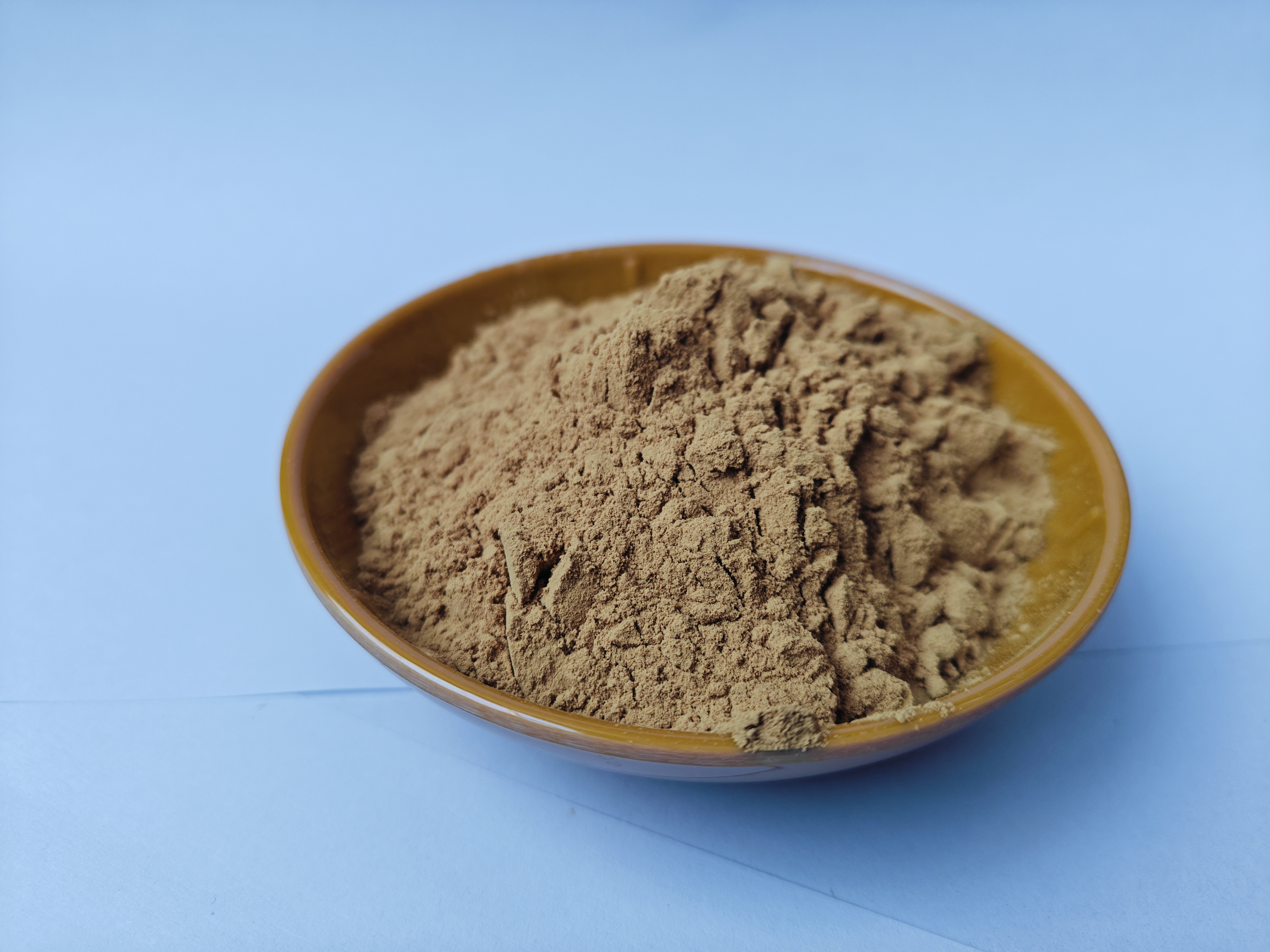
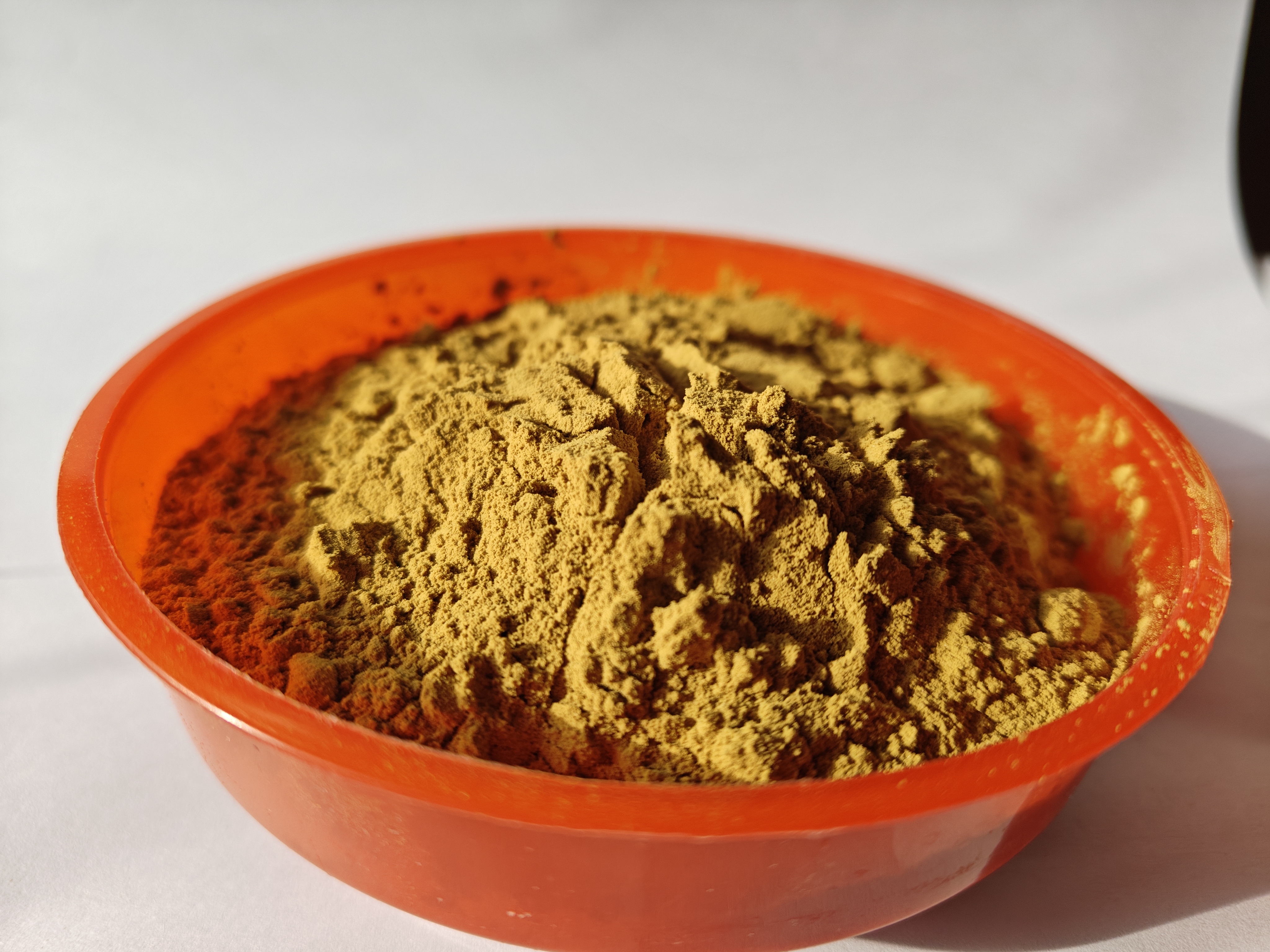
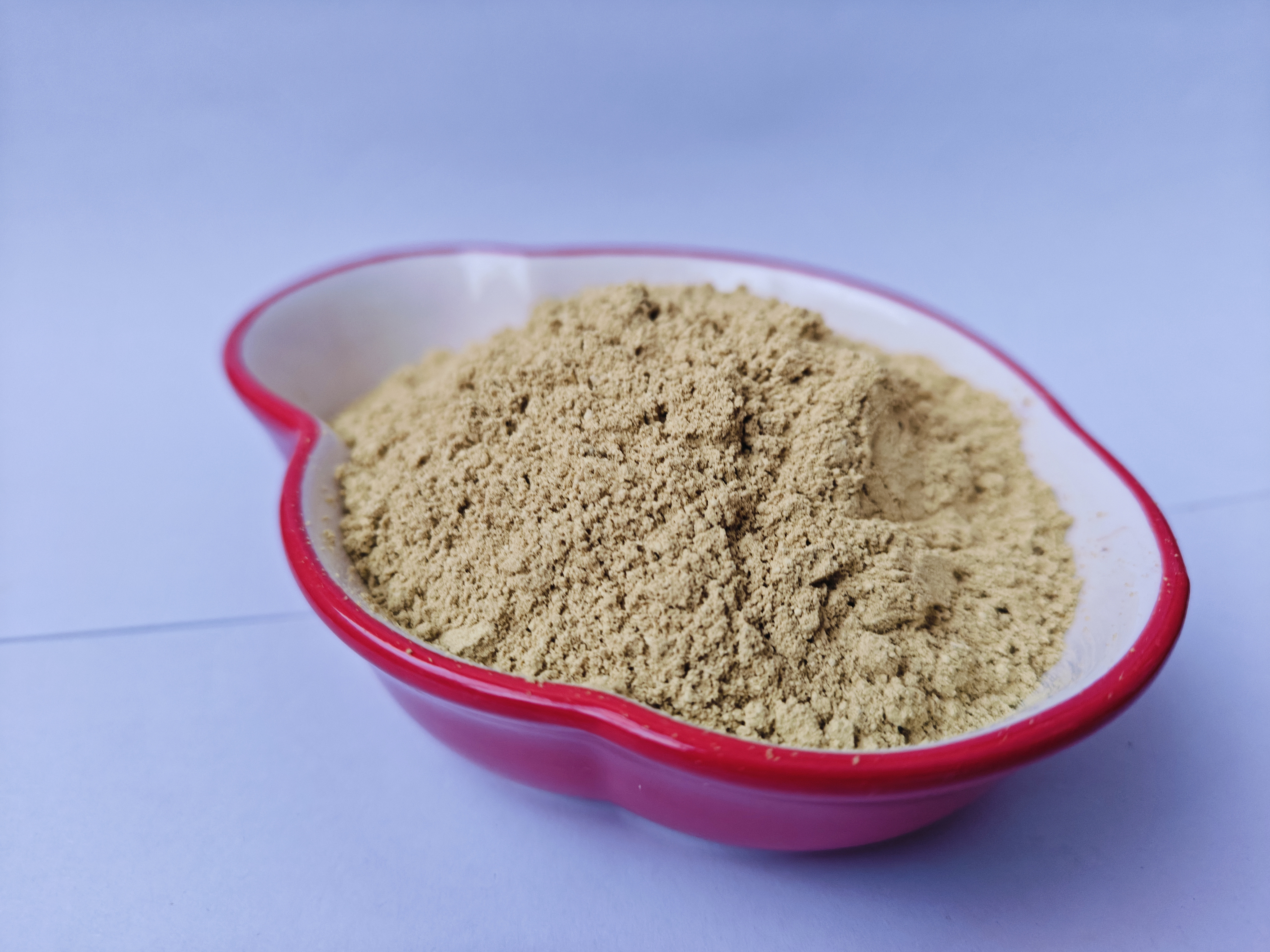
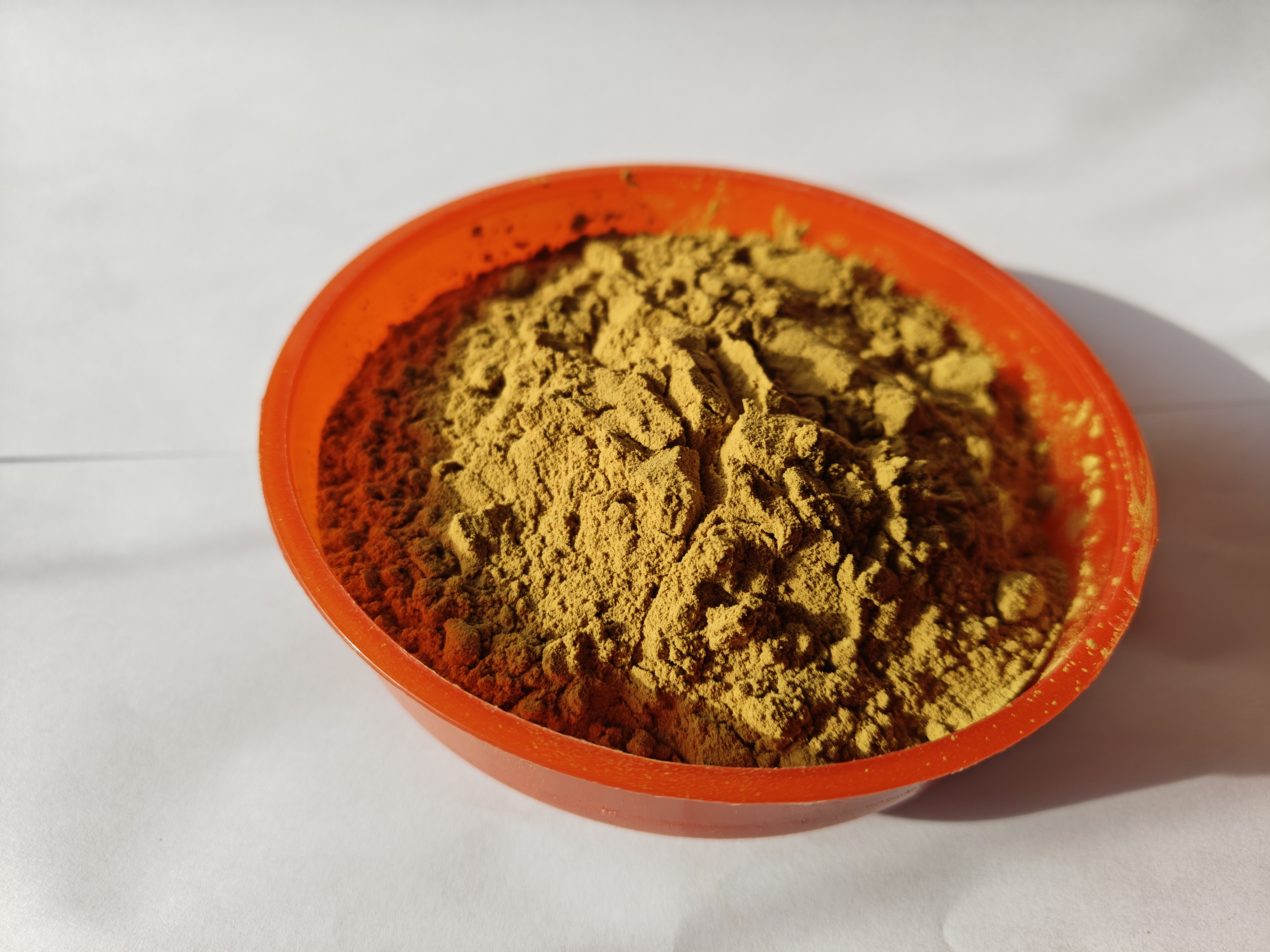
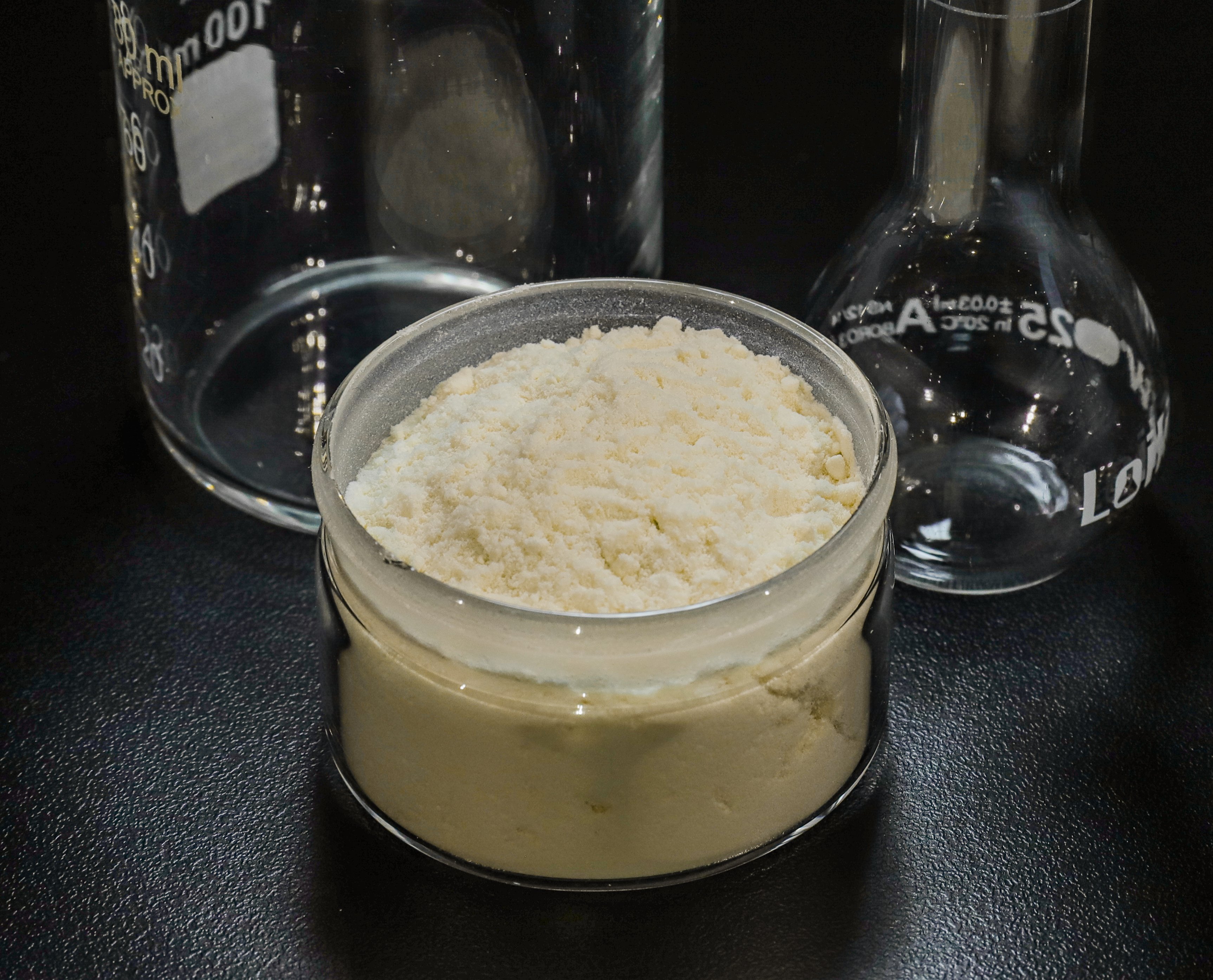
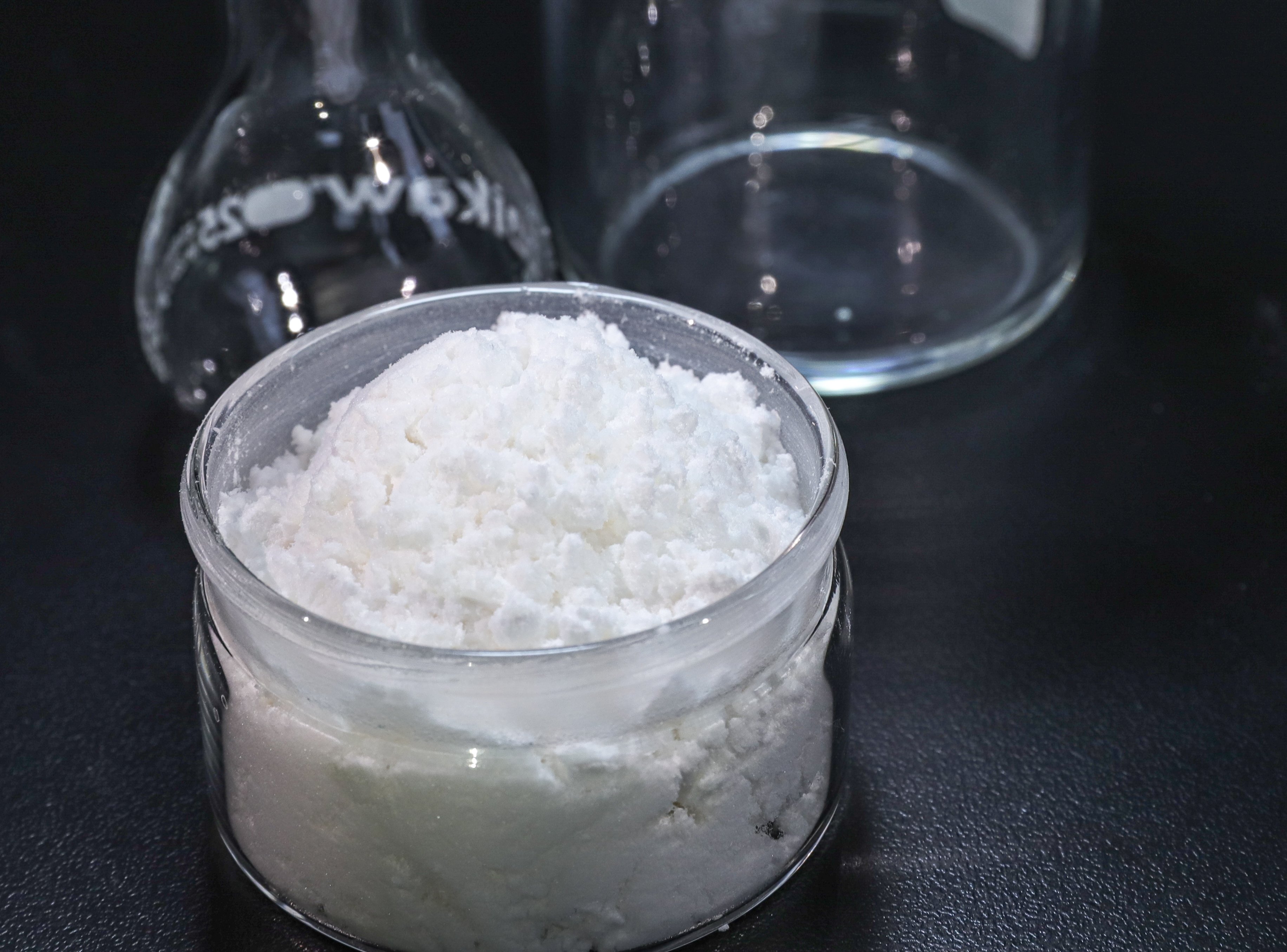
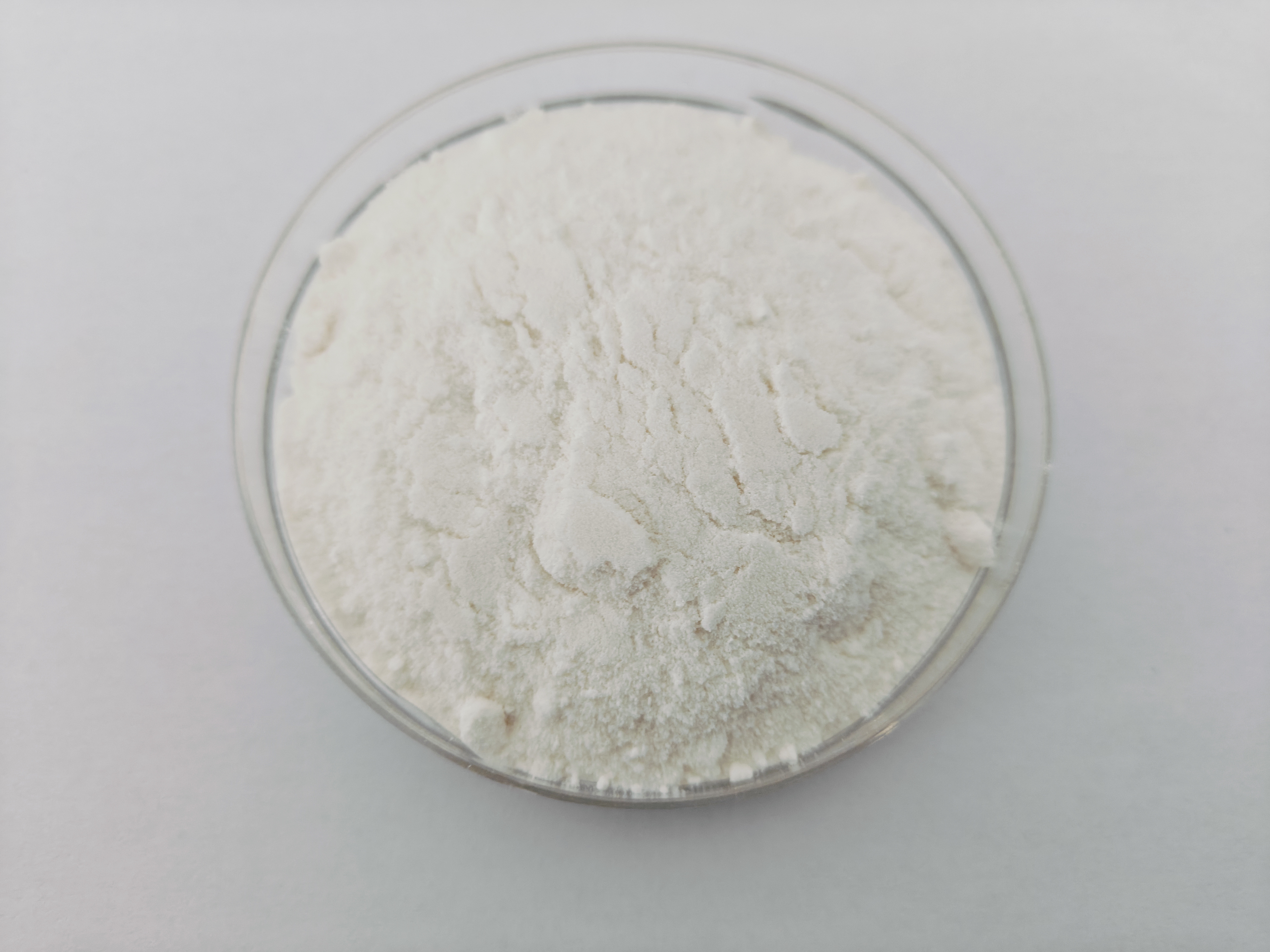
An electronic encapsulation additive is a specialized chemical formulation designed to enhance the performance and reliability of encapsulation materials used in electronic component protection. These additives are integrated into potting compounds, resins, and coating systems to improve critical properties such as adhesion, thermal conductivity, moisture resistance, and mechanical strength. The primary function of an electronic encapsulation additive is to optimize the protective barrier that shields sensitive electronic assemblies from environmental stresses including humidity, temperature fluctuations, chemical exposure, and physical impact. Technological features of these additives include advanced molecular structures that promote superior bonding between encapsulant materials and substrate surfaces, enhanced thermal management capabilities that facilitate heat dissipation from active components, and improved dielectric properties that maintain electrical insulation integrity. The electronic encapsulation additive serves multiple applications across diverse industries, from consumer electronics and automotive systems to aerospace instrumentation and industrial control equipment. In printed circuit board assemblies, these additives ensure long-term component reliability by preventing moisture ingress and corrosion. Power electronics benefit from improved thermal performance, while LED modules achieve extended operational lifespans through enhanced environmental protection. The selection of an appropriate electronic encapsulation additive depends on specific application requirements, operating conditions, and compatibility with base encapsulation materials, making technical consultation essential for optimal results.

New Product Recommendations

Implementing an electronic encapsulation additive delivers substantial practical benefits that directly impact product quality and manufacturing efficiency. These additives significantly extend the operational lifespan of electronic devices by creating robust protection against moisture, dust, chemicals, and mechanical stress that would otherwise cause premature failure. You gain improved thermal management as these additives enhance heat dissipation properties, allowing your electronic components to operate at lower temperatures and maintain consistent performance under demanding conditions. The enhanced adhesion properties ensure that encapsulation materials bond securely to various substrates including metals, ceramics, and plastics, eliminating delamination risks that compromise protection. Your manufacturing processes become more efficient because an electronic encapsulation additive improves flow characteristics and reduces curing times, leading to faster production cycles and lower energy consumption. The additives provide excellent dielectric stability, maintaining electrical insulation even in high-voltage applications and preventing short circuits or signal interference. You benefit from reduced warranty claims and maintenance costs as protected electronics demonstrate superior reliability in harsh environments including automotive under-hood conditions, outdoor installations, and industrial settings. The versatility of these additives allows customization for specific requirements, whether you need enhanced flame retardancy, improved flexibility, or increased chemical resistance. Cost-effectiveness emerges from the small dosage required to achieve significant performance improvements, making the electronic encapsulation additive an economical solution that delivers measurable returns through reduced failure rates, extended product lifecycles, and enhanced customer satisfaction across diverse electronic applications.

Latest News

How Can Selecting the Right Curing Agent for Epoxy Resins Improve Yield?

12

Feb

How Can Selecting the Right Curing Agent for Epoxy Resins Improve Yield?

The selection of an appropriate curing agent for epoxy resins represents one of the most critical decisions in industrial manufacturing processes, directly impacting product quality, processing efficiency, and overall production yield. Industrial man...
View More
How Can Curing Agents for Epoxy Resins Be Customized for Specific Applications?

12

Feb

How Can Curing Agents for Epoxy Resins Be Customized for Specific Applications?

The versatility and performance of epoxy resins largely depend on the selection and customization of appropriate curing agents for epoxy resins. These chemical compounds, also known as hardeners, play a crucial role in transforming liquid epoxy resin...
View More
How Can Organophosphine Based Catalysts Reduce Defects in Chip Encapsulation?

05

Mar

How Can Organophosphine Based Catalysts Reduce Defects in Chip Encapsulation?

Semiconductor manufacturing faces increasing demands for precision and reliability, particularly in chip encapsulation processes where defects can compromise entire electronic devices. Organophosphine based catalysts have emerged as critical componen...
View More
How Do Organophosphine Based Catalysts Affect Thermal Stability of EMCs?

05

Mar

How Do Organophosphine Based Catalysts Affect Thermal Stability of EMCs?

Thermal stability represents a critical performance parameter for electronic materials and components (EMCs), particularly in high-temperature industrial applications where reliability cannot be compromised. The integration of organophosphine based c...
View More

Get a Free Quote

Our representative will contact you soon.
Email
Name
Company Name
Message
0/1000

electronic encapsulation additive

Superior Environmental Protection Performance

Superior Environmental Protection Performance

The electronic encapsulation additive delivers exceptional defense against environmental factors that threaten electronic component integrity. This protective capability stems from advanced formulation chemistry that creates a dense, impermeable barrier preventing moisture penetration, the leading cause of electronic failure in field applications. The additive enhances hydrophobic properties within the encapsulation matrix, actively repelling water molecules and maintaining dry conditions around sensitive circuitry even in high-humidity environments. Chemical resistance is significantly improved, protecting assemblies from corrosive substances, oils, solvents, and cleaning agents commonly encountered in industrial and automotive settings. The enhanced mechanical properties provided by the electronic encapsulation additive ensure that encapsulated components withstand vibration, thermal cycling, and physical shock without cracking or debonding. This comprehensive protection translates to reliable operation across extreme temperature ranges from arctic cold to desert heat, making your products suitable for global deployment. Field performance data consistently demonstrates that electronics protected with quality encapsulation additives achieve failure rates substantially lower than conventionally protected assemblies, providing competitive advantages through superior reliability and reduced lifecycle costs that matter to end users.
Enhanced Thermal Management Capabilities

Enhanced Thermal Management Capabilities

Thermal performance represents a critical advantage delivered by an electronic encapsulation additive, directly addressing heat dissipation challenges in modern high-power electronics. These additives incorporate thermally conductive fillers and coupling agents that create efficient heat transfer pathways within the encapsulation material, channeling thermal energy away from heat-generating components toward heat sinks or ambient environments. This thermal management enhancement becomes increasingly vital as electronic devices become more compact and power-dense, where inadequate cooling leads to elevated operating temperatures that degrade performance and accelerate component aging. The electronic encapsulation additive enables optimal thermal conductivity without compromising electrical insulation properties, maintaining the essential dielectric barrier while improving heat flow. Power semiconductors, LED arrays, battery management systems, and high-frequency communication devices particularly benefit from this thermal optimization, achieving lower junction temperatures that extend operational lifespans and improve energy efficiency. Manufacturing flexibility increases because enhanced thermal properties may eliminate the need for additional cooling hardware, reducing assembly complexity and product costs. The result is electronics that operate cooler, perform more reliably, and maintain stable characteristics throughout their service lives, providing measurable value through reduced thermal stress and improved long-term stability.
Optimized Processing and Application Versatility

Optimized Processing and Application Versatility

An electronic encapsulation additive significantly improves manufacturing processability while offering remarkable versatility across diverse application requirements. These additives modify rheological properties of base encapsulation materials, reducing viscosity for easier dispensing and improved flow into complex geometries, ensuring complete coverage of intricate circuit board topographies without voids or air entrapment. Faster curing times accelerate production throughput, reducing manufacturing cycle times and energy consumption while maintaining full cross-linking for optimal mechanical and chemical properties. The electronic encapsulation additive enhances compatibility across various base resin systems including epoxies, silicones, polyurethanes, and acrylics, providing formulators with flexibility to select optimal material platforms for specific applications. This versatility extends to customization options where additive packages can be tailored to deliver specific property profiles such as increased flexibility for applications requiring strain accommodation, enhanced flame retardancy for safety-critical systems, or improved UV resistance for outdoor installations. Manufacturers appreciate the consistent batch-to-batch performance that quality additives provide, ensuring repeatable production outcomes and simplified quality control. The practical result is streamlined manufacturing operations, reduced material waste, lower production costs, and the ability to address diverse market segments with optimized formulations that meet exact performance specifications for each unique application environment.

Get a Free Quote

Our representative will contact you soon.
Email
Name
Company Name
Message
0/1000