EMC Curing Additive for Electronic Packaging

All Categories

EMC curing additive

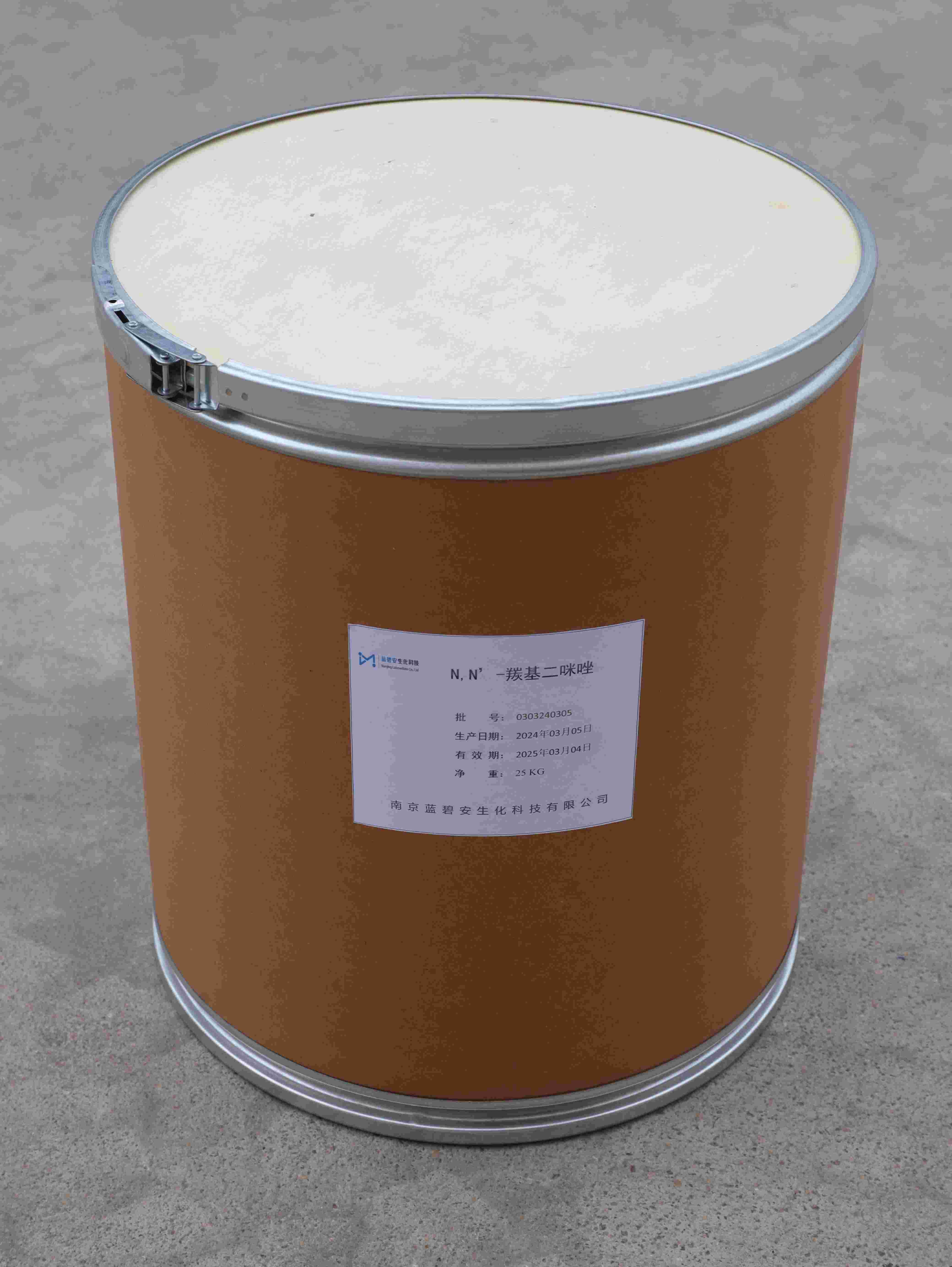
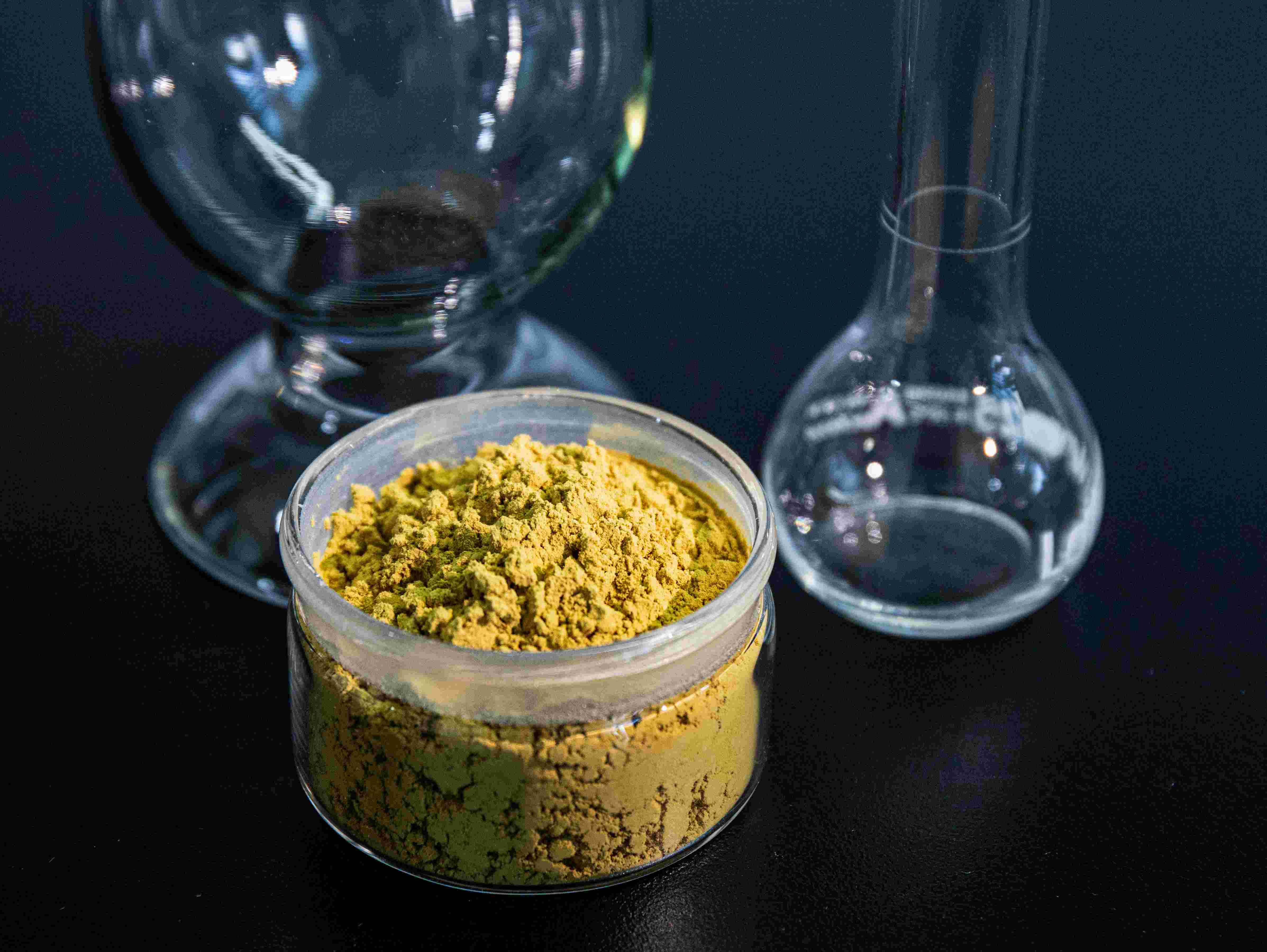
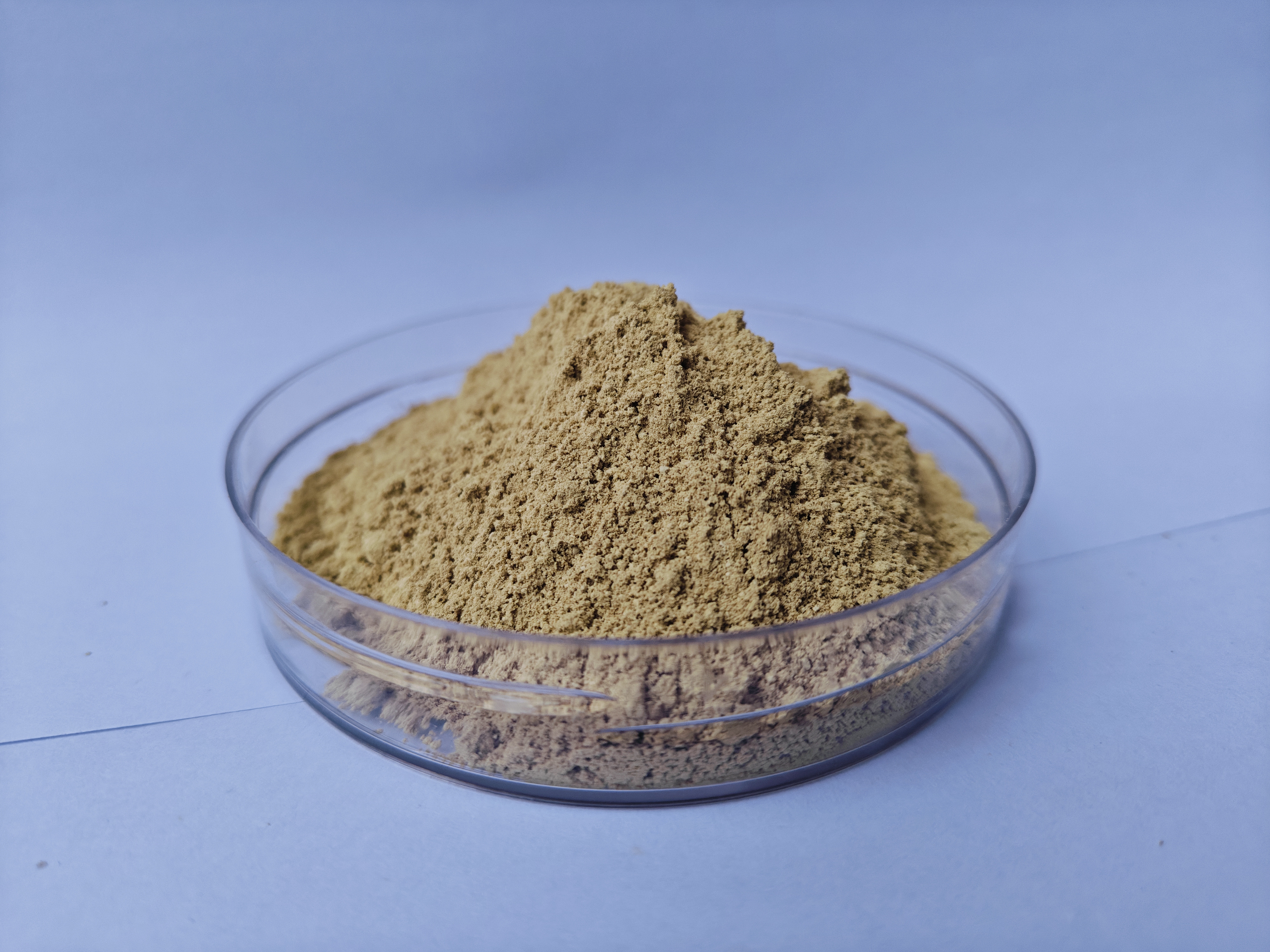
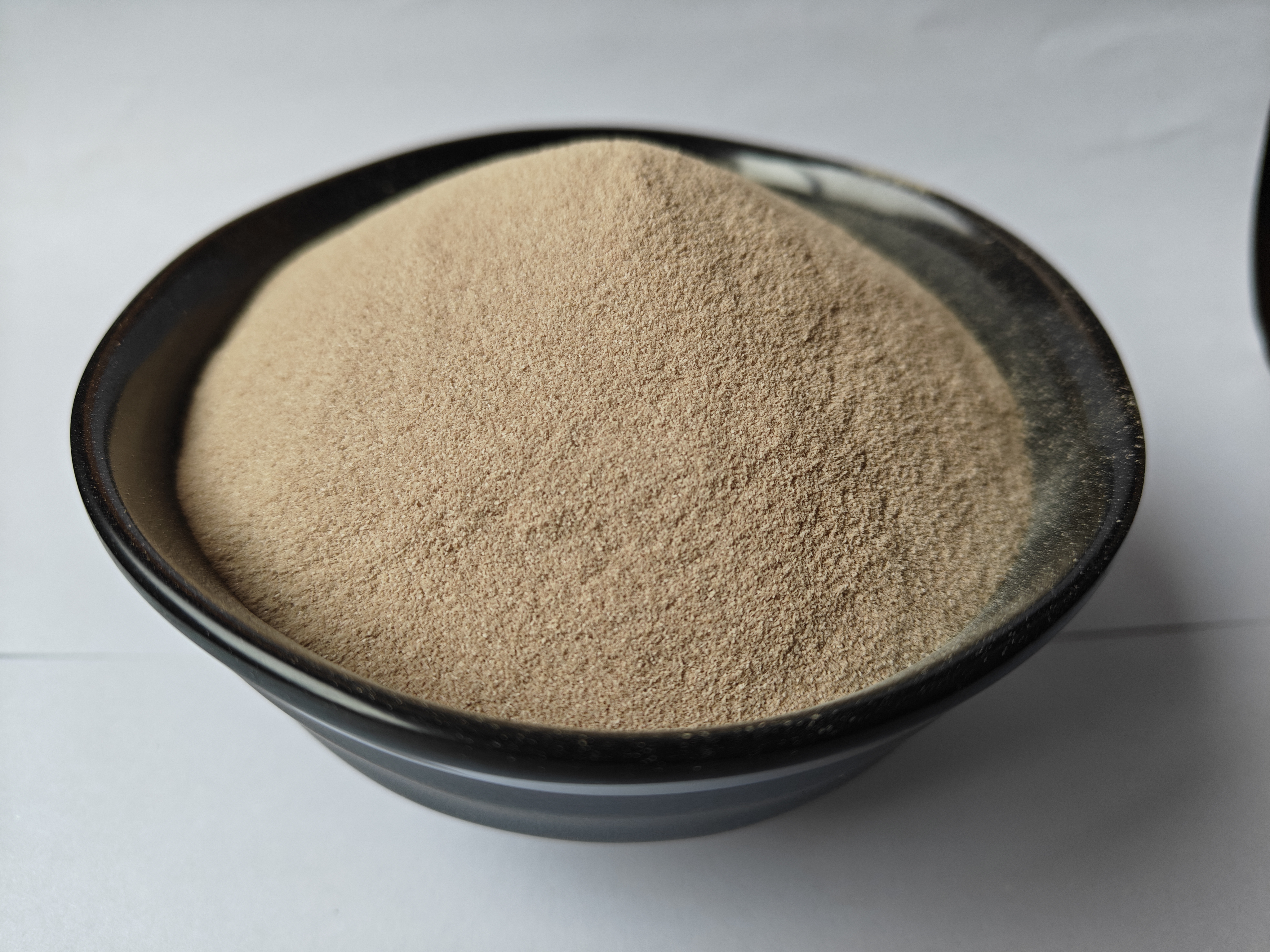
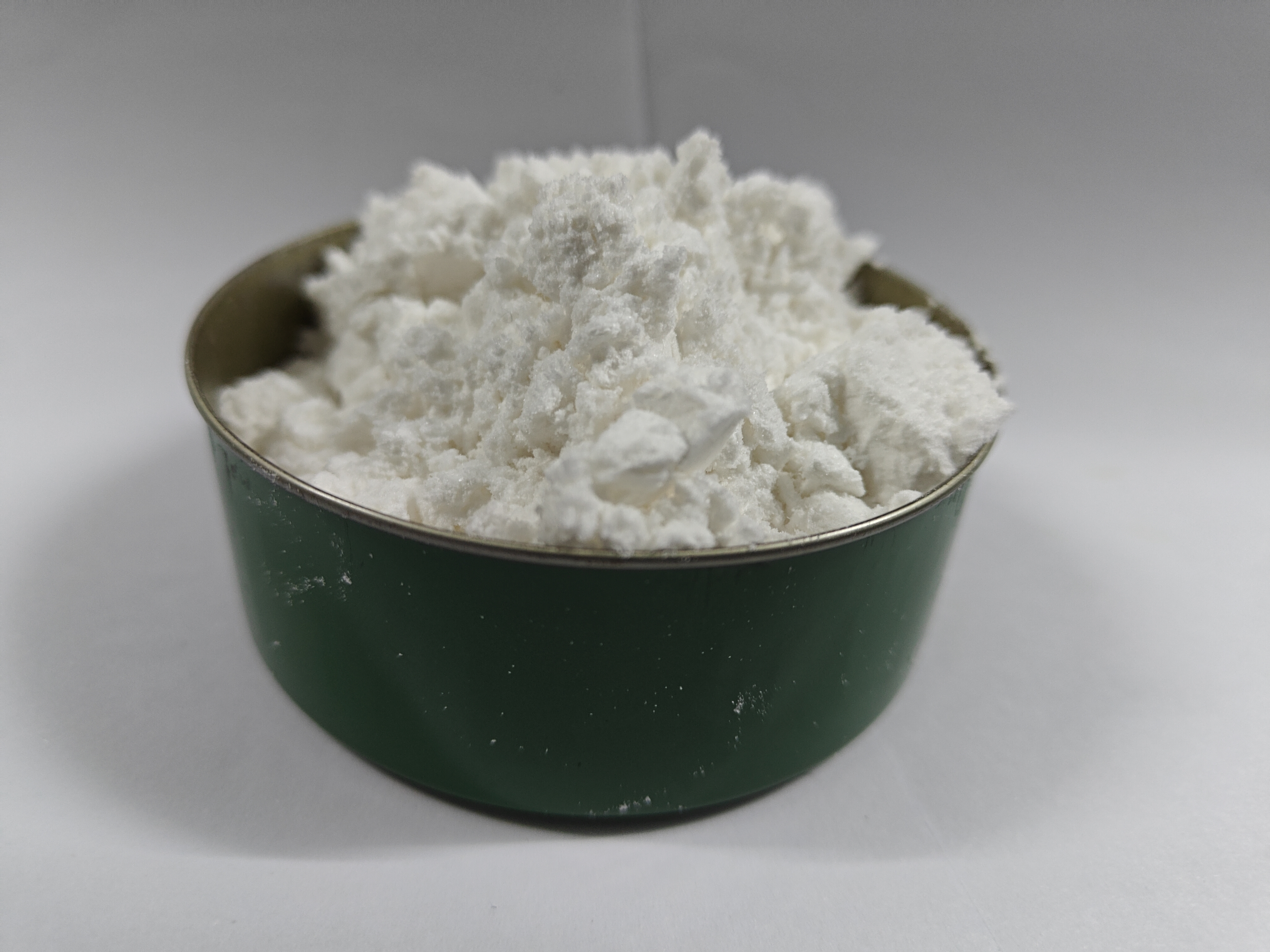
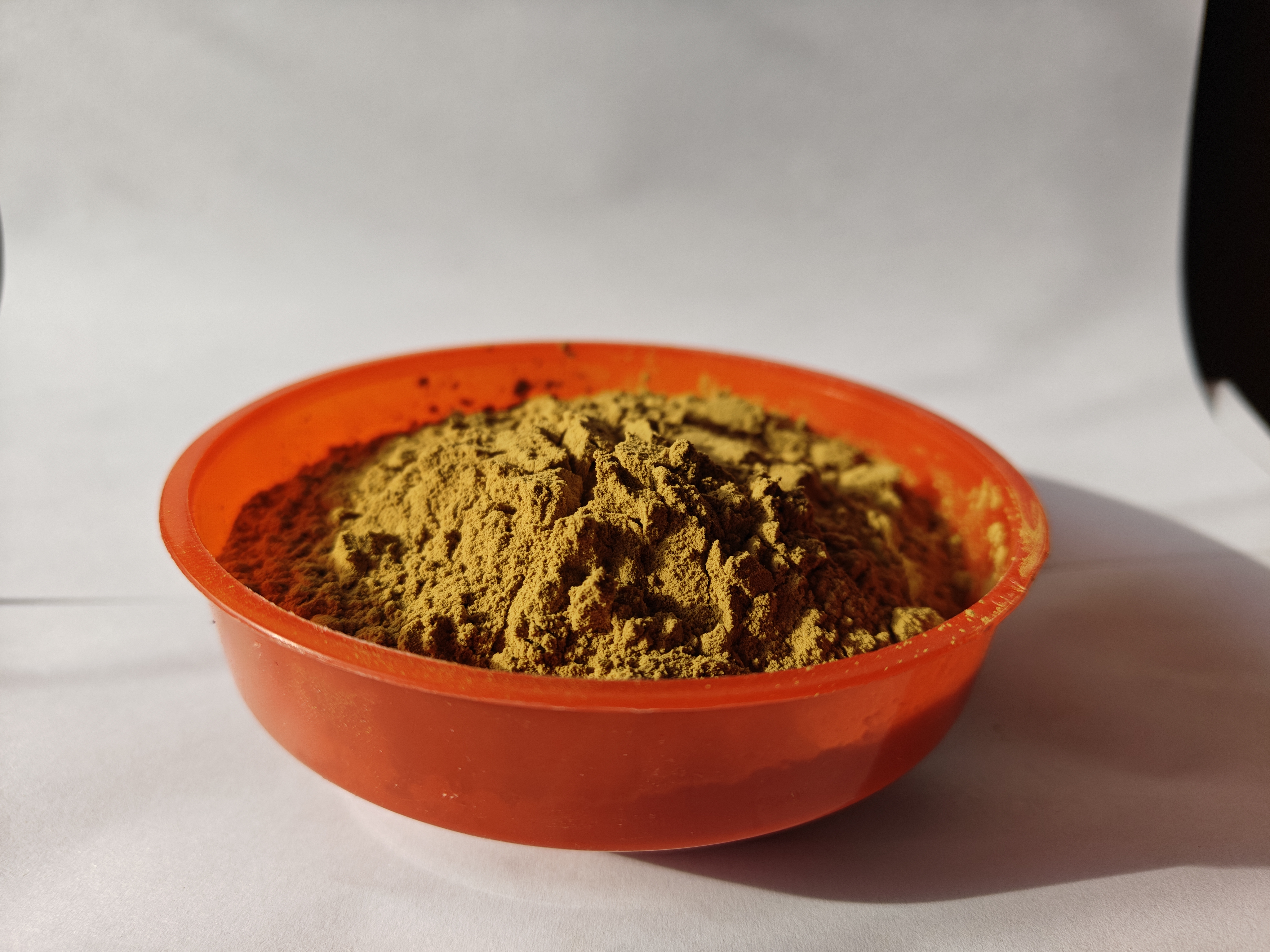
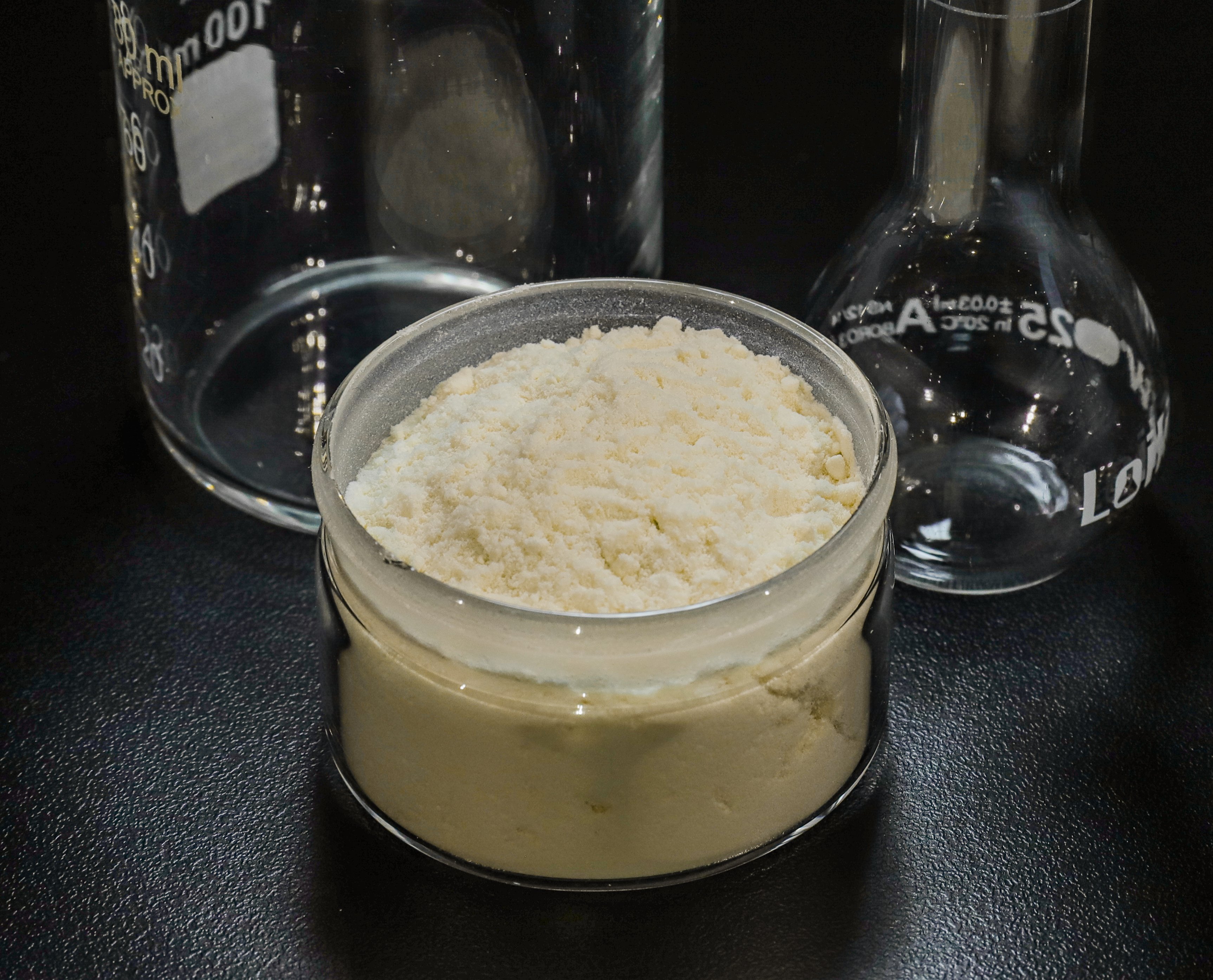
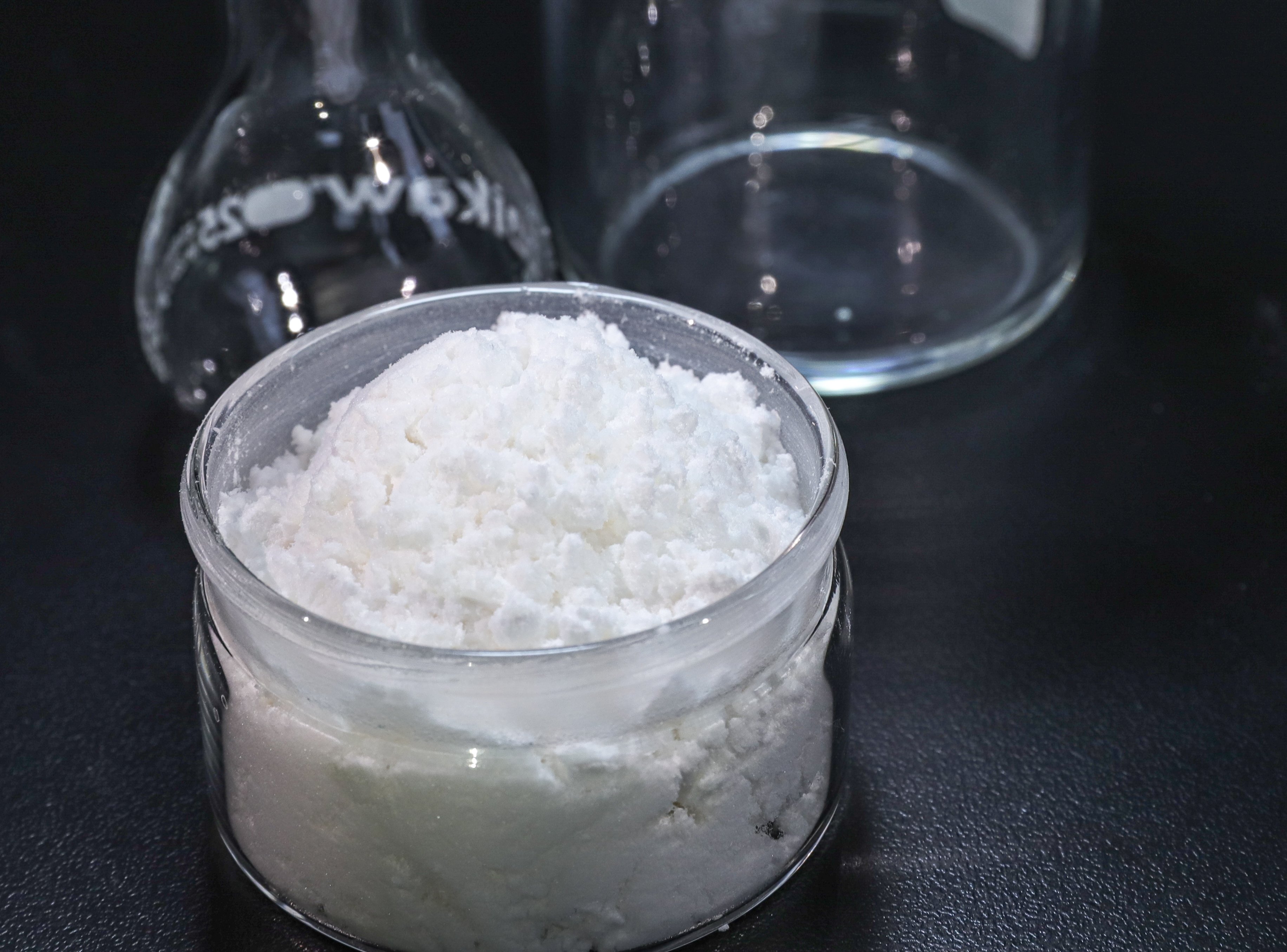
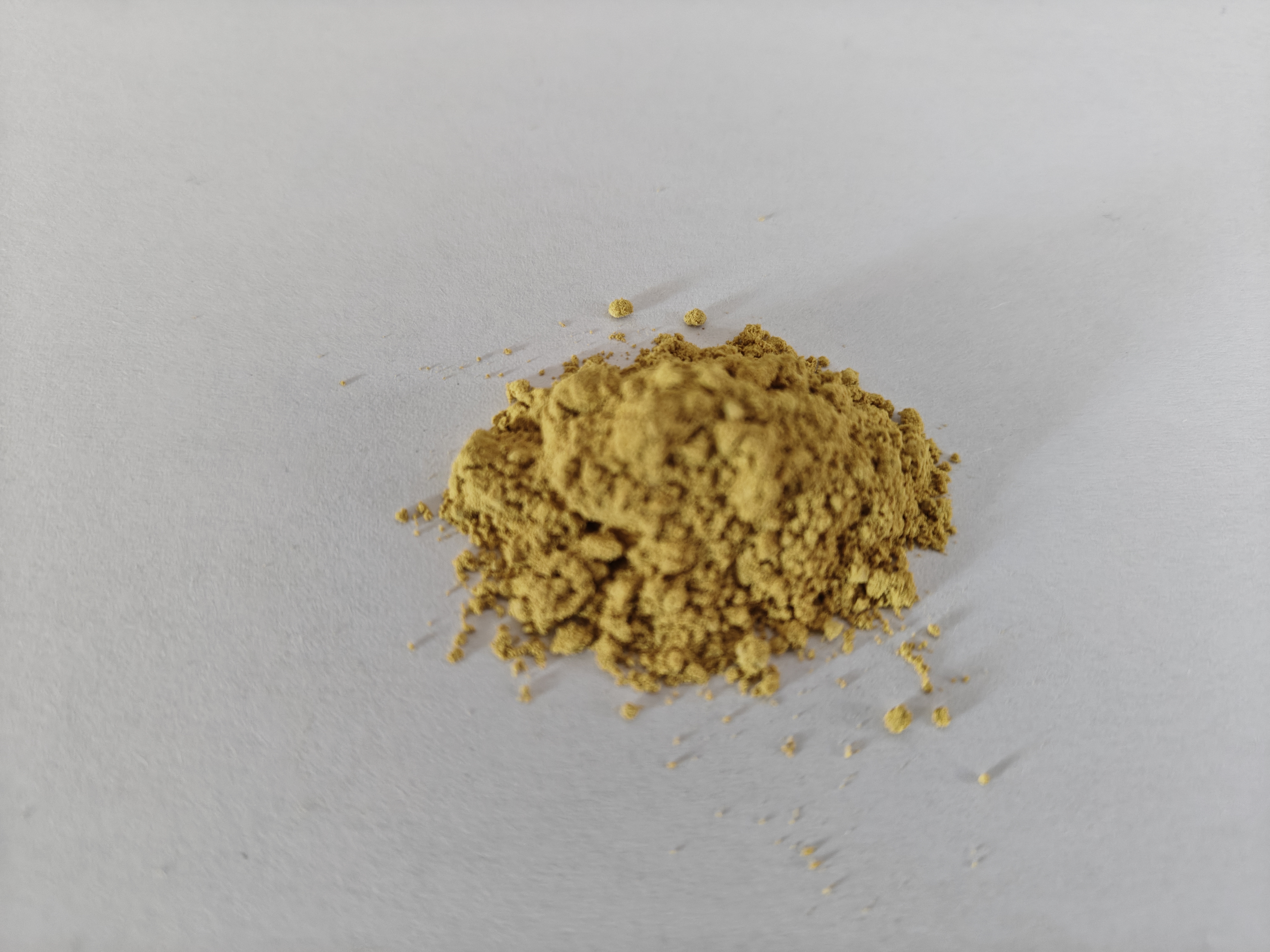
EMC curing additive is a specialized chemical formulation designed to enhance the curing process of epoxy molding compounds used in semiconductor packaging and electronic component encapsulation. This advanced additive plays a critical role in optimizing the cross-linking reaction during the molding process, ensuring that electronic components are properly protected and sealed. The EMC curing additive works by accelerating and controlling the polymerization reaction, which transforms liquid or semi-solid epoxy resins into hardened, durable protective coatings. Its main functions include reducing curing time, improving the mechanical strength of the final product, and enhancing thermal stability. The technological features of this EMC curing additive include precise reaction control, compatibility with various epoxy resin systems, and the ability to maintain consistent performance across different processing temperatures. It enables manufacturers to achieve uniform curing throughout the molding compound, preventing issues such as incomplete polymerization or thermal degradation. Applications of EMC curing additive span across multiple sectors of the electronics industry, including integrated circuit packaging, power semiconductor encapsulation, LED component manufacturing, and automotive electronics protection. This versatile additive is essential for producing reliable electronic devices that can withstand harsh operating conditions, moisture exposure, and mechanical stress. By incorporating EMC curing additive into their production processes, manufacturers can achieve superior product quality, extended device lifespan, and improved manufacturing efficiency.

New Product Releases

The EMC curing additive offers significant advantages that directly impact your production efficiency and product quality. First, it dramatically reduces processing time by accelerating the curing cycle, allowing you to increase throughput without compromising quality. This means you can produce more units per day, reducing labor costs and maximizing equipment utilization. The faster curing also translates to lower energy consumption, as molding presses spend less time at elevated temperatures, resulting in measurable cost savings on your utility bills. Second, this additive improves the reliability of your finished products by ensuring complete and uniform curing throughout the encapsulated components. This uniform curing eliminates weak spots that could lead to premature failure, reducing warranty claims and protecting your brand reputation. Your customers receive more durable products with better resistance to moisture, chemicals, and temperature fluctuations. Third, the EMC curing additive provides excellent process stability, meaning you experience fewer production defects and less material waste. The consistent performance across different batch runs simplifies quality control and reduces the need for frequent process adjustments. This stability is particularly valuable when working with complex multi-cavity molds or when processing different component sizes. Fourth, the additive is compatible with existing manufacturing equipment and requires minimal changes to your current processes, making implementation straightforward and cost-effective. You avoid expensive equipment upgrades while still achieving performance improvements. Finally, using this additive enhances the thermal and mechanical properties of the cured material, resulting in products that meet stringent industry standards and perform reliably in demanding applications such as automotive electronics and industrial control systems.

Tips And Tricks

How Do Organophosphine Based Catalysts Enhance EMC Curing Performance?

12

Dec

How Do Organophosphine Based Catalysts Enhance EMC Curing Performance?

The electronics manufacturing industry has witnessed remarkable advancements in encapsulation materials, particularly in the realm of epoxy molding compounds (EMC). As semiconductor devices become increasingly sophisticated and miniaturized, the dema...
View More
How Can Thermally Latent Catalysts Optimize Curing Control in Semiconductor Packaging?

12

Dec

How Can Thermally Latent Catalysts Optimize Curing Control in Semiconductor Packaging?

The semiconductor packaging industry faces increasingly complex challenges as device miniaturization demands precise material control and processing conditions. Among the critical technologies enabling advanced packaging solutions, thermally latent c...
View More
How do procurement teams compare CDI coupling reagent suppliers

07

Jan

How do procurement teams compare CDI coupling reagent suppliers

Procurement teams in pharmaceutical and biotechnology companies face a complex decision when selecting suppliers for specialized chemical reagents. The evaluation of cdi coupling reagent suppliers requires a comprehensive understanding of product spe...
View More
Which Factors Affect the Efficiency of Curing Agents in Epoxy Resin Systems?

12

Feb

Which Factors Affect the Efficiency of Curing Agents in Epoxy Resin Systems?

The efficiency of curing agents in epoxy resin systems depends on numerous interconnected factors that directly influence the polymerization process and final material properties. Understanding these variables is crucial for optimizing epoxy formulat...
View More

Get a Free Quote

Our representative will contact you soon.
Email
Name
Company Name
Message
0/1000

EMC curing additive

Accelerated Curing Performance

Accelerated Curing Performance

The EMC curing additive delivers exceptional acceleration of the curing reaction, enabling manufacturers to significantly reduce cycle times while maintaining superior product quality. This advanced formulation works at the molecular level to catalyze the cross-linking process, transforming the epoxy molding compound from a flowable state to a fully cured solid in a fraction of the time required by conventional methods. The accelerated curing performance translates directly into increased production capacity, as molding machines can complete more cycles per shift without any compromise in the structural integrity or protective properties of the encapsulated components. This benefit is particularly valuable in high-volume manufacturing environments where even small reductions in cycle time can yield substantial improvements in overall equipment effectiveness and return on investment. Additionally, the faster curing minimizes the risk of component damage from prolonged exposure to elevated temperatures, which is especially important when working with temperature-sensitive electronic devices. The EMC curing additive achieves this acceleration while maintaining excellent control over the reaction rate, preventing issues such as premature gelation or excessive exothermic heat generation that could damage delicate semiconductor components.
Superior Material Properties

Superior Material Properties

When incorporated into epoxy molding compounds, the EMC curing additive produces cured materials with outstanding mechanical strength, thermal stability, and chemical resistance. The enhanced cross-link density achieved through optimized curing results in a more robust polymer network that can withstand the mechanical stresses encountered during device assembly, handling, and operation. This superior material performance means that encapsulated components are better protected against physical impacts, vibration, and thermal cycling, which are common challenges in automotive, aerospace, and industrial applications. The improved thermal stability extends the operational temperature range of the finished products, allowing them to function reliably in extreme environments where conventional materials might degrade or fail. Furthermore, the EMC curing additive enhances the moisture barrier properties of the cured compound, providing excellent protection against humidity and preventing corrosion of sensitive metal surfaces within the package. The chemical resistance of the cured material is also significantly improved, ensuring that the encapsulated components remain protected even when exposed to aggressive substances such as fuels, oils, cleaning agents, or industrial chemicals. These enhanced material properties directly contribute to longer device lifespans, reduced failure rates, and improved customer satisfaction.

Process Flexibility and Consistency

Process Flexibility and Consistency

The EMC curing additive offers remarkable process flexibility, adapting seamlessly to various manufacturing conditions while delivering consistent results across different production scenarios. This versatility allows manufacturers to use the same additive formulation across multiple product lines and processing equipment, simplifying inventory management and reducing the complexity of production planning. The additive performs reliably across a wide range of curing temperatures and pressures, accommodating different mold designs and component configurations without requiring formulation adjustments. This consistency is invaluable for maintaining tight quality control standards and ensuring that every produced unit meets specifications regardless of which production line or shift manufactured it. The predictable performance characteristics of the EMC curing additive also reduce the learning curve for operators and minimize the time required for process optimization when introducing new products or transitioning between different component types. Additionally, the additive demonstrates excellent shelf stability, maintaining its performance characteristics over extended storage periods without degradation or separation. This stability reduces material waste and allows for efficient procurement and inventory practices. The consistent curing behavior also simplifies the development of processing parameters, enabling faster time-to-market for new products and reducing the resources required for process validation.

Get a Free Quote

Our representative will contact you soon.
Email
Name
Company Name
Message
0/1000