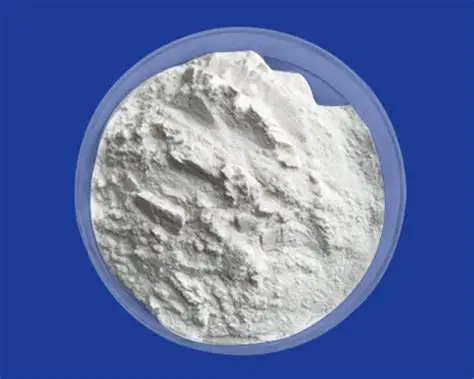
Imidazole Derivative for Fine Chemicals Solutions

All Categories

imidazole derivative for fine chemicals

An imidazole derivative for fine chemicals represents a versatile class of heterocyclic compounds widely utilized across pharmaceutical, agrochemical, and specialty chemical manufacturing sectors. These derivatives feature an imidazole ring structure that serves as a fundamental building block for synthesizing complex molecules with diverse functional properties. The main functions of an imidazole derivative for fine chemicals include acting as catalysts in organic synthesis, serving as intermediates in drug development, and functioning as corrosion inhibitors in industrial applications. Technological features include exceptional chemical stability under varying pH conditions, remarkable reactivity with electrophiles and nucleophiles, and the ability to coordinate with metal ions, making them invaluable in coordination chemistry. The imidazole derivative for fine chemicals exhibits strong basicity and nucleophilicity, enabling selective reactions that are crucial for precision chemical synthesis. Applications span multiple industries: in pharmaceuticals, these derivatives form the backbone of antifungal medications, antihistamines, and cardiovascular drugs; in agrochemicals, they contribute to fungicide and herbicide formulations; in material science, they enhance polymer properties and electronic materials. The imidazole derivative for fine chemicals also plays a critical role in biochemical research as enzyme inhibitors and receptor ligands. Their compatibility with green chemistry principles, combined with scalable synthesis methods, positions these derivatives as essential components in modern fine chemical production, offering manufacturers reliable performance and consistent quality for demanding applications.

New Product Recommendations

Choosing an imidazole derivative for fine chemicals delivers substantial practical benefits that directly impact your production efficiency and product quality. The superior chemical versatility of these derivatives allows you to streamline synthesis pathways, reducing the number of reaction steps required and lowering overall manufacturing costs. This translates to faster time-to-market for your products and improved profit margins. Operationally, the imidazole derivative for fine chemicals demonstrates excellent thermal stability and resistance to degradation, ensuring consistent performance across batch productions and minimizing waste from failed reactions. Your quality control processes become more predictable and reliable, reducing costly rework and rejected batches. The derivatives exhibit broad solubility profiles in both aqueous and organic solvents, giving you flexibility in process design and equipment utilization without requiring specialized handling systems. From an application perspective, the imidazole derivative for fine chemicals adapts seamlessly to various synthetic methodologies, whether you employ traditional batch processing or continuous flow chemistry. This adaptability means you can integrate these derivatives into existing production lines without significant capital investment in new infrastructure. The compounds demonstrate exceptional selectivity in chemical reactions, minimizing unwanted side products and simplifying downstream purification processes, which reduces solvent consumption and disposal costs. For decision-making purposes, suppliers of the imidazole derivative for fine chemicals typically offer robust technical support, comprehensive analytical documentation, and regulatory compliance certifications that facilitate smoother product approval processes. The established supply chains and multiple sourcing options provide supply security, protecting your operations from disruption. Environmental benefits include reduced energy requirements for synthesis and lower emissions compared to alternative chemical pathways, helping you meet sustainability targets and regulatory requirements while maintaining competitive production economics.

Practical Tips

How do procurement teams compare CDI coupling reagent suppliers

07

Jan

How do procurement teams compare CDI coupling reagent suppliers

Procurement teams in pharmaceutical and biotechnology companies face a complex decision when selecting suppliers for specialized chemical reagents. The evaluation of cdi coupling reagent suppliers requires a comprehensive understanding of product spe...
View More
How Can CDI Coupling Reagents Be Optimized for Lab-Scale and Industrial Use?

12

Feb

How Can CDI Coupling Reagents Be Optimized for Lab-Scale and Industrial Use?

CDI coupling reagents have revolutionized the way researchers and industrial chemists approach amide bond formation and esterification reactions. These versatile compounds, particularly N,N'-carbonyldiimidazole, offer exceptional efficiency in activa...
View More
How Do Organophosphine Based Catalysts Affect Thermal Stability of EMCs?

05

Mar

How Do Organophosphine Based Catalysts Affect Thermal Stability of EMCs?

Thermal stability represents a critical performance parameter for electronic materials and components (EMCs), particularly in high-temperature industrial applications where reliability cannot be compromised. The integration of organophosphine based c...
View More
How Do Thermally Latent Catalysts Affect Reaction Rate and Thermal Properties?

05

Mar

How Do Thermally Latent Catalysts Affect Reaction Rate and Thermal Properties?

Thermally latent catalysts represent a revolutionary approach to controlling chemical reactions through temperature-dependent activation mechanisms. These specialized compounds remain inactive at room temperature but undergo rapid activation when hea...
View More

Get a Free Quote

Our representative will contact you soon.
Email
Name
Company Name
Message
0/1000

imidazole derivative for fine chemicals

Exceptional Catalytic Efficiency in Organic Synthesis

Exceptional Catalytic Efficiency in Organic Synthesis

The imidazole derivative for fine chemicals demonstrates outstanding catalytic performance that revolutionizes organic synthesis processes across multiple reaction types. These derivatives function as highly efficient nucleophilic catalysts in acylation, esterification, and polymerization reactions, accelerating reaction rates by factors of ten to one hundred compared to uncatalyzed processes. The unique electronic structure of the imidazole ring, with its nitrogen atoms positioned to facilitate proton transfer and nucleophilic attack, creates an ideal catalytic environment that operates effectively at mild temperatures and pressures. This efficiency translates directly to energy savings and reduced operational costs in your manufacturing facility. The imidazole derivative for fine chemicals maintains catalytic activity across a wide temperature range, from ambient conditions to elevated temperatures exceeding 150 degrees Celsius, providing process flexibility that accommodates various substrate requirements. Importantly, these derivatives exhibit excellent recyclability in catalytic applications, allowing recovery and reuse across multiple production cycles without significant activity loss. This reusability further enhances the economic value proposition while reducing chemical waste generation, aligning with contemporary green chemistry initiatives and environmental regulations that increasingly govern fine chemical manufacturing operations.
Pharmaceutical Intermediate with Proven Biological Activity

Pharmaceutical Intermediate with Proven Biological Activity

As a pharmaceutical intermediate, the imidazole derivative for fine chemicals offers unmatched versatility in drug development and active pharmaceutical ingredient synthesis. The imidazole scaffold appears in over two hundred FDA-approved medications, demonstrating its proven safety profile and biological compatibility. These derivatives serve as precursors for synthesizing antifungal agents like ketoconazole and miconazole, antiulcer medications such as cimetidine, and numerous cardiovascular therapeutics. The structural features of the imidazole derivative for fine chemicals enable specific interactions with biological targets, including enzyme active sites and receptor binding domains, facilitating the development of highly selective therapeutic agents with minimized off-target effects. Pharmaceutical manufacturers benefit from the well-established synthetic routes and comprehensive toxicological data available for imidazole-based compounds, significantly reducing the time and investment required for preclinical development stages. The imidazole derivative for fine chemicals demonstrates excellent bioavailability characteristics when incorporated into drug molecules, supporting oral administration formulations that patients prefer. Regulatory agencies worldwide recognize imidazole derivatives as acceptable pharmaceutical components, streamlining approval processes and accelerating market entry for new therapeutic products that incorporate these versatile building blocks into their molecular architecture.
Superior Coordination Chemistry for Advanced Materials

Superior Coordination Chemistry for Advanced Materials

The imidazole derivative for fine chemicals excels in coordination chemistry applications, forming stable complexes with transition metals that enable advanced material development across electronics, catalysis, and functional coatings. The nitrogen donor atoms within the imidazole ring create strong coordination bonds with metal centers including copper, zinc, nickel, and platinum, producing complexes with precisely controlled geometries and electronic properties. These metal-imidazole complexes serve as precursors for depositing thin films in semiconductor manufacturing, as components in organic light-emitting diodes, and as specialized catalysts for selective hydrogenation and oxidation reactions. The imidazole derivative for fine chemicals contributes to corrosion-resistant coatings by forming protective layers on metal surfaces through coordination bonding, extending equipment lifespan in harsh industrial environments. In materials science research, these derivatives enable the synthesis of metal-organic frameworks with tailored pore structures for gas separation, storage applications, and heterogeneous catalysis. The predictable coordination behavior of the imidazole derivative for fine chemicals allows materials engineers to design compounds with specific magnetic, optical, or electronic properties, accelerating innovation in functional materials that address emerging technological challenges in energy storage, sensing technologies, and sustainable chemical processing.

Get a Free Quote

Our representative will contact you soon.
Email
Name
Company Name
Message
0/1000