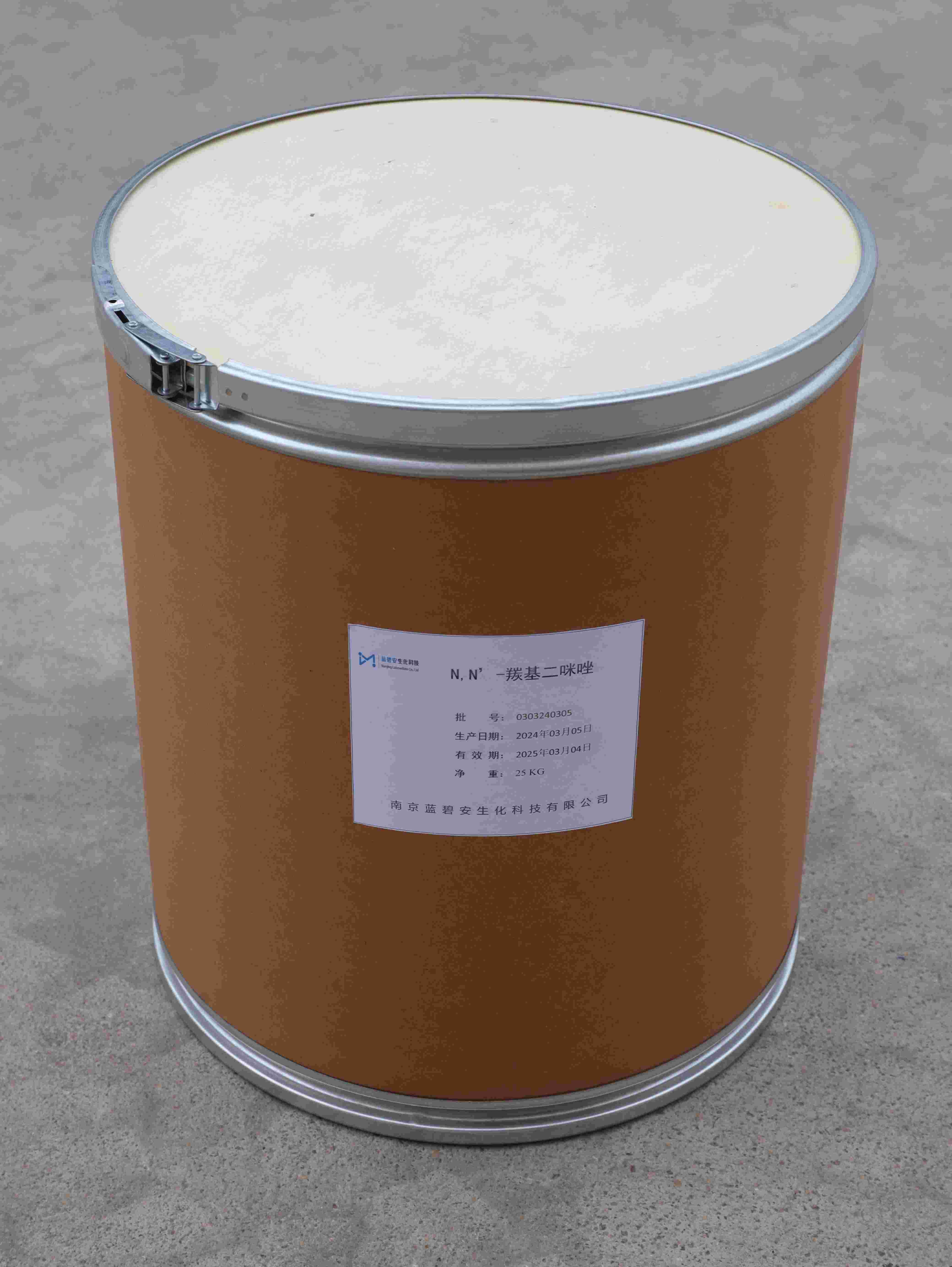
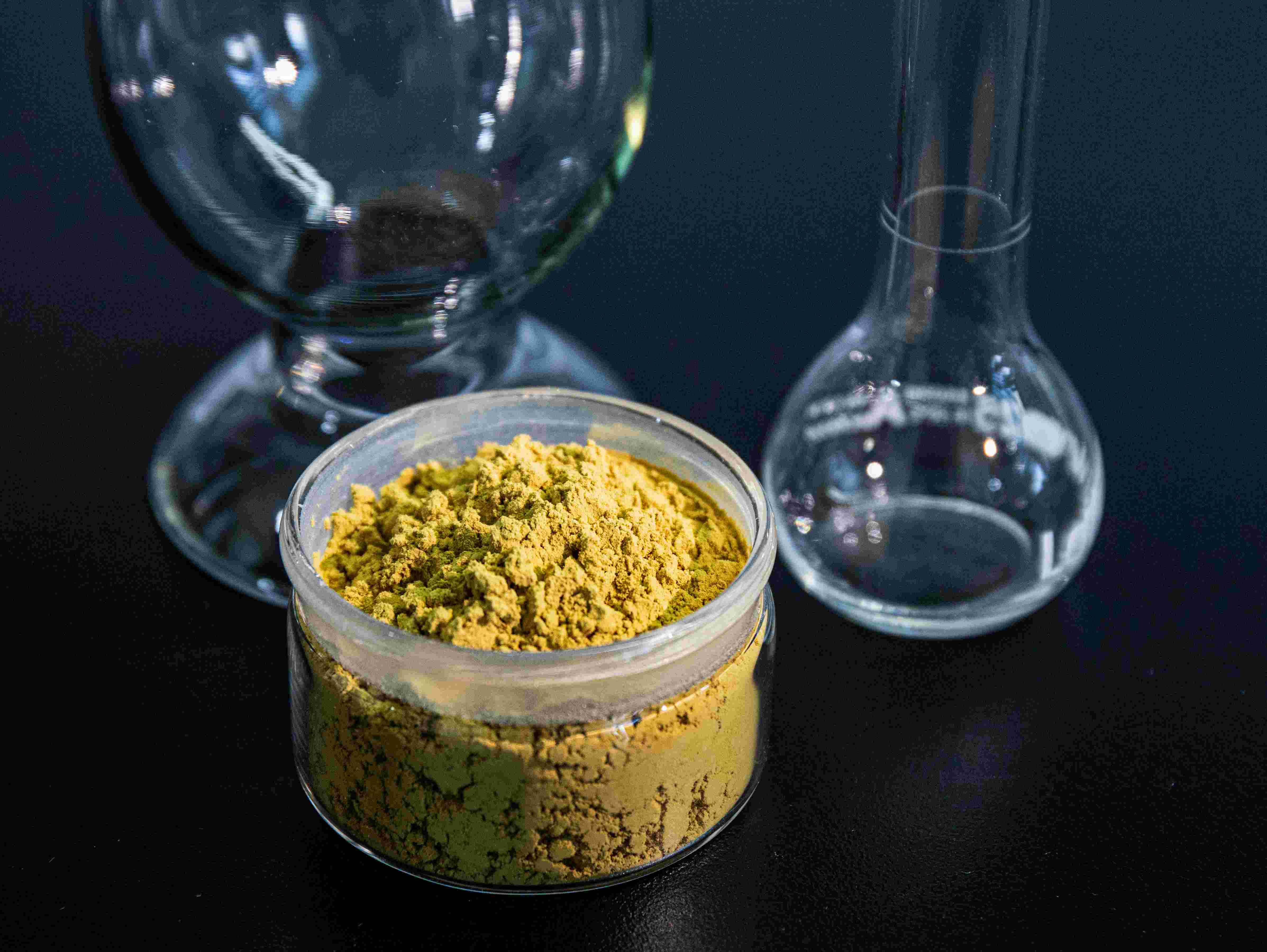
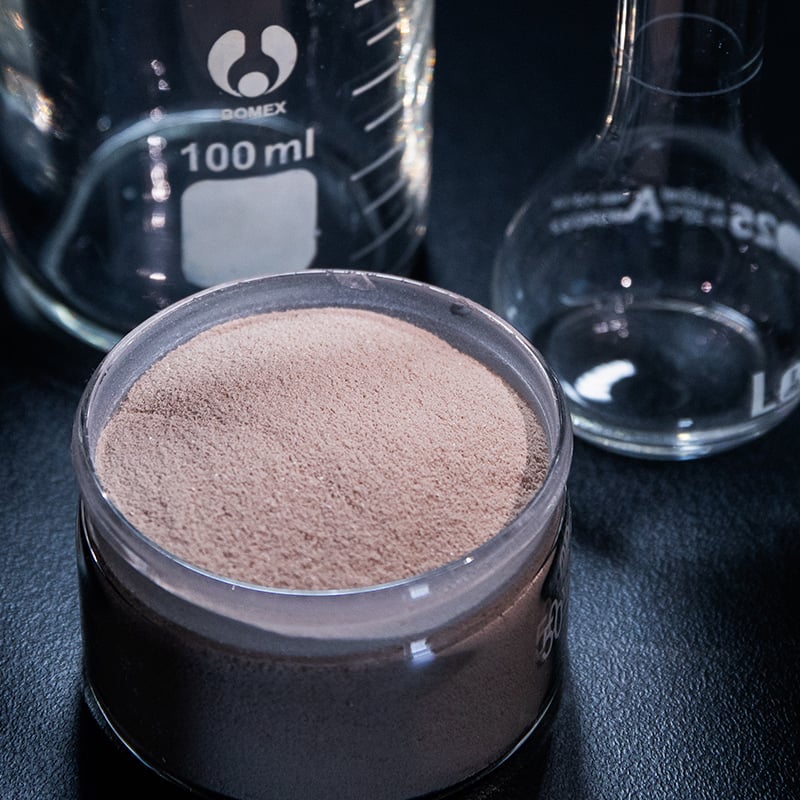
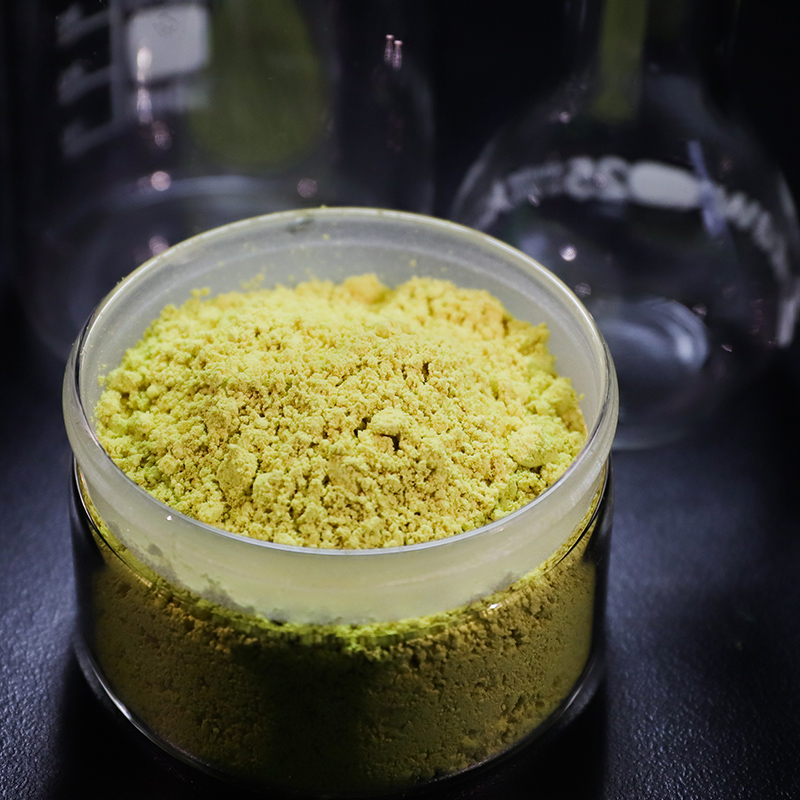
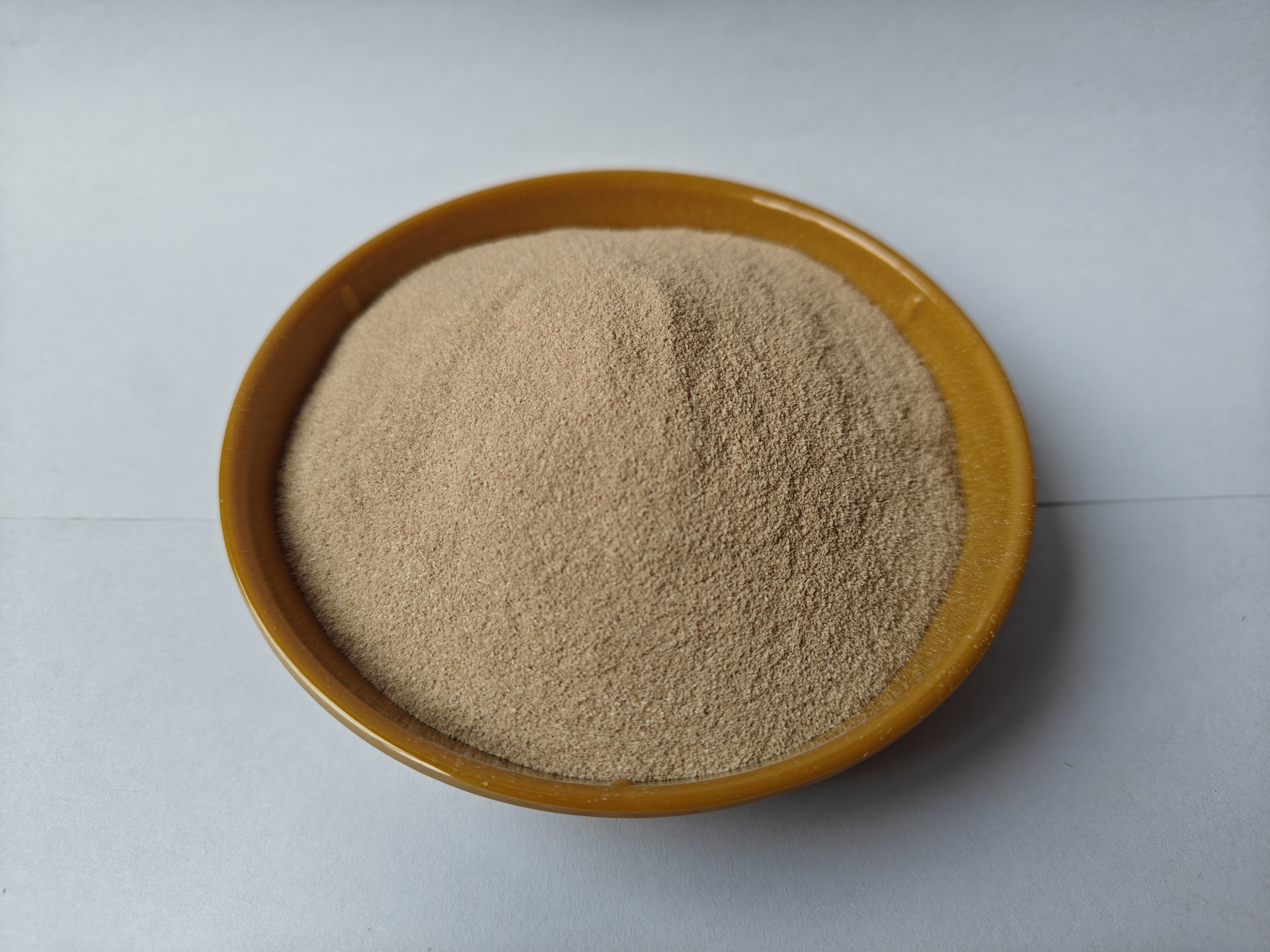
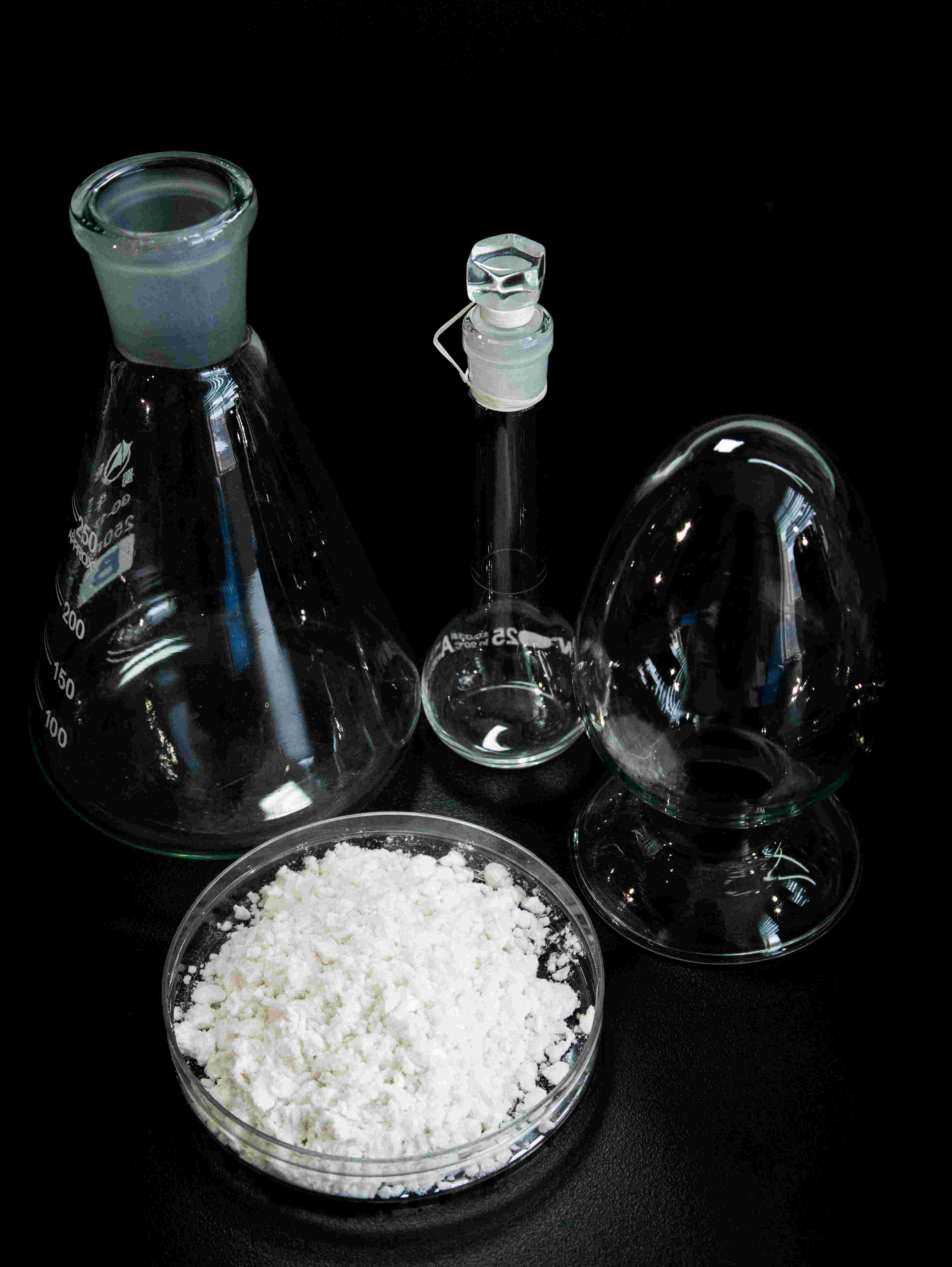
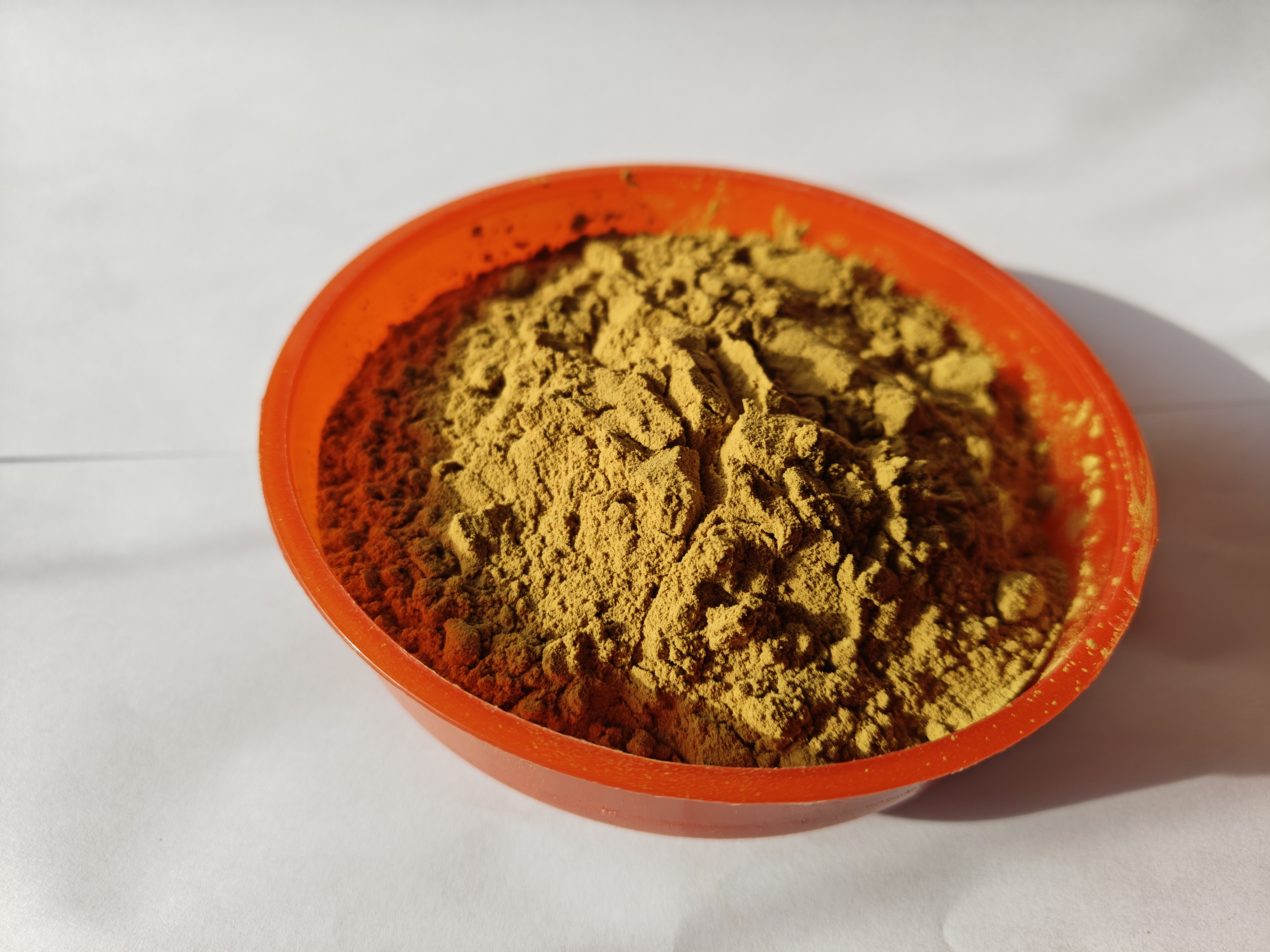
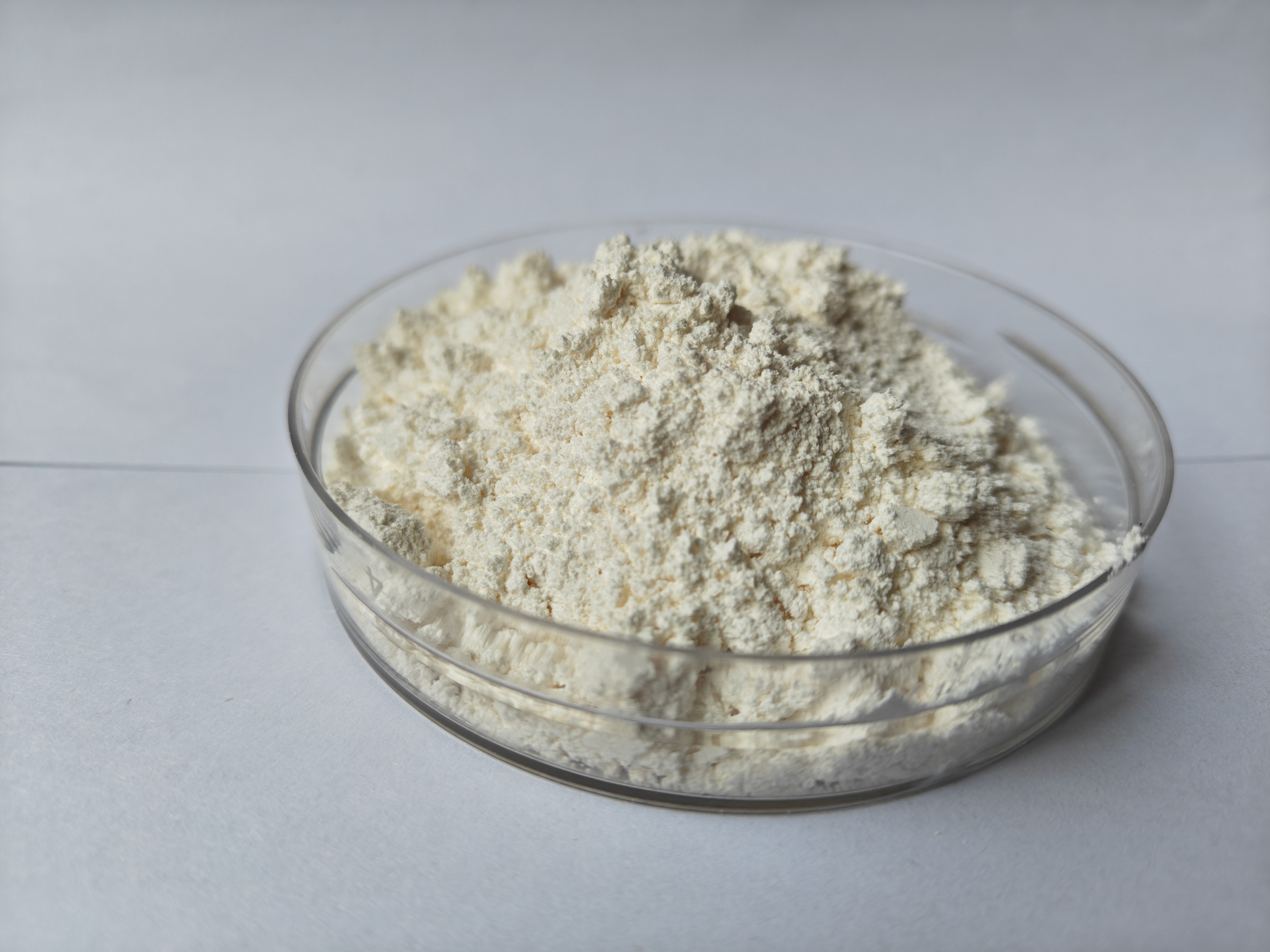
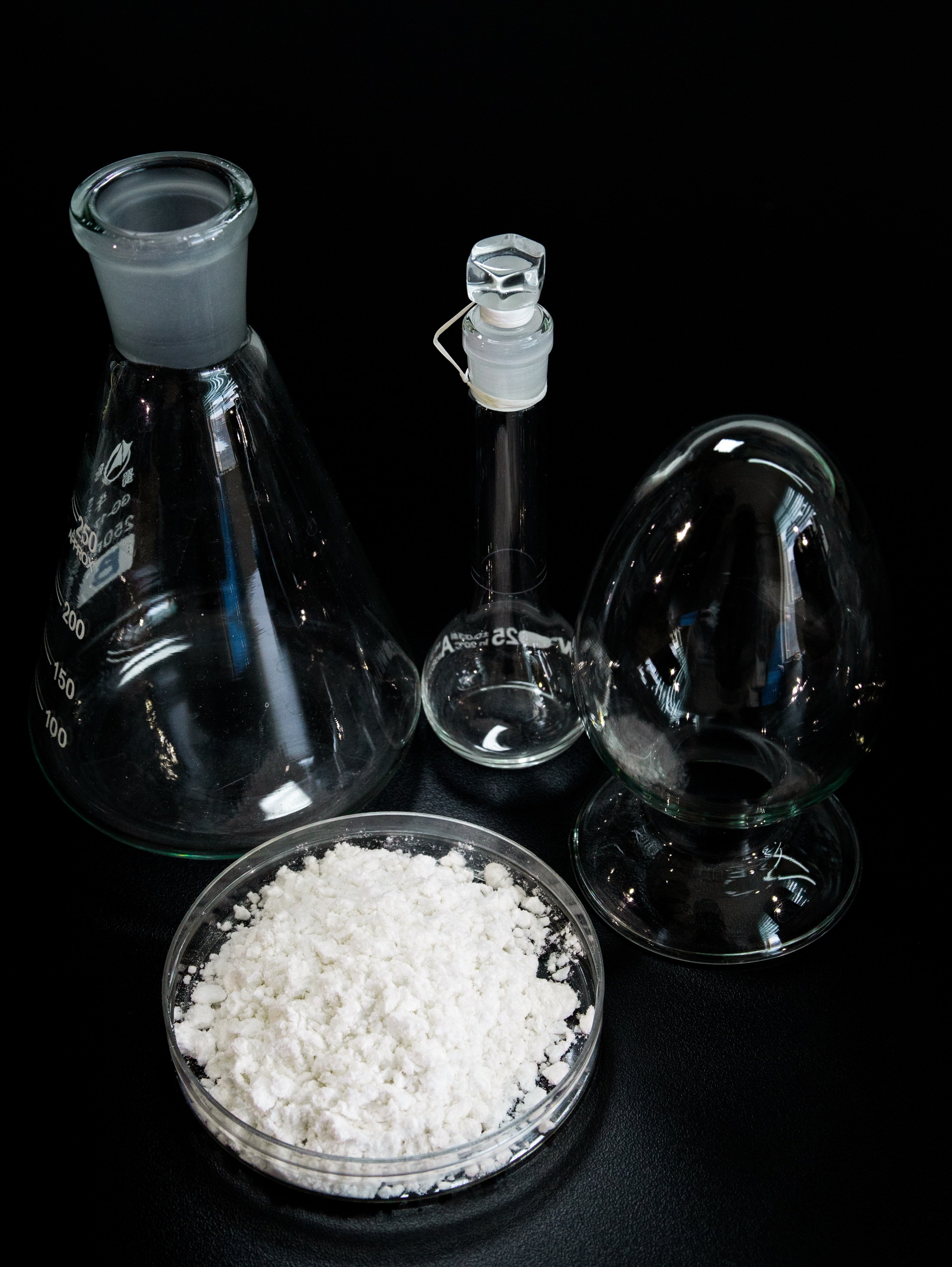
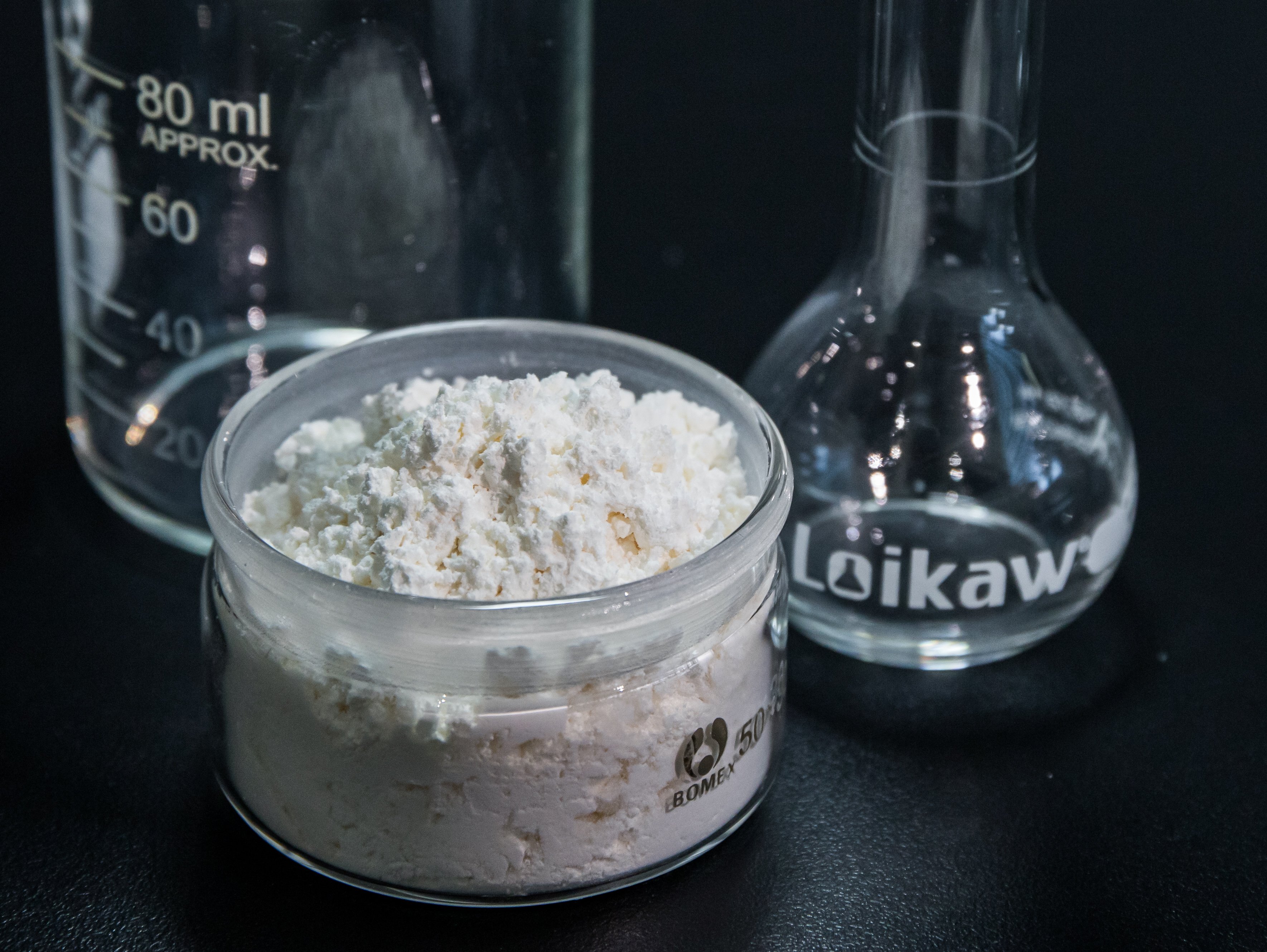
pharmaceutical intermediate for drug synthesis
A pharmaceutical intermediate for drug synthesis serves as a crucial building block in the production of active pharmaceutical ingredients (APIs). These specialized chemical compounds are created during multi-step manufacturing processes, positioned between raw materials and the final drug product. As essential components in modern pharmaceutical manufacturing, pharmaceutical intermediates for drug synthesis enable the efficient production of complex medications through systematic chemical transformations. These compounds undergo rigorous quality control and must meet strict regulatory standards to ensure the safety and efficacy of final drug products. The pharmaceutical intermediate for drug synthesis plays a vital role in streamlining production timelines, reducing manufacturing costs, and maintaining consistent product quality. These intermediates are designed with specific molecular structures that facilitate subsequent chemical reactions, making them indispensable in creating everything from antibiotics to cancer treatments. Manufacturers rely on these compounds to achieve precise control over reaction pathways, optimize yields, and minimize unwanted by-products. The versatility of pharmaceutical intermediates for drug synthesis allows them to be applied across various therapeutic categories, including cardiovascular drugs, central nervous system medications, anti-inflammatory agents, and antiviral treatments. By providing standardized starting points for complex syntheses, these intermediates help pharmaceutical companies accelerate drug development, scale up production efficiently, and maintain regulatory compliance throughout the manufacturing process.

 EN
EN