Imidazole Derivative for Organic Synthesis Guide

All Categories

imidazole derivative for organic synthesis

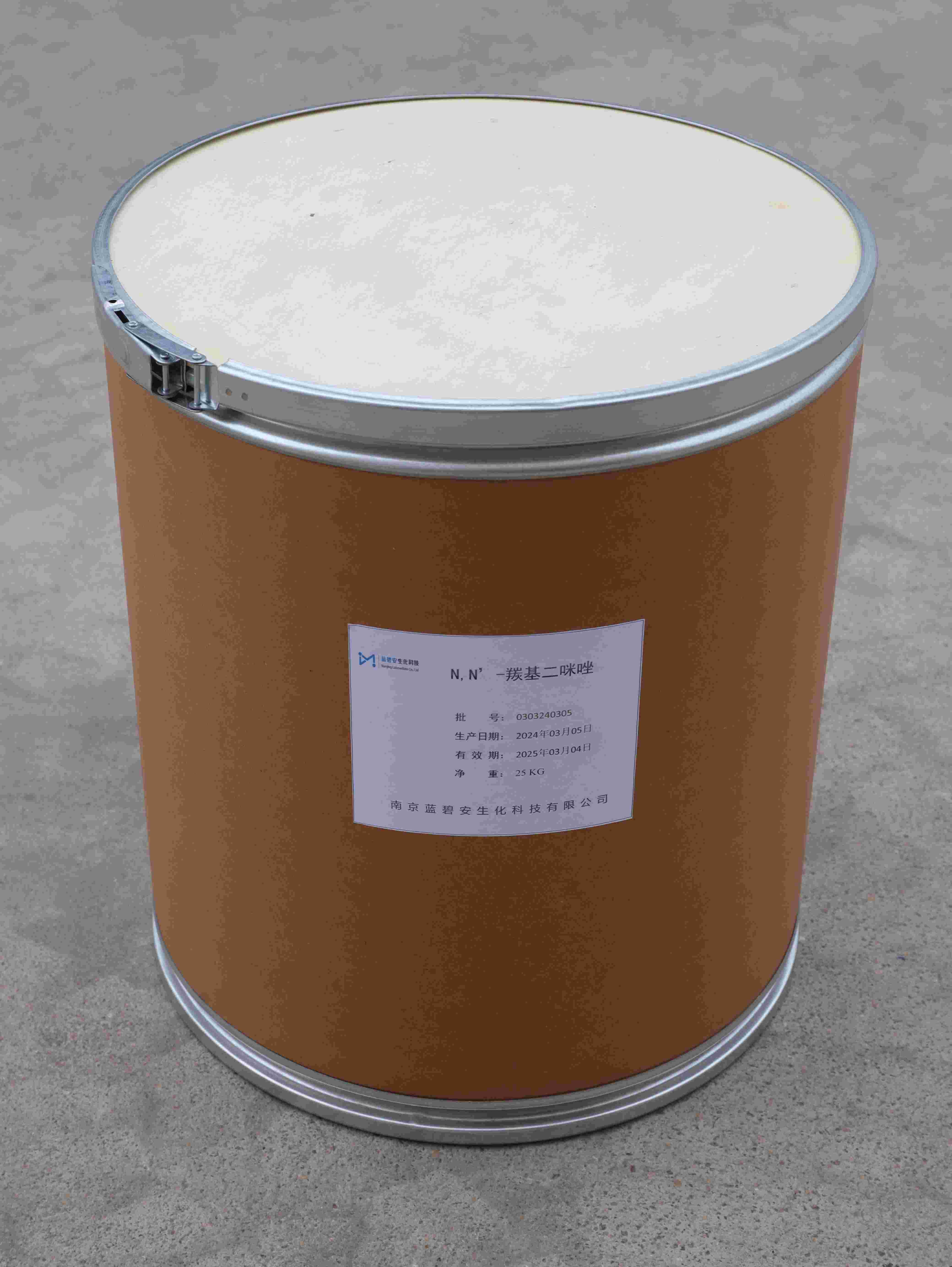
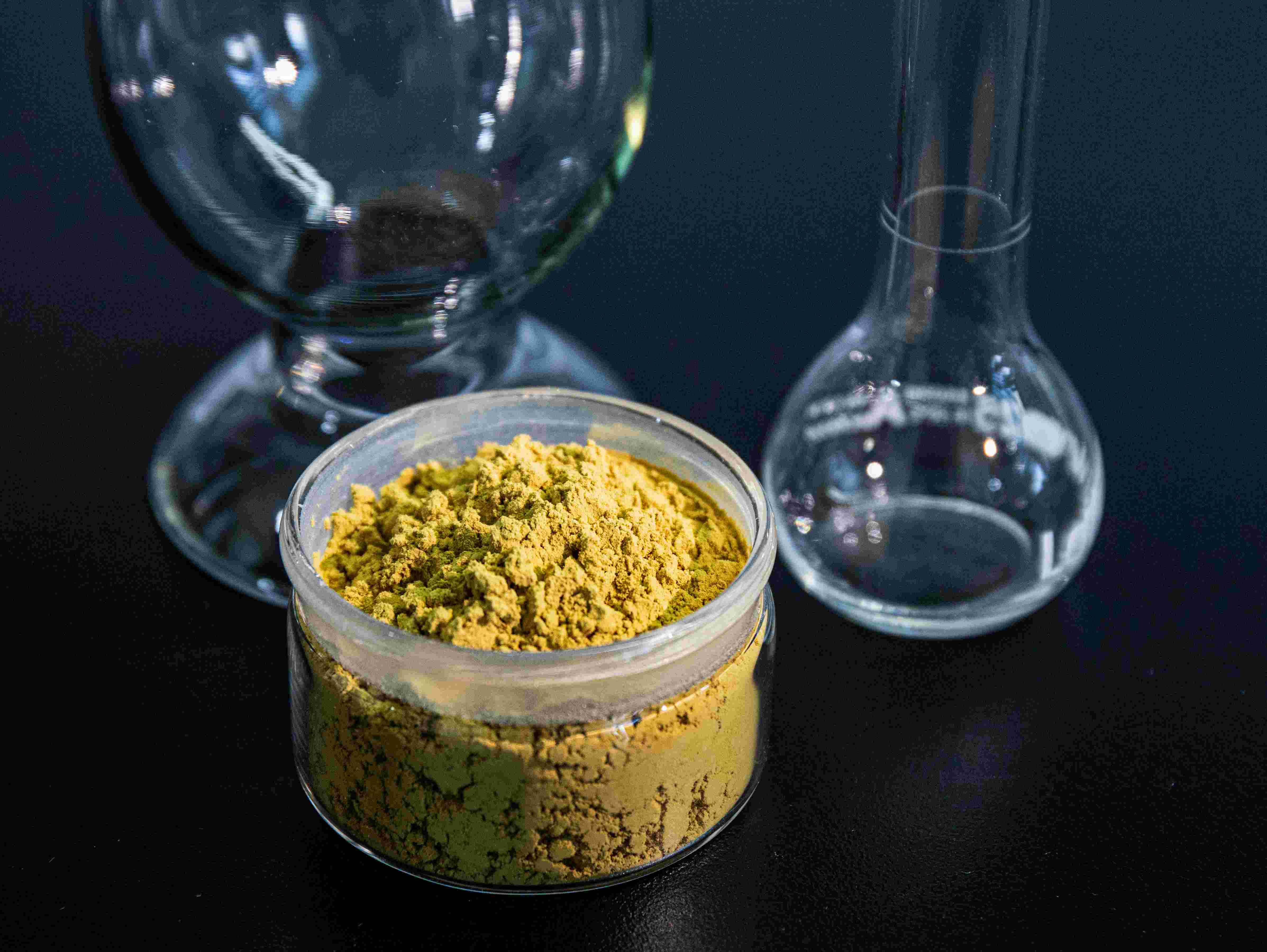
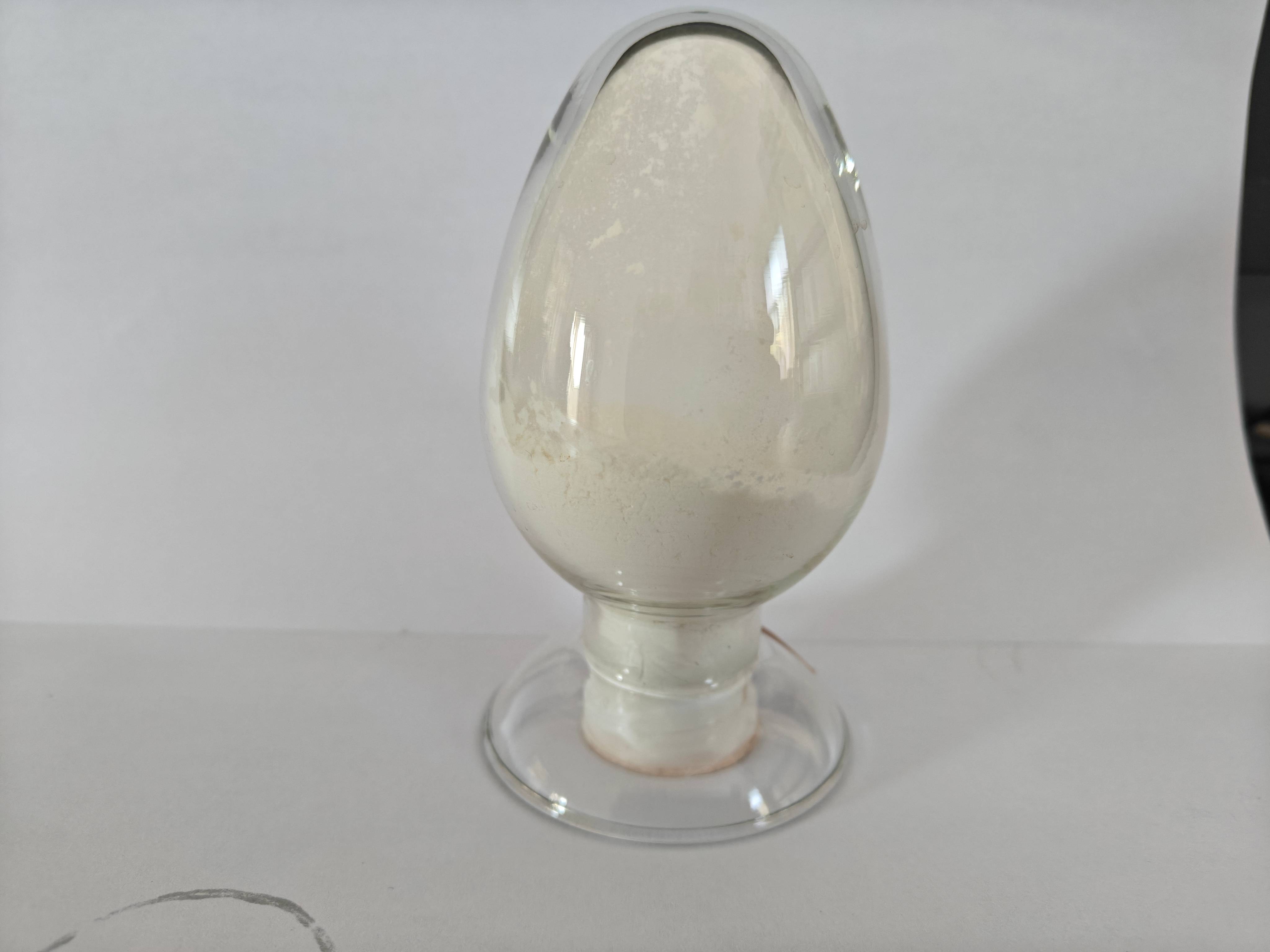
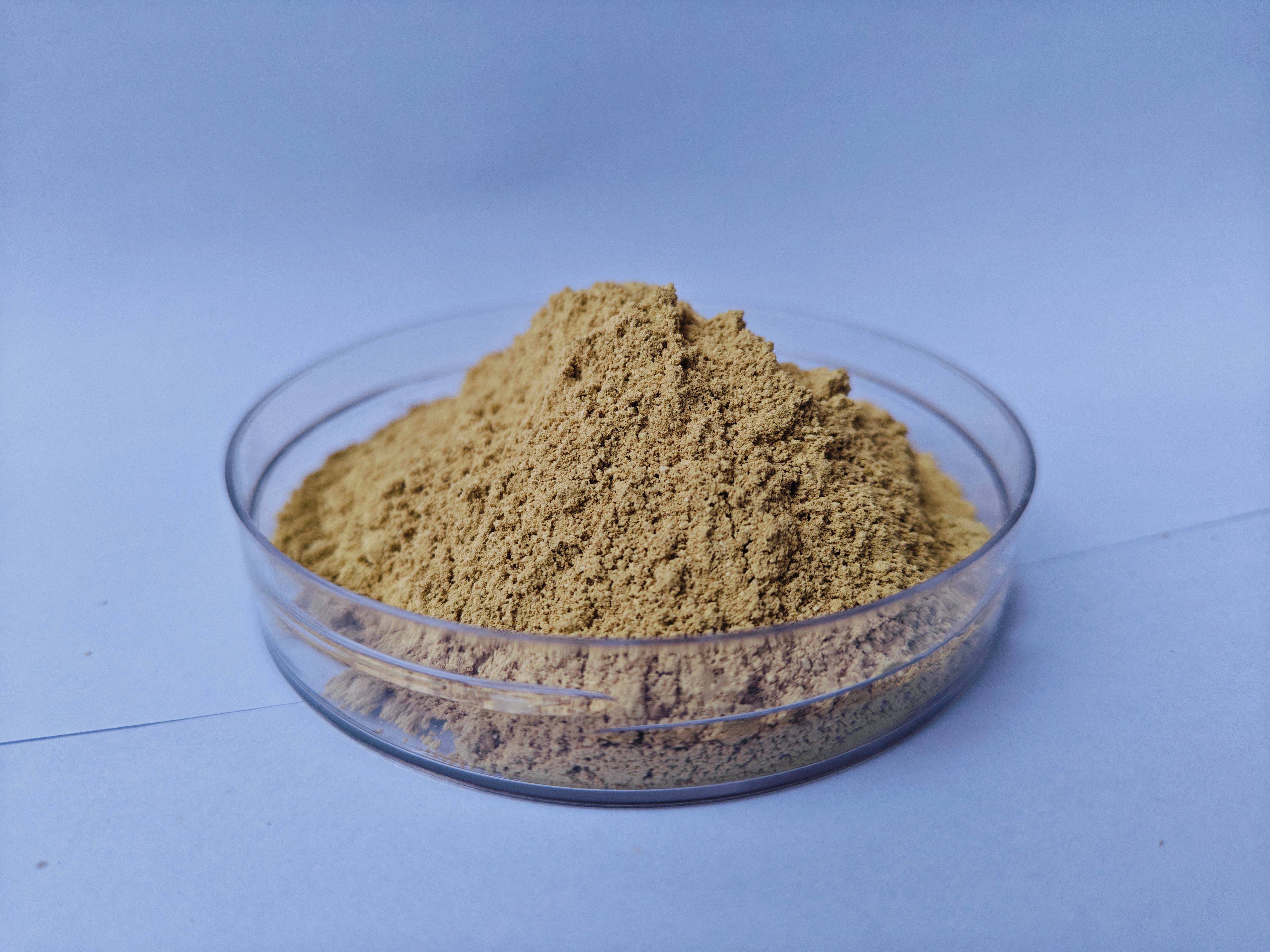
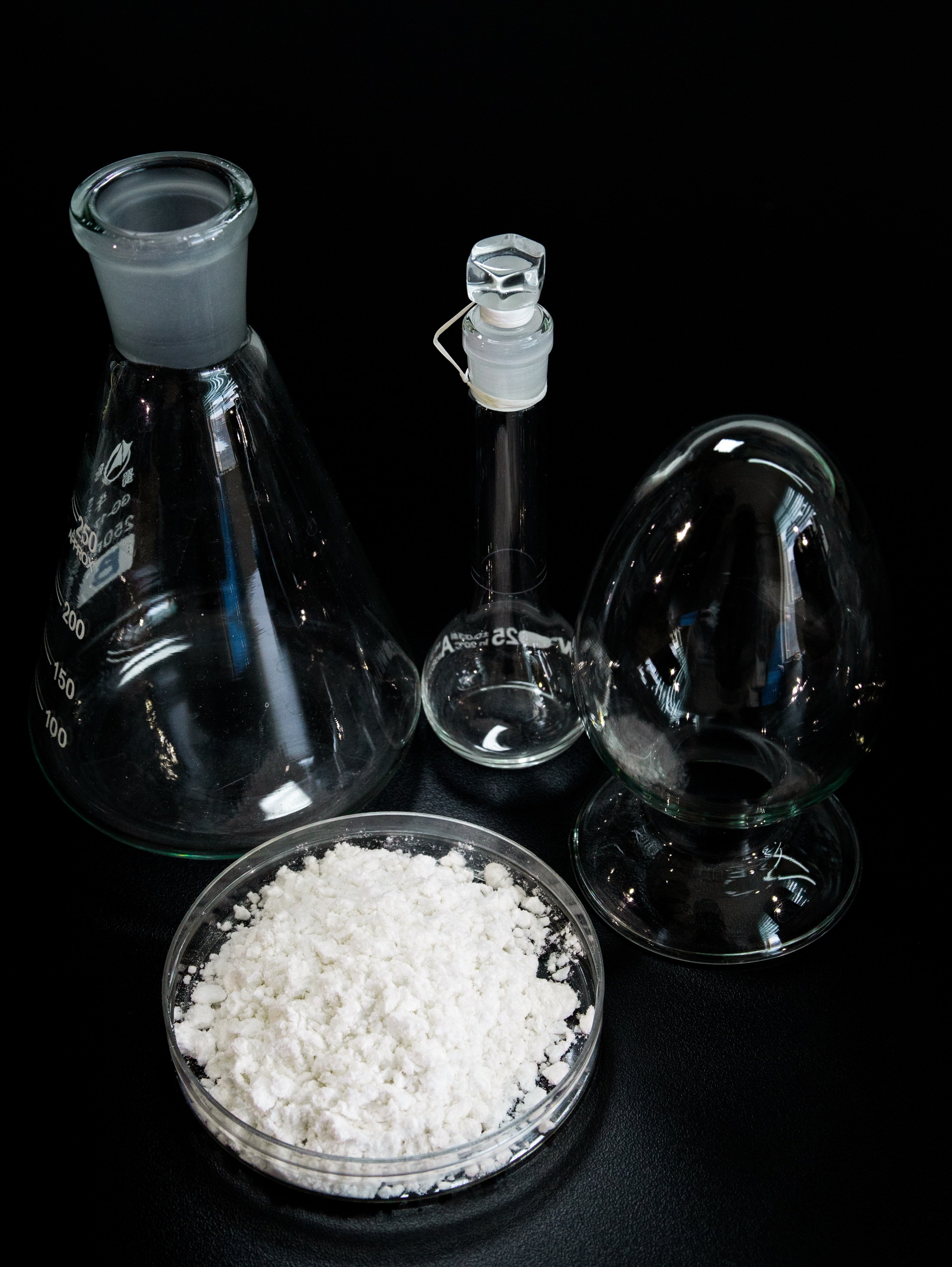
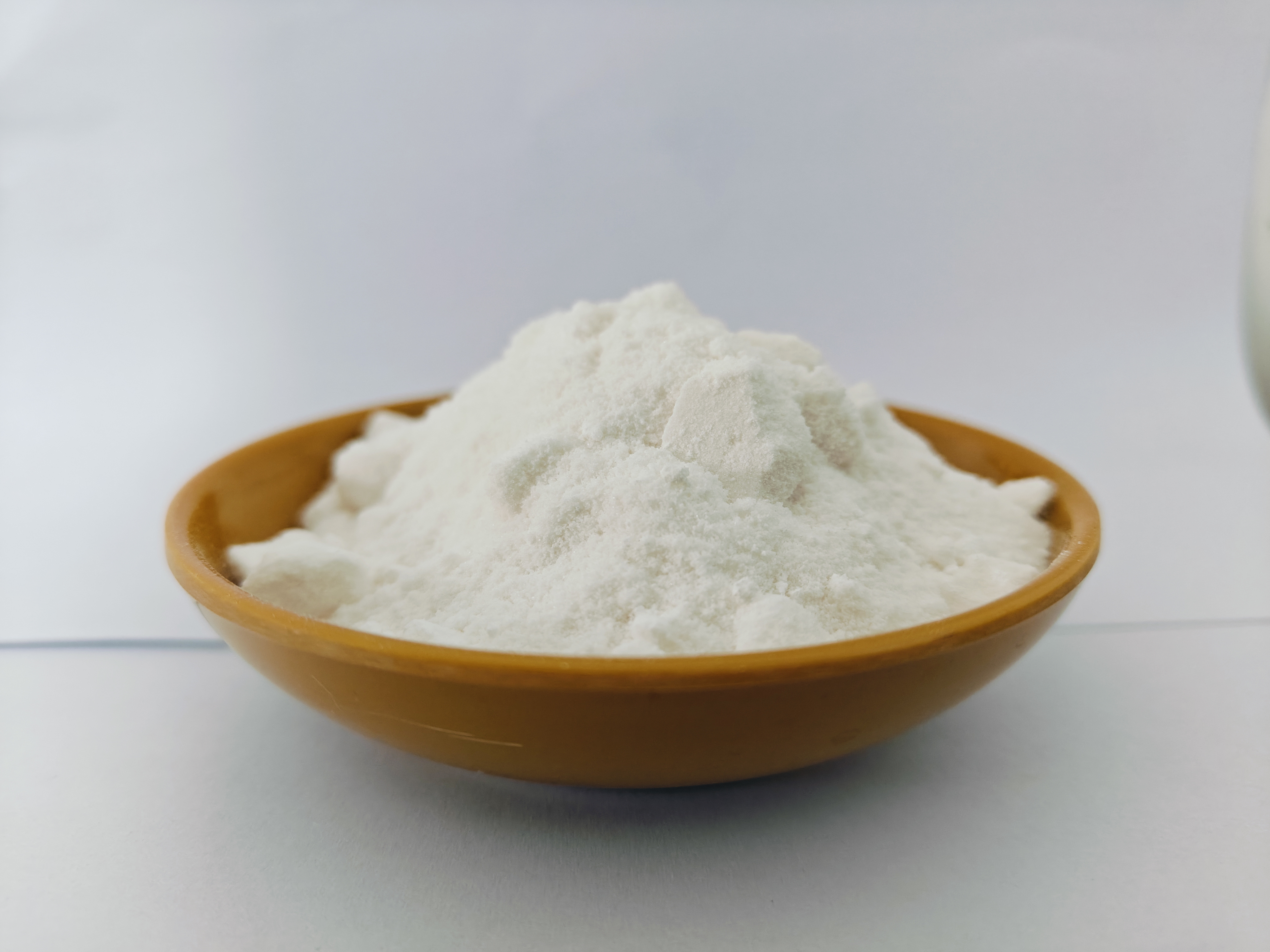
An imidazole derivative for organic synthesis serves as a versatile building block and catalytic agent in modern chemical manufacturing. These nitrogen-containing heterocyclic compounds feature a five-membered aromatic ring structure with two non-adjacent nitrogen atoms, enabling exceptional reactivity and coordination properties. The imidazole derivative for organic synthesis functions primarily as a nucleophilic catalyst, ligand precursor, and pharmaceutical intermediate in complex molecular construction. Its amphoteric nature allows it to act as both acid and base, facilitating diverse reaction pathways including esterification, transesterification, and carbon-carbon bond formation. Technologically, these derivatives exhibit remarkable thermal stability, solubility in polar and nonpolar solvents, and tunable electronic properties through substituent modification. The imidazole derivative for organic synthesis demonstrates compatibility with various reaction conditions, from mild aqueous environments to harsh anhydrous systems. Applications span pharmaceutical synthesis, where imidazole scaffolds appear in antifungal agents, antihistamines, and cardiovascular medications. In materials science, these derivatives contribute to ionic liquid development, corrosion inhibitors, and polymer additives. Agricultural chemistry utilizes them for fungicide and herbicide production, while coordination chemistry employs them as ligands in metal-organic frameworks and homogeneous catalysis. The structural versatility of imidazole derivative for organic synthesis enables chemists to design molecules with precise electronic and steric characteristics, making them indispensable tools for achieving selective transformations and constructing complex architectures in contemporary synthetic chemistry.

New Product Recommendations

Choosing an imidazole derivative for organic synthesis delivers substantial practical benefits that directly impact your production efficiency and product quality. These compounds accelerate reaction rates significantly, often reducing processing time by 40-60 percent compared to conventional catalysts, which translates to higher throughput and lower energy consumption in your manufacturing operations. The cost-effectiveness becomes apparent through their reusability in many catalytic cycles, with some formulations maintaining activity through ten or more cycles without significant degradation. You gain operational flexibility since these derivatives function across broad temperature ranges and tolerate various functional groups, minimizing the need for extensive protecting group strategies that complicate workflows and increase costs. The mild reaction conditions they enable protect sensitive substrates from decomposition, improving overall yields and reducing waste generation, which addresses both economic and environmental concerns. When you implement an imidazole derivative for organic synthesis, you access superior selectivity in competitive reaction pathways, producing cleaner product profiles that simplify downstream purification and reduce solvent usage. This selectivity proves especially valuable when synthesizing pharmaceutical intermediates where impurity profiles directly affect regulatory compliance and market approval timelines. The commercial availability of diverse imidazole derivatives allows you to optimize catalyst structure for specific transformations, fine-tuning performance parameters like reaction rate, selectivity, and substrate compatibility. For decision-making purposes, these derivatives offer predictable scalability from laboratory to industrial production, with well-established safety profiles and handling procedures that facilitate technology transfer. Their compatibility with continuous flow systems and automated synthesis platforms aligns with modern manufacturing trends toward process intensification and quality-by-design principles, positioning your operations for long-term competitiveness and regulatory compliance in evolving chemical markets.

Latest News

How Can Selecting the Right Curing Agent for Epoxy Resins Improve Yield?

12

Feb

How Can Selecting the Right Curing Agent for Epoxy Resins Improve Yield?

The selection of an appropriate curing agent for epoxy resins represents one of the most critical decisions in industrial manufacturing processes, directly impacting product quality, processing efficiency, and overall production yield. Industrial man...
View More
How Can Curing Agents for Epoxy Resins Be Customized for Specific Applications?

12

Feb

How Can Curing Agents for Epoxy Resins Be Customized for Specific Applications?

The versatility and performance of epoxy resins largely depend on the selection and customization of appropriate curing agents for epoxy resins. These chemical compounds, also known as hardeners, play a crucial role in transforming liquid epoxy resin...
View More
How Do Thermally Latent Catalysts Affect Reaction Rate and Thermal Properties?

05

Mar

How Do Thermally Latent Catalysts Affect Reaction Rate and Thermal Properties?

Thermally latent catalysts represent a revolutionary approach to controlling chemical reactions through temperature-dependent activation mechanisms. These specialized compounds remain inactive at room temperature but undergo rapid activation when hea...
View More
What Makes Thermally Latent Catalysts Essential for Reliable Chip Packaging Solutions?

05

Mar

What Makes Thermally Latent Catalysts Essential for Reliable Chip Packaging Solutions?

In the rapidly evolving semiconductor industry, achieving reliable and efficient chip packaging requires advanced materials that can withstand extreme processing conditions while maintaining optimal performance. Thermally latent catalysts have emerge...
View More

Get a Free Quote

Our representative will contact you soon.
Email
Name
Company Name
Message
0/1000

imidazole derivative for organic synthesis

Exceptional Catalytic Efficiency and Reaction Acceleration

Exceptional Catalytic Efficiency and Reaction Acceleration

The imidazole derivative for organic synthesis demonstrates outstanding catalytic performance that transforms reaction economics and feasibility. The unique electronic structure of the imidazole ring, with its delocalized pi-electrons and nucleophilic nitrogen atoms, enables simultaneous activation of electrophiles and stabilization of transition states. This dual functionality accelerates reactions that would otherwise require harsh conditions or extended reaction times, making previously impractical transformations commercially viable. In acylation reactions, for example, imidazole catalysts achieve completion in minutes rather than hours, while maintaining excellent chemoselectivity even in the presence of competing nucleophiles. The catalytic mechanism involves formation of highly reactive acyl-imidazole intermediates that transfer acyl groups to target substrates with remarkable efficiency. This acceleration effect extends across numerous transformation types including esterifications, amidations, silylations, and phosphorylations. For industrial applications, this efficiency translates directly to reduced equipment sizes, lower energy requirements, and increased production capacity from existing facilities. The ability to operate at lower temperatures also minimizes side reactions and product degradation, improving overall process yields and reducing the formation of unwanted byproducts that complicate purification sequences and waste treatment procedures.
Versatile Structural Modification and Application Adaptability

Versatile Structural Modification and Application Adaptability

The imidazole derivative for organic synthesis offers unparalleled opportunities for structural customization, allowing chemists to engineer catalysts and intermediates with precisely tailored properties. The imidazole core accommodates substituents at multiple positions, including the nitrogen atoms and carbon positions, enabling systematic adjustment of electronic density, steric accessibility, and solubility characteristics. This modularity permits development of task-specific derivatives optimized for particular substrate classes or reaction conditions. For instance, incorporating electron-withdrawing groups enhances nucleophilicity for sluggish electrophiles, while bulky substituents provide steric shielding that improves selectivity in reactions with multiple reactive sites. Hydrophobic modifications enable catalyst recovery through liquid-liquid extraction, while attachment to solid supports facilitates heterogeneous catalysis with simple filtration-based separation. This adaptability extends to pharmaceutical applications where the imidazole scaffold serves as a privileged structure in drug design, appearing in medications targeting diverse therapeutic areas from infectious diseases to metabolic disorders. The ability to introduce chirality through asymmetric substitution patterns opens pathways to enantioselective synthesis, critical for producing single-enantiomer pharmaceuticals that meet modern regulatory requirements. This versatility makes the imidazole derivative for organic synthesis an invaluable platform for innovation across research, development, and manufacturing applications.
Enhanced Safety Profile and Environmental Sustainability

Enhanced Safety Profile and Environmental Sustainability

Implementing an imidazole derivative for organic synthesis aligns with contemporary green chemistry principles and workplace safety requirements. These derivatives typically exhibit lower toxicity profiles compared to traditional heavy metal catalysts or corrosive acid-base catalysts, reducing occupational exposure risks and simplifying safety protocols in manufacturing environments. The mild reaction conditions they enable minimize hazardous high-temperature or high-pressure operations, decreasing equipment stress and reducing the probability of thermal runaway reactions or containment failures. From an environmental perspective, imidazole catalysts support atom economy by facilitating direct transformations that eliminate unnecessary activation or deactivation steps, reducing overall reagent consumption and waste generation. Their compatibility with aqueous reaction media and renewable solvents decreases reliance on volatile organic compounds that contribute to air pollution and require costly emission control systems. The biodegradability of many imidazole derivatives ensures that residual quantities in waste streams undergo natural decomposition rather than persisting as environmental contaminants. For companies facing increasingly stringent environmental regulations and sustainability reporting requirements, adopting an imidazole derivative for organic synthesis demonstrates commitment to responsible manufacturing while delivering tangible benefits in waste reduction, energy efficiency, and process safety metrics that strengthen both regulatory compliance and corporate reputation.

Get a Free Quote

Our representative will contact you soon.
Email
Name
Company Name
Message
0/1000