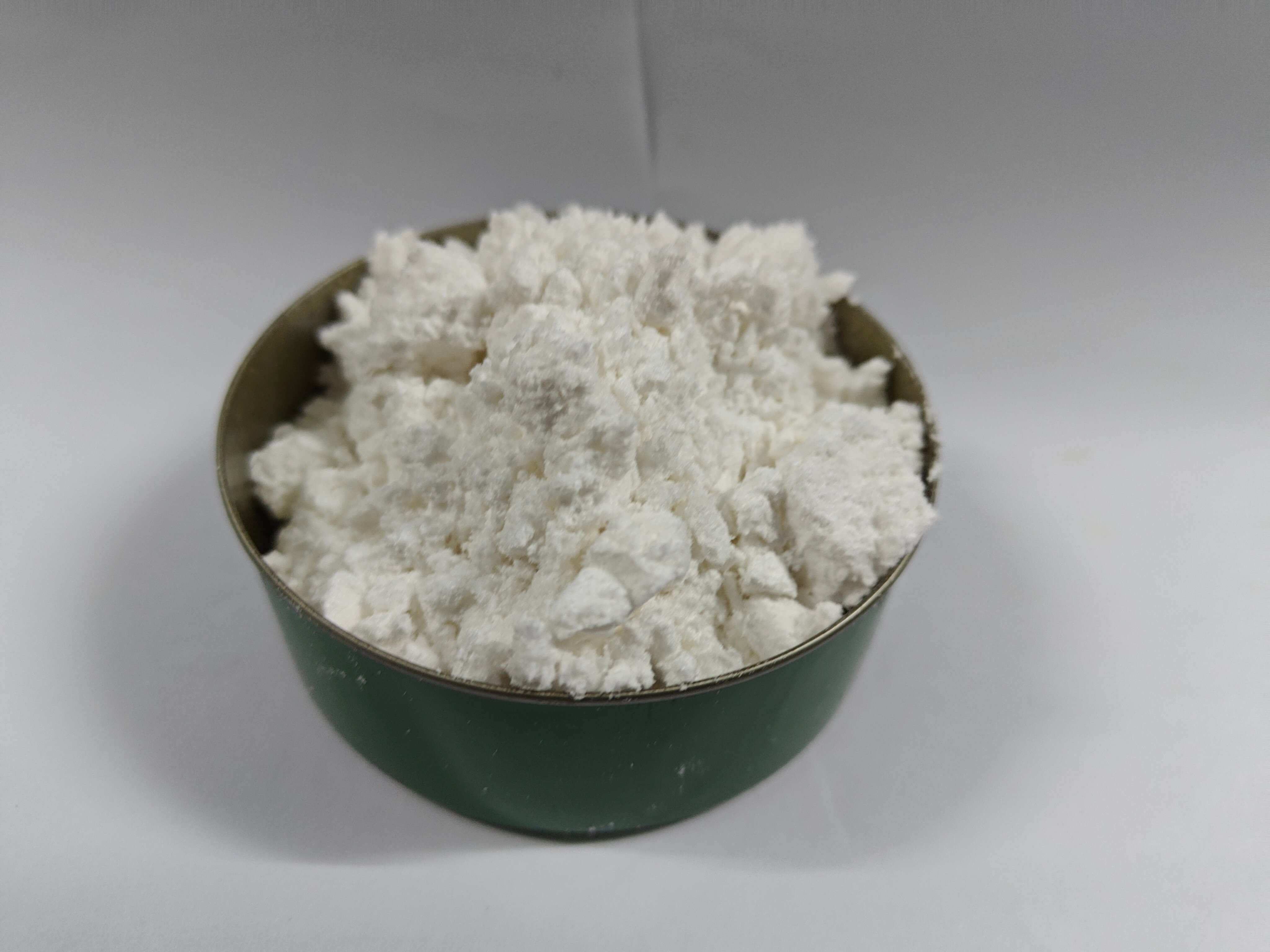
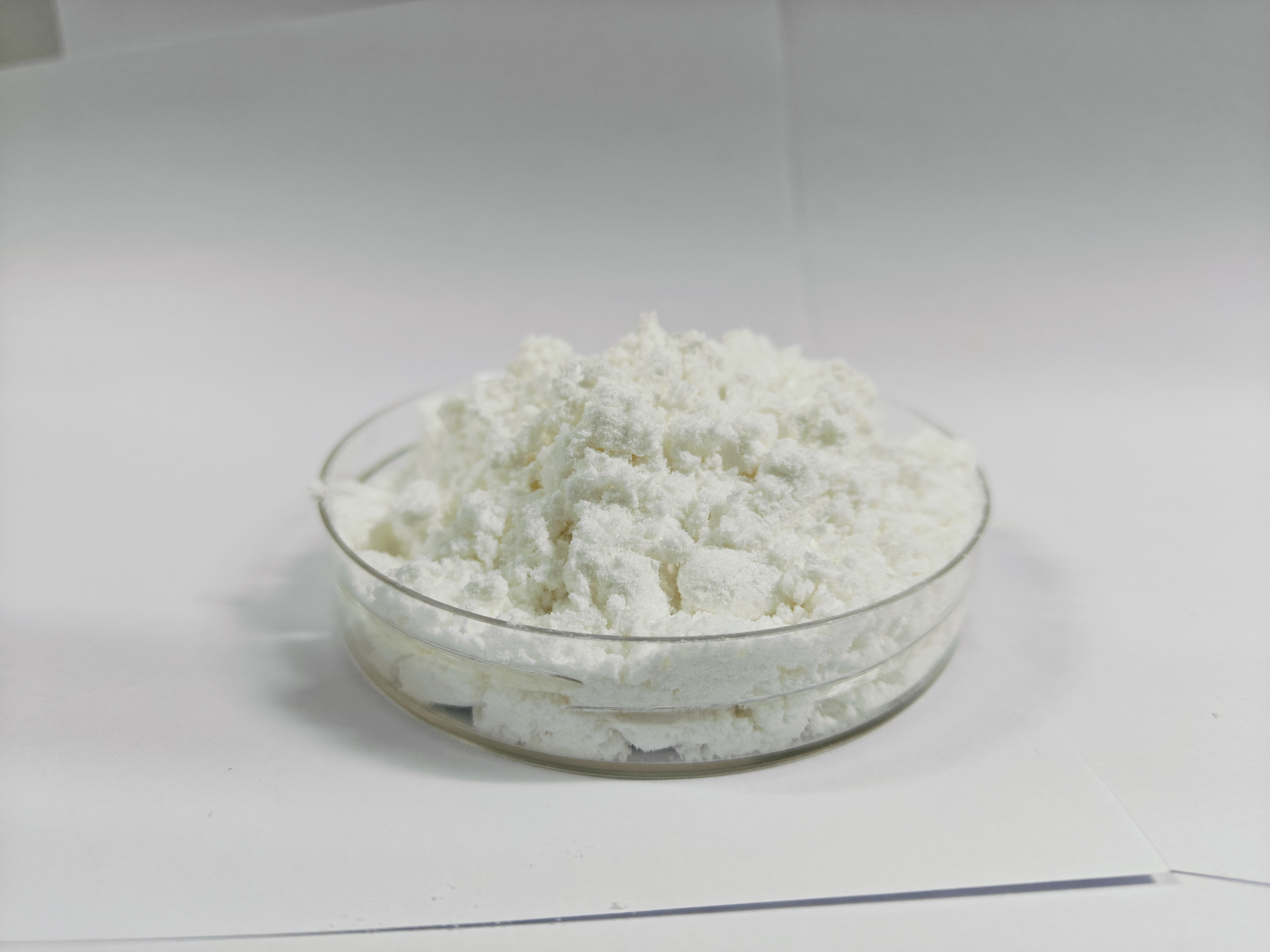
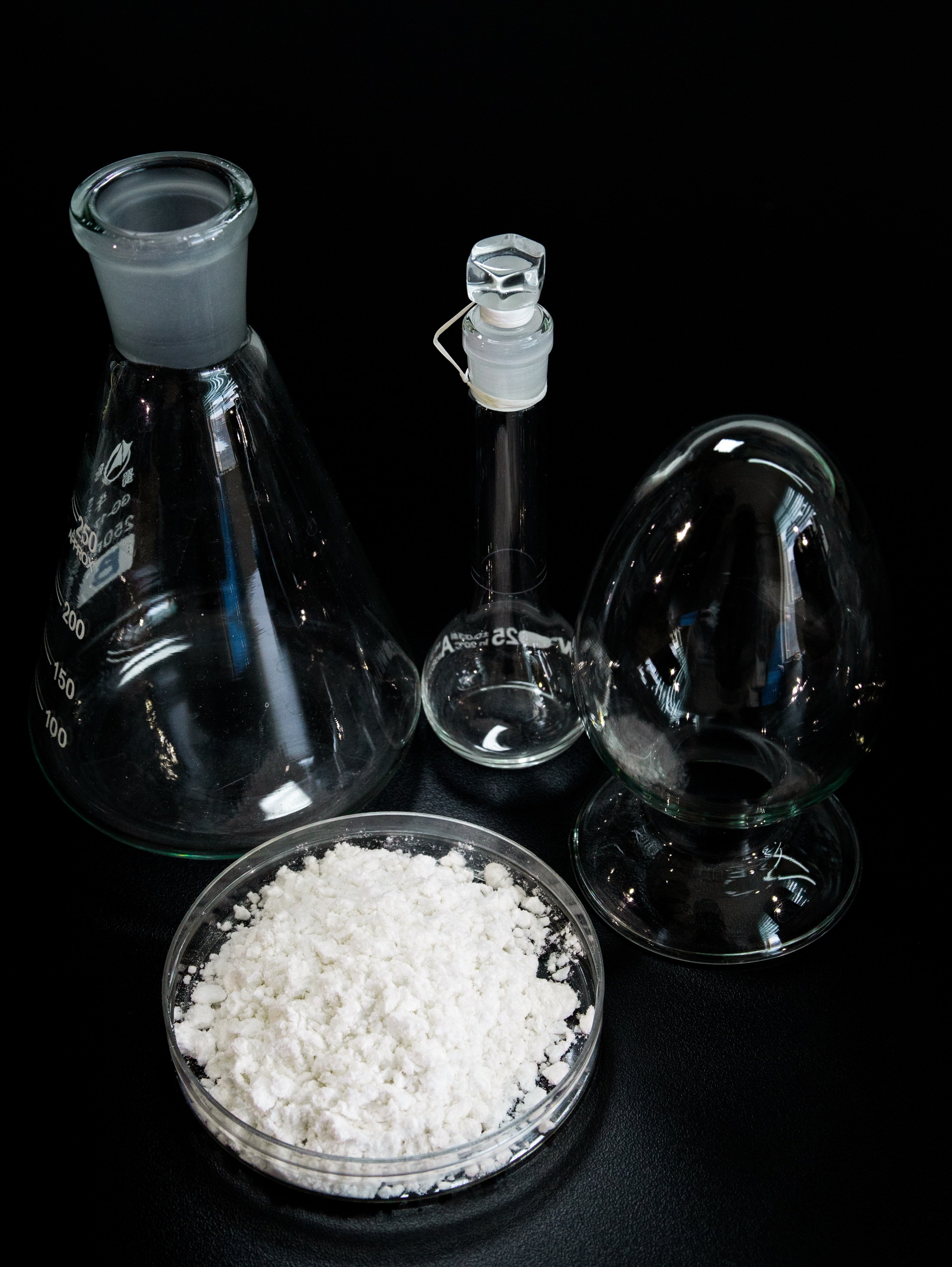
imidazole organic synthesis reagent
The imidazole organic synthesis reagent serves as an essential chemical compound widely utilized in pharmaceutical development, agrochemical production, and advanced materials research. This heterocyclic aromatic reagent features a five-membered ring structure containing two nitrogen atoms, providing exceptional versatility in organic chemistry applications. As a fundamental building block, the imidazole organic synthesis reagent enables chemists to construct complex molecular architectures through various synthetic pathways. Its unique chemical properties include amphoteric behavior, allowing it to function as both acid and base, which significantly expands its utility in catalytic processes and coordination chemistry. The reagent demonstrates remarkable stability under diverse reaction conditions while maintaining high reactivity when needed, making it indispensable for synthesizing bioactive molecules, pharmaceutical intermediates, and specialty chemicals. Researchers particularly value this compound for its role in creating imidazole-containing drugs, including antifungal agents, antihistamines, and cardiovascular medications. The imidazole organic synthesis reagent also plays a crucial role in developing ionic liquids, corrosion inhibitors, and polymer additives. Its compatibility with numerous functional groups permits seamless integration into multi-step synthetic sequences, reducing overall production complexity. Modern laboratories rely on this reagent for carbon-nitrogen bond formation, heterocycle construction, and functional group transformations. The compound's accessibility, cost-effectiveness, and proven track record across academic and industrial settings have established it as a cornerstone reagent in contemporary organic synthesis, driving innovation in medicinal chemistry and materials science applications worldwide.

 EN
EN