
 EN
EN
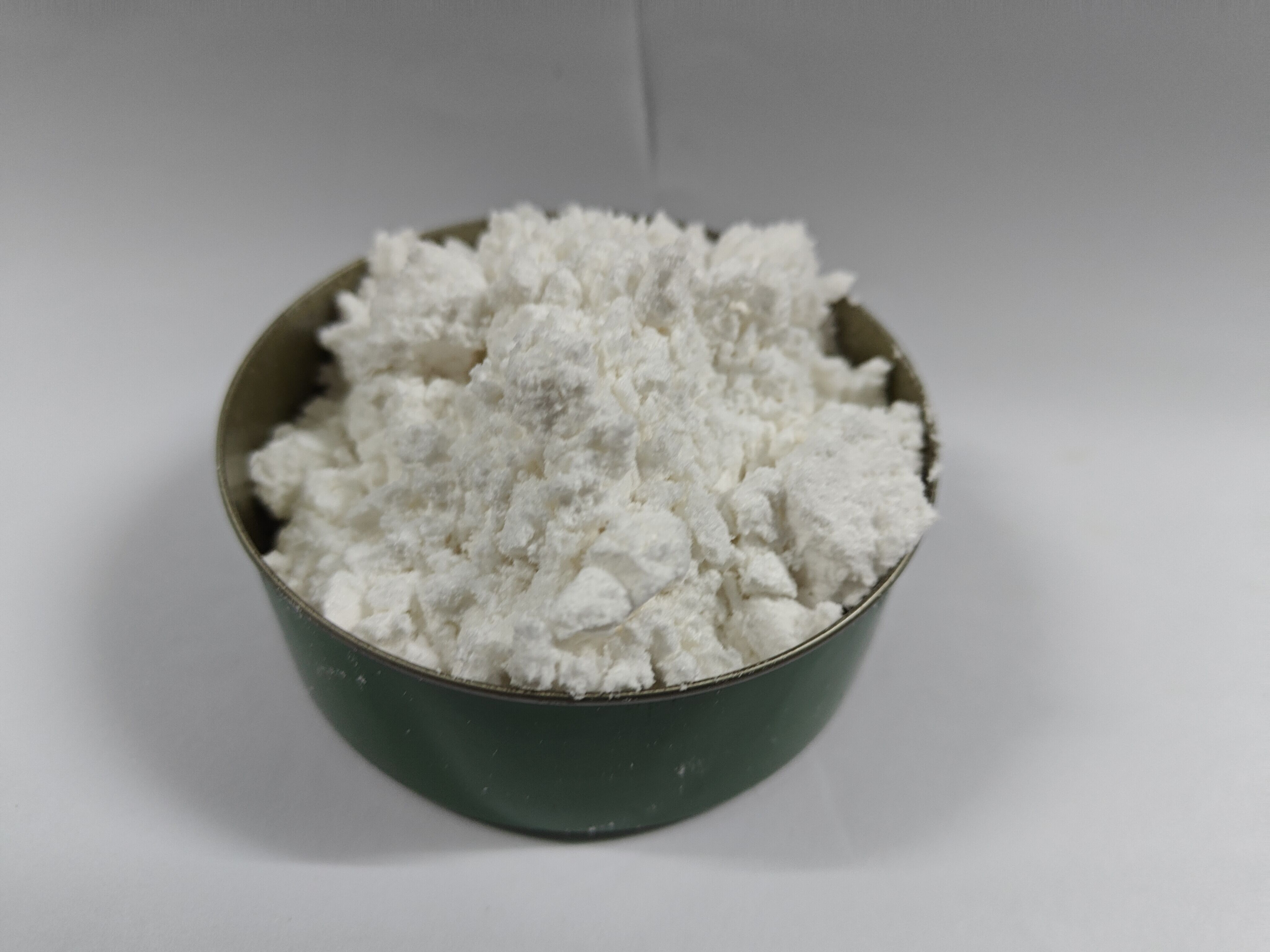
תעשיית התרופות והייצור הכימי מסתמכות ביתר שאת על מארגני צימוד יעילים כדי לקדם תגובות סינתזה מורכבות בקנה מידה גדול. בין כלים כימיים חזקים אלו, מארגן הצימוד CDI מבליט את עצמו כאופציה רב-תכליתית ואמינה ליצירת קשרי אמיד, קשריเอสטר וכלי חיבור מולקולריים חשובים אחרים בסביבות ייצור בקנה מידה גדול. הבנת היישום הנאות והאופטימיזציה של המארגן הזה חיונית לייצרנים המחפשים לשפר תשואה, לצמצם עלויות ולשמור על איכות קבועה של מוצר במהלך פעולות תעשייתיות.
הבנת כימיה של מארגן צימוד CDI בייצור
מבנה מולקולרי ומנגנוני תגובה
N,N carbonyldiimidazole מייצג סוכן צימוד יעיל במיוחד שפועל באמצעות מנגנון הפעלה ידוע היטב. הסוכן מכיל שתי קבוצות אימידאזול המחוברות על ידי גשר קרבונילי, ויוצר מרכז אלקטרופילי שמגיב בקלות עם נוקלאופילים כגון חומצות קרבוקסיליות, אמינים ואלכולים. הסידור המבני הזה הופך את סוכן הצימוד CDI למתאים במיוחד ליישומים בקנה מידה גדול שבהם פעילות מתואמת ותוצאות צפויות הן חשובות ביותר.
תהליך ההפעלה מתחיל כאשר חומצות קרבוקסיליות מגיבות עם הסוכן ויוצרות בין-reatives של acylimidazole. בין-reatives מופעלים אלו מדגימים אלקטרופיליות מוגברת בהשוואה לחומצה המקורית, ומקלות על התקפה נוקלאופילית עוקבת על ידי אמינים או שותפי צימוד אחרים. התגובה שמתקבלת יוצרת את תוצר הצימוד המבוקש, תוך שחרור אימידאזול כמוצר לוואי שאינו זר שמסייע, שניתן להפרידו בקלות מתערובת התגובה.
יתרונות ביישומים תעשייתיים
מתקני ייצור מעדיפים את סוכן הצימוד cdi בגלל היציבות היוצאת דופן שלו בתנאי אחסון רגילים והHopלוות עם טווח רחב של ממסים הנפוצים בתהליכים תעשייתיים. בניגוד לסוכני צימוד חלופיים מסוימים הדורשים הסרת לחות מלאה או הליכי טיפול מיוחדים, סוכן זה שומר על פעילותו גם ב présence כמויות זעירות של מים, מה שעושה אותו פרקטי לפעולות בקנה מידה גדול שבהן שמירה על תנאים חסרי מים בצורה מושלמת יכולה להיות מאתגרת.
התנאים המתונים של התגובה של המחמצן מייצגים יתרון משמעותי נוסף לייצור תעשייתי. רוב תגובות הקישור מתקדמות בצורה יעילה בטמפרטורת הסביבה או עם חימום מינימלי, מה שמפחית את עלות האנרגיה ומבטל את הצורך בציוד מיוחד לטמפרטורות גבוהות. מאפיין זה הופך לחשוב במיוחד בעת קנה מידה של תגובות ממעבדה לייצור בהיקף גדול, שבה ישנן קושי טכניים וכלכליים בשילוב בקרת טמפרטורה בנפחים גדולים של תגובה.
אסטרטגיות אופטימיזציה לייצור בהיקף גדול
בחירת ממסים ותנאי תגובה
יישום מוצלח של סוכן צימוד cdi בייצור דורש שיקול זהיר של מערכות מסיסים המאזנות בין יעילות התגובה לדרישות הטיפול המעשי. מסיסים דיפולריים א-פרוטיים כגון דימתילפורמאמיד, דימתיל סולפוקסיד וטטרהידרופוראן מספקים בדרך כלל קצבים ותוצרים אופטימליים של תגובה. עם זאת, יש לשקול גם גורמים כגון החזרת מסיסים, תקנות סביבתיות ובטיחות עובדים בעת בחירת מדיה להנעת תגובות בתהליכי ייצור בקנה מידה גדול.
אופטימיזציה של טמפרטורה משחקת תפקיד חשוב במקסום היעילות של התגובה ושימוש בסוכן. בעוד שרבות מהתגובות מתקדמות בטמפרטורת החדר, חימום מבוקר לטווח של 40–60°C לעתים קרובות מאיץ את קצב התגובה מבלי לפגוע באיכות המוצר או לגרום לתגובות לוואי לא רצויות. טווח הטמפרטורות הזה נשאר בתוך הפרמטרים התפעוליים של מגיבים תעשייתיים סטנדרטיים ומאפשר ניהול חום יעיל בנפח תגובות גדול.
סטויכיומטריה ומעקב אחר התגובה
יישומים בקנה מידה גדול של סוכן צימוד cdi משתמשים בדרך כלל בכמות מינורית של עודף סטויכיומטרי של הסוכן כדי להבטיח המרה מלאה של חומרי הגלם היקרים. עודף של 1.1 עד 1.2 מול ביחס לרכיב החומצה הקרボילית מספק בדרך כלל תוצאות אופטימליות תוך מזעור של פסולת וקשיים בטהרה. עודף זה מתחשב בתכולת הלחות האפשרית בחומרים ומבטיח ביצועים עקביים בין דفعות שונות של חומרי גלם.
מעקב בזמן אמת אחרי התקדמות התגובה הופך לנחוץ בתהליכי ייצור שבהם עקביות הדגימות והזמן הם גורמים קריטיים. ניטור שחרור גז, מעקב אחר pH, ושיטות אנליטיות במהלך התהליך כגון ספקטרוסקופיית תת-אדום או כרומטוגרפיה נוזלית בעלת ביצועים גבוהים מאפשרים לעובדים לאשר את השלמת התגובה ולשפר זמני מחזור. שיטות הניטור הללו עוזרות לייצרנים לשמור על תקני איכות תוך מקסימיזציה של תפוקה ושימוש בציוד. 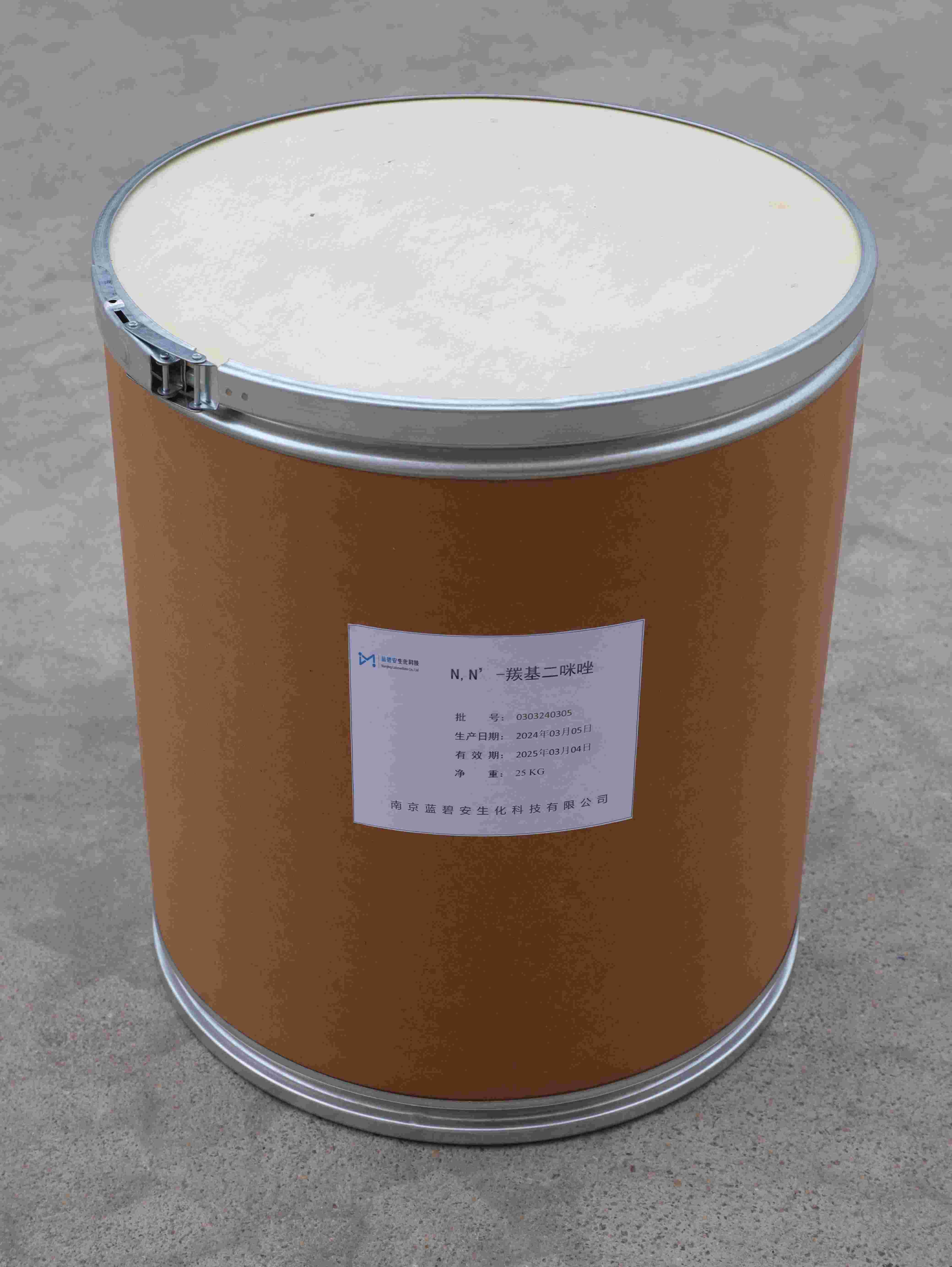
שיטות בקרת איכות וטהרה
تقنيות הפרדת המוצר
אסטרטגיות טיהור אפקטיביות לתגובות הכוללות את חומר הקישור CDI מתמקדות בהסרת תוצרי הלוואי של אימידזול וכן כל חומרים מזינים לא ממוקשים. הליכי טיפול במים כוללים בדרך כלל התאמת pH בזהירות כדי להמיר את האימידזול לצורת המלח הפתירה במים, ומאפשרים הסרה שלו באמצעות חילוץ נוזל-נוזל. גישה זו מוכיחה יעילות רבה בפעולות בקנה מידה גדול, שבהן זרמי פסולת מימיים יכולים לעובד ולעובד מחדש בצורה יעילה.
הגבישות מייצגת שיטת ניקוי מועדפת עבור רבים מהמוצרים המשומרים באמצעות סוכן צימוד זה, במיוחד כאשר התרכובת המטרה מציגה מאפייני תמיסה מועדפים. תנאי התגובה המתונים ופרופיל הפסולת הנקי גורמים לעיתים קרובות לכך שמוצרות גולמיים מתגבשים ישירות מתערובת התגובה או לאחר החלפת ממס פשוטה, מה שמצמצם את עלות הניקוי ומשפר את הכלכלה הכוללת של התהליך.
פיתוח שיטות אנליטיות
פרוטוקולים אנליטיים מקיפים מבטיחים ש מוצרים מיוצרים באמצעות aGENT חיבור CDI עומדים בדרישות איכות מחמירות הנדרשות ליישומים פ harmaceuti cליים וכימיים מיוחדים. סטים אנליטיים סטנדרטיים כוללים בדרך כלל אימות זהות באמצעות ספקטרוסקופיית רזוננס מגנטי גרעיני, הערכת ט purity עימ שימוש כרומטוגרפיה נוזלית בעלת ביצועים גבוהים, וניתוח של ממסים שאריות בעזרת טכניקות כרומטוגרפיה גזית.
פרוטוקולי אימות שיטות חייבים לקחת בחשבון הפרעות אפשריות ממושאריות אימידאזול ולהגדיר קריטריוני קבלה מתאימים למזהמים הקשורים בתהליך. בדיקות יציבות בתנאים מאוצבים עוזרות ליצרנים להבין את תוחלת החיים של המוצר ולablish המלצות אחסון מתאימות להפצה מסחרית.
היבטי בטיחות והנחיות טיפול
בטיחות והדרכה של עובדים
תפעול ייצור המשתמש במקשר cdi מחייב פרוטוקולי בטיחות מקיפים העוסקים גם בתכונות הכימיות של המקשר וגם בסיכונים הפוטנציאליים הקשורים ליתרונות התגובה. בעוד שהמקשר עצמו מציג רעילות נמוכה יחסית, הליך הטיפול המתאים כולל שימוש בציוד מגן אישי מתאים, לרבות כפפות עמידות לכימיקלים, משקפי 보טחון ומערכות ת ventilation מתאימות למניעת חשיפה על ידי שאיפה.
תכניות הדרכה עבור צוותי ייצור צריכות להדגיש את חשיבות מניעת זיהום על ידי לחות, שעלול להוביל לצמצום יעילות המקשר וליצירת גז פחמן דו-חמצני. הבנת מסלולי פירוק אלו עוזרת למשגיחים לזהות סימנים של דיטוריאציה של המקשר וליישם פעולות תיקון מתאימות לשמירה על שליטה בתהליך ואיכות המוצר.
ניהול פסולת ודיווח סביבתי
היבטים סביבתיים לשימוש בקנה מידה גדול בסוכן צימוד cdi מתמקדים בעיקר בניהול זרמי פסולת שמכילים אימידזול. בעוד שאימידזול מציג רעילות סביבתית יחסית נמוכה, יש צורך שמרחבים יישומיים יטפלו ויסלקו את הפסולת בהתאם להנחיות הסביבתיות המקומיות והאיליות. מערכות טיפול ביולוגיות оказываются לרוב יעילות בתפעול של זרמי פסולת מימיים שמכילים שאריות אימידזול.
תכניות לשיקום ולמחזור של ממסים משפרות באופן משמעותי את ההתנהגות הסביבתית של תהליכי ייצור, ובמקביל מפחיתות את עלות הפעלה. ניתן לשחזר בצורה יעילה את רוב הממסים האורגניים שנستخدمו עם סוכן הצימוד הזה באמצעות תהליך רתיחה או טכניקות הפרדה אחרות, מה שהופך את התהליך הכולל לבר-קיימא יותר ולמשוך מבחינה כלכלית במערכות ייצור ארוכות טווח.
ניתוח כלכלי ואופטימיזציה של עלויות
ניהול עלות חומרים גולמים
היתכנות הכלכלית של שימוש בסוכן צימוד cdi בייצור בקנה מידה גדול תלויה במידה רבה באסטרטגיות יעילות לאספקת חומרים גולמים וניהול מלאי. הסכמי רכש בכמות גדולה עם ספקים מוסמכים לרוב מספקים יתרונות כלכליים משמעותיים, תוך הבטחת איכות עקיבה של הסוכן והזמינות שלו. יש להעריך מספר מקורות ספקים על מנת לשמור על תחרותיות של המחירים ועל עמידות של שרשרת האספקה.
היעילות בשימוש בסוכן משפיעה ישירות על עלויות הייצור, ולכן אופטימיזציה של הסטויכיומטריה והתנאים של התגובה חיוניות לצורך שימור כלכלת ייצור תחרותית. גם שיפורים קטנים בתפוקה או הפחתה בפסולת הסוכן יכולים להוביל לחיסכון משמעותי בעלויות כאשר הם מוגדלים בהתאם לנפחי הייצור הגדולים הנפוצים בפעילות ייצור מסחרית.
כלכלה של התהליך ויכולת הרחבה
ניתוח כלכלי השוואתי מראה כי ריאגנט צימוד cdi מספק לעיתים קרובות מדדי עלות לקילוגרם נוחים כאשר לוקחים בחשבון גורמים כגון יעילות תגובה, דרישות טיהור ועלויות סילוק פסולת. תנאי התגובה המתונים מפחיתים את צריכת האנרגיה בהשוואה לשיטות צימוד חלופיות הדורשות טמפרטורות גבוהות או ציוד מיוחד, מה שתורם לעלויות ייצור נמוכות יותר בסך הכל.
דרישות הציוד הראשוני בתהליכים המשתמשים בסוכן זה נשארות מתונות יחסית, שכן ריאקטורים סטנדרטיים מזכוכית מצופה או מפלדת אל-חלד הוכחו כמתאימים לרוב היישומים. התאמה זו של הציוד מפחיתה את מחסומי היישום ומאפשרת לייצרנים להשתמש בתק infrastructure הקיימת לפיתוח מוצרים חדשים או שיפור תהליכים.
פיתוחים עתידיים ו מגמות בתעשייה
חדשנות טכנולוגית
התקדמויות בטכנולוגיה אנליטית תהליכית משפרות את הדיוק והיעילות של פעולות ייצור המשתמשות בסוכן צימוד cdi. מערכות ניטור ספקטרוסקופיות בזמן אמת מאפשרות שליטה מדויקת יותר בפרמטרים של התגובה, בעוד שמערכות דיזוג אוטומטיות משפרות את השחזוריות ומצמצמות את השונות בין אופרטורים. שיפורים טכנולוגיים אלו תורמים לשיעורי תשואה גבוהים יותר, לשליטה טובה יותר באיכות ולצמצום עלויות ייצור.
יוזמות של כימיה ירוקה בתעשיית התרופות והכימיקלים מובילות מחקר ליישומים בר-קיימא יותר של סוכני צימוד. פרוטוקולים معدلים להפעלת תגובות שמפחיתים את השימוש בסולבנטים, משפרים את כלכלת האטומים ומצמצמים ייצור של פסולת הופכים להיות חשובים באופן גובר לייצרנים המחפשים לעמוד ביעדי קיימות סביבתית תוך שמירה על עמידות כלכלית.
יישומי שוק והזדמנויות צמיחה
השוק המתפתח של כימיקלים מיוחדים וביניינים פרמצבטיים מתקדמים יוצר הזדמנויות חדשות בתהליכי ייצור המשתמשים במגיב צימוד CDI. יישומים בסינתזת פפטידים, ייצור חומרים פעילים בפרמקאולוגיה ובייצור פולימרים מיוחדים מייצגים קטעי שוק צומחים שבהם התכונות הייחודיות של המגיב מספקות יתרונות תחרותיים.
מגמות רגולטוריות שמתעדפות תהליכי ייצור נקיים ופוגעות פחות בסביבה מתאימות היטב לתכונות של חומר הקושר הזה. תנאי התגובה המלומדים, תוצרים לוואי זעירים והיתכנות עם עקרונות הכימיה הירוקה מקנים לו עמדה מועדפת בסביבות רגולטוריות עתידיות שעלולות להטיל דרישות חמורות יותר על פעולות ייצור כימיות.
שאלות נפוצות
מה הם זמני התגובה הטיפוסיים בשימוש במגיב צימוד CDI בייצור בקנה מידה גדול
זמני תגובה של מגיב צימוד CDI ביישומים תעשייתיים נעים בדרך כלל בין 2 ל-8 שעות, בהתאם לסובסטרטים הספציפיים, לטמפרטורת התגובה ולרמות ההמרה הרצויות. רוב תגובות ההפעלה של חומצות קרבוקסיליות מסתיימות בתוך 30 דקות עד שעתיים, בעוד שצימוד עוקב עם נוקלאופילים עשוי להידרש זמן נוסף להשגת תשואות אופטימליות. בתהליכים בקנה מידה גדול נהוג להשתמש בזמנים ארוכים יותר של תגובה כדי להבטיח המרה מלאה ולמקסם את איכות המוצר, גם כאשר מחקרים במעבדה מצביעים על כך שתקופות תגובה קצרות יותר יספיקו.
איך יש לאחסן את מגיב הצימוד CDI במתקני ייצור
אחסון תקין של סוכן צימוד CDI מחייב תנאי קור ויבשים במכלי אטימה הדוקה כדי למנוע ספיגת לחות והתדרדרות. מתקני ייצור מאחסנים בדרך כלל את הסוכן במגושים בעלי בקרת אקלים בטמפרטורות מתחת ל-25° צלזיוס, עם רמת רטיבות יחסית שנשמרת מתחת ל-50%. אריזה מקורית צריכה להישאר לא פתוחה עד לשימוש, וכל מיכל שנפתח חייב להיסגר מחדש מיידית עם יבשנים מתאימים על מנת לשמור על פעילות הסוכן ולמנוע היווצרות גז פחמן דו-חמצני ממפגעי הידרוליזה.
מהם מבחני ביקורת איכות עיקריים למוצרים המיוצרים בעזרת סוכן צימוד CDI
פרוטוקולי בקרת איכות למוצרים שנסythntesים באמצעות חומר צימוד CDI כוללים אימות זהות באמצעות ספקטרוסקופיה של קרינה תת-אדומה ורзонנס מגנטי גרעיני, ניתוח טוהר באמצעות כרומטוגרפיה נוזלית בעלת ביצועים גבוהים, ובדיקות מיוחדות לשרידים של אימדאזול. בדיקות נוספות עשויות לכלול קביעת תוכן מים, ניתוח של ממסים שאריות, והערכת תערובות הקשורות בתהליך. יישומים פארמהaceutיים דורשים התאמה לתקנים רשמיים ואישור שיטות אנליטיות בהתאם להנחיות רגולטוריות.
האם ניתן לשחזר או להחזיר לשימוש את חומר הצימוד CDI לאחר השימוש בו בתהליכי ייצור
אחזור ישיר של חומר הקישור cdi שלא הגיב מהתהליכים התעשייתיים מהווה אתגר בשל הפעילות הגבוהה שלו והנטייה להידרוליזה בנוכחות לחות. עם זאת, ניתן לעיתים אספוג את תוצר הניחור אימידאזול ולהמירו חזרה לחומר הקישור באמצעות מסלולים סינתטיים מיוחדים, אם כי גישה זו נדירה מבחינה כלכלית בפעולות בקנה מידה גדול. מתקני ייצור רבים מתמקדים באופטימיזציה של הסטויכיומטריה והתנאים של התגובה כדי למזער את פסולת החומר rather than attempting recovery and recycling of the coupling reagent itself.