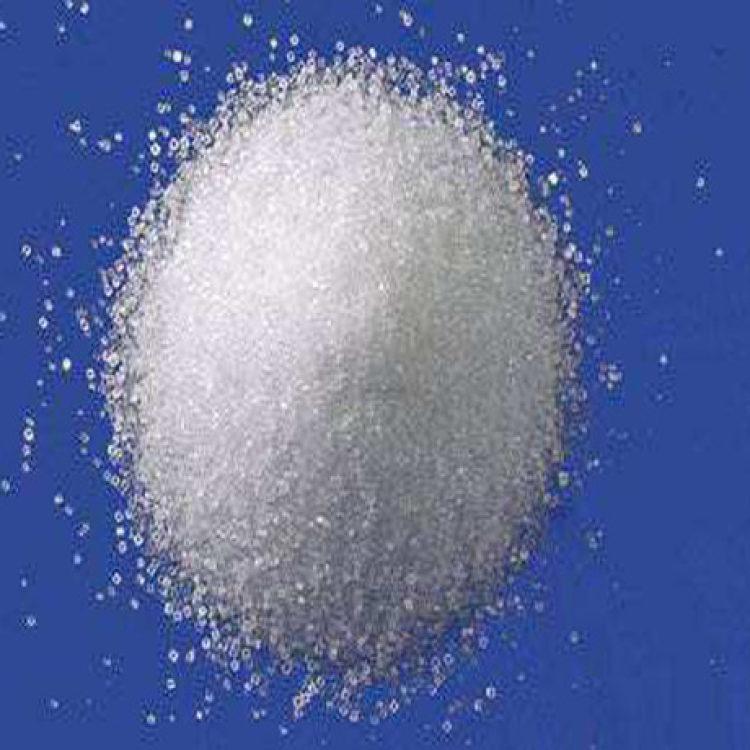
Thermally-Latent Imidazole Catalyst Solutions

All Categories

thermally-latent imidazole catalyst

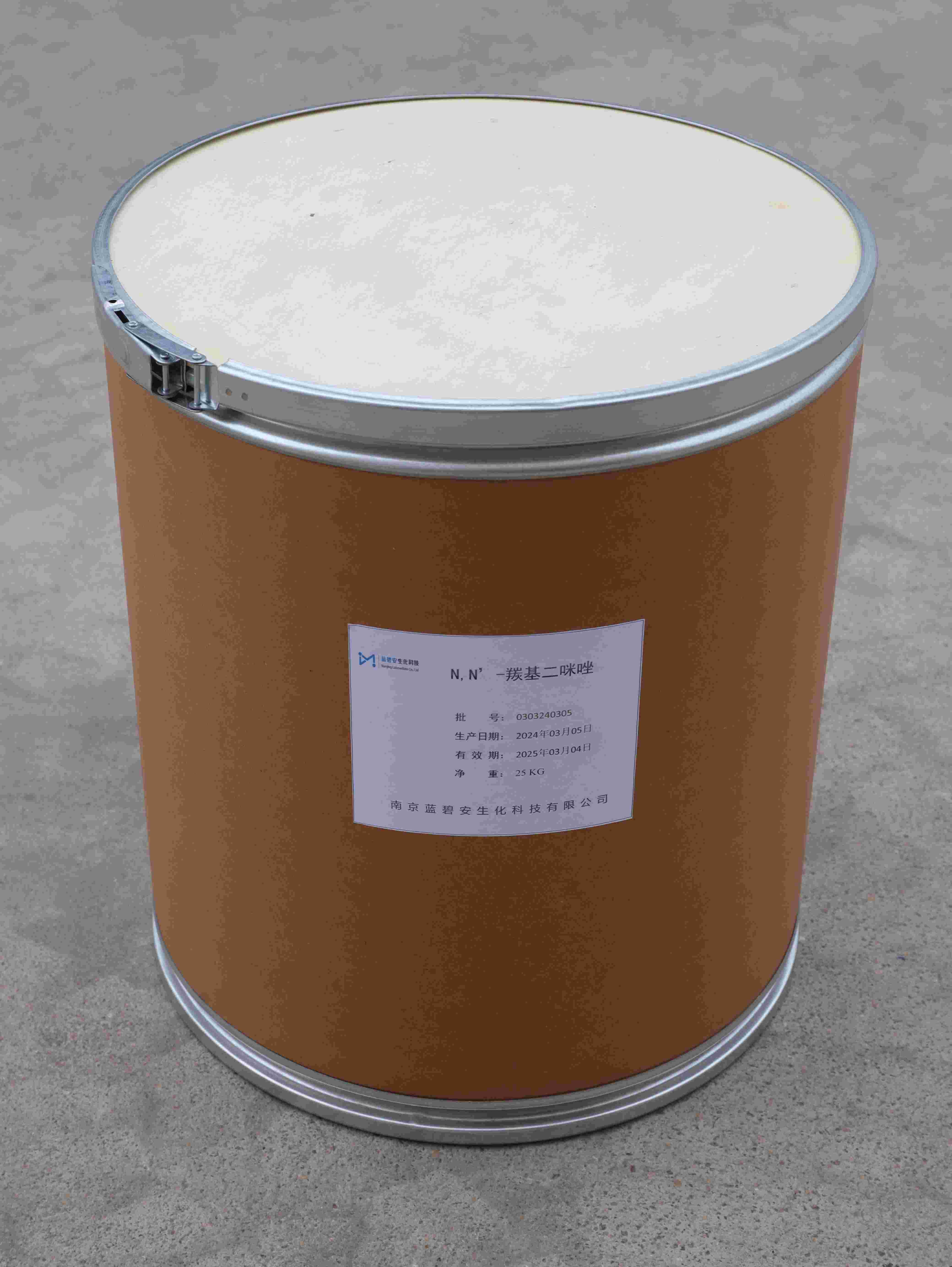
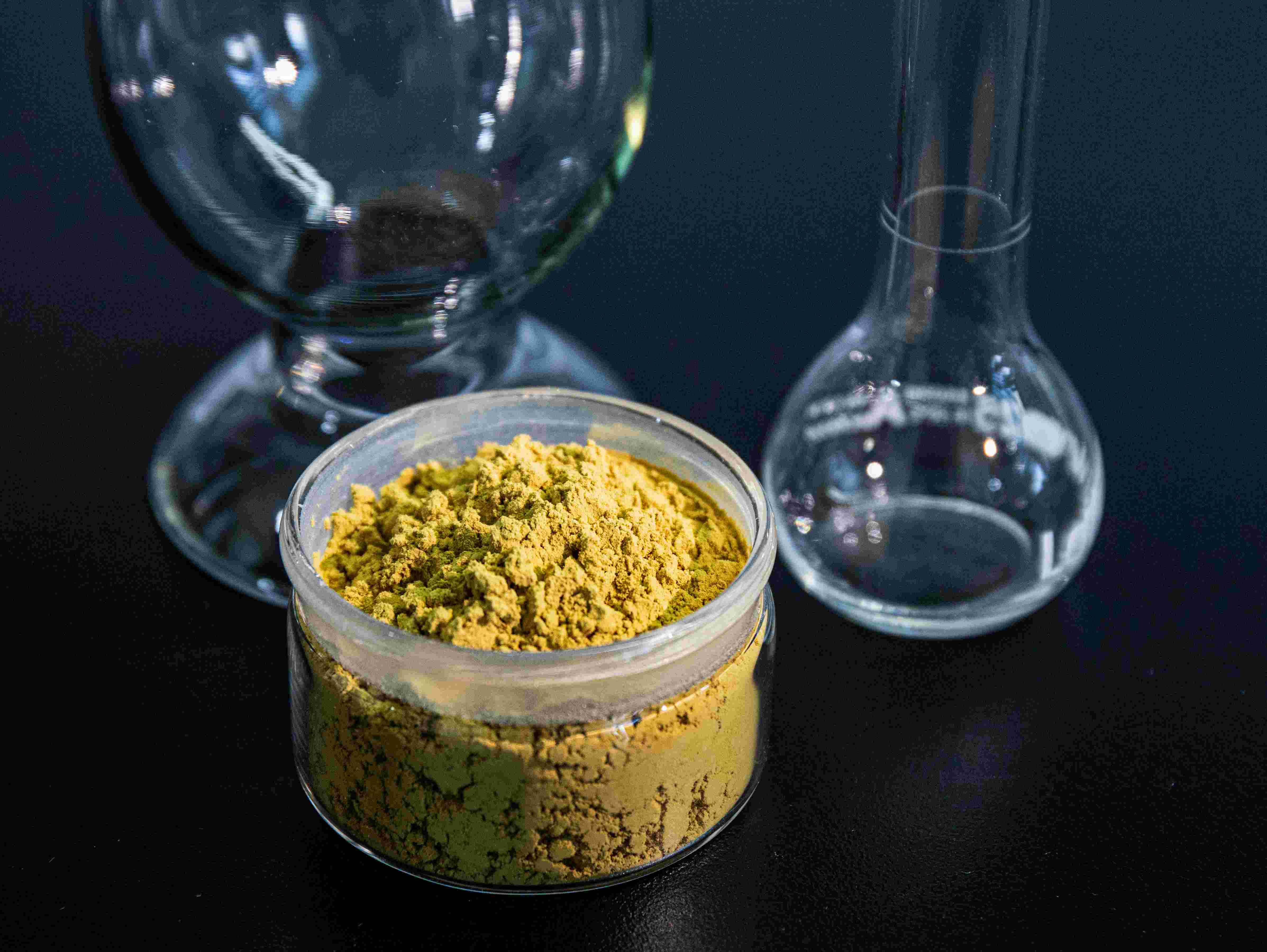
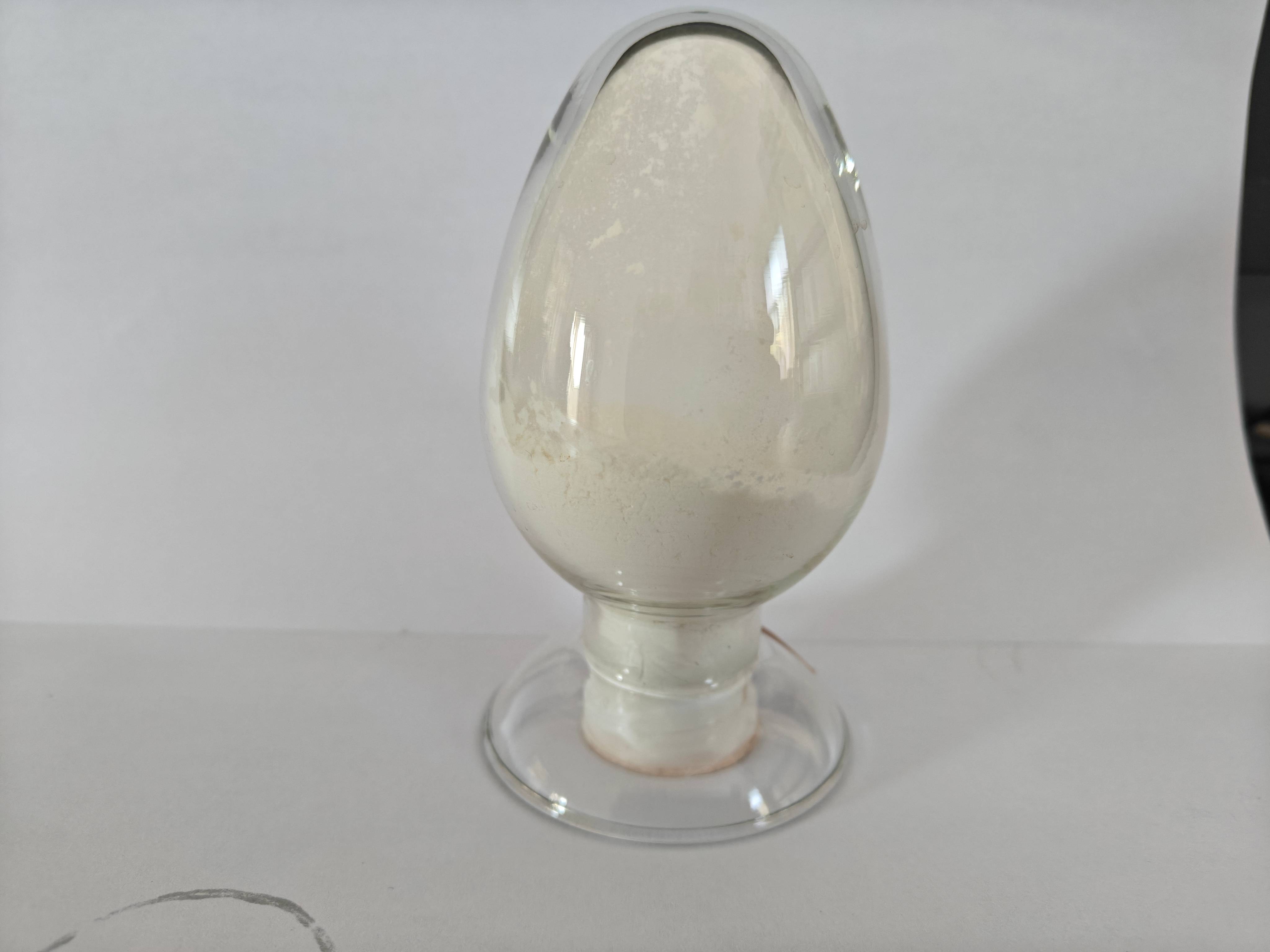
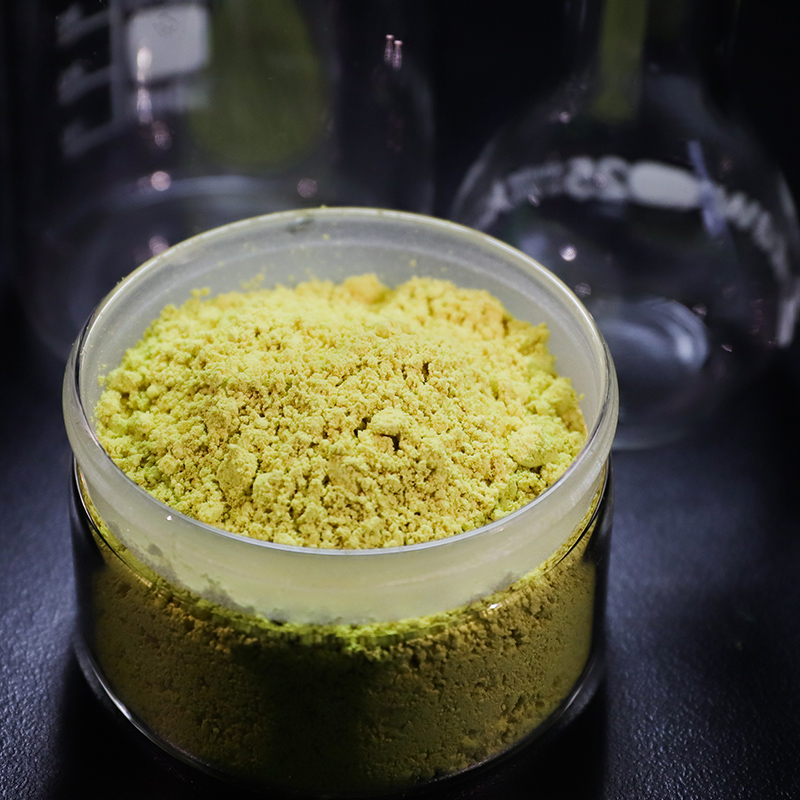
A thermally-latent imidazole catalyst represents an advanced curing agent designed to remain stable at room temperature while activating at elevated temperatures. This innovative catalyst belongs to the family of latent hardeners used primarily in epoxy resin systems, where controlled curing timing is essential. The thermally-latent imidazole catalyst functions by remaining dormant during storage and handling, then rapidly initiating polymerization reactions once the material reaches a specific activation temperature. This temperature-triggered mechanism provides manufacturers with extended working time and precise control over the curing process. The main technological features include exceptional storage stability, minimal premature reactivity, and predictable activation characteristics. These catalysts typically activate between 80-150 degrees Celsius, depending on the specific formulation and molecular structure. Applications span across electronics manufacturing, aerospace composites, automotive components, and structural adhesives where one-component systems offer significant processing advantages. The thermally-latent imidazole catalyst enables the formulation of single-package epoxy systems that can be stored for months without refrigeration, then cured on demand through heat application. This technology eliminates the need for mixing two components immediately before use, reducing waste and simplifying production workflows. Industries requiring precise thermal profiling, such as semiconductor encapsulation and printed circuit board assembly, particularly benefit from the controllable reaction kinetics. The catalyst's ability to provide rapid cure at elevated temperatures while maintaining long pot life at ambient conditions makes it indispensable for modern manufacturing processes demanding both flexibility and efficiency.

New Product Releases

The thermally-latent imidazole catalyst delivers substantial operational benefits that directly impact your production efficiency and product quality. Unlike conventional two-part systems requiring immediate mixing and application, this catalyst allows you to prepare materials in advance and cure them according to your production schedule. This flexibility reduces labor costs and minimizes material waste from expired mixed batches. Your manufacturing process becomes more streamlined since single-component formulations eliminate mixing errors and ensure consistent quality across every batch. The extended shelf life at room temperature means you can maintain inventory without expensive cold storage requirements, lowering your operational overhead significantly. When production demands fluctuate, you gain the ability to prepare materials during off-peak hours and cure them precisely when needed, optimizing equipment utilization and workforce allocation. The rapid curing response once the activation temperature is reached shortens cycle times, allowing higher throughput without compromising bond strength or material properties. This quick response particularly benefits high-volume manufacturing where every minute of production time directly affects profitability. Application suitability extends across demanding environments where traditional catalysts fail to meet performance requirements. Electronics manufacturers appreciate the low ionic content and excellent electrical insulation properties, while aerospace applications benefit from the superior mechanical strength and thermal resistance of cured systems. The thermally-latent imidazole catalyst provides reliable performance in structural bonding, composite fabrication, and protective coatings where long-term durability is non-negotiable. Decision-makers value the risk reduction that comes from predictable curing behavior and the ability to implement automated production processes with consistent results. Your quality control becomes simpler since the catalyst activation is tied to measurable temperature parameters rather than subjective mixing ratios or ambient humidity conditions that plague conventional systems.

Latest News

How Do Organophosphine Based Catalysts Enhance EMC Curing Performance?

12

Dec

How Do Organophosphine Based Catalysts Enhance EMC Curing Performance?

The electronics manufacturing industry has witnessed remarkable advancements in encapsulation materials, particularly in the realm of epoxy molding compounds (EMC). As semiconductor devices become increasingly sophisticated and miniaturized, the dema...
View More
How Do Thermally Latent Catalysts Improve Epoxy Molding Compound Storage Stability?

12

Dec

How Do Thermally Latent Catalysts Improve Epoxy Molding Compound Storage Stability?

Epoxy molding compounds are essential materials in electronics manufacturing, but their storage stability presents significant challenges for manufacturers and suppliers. The key to overcoming these challenges lies in understanding how thermally late...
View More
What Should Manufacturers Look for When Choosing Thermally Latent Catalysts?

12

Dec

What Should Manufacturers Look for When Choosing Thermally Latent Catalysts?

Manufacturing processes across industries rely heavily on precise chemical reactions, and selecting the right thermally latent catalysts can determine the success or failure of production outcomes. These specialized catalytic compounds remain inactiv...
View More
How Do Thermally Latent Catalysts Affect Reaction Rate and Thermal Properties?

05

Mar

How Do Thermally Latent Catalysts Affect Reaction Rate and Thermal Properties?

Thermally latent catalysts represent a revolutionary approach to controlling chemical reactions through temperature-dependent activation mechanisms. These specialized compounds remain inactive at room temperature but undergo rapid activation when hea...
View More

Get a Free Quote

Our representative will contact you soon.
Email
Name
Company Name
Message
0/1000

thermally-latent imidazole catalyst

Extended Pot Life with On-Demand Activation

Extended Pot Life with On-Demand Activation

The thermally-latent imidazole catalyst revolutionizes production planning by offering months of stability at ambient temperature while providing instant activation when heat is applied. This dual characteristic solves the persistent challenge manufacturers face with conventional catalysts that begin reacting immediately upon mixing, forcing rushed application and generating waste from unused material. Your production team can prepare formulations in bulk, store them in standard conditions without degradation, and activate curing precisely when required by your manufacturing schedule. This capability proves invaluable for complex assembly processes where multiple components must be positioned before final curing, or when production runs occur in batches rather than continuously. The catalyst remains completely inactive below its threshold temperature, ensuring no premature gelation or viscosity increase that would compromise processing. Once your material reaches the activation temperature during the curing cycle, the thermally-latent imidazole catalyst initiates rapid polymerization, delivering fully cured properties in significantly shorter timeframes compared to room-temperature curing systems. This controlled activation mechanism enhances production flexibility while maintaining the superior mechanical and chemical resistance properties expected from imidazole-cured epoxy systems.
Superior Storage Stability and Simplified Logistics

Superior Storage Stability and Simplified Logistics

Implementing a thermally-latent imidazole catalyst transforms your supply chain management by eliminating cold storage requirements and extending usable material life dramatically. Traditional reactive systems demand refrigeration throughout transportation and storage, increasing costs and complicating logistics, particularly for global supply chains or remote manufacturing locations. This advanced catalyst technology enables room-temperature storage for extended periods, typically six months to one year depending on formulation, without any loss of performance characteristics. Your facility benefits from reduced energy consumption since climate-controlled storage becomes unnecessary, and you gain flexibility in inventory management without concern about temperature excursions during shipping or temporary storage. The inherent stability of the thermally-latent imidazole catalyst means fewer rejected batches due to premature curing or degraded properties, directly improving your material yield and reducing procurement costs. Distribution becomes simpler as materials can ship via standard freight without special handling requirements or expedited delivery to prevent degradation. For manufacturers operating multiple facilities or serving diverse geographic markets, this stability advantage translates to centralized formulation with reliable distribution, ensuring consistent product performance regardless of location while minimizing the complexity and cost associated with managing temperature-sensitive materials throughout your operation.
Consistent Quality with Automated Processing Compatibility

Consistent Quality with Automated Processing Compatibility

The thermally-latent imidazole catalyst enables seamless integration with automated manufacturing systems, delivering repeatable results that meet stringent quality standards across every production cycle. Automation demands predictable material behavior, and this catalyst technology provides precisely that through temperature-controlled activation rather than variable factors like manual mixing accuracy or ambient conditions. Your automated dispensing equipment can apply formulations with confidence, knowing that curing will only initiate during the designated thermal cycle in your process sequence. This reliability eliminates the guesswork and variation inherent in systems dependent on chemical mixing or moisture curing mechanisms. Quality assurance becomes more straightforward since the critical control parameter is temperature, which modern production equipment monitors and regulates with high precision. The thermally-latent imidazole catalyst responds consistently to thermal input, producing uniform cross-linking density and mechanical properties throughout each part regardless of geometry or thickness variations. Manufacturers implementing Industry 4.0 initiatives particularly value this compatibility with smart manufacturing systems where process data and material performance must correlate predictably. Your production data becomes more meaningful when material behavior is consistent, enabling sophisticated process optimization and predictive maintenance strategies that reduce downtime and improve overall equipment effectiveness while delivering superior product quality to your customers.

Get a Free Quote

Our representative will contact you soon.
Email
Name
Company Name
Message
0/1000