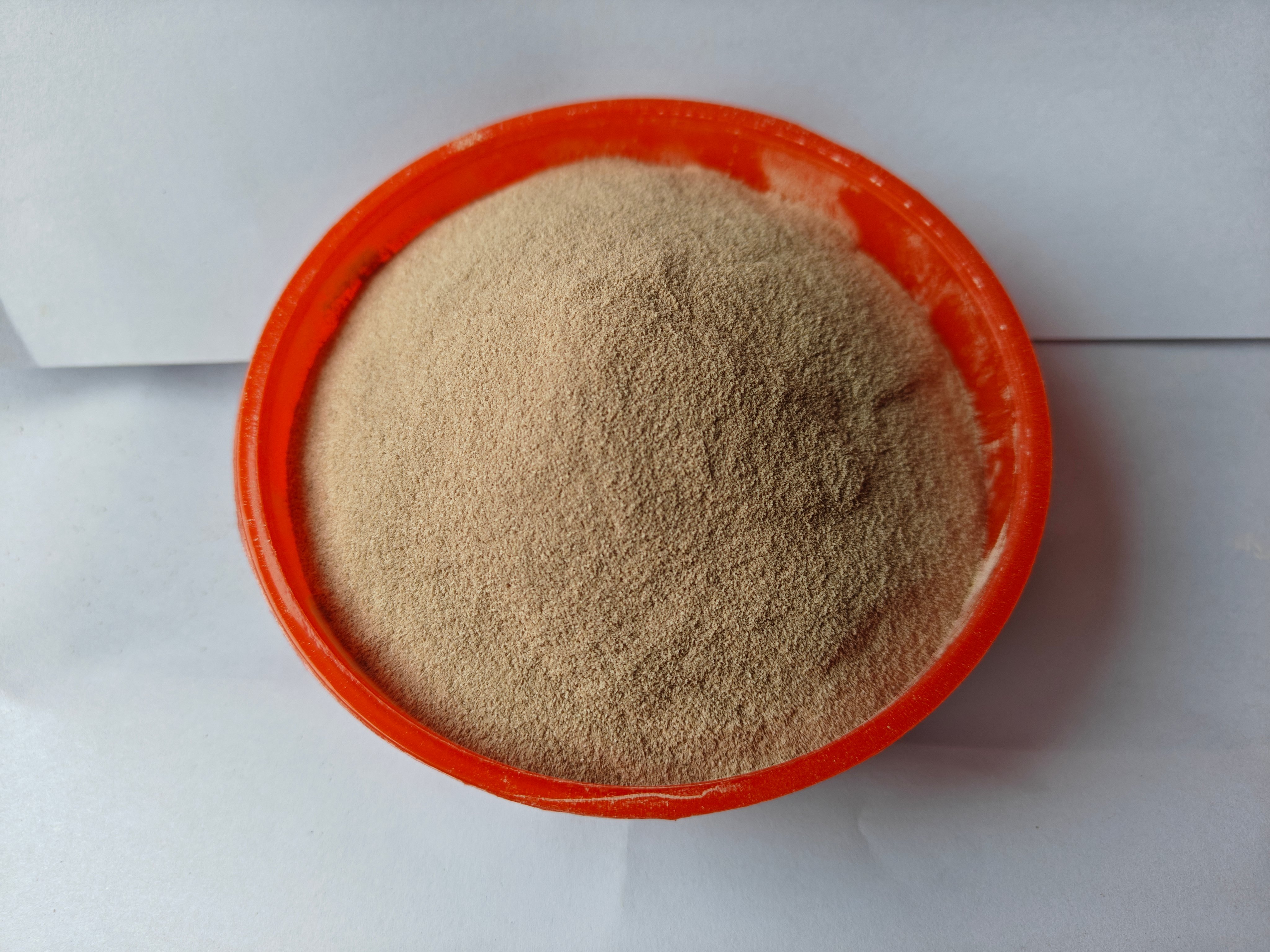
Imidazole Anhydride Accelerator Solutions

All Categories

imidazole anhydride accelerator

The imidazole anhydride accelerator represents a cutting-edge catalyst system designed to enhance the curing process of epoxy resin formulations across diverse industrial applications. This specialized chemical compound combines the reactive properties of imidazole derivatives with anhydride hardening agents, creating a synergistic effect that significantly improves processing efficiency and final product performance. As a latent curing catalyst, the imidazole anhydride accelerator remains stable at room temperature while activating rapidly at elevated temperatures, providing manufacturers with extended pot life and precise control over curing schedules. The accelerator functions by lowering the activation energy required for the epoxy-anhydride reaction, enabling faster crosslinking and more complete polymer network formation. Its chemical structure features both nucleophilic and basic functional groups that interact with epoxy groups and anhydride molecules simultaneously, creating multiple reaction pathways that accelerate the overall curing kinetics. Industries utilizing composite materials, electrical insulation systems, adhesive formulations, and protective coatings rely on this accelerator to achieve superior mechanical properties, enhanced thermal stability, and improved chemical resistance in their finished products. The imidazole anhydride accelerator offers exceptional versatility in formulation design, compatible with various anhydride hardeners including methyltetrahydrophthalic anhydride, hexahydrophthalic anhydride, and methylhexahydrophthalic anhydride. This compatibility extends to multiple epoxy resin types, making it an indispensable component for manufacturers seeking optimized curing performance, reduced processing times, and consistent quality outcomes in demanding production environments where reliability and performance cannot be compromised.

New Products

Choosing an imidazole anhydride accelerator delivers tangible operational benefits that directly impact your production efficiency and product quality. First, you gain remarkable control over your manufacturing schedule because this accelerator provides an extended working time at ambient temperatures while enabling rapid curing when heat is applied, allowing you to prepare larger batches without premature gelation concerns. This latency characteristic means you can mix formulations in advance, reducing downtime between production runs and maximizing equipment utilization. Second, you achieve superior final product properties including increased glass transition temperatures, enhanced mechanical strength, and improved thermal stability compared to non-accelerated systems, which translates to longer-lasting products that perform reliably under demanding service conditions. Third, the imidazole anhydride accelerator enables lower curing temperatures and shorter cycle times, reducing energy consumption and increasing throughput without compromising quality, directly improving your bottom line through reduced operational costs. Fourth, you benefit from excellent storage stability in your mixed formulations, minimizing material waste from premature curing and providing flexibility in inventory management. Fifth, this accelerator demonstrates broad compatibility with various epoxy and anhydride systems, simplifying your formulation development process and reducing the need for multiple catalyst inventories. Sixth, you experience more complete curing reactions that result in fewer unreacted components in the final product, improving chemical resistance and reducing potential for outgassing or migration issues in sensitive applications. For decision-makers evaluating catalyst options, the imidazole anhydride accelerator represents a proven solution that addresses common production challenges while delivering measurable improvements in product performance, making it particularly suitable for aerospace components, electronic encapsulations, high-performance adhesives, and industrial coatings where quality and reliability are non-negotiable requirements.

Latest News

How Do Organophosphine Based Catalysts Enhance EMC Curing Performance?

12

Dec

How Do Organophosphine Based Catalysts Enhance EMC Curing Performance?

The electronics manufacturing industry has witnessed remarkable advancements in encapsulation materials, particularly in the realm of epoxy molding compounds (EMC). As semiconductor devices become increasingly sophisticated and miniaturized, the dema...
View More
How Can CDI Coupling Reagents Be Optimized for Lab-Scale and Industrial Use?

12

Feb

How Can CDI Coupling Reagents Be Optimized for Lab-Scale and Industrial Use?

CDI coupling reagents have revolutionized the way researchers and industrial chemists approach amide bond formation and esterification reactions. These versatile compounds, particularly N,N'-carbonyldiimidazole, offer exceptional efficiency in activa...
View More
How Can Organophosphine Based Catalysts Reduce Defects in Chip Encapsulation?

05

Mar

How Can Organophosphine Based Catalysts Reduce Defects in Chip Encapsulation?

Semiconductor manufacturing faces increasing demands for precision and reliability, particularly in chip encapsulation processes where defects can compromise entire electronic devices. Organophosphine based catalysts have emerged as critical componen...
View More
What Makes Thermally Latent Catalysts Essential for Reliable Chip Packaging Solutions?

05

Mar

What Makes Thermally Latent Catalysts Essential for Reliable Chip Packaging Solutions?

In the rapidly evolving semiconductor industry, achieving reliable and efficient chip packaging requires advanced materials that can withstand extreme processing conditions while maintaining optimal performance. Thermally latent catalysts have emerge...
View More

Get a Free Quote

Our representative will contact you soon.
Email
Name
Company Name
Message
0/1000

imidazole anhydride accelerator

Superior Latent Curing Performance

Superior Latent Curing Performance

The imidazole anhydride accelerator exhibits exceptional latent curing characteristics that revolutionize how manufacturers approach epoxy formulation processing. At room temperature, this accelerator remains dormant within your resin mixture, providing pot life extending from several hours to multiple days depending on formulation specifics, giving production teams ample time for mixing, degassing, application, and positioning without rush or waste. Once thermal energy is applied, typically between 100-180 degrees Celsius, the accelerator activates rapidly, catalyzing the epoxy-anhydride reaction and driving the system to complete cure in significantly reduced timeframes compared to non-accelerated alternatives. This temperature-triggered activation mechanism provides manufacturers with precise temporal control over the curing process, enabling complex manufacturing sequences such as staged assembly, prepreg layup operations, and multi-component bonding applications where delayed cure initiation is essential. The predictable activation temperature allows process engineers to design reliable heating schedules that accommodate part geometry, thermal mass considerations, and production throughput requirements. Furthermore, this latency prevents premature crosslinking during storage and handling, reducing material waste and improving workplace safety by minimizing exposure to reactive uncured systems, ultimately delivering both economic value and operational convenience.
Enhanced Mechanical and Thermal Properties

Enhanced Mechanical and Thermal Properties

Incorporating an imidazole anhydride accelerator into epoxy-anhydride systems generates cured polymers with markedly superior mechanical and thermal performance characteristics compared to unaccelerated formulations. The accelerator promotes more complete reaction conversion by facilitating efficient ring-opening of both epoxy and anhydride groups, creating a denser crosslink network with fewer unreacted functional groups remaining in the final structure. This comprehensive curing translates directly into elevated glass transition temperatures often exceeding 150 degrees Celsius, expanded usable temperature ranges for the cured material, and improved dimensional stability under thermal cycling conditions. Mechanical properties including tensile strength, flexural modulus, and impact resistance show measurable improvements because the uniform crosslink density distributes stress more evenly throughout the polymer matrix, preventing premature failure initiation points. These enhanced properties make the imidazole anhydride accelerator particularly valuable for applications demanding long-term performance under harsh environmental conditions such as aerospace structural components, automotive under-hood assemblies, and power generation equipment where elevated temperatures, mechanical loads, and chemical exposures occur simultaneously. Additionally, the improved crosslink density enhances chemical resistance against solvents, acids, and bases, extending service life in corrosive environments and reducing maintenance requirements, providing tangible lifecycle cost advantages for end users.
Process Efficiency and Economic Benefits

Process Efficiency and Economic Benefits

The imidazole anhydride accelerator delivers substantial process efficiency improvements that translate into measurable economic advantages for manufacturing operations. By reducing required curing temperatures by 20-40 degrees Celsius compared to non-accelerated systems and shortening cure cycles by 30-50 percent, this accelerator significantly decreases energy consumption per production unit, reducing operational costs while supporting sustainability initiatives through lower carbon footprint. Faster processing cycles mean higher equipment utilization rates, allowing manufacturers to increase production volumes without capital investment in additional curing ovens or autoclaves, directly improving return on existing assets. The extended pot life at ambient temperatures enables larger batch preparations, reducing the frequency of mixing operations and associated cleaning requirements, which decreases labor costs and improves consistency by minimizing batch-to-batch variations. Quality improvements resulting from more complete curing reduce rejection rates and warranty claims, protecting profit margins and brand reputation. The broad compatibility of the imidazole anhydride accelerator with multiple resin and hardener systems simplifies inventory management by reducing the variety of catalysts needed for different product lines, decreasing storage requirements and minimizing risk of formulation errors. For manufacturers competing in price-sensitive markets, these cumulative efficiency gains provide competitive advantages while maintaining the premium performance characteristics that demanding applications require.

Get a Free Quote

Our representative will contact you soon.
Email
Name
Company Name
Message
0/1000