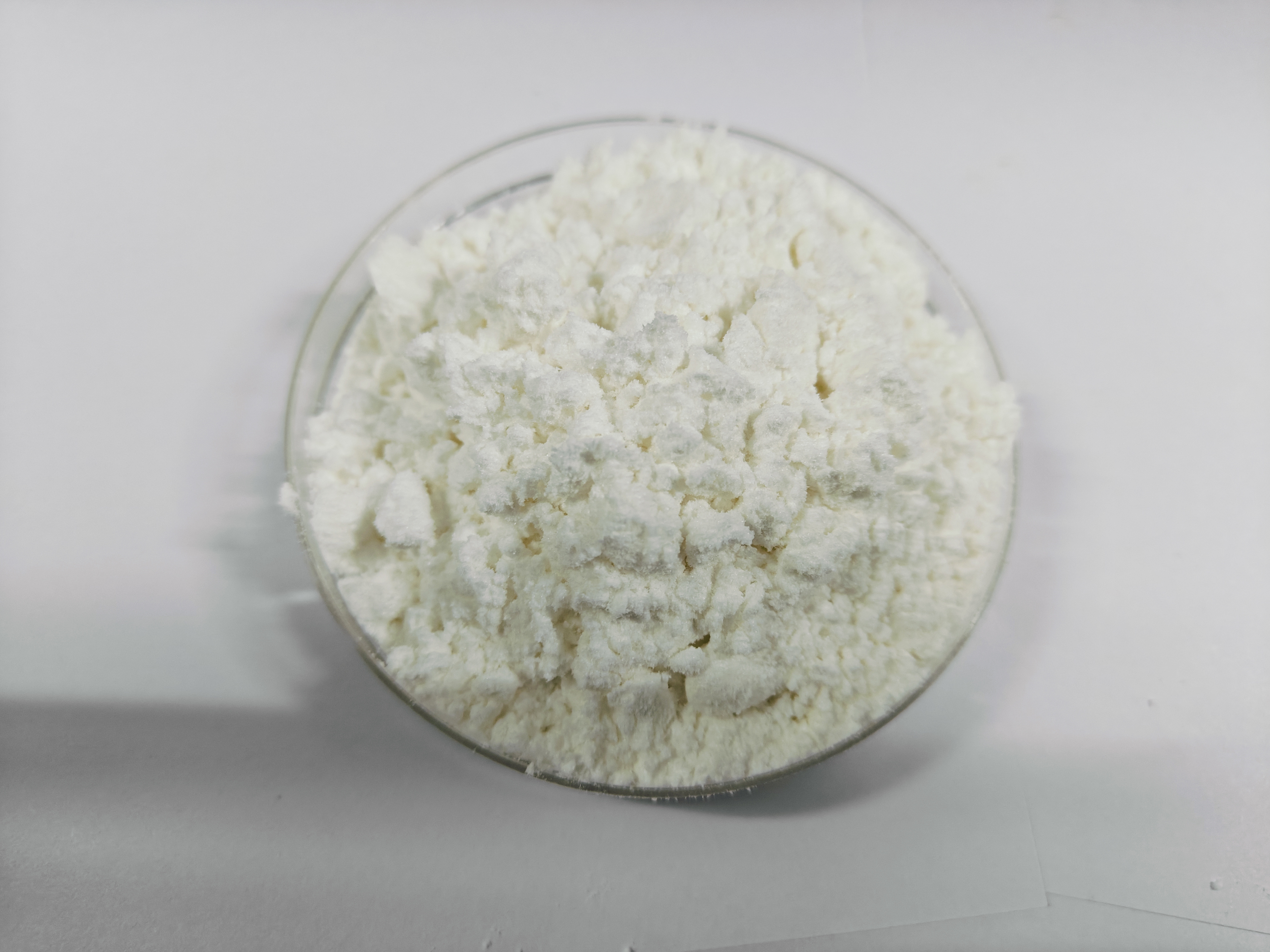
Epoxy Resin Anhydride Accelerator Guide

All Categories

epoxy resin anhydride accelerator

An epoxy resin anhydride accelerator is a specialized chemical catalyst designed to enhance the curing reaction between epoxy resins and anhydride hardeners. This accelerator plays a critical role in controlling the polymerization process, significantly reducing cure times while improving the overall performance characteristics of the final composite material. The epoxy resin anhydride accelerator works by lowering the activation energy required for the cross-linking reaction, enabling manufacturers to achieve optimal curing at lower temperatures or within shorter timeframes. These accelerators are typically tertiary amines or imidazole-based compounds that interact with both the epoxy groups and anhydride molecules to facilitate ring-opening reactions. The technological features of an epoxy resin anhydride accelerator include precise reactivity control, excellent compatibility with various epoxy formulations, and the ability to maintain long pot life before curing begins. Applications span across electrical insulation systems, composite materials manufacturing, adhesive formulations, and protective coatings where superior mechanical properties and chemical resistance are essential. Industries utilizing epoxy resin anhydride accelerator technology include aerospace, automotive, electronics, construction, and marine sectors. The accelerator enables formulators to customize curing profiles according to specific processing requirements, whether for high-temperature applications demanding exceptional thermal stability or ambient-cure systems requiring flexibility in manufacturing operations. By incorporating an epoxy resin anhydride accelerator into formulations, manufacturers achieve enhanced cross-link density, improved glass transition temperatures, and superior resistance to environmental degradation, making these catalysts indispensable for advanced composite applications.

New Product Releases

The primary advantage of using an epoxy resin anhydride accelerator is the substantial reduction in curing time, which directly translates to increased production efficiency and lower energy costs. By accelerating the curing reaction, manufacturers can process more parts per day, improving throughput without compromising the quality of the finished product. This time-saving benefit is particularly valuable in high-volume production environments where operational efficiency determines profitability. The epoxy resin anhydride accelerator also provides exceptional control over the curing process, allowing operators to fine-tune reaction rates according to specific production requirements. This flexibility means you can adjust formulations for different ambient conditions, part geometries, or equipment capabilities without reformulating the entire system. Another significant benefit is the improved mechanical properties achieved through more complete curing reactions. The accelerator ensures thorough cross-linking throughout the resin matrix, resulting in composites with superior strength, stiffness, and dimensional stability. These enhanced properties make the final products more reliable and durable in demanding service environments. The epoxy resin anhydride accelerator enables lower curing temperatures, which reduces thermal stress on substrates and allows processing of heat-sensitive components. This capability expands application possibilities and prevents warping or degradation of delicate materials. Additionally, these accelerators improve the chemical resistance and thermal stability of cured systems, extending service life in harsh environments exposed to chemicals, moisture, or elevated temperatures. The economic advantages include reduced energy consumption, faster production cycles, and improved product consistency, all contributing to better return on investment. The ease of incorporation into existing formulations without requiring major process changes makes adoption straightforward for manufacturers seeking performance improvements.

Latest News

Why Are Organophosphine Based Catalysts Essential for Semiconductor Packaging?

12

Dec

Why Are Organophosphine Based Catalysts Essential for Semiconductor Packaging?

The semiconductor industry relies on precise chemical processes that demand exceptional purity and reliability. Among the various catalyst systems employed in semiconductor packaging applications, organophosphine based catalysts have emerged as indis...
View More
Which Factors Affect the Efficiency of Curing Agents in Epoxy Resin Systems?

12

Feb

Which Factors Affect the Efficiency of Curing Agents in Epoxy Resin Systems?

The efficiency of curing agents in epoxy resin systems depends on numerous interconnected factors that directly influence the polymerization process and final material properties. Understanding these variables is crucial for optimizing epoxy formulat...
View More
How Can CDI Coupling Reagents Be Optimized for Lab-Scale and Industrial Use?

12

Feb

How Can CDI Coupling Reagents Be Optimized for Lab-Scale and Industrial Use?

CDI coupling reagents have revolutionized the way researchers and industrial chemists approach amide bond formation and esterification reactions. These versatile compounds, particularly N,N'-carbonyldiimidazole, offer exceptional efficiency in activa...
View More
What Makes Thermally Latent Catalysts Essential for Reliable Chip Packaging Solutions?

05

Mar

What Makes Thermally Latent Catalysts Essential for Reliable Chip Packaging Solutions?

In the rapidly evolving semiconductor industry, achieving reliable and efficient chip packaging requires advanced materials that can withstand extreme processing conditions while maintaining optimal performance. Thermally latent catalysts have emerge...
View More

Get a Free Quote

Our representative will contact you soon.
Email
Name
Company Name
Message
0/1000

epoxy resin anhydride accelerator

Enhanced Curing Efficiency and Production Speed

Enhanced Curing Efficiency and Production Speed

The epoxy resin anhydride accelerator delivers remarkable improvements in curing efficiency that directly impact manufacturing productivity. Traditional epoxy-anhydride systems often require extended curing cycles lasting several hours at elevated temperatures, tying up production equipment and consuming significant energy. By incorporating an epoxy resin anhydride accelerator, manufacturers can reduce curing times by fifty percent or more, depending on the specific formulation and processing conditions. This acceleration occurs through the catalyst's ability to promote rapid ring-opening of anhydride molecules and subsequent reaction with epoxy groups, creating a more efficient polymerization pathway. The practical benefit extends beyond simple time savings; faster curing enables manufacturers to increase production capacity using existing equipment, effectively multiplying output without capital investment in additional curing ovens or presses. The accelerator maintains excellent control throughout the process, preventing premature gelation during mixing and application while ensuring rapid curing once the system reaches the designated temperature. This balanced reactivity profile provides operators with adequate working time for complex assemblies while still achieving quick turnaround for production scheduling. The energy savings from reduced curing temperatures and shorter cycle times contribute substantially to operational cost reduction and environmental sustainability goals.
Superior Mechanical and Thermal Performance

Superior Mechanical and Thermal Performance

When you use an epoxy resin anhydride accelerator in your formulations, the resulting cured systems exhibit significantly enhanced mechanical and thermal properties compared to non-accelerated alternatives. The accelerator promotes more complete curing reactions, achieving higher cross-link densities throughout the polymer network. This thorough cross-linking translates directly into improved tensile strength, flexural modulus, and impact resistance, making the composite materials more robust for demanding structural applications. The glass transition temperature increases substantially, often by twenty to forty degrees Celsius, which expands the usable temperature range for the final product. This elevated heat resistance is critical for applications in automotive under-hood components, aerospace structures, and electrical insulation systems where elevated service temperatures are routine. The epoxy resin anhydride accelerator also contributes to better dimensional stability, reducing thermal expansion coefficients and minimizing warpage during temperature cycling. Chemical resistance improves as well, with the tightly cross-linked network providing fewer pathways for solvent or chemical penetration. These performance enhancements mean products last longer in service, require less frequent replacement, and maintain their functional properties throughout their design life. For manufacturers, this translates to stronger market positioning through superior product quality and reduced warranty claims.
Versatile Application Compatibility

Versatile Application Compatibility

The epoxy resin anhydride accelerator demonstrates exceptional versatility across diverse application types and processing methods, making it an invaluable tool for formulators working with different manufacturing requirements. Whether you are producing electrical laminates through compression molding, fabricating wind turbine blades via resin infusion, or creating protective coatings through spray application, the appropriate epoxy resin anhydride accelerator can be selected and optimized for your specific process. These accelerators are compatible with both liquid and solid anhydride hardeners, providing flexibility in formulation design. They work effectively with various epoxy resin types, including standard bisphenol-A resins, cycloaliphatic epoxies, and multifunctional specialty resins, allowing formulators to maintain consistent curing profiles across different base resin systems. The dosage levels are typically quite low, ranging from zero point one to three percent by weight, meaning the accelerator does not significantly alter the fundamental properties of the base resin system or add substantial cost. This compatibility extends to fillers and reinforcements as well, with the accelerator functioning properly in formulations containing glass fibers, carbon fibers, mineral fillers, or flame retardants. The epoxy resin anhydride accelerator can be incorporated easily into existing production processes without requiring specialized mixing equipment or handling procedures, simplifying adoption for manufacturers transitioning from non-accelerated systems.

Get a Free Quote

Our representative will contact you soon.
Email
Name
Company Name
Message
0/1000