Imidazole Catalytic Curing Agent Guide

All Categories

imidazole catalytic curing agent

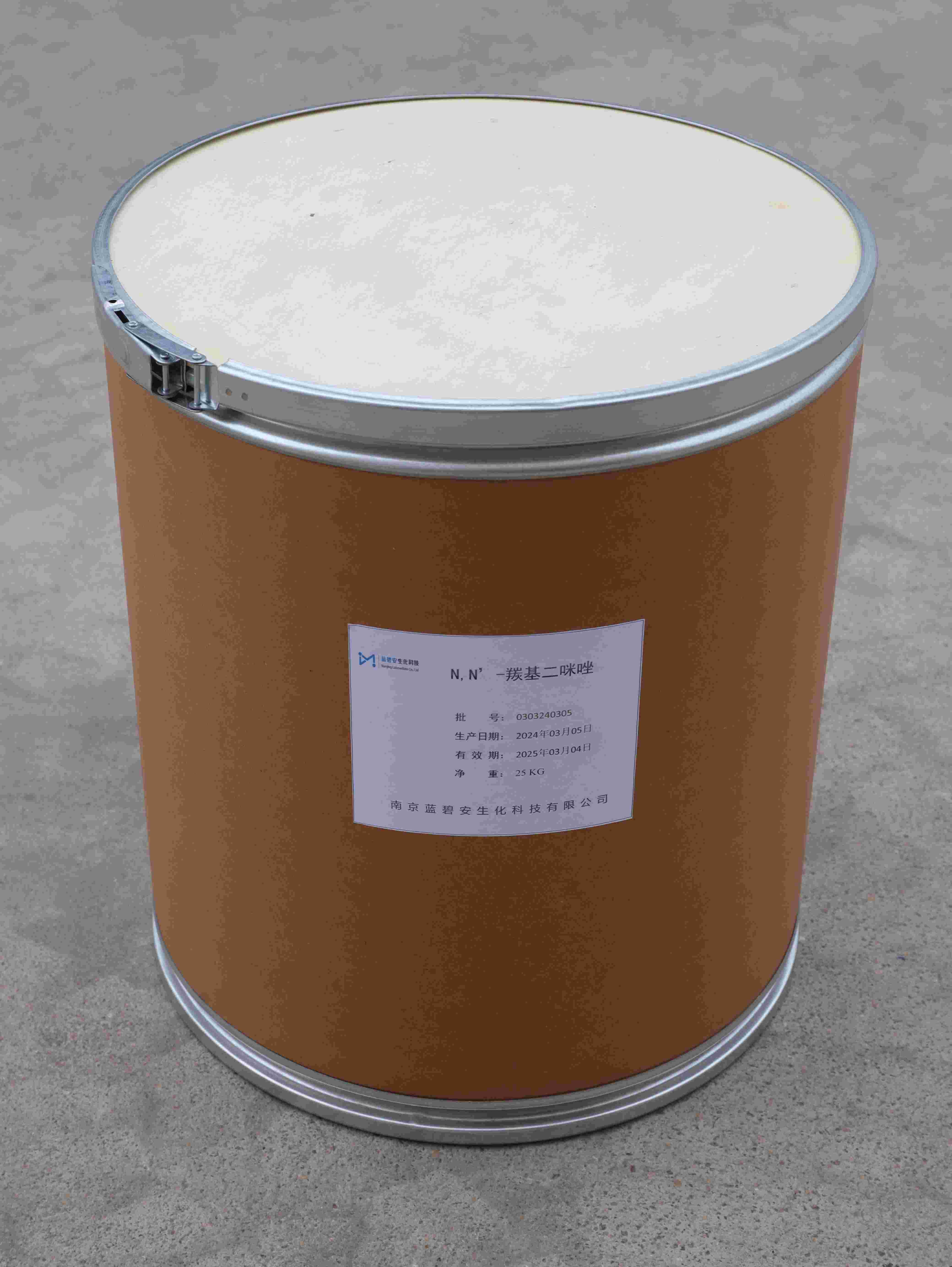
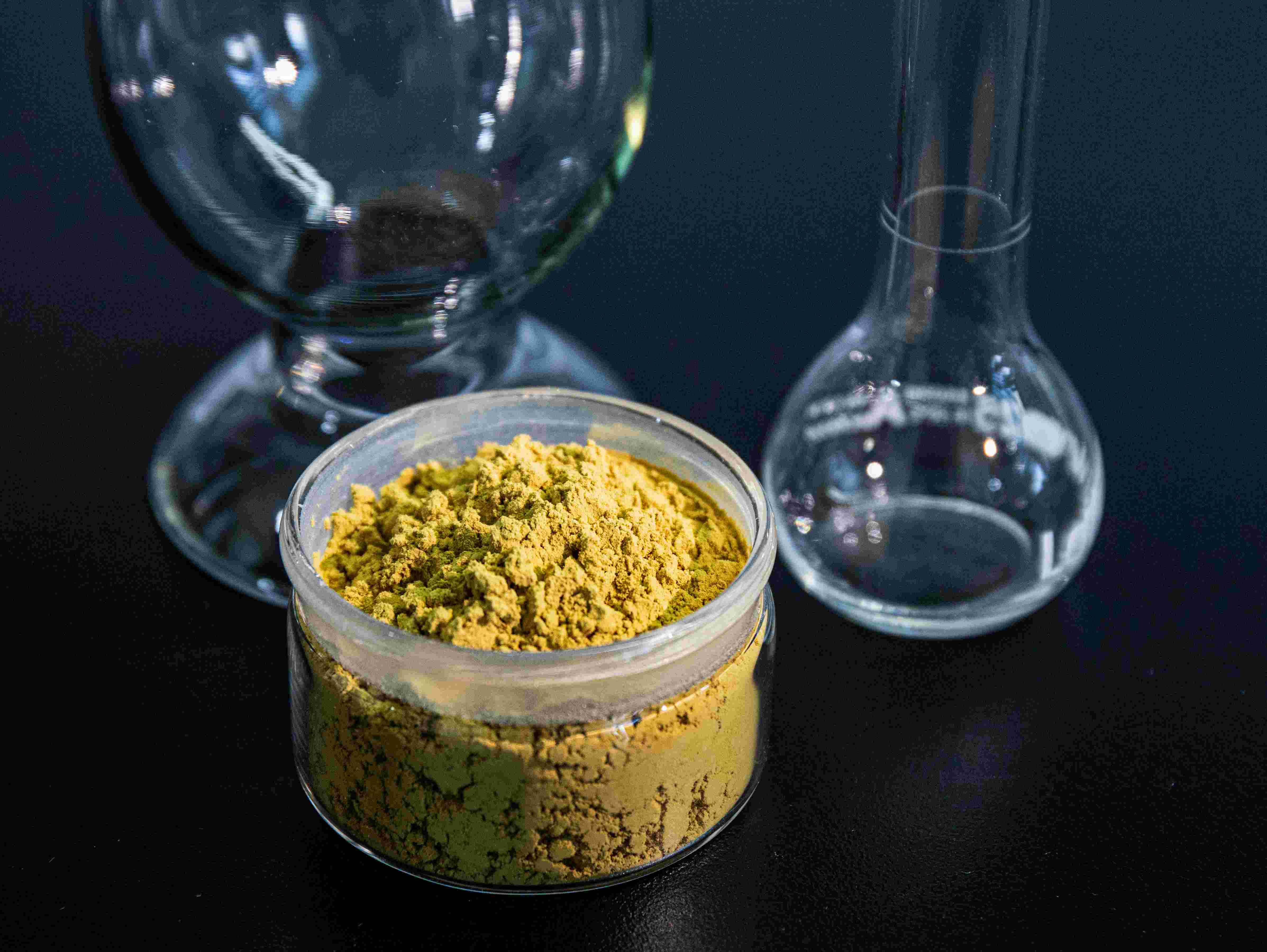
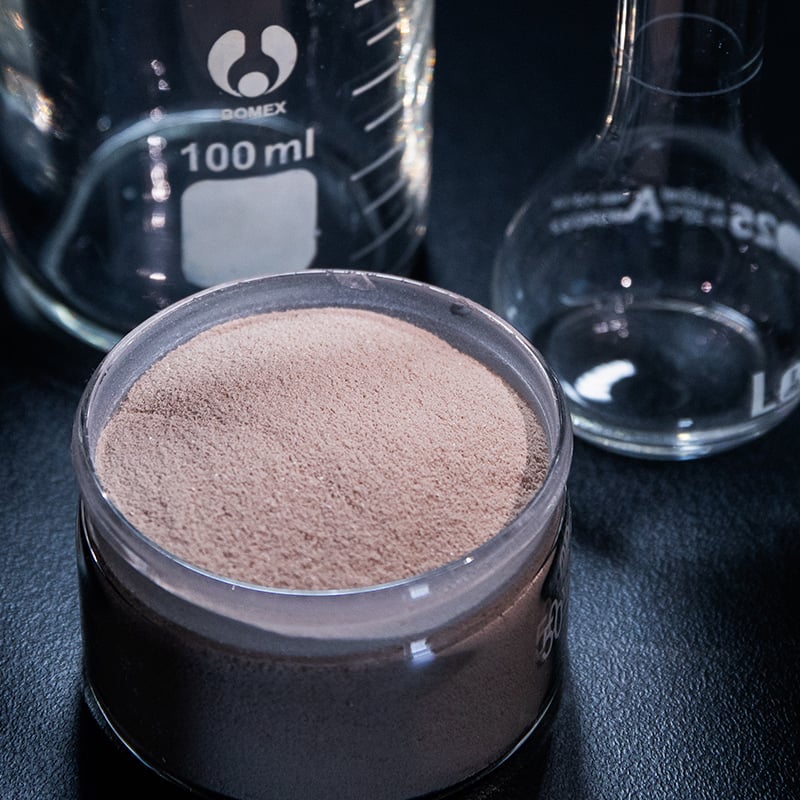
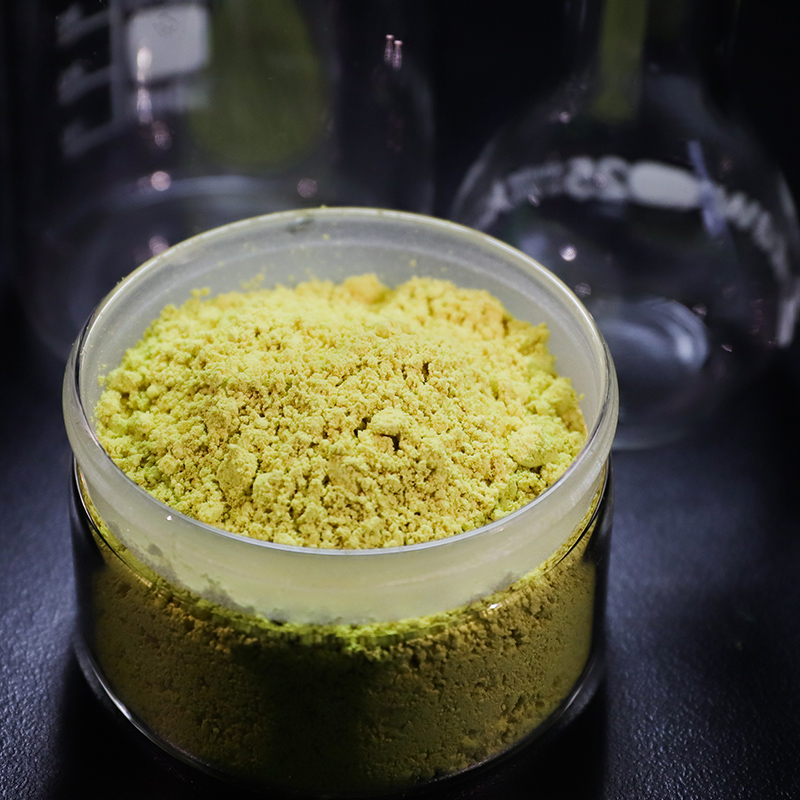
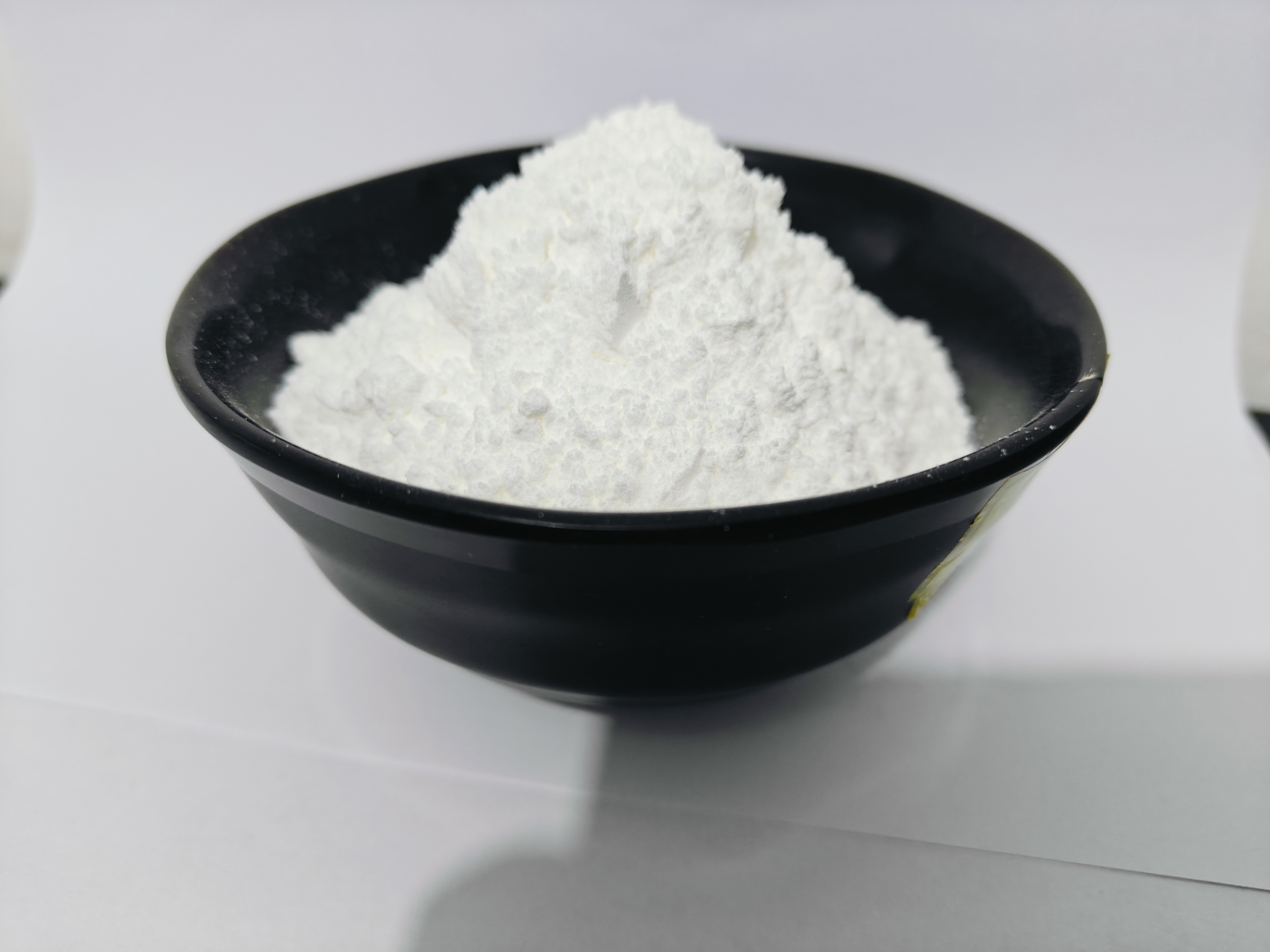
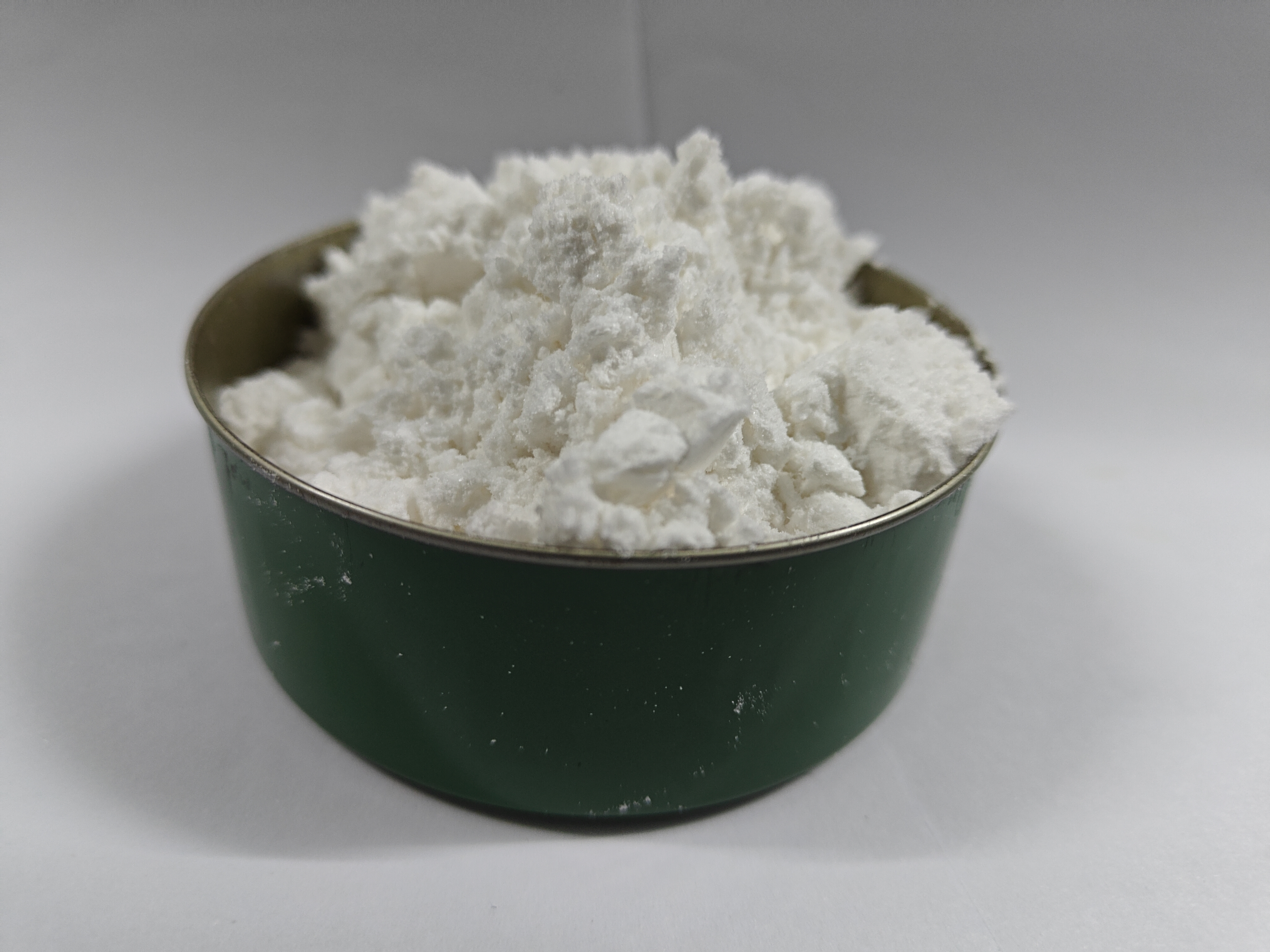
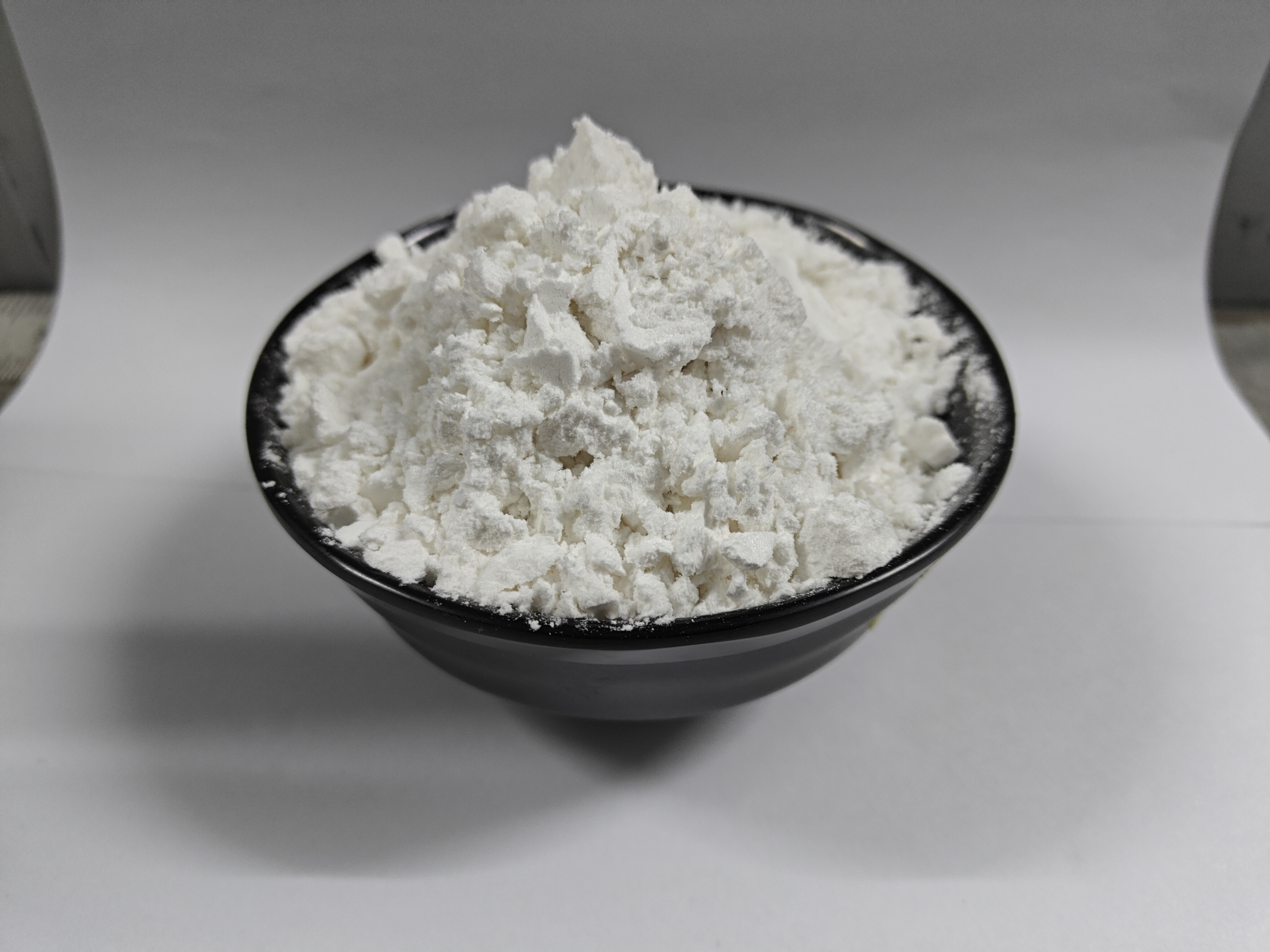
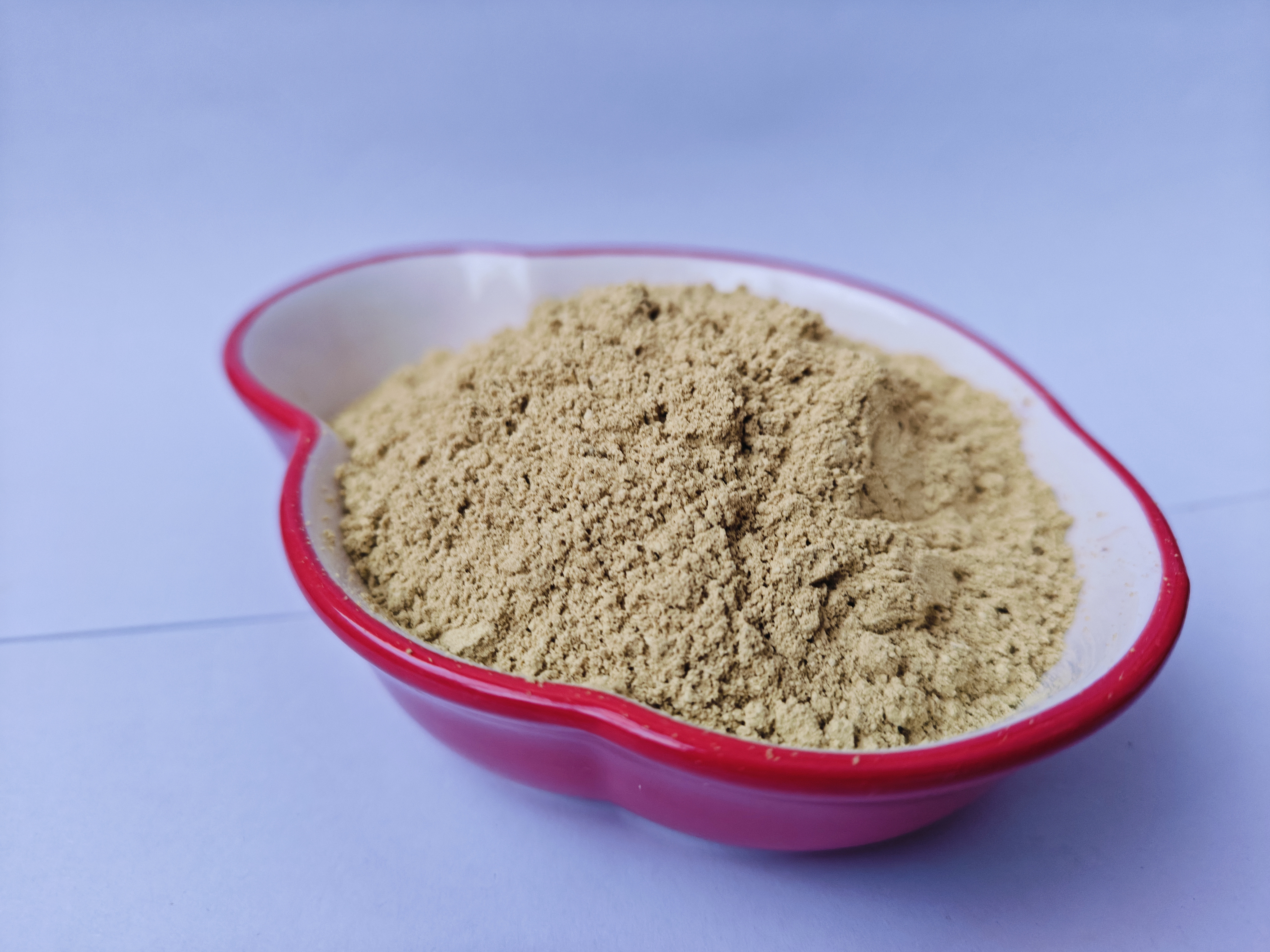
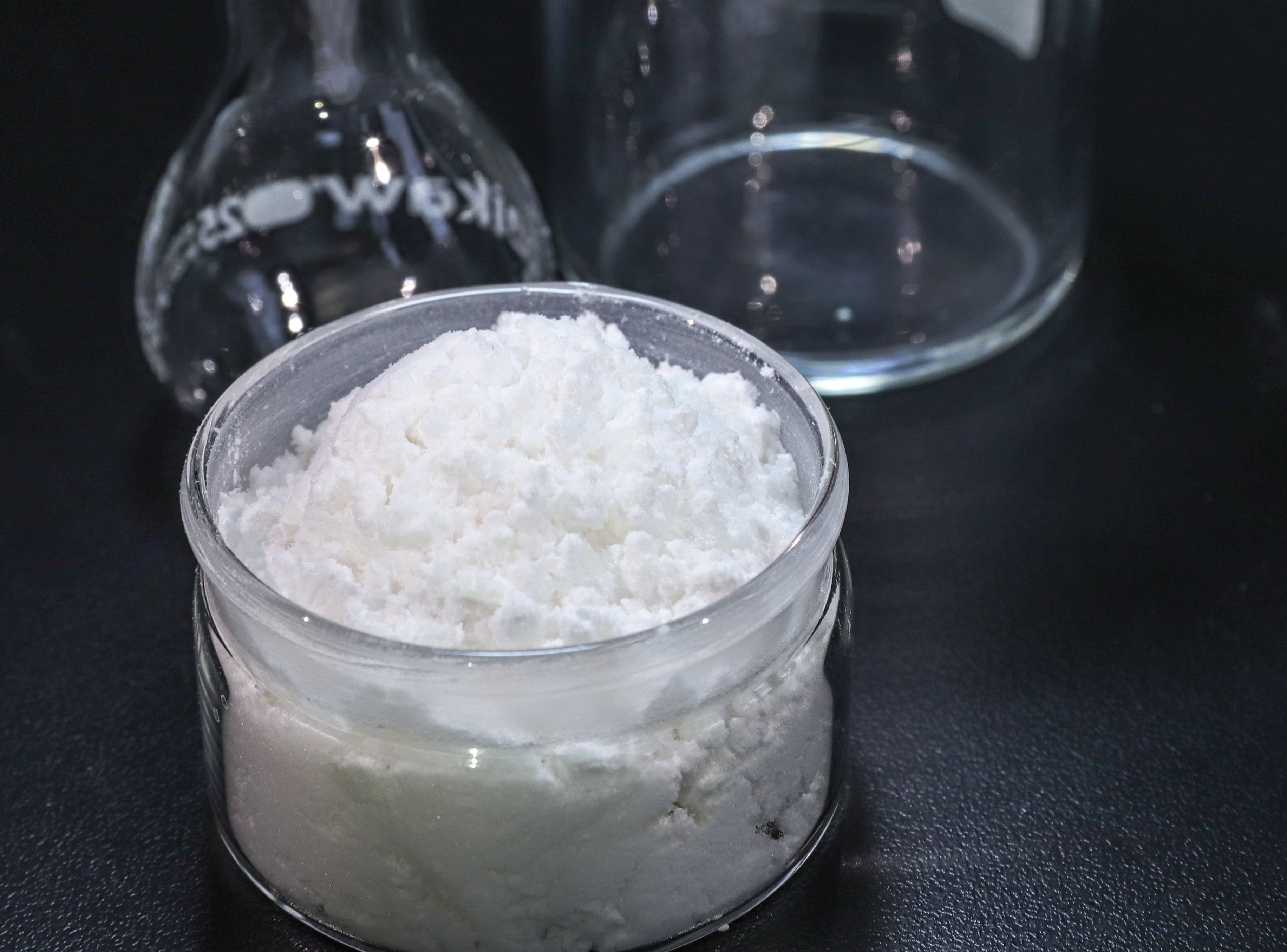
The imidazole catalytic curing agent represents a specialized class of chemical compounds that accelerate the curing process of epoxy resins and other thermosetting polymers. This advanced curing technology utilizes the unique chemical structure of imidazole rings to initiate and control polymerization reactions at specific temperatures. The imidazole catalytic curing agent functions as both a catalyst and a hardener, offering exceptional performance in various industrial applications. Its main function involves reducing curing temperatures while maintaining superior mechanical properties in the final product. The technological features of this curing system include excellent latent properties, meaning the material remains stable during storage but activates rapidly when heated. This characteristic allows manufacturers to extend pot life and improve processing flexibility. The imidazole catalytic curing agent demonstrates remarkable efficiency in cross-linking reactions, requiring lower dosages compared to conventional hardeners. Applications span across electronics manufacturing, particularly in semiconductor encapsulation and printed circuit board production, where precise curing control is essential. The aerospace industry utilizes these agents for composite materials requiring high-temperature resistance and structural integrity. Automotive manufacturers employ this technology in powder coatings and adhesive formulations. The construction sector benefits from its use in floor coatings and protective finishes. Additionally, the imidazole catalytic curing agent plays a vital role in wind turbine blade manufacturing and marine coatings, where durability and chemical resistance are paramount requirements for long-term performance.

New Products

Choosing an imidazole catalytic curing agent delivers multiple practical benefits that directly impact your production efficiency and product quality. First, this curing system significantly reduces processing time by enabling faster cure cycles at lower temperatures, which translates to energy savings and increased throughput for your manufacturing operations. Your production costs decrease because the imidazole catalytic curing agent requires smaller quantities compared to traditional hardeners, typically between 2-5% by weight, making it an economical choice for large-scale operations. The extended shelf life of uncured mixtures provides operational flexibility, allowing you to prepare materials in advance without concerns about premature gelation or waste. This stability means you can maintain consistent production schedules and reduce material loss. The mechanical properties of cured products show superior performance, including enhanced heat resistance up to 200 degrees Celsius, excellent electrical insulation characteristics, and outstanding chemical resistance to solvents and acids. These properties ensure your finished products meet demanding quality standards across various applications. The imidazole catalytic curing agent offers precise control over curing profiles, enabling you to tailor the process to specific product requirements. This adaptability suits both rapid production environments and applications requiring gradual curing progression. Your workers benefit from safer handling conditions since these agents typically exhibit lower toxicity and reduced volatile organic compound emissions compared to amine-based alternatives. The versatility of this technology allows seamless integration into existing formulations with minimal adjustments to your current processes. Whether you manufacture electronic components, aerospace parts, or protective coatings, this curing agent delivers consistent, reliable results that enhance your competitive position in the marketplace.

Latest News

How Do Thermally Latent Catalysts Improve Epoxy Molding Compound Storage Stability?

12

Dec

How Do Thermally Latent Catalysts Improve Epoxy Molding Compound Storage Stability?

Epoxy molding compounds are essential materials in electronics manufacturing, but their storage stability presents significant challenges for manufacturers and suppliers. The key to overcoming these challenges lies in understanding how thermally late...
View More
How do procurement teams compare CDI coupling reagent suppliers

07

Jan

How do procurement teams compare CDI coupling reagent suppliers

Procurement teams in pharmaceutical and biotechnology companies face a complex decision when selecting suppliers for specialized chemical reagents. The evaluation of cdi coupling reagent suppliers requires a comprehensive understanding of product spe...
View More
How do manufacturers optimize CDI amide bonds for production use

07

Jan

How do manufacturers optimize CDI amide bonds for production use

Chemical manufacturing processes rely heavily on efficient bond formation techniques to create stable molecular structures for various industrial applications. Among the most significant developments in organic synthesis, cdi amide bonds represent a ...
View More
How Can Organophosphine Based Catalysts Reduce Defects in Chip Encapsulation?

05

Mar

How Can Organophosphine Based Catalysts Reduce Defects in Chip Encapsulation?

Semiconductor manufacturing faces increasing demands for precision and reliability, particularly in chip encapsulation processes where defects can compromise entire electronic devices. Organophosphine based catalysts have emerged as critical componen...
View More

Get a Free Quote

Our representative will contact you soon.
Email
Name
Company Name
Message
0/1000

imidazole catalytic curing agent

Superior Latent Curing Performance

Superior Latent Curing Performance

The imidazole catalytic curing agent excels through its remarkable latent curing capability, a feature that fundamentally transforms manufacturing workflows and product quality control. This latency means the curing agent remains chemically inactive at room temperature, providing exceptional storage stability for pre-mixed formulations that can last several months without initiating polymerization. Once you apply heat within the activation temperature range, typically between 80-150 degrees Celsius, the catalyst springs into action, driving rapid and complete curing reactions. This behavior eliminates the constant pressure of working within short pot life windows that plague conventional systems. Your production teams gain the freedom to prepare batches in advance, reducing rush periods and minimizing waste from expired materials. The controlled activation prevents premature curing during processing stages like mixing, degassing, or application, ensuring consistent material properties throughout your production run. This precision timing capability proves invaluable in complex manufacturing sequences where multiple process steps occur before final curing. The predictable activation behavior allows automated systems to maintain tight process control, resulting in uniform product quality across entire production batches and reducing defect rates that impact your bottom line.
Enhanced Mechanical and Thermal Properties

Enhanced Mechanical and Thermal Properties

Products cured with an imidazole catalytic curing agent demonstrate significantly improved mechanical strength and thermal stability compared to those using conventional curing systems. The catalytic mechanism promotes more complete cross-linking density within the polymer network, creating stronger molecular bonds that translate into superior tensile strength, flexural modulus, and impact resistance in finished products. This enhanced structural integrity means your products withstand greater mechanical stress during service life, reducing warranty claims and improving customer satisfaction. The thermal properties prove equally impressive, with glass transition temperatures often exceeding 150 degrees Celsius and continuous service temperatures reaching 180-200 degrees Celsius. This heat resistance opens opportunities for applications in demanding environments where conventional epoxy systems would fail or degrade. The curing process generates minimal internal stress, preventing microcrack formation that compromises long-term durability. Your products maintain dimensional stability across wide temperature ranges, crucial for precision components in electronics and aerospace applications. The chemical resistance of cured materials shows excellent performance against acids, bases, solvents, and moisture, ensuring product longevity in harsh environments. These combined properties deliver tangible value by extending product service life, reducing maintenance requirements, and enabling your products to meet stringent industry specifications.

Environmental and Safety Advantages

Environmental and Safety Advantages

The imidazole catalytic curing agent offers significant environmental and workplace safety benefits that align with modern sustainability goals and regulatory requirements. These catalysts typically feature lower volatile organic compound emissions during curing compared to traditional amine hardeners, helping your facility meet air quality regulations and reduce environmental impact. The reduced emission profile creates healthier working conditions for your employees, minimizing exposure to irritating fumes that can cause respiratory discomfort or long-term health concerns. Many imidazole-based formulations exhibit lower skin sensitization potential, decreasing the risk of allergic reactions among workers who handle these materials regularly. This safety profile reduces personal protective equipment requirements and associated costs while improving workplace comfort. The efficient curing mechanism requires lower processing temperatures, resulting in reduced energy consumption and smaller carbon footprint for your manufacturing operations. This energy efficiency contributes to lower operating costs while supporting corporate sustainability initiatives. The minimal waste generation from extended pot life and precise dosing requirements further enhances environmental performance. Compliance with international regulations becomes easier as these agents often meet restrictions on hazardous substances in electronics and other regulated industries. By choosing this technology, you demonstrate commitment to worker safety and environmental responsibility, strengthening your corporate reputation and appeal to environmentally conscious customers and partners.

Get a Free Quote

Our representative will contact you soon.
Email
Name
Company Name
Message
0/1000