Electronic Encapsulation Imidazole Hardener

All Categories

electronic encapsulation imidazole hardener

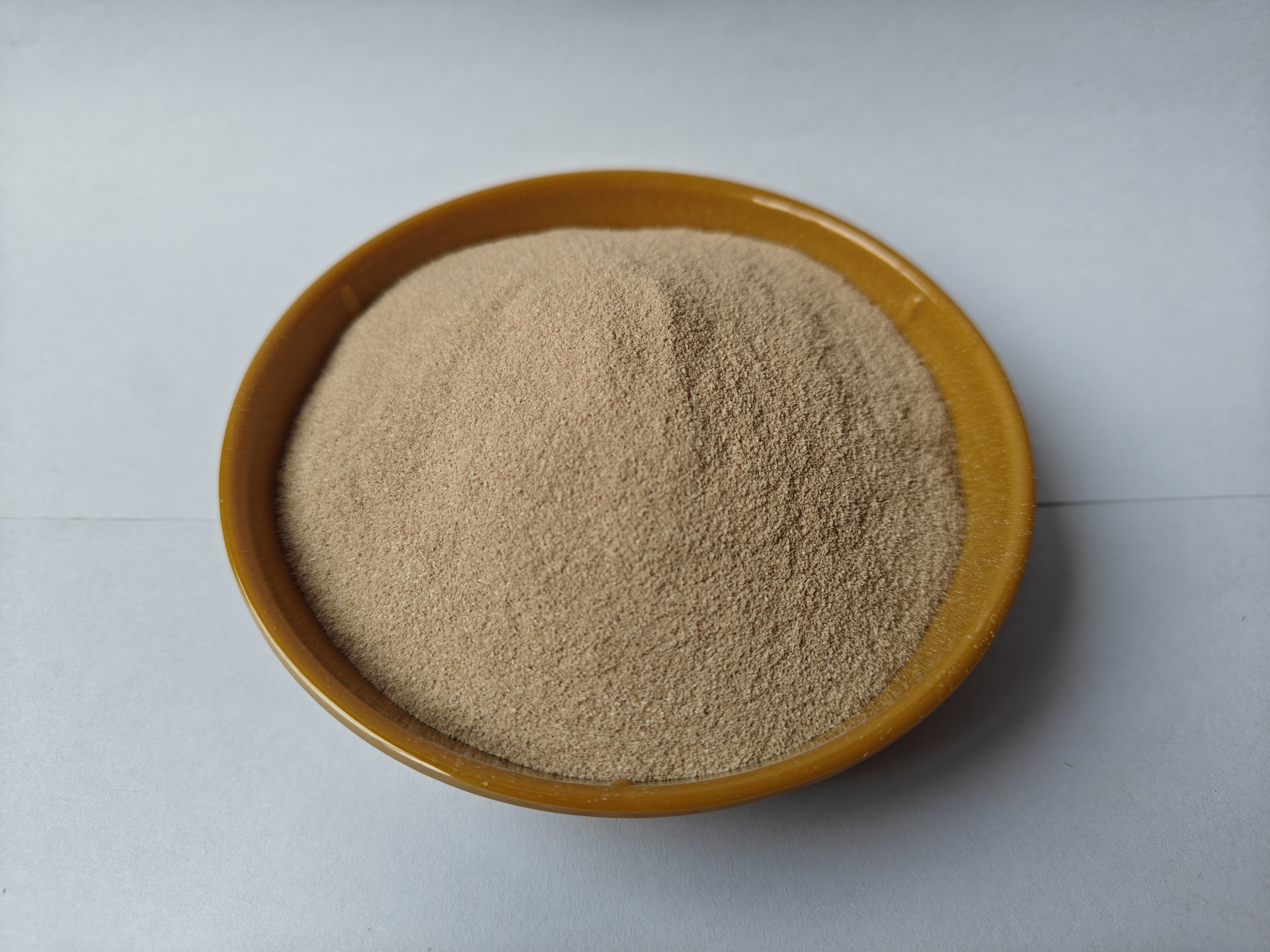
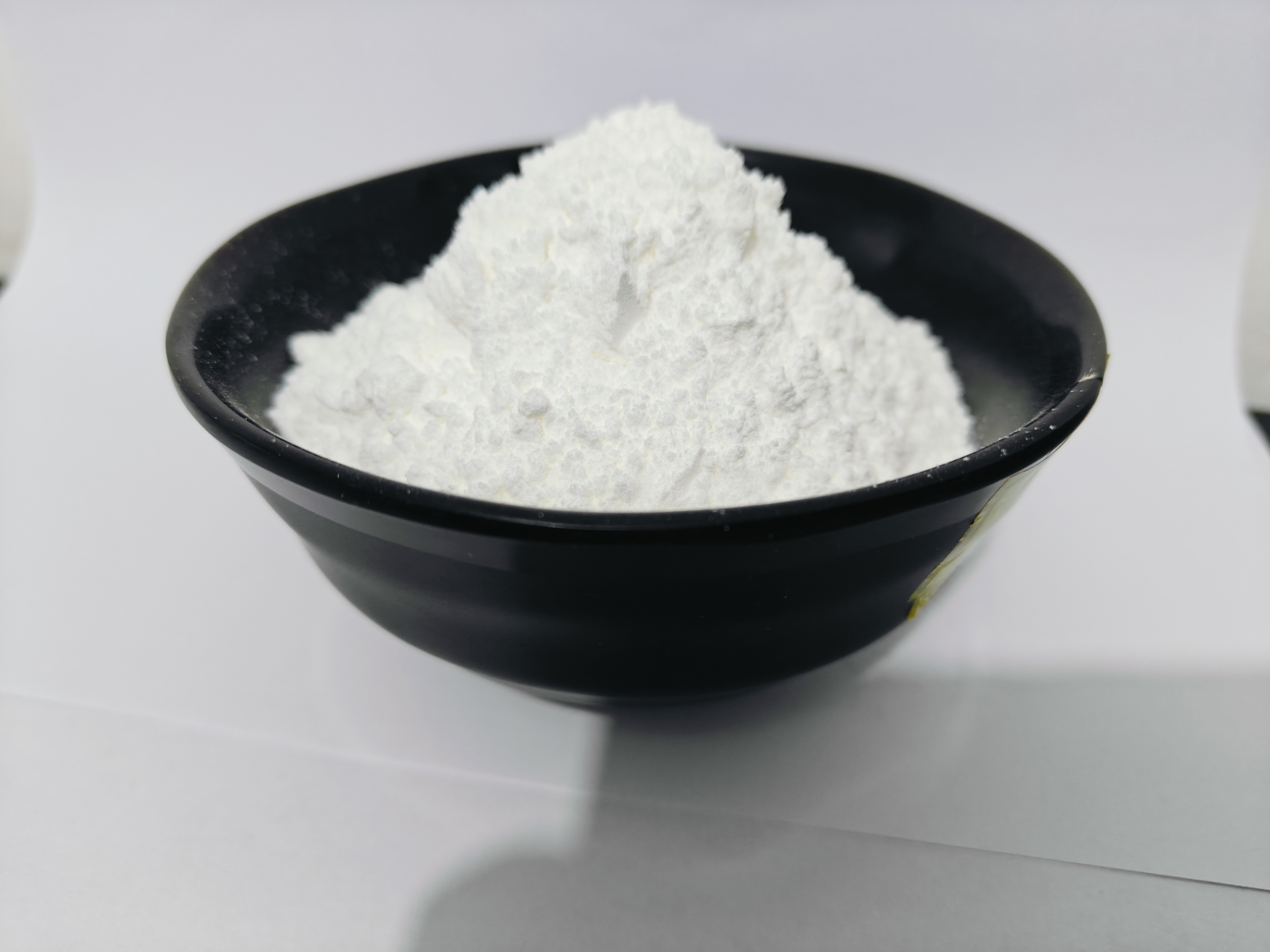
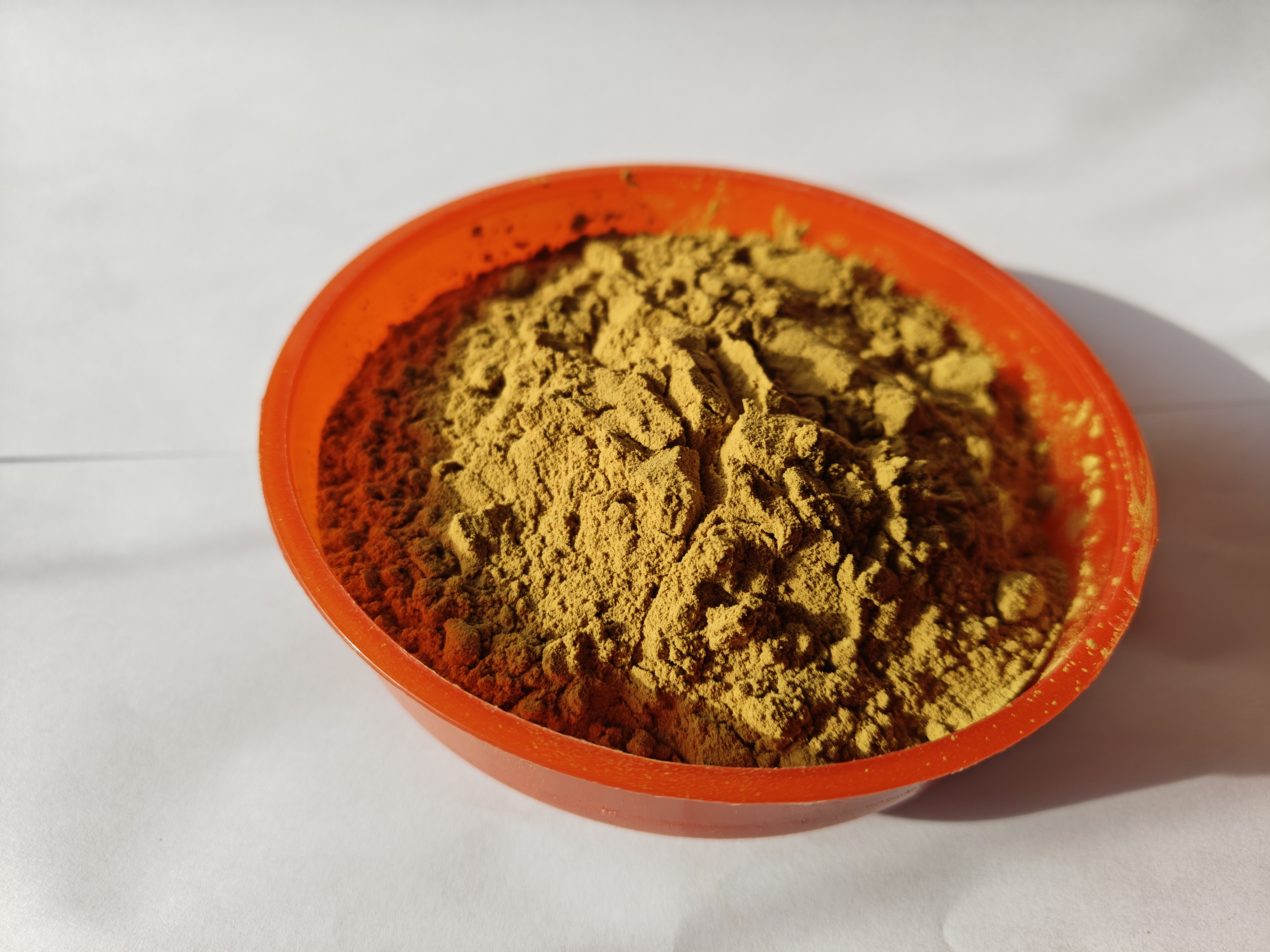
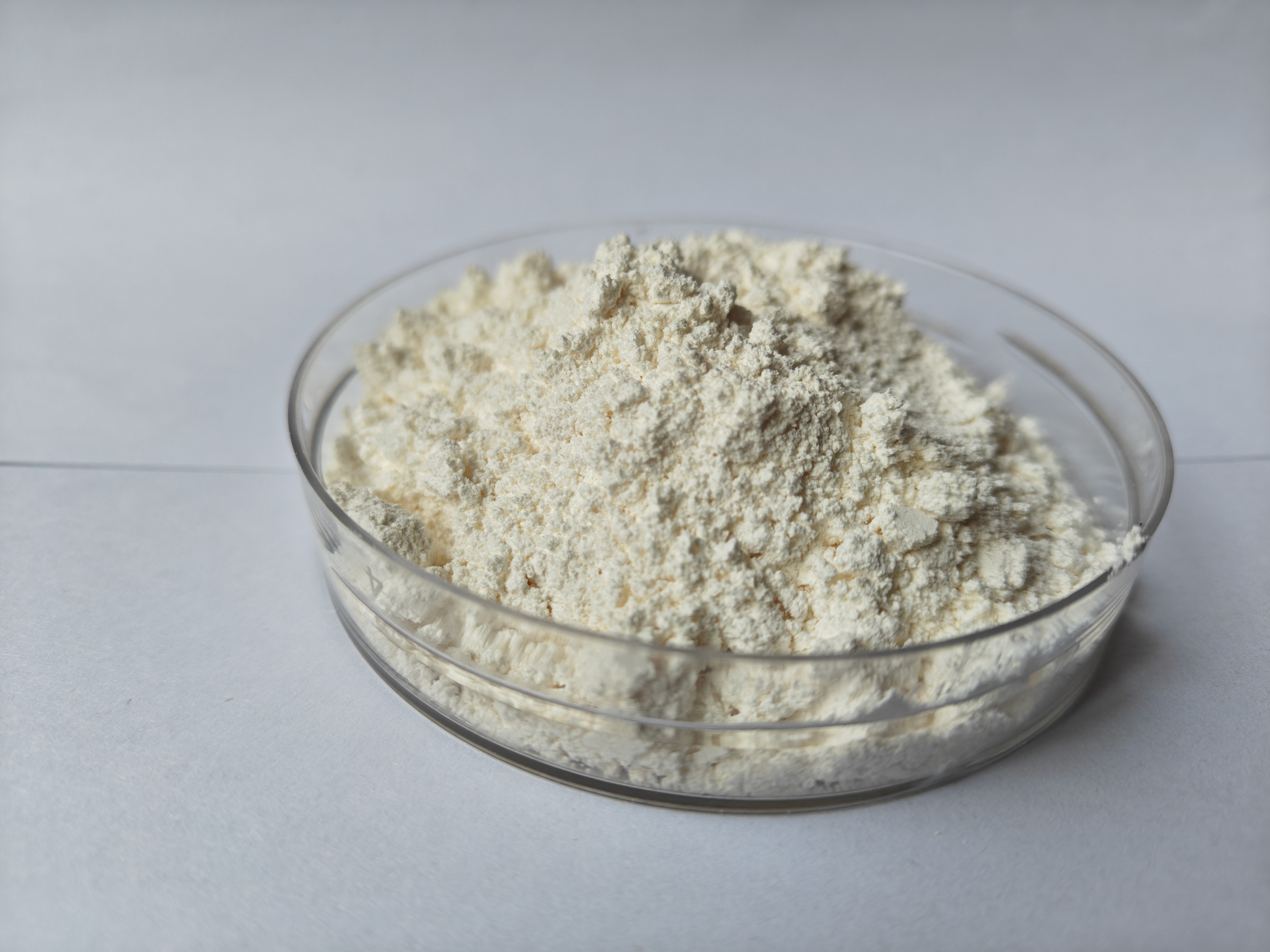
Electronic encapsulation imidazole hardener represents a specialized curing agent designed specifically for protecting electronic components through advanced epoxy resin systems. This hardener plays a critical role in electronic manufacturing by facilitating the crosslinking process that transforms liquid resin into solid, protective encapsulation materials. The electronic encapsulation imidazole hardener functions as a catalyst and curing agent, enabling manufacturers to create durable barriers that shield sensitive electronics from moisture, chemicals, thermal stress, and mechanical damage. Its technological features include low-temperature curing capabilities, extended pot life for processing flexibility, and excellent compatibility with various epoxy formulations. The material demonstrates outstanding electrical insulation properties, making it ideal for applications where dielectric strength is paramount. When incorporated into encapsulation systems, this hardener ensures consistent curing profiles and produces encapsulants with superior adhesion to substrates including metals, ceramics, and plastics. Primary applications span across semiconductor packaging, printed circuit board protection, sensor encapsulation, power module insulation, and LED component sealing. The electronic encapsulation imidazole hardener enables manufacturers to achieve reliable protection for electronic assemblies in automotive electronics, consumer devices, industrial controls, telecommunications equipment, and aerospace systems. Its controlled reactivity allows for precise formulation adjustments, accommodating different processing requirements and performance specifications across diverse electronic packaging scenarios.

Popular Products

Choosing electronic encapsulation imidazole hardener delivers tangible operational benefits that directly impact your production efficiency and product reliability. This curing agent provides accelerated production cycles through its rapid curing characteristics at moderate temperatures, reducing energy consumption and allowing faster throughput in manufacturing environments. You gain extended working time with formulations containing this hardener, providing flexibility to handle complex encapsulation tasks without rushing or wasting materials due to premature gelation. The material delivers consistent performance batch after batch, minimizing quality variations and reducing rejection rates in your finished products. From a cost perspective, the electronic encapsulation imidazole hardener offers excellent efficiency at low loading levels, meaning you use less material to achieve complete curing, directly lowering your raw material expenses. Your encapsulated electronics benefit from enhanced protection against environmental stressors including humidity, corrosive atmospheres, and temperature fluctuations, extending product lifespan and reducing warranty claims. The hardener creates encapsulants with minimal shrinkage during curing, preventing internal stresses that could damage delicate components or cause delamination from substrates. For electronics operating in demanding conditions, formulations with electronic encapsulation imidazole hardener maintain excellent electrical properties across wide temperature ranges, ensuring reliable insulation performance throughout product lifecycles. The material suits both manual potting operations and automated dispensing systems, adapting to your existing production infrastructure without requiring significant equipment modifications. Quality control becomes simpler as the predictable curing behavior reduces process variables, helping your team maintain tight specifications and meet stringent industry standards for electronic assemblies.

Practical Tips

Why Are Organophosphine Based Catalysts Essential for Semiconductor Packaging?

12

Dec

Why Are Organophosphine Based Catalysts Essential for Semiconductor Packaging?

The semiconductor industry relies on precise chemical processes that demand exceptional purity and reliability. Among the various catalyst systems employed in semiconductor packaging applications, organophosphine based catalysts have emerged as indis...
View More
How Do Thermally Latent Catalysts Improve Epoxy Molding Compound Storage Stability?

12

Dec

How Do Thermally Latent Catalysts Improve Epoxy Molding Compound Storage Stability?

Epoxy molding compounds are essential materials in electronics manufacturing, but their storage stability presents significant challenges for manufacturers and suppliers. The key to overcoming these challenges lies in understanding how thermally late...
View More
How Do Organophosphine Based Catalysts Affect Thermal Stability of EMCs?

05

Mar

How Do Organophosphine Based Catalysts Affect Thermal Stability of EMCs?

Thermal stability represents a critical performance parameter for electronic materials and components (EMCs), particularly in high-temperature industrial applications where reliability cannot be compromised. The integration of organophosphine based c...
View More
Why Are Thermally Latent Catalysts Preferred by Leading EMC Producers?

05

Mar

Why Are Thermally Latent Catalysts Preferred by Leading EMC Producers?

Electronic manufacturing companies worldwide have increasingly turned to advanced chemical solutions to optimize their production processes and enhance product reliability. Among these innovative solutions, thermally latent catalysts have emerged as ...
View More

Get a Free Quote

Our representative will contact you soon.
Email
Name
Company Name
Message
0/1000

electronic encapsulation imidazole hardener

Superior Low-Temperature Curing Performance

Superior Low-Temperature Curing Performance

The electronic encapsulation imidazole hardener excels in facilitating complete curing at significantly lower temperatures compared to conventional hardening systems, typically achieving full crosslinking between 80-120 degrees Celsius rather than requiring 150 degrees or higher. This characteristic proves invaluable when encapsulating temperature-sensitive electronic components that could be damaged by excessive heat exposure during the curing process. Lower curing temperatures translate directly into reduced energy costs for your manufacturing operations, as heating ovens and curing chambers consume less power while achieving complete polymerization. The ability to cure at moderate temperatures also expands your material compatibility options, allowing encapsulation of assemblies containing plastic housings, adhesive bonds, or other elements with limited thermal stability. Additionally, this low-temperature capability minimizes thermal stress within multi-material assemblies where differential expansion coefficients could otherwise create internal strains leading to cracking or delamination. Production scheduling becomes more flexible as shorter heating cycles and faster cooling periods enable quicker turnaround times from encapsulation to final inspection and packaging.
Extended Pot Life with Controlled Reactivity

Extended Pot Life with Controlled Reactivity

One of the most valued attributes of electronic encapsulation imidazole hardener is its latent catalyst behavior, providing extended pot life that allows mixed formulations to remain workable for hours at room temperature while still curing rapidly when heat is applied. This unique reactivity profile solves a common challenge in electronic encapsulation where operators need sufficient time to fill complex molds, penetrate dense component layouts, or complete multi-step potting procedures without the resin system gelling prematurely. Extended working time reduces material waste by eliminating partially cured batches that must be discarded when conventional fast-curing systems set up before application is complete. The electronic encapsulation imidazole hardener enables you to prepare larger batches that can serve multiple encapsulation stations or be used continuously throughout a shift without concerns about unexpected viscosity increases. Despite the long pot life at ambient conditions, the formulation activates predictably when exposed to curing temperatures, ensuring that your production schedule remains consistent and reliable. This controlled reactivity characteristic particularly benefits operations using automated dispensing equipment, where material sits in heated reservoirs or supply lines for extended periods.
Excellent Electrical Insulation and Moisture Resistance

Excellent Electrical Insulation and Moisture Resistance

Cured encapsulants formulated with electronic encapsulation imidazole hardener demonstrate exceptional dielectric properties essential for reliable electronic performance, including high volume resistivity, low dielectric constant, and superior dielectric strength that prevents electrical breakdown even under high voltage conditions. These electrical characteristics remain stable across the operating temperature ranges typical in electronic applications, ensuring consistent insulation performance whether devices operate in frigid outdoor environments or hot engine compartments. The crosslinked network created by this hardener exhibits remarkable resistance to moisture absorption, a critical factor since water ingress is among the leading causes of electronic failure through corrosion and electrical leakage paths. By incorporating electronic encapsulation imidazole hardener into your encapsulation systems, you create a robust barrier that maintains protective properties even in humid climates or applications involving direct water exposure. The chemical resistance of these cured systems also protects encapsulated electronics from oils, fuels, cleaning solvents, and other chemicals commonly encountered in automotive, industrial, and marine environments, broadening the application scope of your electronic products and enhancing their durability in challenging operating conditions.

Get a Free Quote

Our representative will contact you soon.
Email
Name
Company Name
Message
0/1000