
 EN
EN

Manufacturing processes across industries rely heavily on precise chemical reactions, and selecting the right thermally latent catalysts can determine the success or failure of production outcomes. These specialized catalytic compounds remain inactive at room temperature but become highly reactive when exposed to elevated temperatures, making them invaluable for controlled manufacturing processes. Understanding the key selection criteria for thermally latent catalysts enables manufacturers to optimize their production efficiency, product quality, and operational costs while maintaining strict safety standards.
Understanding Activation Temperature Requirements
Optimal Temperature Range Selection
The activation temperature represents the most critical parameter when evaluating thermally latent catalysts for manufacturing applications. Different industrial processes require specific temperature thresholds to ensure proper catalyst performance without compromising product integrity. Manufacturers must carefully match the catalyst activation temperature with their process heating profiles to achieve consistent results. Temperature ranges typically vary from 80°C to 200°C depending on the catalyst type and intended application.
Process engineers should consider both the minimum activation temperature and the temperature window where the catalyst maintains optimal activity. Too low activation temperatures may result in premature reactions, while excessively high requirements can increase energy costs and processing time. The ideal catalyst provides a sharp activation profile with minimal activity below the target temperature and rapid onset once the threshold is reached.
Temperature Stability and Degradation Resistance
Beyond activation requirements, manufacturers must evaluate how thermally latent catalysts perform under sustained elevated temperatures. Catalyst degradation can occur through thermal decomposition, oxidation, or structural changes that reduce catalytic efficiency over time. High-quality catalysts maintain their activity levels throughout extended exposure to process temperatures without significant performance decline.
Temperature cycling resistance becomes particularly important for batch processes where materials undergo repeated heating and cooling cycles. Catalysts that maintain structural integrity and activity through multiple temperature cycles provide better long-term value and more consistent manufacturing outcomes. Testing catalyst performance under simulated process conditions helps identify potential stability issues before full-scale implementation.
Chemical Compatibility and Selectivity
Substrate and Solvent Compatibility
Successful catalyst selection requires thorough evaluation of chemical compatibility between the catalyst and all process components including substrates, solvents, and additives. Incompatible combinations can lead to unwanted side reactions, catalyst deactivation, or product contamination that compromises manufacturing quality. Comprehensive compatibility testing should include all materials present during the actual manufacturing process.
Solvent effects on catalyst performance deserve particular attention since many industrial processes utilize organic solvents or aqueous systems. Some thermally latent catalysts exhibit enhanced activity in specific solvent environments while others may show reduced performance or stability. Understanding these interactions enables manufacturers to optimize their formulations for maximum catalytic efficiency.
Reaction Selectivity and Byproduct Formation
High selectivity ensures that thermally latent catalysts promote the desired reactions while minimizing unwanted byproduct formation. Poor selectivity can lead to reduced yields, increased purification costs, and potential safety hazards from unexpected reaction products. Manufacturers should evaluate catalyst selectivity under their specific process conditions including temperature, pressure, and reactant concentrations.
Competitive reaction pathways often become more pronounced at elevated temperatures, making selectivity evaluation at actual process temperatures essential. Catalysts with superior selectivity maintain their preference for the desired reaction even under challenging conditions such as high substrate concentrations or extended reaction times. This selectivity directly impacts product quality and manufacturing economics.
Processing and Handling Considerations
Physical Form and Incorporation Methods
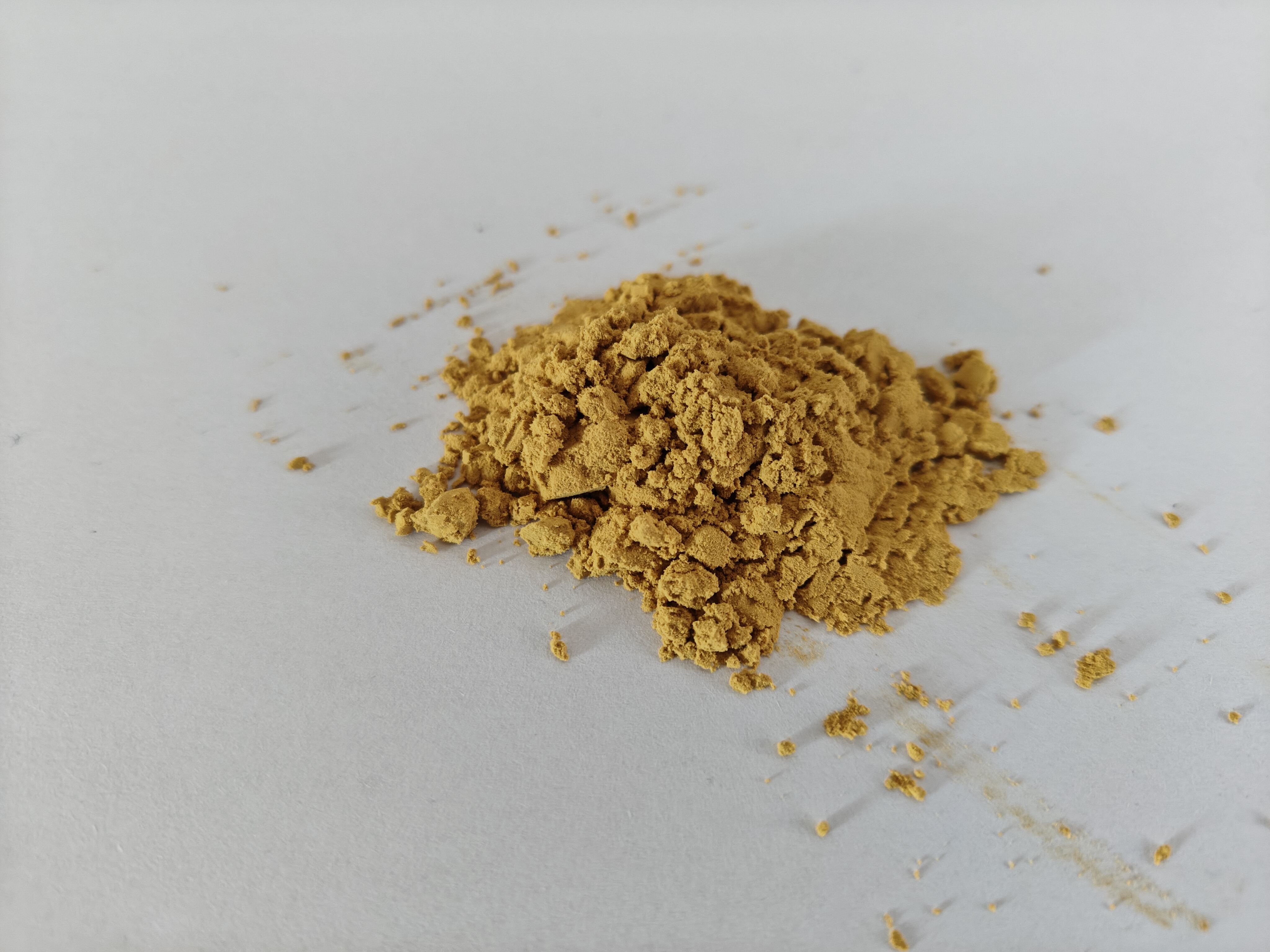
The physical form of thermally latent catalysts significantly affects their incorporation into manufacturing processes and overall performance. Available forms include powders, granules, solutions, and encapsulated systems, each offering distinct advantages for specific applications. Powder forms provide maximum surface area and rapid dissolution but may present handling challenges in dusty environments.
Liquid catalyst formulations often offer easier handling and more uniform distribution but may require special storage conditions or have limited shelf life. Encapsulated catalysts provide enhanced stability and controlled release characteristics but typically cost more than conventional forms. Manufacturers must balance performance requirements with practical handling considerations when selecting catalyst forms.
Storage Stability and Shelf Life
Long-term storage stability directly impacts inventory management and manufacturing flexibility for companies using thermally latent catalysts. Catalysts with poor storage stability may lose activity over time, develop unwanted reactivity, or undergo physical changes that affect their performance. Understanding storage requirements including temperature limits, moisture sensitivity, and light exposure helps ensure consistent catalyst performance.
Packaging considerations also influence storage stability, with proper barrier materials preventing moisture uptake, oxygen exposure, or contamination. Some catalysts require inert atmosphere storage while others remain stable under normal ambient conditions. Clear expiration dating and periodic testing protocols help manufacturers maintain quality control for stored catalyst inventory.
Economic and Regulatory Factors
Cost-Performance Analysis
Economic evaluation of thermally latent catalysts extends beyond initial purchase price to include total cost of ownership factors such as catalyst loading requirements, reaction efficiency, and waste generation. Higher-priced catalysts may provide superior performance that reduces overall manufacturing costs through improved yields, faster reaction times, or reduced purification requirements.
Catalyst loading levels significantly impact material costs, with more active catalysts often requiring lower loadings to achieve equivalent performance. Manufacturers should evaluate catalyst efficiency on a per-unit-product basis rather than simple cost-per-kilogram comparisons. Life cycle cost analysis including disposal costs and environmental impact provides a more complete economic picture.
Regulatory Compliance and Safety
Regulatory compliance requirements vary by industry and geographical location, making it essential to verify that selected thermally latent catalysts meet all applicable standards. Chemical registration requirements, safety data sheet accuracy, and environmental regulations all influence catalyst selection decisions. Non-compliant materials can result in production delays, regulatory penalties, and potential liability issues.
Safety considerations include acute toxicity, environmental fate, and worker exposure potential during handling and processing. Catalysts with favorable safety profiles reduce the need for specialized handling equipment, extensive safety training, and complex waste disposal procedures. Comprehensive safety evaluation helps minimize operational risks and associated costs.
Performance Validation and Testing
Laboratory-Scale Evaluation
Systematic laboratory testing provides essential data for thermally latent catalyst selection and optimization. Testing protocols should replicate actual manufacturing conditions as closely as possible including temperature profiles, heating rates, and atmospheric conditions. Small-scale experiments allow rapid screening of multiple catalyst options without the risks and costs associated with full-scale trials.
Analytical methods for monitoring catalyst performance must provide accurate, reproducible results that correlate with manufacturing objectives. Key performance indicators typically include reaction rate, conversion efficiency, selectivity, and product quality metrics. Establishing baseline performance data enables meaningful comparisons between different catalyst options and optimization strategies.
Scale-Up Considerations
Successful translation from laboratory results to manufacturing scale requires careful attention to scale-up factors that may affect catalyst performance. Heat transfer characteristics, mixing efficiency, and residence time distributions can all differ significantly between laboratory and production environments. These differences may influence optimal catalyst selection and loading requirements.
Pilot-scale testing provides valuable intermediate data that helps identify potential scale-up challenges before full production implementation. This testing phase allows refinement of process parameters and verification that selected thermally latent catalysts perform as expected under realistic manufacturing conditions. Documentation of scale-up factors facilitates future process modifications and troubleshooting efforts.
FAQ
How do thermally latent catalysts differ from conventional catalysts in manufacturing applications
Thermally latent catalysts remain inactive at ambient temperatures and only begin catalyzing reactions when heated to their activation temperature, providing precise control over reaction timing. Conventional catalysts typically show immediate activity upon contact with reactants, making them less suitable for applications requiring delayed or temperature-triggered reactions. This thermal activation mechanism allows manufacturers to prepare mixtures in advance and initiate reactions on demand through controlled heating.
What testing methods help determine the optimal activation temperature for a specific process
Differential scanning calorimetry and thermogravimetric analysis provide detailed information about catalyst activation temperatures and thermal behavior. Dynamic temperature screening experiments where catalyst activity is monitored across a range of temperatures help identify optimal operating conditions. Isothermal testing at various temperatures confirms catalyst performance under steady-state conditions typical of manufacturing processes.
How can manufacturers ensure consistent catalyst performance across different production batches
Implementing rigorous incoming material inspection procedures including activity testing and chemical analysis helps identify potential batch-to-batch variations. Establishing standard operating procedures for catalyst storage, handling, and incorporation ensures consistent processing conditions. Regular process monitoring and statistical process control methods help detect performance drift and enable corrective actions before quality issues develop.
What factors influence the shelf life of thermally latent catalysts in industrial settings
Storage temperature, humidity levels, and exposure to light or oxygen are the primary factors affecting catalyst shelf life and stability. Packaging materials and container design significantly influence protection against environmental factors that cause degradation. Regular stability testing and proper inventory rotation practices help ensure that older materials are used before newer stock, maintaining overall catalyst performance standards.
Table of Contents
- Understanding Activation Temperature Requirements
- Chemical Compatibility and Selectivity
- Processing and Handling Considerations
- Economic and Regulatory Factors
- Performance Validation and Testing
-
FAQ
- How do thermally latent catalysts differ from conventional catalysts in manufacturing applications
- What testing methods help determine the optimal activation temperature for a specific process
- How can manufacturers ensure consistent catalyst performance across different production batches
- What factors influence the shelf life of thermally latent catalysts in industrial settings