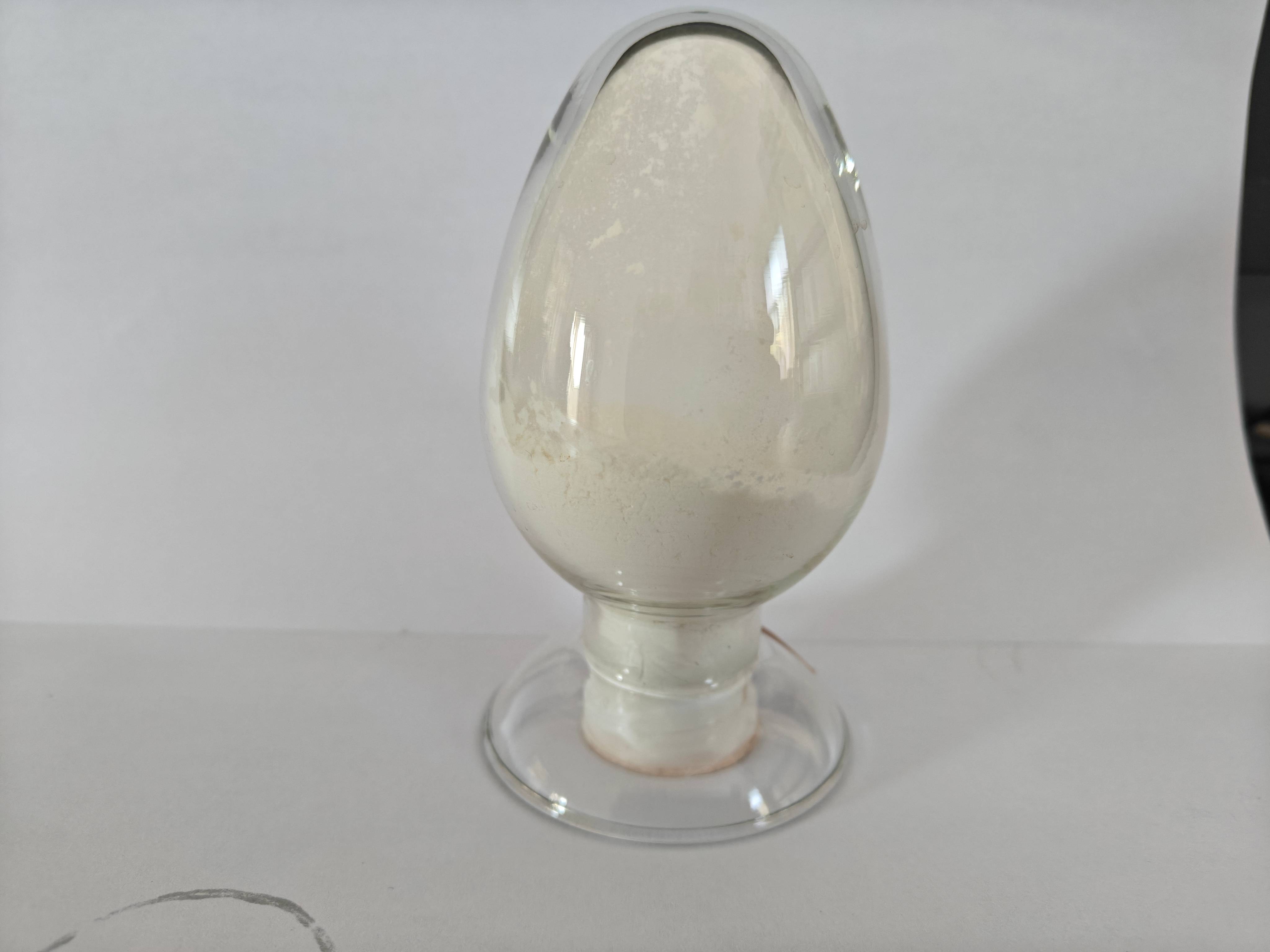
Imidazole Derivative for Medicinal Chemistry

All Categories

imidazole derivative for medicinal chemistry

An imidazole derivative for medicinal chemistry represents a crucial class of heterocyclic compounds featuring a five-membered aromatic ring containing two nitrogen atoms at non-adjacent positions. These versatile molecular scaffolds have become indispensable tools in pharmaceutical research and drug development due to their remarkable biological activity and structural diversity. The imidazole derivative for medicinal chemistry serves multiple essential functions including acting as building blocks for synthesizing novel therapeutic agents, functioning as pharmacophores in drug design, and providing critical binding interactions with biological targets. Technologically, these derivatives exhibit exceptional chemical stability, favorable pharmacokinetic properties, and the ability to engage in hydrogen bonding and coordination chemistry. Their amphoteric nature allows them to interact with both acidic and basic residues in protein active sites, making them invaluable in structure-activity relationship studies. Applications of the imidazole derivative for medicinal chemistry span across numerous therapeutic areas including antifungal medications, antiprotozoal agents, cardiovascular drugs, and anticancer compounds. These derivatives are extensively utilized in fragment-based drug discovery, combinatorial chemistry libraries, and lead optimization programs. Researchers leverage their unique properties to modulate enzyme activity, receptor binding, and cellular signaling pathways. The structural flexibility of imidazole derivatives allows medicinal chemists to fine-tune lipophilicity, solubility, and metabolic stability while maintaining potent biological activity. Their proven track record in approved pharmaceuticals and ongoing clinical trials solidifies their position as essential components in modern medicinal chemistry research and therapeutic innovation.

New Product Recommendations

Choosing an imidazole derivative for medicinal chemistry provides substantial practical benefits that directly impact research efficiency and drug development success. These compounds offer remarkable synthetic accessibility, allowing researchers to rapidly generate diverse chemical libraries through straightforward reactions and well-established protocols. This translates to reduced development timelines and lower research costs, enabling organizations to explore more therapeutic hypotheses within budget constraints. The operational advantages are equally compelling as imidazole derivatives demonstrate excellent chemical stability under standard laboratory conditions, simplifying storage requirements and extending shelf life. Their compatibility with various synthetic methodologies means chemists can employ them across multiple reaction platforms without specialized equipment or hazardous procedures. From an application perspective, the imidazole derivative for medicinal chemistry exhibits broad-spectrum biological activity, making it suitable for targeting diverse disease mechanisms from infectious diseases to metabolic disorders. This versatility allows research teams to apply a single scaffold across multiple therapeutic programs, maximizing return on investment. The well-documented safety profiles of many imidazole-containing drugs provide valuable precedent for regulatory pathways, potentially accelerating approval processes. Decision-makers benefit from the extensive published literature and crystallographic data available for imidazole derivatives, reducing uncertainty in structure-based design efforts. These compounds typically display favorable drug-like properties including appropriate molecular weight, balanced lipophilicity, and acceptable metabolic stability, increasing the probability of successful translation from bench to bedside. The ability to modulate physicochemical properties through strategic substitution patterns empowers medicinal chemists to optimize candidates for specific administration routes and target tissues. Furthermore, the imidazole derivative for medicinal chemistry integrates seamlessly with modern computational tools and artificial intelligence platforms, enabling predictive modeling and rational design approaches that enhance project success rates while minimizing resource consumption.

Tips And Tricks

How do laboratories source nncarbonyldiimidazole for scale-up synthesis

07

Jan

How do laboratories source nncarbonyldiimidazole for scale-up synthesis

Laboratories worldwide face increasing challenges when sourcing specialized chemical reagents for scale-up synthesis operations. Among these critical compounds, nncarbonyldiimidazole stands out as an essential coupling agent that enables efficient pe...
View More
How do procurement teams compare CDI coupling reagent suppliers

07

Jan

How do procurement teams compare CDI coupling reagent suppliers

Procurement teams in pharmaceutical and biotechnology companies face a complex decision when selecting suppliers for specialized chemical reagents. The evaluation of cdi coupling reagent suppliers requires a comprehensive understanding of product spe...
View More
How Can Curing Agents for Epoxy Resins Be Customized for Specific Applications?

12

Feb

How Can Curing Agents for Epoxy Resins Be Customized for Specific Applications?

The versatility and performance of epoxy resins largely depend on the selection and customization of appropriate curing agents for epoxy resins. These chemical compounds, also known as hardeners, play a crucial role in transforming liquid epoxy resin...
View More
How Do Thermally Latent Catalysts Affect Reaction Rate and Thermal Properties?

05

Mar

How Do Thermally Latent Catalysts Affect Reaction Rate and Thermal Properties?

Thermally latent catalysts represent a revolutionary approach to controlling chemical reactions through temperature-dependent activation mechanisms. These specialized compounds remain inactive at room temperature but undergo rapid activation when hea...
View More

Get a Free Quote

Our representative will contact you soon.
Email
Name
Company Name
Message
0/1000

imidazole derivative for medicinal chemistry

Superior Binding Versatility and Target Selectivity

Superior Binding Versatility and Target Selectivity

The imidazole derivative for medicinal chemistry excels in providing multiple binding modes that enhance interaction specificity with biological targets. The nitrogen atoms within the imidazole ring can act as both hydrogen bond donors and acceptors, creating bidentate binding opportunities that strengthen ligand-receptor interactions. This dual functionality enables the formation of critical coordination bonds with metal ions in metalloenzyme active sites, a feature particularly valuable when designing inhibitors for zinc-dependent enzymes or cytochrome P450 modulators. The aromatic character of the imidazole ring facilitates pi-stacking interactions with aromatic amino acids in binding pockets, contributing to enhanced binding affinity and residence time. Medicinal chemists can exploit the pKa value of imidazole, which closely matches physiological pH, allowing the ring to exist in both protonated and neutral forms. This pH-dependent ionization state enables compounds to traverse cell membranes efficiently while maintaining optimal binding characteristics at target sites. The spatial orientation of substituents around the imidazole core provides excellent control over three-dimensional molecular architecture, permitting precise alignment with receptor topography. This structural precision translates to improved selectivity profiles, reducing off-target effects and enhancing therapeutic windows for drug candidates derived from these scaffolds.
Exceptional Metabolic Stability and Pharmacokinetic Properties

Exceptional Metabolic Stability and Pharmacokinetic Properties

The imidazole derivative for medicinal chemistry offers outstanding metabolic resilience that directly improves the pharmacokinetic profiles of drug candidates. The aromatic stability of the imidazole ring provides inherent resistance to oxidative metabolism, extending the half-life of compounds and reducing dosing frequency requirements. This metabolic durability stems from the electron distribution within the heterocycle, which deactivates positions typically susceptible to cytochrome P450-mediated oxidation. Researchers benefit from predictable metabolic pathways, as the well-characterized biotransformation routes of imidazole derivatives enable proactive design strategies to avoid toxic metabolite formation. The moderate lipophilicity achievable with imidazole scaffolds strikes an optimal balance between membrane permeability and aqueous solubility, facilitating both oral absorption and distribution to target tissues. These derivatives typically exhibit favorable volume of distribution and protein binding characteristics, contributing to consistent plasma concentrations and reliable pharmacodynamic responses. The nitrogen atoms in the imidazole ring can be strategically exploited to introduce sites for conjugation reactions, enabling controlled clearance mechanisms when desired. This metabolic tunability allows medicinal chemists to engineer compounds with pharmacokinetic properties tailored to specific therapeutic applications, whether requiring prolonged exposure for chronic conditions or rapid clearance for acute interventions.
Proven Track Record in Clinical Success and Regulatory Acceptance

Proven Track Record in Clinical Success and Regulatory Acceptance

The imidazole derivative for medicinal chemistry benefits from an extensive history of successful pharmaceutical applications that de-risks development programs and facilitates regulatory approval. Numerous blockbuster medications containing imidazole cores have achieved market authorization across multiple therapeutic categories, establishing clear precedents for safety and efficacy. This clinical validation provides compelling evidence for investors and stakeholders when evaluating pipeline candidates based on imidazole scaffolds. Regulatory agencies possess substantial familiarity with the toxicological profiles and metabolic behaviors of imidazole-containing compounds, potentially streamlining the review process and reducing unexpected safety concerns during development phases. The wealth of published preclinical and clinical data for imidazole derivatives enables comprehensive benchmark comparisons, allowing research teams to make informed go/no-go decisions earlier in development cycles. Manufacturing processes for imidazole-based drugs are well-established, with multiple suppliers offering key intermediates at commercial scale, ensuring reliable supply chains and cost-effective production. The intellectual property landscape surrounding imidazole chemistry is mature, providing clear freedom-to-operate pathways while still allowing innovative modifications that support patent protection for novel derivatives. This combination of clinical precedent, regulatory familiarity, and manufacturing infrastructure substantially reduces the technical and commercial risks associated with advancing imidazole derivative candidates through development, making them attractive choices for organizations seeking balanced risk-reward profiles in their medicinal chemistry portfolios.

Get a Free Quote

Our representative will contact you soon.
Email
Name
Company Name
Message
0/1000