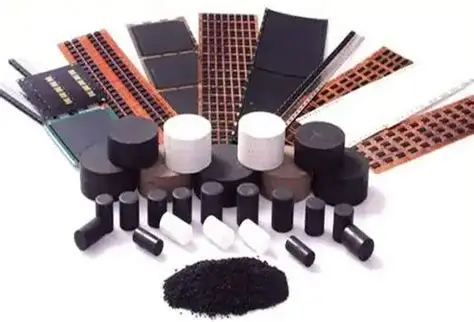
epoxy molding compound
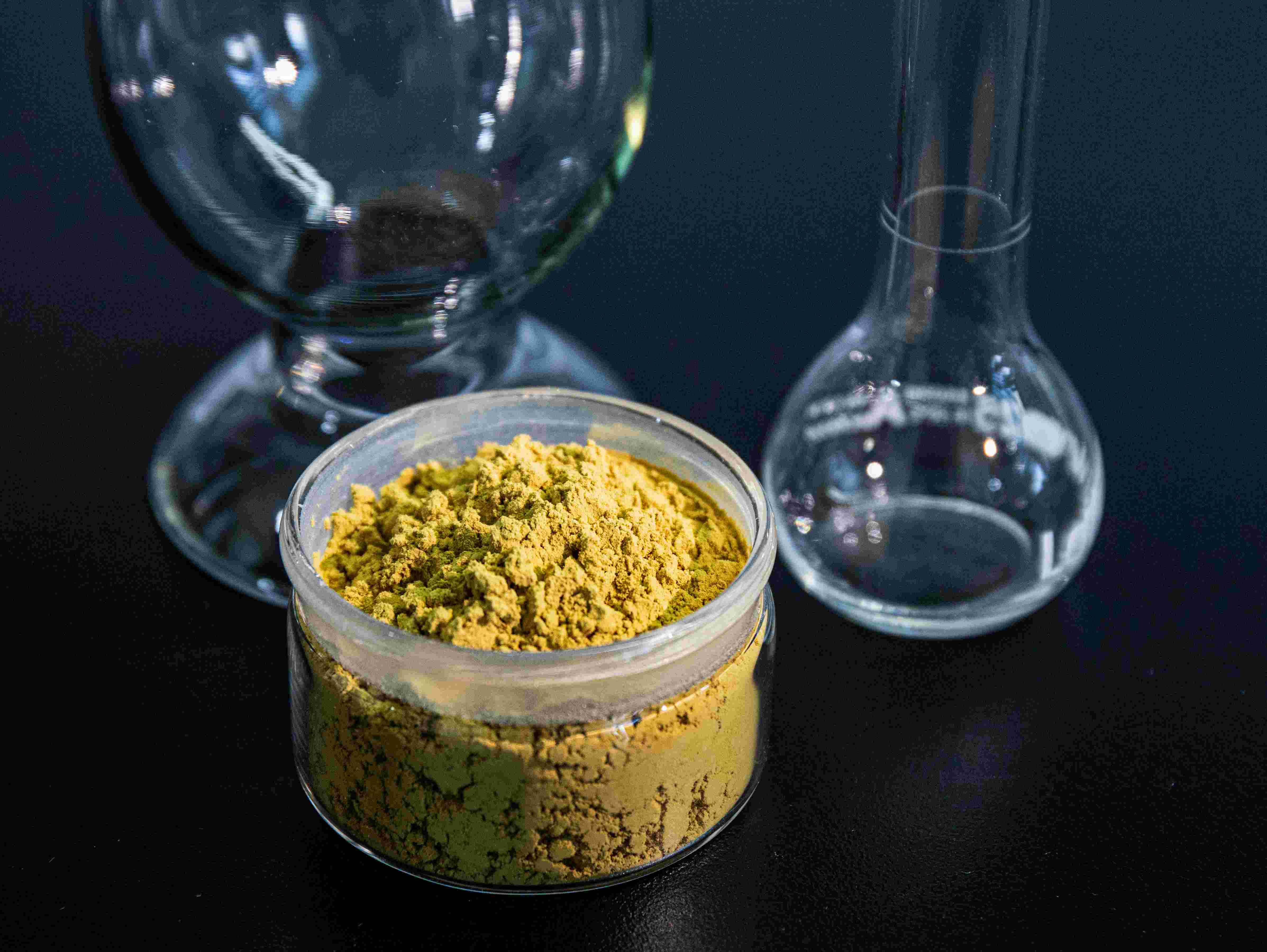
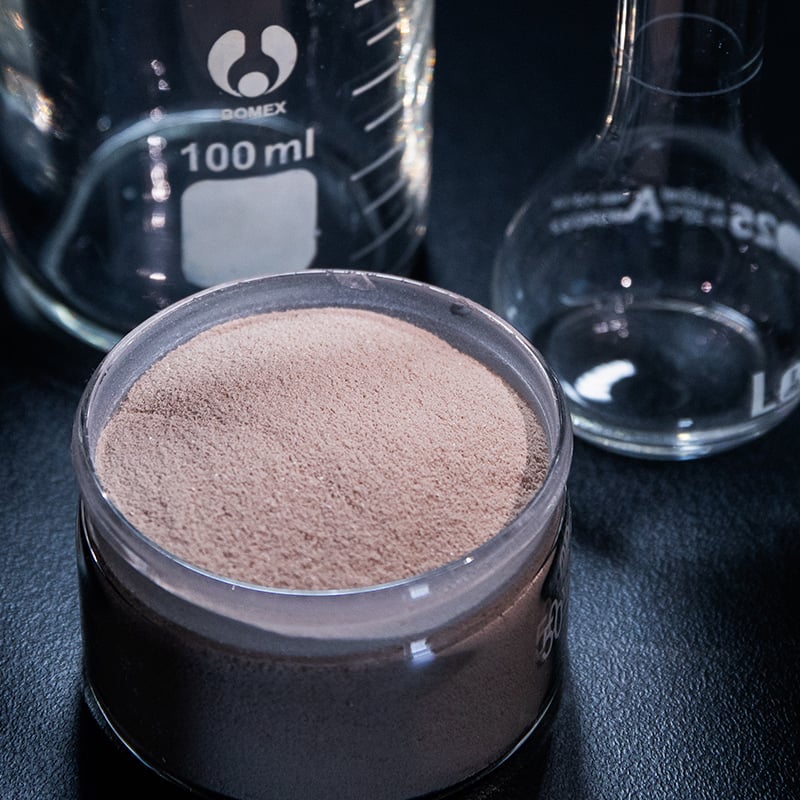
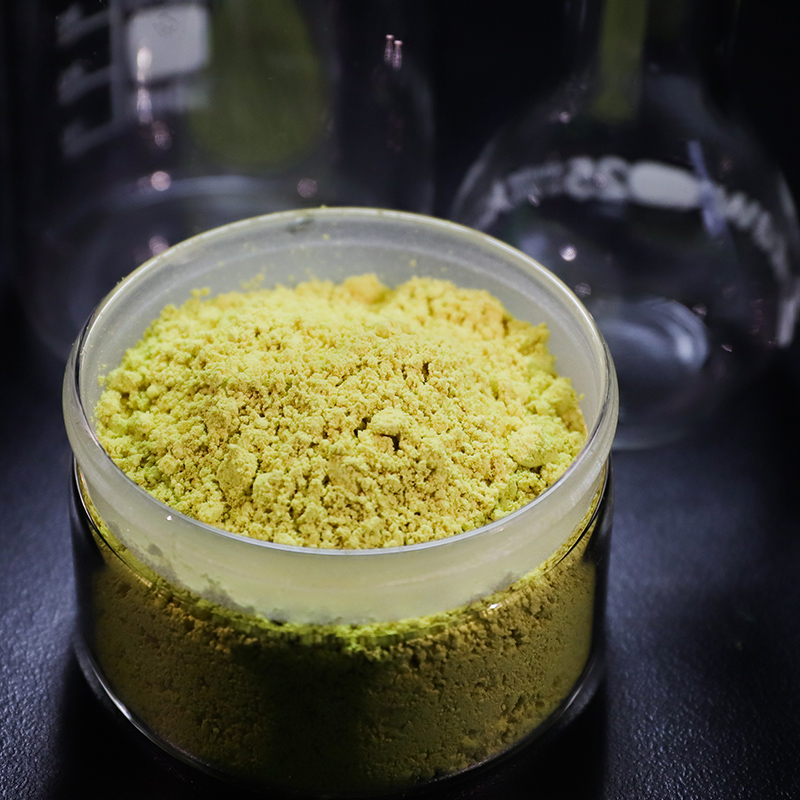
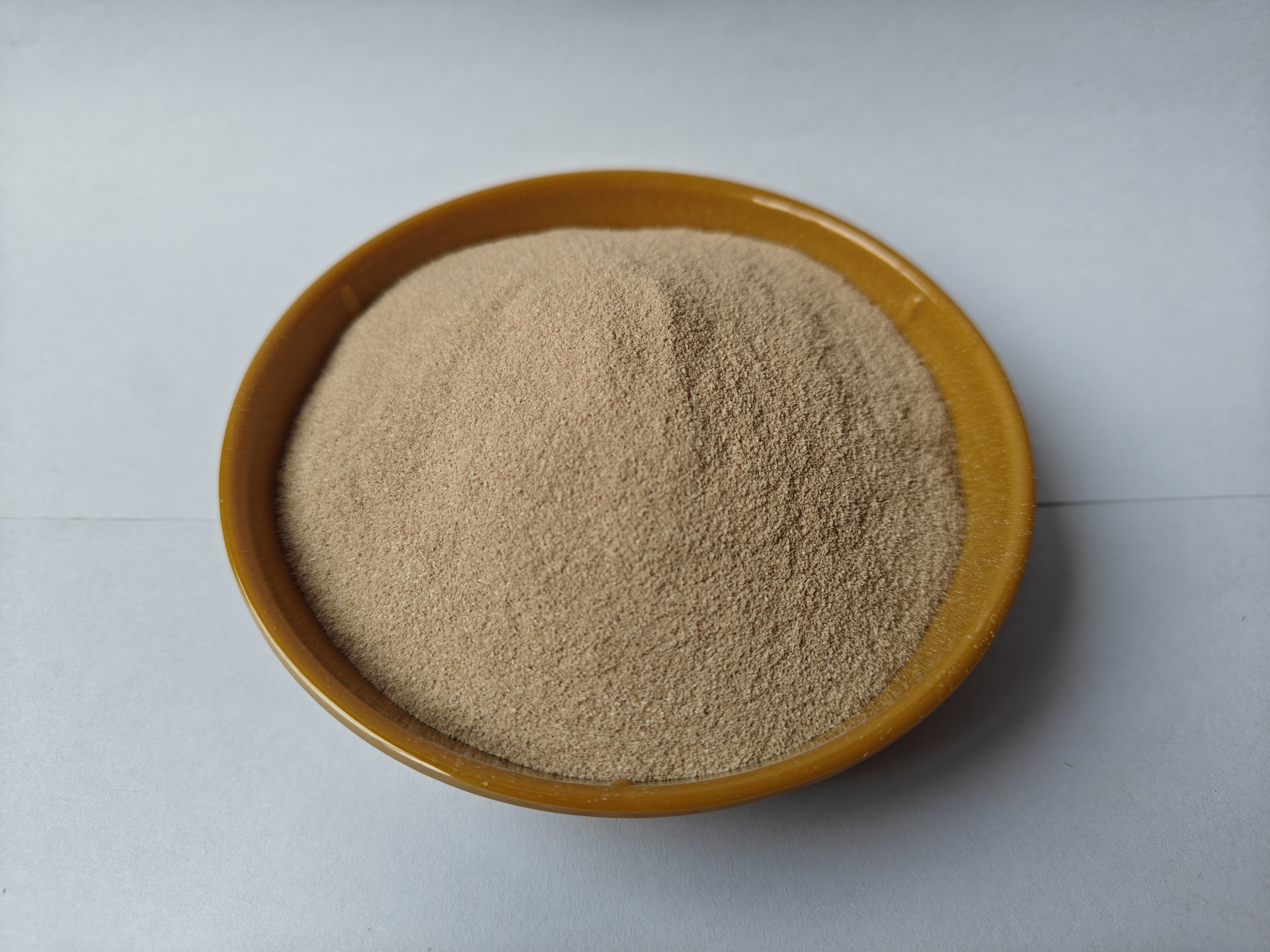
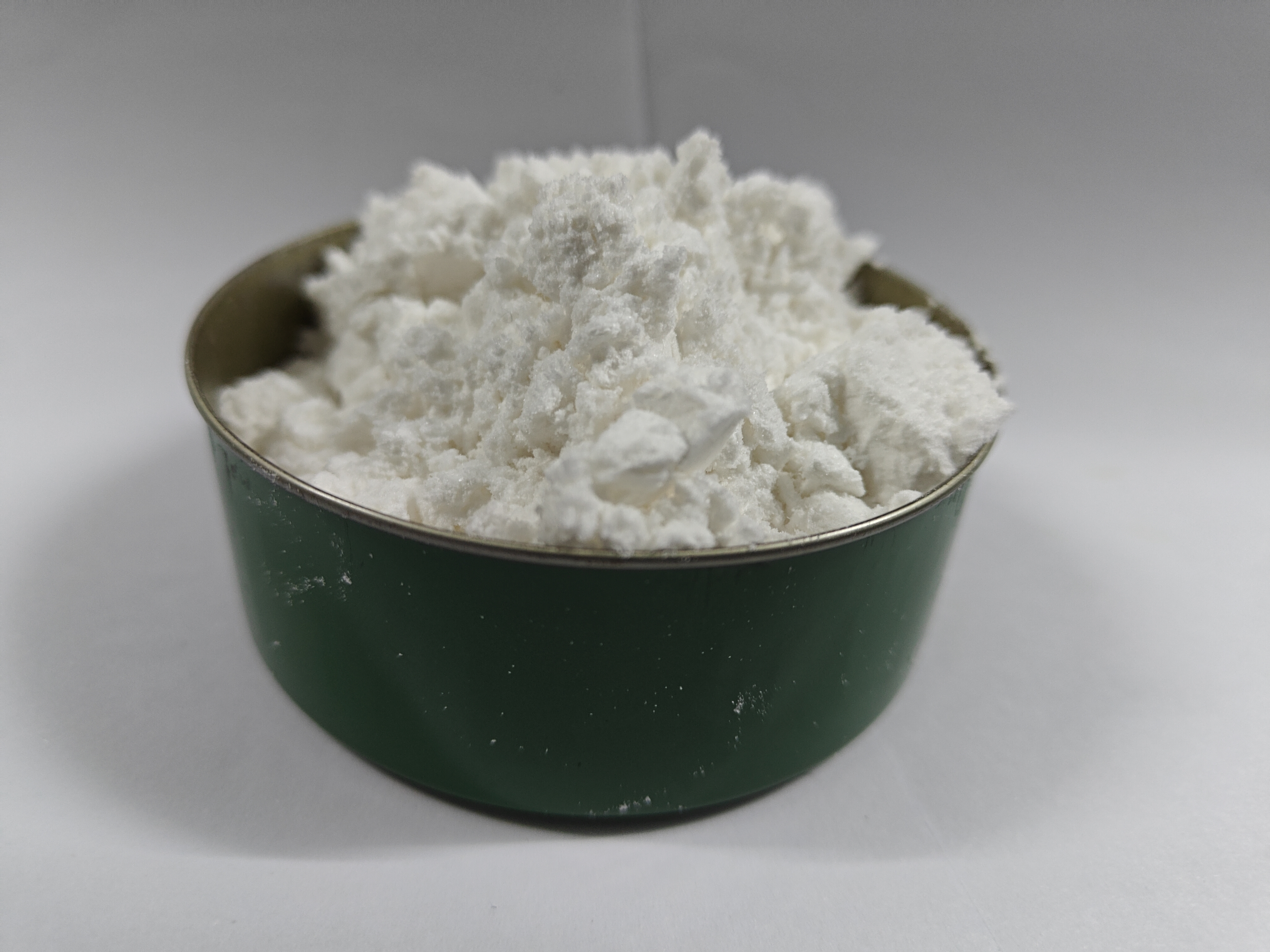
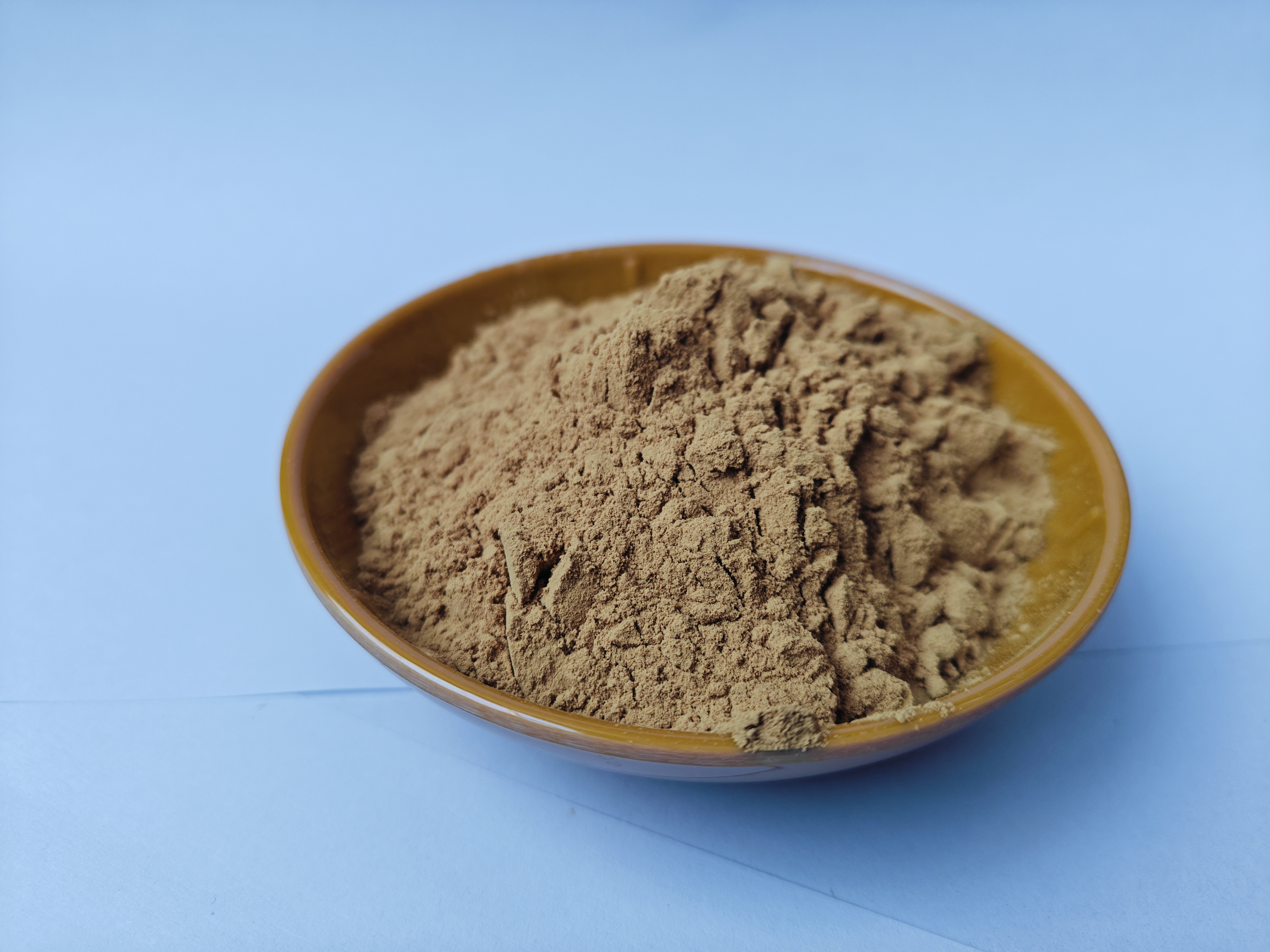
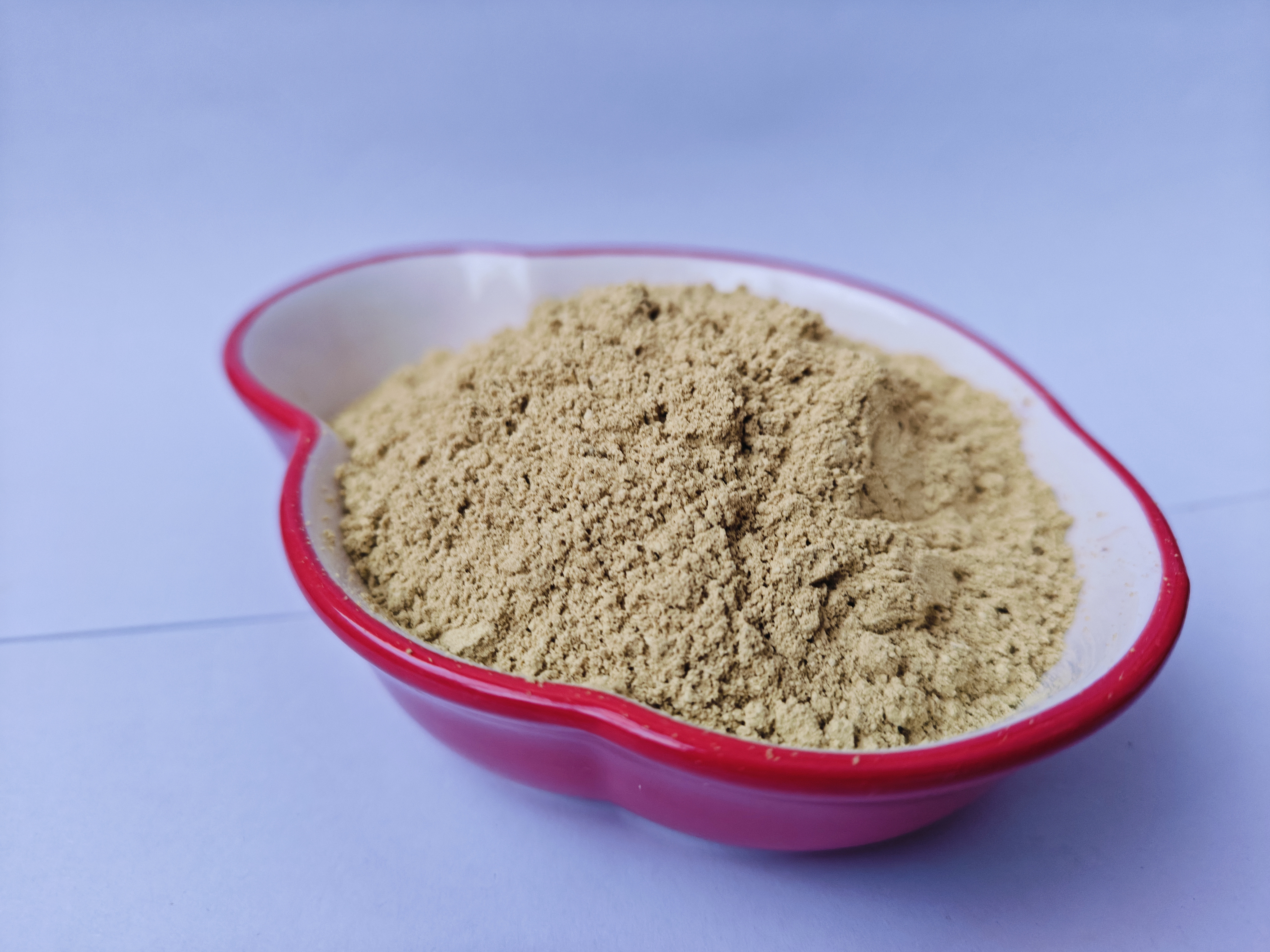
Epoxy molding compound is a thermosetting plastic material specifically engineered for semiconductor packaging and electronic component encapsulation. This advanced material consists of epoxy resin, hardeners, silica fillers, catalysts, and various additives that work together to create a protective barrier around delicate electronic components. The primary function of epoxy molding compound is to shield integrated circuits and semiconductor devices from environmental factors such as moisture, dust, mechanical stress, and chemical exposure. Through a process called transfer molding or compression molding, the epoxy molding compound flows around the electronic components at elevated temperatures and then cures into a solid protective shell. The technological features of this material include excellent adhesion properties, low moisture absorption, high glass transition temperature, and superior electrical insulation characteristics. Modern epoxy molding compound formulations incorporate flame retardants to meet safety standards and stress-relief additives to minimize warpage during processing. The material demonstrates outstanding thermal stability, maintaining its protective qualities across wide temperature ranges from negative forty to one hundred fifty degrees Celsius. Applications span across multiple industries including consumer electronics, automotive electronics, telecommunications equipment, industrial controls, and medical devices. Leading manufacturers utilize epoxy molding compound for packaging microprocessors, memory chips, power semiconductors, sensors, and LED components, making it an indispensable material in modern electronics manufacturing.

 EN
EN