Epoxy Molding Solutions for Electronics

All Categories

epoxy molding

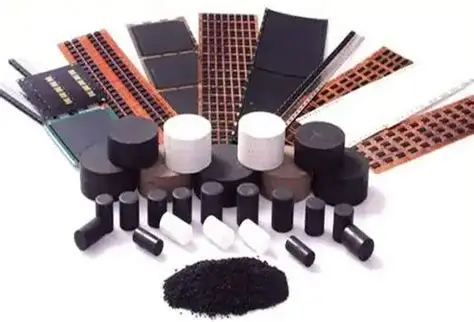
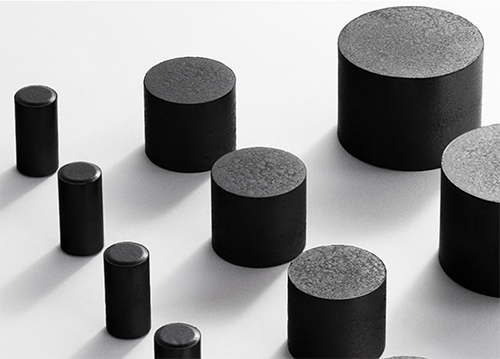
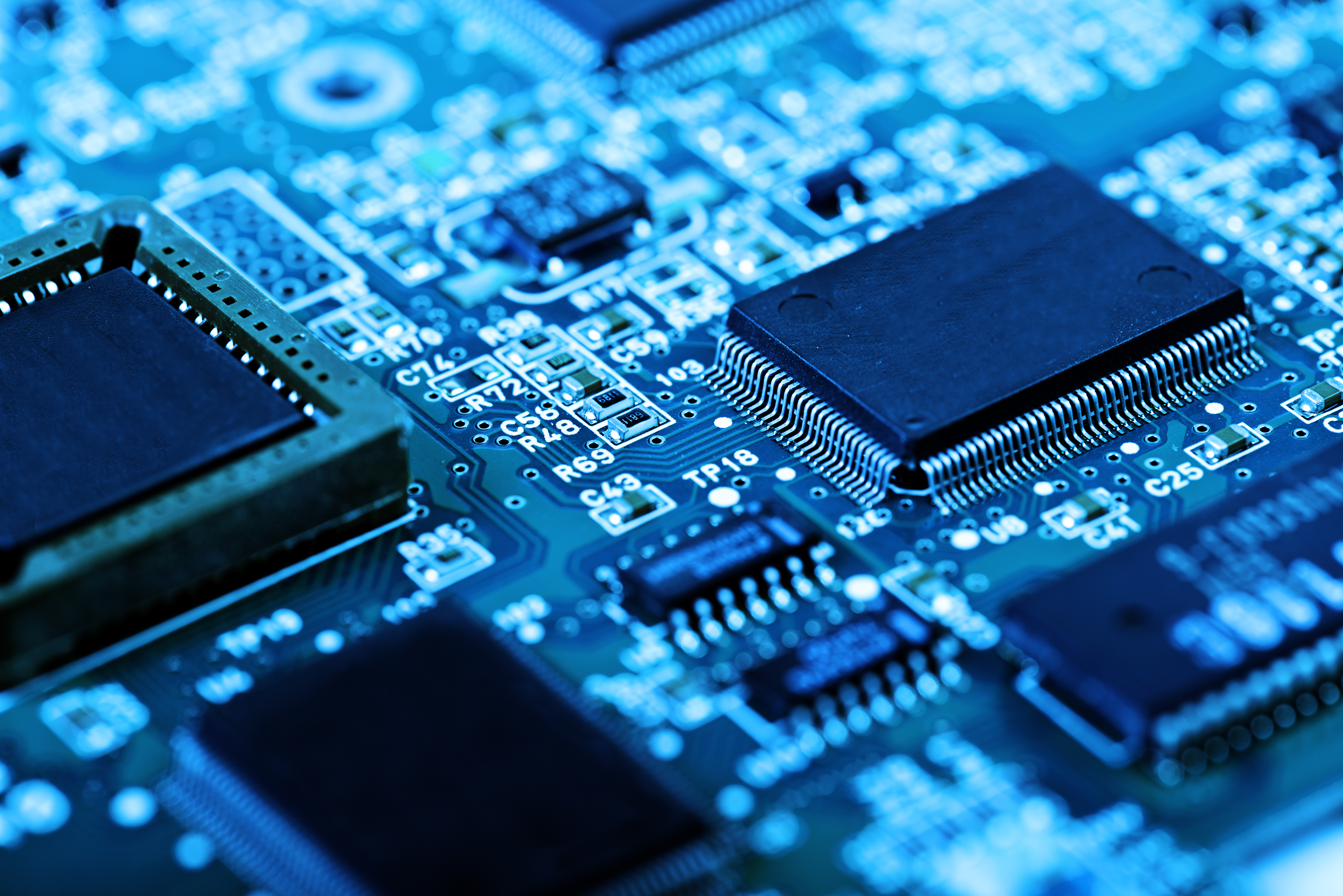
Epoxy molding is an advanced encapsulation process that protects electronic components by encasing them in thermosetting epoxy resin compounds. This manufacturing technique involves precisely transferring pre-heated epoxy material into molds containing semiconductor devices, integrated circuits, or other sensitive electronics. Through controlled heat and pressure, the epoxy molding process creates a robust protective shell that shields components from environmental hazards including moisture, dust, chemicals, and mechanical impact. The technology operates through transfer molding or compression molding methods, where epoxy compound pellets are heated until they reach optimal viscosity before being injected into cavities surrounding the components. Modern epoxy molding systems incorporate automated controls that regulate temperature profiles, pressure cycles, and curing times to ensure consistent quality across production runs. This encapsulation method has become the industry standard for packaging semiconductors, power modules, sensors, and microelectronic assemblies. The epoxy molding materials used in this process offer exceptional dielectric properties, thermal stability, and adhesion characteristics that maintain component integrity throughout the product lifecycle. Applications span automotive electronics, consumer devices, industrial controls, telecommunications equipment, and medical instrumentation where reliability under demanding conditions is essential. The versatility of epoxy molding allows manufacturers to customize formulations for specific performance requirements, including flame retardancy, low stress properties, and enhanced thermal conductivity, making it an indispensable technology in modern electronics manufacturing.

New Products

Implementing epoxy molding in your manufacturing process delivers substantial cost savings through reduced material waste and streamlined production workflows. The automated nature of modern epoxy molding equipment minimizes labor requirements while maximizing output consistency, allowing you to scale production efficiently without proportional increases in operational expenses. This encapsulation method significantly extends product lifespan by creating an impermeable barrier that prevents corrosion and contamination, reducing warranty claims and enhancing your brand reputation for quality. The superior mechanical strength provided by epoxy molding protects delicate electronic components during shipping and handling, decreasing damage rates and associated replacement costs. Your production flexibility increases dramatically since epoxy molding accommodates diverse component sizes and configurations within the same manufacturing line, eliminating the need for multiple specialized systems. The thermal management properties inherent in epoxy molding formulations help dissipate heat generated during device operation, improving performance and preventing premature failure in high-power applications. Environmental resistance achieved through epoxy molding enables your products to function reliably in harsh conditions including extreme temperatures, humidity, and chemical exposure without performance degradation. The rapid curing cycles characteristic of epoxy molding accelerate time-to-market, giving you competitive advantages in fast-moving technology sectors. Compliance with international safety standards becomes easier since epoxy molding materials are available in formulations meeting UL, RoHS, and REACH requirements. The design freedom offered by epoxy molding allows you to create compact, lightweight products that meet modern consumer preferences while maintaining structural integrity. Investment in epoxy molding technology positions your operation at the forefront of electronics manufacturing, ensuring long-term competitiveness through proven, reliable encapsulation methods.

Tips And Tricks

How Do Thermally Latent Catalysts Improve Epoxy Molding Compound Storage Stability?

12

Dec

How Do Thermally Latent Catalysts Improve Epoxy Molding Compound Storage Stability?

Epoxy molding compounds are essential materials in electronics manufacturing, but their storage stability presents significant challenges for manufacturers and suppliers. The key to overcoming these challenges lies in understanding how thermally late...
View More
How do manufacturers optimize CDI amide bonds for production use

07

Jan

How do manufacturers optimize CDI amide bonds for production use

Chemical manufacturing processes rely heavily on efficient bond formation techniques to create stable molecular structures for various industrial applications. Among the most significant developments in organic synthesis, cdi amide bonds represent a ...
View More
Which Factors Affect the Efficiency of Curing Agents in Epoxy Resin Systems?

12

Feb

Which Factors Affect the Efficiency of Curing Agents in Epoxy Resin Systems?

The efficiency of curing agents in epoxy resin systems depends on numerous interconnected factors that directly influence the polymerization process and final material properties. Understanding these variables is crucial for optimizing epoxy formulat...
View More
How Can CDI Coupling Reagents Be Optimized for Lab-Scale and Industrial Use?

12

Feb

How Can CDI Coupling Reagents Be Optimized for Lab-Scale and Industrial Use?

CDI coupling reagents have revolutionized the way researchers and industrial chemists approach amide bond formation and esterification reactions. These versatile compounds, particularly N,N'-carbonyldiimidazole, offer exceptional efficiency in activa...
View More

Get a Free Quote

Our representative will contact you soon.
Email
Name
Company Name
Message
0/1000

epoxy molding

Superior Environmental Protection

Superior Environmental Protection

Epoxy molding creates an exceptional barrier against environmental threats that would otherwise compromise electronic component functionality and longevity. The cross-linked molecular structure formed during the curing process produces a dense, non-porous seal that completely isolates sensitive circuits from moisture infiltration, which is the leading cause of electronic failure in field applications. This protective capability extends to chemical resistance, shielding components from acids, solvents, cleaning agents, and industrial contaminants encountered in diverse operating environments. The mechanical robustness of the cured epoxy molding compound absorbs shock and vibration that would otherwise crack solder joints or damage delicate wire bonds, making it ideal for automotive and aerospace applications where reliability is non-negotiable. UV stability inherent in quality epoxy molding formulations prevents degradation from sunlight exposure in outdoor installations. The hermetic seal achieved through epoxy molding maintains component performance across temperature extremes from negative forty to over one hundred fifty degrees Celsius, accommodating applications ranging from Arctic conditions to engine compartments. This comprehensive environmental protection translates directly into reduced field failures, lower maintenance costs, and enhanced customer satisfaction throughout your product's operational life.
Cost-Effective High-Volume Production

Cost-Effective High-Volume Production

Epoxy molding technology excels in delivering economic advantages for manufacturers requiring consistent quality across large production volumes. The transfer molding process at the heart of epoxy molding operations enables simultaneous encapsulation of multiple components per cycle, dramatically increasing throughput compared to alternative packaging methods. Material utilization rates approach ninety-five percent with modern epoxy molding systems, as precise metering and injection controls minimize spillage and reject rates. The automation capabilities integrated into contemporary epoxy molding equipment reduce direct labor costs while eliminating human error variables that compromise quality consistency. Mold longevity in epoxy molding applications extends to hundreds of thousands of cycles when properly maintained, distributing tooling investment across substantial production runs. Energy efficiency has improved significantly in recent epoxy molding systems through optimized heating profiles and insulation designs that reduce power consumption per unit produced. The rapid cycle times achievable with epoxy molding, often completing encapsulation in under two minutes, maximize equipment utilization and minimize work-in-process inventory. These combined economic benefits make epoxy molding the preferred choice for consumer electronics, where tight margin pressures demand manufacturing processes that balance quality with cost effectiveness while supporting the volume requirements of global markets.
Customizable Material Properties

Customizable Material Properties

The versatility of epoxy molding formulations allows precise tailoring of material characteristics to match specific application requirements and performance objectives. Base epoxy molding compounds can be modified with fillers including silica, alumina, or boron nitride to enhance thermal conductivity for power semiconductor applications that generate significant heat during operation. Flame retardant additives incorporated into epoxy molding materials achieve UL94 V-0 ratings required for consumer safety certifications without compromising mechanical or electrical properties. Low-stress epoxy molding formulations minimize the internal forces exerted on delicate dies and wire bonds, critical for large chip applications where conventional compounds might cause cracking. Coefficient of thermal expansion can be adjusted in epoxy molding materials to closely match substrate materials, reducing thermomechanical stress during temperature cycling. Dielectric constant and dissipation factor optimization in epoxy molding compounds supports high-frequency applications where signal integrity is paramount. Viscosity profiles during the molding process can be engineered to ensure complete cavity filling around complex component geometries without trapping voids. This customization capability means your epoxy molding solution can be optimized for automotive grade reliability, medical device biocompatibility, or telecommunications performance specifications, providing a single manufacturing platform adaptable to diverse market requirements and evolving technical standards.

Get a Free Quote

Our representative will contact you soon.
Email
Name
Company Name
Message
0/1000