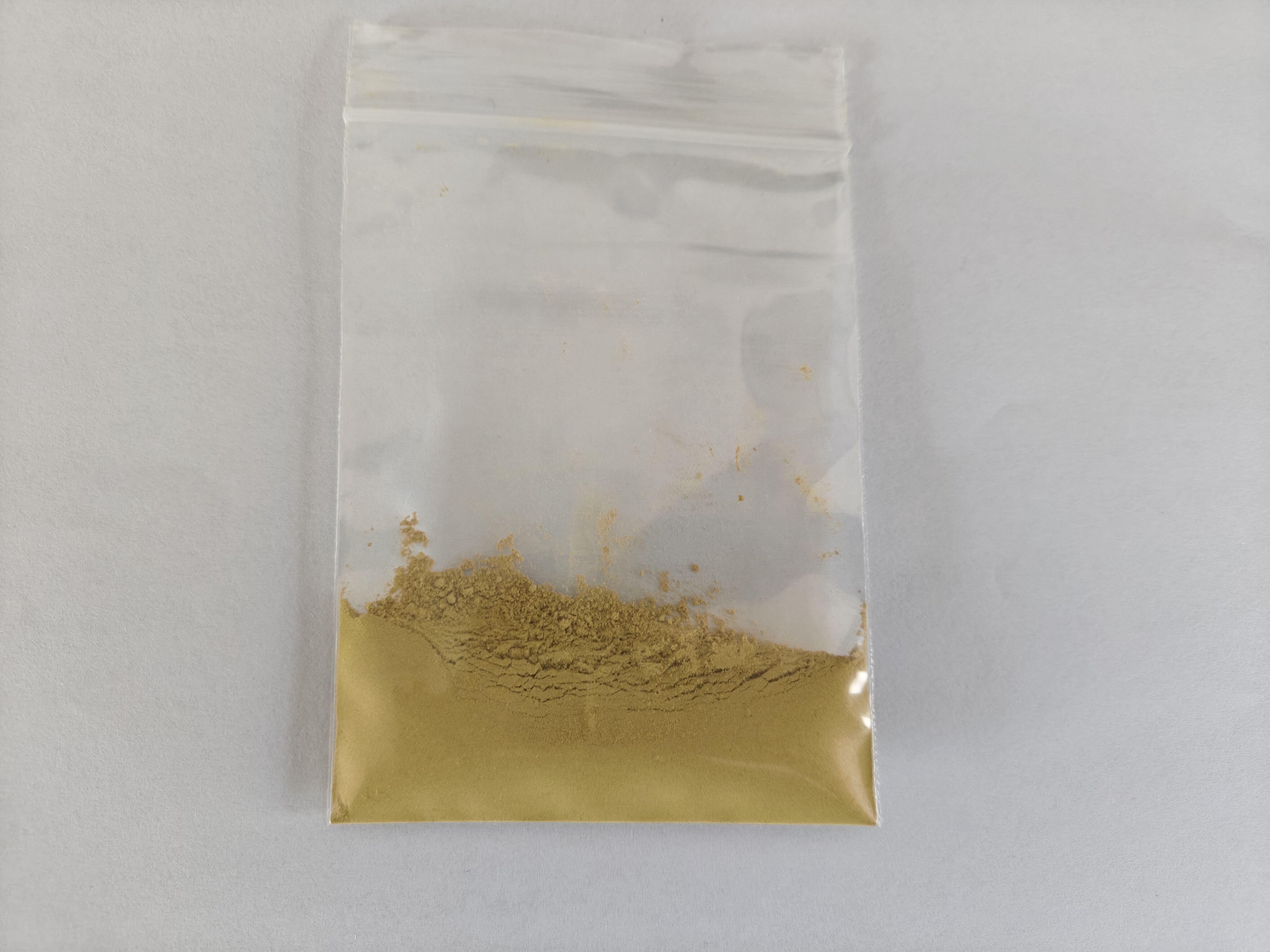
Phosphonium Tetraphenyl Salt with 23Naphthalenediol (111): Advanced Chemical Solution for Enhanced Performance

All Categories

phosphonium tetraphenyl salt with 23naphthalenediol compd with 23naphthalenediol 111

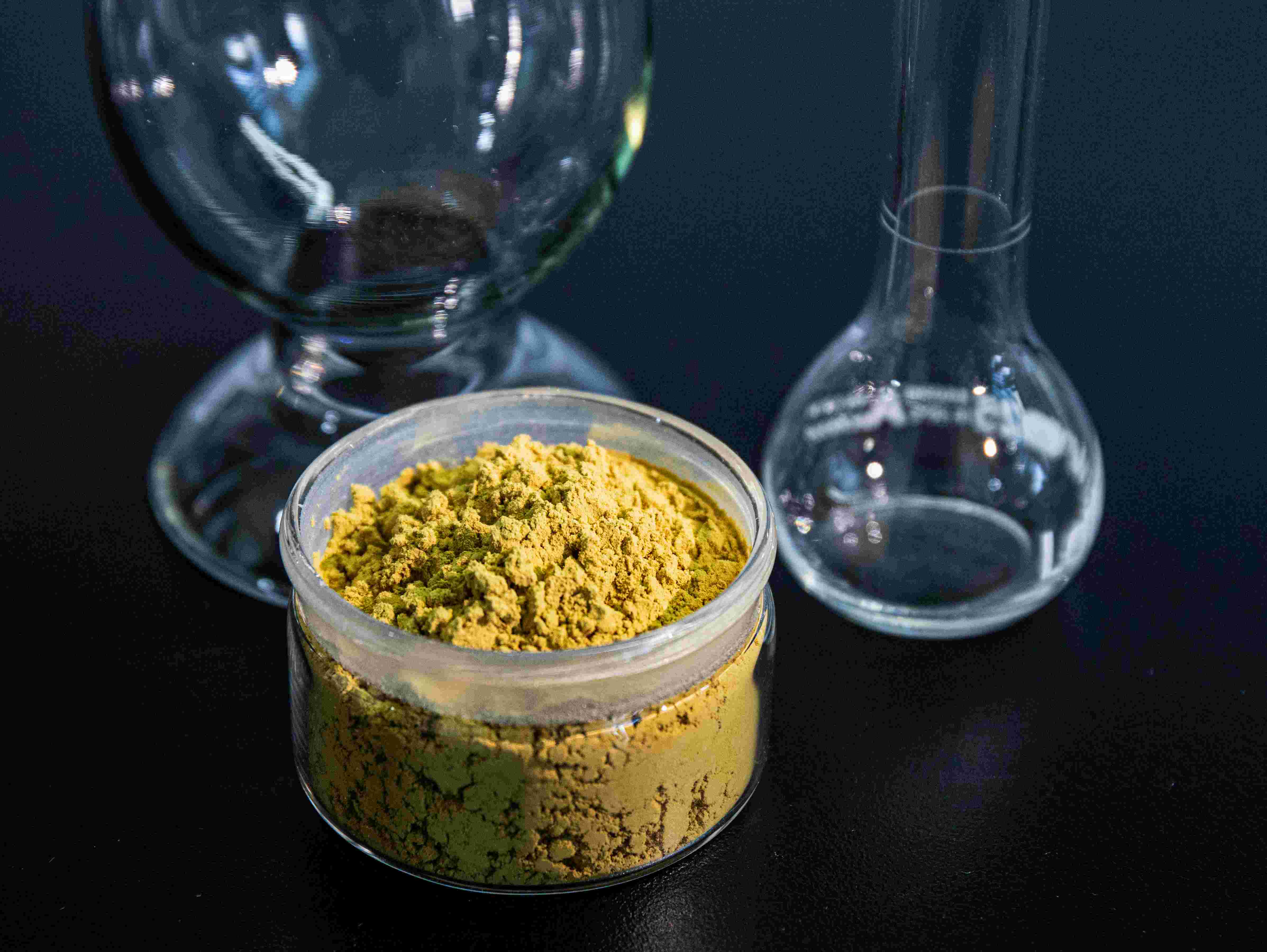
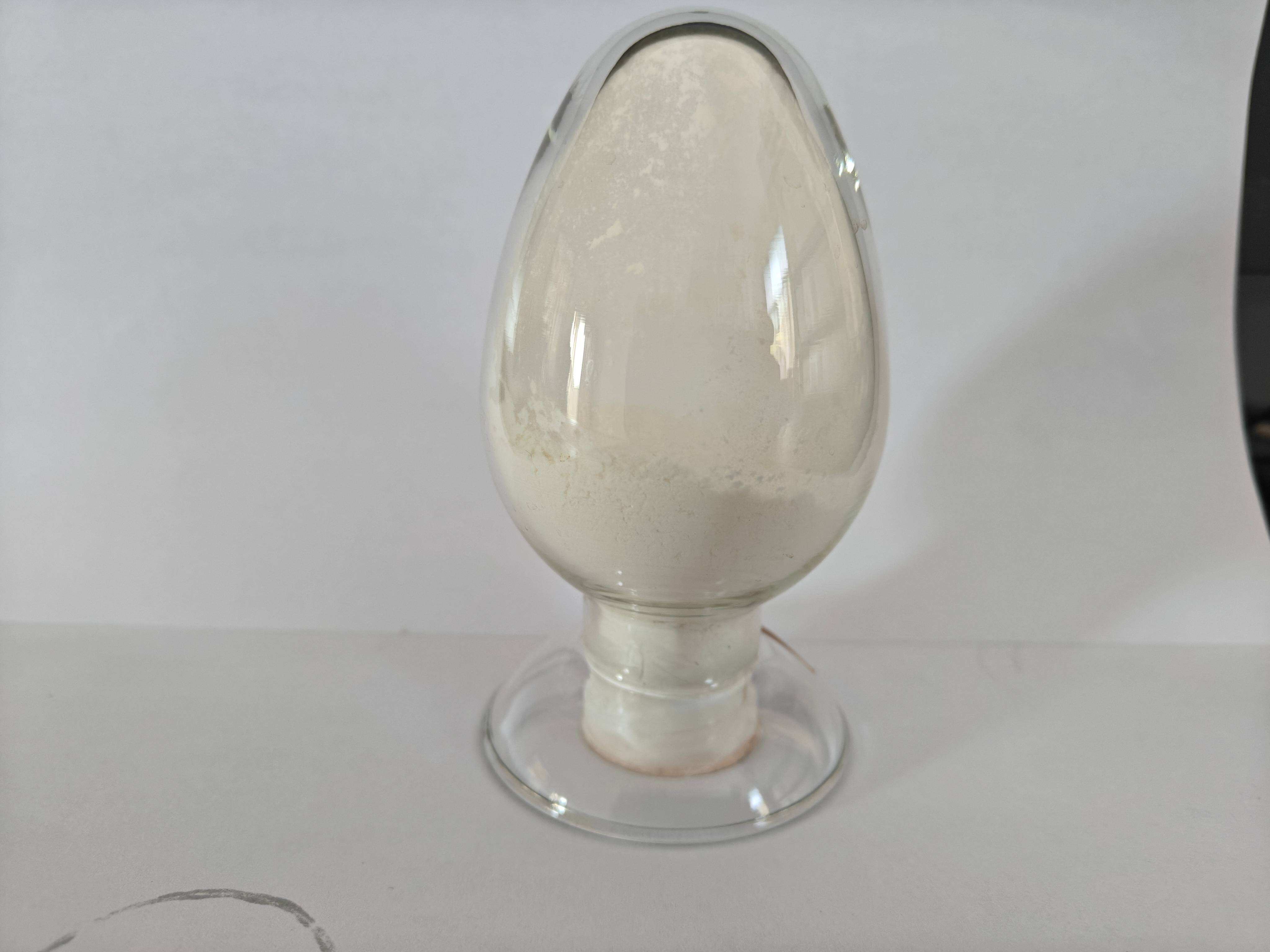
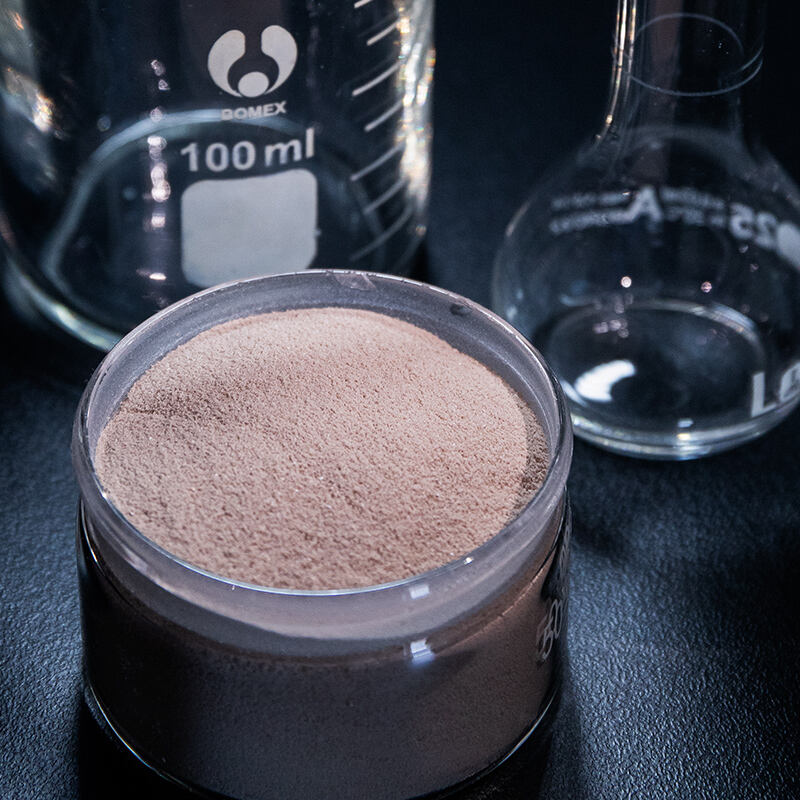
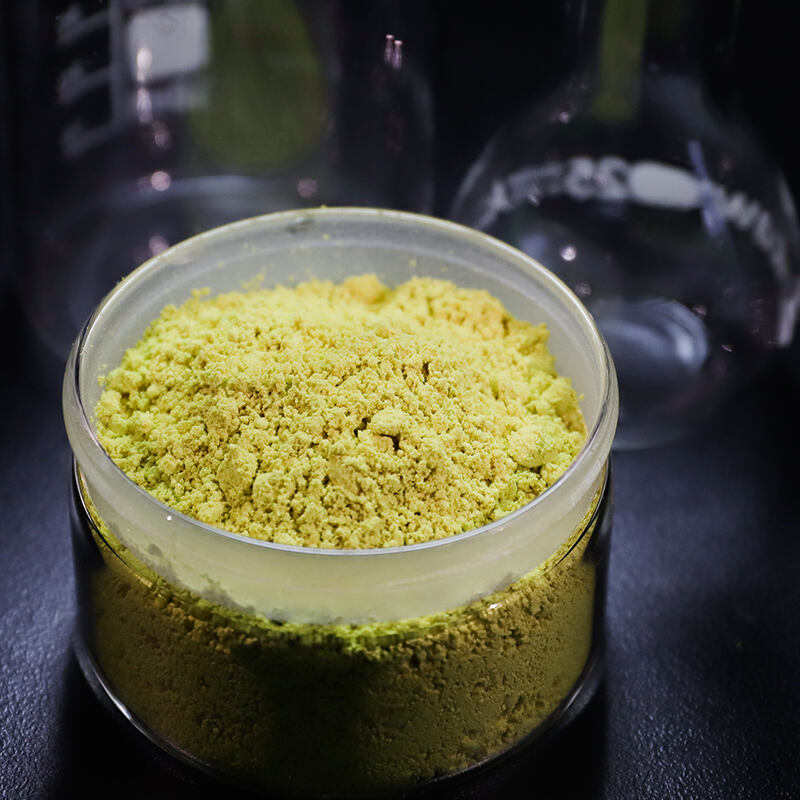
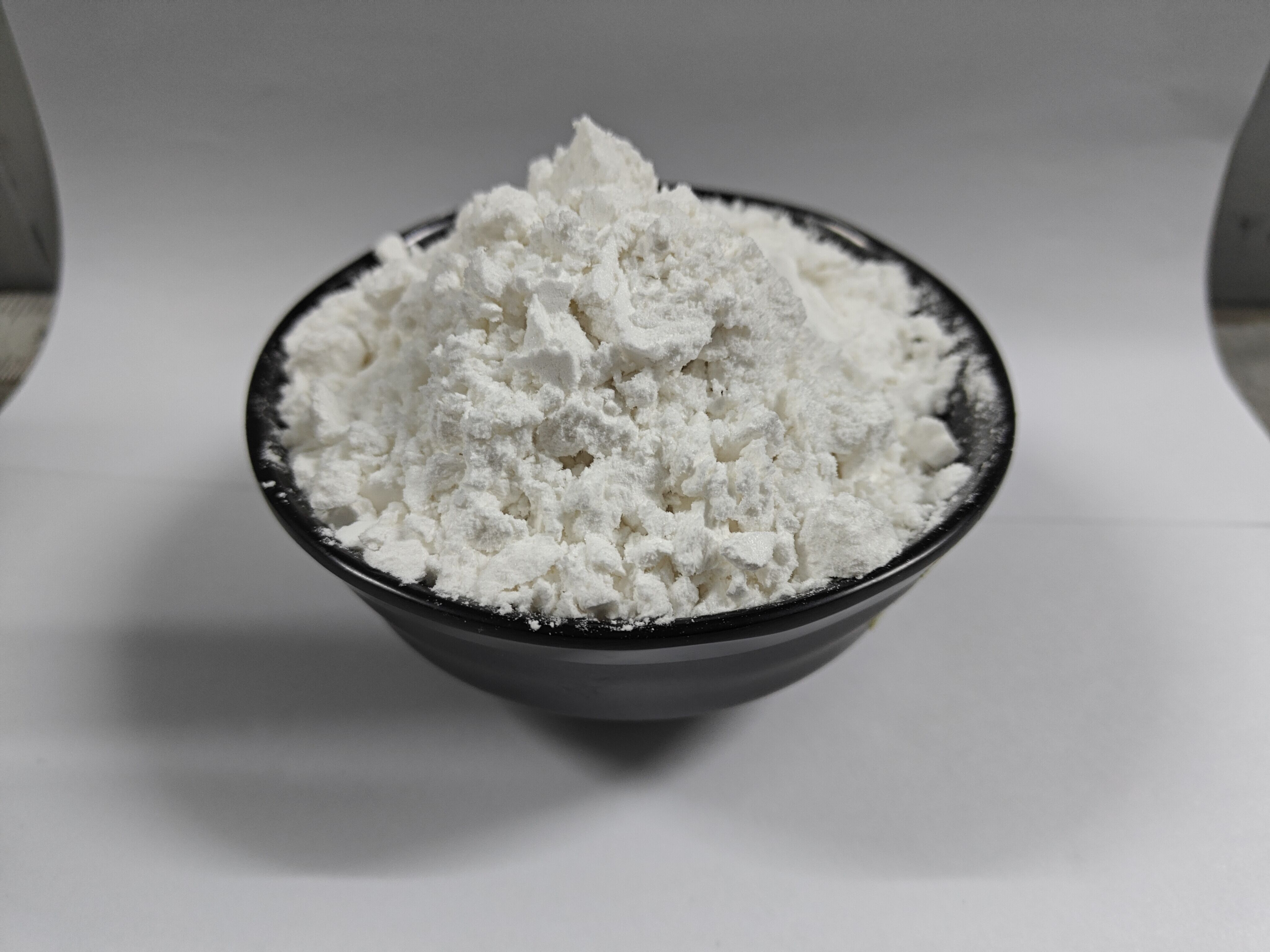
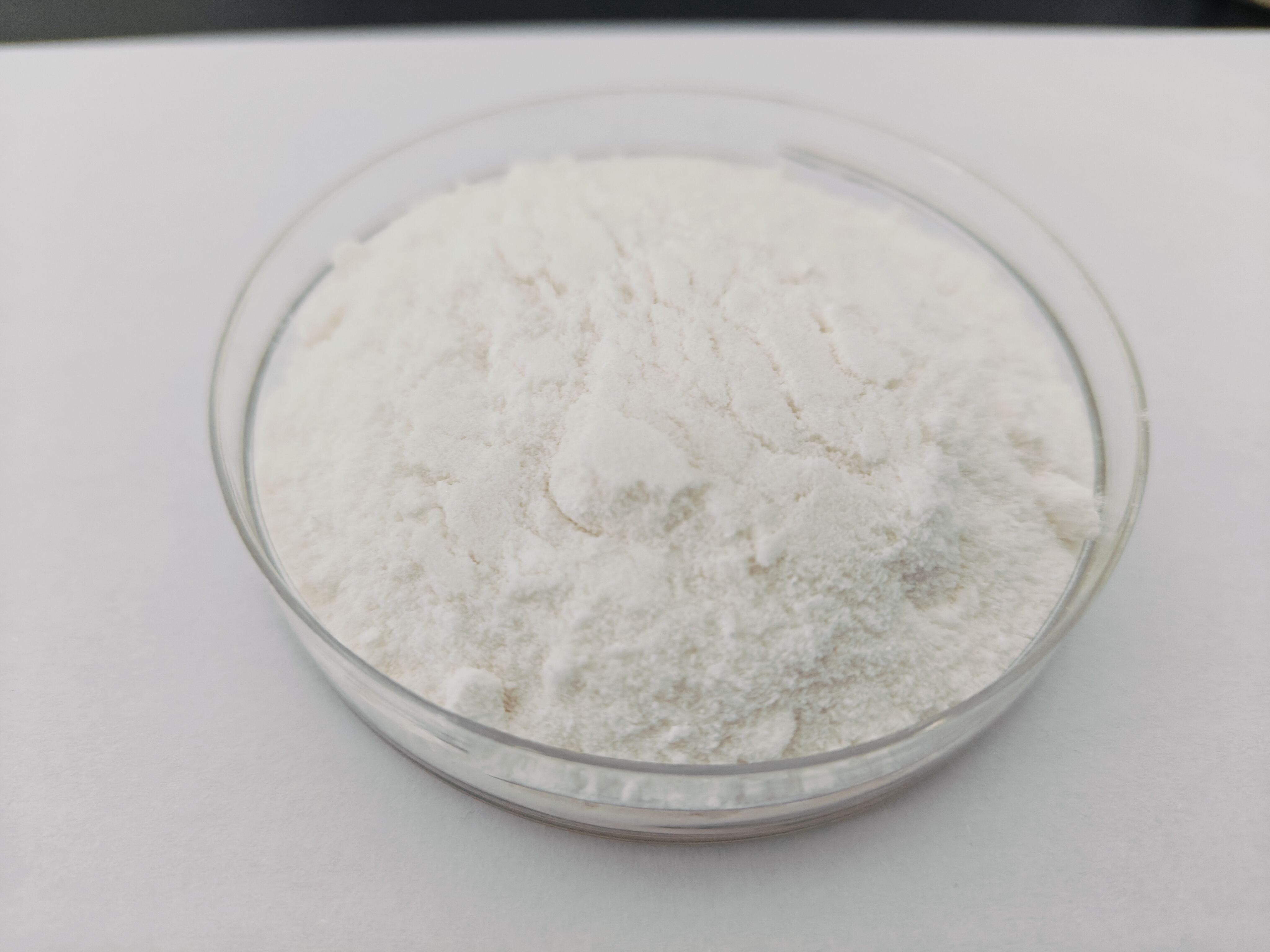
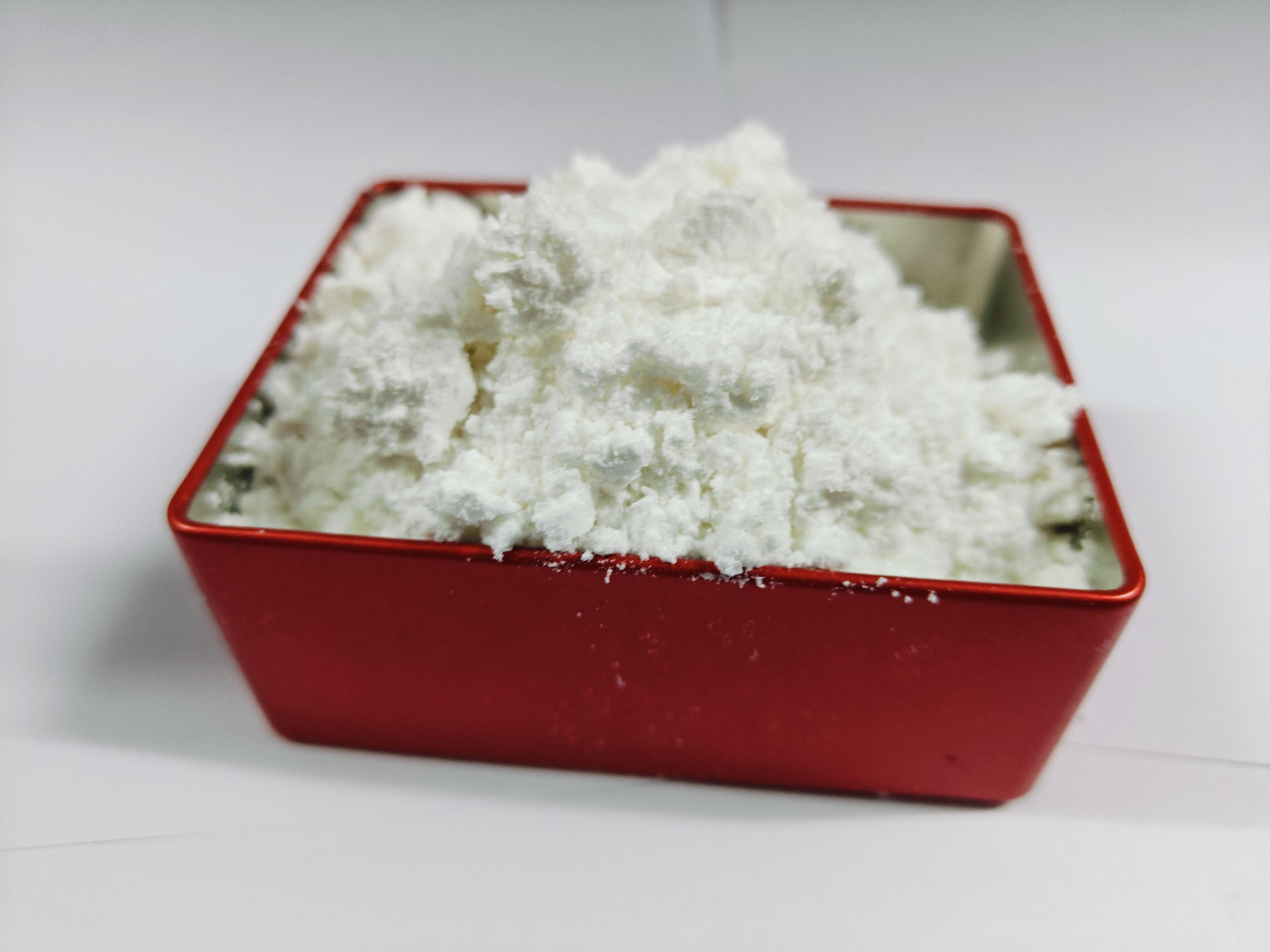
The phosphonium tetraphenyl salt with 23naphthalenediol compound (111) represents a significant advancement in chemical synthesis and materials science. This innovative compound combines the structural integrity of tetraphenylphosphonium with the unique properties of 23naphthalenediol, creating a versatile chemical entity with remarkable stability and reactivity characteristics. The compound demonstrates exceptional performance in various applications, including catalyst systems, organic synthesis, and materials engineering. Its molecular structure enables efficient electron transfer processes, making it particularly valuable in redox reactions and electrochemical applications. The compound exhibits excellent thermal stability and solubility in common organic solvents, facilitating its use in diverse chemical processes. Its unique composition allows for controlled release mechanisms and selective binding properties, making it essential in both research and industrial applications. The presence of the tetraphenyl groups provides enhanced structural stability, while the 23naphthalenediol component contributes to its distinctive chemical reactivity and optical properties.


New Product Recommendations

The phosphonium tetraphenyl salt with 23naphthalenediol compound (111) offers numerous practical advantages that set it apart in the field of chemical compounds. First, its exceptional stability under various environmental conditions ensures reliable performance and extended shelf life, reducing waste and operational costs. The compound's superior solubility characteristics enable easy integration into existing processes without requiring specialized equipment or handling procedures. Its versatile nature allows for application across multiple industries, from pharmaceutical development to materials manufacturing, providing excellent value for investment. The compound's unique molecular structure facilitates efficient chemical reactions, often requiring lower quantities than traditional alternatives while maintaining high yields. Its precise control over reaction kinetics enables better product quality and consistency, particularly valuable in industrial-scale operations. The compound's environmental profile is notably favorable, with minimal byproduct formation and reduced waste generation compared to conventional alternatives. Its compatibility with standard laboratory and industrial equipment simplifies adoption and implementation, reducing training requirements and operational complexity. The compound's reliable performance in catalyst systems and organic synthesis makes it an invaluable tool for research and development teams seeking consistent, reproducible results.

Tips And Tricks

Why Should You Choose CDI Coupling Reagents for Peptide Synthesis?

17

Jul

Why Should You Choose CDI Coupling Reagents for Peptide Synthesis?

Elevating Peptide Synthesis With Modern Chemical Solutions Peptide synthesis has advanced significantly over the past few decades, thanks to innovations in chemical reagents and synthetic methods. In both academic and industrial laboratories, the se...
View More
How Do Curing Accelerators Improve Processing Time in EMC?

05

Aug

How Do Curing Accelerators Improve Processing Time in EMC?

Enhancing EMC Production Through Accelerator Innovation In the fast-paced world of electronics manufacturing, reducing processing time without compromising quality is a key objective. Epoxy Molding Compounds (EMC) play a critical role in protecting s...
View More
What Are the Latest Advances in EMC Curing Accelerator Technology

24

Sep

What Are the Latest Advances in EMC Curing Accelerator Technology

Revolutionizing Electronic Manufacturing Through Advanced Curing Solutions The landscape of electronic manufacturing has witnessed remarkable transformations, particularly in the realm of EMC curing accelerator technology. As electronic devices becom...
View More
What Are the Key Applications of CDI Coupling Reagent in Organic Synthesis?

21

Oct

What Are the Key Applications of CDI Coupling Reagent in Organic Synthesis?

Understanding the Versatility of CDI in Modern Organic Chemistry In the realm of organic synthesis, CDI coupling reagent (1,1'-Carbonyldiimidazole) has emerged as an indispensable tool for chemists worldwide. This powerful coupling agent has revoluti...
View More

Get a Free Quote

Our representative will contact you soon.
Email
Name
Company Name
Message
0/1000

phosphonium tetraphenyl salt with 23naphthalenediol compd with 23naphthalenediol 111

Superior Chemical Stability and Reactivity

Superior Chemical Stability and Reactivity

The phosphonium tetraphenyl salt with 23naphthalenediol compound (111) exhibits remarkable chemical stability while maintaining high reactivity where desired. This dual nature stems from its carefully engineered molecular structure, which provides protection against degradation under normal storage and handling conditions while enabling precise control over reaction pathways. The compound's stability extends across a wide temperature range, making it suitable for various processing conditions without compromising its chemical integrity. This stability translates to longer shelf life and reduced waste in industrial applications, providing significant cost savings and operational benefits. The compound's controlled reactivity allows for selective chemical transformations, making it particularly valuable in fine chemical synthesis and specialized applications.
Enhanced Process Efficiency and Yield

Enhanced Process Efficiency and Yield

One of the most significant advantages of this compound is its ability to dramatically improve process efficiency and product yields. The unique molecular architecture enables faster reaction rates and higher conversion rates compared to traditional alternatives. This enhanced efficiency translates to reduced energy consumption and processing time in industrial applications. The compound's excellent solubility profile facilitates uniform distribution in reaction media, ensuring consistent performance across batch sizes. Its catalytic properties often allow for lower loading requirements, contributing to cost efficiency and sustainable resource utilization. The compound's ability to maintain activity over multiple cycles further enhances its economic value in continuous processing applications.
Versatile Applications and Ease of Use

Versatile Applications and Ease of Use

The compound demonstrates exceptional versatility across different application areas, from organic synthesis to materials science. Its compatibility with various solvents and reaction conditions makes it adaptable to diverse processing requirements. The compound's straightforward handling characteristics reduce the need for specialized equipment or extensive safety protocols, simplifying implementation in both laboratory and industrial settings. Its stability in standard storage conditions eliminates the need for special storage facilities or handling procedures. The compound's predictable behavior in different reaction environments enables reliable process design and scaling, making it particularly valuable for industrial applications. Its effectiveness in both catalytic and stoichiometric reactions provides flexibility in process design and optimization.

Get a Free Quote

Our representative will contact you soon.
Email
Name
Company Name
Message
0/1000