Organophosphine Based Catalysts: Advanced Solutions for Efficient and Selective Chemical Synthesis

All Categories

organophosphine based catalysts

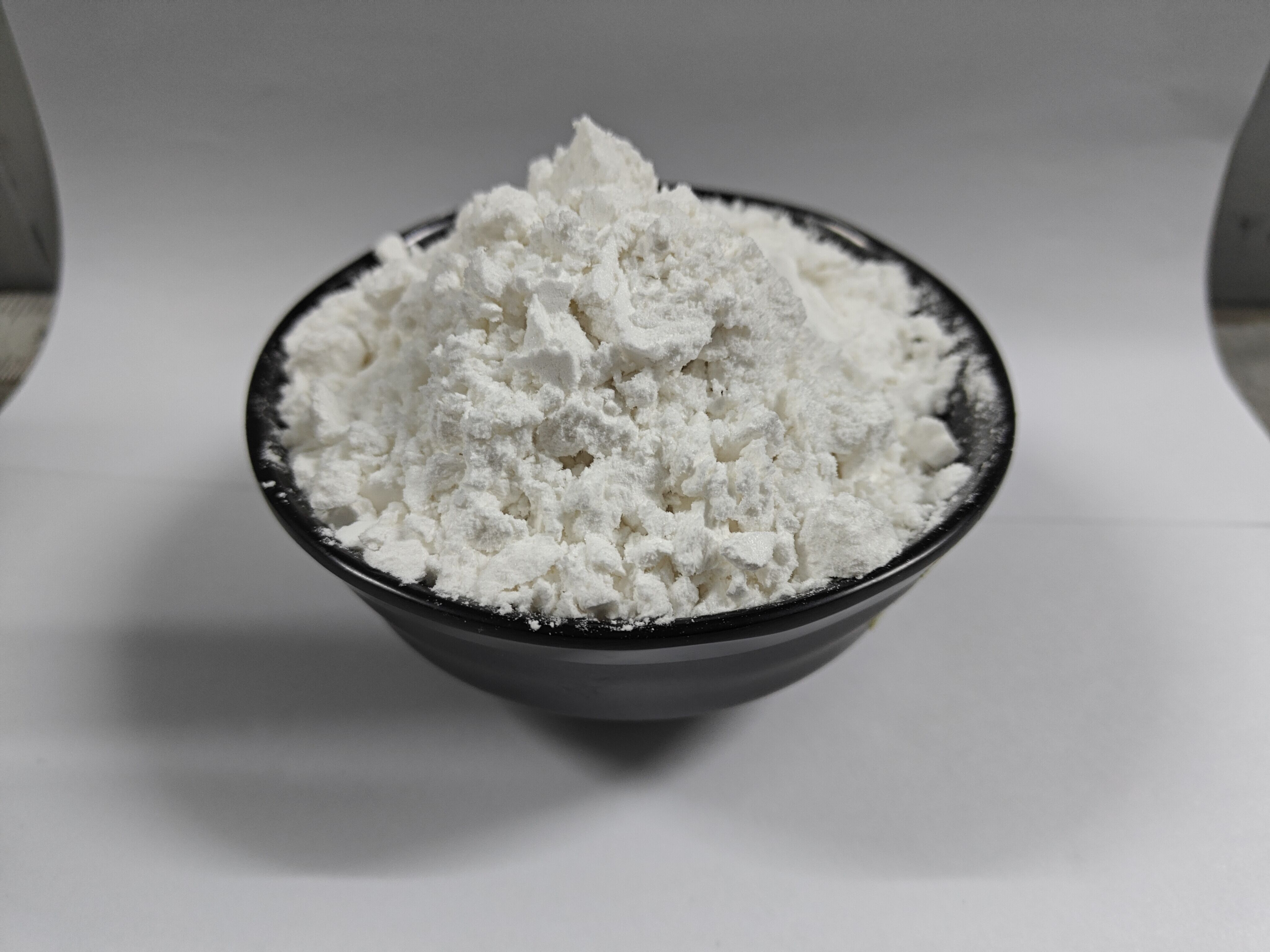
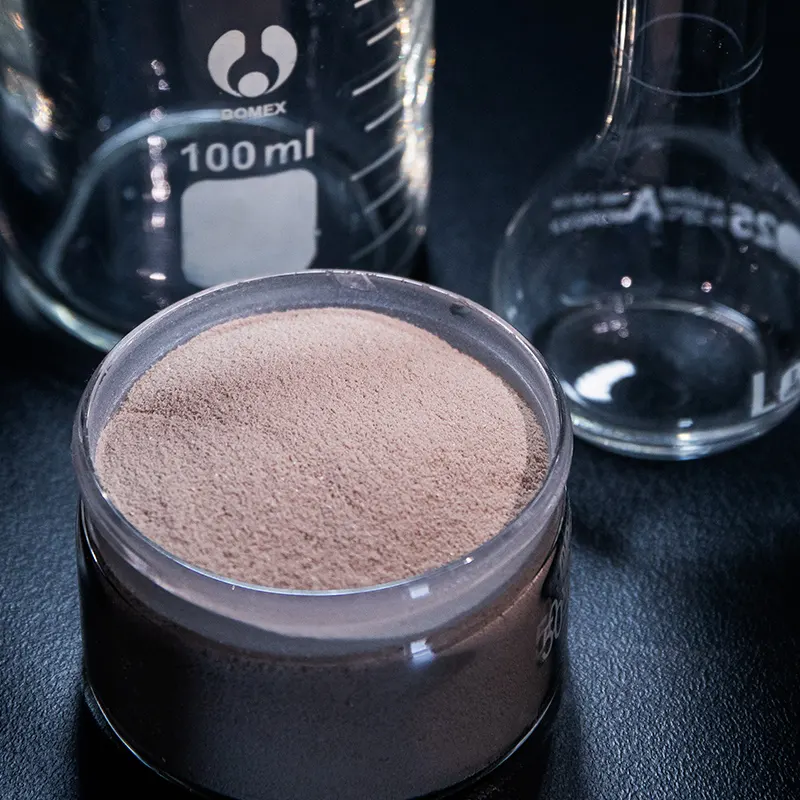
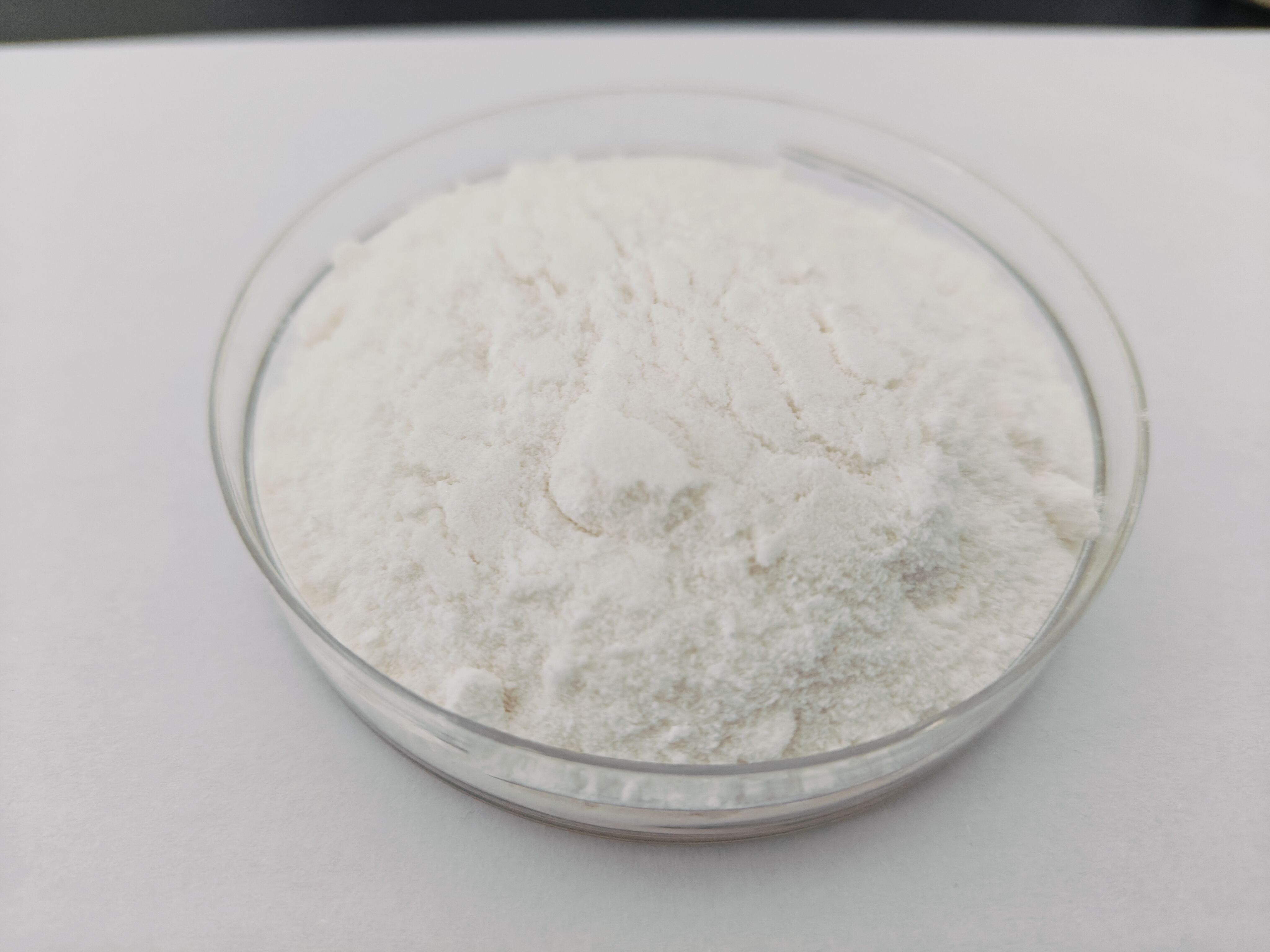
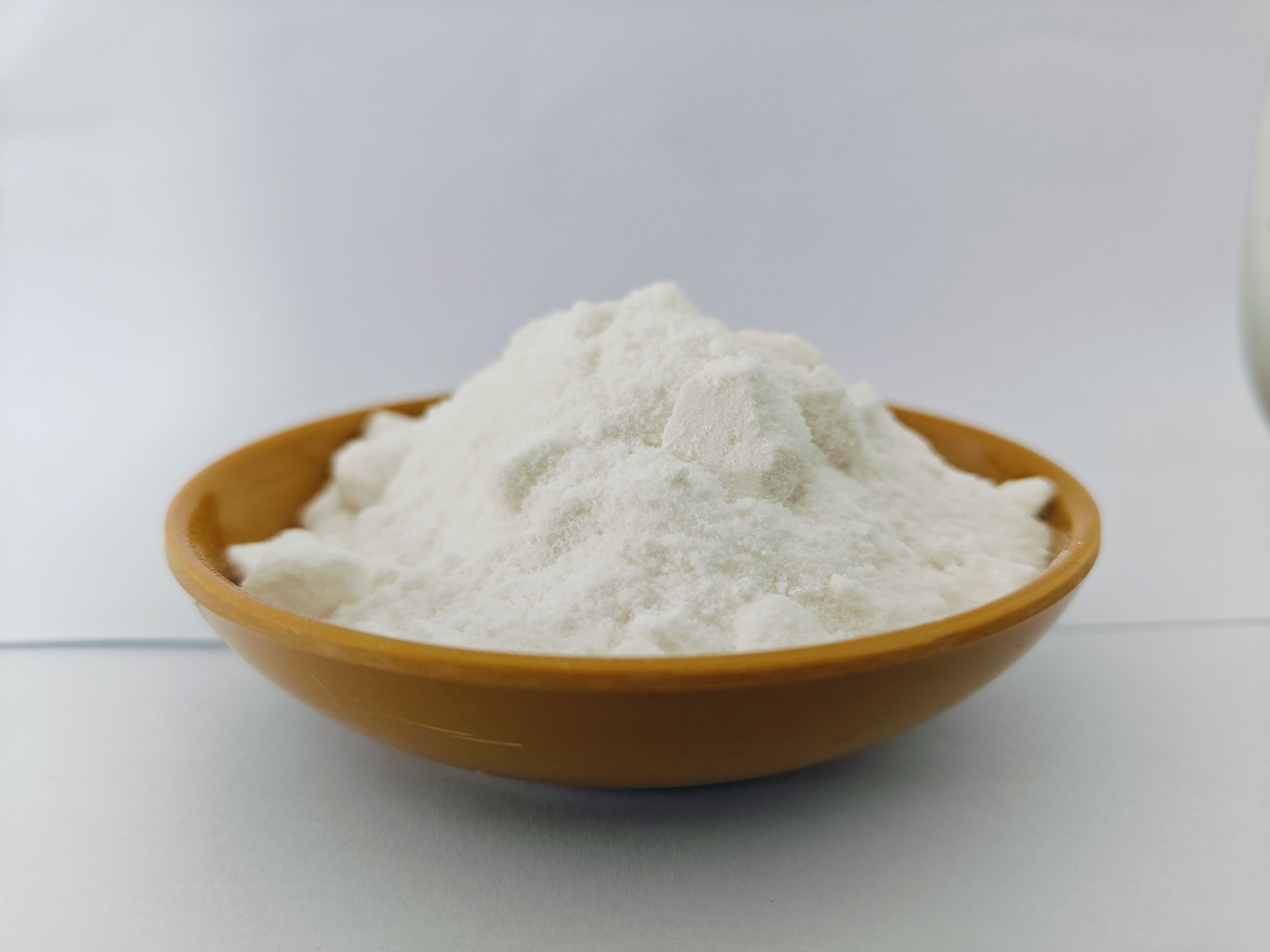
Organophosphine based catalysts represent a crucial class of compounds in modern chemical synthesis, characterized by their versatile nature and high selectivity. These catalysts feature phosphorus-containing organic molecules that act as ligands, coordinating with metal centers to create powerful catalytic systems. Their primary functions include facilitating cross-coupling reactions, hydroformylation processes, and asymmetric synthesis. The technological features of these catalysts encompass their ability to operate under mild conditions, high atom economy, and remarkable stereoselectivity. In industrial applications, organophosphine catalysts play vital roles in pharmaceutical manufacturing, fine chemical synthesis, and polymer production. Their molecular structure can be finely tuned to optimize catalytic performance, making them adaptable to various reaction conditions. The catalysts exhibit exceptional stability and can be modified to enhance their solubility in different media. Recent advances have led to the development of supported organophosphine catalysts, enabling easier product separation and catalyst recycling, thus improving process economics and sustainability.


Popular Products

Organophosphine based catalysts offer numerous compelling advantages that make them indispensable in modern chemical processes. First, their exceptional selectivity ensures high-quality product formation while minimizing unwanted side reactions, leading to improved yield and reduced waste. These catalysts demonstrate remarkable versatility, effectively catalyzing a wide range of chemical transformations under various conditions. The ability to fine-tune their structure allows chemists to optimize catalyst performance for specific reactions, providing unprecedented control over reaction outcomes. From an economic perspective, organophosphine catalysts often require lower loading amounts compared to traditional catalysts, resulting in cost savings despite their initial investment. Their stability at moderate temperatures reduces energy requirements, while their compatibility with continuous flow processes enhances industrial scalability. Environmental benefits include reduced waste generation, lower energy consumption, and the possibility of catalyst recycling. The catalysts' effectiveness at ambient conditions eliminates the need for extreme temperatures or pressures, improving safety and reducing operational costs. Additionally, their high tolerance to various functional groups enables one-pot synthesis strategies, streamlining manufacturing processes and reducing production time.

Latest News

Why Should You Choose CDI Coupling Reagents for Peptide Synthesis?

17

Jul

Why Should You Choose CDI Coupling Reagents for Peptide Synthesis?

Elevating Peptide Synthesis With Modern Chemical Solutions Peptide synthesis has advanced significantly over the past few decades, thanks to innovations in chemical reagents and synthetic methods. In both academic and industrial laboratories, the se...
View More
How to Store and Handle CDI for Optimal Performance?

05

Aug

How to Store and Handle CDI for Optimal Performance?

Preserving Reagent Integrity in Synthetic Chemistry Carbonyldiimidazole, commonly known as CDI, is a valuable reagent in organic synthesis, particularly for amide bond formation. Its popularity stems from its efficiency, broad compatibility with func...
View More
What Are the Latest Advances in EMC Curing Accelerator Technology

24

Sep

What Are the Latest Advances in EMC Curing Accelerator Technology

Revolutionizing Electronic Manufacturing Through Advanced Curing Solutions The landscape of electronic manufacturing has witnessed remarkable transformations, particularly in the realm of EMC curing accelerator technology. As electronic devices becom...
View More
How Do EMC Curing Catalysts Enhance Product Reliability and Stability?

21

Oct

How Do EMC Curing Catalysts Enhance Product Reliability and Stability?

Understanding the Critical Role of Epoxy Molding Compound Catalysts in Electronics The electronics manufacturing industry relies heavily on epoxy molding compounds (EMC) to protect sensitive components from environmental factors and ensure long-term ...
View More

Get a Free Quote

Our representative will contact you soon.
Email
Name
Company Name
Message
0/1000

organophosphine based catalysts

Superior Catalytic Activity and Selectivity

Superior Catalytic Activity and Selectivity

Organophosphine based catalysts demonstrate exceptional catalytic activity through their unique electronic and steric properties. The presence of phosphorus atoms with their variable oxidation states enables precise control over electron density at the metal center, resulting in optimized catalyst performance. This superior activity translates to faster reaction rates and higher turnover numbers, significantly improving process efficiency. The catalysts' distinctive molecular architecture allows for remarkable selectivity in chemical transformations, consistently producing desired products while suppressing side reactions. This selectivity extends to both chemical and stereochemical aspects, making these catalysts particularly valuable in the synthesis of complex molecules and pharmaceutical intermediates.
Versatility and Adaptability

Versatility and Adaptability

The adaptability of organophosphine based catalysts stands as one of their most significant advantages. Their modular structure allows for systematic modification of steric and electronic properties, enabling optimization for specific applications. This flexibility extends to their compatibility with various reaction media, from conventional organic solvents to aqueous systems and even ionic liquids. The catalysts can be designed to operate effectively under a wide range of conditions, making them suitable for diverse industrial processes. Their adaptability also facilitates the development of immobilized versions, which combine the advantages of homogeneous and heterogeneous catalysis.
Economic and Environmental Benefits

Economic and Environmental Benefits

Organophosphine based catalysts offer substantial economic and environmental advantages in chemical processing. Their high activity allows for reduced catalyst loadings, leading to significant cost savings in large-scale operations. The ability to recover and recycle these catalysts, particularly in their supported forms, further enhances their economic viability. From an environmental perspective, these catalysts enable reactions to proceed under milder conditions, reducing energy consumption and carbon footprint. Their high selectivity minimizes waste generation, while their stability reduces the frequency of catalyst replacement, contributing to more sustainable chemical processes. The capacity for catalyst recycling aligns with green chemistry principles and circular economy objectives.

Get a Free Quote

Our representative will contact you soon.
Email
Name
Company Name
Message
0/1000