NN Carbonyldiimidazole for Organic Synthesis

All Categories

nn carbonyldiimidazole for organic synthesis

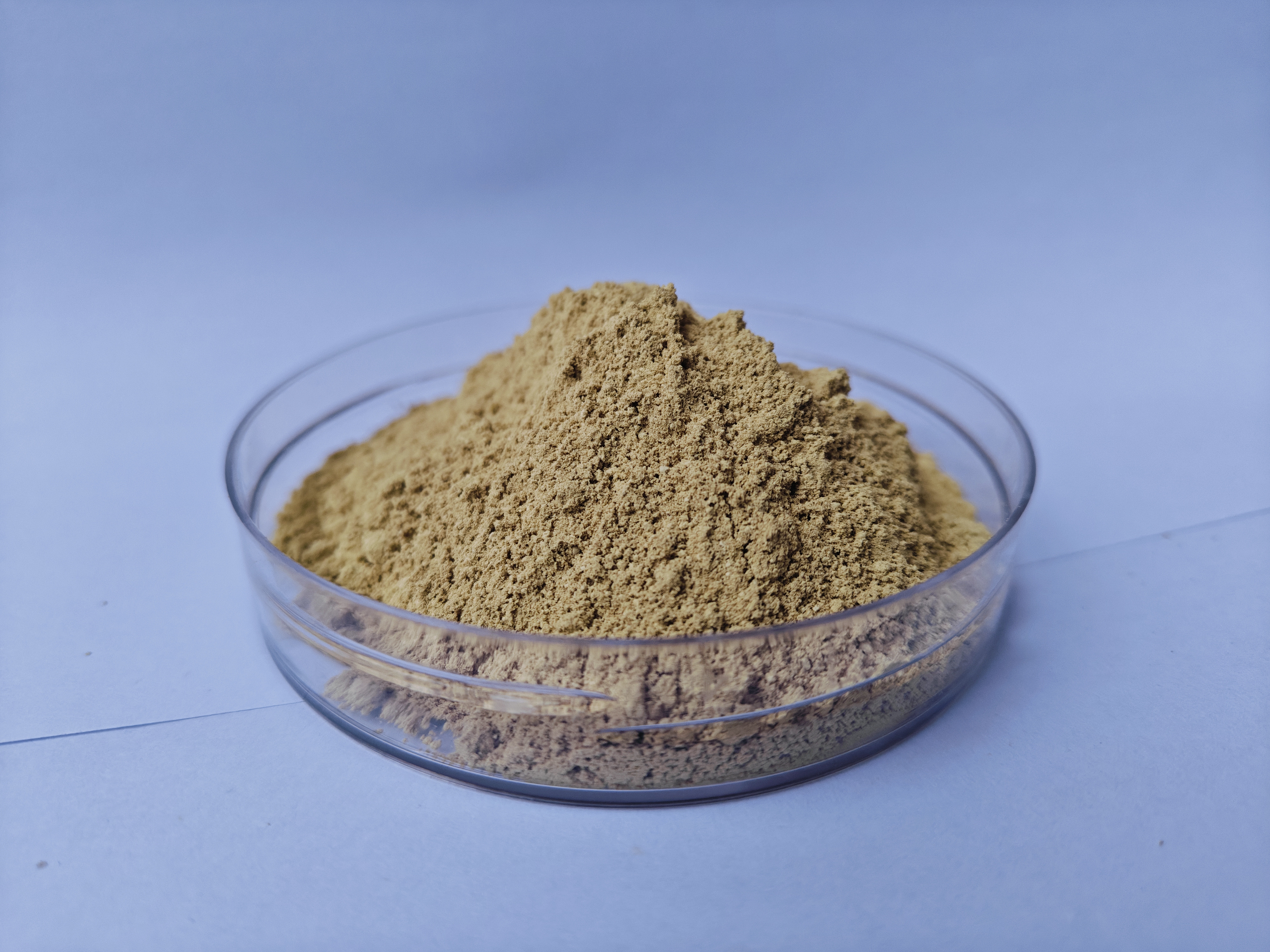
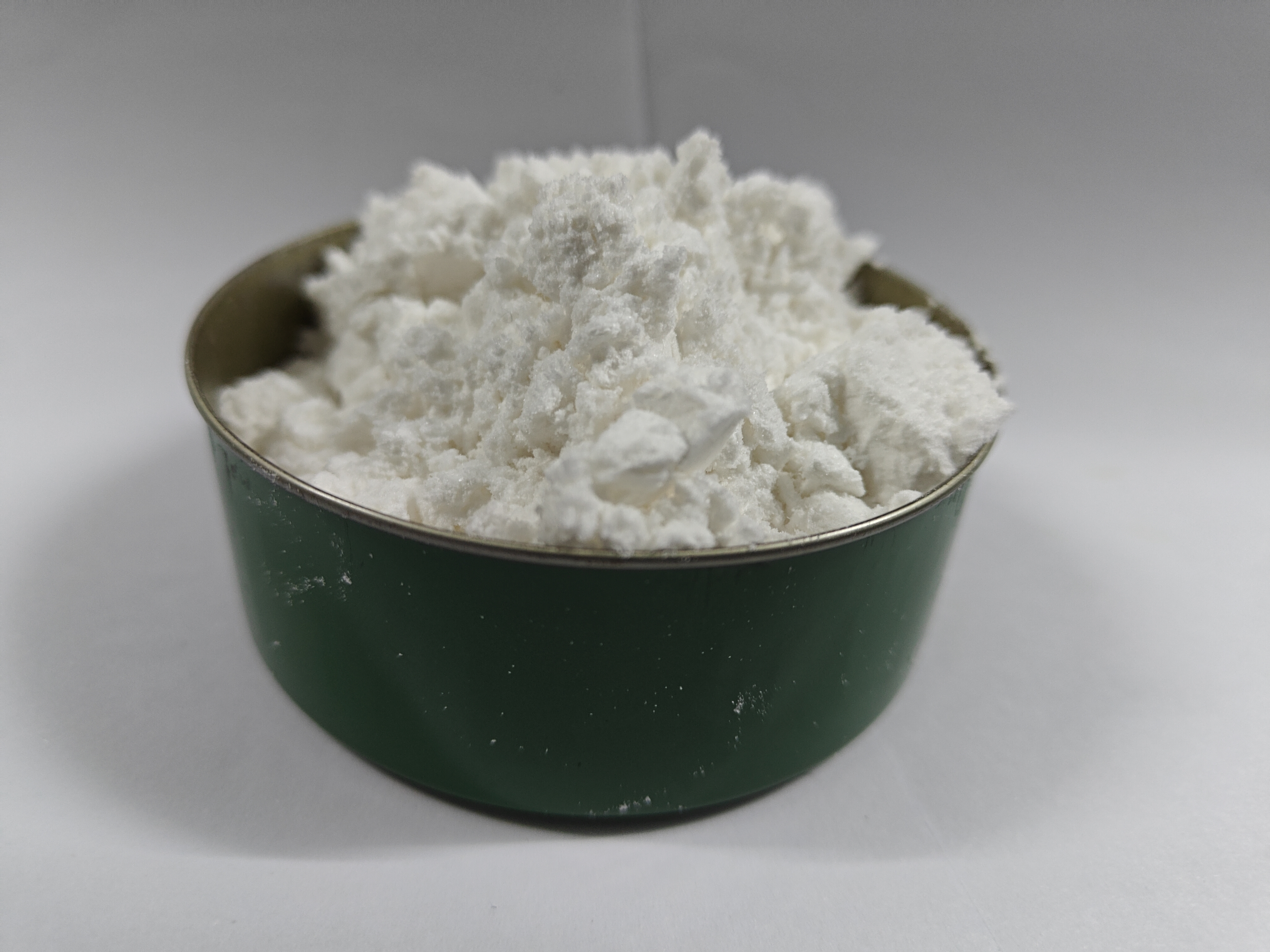
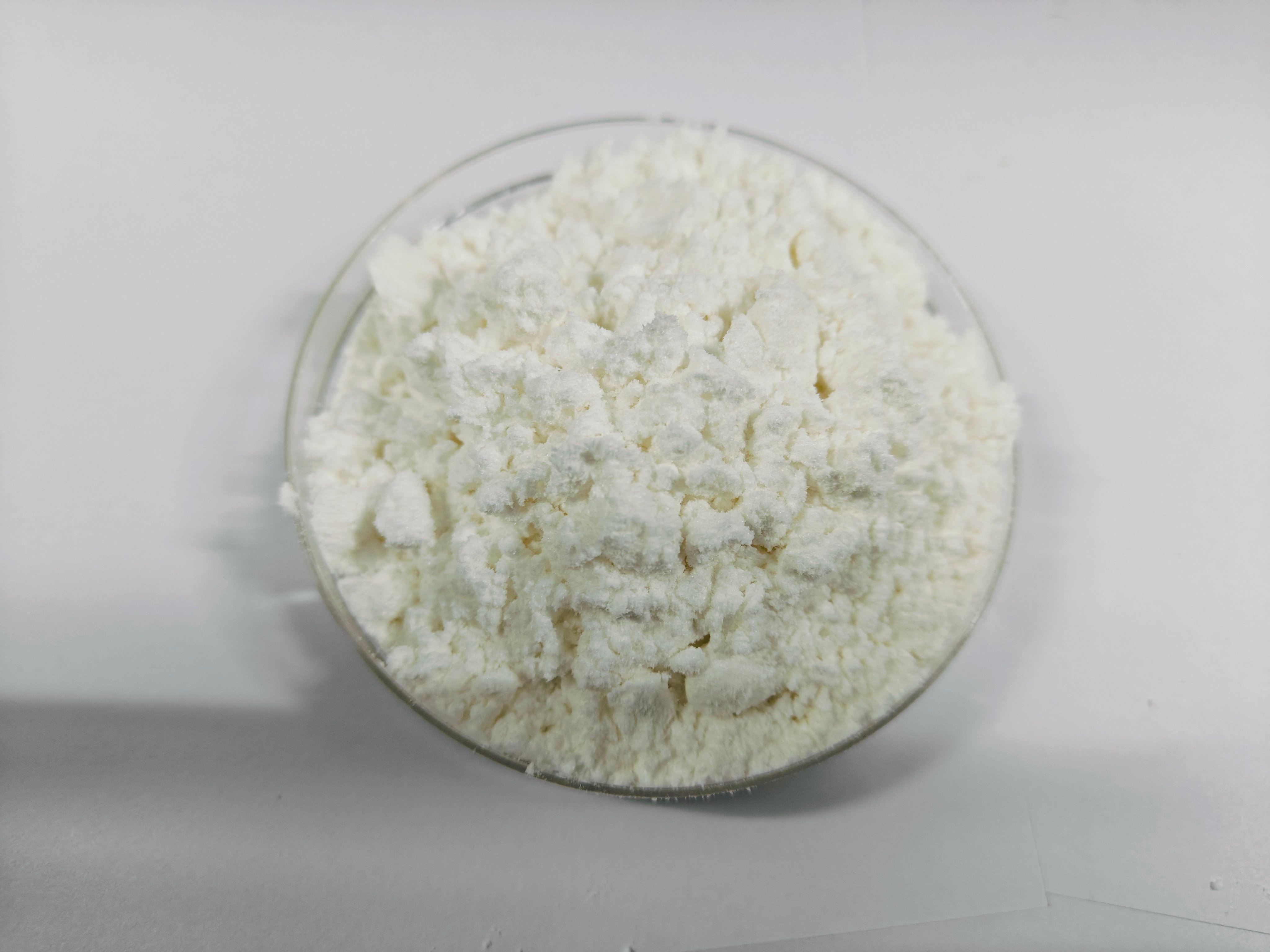
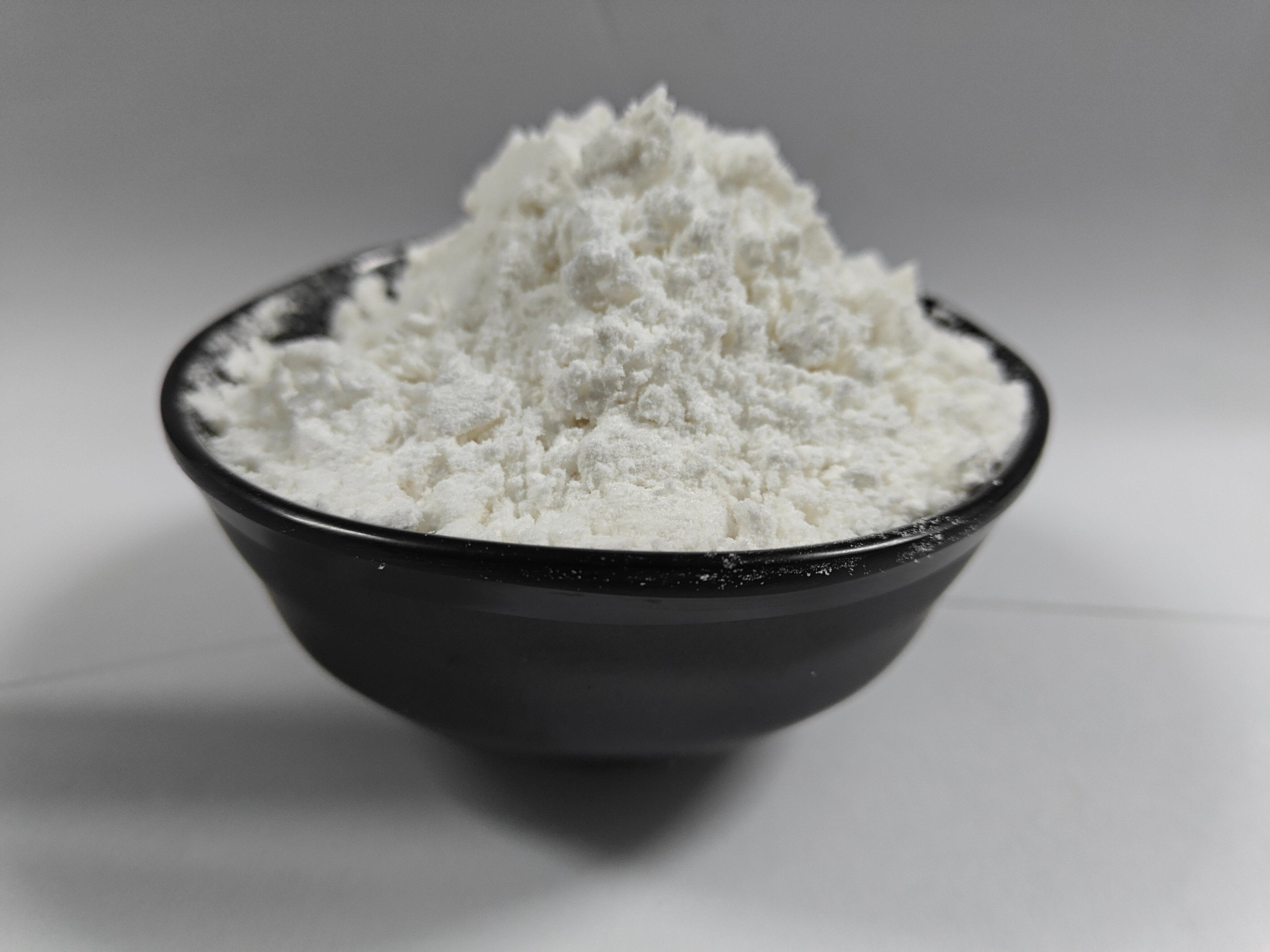
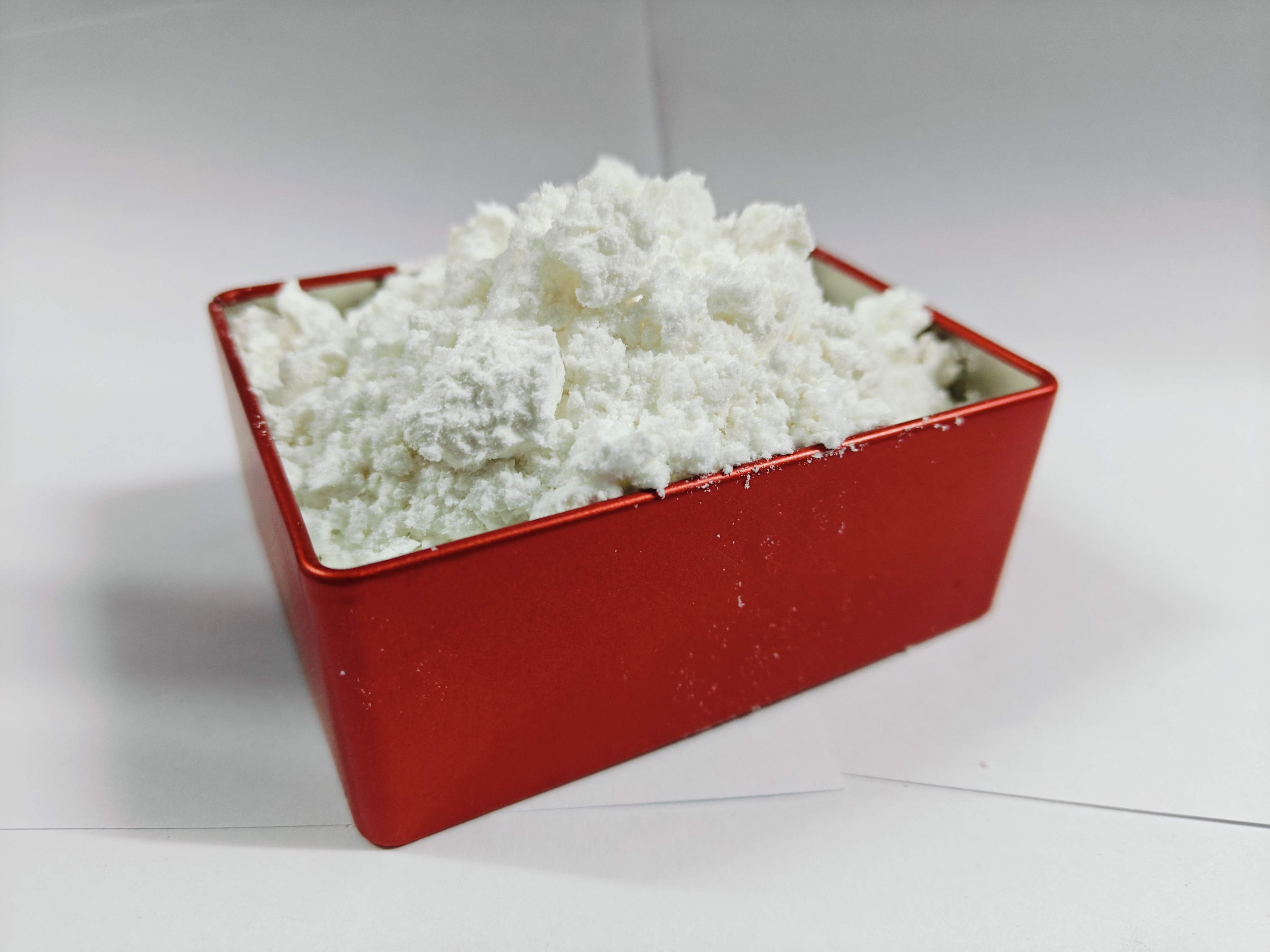
N,N'-Carbonyldiimidazole for organic synthesis stands as an essential coupling reagent widely employed in modern synthetic chemistry laboratories worldwide. This crystalline white to off-white powder serves as a highly efficient activating agent for carboxylic acids, enabling chemists to form amides, esters, peptides, and other carbonyl derivatives under mild reaction conditions. The compound offers exceptional reactivity due to its unique molecular structure, which facilitates nucleophilic substitution reactions through the formation of reactive acyl-imidazole intermediates. Researchers appreciate its versatility in peptide synthesis, pharmaceutical development, and polymer chemistry applications. N,N'-Carbonyldiimidazole for organic synthesis demonstrates superior performance compared to traditional coupling agents by minimizing side reactions and eliminating the need for harsh catalysts or extreme temperatures. Its compatibility with diverse functional groups makes it indispensable for complex molecule construction. The reagent effectively activates carboxylic acids within minutes at room temperature, streamlining synthetic workflows and reducing overall reaction times. Chemists value its predictable reactivity patterns and straightforward handling characteristics. Beyond peptide bond formation, this versatile compound facilitates esterification reactions, cyclic carbamate synthesis, and various heterocycle preparations. Its broad applicability extends from academic research to industrial-scale production, where reliability and reproducibility are paramount. The compound's stability during storage and transport adds practical convenience, while its well-documented reaction mechanisms provide confidence for method development and optimization in pharmaceutical, agrochemical, and materials science sectors.

New Product Releases

Choosing N,N'-Carbonyldiimidazole for organic synthesis delivers multiple practical benefits that directly impact laboratory efficiency and project success. The reagent operates effectively at ambient temperatures, eliminating expensive heating equipment and reducing energy consumption while accelerating project timelines. Its mild reaction conditions preserve sensitive functional groups that might decompose under harsher coupling methods, expanding the scope of achievable molecular architectures. Users benefit from simplified purification procedures since the byproduct imidazole is water-soluble and easily removed through standard workup techniques, saving both time and solvent costs. The compound's excellent selectivity minimizes competing side reactions, improving product yields and reducing material waste, which translates to lower overall synthesis costs and more sustainable laboratory practices. Operational advantages include straightforward handling without requiring specialized equipment or extensive training, making it accessible for chemists at all experience levels. The reagent remains stable under normal storage conditions, offering extended shelf life that reduces inventory turnover and procurement frequency. Its compatibility with various solvents including dichloromethane, tetrahydrofuran, and dimethylformamide provides flexibility in reaction design to accommodate specific substrate requirements. For pharmaceutical development, N,N'-Carbonyldiimidazole for organic synthesis enables efficient construction of drug candidates containing amide linkages, which constitute significant portions of marketed medications. In peptide synthesis applications, it facilitates fragment coupling with minimal racemization, preserving stereochemical integrity critical for biological activity. The compound's proven track record across thousands of published procedures provides decision-makers with confidence in its reliability. Industrial chemists appreciate its scalability, as reaction protocols translate smoothly from milligram to kilogram quantities without requiring extensive reoptimization. This consistency between laboratory and production scales accelerates commercialization timelines and reduces development risks, making it a strategic choice for organizations prioritizing efficient workflows and predictable outcomes.

Tips And Tricks

How Do Organophosphine Based Catalysts Enhance EMC Curing Performance?

12

Dec

How Do Organophosphine Based Catalysts Enhance EMC Curing Performance?

The electronics manufacturing industry has witnessed remarkable advancements in encapsulation materials, particularly in the realm of epoxy molding compounds (EMC). As semiconductor devices become increasingly sophisticated and miniaturized, the dema...
View More
What Should Manufacturers Look for When Choosing Thermally Latent Catalysts?

12

Dec

What Should Manufacturers Look for When Choosing Thermally Latent Catalysts?

Manufacturing processes across industries rely heavily on precise chemical reactions, and selecting the right thermally latent catalysts can determine the success or failure of production outcomes. These specialized catalytic compounds remain inactiv...
View More
How do procurement teams compare CDI coupling reagent suppliers

07

Jan

How do procurement teams compare CDI coupling reagent suppliers

Procurement teams in pharmaceutical and biotechnology companies face a complex decision when selecting suppliers for specialized chemical reagents. The evaluation of cdi coupling reagent suppliers requires a comprehensive understanding of product spe...
View More
How Do Curing Agents Influence Thermal and Mechanical Properties in Epoxy Resins?

12

Feb

How Do Curing Agents Influence Thermal and Mechanical Properties in Epoxy Resins?

Epoxy resins have become indispensable materials across aerospace, automotive, electronics, and construction industries due to their exceptional adhesive properties, chemical resistance, and mechanical strength. However, the performance characteristi...
View More

Get a Free Quote

Our representative will contact you soon.
Email
Name
Company Name
Message
0/1000

nn carbonyldiimidazole for organic synthesis

Superior Activation Efficiency Under Mild Conditions

Superior Activation Efficiency Under Mild Conditions

N,N'-Carbonyldiimidazole for organic synthesis excels through its exceptional activation efficiency, transforming carboxylic acids into reactive intermediates rapidly at room temperature without demanding elevated temperatures or prolonged reaction times. This characteristic proves invaluable when working with thermally sensitive substrates that might decompose, rearrange, or racemize under traditional coupling conditions requiring heat. The reagent forms highly reactive acylimidazole species within minutes, which subsequently react cleanly with nucleophiles including amines, alcohols, and thiols to yield desired products in high purity. This efficiency translates to tangible benefits in project timelines, allowing chemists to complete synthesis sequences faster and allocate resources to other critical tasks. The mild conditions also reduce energy costs and minimize safety hazards associated with high-temperature operations. Furthermore, the predictable kinetics enable precise control over reaction progression, facilitating optimization and scaling efforts. Researchers conducting multistep syntheses particularly value this feature, as it allows seamless integration into complex synthetic sequences without introducing compatibility issues or requiring specialized equipment investments that burden laboratory budgets.
Minimal Racemization for Stereochemical Integrity

Minimal Racemization for Stereochemical Integrity

When synthesizing chiral compounds such as peptides and pharmaceutical intermediates, preserving stereochemical configuration is absolutely critical for biological activity and regulatory compliance. N,N'-Carbonyldiimidazole for organic synthesis addresses this challenge through its distinctive activation mechanism that minimizes epimerization and racemization during coupling reactions. Unlike some traditional coupling reagents that generate reactive species prone to enolization and subsequent stereochemical scrambling, this compound activates carboxylic acids through a pathway that maintains chiral center integrity. This advantage proves particularly valuable in peptide synthesis where even minor racemization can compromise product quality and therapeutic efficacy. Pharmaceutical companies developing chiral drug candidates rely on this feature to ensure batch-to-batch consistency and meet stringent purity specifications. The preserved stereochemistry eliminates costly purification steps otherwise required to separate diastereomers or enantiomers, streamlining production workflows and improving overall process economics. Academic researchers benefit equally, as maintaining stereochemical fidelity enables accurate structure-activity relationship studies and confident biological evaluation. This characteristic positions N,N'-Carbonyldiimidazole for organic synthesis as the preferred choice for projects where stereochemical outcome directly impacts scientific conclusions or commercial viability.
Versatile Compatibility Across Functional Groups

Versatile Compatibility Across Functional Groups

N,N'-Carbonyldiimidazole for organic synthesis demonstrates remarkable compatibility with diverse functional groups commonly encountered in complex molecule synthesis, enabling chemists to execute coupling reactions without extensive protecting group manipulations. This versatility stems from the reagent's selective reactivity toward carboxylic acids while tolerating functionalities including alcohols, phenols, amines, and heterocycles under appropriate conditions. Such compatibility dramatically simplifies synthetic route design by reducing the number of protection-deprotection sequences that consume time, materials, and resources while introducing potential failure points. Chemists working on natural product synthesis or pharmaceutical intermediate preparation particularly appreciate this feature, as target molecules often contain multiple reactive sites requiring careful orchestration. The reagent's tolerance for various functional groups expands accessible chemical space, allowing construction of molecular architectures that might prove challenging with more reactive or less selective coupling agents. This advantage accelerates medicinal chemistry campaigns where rapid analog generation drives structure-activity relationship understanding. Additionally, the compatibility extends to different reaction media including both polar and non-polar solvents, providing flexibility to optimize conditions for specific substrate combinations and achieve maximum conversion and selectivity in diverse synthetic contexts.

Get a Free Quote

Our representative will contact you soon.
Email
Name
Company Name
Message
0/1000