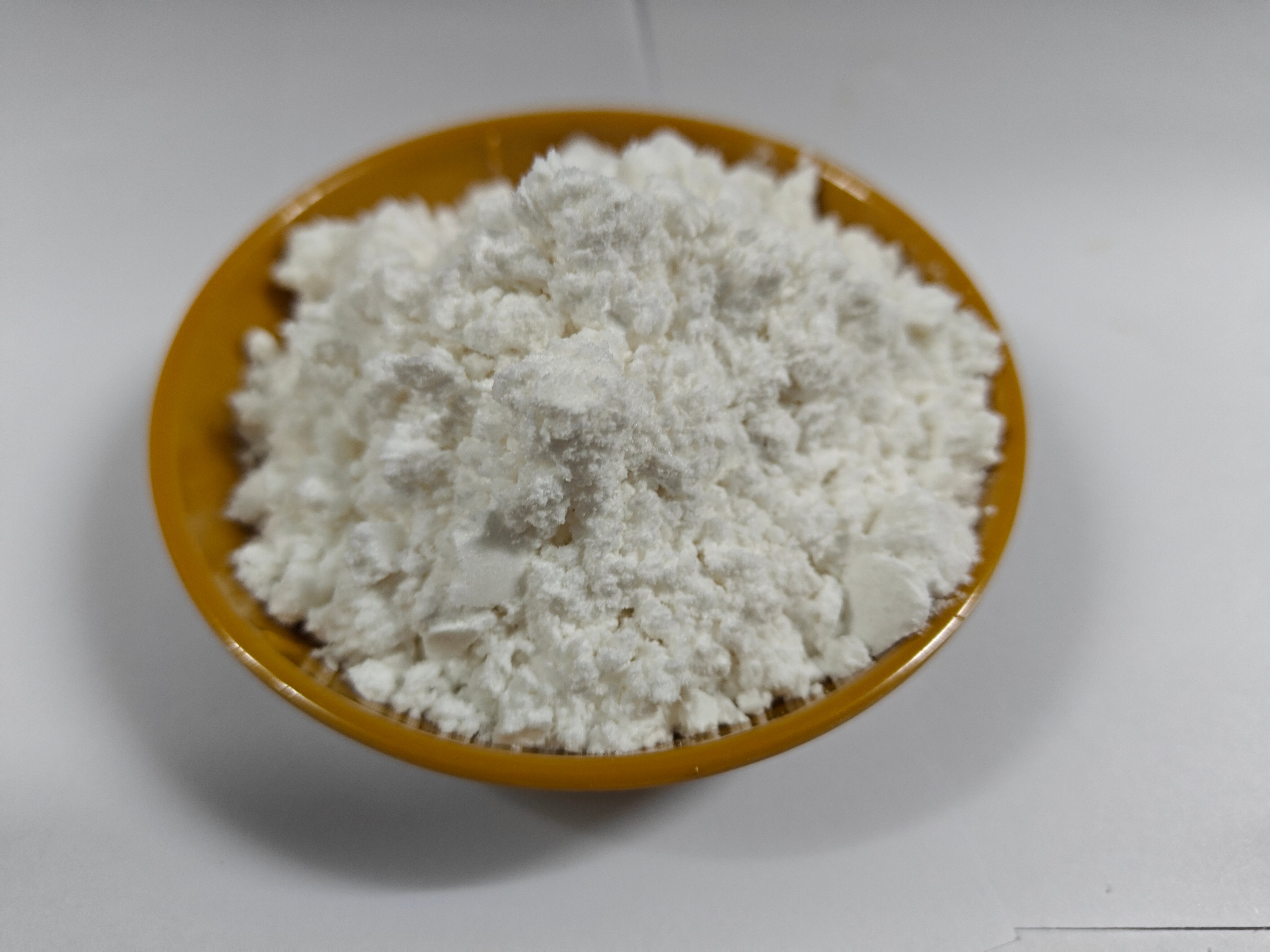
NN Carbonyldiimidazole for Imidazole Derivatives

All Categories

nn carbonyldiimidazole for imidazole derivatives

N,N'-Carbonyldiimidazole (CDI) stands as a versatile and powerful reagent extensively utilized in the synthesis of imidazole derivatives and numerous organic compounds. This carbonylating agent has gained significant recognition in pharmaceutical research, chemical synthesis, and industrial applications due to its exceptional reactivity and selectivity. When working with nn carbonyldiimidazole for imidazole derivatives, chemists benefit from its ability to activate carboxylic acids, facilitate peptide bond formation, and enable efficient coupling reactions under mild conditions. The compound functions as an excellent alternative to traditional coupling agents, offering superior performance in the preparation of esters, amides, anhydrides, and various heterocyclic structures. Its unique chemical structure, featuring two imidazole rings connected by a carbonyl group, provides remarkable stability while maintaining high reactivity when needed. The application of nn carbonyldiimidazole for imidazole derivatives extends across multiple domains including medicinal chemistry, materials science, and biochemical research. This reagent demonstrates exceptional compatibility with sensitive functional groups, making it invaluable for complex synthetic pathways. Researchers appreciate its ability to operate effectively at room temperature, reducing energy consumption and minimizing side reactions. The compound's solubility in common organic solvents further enhances its practical utility, while its relatively stable nature allows for convenient storage and handling. As a coupling agent, CDI offers predictable reaction outcomes and high yields, making it a preferred choice for both academic research and industrial-scale production of imidazole-containing compounds and derivatives.

Popular Products

Utilizing nn carbonyldiimidazole for imidazole derivatives delivers substantial practical benefits that directly impact productivity, cost efficiency, and product quality. First, this reagent significantly reduces reaction times compared to traditional coupling methods, enabling faster project completion and improved laboratory throughput. The mild reaction conditions required mean lower energy costs and reduced equipment wear, translating to meaningful operational savings over time. Chemists working with sensitive substrates particularly value how CDI minimizes unwanted side reactions and decomposition, resulting in cleaner reaction profiles and simplified purification processes. This selectivity directly reduces solvent consumption and waste generation, supporting both environmental goals and cost management. The exceptional yields achieved when using nn carbonyldiimidazole for imidazole derivatives mean less raw material waste and fewer repeated synthesis attempts, optimizing resource utilization. From a safety perspective, CDI operates under mild conditions without requiring harsh catalysts or extreme temperatures, creating a safer working environment and reducing risk exposure. The compound's compatibility with diverse functional groups expands synthetic possibilities, allowing chemists to tackle challenging molecular architectures that would be problematic with alternative reagents. For industrial applications, the scalability of reactions involving nn carbonyldiimidazole for imidazole derivatives ensures consistent performance from laboratory to production scale. The reagent's stability during storage reduces inventory losses and eliminates frequent reordering, streamlining supply chain management. Pharmaceutical companies particularly benefit from the high purity of products obtained, which accelerates regulatory approval processes and reduces quality control requirements. Overall, choosing CDI represents a strategic decision that enhances competitiveness through improved efficiency, reliability, and product quality across diverse synthetic applications.

Practical Tips

How Do Organophosphine Based Catalysts Enhance EMC Curing Performance?

12

Dec

How Do Organophosphine Based Catalysts Enhance EMC Curing Performance?

The electronics manufacturing industry has witnessed remarkable advancements in encapsulation materials, particularly in the realm of epoxy molding compounds (EMC). As semiconductor devices become increasingly sophisticated and miniaturized, the dema...
View More
Why Are Organophosphine Based Catalysts Essential for Semiconductor Packaging?

12

Dec

Why Are Organophosphine Based Catalysts Essential for Semiconductor Packaging?

The semiconductor industry relies on precise chemical processes that demand exceptional purity and reliability. Among the various catalyst systems employed in semiconductor packaging applications, organophosphine based catalysts have emerged as indis...
View More
What Should Manufacturers Look for When Choosing Thermally Latent Catalysts?

12

Dec

What Should Manufacturers Look for When Choosing Thermally Latent Catalysts?

Manufacturing processes across industries rely heavily on precise chemical reactions, and selecting the right thermally latent catalysts can determine the success or failure of production outcomes. These specialized catalytic compounds remain inactiv...
View More
How Can Curing Agents for Epoxy Resins Be Customized for Specific Applications?

12

Feb

How Can Curing Agents for Epoxy Resins Be Customized for Specific Applications?

The versatility and performance of epoxy resins largely depend on the selection and customization of appropriate curing agents for epoxy resins. These chemical compounds, also known as hardeners, play a crucial role in transforming liquid epoxy resin...
View More

Get a Free Quote

Our representative will contact you soon.
Email
Name
Company Name
Message
0/1000

nn carbonyldiimidazole for imidazole derivatives

Superior Activation Efficiency for Complex Synthesis

Superior Activation Efficiency for Complex Synthesis

The nn carbonyldiimidazole for imidazole derivatives demonstrates outstanding activation efficiency that transforms challenging synthetic routes into manageable processes. This reagent excels at activating carboxylic acids rapidly and completely, creating highly reactive intermediates that participate readily in subsequent coupling reactions. Unlike traditional activating agents that may require extended reaction times or elevated temperatures, CDI accomplishes activation within minutes at ambient conditions, preserving thermally sensitive functionalities throughout the process. The mechanism involves nucleophilic attack on the carbonyl carbon, forming an acyl imidazole intermediate with exceptional leaving group properties. This intermediate reacts smoothly with nucleophiles including amines, alcohols, and thiols, enabling diverse synthetic transformations. Chemists working on pharmaceutical intermediates or advanced materials particularly appreciate how this activation strategy prevents racemization of chiral centers, maintaining stereochemical integrity essential for biological activity. The efficiency of nn carbonyldiimidazole for imidazole derivatives also manifests in its stoichiometric economy, typically requiring only slight excess to drive reactions to completion, thereby minimizing reagent costs and simplifying workup procedures.
Exceptional Selectivity Minimizing By-Products

Exceptional Selectivity Minimizing By-Products

Implementing nn carbonyldiimidazole for imidazole derivatives in synthetic workflows provides remarkable selectivity that substantially reduces by-product formation and simplifies downstream processing. This selectivity stems from CDI's controlled reactivity profile, which preferentially activates carboxylic acids without attacking other functional groups commonly present in complex molecules. Unlike more aggressive coupling agents that may trigger unwanted side reactions such as N-acylation, O-acylation at unintended sites, or polymerization, CDI maintains excellent chemoselectivity across diverse substrate classes. This precision proves invaluable when synthesizing multifunctional compounds where protecting group strategies would otherwise complicate the synthetic scheme. The clean reaction profiles obtained translate directly into higher isolated yields and reduced purification efforts, saving both time and resources. Analytical characterization becomes simpler when fewer impurities are present, accelerating method development and quality assurance processes. For researchers developing new imidazole derivatives with potential therapeutic applications, this selectivity ensures that structure-activity relationship studies reflect genuine molecular properties rather than artifacts from impurities. The predictable behavior of nn carbonyldiimidazole for imidazole derivatives enables reliable scale-up, as selectivity patterns remain consistent across different batch sizes, supporting seamless technology transfer from research to manufacturing environments.
Outstanding Stability and Handling Convenience

Outstanding Stability and Handling Convenience

The nn carbonyldiimidazole for imidazole derivatives offers exceptional stability characteristics that provide significant practical advantages in laboratory and industrial settings. Unlike many highly reactive coupling agents that demand stringent storage conditions or exhibit limited shelf life, CDI remains stable under normal laboratory conditions when properly sealed and protected from moisture. This stability eliminates the frequent quality checks and reagent replacements that consume resources and disrupt workflow continuity. The solid form of CDI facilitates accurate weighing and dosing, reducing measurement errors that could compromise reaction outcomes or waste expensive starting materials. Its good solubility in standard organic solvents such as tetrahydrofuran, dichloromethane, and dimethylformamide allows for straightforward solution preparation without requiring specialized dissolution techniques. The handling safety profile of nn carbonyldiimidazole for imidazole derivatives compares favorably to alternative coupling reagents, as it does not generate highly toxic by-products or require cryogenic conditions. Researchers appreciate that CDI does not demand anhydrous atmospheres as rigorously as some competing reagents, though dry conditions still optimize performance. The imidazole by-product formed during reactions exhibits low toxicity and can be easily removed through aqueous extraction, simplifying waste management and environmental compliance. These combined stability and handling advantages make CDI an operator-friendly choice that reduces training requirements and enhances overall laboratory safety culture.

Get a Free Quote

Our representative will contact you soon.
Email
Name
Company Name
Message
0/1000