CDI Agrochemical Intermediate Solutions

All Categories

CDI agrochemical intermediate

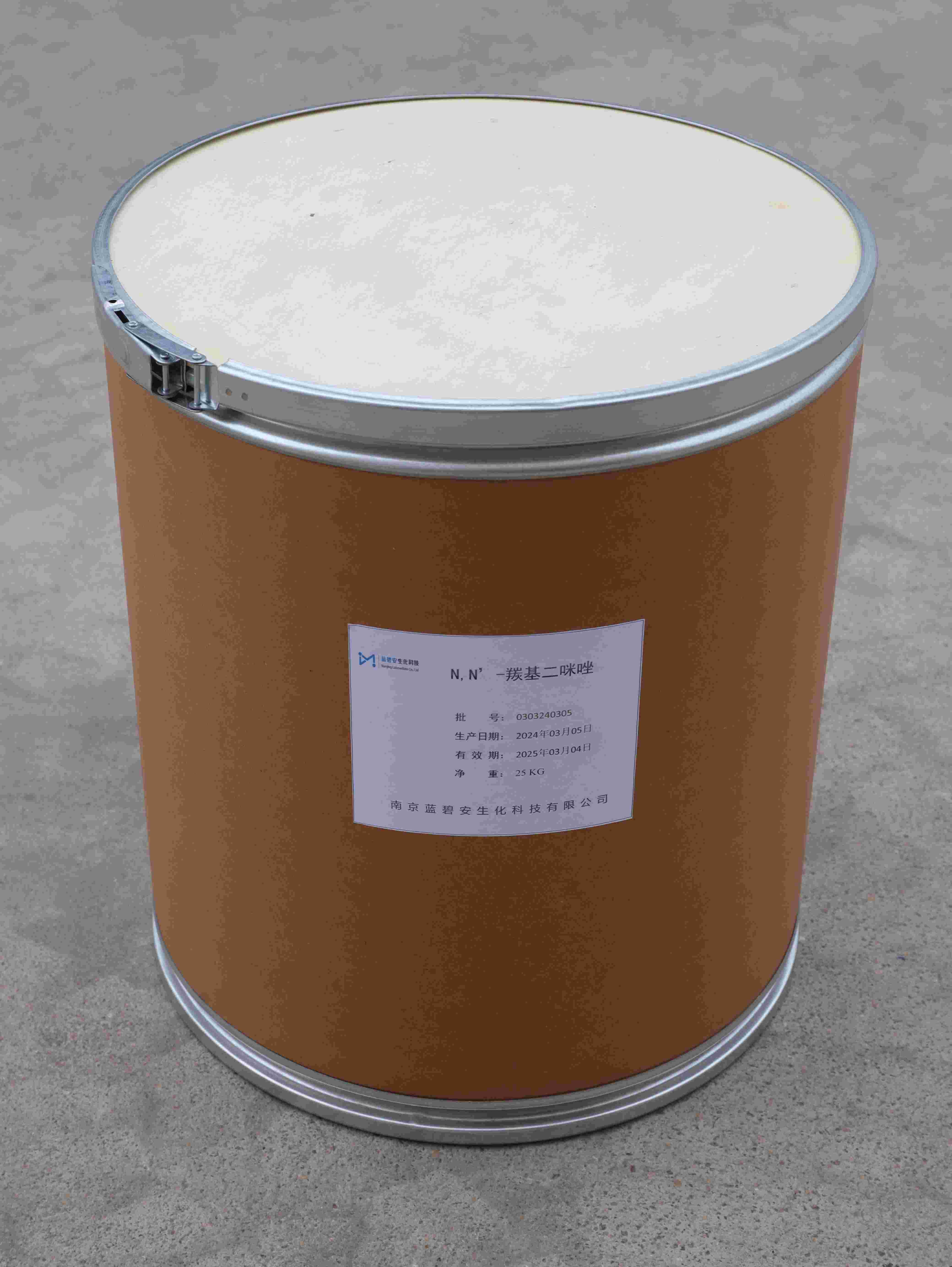
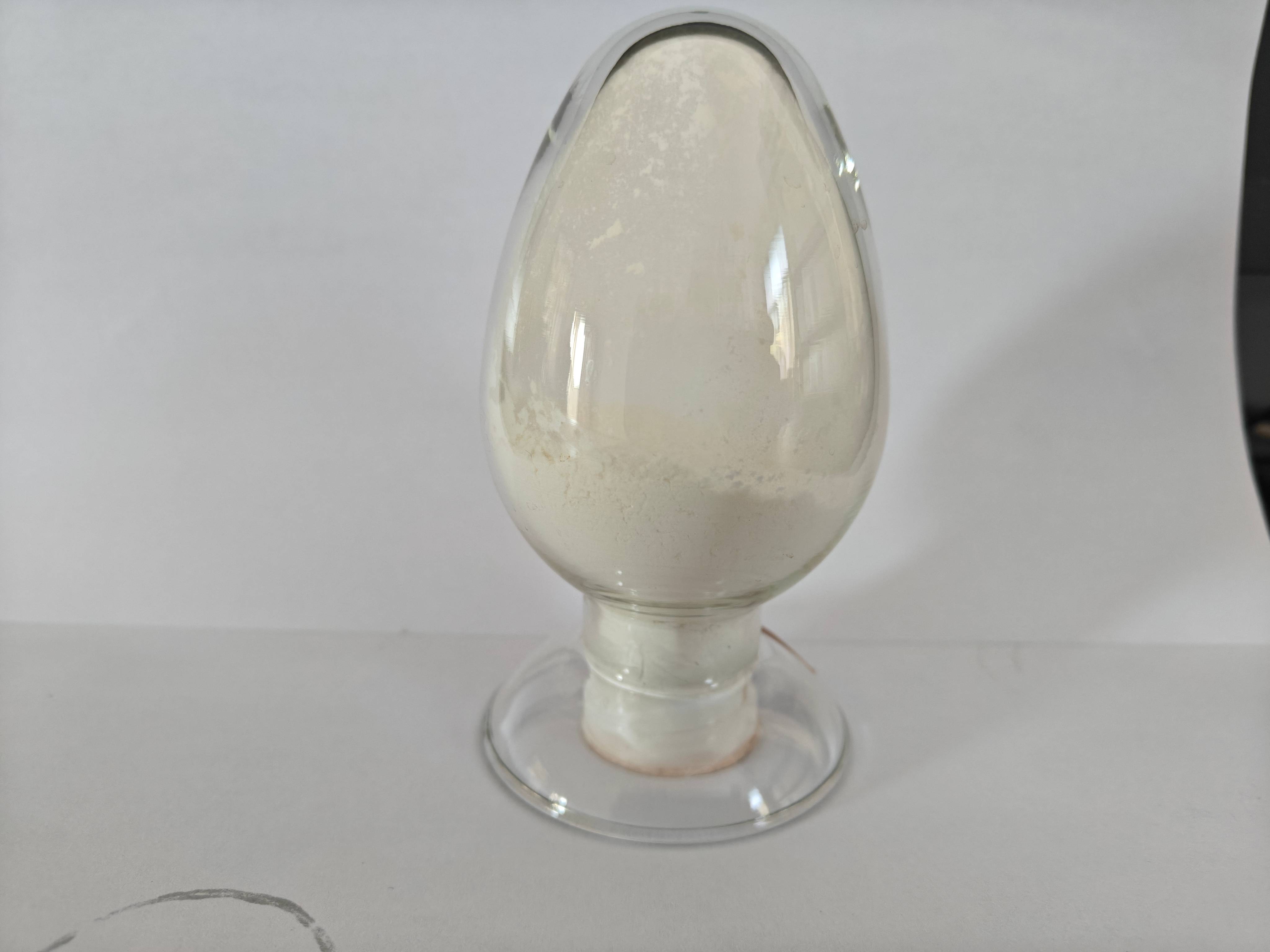
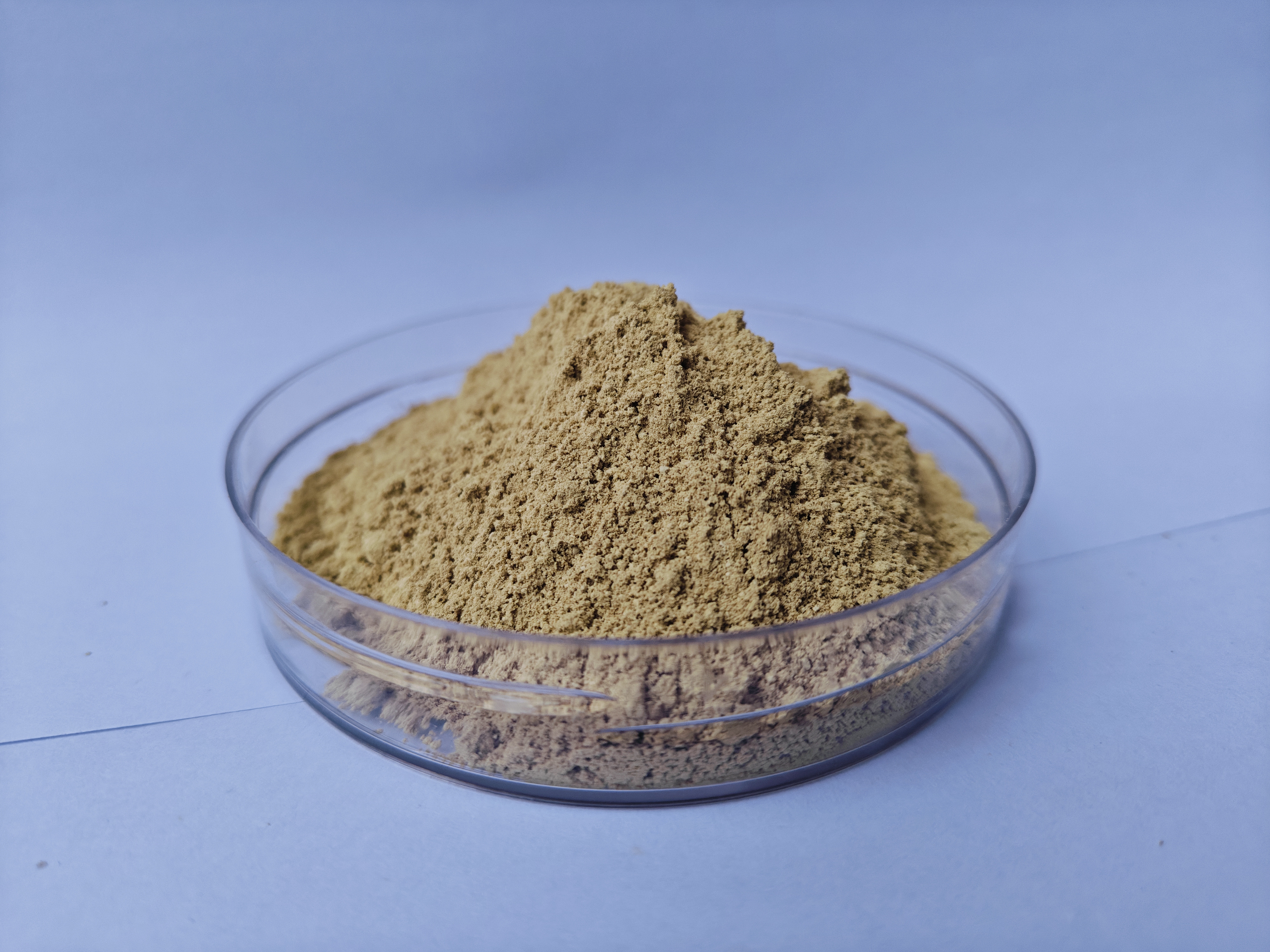
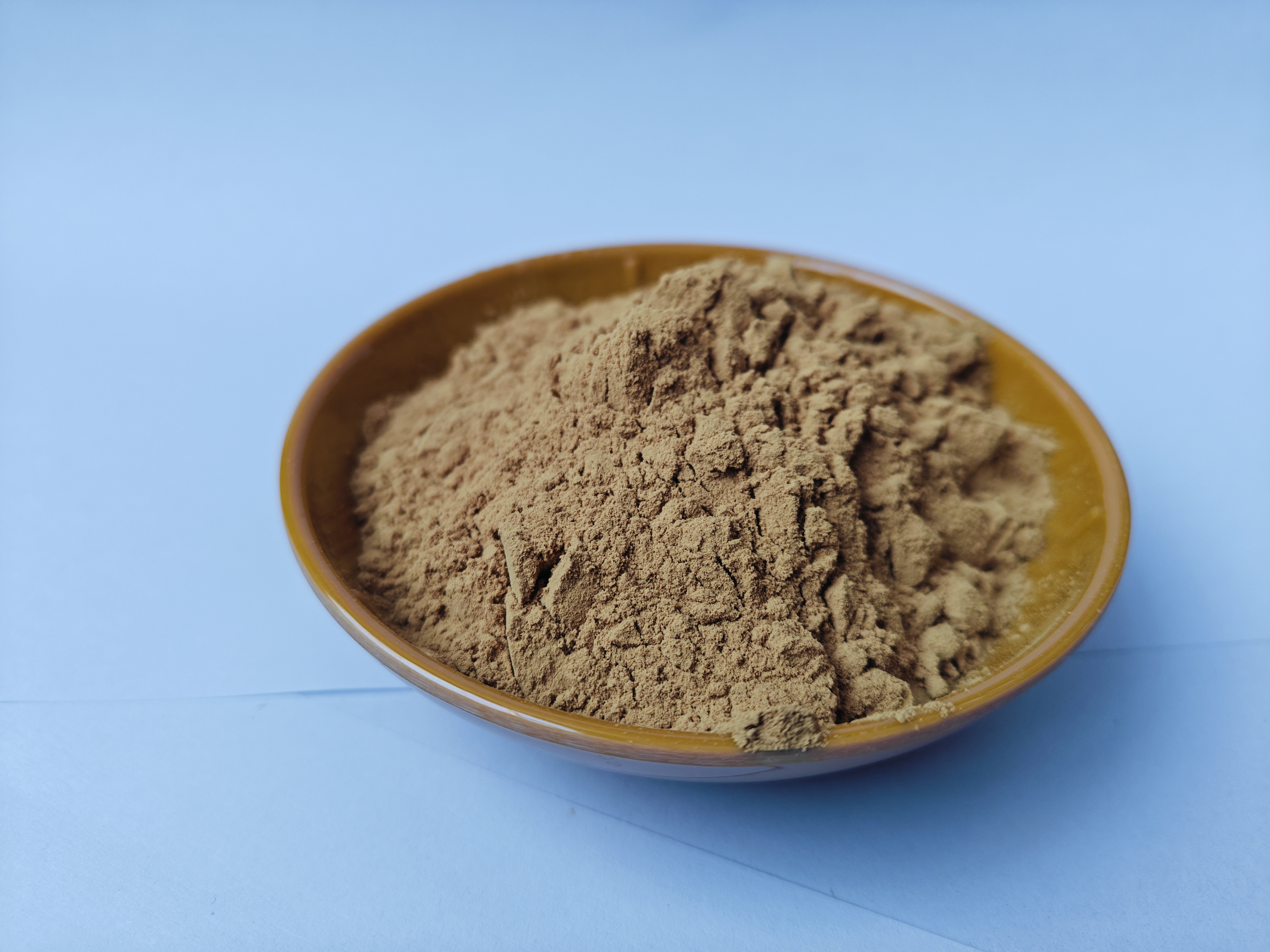
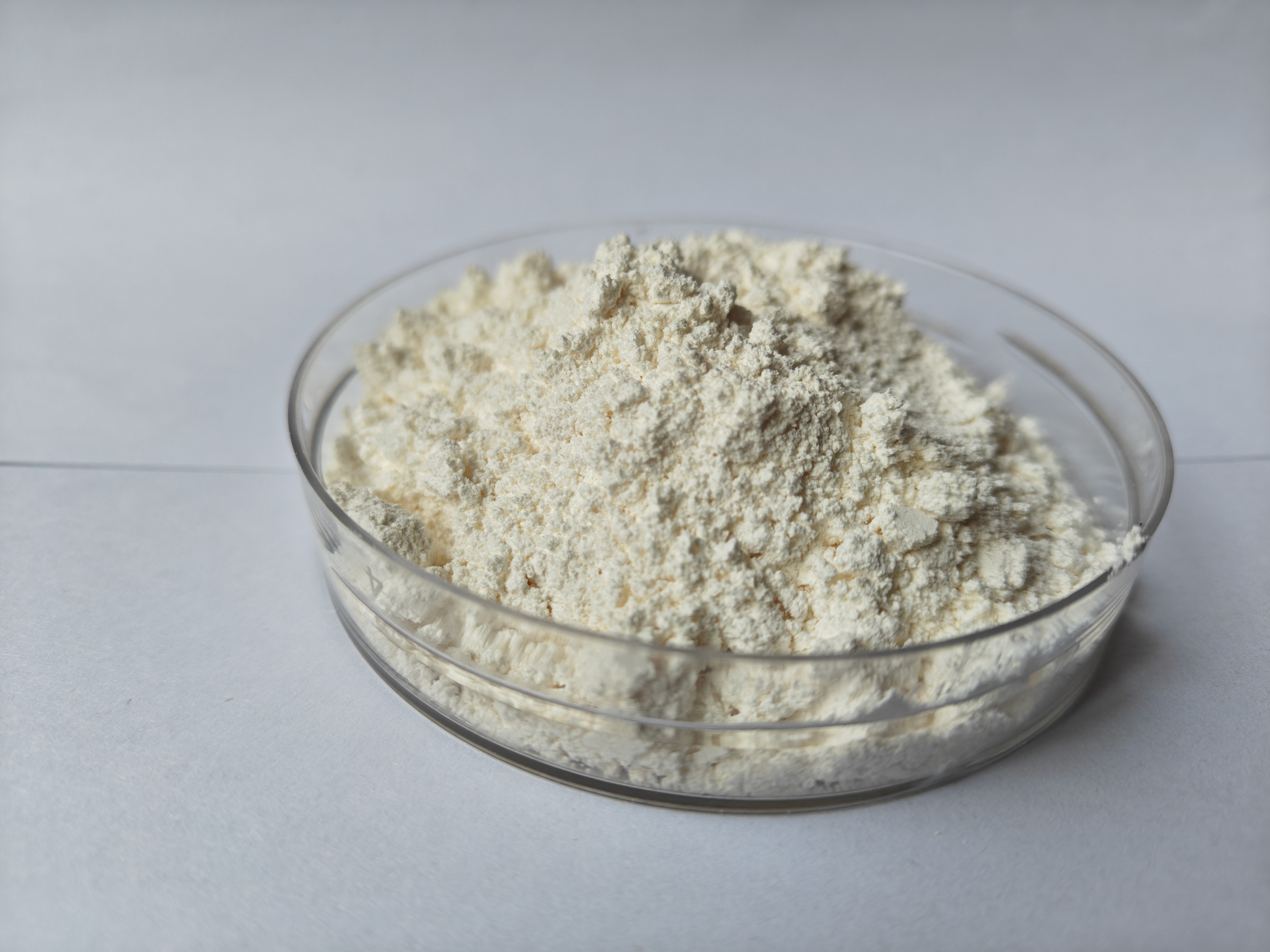
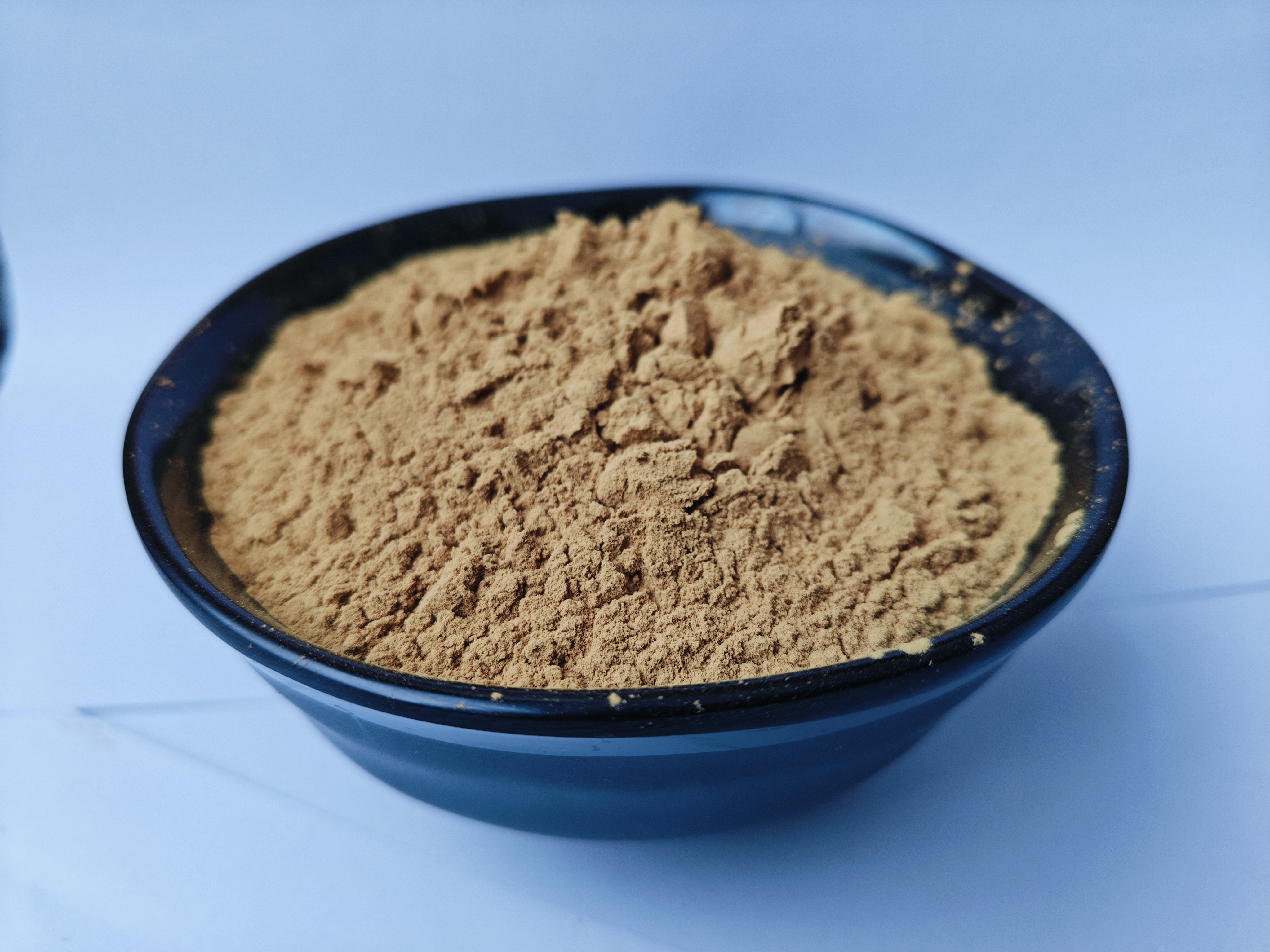
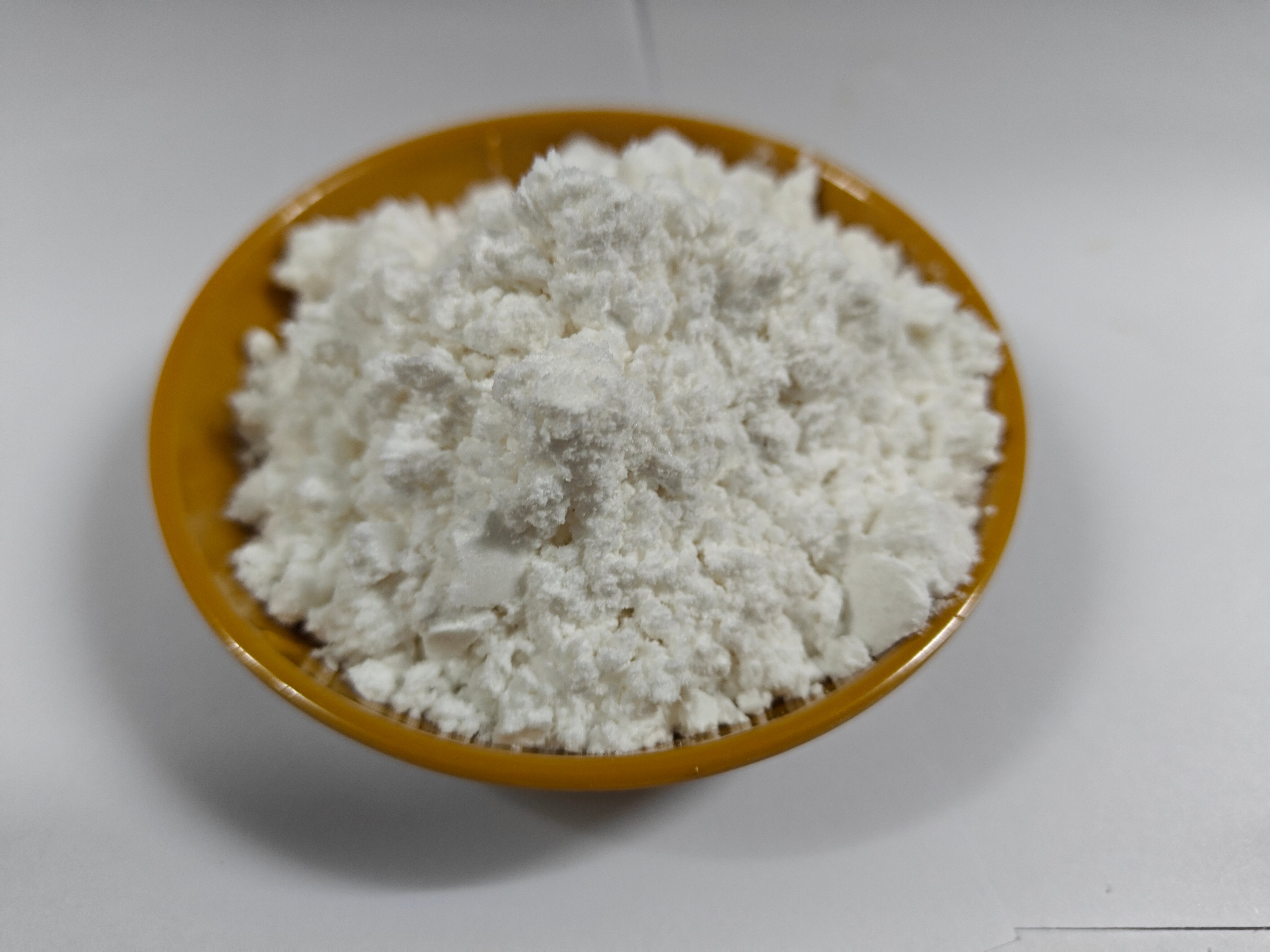
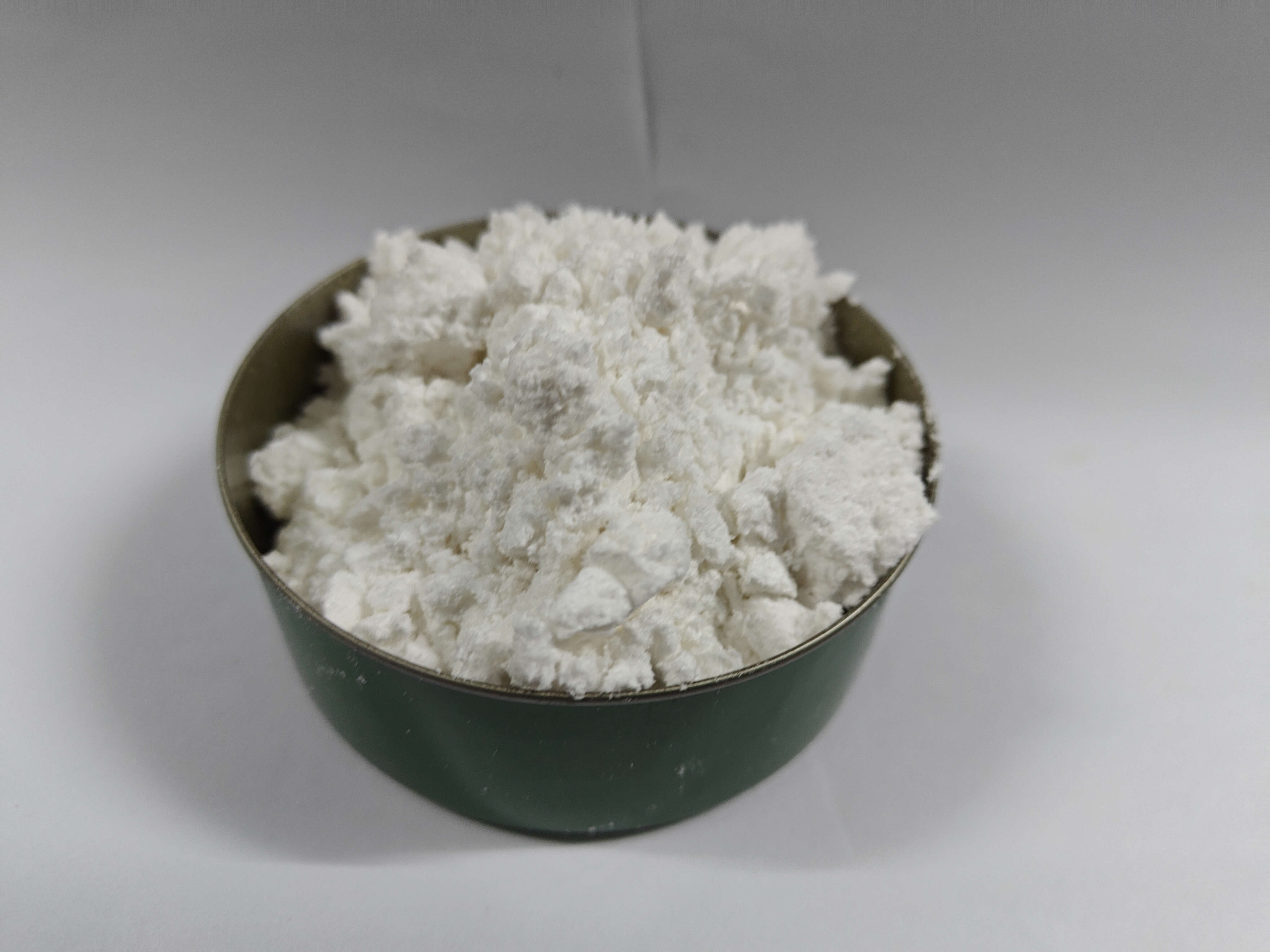
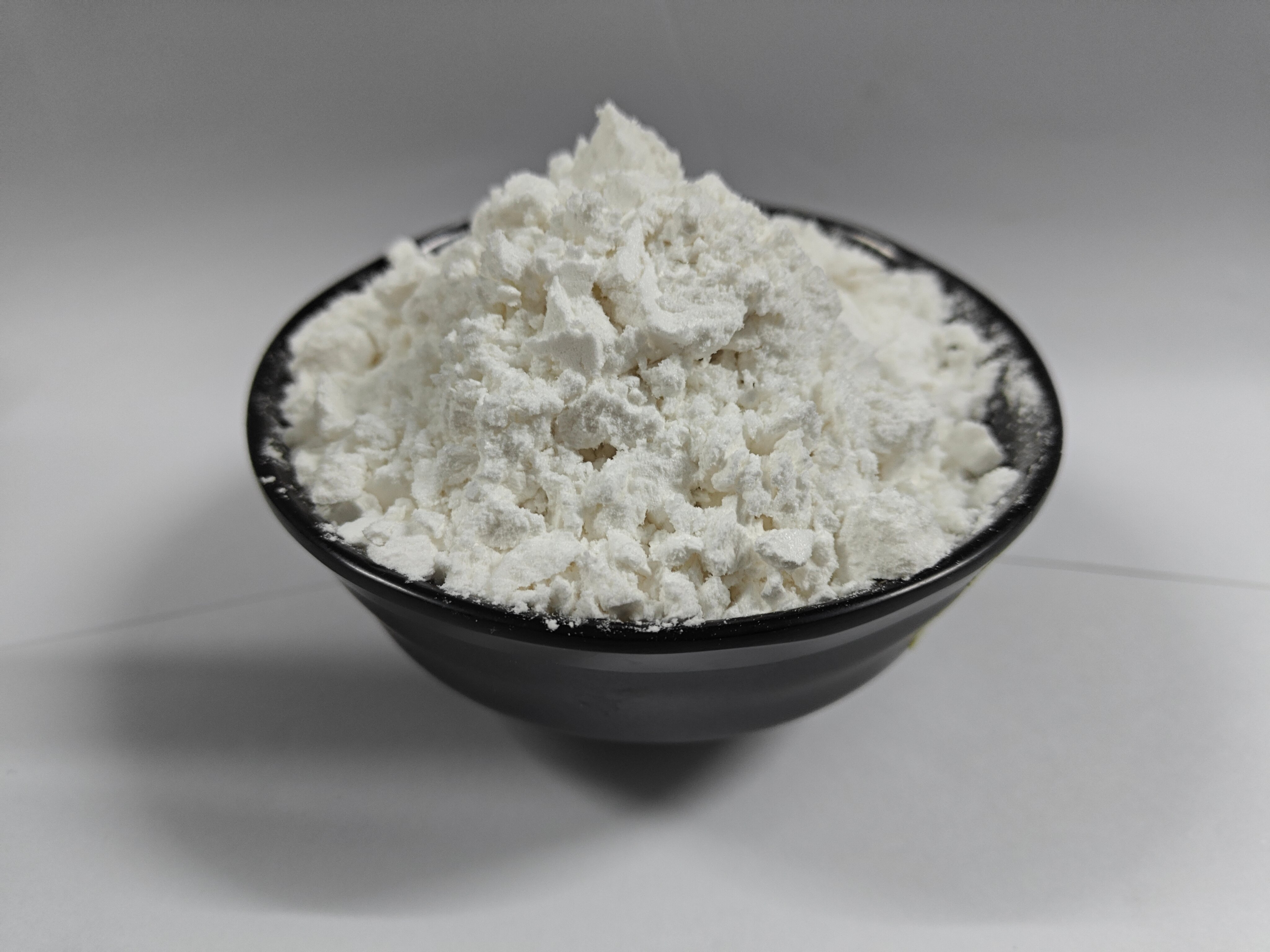
The CDI agrochemical intermediate, known chemically as Carbonyldiimidazole, serves as a critical building block in the synthesis of advanced crop protection products and plant health formulations. This versatile chemical compound plays an essential role in modern agricultural chemistry by facilitating the creation of complex molecular structures required for effective pesticides, herbicides, and fungicides. The CDI agrochemical intermediate functions primarily as a coupling agent and activating reagent, enabling efficient condensation reactions that form stable amide, ester, and carbamate bonds crucial to agrochemical manufacture. Its technological features include exceptional reactivity under mild conditions, high selectivity in coupling reactions, and compatibility with diverse functional groups commonly found in agrochemical synthesis pathways. The compound demonstrates superior performance in activating carboxylic acids for subsequent coupling with amines or alcohols, producing high-yield reactions with minimal byproduct formation. Manufacturing facilities utilize the CDI agrochemical intermediate in large-scale production processes where consistency, purity, and reaction efficiency are paramount. Applications extend across multiple agrochemical categories including insecticides for pest management, selective herbicides for weed control, and systemic fungicides for disease prevention. The intermediate proves particularly valuable in synthesizing active ingredients with complex structural requirements that demand precise chemical transformations. Its adoption in agrochemical manufacturing reflects industry demands for cleaner synthesis routes, improved atom economy, and reduced environmental impact during production processes, making the CDI agrochemical intermediate an indispensable component in contemporary agricultural chemical development.

New Product Releases

Choosing the CDI agrochemical intermediate delivers tangible operational benefits that directly impact your production efficiency and product quality. This coupling agent reduces reaction times significantly compared to traditional methods, allowing manufacturers to increase throughput without compromising product standards or expanding facility footprints. The mild reaction conditions required when using this intermediate translate to lower energy consumption and reduced operational costs, delivering measurable savings across production cycles. Your technical teams will appreciate how the CDI agrochemical intermediate simplifies complex synthesis procedures, eliminating multiple processing steps and reducing the potential for errors or contamination. The exceptional selectivity of this intermediate means you achieve higher conversion rates and purer end products, reducing waste disposal costs and improving your sustainability metrics. Buyers gain value through consistent batch-to-batch performance that ensures predictable outcomes and minimizes the need for costly rework or quality adjustments. The intermediate works effectively across a broad temperature range and tolerates various solvent systems, providing flexibility in adapting existing manufacturing protocols without major equipment modifications. Production planning becomes more straightforward because reactions proceed reliably and reach completion faster, enabling better resource allocation and inventory management. The CDI agrochemical intermediate proves suitable for both small-scale research applications and full commercial production, allowing seamless scaling from laboratory development to industrial manufacture. Its stability during storage and handling reduces losses from degradation, protecting your raw material investment. Decision-makers will find compelling evidence in the reduced regulatory burden associated with cleaner synthesis pathways that generate fewer hazardous byproducts. The practical advantages extend to improved worker safety due to milder reaction conditions and decreased exposure to harsh chemicals, supporting corporate health and safety objectives while maintaining competitive production economics.

Tips And Tricks

How Do Organophosphine Based Catalysts Enhance EMC Curing Performance?

12

Dec

How Do Organophosphine Based Catalysts Enhance EMC Curing Performance?

The electronics manufacturing industry has witnessed remarkable advancements in encapsulation materials, particularly in the realm of epoxy molding compounds (EMC). As semiconductor devices become increasingly sophisticated and miniaturized, the dema...
View More
How Can Selecting the Right Curing Agent for Epoxy Resins Improve Yield?

12

Feb

How Can Selecting the Right Curing Agent for Epoxy Resins Improve Yield?

The selection of an appropriate curing agent for epoxy resins represents one of the most critical decisions in industrial manufacturing processes, directly impacting product quality, processing efficiency, and overall production yield. Industrial man...
View More
Why Are Thermally Latent Catalysts Preferred by Leading EMC Producers?

05

Mar

Why Are Thermally Latent Catalysts Preferred by Leading EMC Producers?

Electronic manufacturing companies worldwide have increasingly turned to advanced chemical solutions to optimize their production processes and enhance product reliability. Among these innovative solutions, thermally latent catalysts have emerged as ...
View More
What Makes Thermally Latent Catalysts Essential for Reliable Chip Packaging Solutions?

05

Mar

What Makes Thermally Latent Catalysts Essential for Reliable Chip Packaging Solutions?

In the rapidly evolving semiconductor industry, achieving reliable and efficient chip packaging requires advanced materials that can withstand extreme processing conditions while maintaining optimal performance. Thermally latent catalysts have emerge...
View More

Get a Free Quote

Our representative will contact you soon.
Email
Name
Company Name
Message
0/1000

CDI agrochemical intermediate

Superior Coupling Efficiency for Complex Agrochemical Synthesis

Superior Coupling Efficiency for Complex Agrochemical Synthesis

The CDI agrochemical intermediate excels in facilitating difficult coupling reactions that form the backbone of modern pesticide and herbicide active ingredients. Its unique molecular structure activates carboxylic acid groups with remarkable efficiency, creating reactive intermediates that readily combine with nucleophiles to form stable chemical bonds. This capability proves essential when synthesizing agrochemicals with sensitive functional groups that would degrade under harsher activation methods. Manufacturers benefit from conversion rates consistently exceeding conventional coupling agents, directly improving yield economics and reducing raw material waste. The intermediate operates effectively at room temperature or with gentle heating, preserving delicate molecular structures within target compounds while achieving complete reactions. This efficiency advantage becomes particularly valuable when producing high-value agrochemical actives where every percentage point of yield improvement contributes substantially to profitability. Technical teams appreciate the predictable reaction kinetics that enable accurate process timing and control, supporting quality management systems and regulatory compliance documentation. The superior coupling performance of the CDI agrochemical intermediate ultimately translates to faster time-to-market for new agrochemical formulations and more competitive manufacturing costs for established products.
Enhanced Safety Profile and Environmental Compatibility

Enhanced Safety Profile and Environmental Compatibility

Safety considerations make the CDI agrochemical intermediate an increasingly preferred choice for responsible agrochemical manufacturers committed to protecting workers and minimizing environmental impact. Unlike traditional coupling reagents that require extreme pH conditions or generate toxic byproducts, this intermediate produces primarily carbon dioxide and imidazole as reaction byproducts, both of which present minimal hazard concerns and simplify waste treatment protocols. The absence of harsh acids or bases in reactions using the CDI agrochemical intermediate reduces equipment corrosion, extends asset lifespan, and decreases maintenance requirements. Facility managers value the reduced personal protective equipment demands and simplified emergency response procedures associated with handling this intermediate compared to more hazardous alternatives. The compound's stability under normal storage conditions eliminates concerns about dangerous decomposition or spontaneous reactions that plague some reactive chemicals. Environmental compliance becomes more manageable as cleaner synthesis routes reduce the volume and toxicity of waste streams requiring treatment or disposal. Organizations pursuing green chemistry initiatives find the CDI agrochemical intermediate aligns well with sustainability goals while maintaining the performance standards essential for commercial viability. This improved safety profile supports corporate social responsibility objectives and strengthens relationships with regulators, communities, and customers increasingly focused on environmental stewardship.
Versatile Application Across Multiple Agrochemical Classes

Versatile Application Across Multiple Agrochemical Classes

The CDI agrochemical intermediate demonstrates remarkable versatility by supporting synthesis pathways for diverse agrochemical product categories, making it a valuable multi-purpose reagent for integrated manufacturing operations. Whether producing carbamate insecticides, urea herbicides, or complex fungicide structures, this intermediate adapts to various synthetic routes without requiring specialized handling or dedicated equipment. Research chemists developing novel agrochemical candidates appreciate how the CDI agrochemical intermediate enables exploration of diverse molecular architectures during lead optimization studies. The compatibility with different functional groups and protection strategies provides synthetic flexibility that accelerates development timelines and expands the chemical space accessible for innovation. Production facilities manufacturing multiple agrochemical products benefit from inventory simplification and reduced supplier management complexity by consolidating around this versatile intermediate. The consistent performance across different reaction types reduces validation requirements when transferring processes between products or production campaigns. Technical support becomes more straightforward when operators develop expertise with a single intermediate applicable to multiple products rather than mastering numerous specialized reagents. This versatility translates directly to business advantages through improved asset utilization, reduced working capital tied up in diverse chemical inventories, and enhanced manufacturing agility to respond to market demand shifts across different agrochemical segments.

Get a Free Quote

Our representative will contact you soon.
Email
Name
Company Name
Message
0/1000