Comprehensive Guide to Epoxy Resin Curing Agent Prices: Market Analysis and Value Optimization

All Categories

epoxy resin curing agent prices

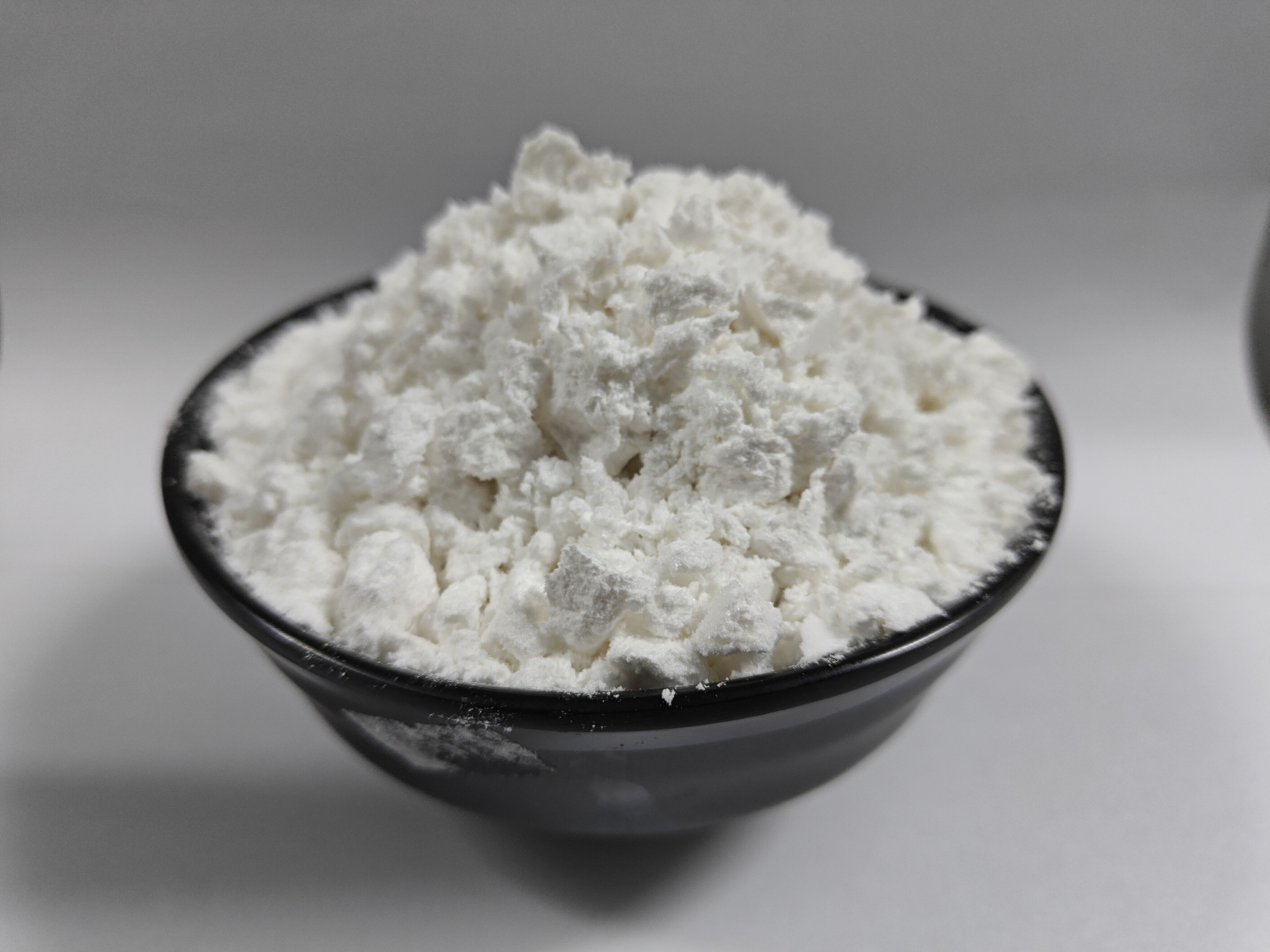
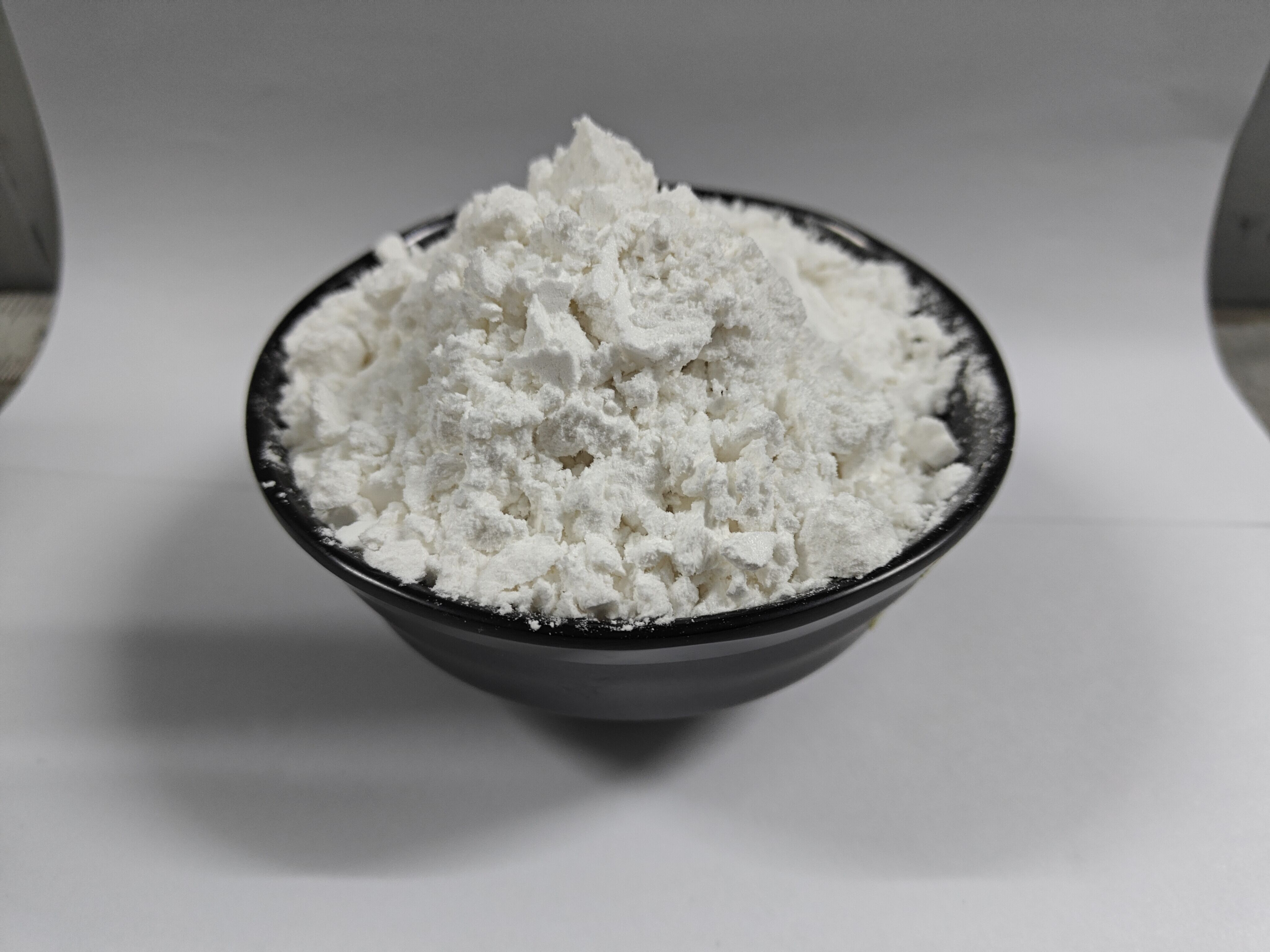
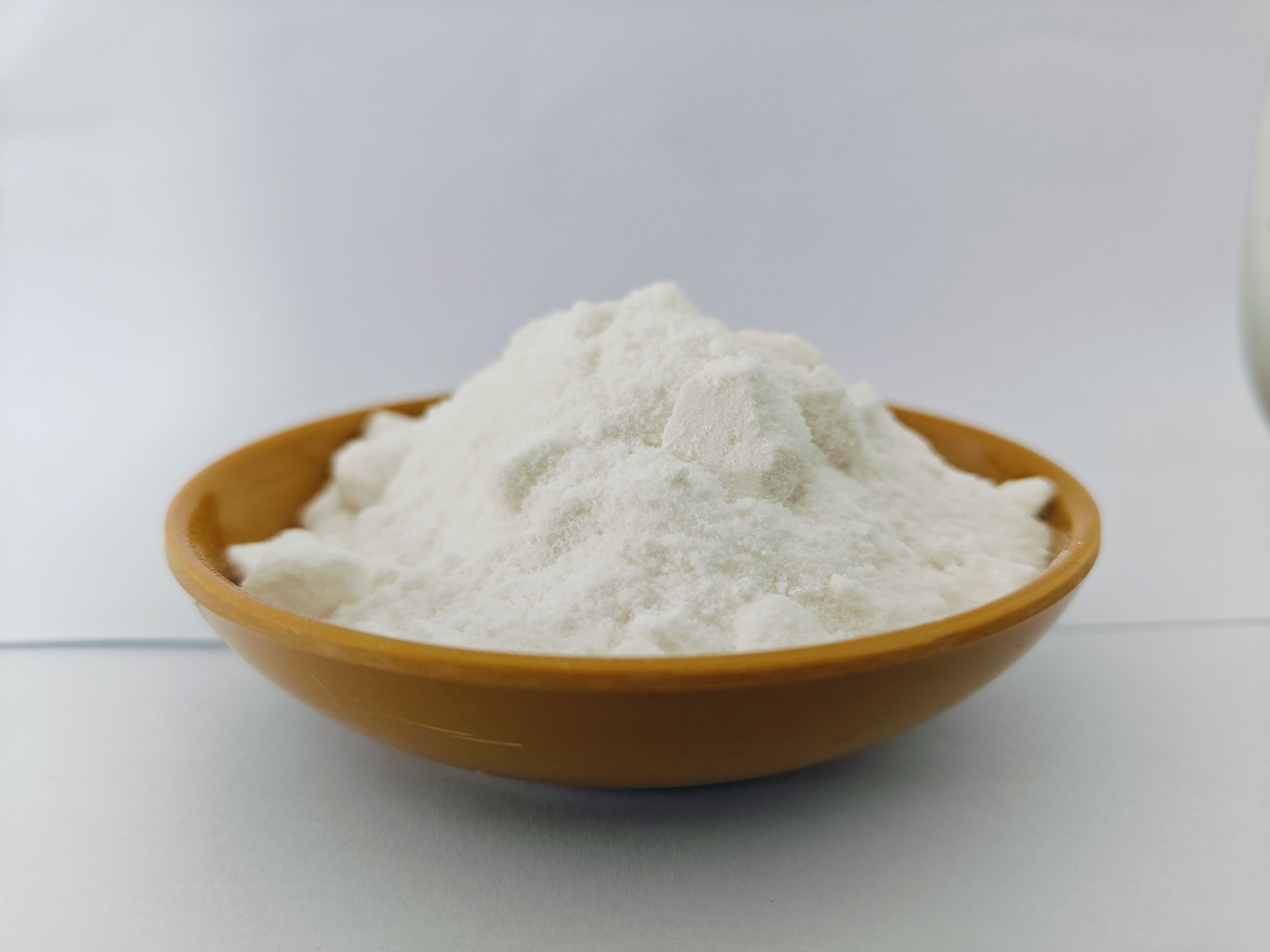
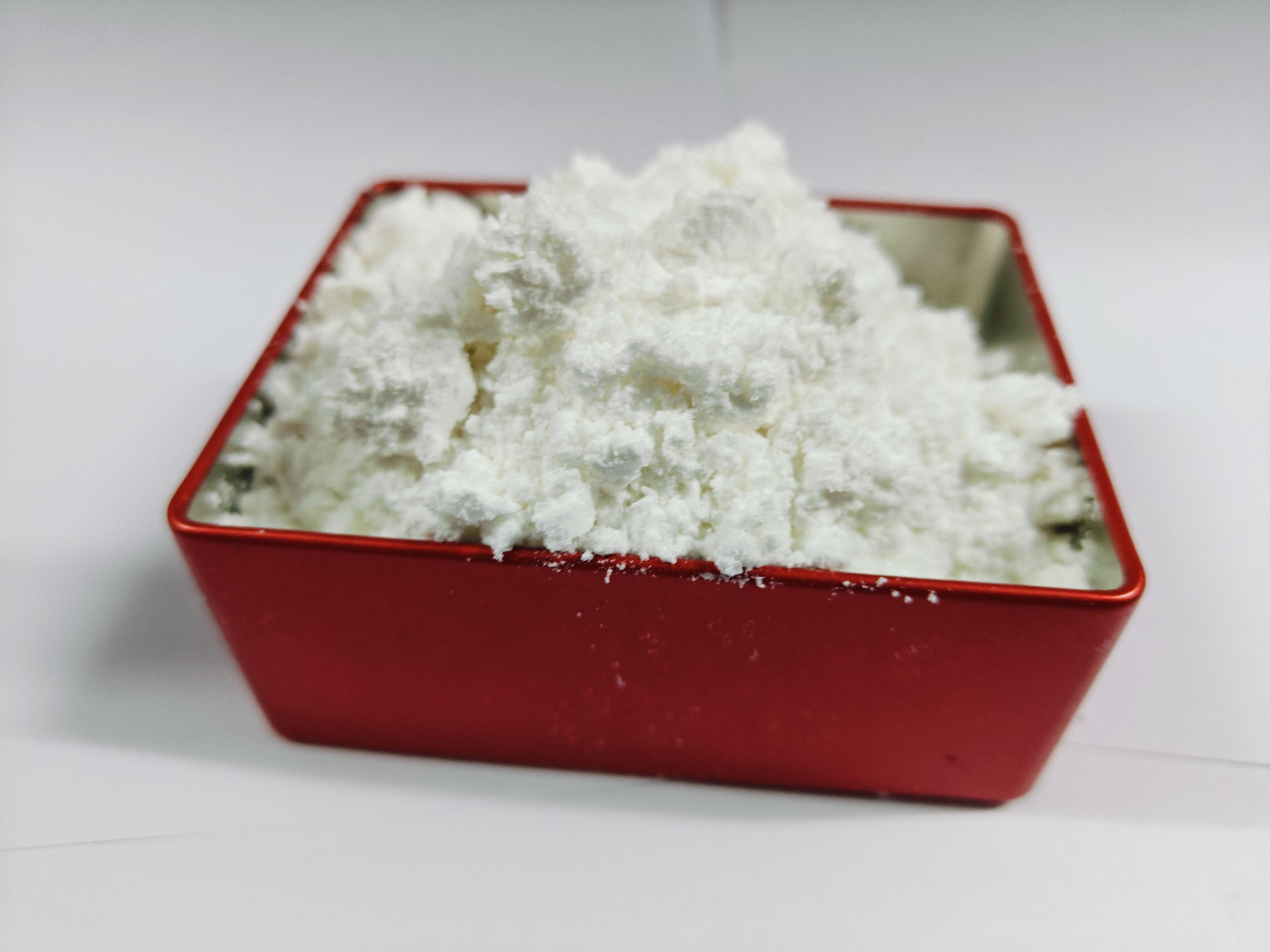
Epoxy resin curing agent prices reflect the complex interplay of market dynamics and manufacturing processes in the adhesive industry. These essential components play a crucial role in transforming liquid epoxy resins into durable, cross-linked polymers. The pricing structure typically varies based on several factors, including raw material costs, manufacturing scale, and market demand. High-performance curing agents, which offer enhanced chemical resistance and thermal stability, generally command premium prices due to their sophisticated formulation processes. The market sees variations in prices across different types, from amine-based curing agents to polyamides and anhydrides, each offering specific curing characteristics and performance attributes. Industrial-grade curing agents used in construction and automotive applications often have different price points compared to those used in specialty applications like aerospace or electronics. The global supply chain dynamics, including raw material availability and transportation costs, significantly influence the final pricing. Manufacturers often provide various packaging options, from bulk quantities for industrial users to smaller units for specialized applications, with pricing adjustments reflecting these differences in volume and packaging requirements.


New Product Recommendations

The strategic pricing of epoxy resin curing agents offers several compelling advantages for businesses across various industries. Firstly, the scalable pricing structure allows companies to optimize their production costs by choosing appropriate package sizes and quantities that match their specific needs. This flexibility in pricing enables both small-scale operations and large industrial users to access high-quality curing agents without unnecessary overhead. Additionally, the competitive pricing landscape has driven manufacturers to develop more efficient formulations, resulting in improved performance-to-cost ratios. The availability of different price points for various grades of curing agents enables businesses to select products that precisely match their application requirements and budget constraints. Modern pricing strategies often include volume discounts and long-term supply agreements, helping businesses maintain consistent production costs while ensuring steady supply. The market's pricing structure also reflects the technical advancements in curing agent technology, with premium products offering enhanced features like faster cure times, better chemical resistance, and improved environmental compliance. This tiered pricing approach allows companies to make informed decisions based on their specific performance requirements and economic considerations. Furthermore, the transparent pricing models adopted by many suppliers help businesses in better planning and forecasting their material costs, while the availability of multiple suppliers ensures competitive pricing and reliable supply chains.

Practical Tips

How Do CDI Amide Bonds Improve Reaction Efficiency in Organic Chemistry?

17

Jul

How Do CDI Amide Bonds Improve Reaction Efficiency in Organic Chemistry?

Unlocking Greater Efficiency in Amide Bond Formation In organic synthesis, amide bond formation remains a fundamental reaction, especially in pharmaceutical, polymer, and peptide chemistry. Chemists are constantly seeking reliable and effective reag...
View More
Why Should You Choose CDI Coupling Reagents for Peptide Synthesis?

17

Jul

Why Should You Choose CDI Coupling Reagents for Peptide Synthesis?

Elevating Peptide Synthesis With Modern Chemical Solutions Peptide synthesis has advanced significantly over the past few decades, thanks to innovations in chemical reagents and synthetic methods. In both academic and industrial laboratories, the se...
View More
How Do EMC Curing Catalysts Enhance Product Reliability and Stability?

21

Oct

How Do EMC Curing Catalysts Enhance Product Reliability and Stability?

Understanding the Critical Role of Epoxy Molding Compound Catalysts in Electronics The electronics manufacturing industry relies heavily on epoxy molding compounds (EMC) to protect sensitive components from environmental factors and ensure long-term ...
View More
What Are the Key Applications of CDI Coupling Reagent in Organic Synthesis?

21

Oct

What Are the Key Applications of CDI Coupling Reagent in Organic Synthesis?

Understanding the Versatility of CDI in Modern Organic Chemistry In the realm of organic synthesis, CDI coupling reagent (1,1'-Carbonyldiimidazole) has emerged as an indispensable tool for chemists worldwide. This powerful coupling agent has revoluti...
View More

Get a Free Quote

Our representative will contact you soon.
Email
Name
Company Name
Message
0/1000

epoxy resin curing agent prices

Cost-Effective Performance Solutions

Cost-Effective Performance Solutions

The pricing structure of epoxy resin curing agents demonstrates a clear correlation between cost and performance capabilities. This relationship enables businesses to optimize their investment by selecting products that deliver the exact level of performance required for their specific applications. High-volume industrial users benefit from economies of scale, with bulk pricing options that significantly reduce per-unit costs while maintaining quality standards. The availability of different price points for various grades of curing agents allows companies to balance their performance requirements with budget constraints effectively. This flexibility in pricing helps businesses maintain competitive advantages in their respective markets while ensuring product quality meets or exceeds industry standards.
Market-Responsive Pricing Dynamics

Market-Responsive Pricing Dynamics

The epoxy resin curing agent market features dynamic pricing mechanisms that respond to global supply and demand fluctuations. This responsiveness ensures that prices remain competitive while reflecting true market conditions. Manufacturers often implement strategic pricing models that account for raw material costs, production efficiencies, and market competition. The pricing structure also accommodates seasonal variations and regional differences in demand, allowing for optimized distribution and inventory management. This market-driven approach helps maintain price stability while ensuring consistent product availability for end-users.
Value-Added Pricing Strategies

Value-Added Pricing Strategies

Modern pricing strategies for epoxy resin curing agents incorporate value-added services and technical support, providing customers with comprehensive solutions rather than just products. These strategies often include access to technical expertise, custom formulation services, and application support, all factored into competitive pricing packages. The pricing structure reflects the total value proposition, including product quality, technical support, and supply chain reliability. This comprehensive approach helps customers achieve better overall value for their investment while ensuring optimal product performance in their specific applications.

Get a Free Quote

Our representative will contact you soon.
Email
Name
Company Name
Message
0/1000