Advanced Latent Curing Agents for Epoxy Resin Systems: Enhanced Control and Performance

All Categories

latent curing agent for epoxy resin

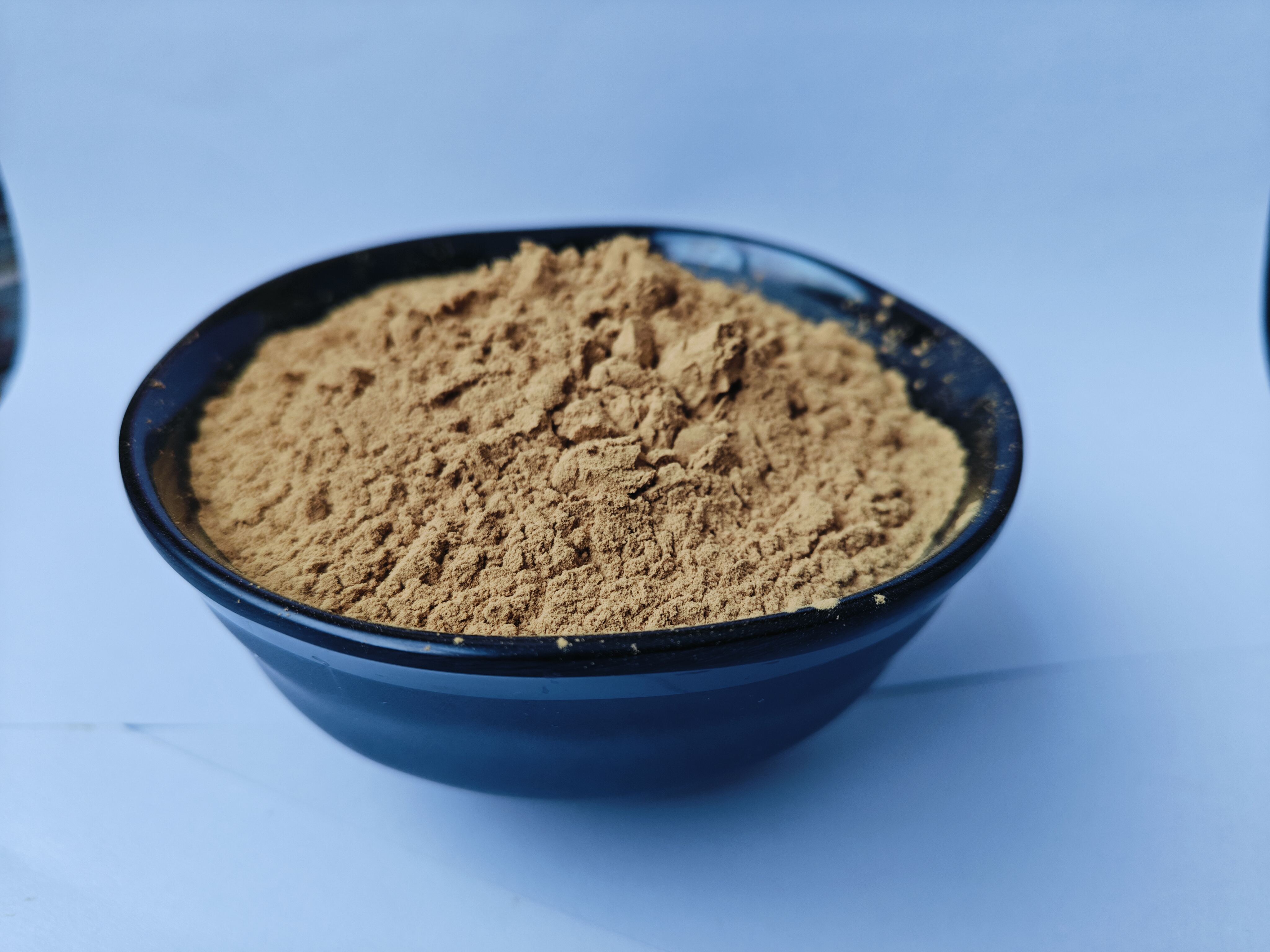
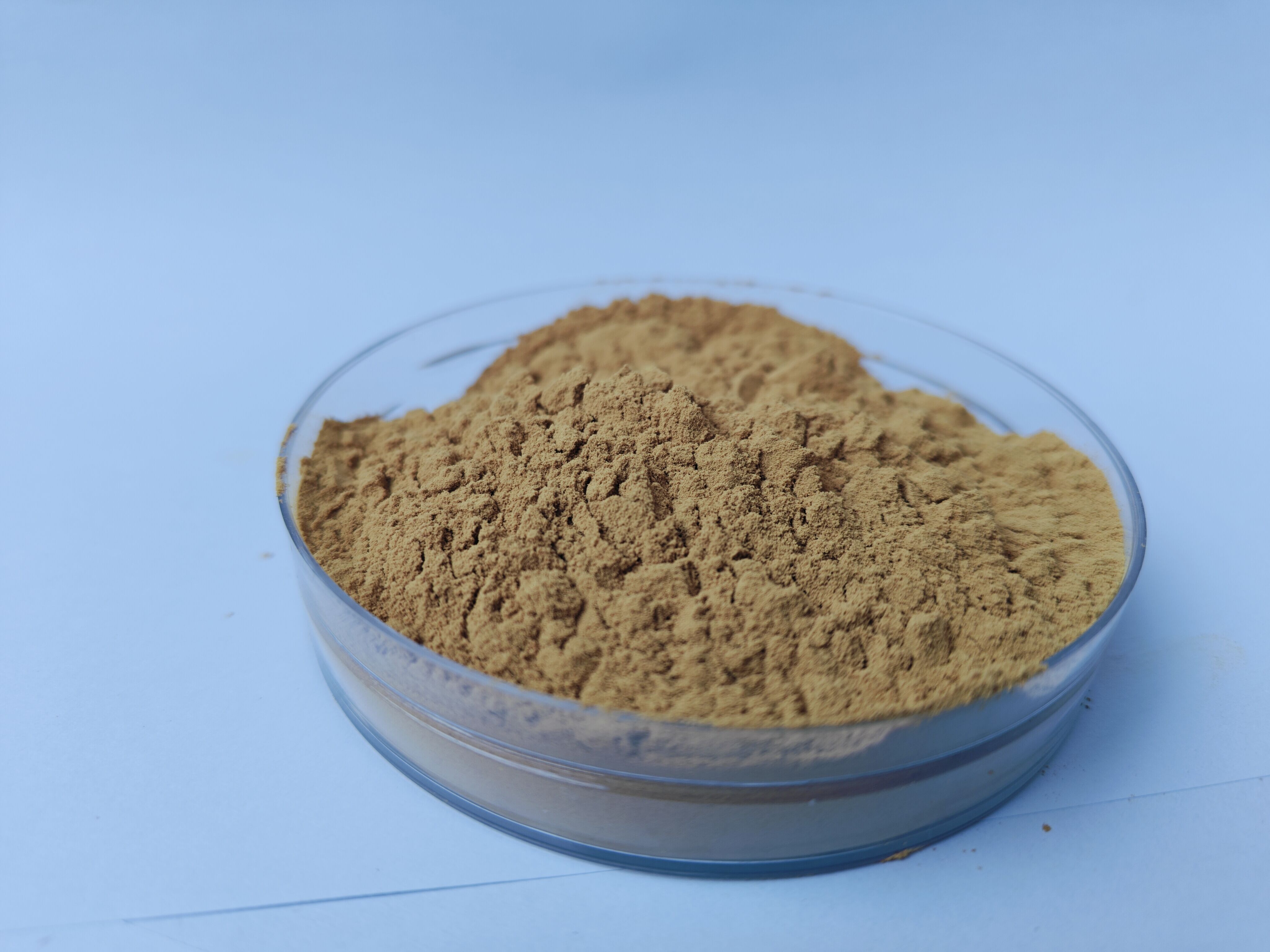
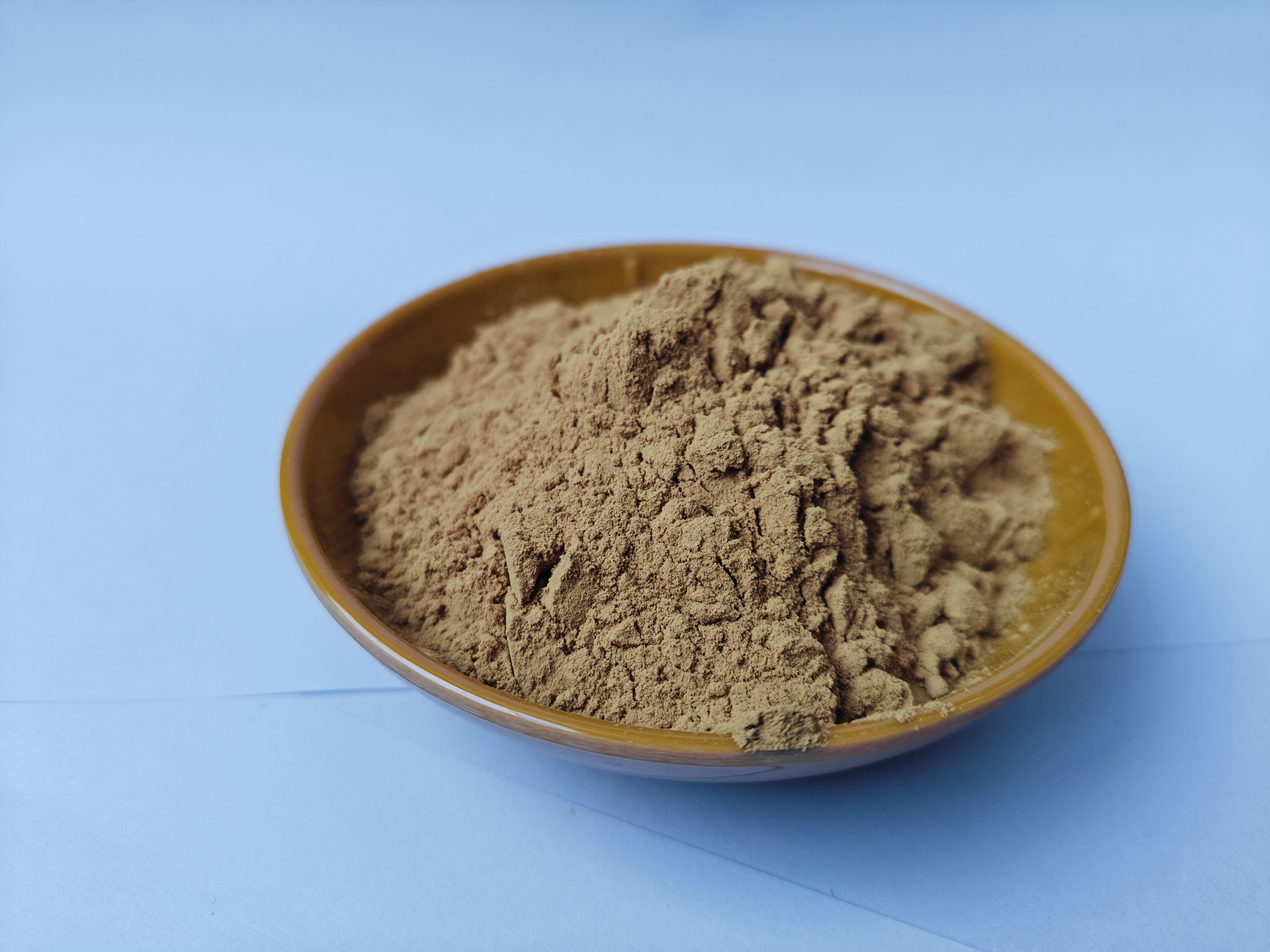
A latent curing agent for epoxy resin represents a groundbreaking advancement in polymer technology, offering controlled and precise curing mechanisms for various industrial applications. This specialized chemical compound remains dormant at room temperature but activates when exposed to specific conditions such as heat, pressure, or UV radiation. The technology enables manufacturers to achieve extended pot life while maintaining rapid cure capabilities when needed. These agents are engineered to provide stable one-component systems, eliminating the need for immediate mixing and application typically required with traditional two-component epoxy systems. The chemical composition typically includes advanced molecular structures that break down at predetermined temperatures, initiating the cross-linking process essential for proper epoxy curing. This characteristic makes them particularly valuable in applications requiring precise timing and controlled curing processes, such as electronic components, automotive assembly, and aerospace materials. The latent curing agents also contribute to improved storage stability, enhanced mechanical properties, and superior end-product performance across various temperature ranges.


New Product Releases

The implementation of latent curing agents in epoxy resin systems offers numerous practical benefits that significantly enhance manufacturing efficiency and product quality. First, these agents provide unprecedented control over the curing process, allowing manufacturers to store pre-mixed formulations for extended periods without degradation. This feature dramatically reduces waste and improves production planning flexibility. The single-component nature of these systems eliminates mixing errors and ensures consistent product quality, leading to fewer defects and improved reliability. Manufacturing efficiency sees a substantial boost as the need for precise mixing ratios and immediate application is eliminated. The controlled activation temperature means that products can be shipped and stored safely without premature curing, expanding distribution possibilities and reducing logistics constraints. Additionally, these agents enable faster production cycles once activated, as they can be designed to cure rapidly at specific temperatures, optimizing manufacturing throughput. The improved mechanical properties achieved through controlled curing result in superior product performance, including better adhesion, increased durability, and enhanced chemical resistance. Energy efficiency is another significant advantage, as the precise activation temperature allows for optimized curing schedules that minimize energy consumption. The technology also supports sustainable manufacturing practices by reducing material waste and improving production yield.

Latest News

How Do CDI Amide Bonds Improve Reaction Efficiency in Organic Chemistry?

17

Jul

How Do CDI Amide Bonds Improve Reaction Efficiency in Organic Chemistry?

Unlocking Greater Efficiency in Amide Bond Formation In organic synthesis, amide bond formation remains a fundamental reaction, especially in pharmaceutical, polymer, and peptide chemistry. Chemists are constantly seeking reliable and effective reag...
View More
How to Select the Best EMC Curing Accelerator for Your Application?

05

Aug

How to Select the Best EMC Curing Accelerator for Your Application?

Optimizing Curing Efficiency in Epoxy Molding Compounds Epoxy molding compounds (EMC) are essential materials in the electronics industry, widely used for encapsulating semiconductor devices to protect them from moisture, dust, and mechanical stress....
View More
How Does CDI Coupling Reagent Simplify Amide Bond Formation in Labs?

21

Oct

How Does CDI Coupling Reagent Simplify Amide Bond Formation in Labs?

Understanding the Revolutionary Impact of CDI in Chemical Synthesis In modern organic chemistry laboratories, the formation of amide bonds represents a crucial reaction pathway that underlies countless synthetic processes. The introduction of CDI cou...
View More
What Are the Key Applications of CDI Coupling Reagent in Organic Synthesis?

21

Oct

What Are the Key Applications of CDI Coupling Reagent in Organic Synthesis?

Understanding the Versatility of CDI in Modern Organic Chemistry In the realm of organic synthesis, CDI coupling reagent (1,1'-Carbonyldiimidazole) has emerged as an indispensable tool for chemists worldwide. This powerful coupling agent has revoluti...
View More

Get a Free Quote

Our representative will contact you soon.
Email
Name
Company Name
Message
0/1000

latent curing agent for epoxy resin

Superior Storage Stability and Handling

Superior Storage Stability and Handling

The exceptional storage stability of latent curing agents revolutionizes epoxy resin handling and logistics management. These advanced formulations maintain their chemical integrity at room temperature for extended periods, often exceeding six months under proper storage conditions. This remarkable stability eliminates the traditional challenges associated with premature curing and allows manufacturers to maintain larger inventory levels without risking material degradation. The enhanced handling characteristics enable more efficient production planning and reduce the need for frequent small-batch mixing, resulting in significant cost savings and improved operational efficiency. Furthermore, the stable nature of these systems minimizes health and safety risks associated with handling reactive chemicals, creating a safer working environment for personnel.
Precise Curing Control and Activation

Precise Curing Control and Activation

The sophisticated molecular design of latent curing agents provides unprecedented control over the epoxy curing process. These agents remain inactive until exposed to specific activation conditions, typically elevated temperatures or other controlled stimuli. This precise control mechanism allows manufacturers to optimize their production processes by programming exact curing schedules that match their specific requirements. The ability to fine-tune activation parameters ensures consistent product quality and enables the development of complex composite structures with precise dimensional stability. The controlled curing process also minimizes internal stresses and helps prevent common defects such as warping or incomplete cure, resulting in superior end-product quality.
Enhanced Performance Characteristics

Enhanced Performance Characteristics

Latent curing agents significantly improve the final performance characteristics of cured epoxy systems. The controlled curing process leads to more complete cross-linking, resulting in superior mechanical properties including enhanced tensile strength, improved impact resistance, and better chemical resistance. These improvements translate directly into longer product lifespans and better reliability in demanding applications. The technology also enables the achievement of specific glass transition temperatures and thermal stability profiles, making these systems ideal for high-performance applications in electronics, aerospace, and automotive industries. The enhanced performance characteristics extend to improved adhesion properties and reduced shrinkage, ensuring better dimensional stability and stronger bonds in composite materials and adhesive applications.

Get a Free Quote

Our representative will contact you soon.
Email
Name
Company Name
Message
0/1000