CDI pharmaceutical intermediate
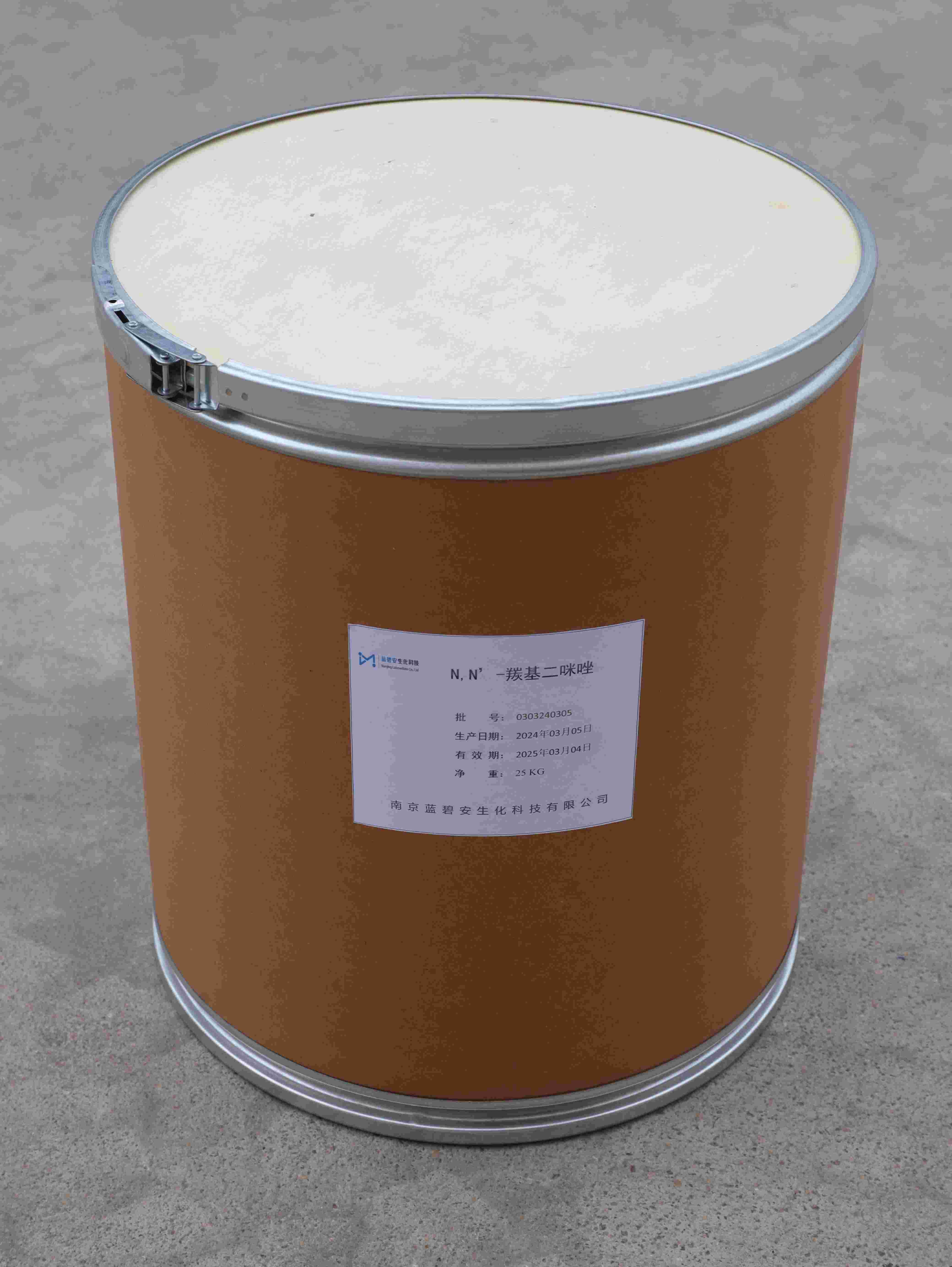
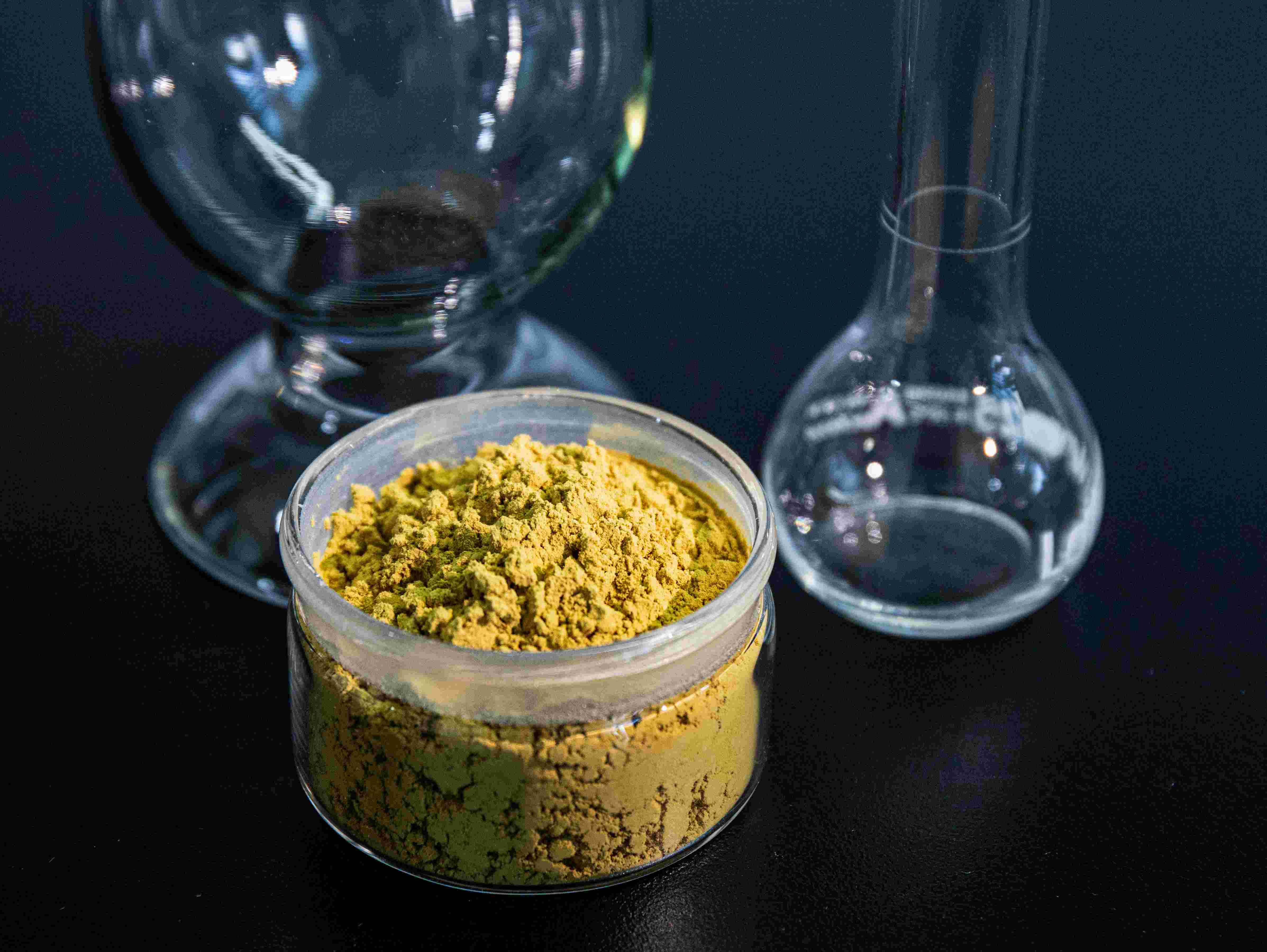
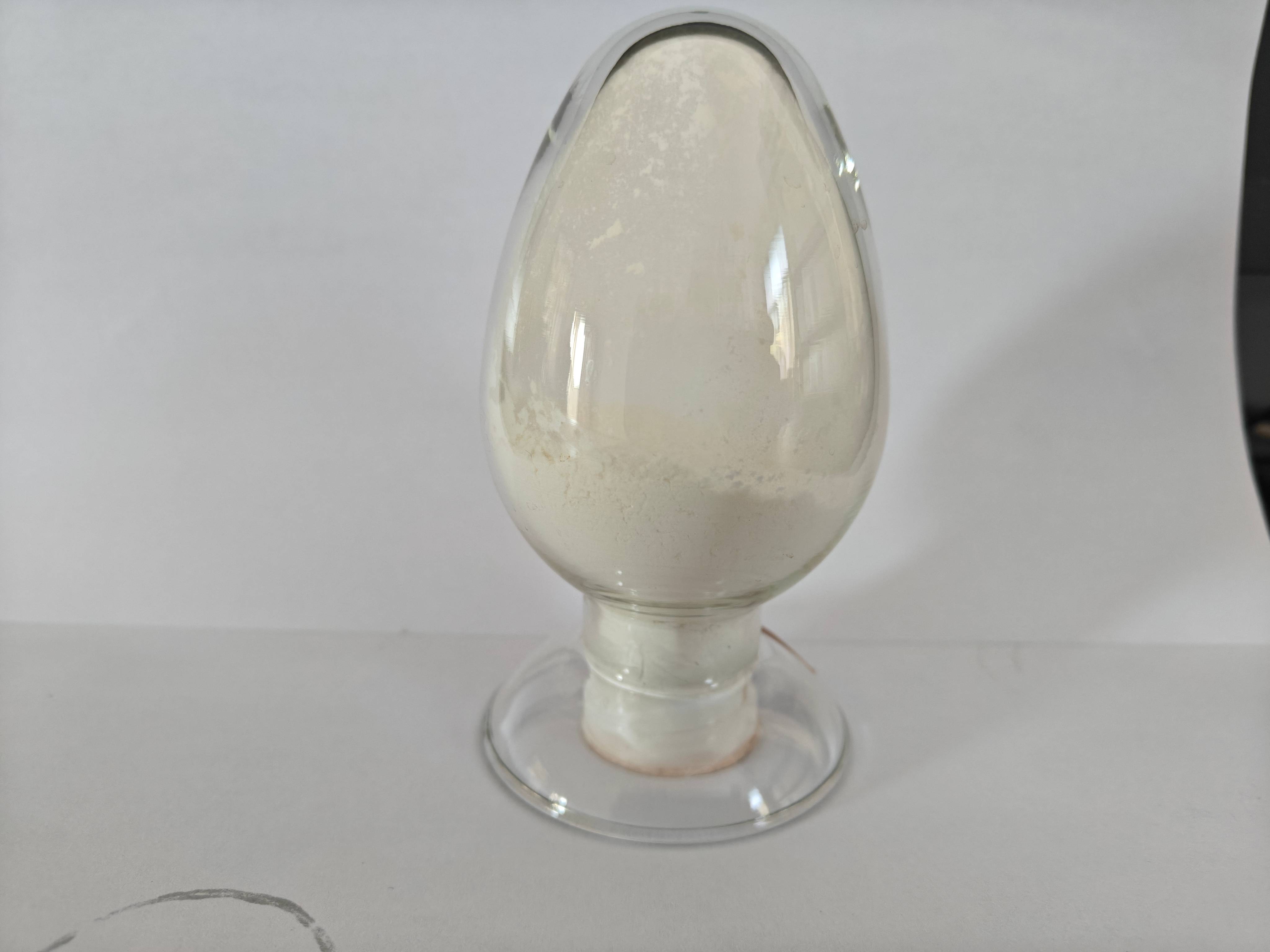
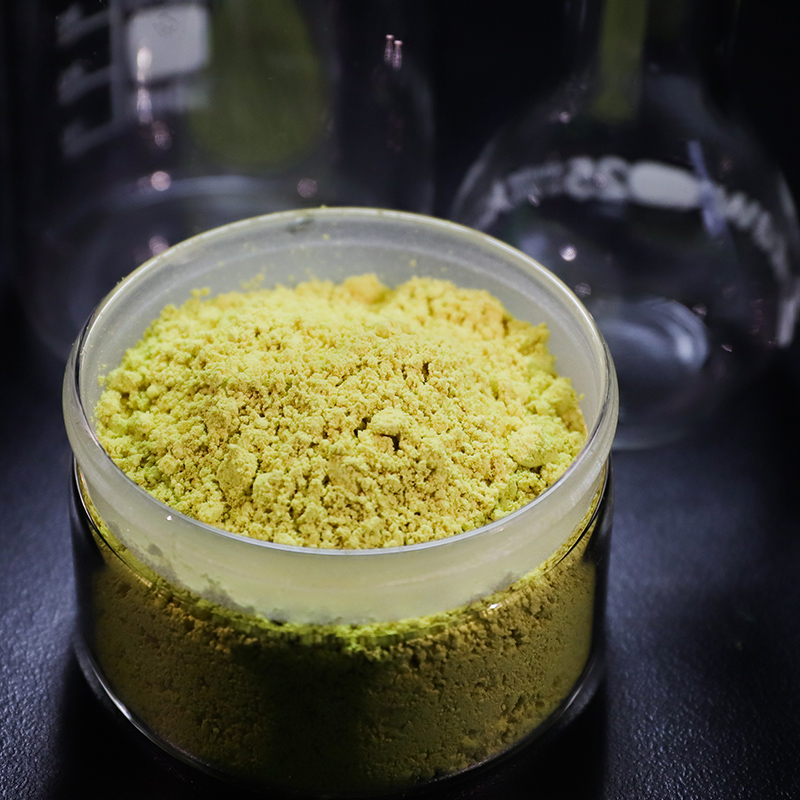
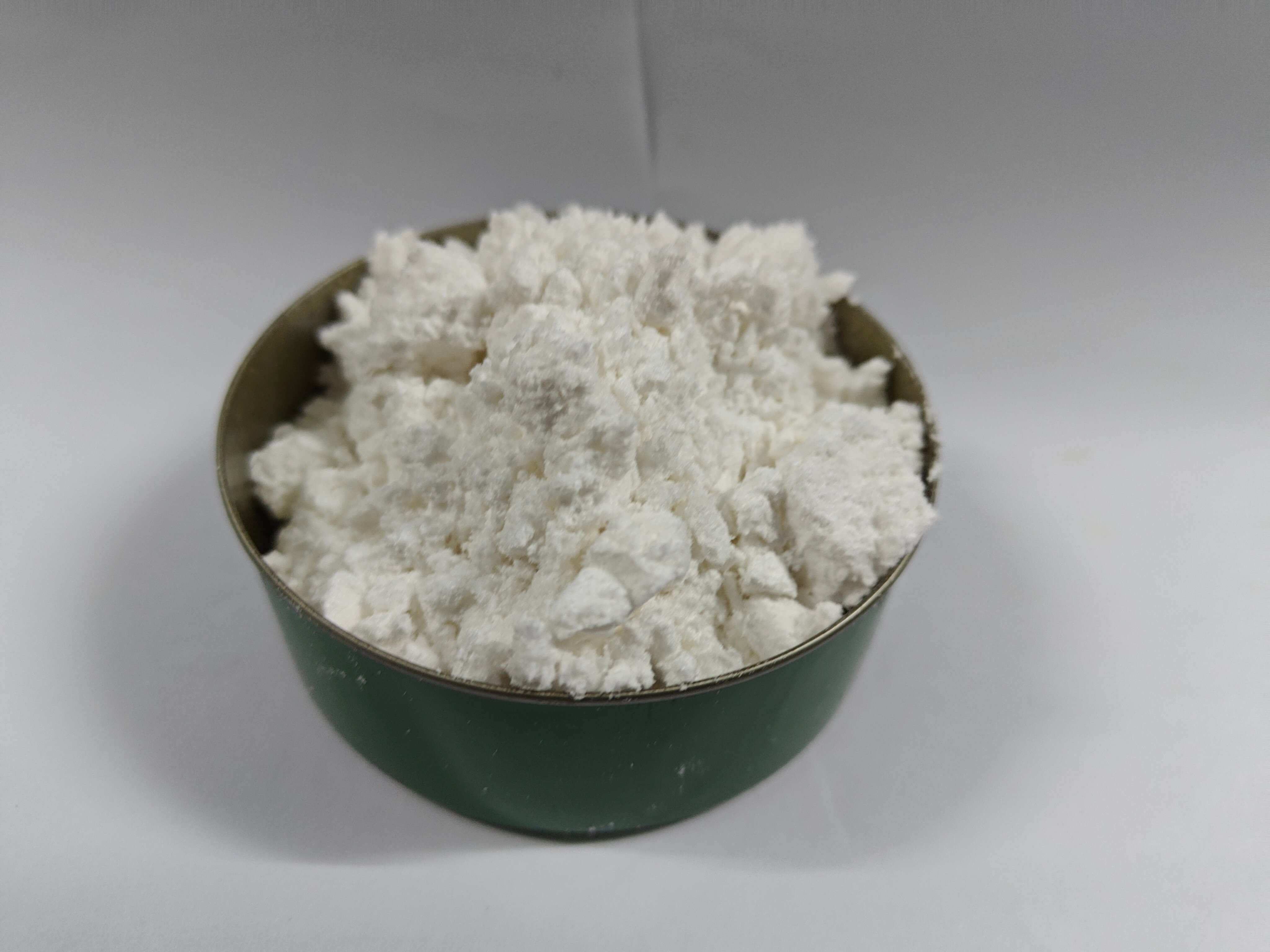
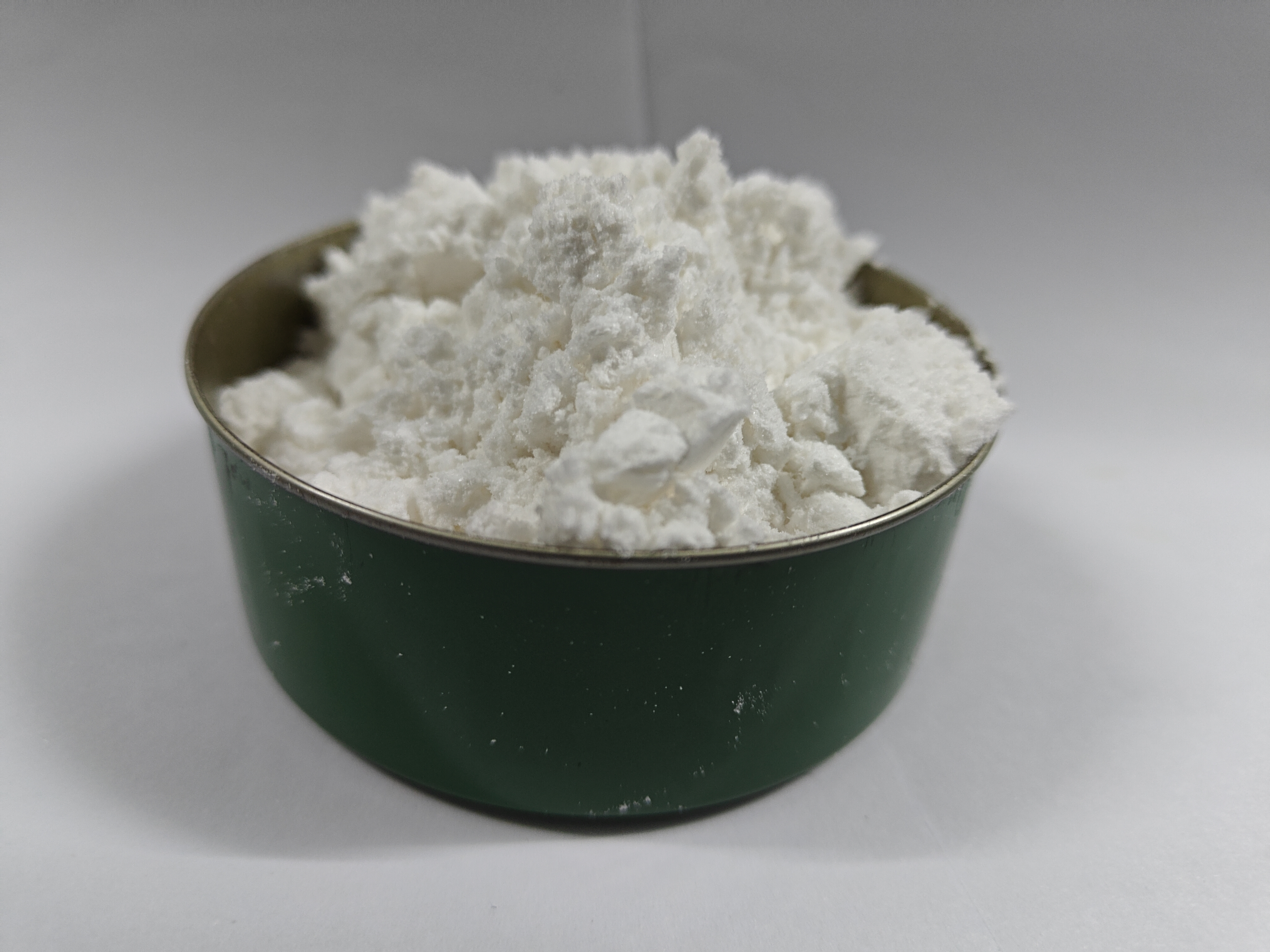
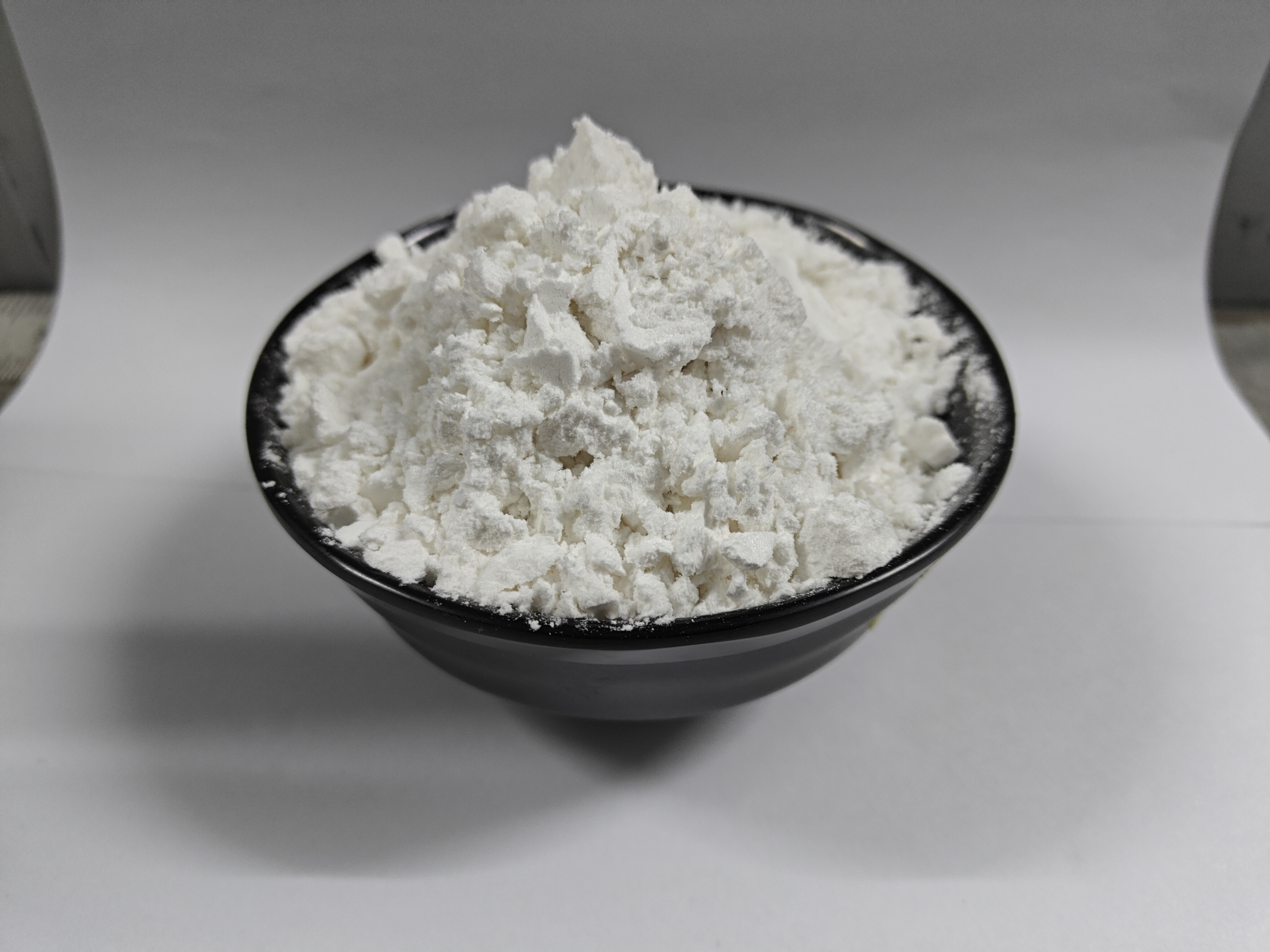
CDI pharmaceutical intermediate, also known as 1,1'-carbonyldiimidazole, serves as a crucial coupling reagent in modern pharmaceutical synthesis and drug development. This CDI pharmaceutical intermediate functions primarily as an activating agent that facilitates the formation of amide bonds, ester linkages, and other critical chemical connections essential for creating complex pharmaceutical compounds. The technological features of this CDI pharmaceutical intermediate include its exceptional reactivity under mild conditions, high selectivity in coupling reactions, and remarkable stability during storage and handling. Unlike traditional coupling agents, the CDI pharmaceutical intermediate generates only carbon dioxide and imidazole as byproducts, both of which are easily removed from reaction mixtures, ensuring cleaner synthesis pathways. This pharmaceutical intermediate finds extensive applications across multiple therapeutic areas, including the synthesis of peptides, nucleotides, and various bioactive molecules used in antiviral, anticancer, and antibacterial medications. The CDI pharmaceutical intermediate also plays a vital role in polymer chemistry and the production of specialty chemicals. Its versatility extends to carbohydrate chemistry, where it enables selective modifications of hydroxyl groups. Pharmaceutical manufacturers value this intermediate for its ability to improve reaction yields while reducing process complexity. The compound's compatibility with diverse functional groups makes it indispensable in multi-step synthetic routes, allowing chemists to construct sophisticated molecular architectures efficiently and reliably in both research laboratories and commercial production facilities.

 EN
EN